Reviewed · TOKYO TOURS
Tokyo: Full Course Tour: Explore 15 Must-Sees & Hidden Gems
What makes this tour so interesting is the way it gives you structure for your first day in Tokyo, big landmarks plus the smaller everyday parts of the city. I love that you get all attractions free to enter, and the day is run as a small group capped at 7. One possible drawback, you do serious walking, so plan on comfy shoes and a steady pace.
I also like that you are not just collecting photos. Your guide can coach metro etiquette and the little social rules of Japan as you move through neighborhoods, from shrines to shopping streets. If you get a guide like Yasuko or Michiko, the tone stays friendly and the pacing feels organized.
The other practical thing to know upfront is that you still need cash and transit. You’ll want cash in JPY for shops that take it, and transport fares are not included, so budget a bit extra for metro and JR rides.
Key Things That Make This Tokyo Day Feel Worth It
- Free entry at every stop, so you can spend your money on food and transit instead of tickets.
- Small group size (up to 7), which keeps the day from feeling like a cattle chute.
- Born-and-raised English-speaking guides who focus on etiquette, not just sightseeing facts.
- A smart mix of Tokyo essentials, from Meiji Jingu and Harajuku to Tsukiji and Asakusa.
- Konbini culture included, so you see how convenience stores fit into daily life.
- Well-paced, people-first guidance, with guides like Yasuko and Michiko praised for being considerate and keeping things moving.
Why This Tokyo Full-Course Day Tour Works for a First Trip
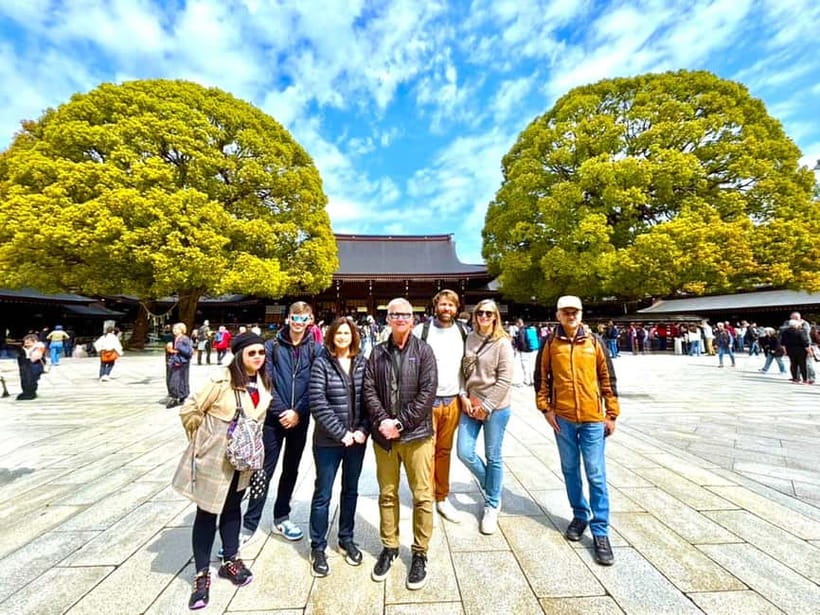
Tokyo can feel like a fun puzzle, and also a little stressful. Trains are easy when you know the rhythm, but Tokyo without a plan can turn into wandering with sore feet and wasted time. This tour is designed to help you get your bearings fast.
You start in Shibuya’s Yoyogi area and spend the day moving by metro between districts, then walking from sight to sight. The biggest value is that you cover a lot of famous places while still getting local explanations for what you are seeing and how to behave in each setting.
Another strong plus is the guide approach. The guides are English-speaking locals, born-and-raised, and they do more than read facts off a sign. You are taught practical etiquette for train travel and everyday life in Japan, which means you spend less energy worrying about what is polite and more energy paying attention.
The catch is pacing. The tour is about 10 hours, and the guidance says to expect around 20,000 steps. If you show up with uncomfortable shoes or a low stamina day, the route can feel like too much. But if you pace yourself, it feels like a high-efficiency day that also teaches you how to move around Tokyo on your own later.
Also on the shortlist for Tokyo:
- Mt Fuji and Hakone 1-Day Bus Tour Return by Bullet Train
★ 5.0 · 26,383 reviews - 1-Day Tokyo Bus Tour
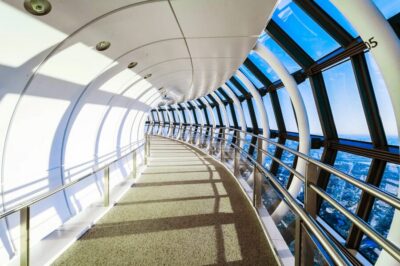
★ 5.0 · 14,250 reviews - Tokyo: TOKYO SKYTREE® Admission ticket
★ 4.5 · 11,192 reviews
Starting at JR Yoyogi Station, Then Tokyo by Metro and Foot
Your day begins at JR Yoyogi Station, west exit, outside the ticket gates. It’s a good starting point because it’s already connected to the systems you’ll keep using. Once you meet your guide, you follow their plan and do not waste time trying to decode station exits by yourself.
Here’s what I think you’ll appreciate: the tour is built around a repeatable pattern. You take the metro between areas, then you walk the cluster of sights in that neighborhood. That rhythm matters. Tokyo’s “labyrinth” reputation is real, but the tour uses it to your advantage, giving you the exact movement logic you’ll want to copy later.
Because this is a live guided tour, you should show up on time. The tour departs on schedule, and late arrivals cannot join. If you know you are sometimes tight with timing, give yourself extra buffer that morning.
Meiji Jingu Shrine: Your Calm Reset Before the City Gets Loud
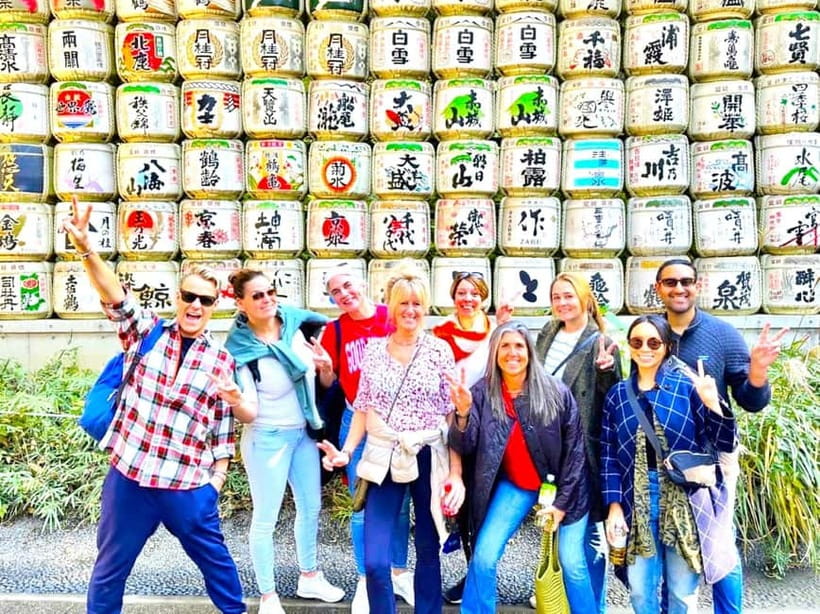
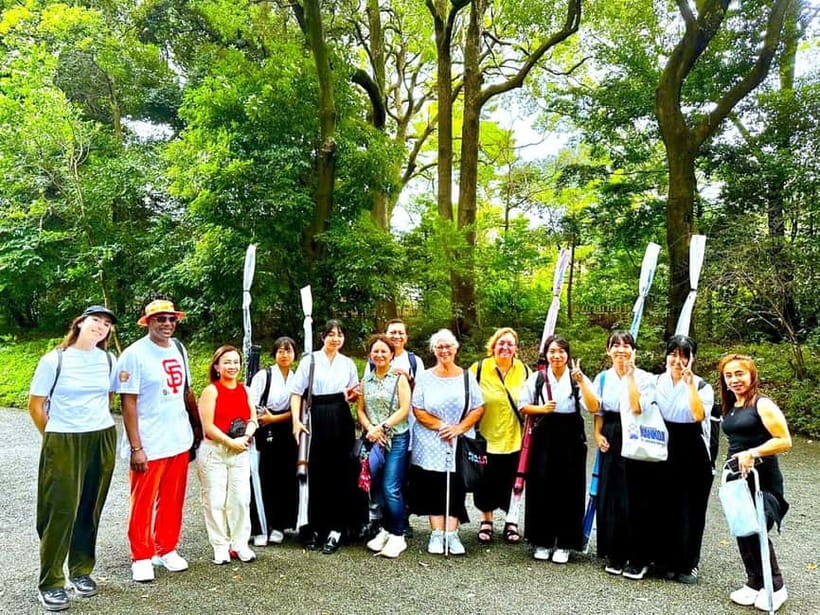
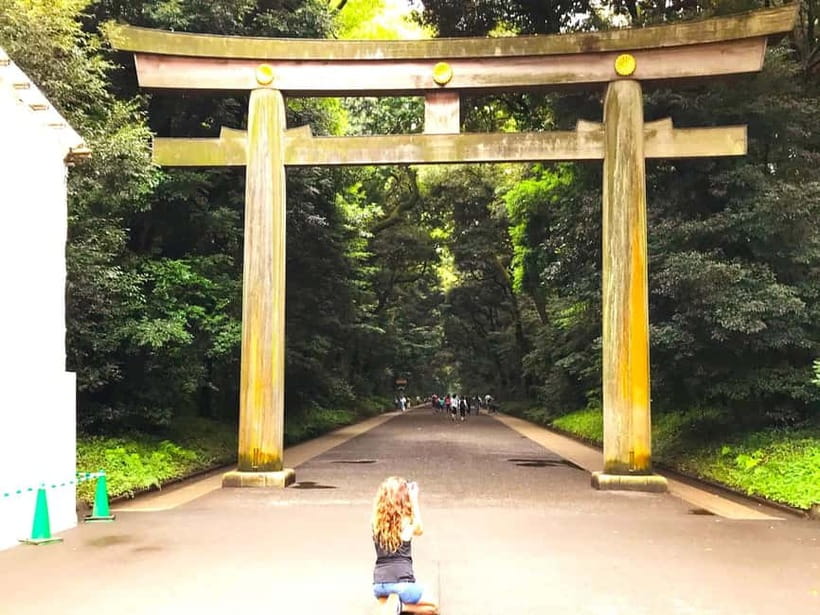
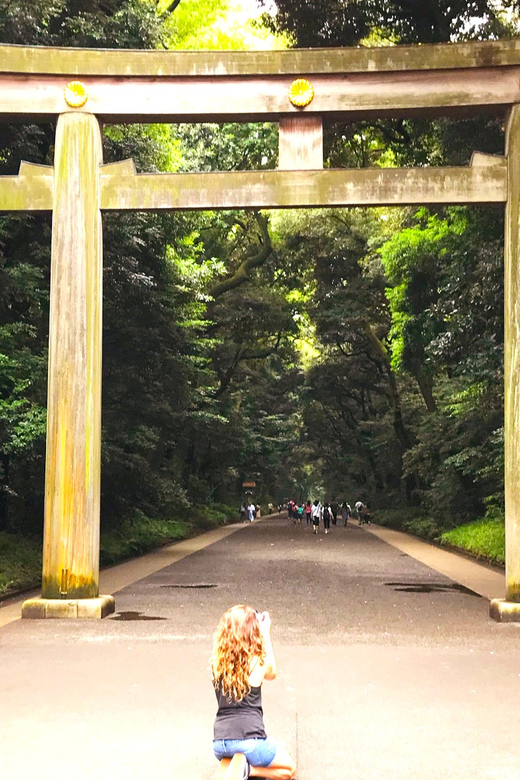
The first major stop is Meiji Jingu Shrine, where you spend about 30 minutes. This is your reset button. The temple grounds shift the mood quickly, from street noise to the feeling of being in a quiet forest area inside Tokyo.
Even if you have seen photos, what you’re really learning here is context. A shrine stop early helps you understand how Japanese daily life can be respectful and orderly without being stiff. Your guide also uses this moment to set expectations for etiquette, so you are not guessing later at other sacred spots.
Time note: 30 minutes is enough to walk the main paths, take photos, and listen to stories, but it is not enough for a long, slow wandering session. If you want deep quiet time, consider adding your own revisit later on a separate day.
Harajuku Fashion Street: Youth Culture and Street Food Energy
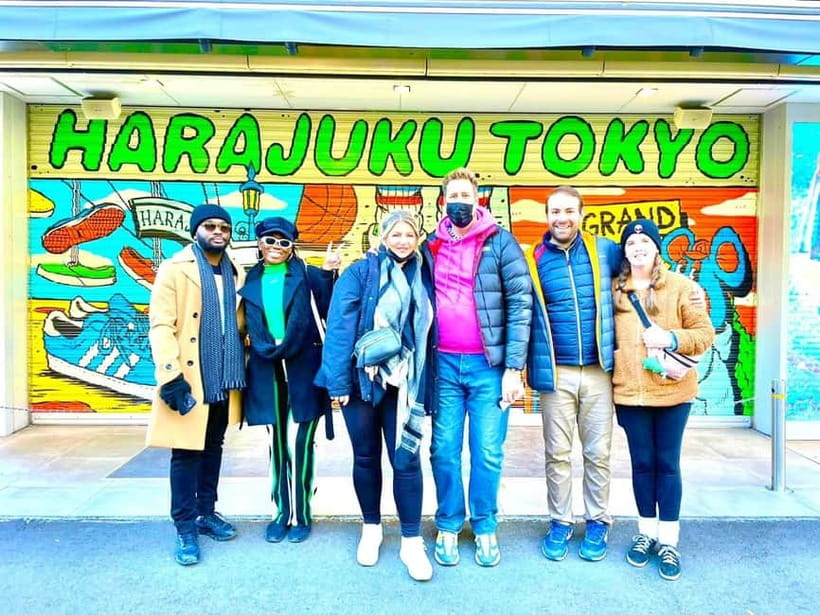
Next is Harajuku, also about 30 minutes. Harajuku is not just clothing. It’s a window into youth culture, Kawaii fashion, and the street-level creativity people show when the city encourages self-expression.
This is a great contrast after Meiji Jingu. You go from serene paths to neon-ish storefronts and crowds. What you’ll like most is how your guide helps you interpret what you see, instead of treating it like random shopping chaos.
A drawback: Harajuku is crowded. Your time is short, so you will hit highlights, not every single side street. If shopping is your priority, you may want to come back on a different day after you’ve learned your way around.
A change of pace from Tokyo:
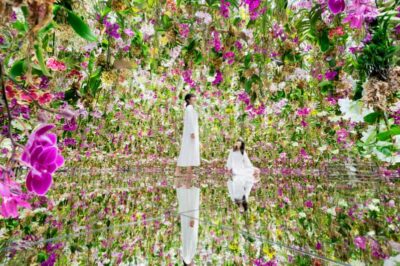
- Tokyo: teamLab Planets TOKYO Digital Art Museum Entry Ticket
★ 4.6 · 9,779 reviews - Mt Fuji & Hakone Cruise, Drum Show Bullet Train 1 Day from Tokyo
★ 4.0 · 7,413 reviews - Tokyo: Sumo Show Experience with Chicken Hot Pot and a Photo
★ 4.8 · 6,678 reviews - Tokyo: Shinjuku Food Tour (13 Dishes at 4 Local Eateries)
★ 5.0 · 6,603 reviews
Hachikō at Shibuya: The Story Behind the Most Famous Dog
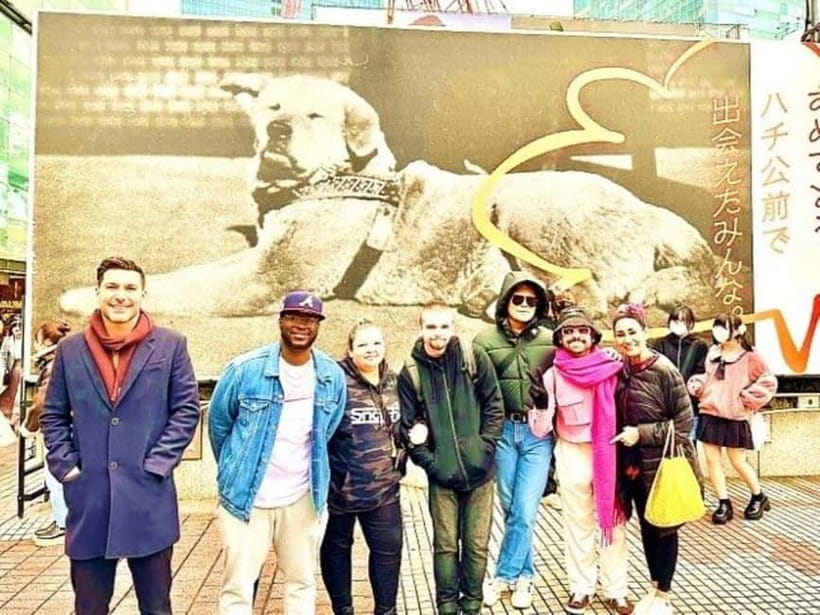
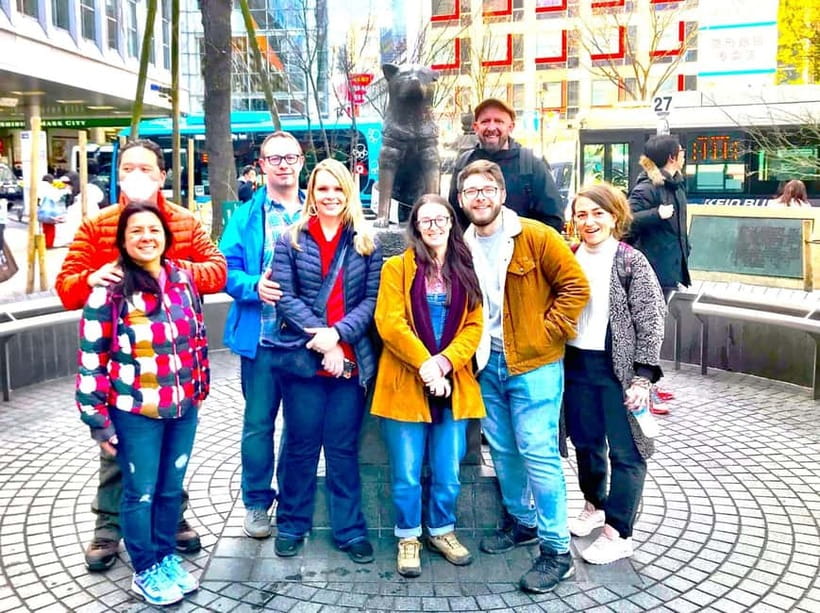
Then you move to Shibuya, starting with the Hachikō statue for about 10 minutes. This stop is quick, but it’s worth it because Hachikō is tied to Japan’s ideas about loyalty and devotion.
What makes this stop useful is the guide storytelling. Instead of treating it as a quick landmark photo, you get the human story that makes the statue meaningful. It’s also a convenient pause point before the biggest photo moment of Shibuya.
Shibuya Scramble Crossing: The Photo Spot That Teaches You Crowd Sense
After Hachikō, you get about 10 minutes at Shibuya Scramble Crossing. This is the world-famous intersection, and yes, it’s busy. That’s the point.
Your guide helps you with practical behavior in crowds: when to stand, where to move, and how to avoid getting swept into the flow. If you have never done Japan’s crossing systems before, having someone show you how to time it is a real confidence boost.
Photo reality check: 10 minutes can produce solid pictures, but you may not capture every angle. If you are aiming for a specific shot, ask your guide where the best viewing positions are before you commit your time.
The Metro Transfer Break: Learning Tokyo’s Movement Logic
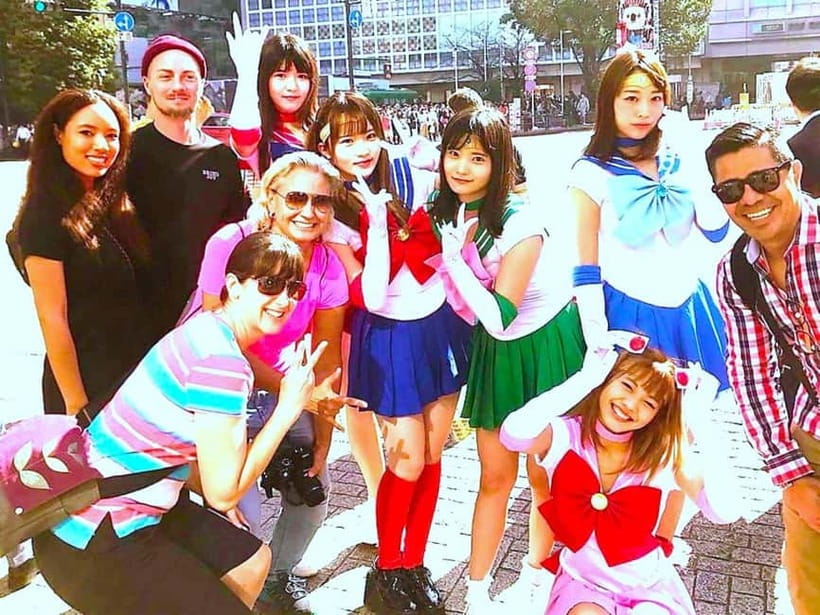
Between districts, you take the metro. You get around 30 minutes of transfer time earlier in the day and a shorter jump later. These breaks matter because they let you rest a little, grab water, and mentally reset.
This is also when etiquette coaching is most useful. Tokyo train rules can be different from other cities, and the tour’s focus helps you avoid awkward mistakes. Think of the transfers as part of the learning, not wasted time.
Tsukiji Honganji Temple: Architecture and Color in the Middle of the Market World
Next is Tsukiji Honganji Temple for about 30 minutes. Even though Tsukiji is known for food, this temple stop shifts you into a different category of Tokyo sightseeing.
What I like about including a temple here is that you get breathing room from pure commercial energy. The temple’s design details, including stained glass you can spot in the space, give your eyes something to focus on beyond crowds.
It also sets up the next stop well. You are going from reverent quiet to food intensity, so you feel the contrast rather than the chaos.
Tsukiji Outer Market: Japan’s Kitchen, Plus How to Eat Smart
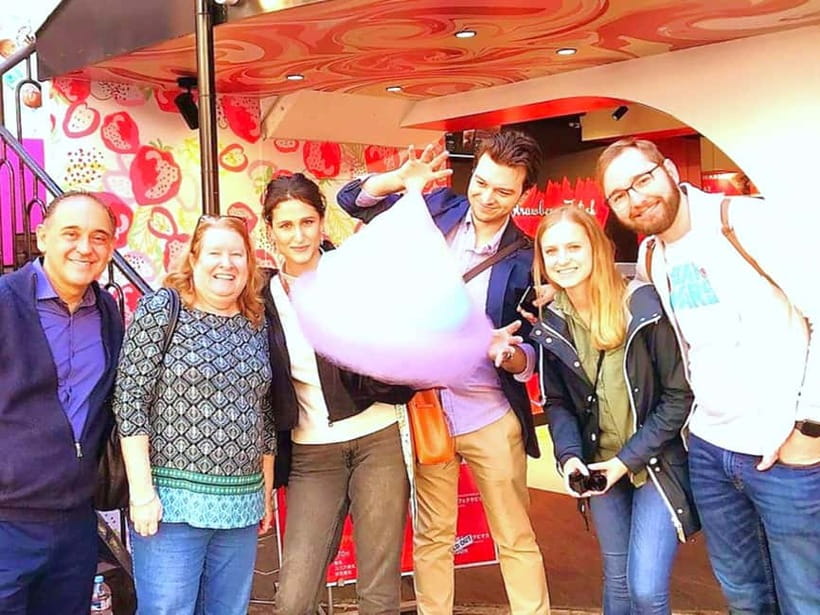
Then you spend about 1.5 hours at Tsukiji Outer Market, which is the time you’ll remember. This is where you see why Tsukiji has a reputation as Japan’s kitchen: seafood, snacks, and all sorts of market bites that show up in everyday Japanese food culture.
Your guide helps you navigate the area so you can spend time eating and looking instead of getting turned around. You also get food context, which matters because the market can feel overwhelming when you just arrive.
Food note: lunch at Tsukiji is not included, but you will stop in this area with plenty of chances to eat. Vegetarian and vegan options are always available, which is a huge practical point if your diet limits what you can try.
Time reality check: 1.5 hours is enough for a couple of meaningful bites and browsing, not enough to do every stall. Pick a plan based on your appetite and your tolerance for crowds.
Imperial Palace Grounds and Marunouchi: Tokyo’s Polished Side
After Tsukiji, the tour moves into an area that feels more formal: the Imperial Palace grounds, about 15 minutes. This stop focuses on the former Edo Castle area and the stone walls around it.
This is a good “breather” section. You have been in markets and shopping areas. Now you’re in wide open views and calmer pacing. It helps you understand Tokyo’s layers, how old authority sits next to modern business life.
Then you head to Marunouchi for about 15 minutes. Marunouchi is sleek and business-focused, but it still holds a sense of Tokyo’s official history nearby. You’ll likely notice how the city can look both futuristic and traditional without feeling like a theme park.
Tokyo Station Square: The Red-Brick Landmark Pause
You also spend about 15 minutes at the Marunouchi Tokyo Station Square and see the famous Tokyo Station area. This is a historic gateway moment, and it works as a natural mid-afternoon checkpoint.
If you like architecture and old-world station vibes, you’ll enjoy this stop. Even if you do not, it’s a good moment for photos and a quick reset before heading to the neon side of town.
Akihabara: Anime, Gaming, and Pop Culture on Full Display
Next is Akihabara, around 30 minutes. This is Tokyo’s electronic and pop culture playground: anime visuals, gaming energy, and shops that make you feel like you stepped into a different genre of city life.
What makes Akihabara good in a guided day is that you are not just wandering randomly. Your guide can point out what to look for and how the district’s vibe fits into Tokyo’s broader culture.
Time note: 30 minutes can slip by fast in Akihabara. If you want to shop deeply, you might wish you had longer. But if you want to see the core feel and understand what the district is about, it hits the mark.
Ueno Park and Ameyoko: Art, Samurai Echoes, and Street Market Life
Then the tour heads to Ueno Park for about 30 minutes. Ueno is known as a cultural area with major museums nearby and samurai history in the mix. Even in a short visit, it helps you understand why people treat Ueno as more than just another park.
After Ueno, you go to Ameya-Yokocho (Ameyoko Street) for about 15 minutes. This is a market street with street food and busy local shopping energy. The vibe is gritty in a good way, the kind of place you learn from by looking at how people move and what they buy.
A small caution: Ameyoko is crowded. If you hate crowds, stand slightly back from the tightest choke points and watch your guide for where the best movement flow is.
Sensoji Temple and Asakusa Shrine: Ending With Tokyo’s Old Soul
The day closes in Asakusa, starting with Sensoji Temple for about 30 minutes, then Asakusa Shrine for about 10 minutes. Sensoji is Tokyo’s oldest temple and the spiritual heart of old Asakusa.
This is the best way to end the loop. You started with a modern, celebrity-feeling district vibe and moved through markets and business Tokyo. Ending with Sensoji and Asakusa gives you a calm, culturally grounded finish.
Sensoji is a major draw, so expect lots of people. Your guide’s role here is big: help you find the key views, explain what matters, and keep the day moving so you still get the full value of the schedule.
You finish at Asakusa Shrine. That finish point is helpful because Asakusa has plenty of food options and is easy to keep exploring if your legs are still working.
Money, Free Entry, and What Costs You Still Need to Plan
The tour price is $90 per person for a 10-hour day. The value hinges on two facts you should not ignore: all attractions on the tour are free to enter, and you get a professional guide plus taxes included.
But you still need to budget for what is not included:
- Transportation fares for metro and JR, roughly 1,500 JPY (about $10), depending on how you ride
- Food and drinks, including lunch around Tsukiji, snacks, and dinner at an izakaya spot later
So the real question is not only what you pay upfront. The question is whether you want to spend time buying tickets one by one or having a guide roll all the sightseeing costs into one simple fee. If you like the idea of paying once and focusing on food and transport, this is a strong fit.
There is also an important practical budget tip: the tour advises bringing cash because some shops accept cash only. That matters in market areas and smaller places.
Pace, Comfort, and Tokyo Etiquette Tips That Actually Help
This tour asks for real footwear. Plan on comfortable, sporty shoes and clothes you can move in, since you are effectively training for a long walk day.
Rain gear is also practical. The tour progresses through rain if it happens, so bring an umbrella or a raincoat.
Etiquette matters in Japan, and the guide focus is on practical rules, especially for trains and daily life. You’ll do better if you think of this as learning how to behave, not just learning where to go.
Safety is handled directly:
- Stay with your guide at all times
- The guide cannot leave the group to search for missing individuals
- Intoxication is not allowed
Also note the tour is not set up for everyone physically. It is not for pregnant guests, wheelchair users, people with mobility issues, people with back problems, or anyone with low fitness. If you have a cold, it is not suitable either. If you are unsure, be honest with yourself before you book.
Who This Tour Suits Best, and Who Might Feel Strained
This tour is a great match if you want:
- A first-day orientation to Tokyo
- A guided route that links iconic places with how locals behave and travel
- A manageable group size where questions are possible
- A day that balances shrines, markets, shopping districts, and neighborhoods
It is also a strong fit for food-minded visitors who like a plan, since you get Tsukiji and plenty of snack energy. Vegetarian and vegan options are available, which makes the day easier to plan around your needs.
You might want to skip it or consider a different style of tour if:
- Walking long distances is hard for you
- You need frequent seated breaks
- You want a slow, deep visit at fewer places
- You are traveling with someone who has mobility limitations
Should You Book This Tokyo Full-Course Tour?
Book it if you are thinking, I want Tokyo to make sense on day one. The combination of free-entry sights, a 7-person max group, and guides who can explain etiquette and everyday life is the formula that makes this tour feel efficient and reassuring.
Pass or reconsider if you are chasing a relaxed day. This is a 10-hour, heavy-walking route. If you want slow pacing and lots of independent exploring time, you may feel rushed.
If you do book, bring your practical gear: comfort first, cash for purchases, and an IC card for metro travel. Also, if your guide is someone like Yasuko or Michiko, that matters. The day tends to run smoothly when the guide is organized, friendly, and tuned into each person’s energy level, and that is a theme in how these guides are praised.
FAQ
Where does the tour meet?
The meeting point is JR Yoyogi Station, west exit, outside the ticket gate.
How long is the tour?
The tour duration is 10 hours.
What is the group size?
This tour is a small group limited to 7 participants.
What language is the guide?
The tour includes a live guide in English.
Are the attractions free to enter?
Yes. All attractions on this tour are free to enter.
What is included in the price?
The included items are the professional guide fee, and all taxes are included.
What is not included?
Transportation fares for metro and JR train are not included, and food and drinks are also not included. Lunch at Tsukiji, snacks, and dinner at an izakaya are not included.
How much is transportation likely to cost?
Transportation fares are listed as approximately 1,500 JPY, about $10.
What should I bring?
Bring comfortable shoes, cash, and a public transport ticket. An IC card for metro travel is required (Suica, Pasmo, or Icoca).
Is the tour suitable for children?
Under 18s must be accompanied by an adult. Under 13s require a private tour.
Latest write-ups near Tokyo
- Tokyo Nights: Shibuya Photo Adventure★ 5.0 · 20 reviews
- Wagyu & Sake 8 Course Tasting Dinner in Shinjuku★ 4.9 · 20 reviews
- Making Japanese desserts Nerikiri & drinking matcha in Tokyo★ 5.0 · 20 reviews
- Mt. Fuji 5th Station, Owakudani Ropeway, Pirate Ship plus Outlet shopping!★ 4.5 · 20 reviews
- Japanese Whisky Hunting《HIGH-QUALITY-ONLY》Rare Tasting Class★ 5.0 · 20 reviews
- Kintsugi Experience with Arita Ware in Tokyo (English Guide)★ 4.8 · 20 reviews
- This is Asakusa! A Tour Includes the All Must-Sees!★ 5.0 · 20 reviews
- Tokyo: Karate Experience with Former All-Japan Champion★ 5.0 · 20 reviews
Tokyo Tours, compared.
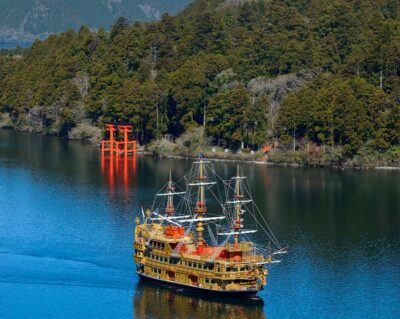
Mt Fuji and Hakone 1-Day Bus Tour Return by Bullet Train
Read our review →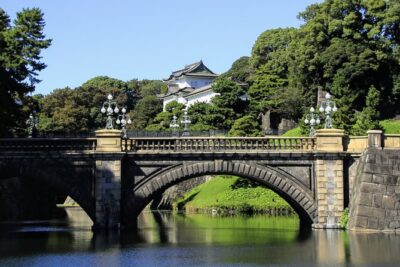
teamLab Planets TOKYO Digital Art Museum Entry Ticket
Read our review →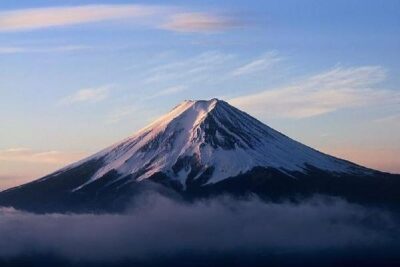
Mt Fuji & Hakone Cruise, Drum Show Bullet Train 1 Day from Tokyo
Read our review →
Sumo Show Experience with Chicken Hot Pot and a Photo
Read our review →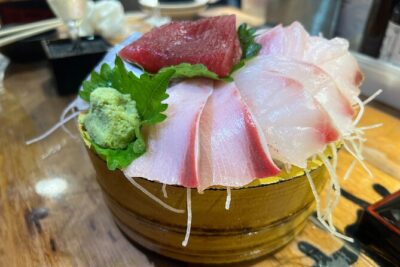
Shinjuku Food Tour (13 Dishes at 4 Local Eateries)
Read our review →