Reviewed · TOKYO TOURS
Tokyo: Karate Experience with Former All-Japan Champion
Tokyo karate sounds touristy until you meet a real instructor with tournament scars and a clear teaching style. This one is interesting because you learn the rhythm of Japanese martial arts from Ryo, a Kyokushin karate specialist who has competed at a high level, including becoming an All-Japan champion. I love that the session is built around karate basics and manners, starting and ending with the bow. I also love the practical progression, from stances and punches to kicks, pads, and safe kumite training. One consideration: the sparring is non-contact, so if you are craving full-contact chaos, this is not that kind of class.
The other reason this works in real life is pacing. You get warm-up stretching, then technique breakdowns in steps, and Ryo adjusts for beginners and people who already train. If you are bringing kids, the format feels manageable because instruction is explained clearly (and Ryo works in English and Japanese).
Key things that make this karate session worth your time
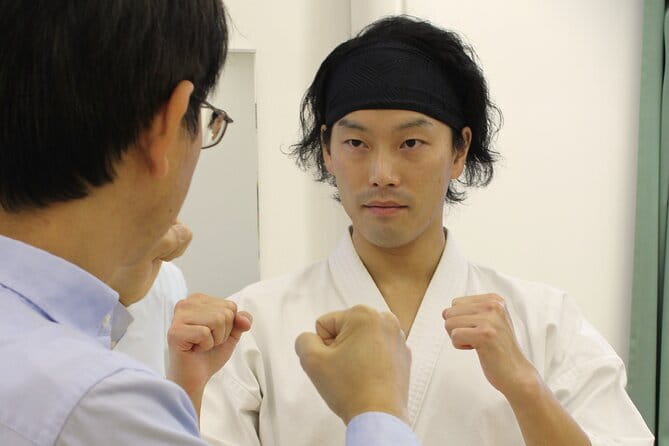
- A serious Kyokushin pedigree: Ryo trained 20 years in Kyokushin, competed internationally, and reached top placements including All-Japan champion (Kyokushinkan International -80kg)
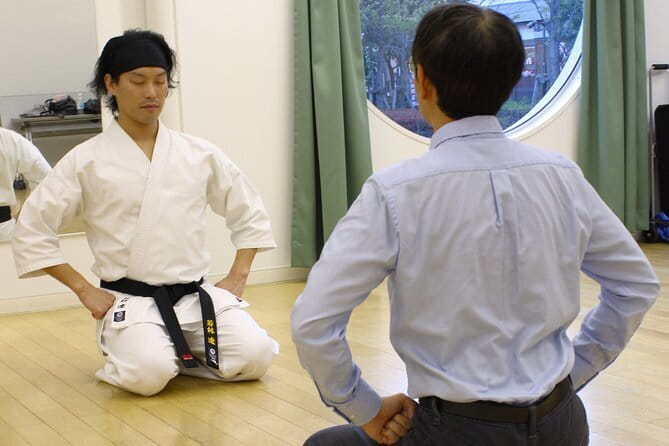
- Manners are not an afterthought: you learn why karate is Start with a bow and end with a bow
- Breathe for focus: belly breathing is part of the warm-up, not just a motivational lecture
- Technique practice is step-by-step: punches, blocks, and kicks are broken into smaller chunks so you can actually learn them
- Kumite without physical contact: you practice defense and timing safely, using scenario-style instruction
- Pads plus kata: punching/kicking pads and kata demonstration round out the lesson so it is not only fitness
The Asakusa setting and why it matters for a real-feeling lesson
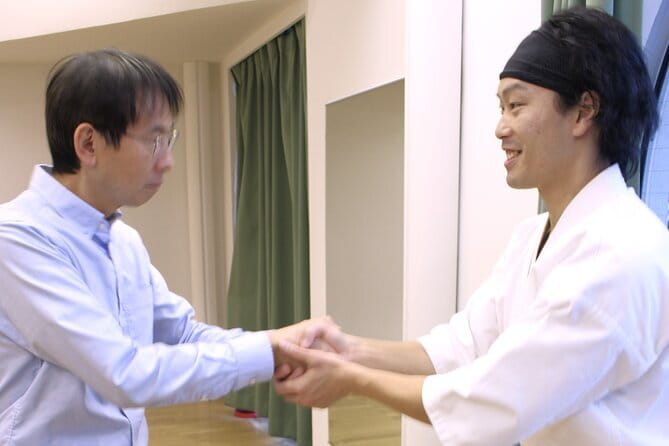
This karate experience is taught in central Asakusa, one of Tokyo’s easiest areas for walkable old-city atmosphere. The training happens in a real martial arts store setting, so you are not just watching from the sidelines like it is a show. You step onto the mat and follow a structure that feels like a dojo class, not a staged activity.
The group format is private or small groups, and that changes the vibe. You get more chances to ask questions and get corrected. In a small group, the instructor can watch your stance, breathing, and distance right away instead of giving generic tips to a large crowd.
Meeting point can vary depending on the option you book, so plan to check the exact location instructions before you go. Once you are there, the session runs with a clear flow, so you will not spend your time guessing what happens next.
Also on the shortlist for Tokyo:
- Mt Fuji and Hakone 1-Day Bus Tour Return by Bullet Train
★ 5.0 · 26,383 reviews - 1-Day Tokyo Bus Tour
★ 5.0 · 14,250 reviews - Tokyo: TOKYO SKYTREE® Admission ticket
★ 4.5 · 11,192 reviews
Ryo’s teaching style: clear explanations, careful correction
You are not learning karate from a script. You are learning from a teacher who has competed, trained for years, and earned advanced promotion status, including a promotion exam for 2nd Dan (2020). He is also dedicated to Kyokushin karate, which is known for full-contact training.
In class, Ryo teaches in a way that is easy to follow even if your karate background is limited. A big theme is precision. He demonstrates techniques and then has you practice the same ideas with your own body, while adjusting what needs fixing.
Language is English and Japanese, and that’s important for comfort. If you worry about missing details, this kind of bilingual explanation helps a lot, especially if you are bringing teens or kids. In practice, the class is designed for both beginners and experienced students, so the pacing should not feel like it is moving too slowly or too fast.
Starting with the bow and belly breathing (yes, it is part of the workout)
Karate starts with manners because it is training for the mind as well as the body. In this session, you learn the ritual of bowing, including the idea that you Start with a bow and end with a bow. That sounds simple, but it changes your focus fast. You show up ready to follow directions, not just ready to get sweaty.
Right after that, you practice belly breathing. The goal is calm focus, not performance breathing you copy without understanding. The breathing is paired with a mindset shift: you slow down your head, then you sharpen your timing and awareness.
This is also a quiet way to reduce nerves. If you are brand new, the early routine makes everything less intimidating. If you already train, you get a reminder of how karate classes build attention before they build speed.
Warm-up stretching that targets the joints karate actually uses
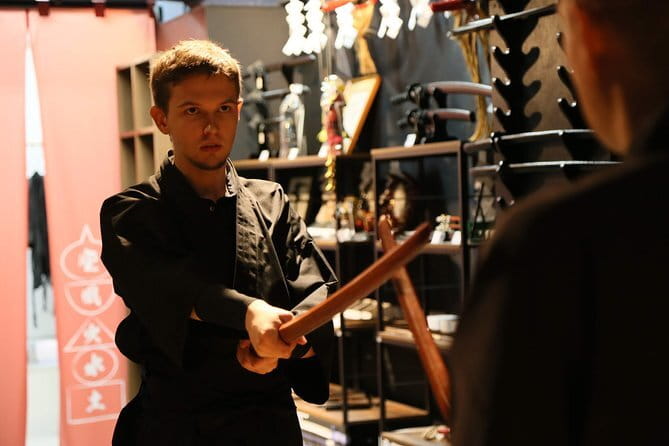
The lesson then moves into stretching for major areas, with attention to the things karate relies on. You cover leg muscles and hip joints, plus stretches that open the shoulder blades and chest. That matters because punches, blocks, and kicks demand shoulder rotation and hip mobility. If those areas feel tight, your techniques look awkward and your form leaks power.
The stretching also functions as a warm start, so you can transition smoothly into technique work. This is not random stretching held together by good intentions. It is organized so your body is ready for the stances and kicks you will practice next.
If you sit a lot on your Tokyo sightseeing days, this section will feel like a useful reset. You will probably notice your hips and shoulders more than your legs.
A change of pace from Tokyo:
- Tokyo: teamLab Planets TOKYO Digital Art Museum Entry Ticket
★ 4.6 · 9,779 reviews - Mt Fuji & Hakone Cruise, Drum Show Bullet Train 1 Day from Tokyo
★ 4.0 · 7,413 reviews - Tokyo: Sumo Show Experience with Chicken Hot Pot and a Photo
★ 4.8 · 6,678 reviews - Tokyo: Shinjuku Food Tour (13 Dishes at 4 Local Eateries)
★ 5.0 · 6,603 reviews
Punches, blocks, and kicks, taught in bite-size steps
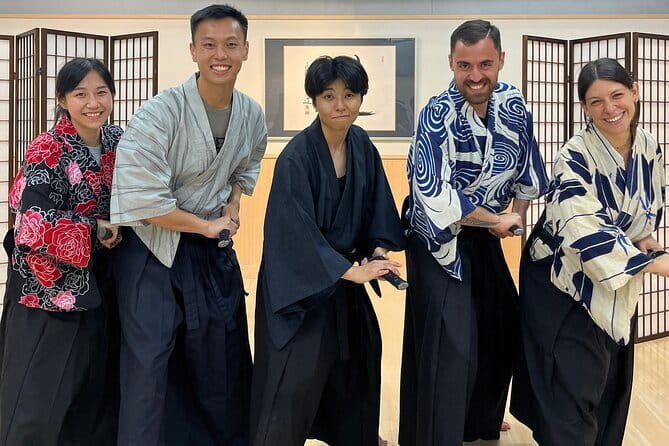
Once you are warm, you work on basic punches, blocks, and kicks with a proper stance. Ryo demonstrates, then breaks each technique into a few moves, so you can learn the mechanics step by step. That breakdown is one of the best parts for first-timers, because it stops the frustration loop of trying to copy a full motion all at once.
You also get tips for technique precision when needed. For many people, the biggest “aha” is that karate is about body alignment and efficiency, not just raw force. The class nudges you to understand what your stance is doing, how your hips drive your motion, and how you position your arms before and after contact.
Expect the session to feel like a mix of learning and repetition. That is where you get value. You are not just watching techniques. You are building muscle memory, even in a short session.
Kata demonstration: why patterns matter even when you skip sparring
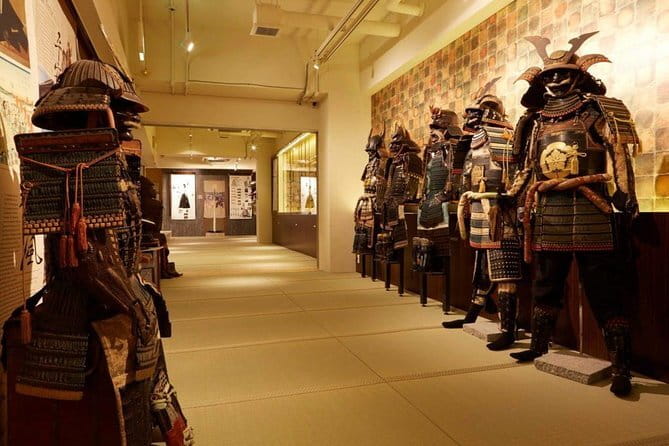
You will get a kata demonstration, meaning you see patterns of karate techniques in motion. Kata is often misunderstood as memorization for tradition’s sake. In a good teaching flow, kata becomes a training map. It shows you how basic movements connect into a fight-like sequence.
Even if you never plan to compete, kata teaches you timing and structure. It also helps you internalize how distance and angles work. In a one-hour to 90-minute class, you cannot master kata, but you can understand how karate thinks.
If you already train in another style, you will likely enjoy seeing how Kyokushin expresses fundamentals. One participant who was a Shotokan karate black belt highlighted how interesting it was to compare styles. That comparison can be fun, and it can also teach you to focus on what is truly shared across karate systems.
Non-contact kumite: defense practice that stays injury-safe
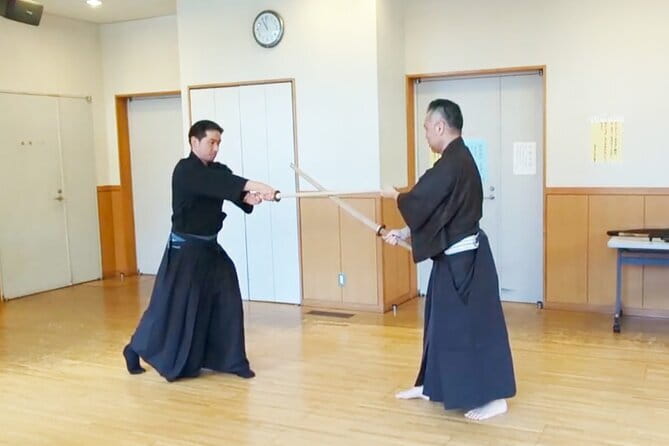
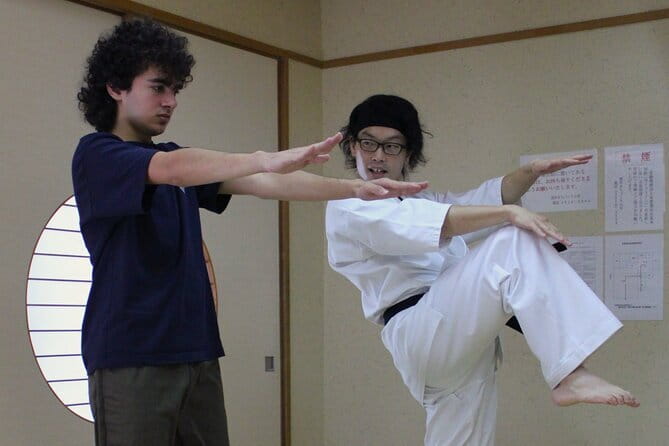
The session ends with the essence of kumite training without physical contact. This is practical for visitors because it reduces the risk of injury while still giving you the real training goal: react, defend, and respond with precision.
Ryo teaches you how to defend against attacks like punches, front kicks, and low kicks. You get scenario-style guidance that emphasizes maximum accuracy and efficiency. The point is not to exchange power. The point is to learn positioning and response timing.
Non-contact kumite also makes the class work for kids and first-timers. You get the adrenaline of sparring training, without the bruises. It is a chance to test what you learned in a structured way.
If you want full-contact sparring, you would have to look for a more intense dojo setting. But if you want a safe, authentic introduction to Japanese martial arts principles, this format hits the sweet spot.
Pads, conditioning, and the workout side of karate
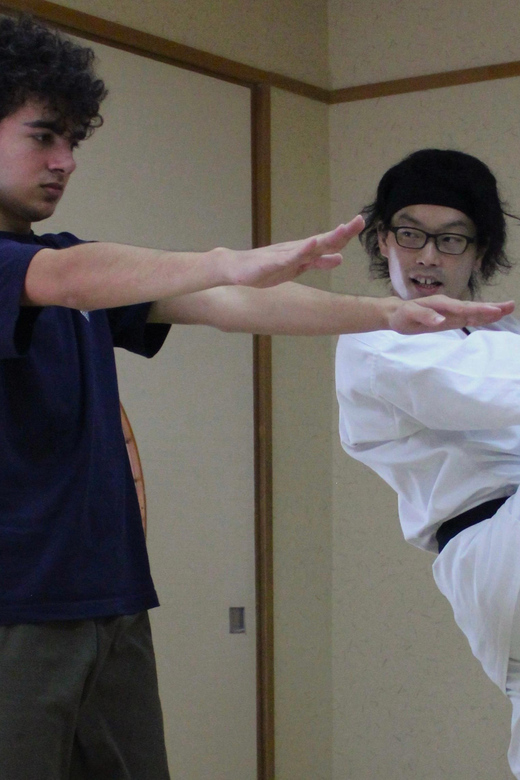
You will use punching/kicking pads, which turns technique practice into a more physical workout. Pads help you feel impact zones and learn how to generate power with good form. They also make the session more engaging because you get a clear target and instant feedback.
This is where the class earns its sweat. The stretching prepares you, and the pads plus repeated technique work build muscle strength and flexibility. If your goal is to leave Tokyo having done something active that still feels culturally grounded, karate fits well.
You also get a bottle of water. That’s a small thing, but it helps in a city where you can easily forget to hydrate between sightseeing stops.
The value check: is $58 for 1 to 90 minutes fair?
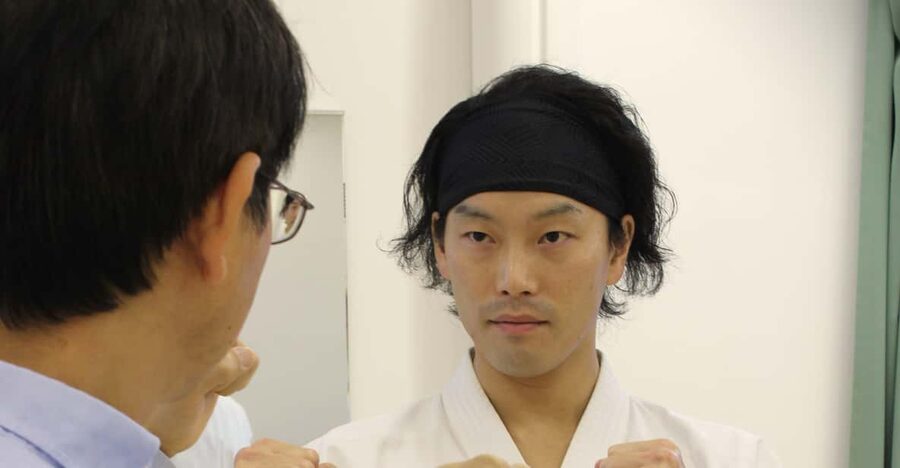
At around $58 per person, you are paying for instruction from a high-level Kyokushin instructor, not just general fitness. The value comes from several things you get together:
- Real coaching from Ryo, including corrections and step-by-step guidance
- A structured class that covers manners, breathing, stretching, technique fundamentals, and safe kumite practice
- Equipment included, like pads, plus a kata demonstration
- Small group or private format options, which increases the attention you receive
Where value can change for you is the option you book. The session length is 1 hour to 90 minutes, and some participants choose the private/90 minute session with a karate gi option. If your schedule is tight, the shorter class still gives a full training flow. If you want more time for correction and questions, go longer.
Also consider what else $58 could buy you in Tokyo. This is not a casual entertainment ticket. It is a hands-on skill experience with a genuine instructor background, and that is why people treat it like a trip highlight.
What to pack and how to show up ready
Wear clothes that let you move. Even if a gi is offered with certain options, you should plan for a day with stretching and kicking, so comfort matters.
A participant specifically advised bringing workout clothes because a gi was not provided with their 90-minute setup, based on their understanding. Since uniform inclusion depends on the option you choose, I recommend you double-check what is included in your exact booking before you arrive.
You will want:
- Comfortable workout clothes (and you can wear layers if the store is cool)
- Water bottle, though you may also receive one in the session
- Clean sneakers only if you need them to walk there, then you will be on the mat for training
If you are nervous, that’s normal. The early bow and breathing segment helps you settle quickly. Follow Ryo’s pace, ask when you need clarification, and you will do fine.
Who should book this karate experience, and who might skip it
This experience is a strong fit if you want:
- An authentic-feeling karate lesson in Tokyo with a real instructor
- A beginner-friendly structure that still challenges your posture and coordination
- Safe sparring practice with non-contact kumite
- A short activity that leaves you feeling accomplished, not drained in the wrong way
It is also a good choice if you are bringing kids or teens. Ryo works at a pace that can bring young students along, and there’s flexibility around whether the children stay with the instructor or sit out depending on the setup.
You might skip this session if:
- You want full-contact sparring with physical engagement
- You are looking for a purely performance-style martial arts show instead of learning fundamentals
- You dislike following structured rules like bowing rituals and step-by-step technique building
Should you book this Tokyo karate session with Ryo?
If you want a practical, respectful karate introduction with someone who has real tournament experience, I think you should book it. The lesson is structured so you learn manners, breathing, stretching, and technique, then apply it safely through non-contact kumite and pad work. That mix makes it feel both authentic and useful.
Book it with extra confidence if you like hands-on learning and you value coaching over sightseeing checklists. If your schedule allows, consider the longer session option for more practice time and corrections.
If you tell me your comfort level with martial arts, your age group, and which session length you are considering, I can help you choose the best option.
FAQ
How long is the karate experience in Tokyo?
The duration is listed as 1 hour to 90 minutes, depending on the option and starting time availability.
What is the price per person?
The price is listed as $58 per person.
Is this a private class or a group class?
It offers private or small groups.
What karate techniques will I practice during the lesson?
You will practice basic punches, blocks, and kicks, plus non-contact kumite training focused on defending against punches, front kicks, and low kicks. You also get a kata demonstration.
Is the sparring contact-free?
Yes. The lesson includes kumite training without physical contact.
What language will the instructor teach in?
The instructor teaches in English and Japanese.
Do I get a karate uniform (gi)?
A karate uniform is included if you choose the option PRIVATE/90min Session with Karate Gi when you book. For other options, you may need to plan your clothing accordingly.
What equipment is included?
The class includes punching and kicking pads, kata demonstration, interactive lesson time with the instructor, and a bottle of water.
Where do I meet the instructor?
The meeting point may vary depending on the option booked.
Can I cancel or pay later?
Free cancellation is available up to 24 hours in advance for a full refund. There is also a reserve now & pay later option so you can book without paying immediately.
Latest write-ups near Tokyo
- Tokyo Customized Private Tour: See Top Attractions in 1 Day★ 4.8 · 67 reviews
- From Tokyo: Top 5 Scenic Spots of Mount Fuji Full-Day Tour★ 4.5 · 67 reviews
- Tokyo: Shinjuku Izakaya and Golden Gai Bar Hopping Tour (2h)★ 4.9 · 67 reviews
- Traditional Japanese Music ZAKURO SHOW in Tokyo★ 5.0 · 67 reviews
- Tsukiji: Unlimited Sake Tasting Experience★ 4.9 · 67 reviews
- Samurai Ninja Museum Asakusa: Kid-Friendly Ninja Training★ 4.7 · 67 reviews
- Tokyo: Not a show- a professional sumo practice with experts★ 4.9 · 67 reviews
- Private Harajuku Omotesando Architecture Walking Tour★ 5.0 · 67 reviews
Tokyo Tours, compared.
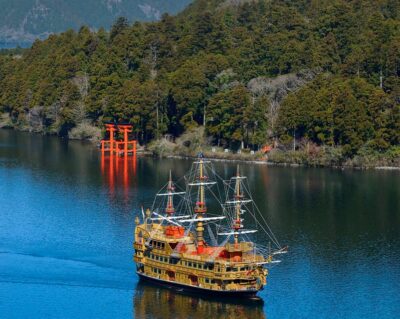
Mt Fuji and Hakone 1-Day Bus Tour Return by Bullet Train
Read our review →

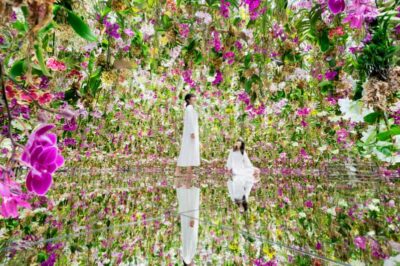
teamLab Planets TOKYO Digital Art Museum Entry Ticket
Read our review →
Mt Fuji & Hakone Cruise, Drum Show Bullet Train 1 Day from Tokyo
Read our review →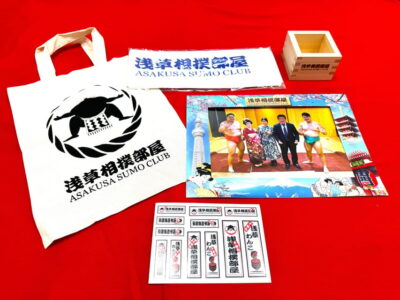
Sumo Show Experience with Chicken Hot Pot and a Photo
Read our review →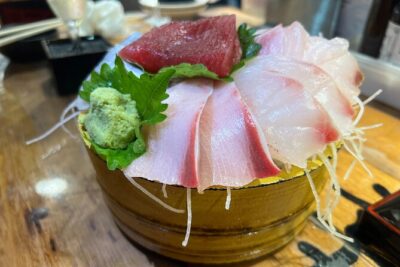
Shinjuku Food Tour (13 Dishes at 4 Local Eateries)
Read our review →