Reviewed · TOKYO TOURS
Tokyo: Learn Traditional Origami with a Local
Learning origami in Tokyo is interesting because you are not just learning folds, you are learning the meaning behind them through Manami’s stories. I like that the class is taught step by step with patient, friendly guidance, so you can keep up even if your hands get a little clumsy.
One caution: this workshop is mainly built for beginners, so if you already fold confidently, you might end up with designs that feel a bit straightforward. Also, you do not get to customize the exact designs on the day.
Key highlights you should know

- Manami Watanabe started folding at age 3, so you get technique plus personal stories, not just instructions
- Pick designs and papers in the room, choosing from traditional and modern sheets for each model
- Create 3 to 5 origami pieces in 90 minutes, with clear pacing and frequent checks on your folds
- Cultural context is part of every shape, including well-known symbolism like the origami crane
- Beginner friendly with options at different skill levels, though very experienced folders may want something harder
- Bring-home setup is included, with small bags plus a relaxed moment to take selfies of your finished pieces
Why Manami’s Tokyo origami lesson feels different than a typical workshop
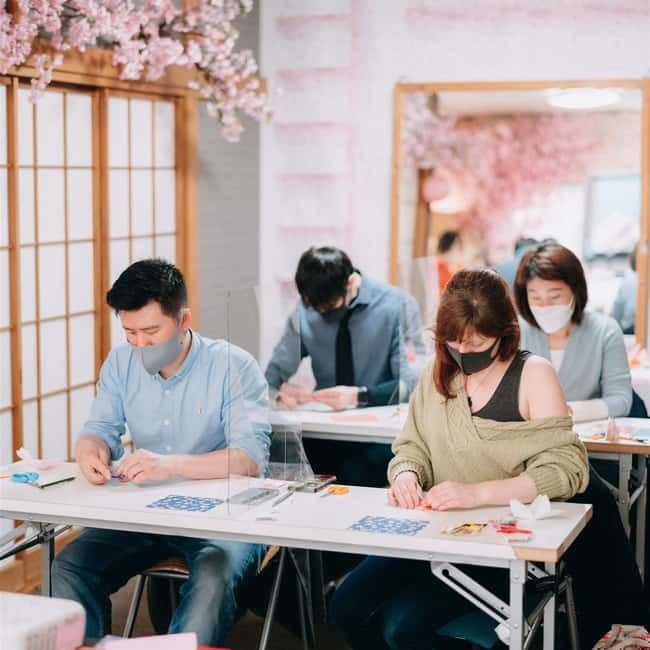
This class works because Manami treats origami like living culture, not a one-time activity. You fold along while she shares the background and meaning behind each shape, and the stories make the paper feel less abstract.
Two things I’d highlight for you. First, you get step-by-step direction that is paced for real people, not origami robots. Second, you select from different papers and designs, so the experience does not feel like you are doing the same thing as everyone else.
The best part is how calming it feels. There’s something satisfying about making a clean crease, then watching a form appear. Even if you are traveling solo or you are bringing your teenager along, this kind of hands-on focus is a nice change from running around looking at sights.
Also on the shortlist for Tokyo:
- Mt Fuji and Hakone 1-Day Bus Tour Return by Bullet Train
★ 5.0 · 26,383 reviews - 1-Day Tokyo Bus Tour
★ 5.0 · 14,250 reviews - Tokyo: TOKYO SKYTREE® Admission ticket
★ 4.5 · 11,192 reviews
Finding FEEP Shinjuku Higashi-guchi: the one logistics step you should not skip
The meeting point is in Shinjuku at 【FEEP Shinjuku Higashi-guchi】, Shinseido Bldg. 5F, Shinjuku 3-29-11, Shinjuku-ku, Tokyo. The nearest station is Shinjuku-sanchome (metro lines M09, F13, S02), and it is also reachable from the east gate of JR Shinjuku Station.
There’s no pickup at the train station, so give yourself enough time to get oriented. Also, the workspace entrance is locked, and you are asked to message once you reach the 5th floor. That matters because it turns a simple meetup into a quick scavenger hunt if you show up late or rushed.
My practical tip: once you arrive, go straight to the building stairs or elevator access for the Shinseido building and then message right away when you are on the 5th floor. It is faster than wandering around hoping you found the right corridor.
The class flow: how you choose your designs and start folding
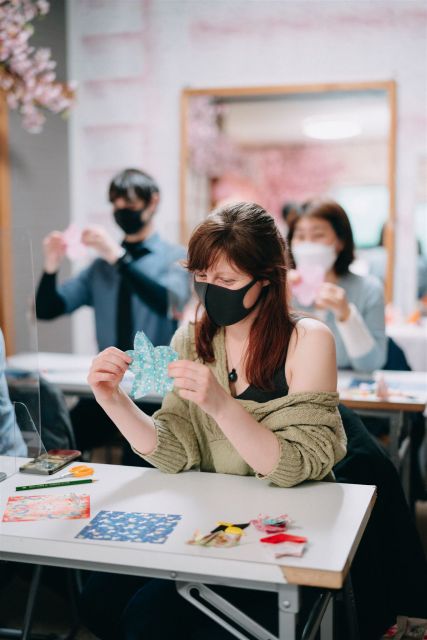
At the beginning, Manami shows origami designs with different skill levels. You then choose which patterns you want to make, and the goal for most sessions is 3 to 5 finished shapes by the end of the 90 minutes.
This is not a chaotic free-for-all. The class is structured so you can pick what interests you, but you still get a clear path forward for each model.
You also get to choose your paper. You will have a variety of traditional and modern origami papers with different designs, and you pick the sheet for each shape you make. That small choice changes the look a lot, and it also helps you feel ownership over what you create, not just participation.
What I like here for you: the first steps do not assume you already know the basics. The class is designed mainly for beginners, and Manami’s approach is built around keeping you on track.
Your instructor, Manami Watanabe, and why her teaching style matters
Manami comes from East Tokyo, and she has been surrounded by origami since she was very young, starting at age 3. That upbringing shows in the way she explains, because she does not only name a fold, she connects it to meaning and memory.
The teaching style is practical. You get demonstrations, then you fold along with patience and support. If a fold line needs improvement, she helps you adjust respectfully, and that is huge when your first few attempts are not perfect.
Language is also a big deal: the instructor teaches in English. That means you can ask questions without playing guessing games, and you can follow along even if Japanese craft vocabulary is new to you.
A small but important detail for peace of mind: she encourages questions or help at any time. That is the difference between trying to catch up and actually learning.
A change of pace from Tokyo:
- Tokyo: teamLab Planets TOKYO Digital Art Museum Entry Ticket
★ 4.6 · 9,779 reviews - Mt Fuji & Hakone Cruise, Drum Show Bullet Train 1 Day from Tokyo
★ 4.0 · 7,413 reviews - Tokyo: Sumo Show Experience with Chicken Hot Pot and a Photo
★ 4.8 · 6,678 reviews - Tokyo: Shinjuku Food Tour (13 Dishes at 4 Local Eateries)
★ 5.0 · 6,603 reviews
What you’ll make in 90 minutes: the shapes, the pace, and the real outcome
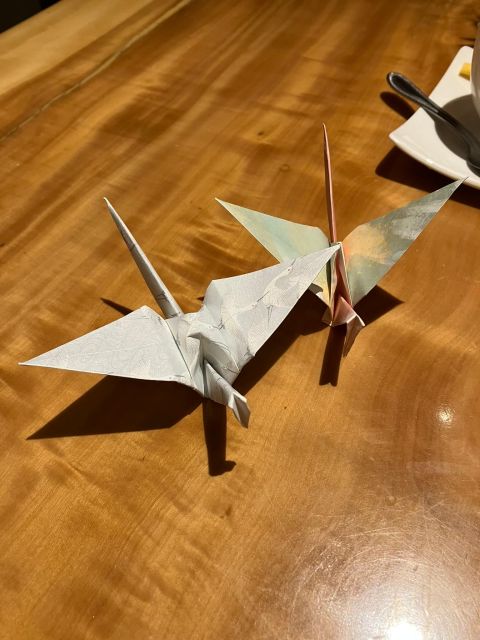
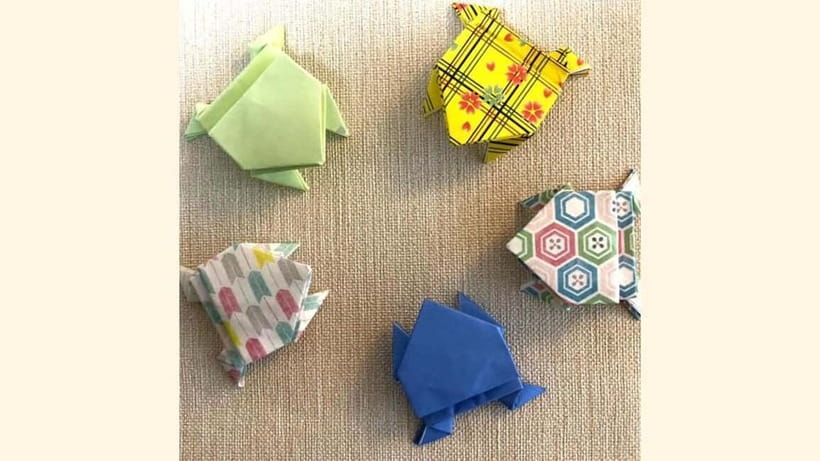
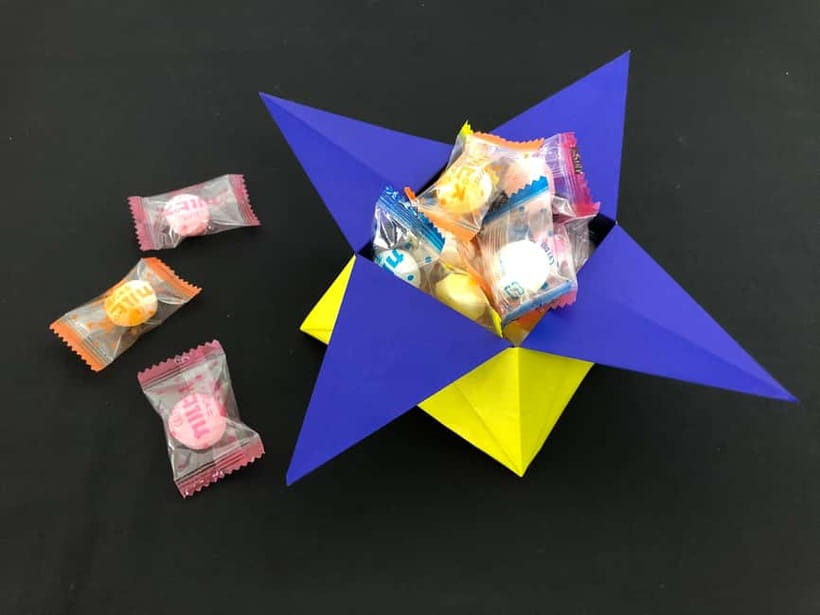
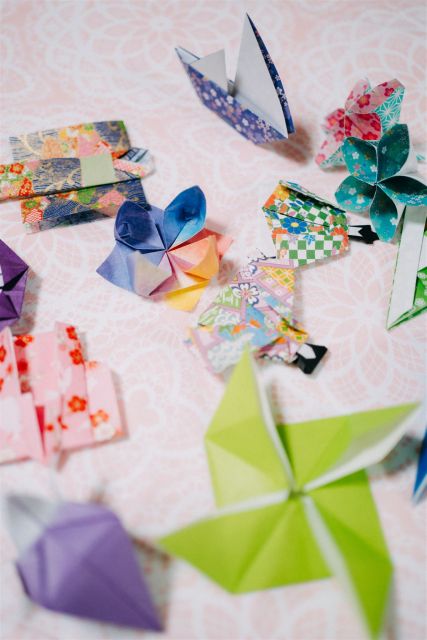
The session is built around making several recognizable pieces, not just one complicated centerpiece. Based on the designs people commonly choose, you might work on things like a crane, a jumping frog, a samurai helmet, an open box, or a lotus flower. You can also find simpler options depending on the set of patterns available that day.
What I think is valuable for you is the variety. A crane teaches precision and patience, while a frog or helmet-style model gives your hands a chance to explore different folds without feeling like you are stuck on one idea the whole time.
Pacing is the key. In a 90-minute class, you will not spend all your time on the hardest model in the world. The structure supports steady progress, and Manami guides you so you can actually finish.
Also, you will get help for your specific difficulty level. The class offers options at different difficulty levels, so you are not forced into the same exact pattern regardless of experience. If you are a complete beginner, you should feel supported. If you are very experienced, you might want to check with yourself about whether beginner-level options match your goals.
The paper, tools, and take-home setup that makes your work travel well
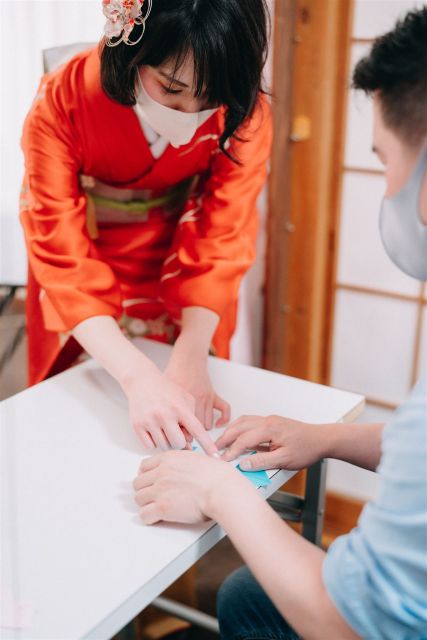
Included materials make a difference because they remove the stress of preparing supplies while you are on vacation. You get origami paper (traditional and modern varieties), plus scissors and pens.
You also get small bags so you can bring your finished works home. This matters more than people think. A folded paper sculpture looks great on the table, but it has to survive the walk back to your hotel and potentially the airport. The fact that the class includes take-home bags is a real value-add.
You also get water and some snacks. Some people also mention the space feels like a café setting, which fits the vibe you want from an activity like this: calm, comfortable, and not rushed.
And yes, it is appropriate to take selfies of your finished pieces. The session ends with something tangible in your hands, not just a memory.
Stories behind each fold: why the cultural meaning makes it stick
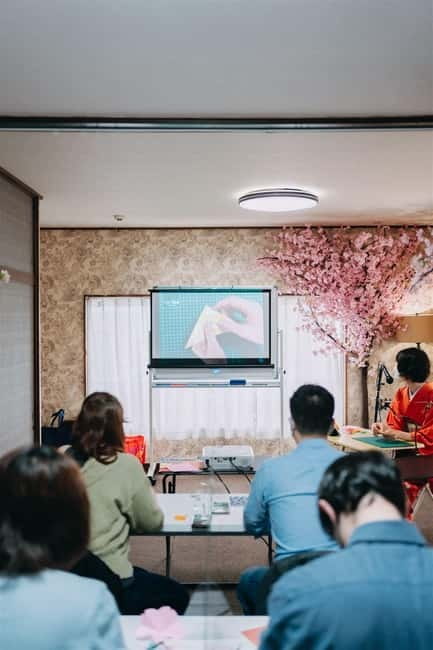
Origami is often treated like a cute hobby, but Manami keeps it grounded in Japanese culture and symbolism. For example, she is likely to connect the origami crane to well-known cultural significance, and she includes stories and meanings as you finish each piece.
That storytelling does two things for you. It gives context, so your brain has hooks to remember what you made. It also changes the emotional feel of the craft, because you are not just chasing a shape, you are creating something tied to a tradition.
You also get personal touches. In the information you’re given, Manami shares history and the significance of shapes, and multiple participants note that she adds stories from her family and childhood. That personal angle is one reason the class stays engaging even for people who expect it to be quiet and technical.
If you like travel activities that add cultural flavor without turning into a lecture, this part is a strong reason to book.
Price and value: is $58 for 90 minutes worth it
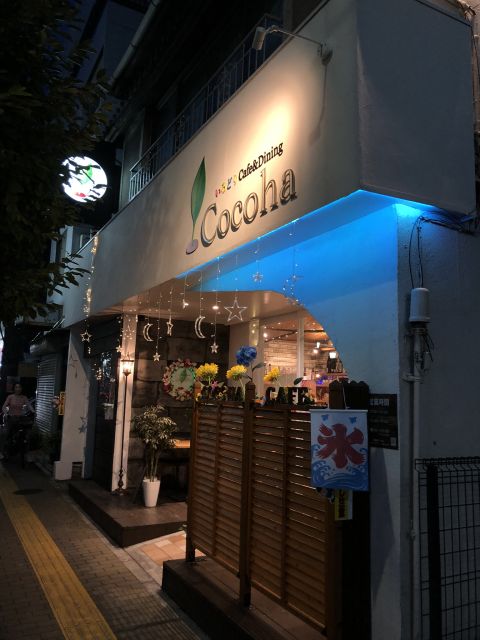
The price is $58 per person, and for a 90-minute guided session in central Tokyo, you should judge it by what you receive, not just by the clock.
Here’s what’s bundled in:
- English instruction
- All origami paper you need, including traditional and modern designs
- Tools like scissors and pens
- Take-home bags
- Water and snacks
- A structure that aims to get you to 3 to 5 finished shapes
I like this pricing model because it shifts your cost from “buy supplies and hope I can follow a video” to “show up and get real coaching.” If you’ve ever tried to learn complex folds from a book after a long day of sightseeing, you know how quickly it turns frustrating.
Could it be pricey if you expected a casual DIY session? Yes. If your main goal is ultra-advanced origami techniques, the class is not positioned that way. But if you want a well-guided, calm, cultural craft experience with finished results, it feels fair.
Who should book this origami class, and who might want a different option
This workshop is well suited for:
- Solo travelers who want something quiet and meaningful during a busy Tokyo trip
- Couples looking for a shared activity that ends with keepsakes
- Families, since the class includes patience for younger participants (with the age rules you must follow)
- Beginner crafters who want clear instruction and a success experience
It may be less ideal for:
- People who are already very experienced with origami, since the options are designed mainly for beginners and customization is not available on site
- Anyone who needs special accommodations beyond what the venue can handle, since the information says the venue may need to change if guests need special care
- Anyone hoping for alcohol-friendly vibes, since alcohol and drugs are not allowed
The good news: because you choose among several designs and paper types, you still get personalization within the set structure.
Practical tips so you enjoy the full 90 minutes (instead of falling behind)
Come in with the right mindset. If you treat this like a patience exercise, it will feel rewarding fast. If you treat it like a test, every small mistake feels bigger than it is.
Here are the tips I recommend for you:
- Pick designs you genuinely want, even if one seems slightly tricky. Wanting it helps you slow down and follow the steps.
- If you feel behind, ask. The pace is guided, but you do not need to suffer in silence.
- Use the paper choice to your advantage. A pattern you like makes you more willing to redo a tricky fold if needed.
- When you finish, take a selfie right away. Light, framing, and your patience are best while you are still in the work mode.
Also plan your arrival timing. The meeting point is on the 5th floor with a locked entrance, and messaging helps you get in quickly.
Should you book Tokyo: Learn Traditional Origami with a Local?
I think you should book if you want a calm, hands-on Tokyo experience with real cultural context and a teacher who makes the steps easy to follow in English. The value comes from the full package, finished results, and Manami’s patient teaching style, including her personal stories from East Tokyo.
You might skip it if you are hunting for advanced origami challenges or highly technical pattern work. This class is mainly for beginners, and you cannot swap in custom designs on the day.
If you want something different from the typical sightseeing routine, and you like the idea of taking home 3 to 5 folded creations you made yourself, this is a smart choice.
FAQ
How long is the origami class?
The class lasts 90 minutes.
Who teaches the workshop?
The instructor is Manami Watanabe.
Is the class taught in English?
Yes, the instructor teaches in English.
What will I be able to make during the session?
You will choose from a selection of origami designs and create 3 to 5 shapes during the workshop.
Is the class suitable for advanced origami experience?
The class is designed mainly for beginners, and the available origami options might be too easy if you are already quite experienced. The options cannot be customized on site.
What origami materials are included?
You get origami paper, plus scissors and pens. You also receive small bags to bring your finished works home, and water and some snacks.
Where do I meet the instructor?
You meet at FEEP Shinjuku Higashi-guchi, Shinseido Bldg. 5F, Shinjuku 3-29-11, Shinjuku-ku, Tokyo.
Which station is closest for getting there?
The nearest station is Shinjuku-sanchome (metro lines M09, F13, S02). It is also accessible from the east gate of JR Shinjuku station.
Is pick up from the train station included?
No, pick up is not included.
Are alcohol or drugs allowed during the class?
No, alcohol and drugs are not allowed.
Are there age limits?
Yes. The activity is not for kids under the age of 7. The info also says you should let the provider know in advance if your group includes elderly guests or anyone who needs special care, since the venue may need to change.
Latest write-ups near Tokyo
- Tokyo Nights: Shibuya Photo Adventure★ 5.0 · 20 reviews
- Wagyu & Sake 8 Course Tasting Dinner in Shinjuku★ 4.9 · 20 reviews
- Making Japanese desserts Nerikiri & drinking matcha in Tokyo★ 5.0 · 20 reviews
- Mt. Fuji 5th Station, Owakudani Ropeway, Pirate Ship plus Outlet shopping!★ 4.5 · 20 reviews
- Japanese Whisky Hunting《HIGH-QUALITY-ONLY》Rare Tasting Class★ 5.0 · 20 reviews
- Kintsugi Experience with Arita Ware in Tokyo (English Guide)★ 4.8 · 20 reviews
- This is Asakusa! A Tour Includes the All Must-Sees!★ 5.0 · 20 reviews
- Tokyo: Karate Experience with Former All-Japan Champion★ 5.0 · 20 reviews
Tokyo Tours, compared.

Mt Fuji and Hakone 1-Day Bus Tour Return by Bullet Train
Read our review →


teamLab Planets TOKYO Digital Art Museum Entry Ticket
Read our review →
Mt Fuji & Hakone Cruise, Drum Show Bullet Train 1 Day from Tokyo
Read our review →
Sumo Show Experience with Chicken Hot Pot and a Photo
Read our review →
Shinjuku Food Tour (13 Dishes at 4 Local Eateries)
Read our review →