Reviewed · FOOD
Tokyo: Local Foodie Adventure near Roppongi
Azabujuban is one of those Tokyo areas that feels quieter than nearby Roppongi, yet it still packs in real neighborhood food and local routines. I love how the tour mixes street-level snacks with shrines and temples, and I also like that your guide, Ellen, talks shop history as you walk. One thing to consider: the exact food lineup can change by day depending on store availability, so be ready to go with the flow.
This experience also clicks for pop-culture fans. You get to visit the real-life places that helped inspire the Sailor Moon setting created by Naoko Takeuchi, which adds a fun layer to what is otherwise a very practical neighborhood food walk.
You should plan for a bit of walking and come with comfortable shoes. It is small group friendly, typically 1 to 4 people, but that also means you should bring a moderate level of mobility and stamina for the pace.
Key highlights to know before you go
- Small group size (1-4 people) makes it easier to ask questions and get stop-by-stop recommendations
- Guide Ellen’s local knowledge includes neighborhood history and what to expect from each shop
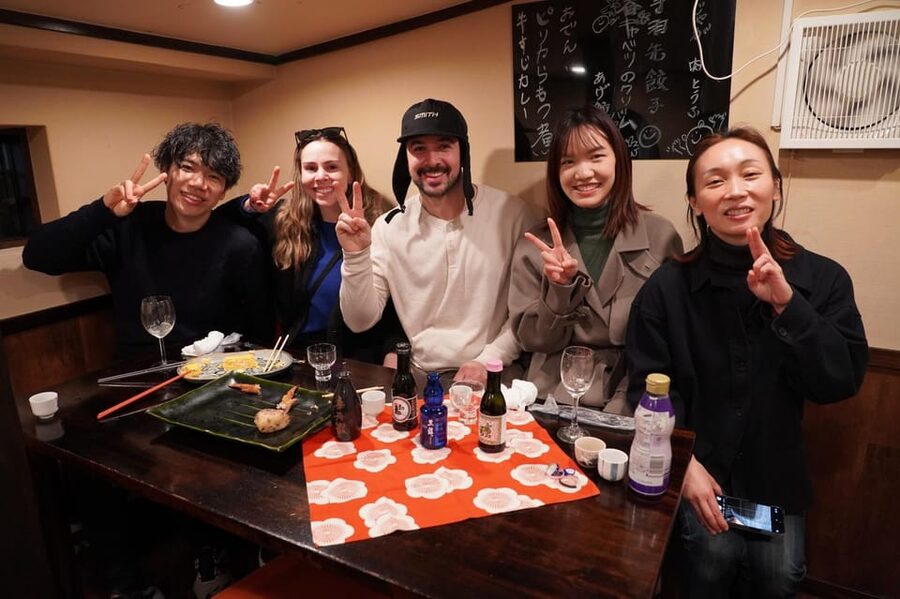
- Five snack stops plus one alcoholic drink keeps it focused, not a long food crawl where you run out of appetite
- Shrines and temples for good luck add meaning beyond just eating
- Sailor Moon inspired locations connect pop culture to real Azabujuban streets
- Shops for gifts that are harder to find in bigger shopping centers
Why Azabujuban near Roppongi feels different
Tokyo can be intense. Even on a good day, crowds, train transfers, and “see everything” pressure can drain the fun. Azabujuban, just a short ride from Roppongi, feels more human. You are walking a neighborhood with a long track record of staying power, not a place built for short-term tourism.
What makes this tour interesting is that it treats food like culture, not just calories. You are not only sampling treats. You are learning why the neighborhood shaped certain tastes, and what people still do there.
Also, Azabujuban has something special for anyone who likes details. The area is said to have over 300 shops that have stayed open for close to a century. Even if you never memorize every name, you feel the stability. That is what gives the walk its calm confidence.
Also on the shortlist for Tokyo:
- Mt Fuji and Hakone 1-Day Bus Tour Return by Bullet Train
★ 5.0 · 26,383 reviews - 1-Day Tokyo Bus Tour
★ 5.0 · 14,250 reviews - Tokyo: TOKYO SKYTREE® Admission ticket
★ 4.5 · 11,192 reviews
Where to start: Azabujuban Station to Oslo Coffee
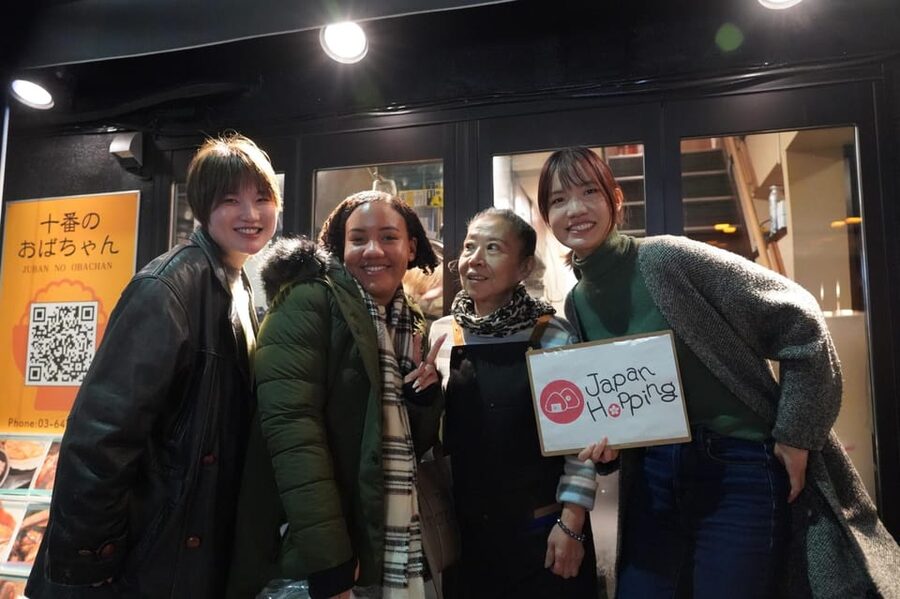
You meet at Azabujuban Station, Exit 4, and the guide group is in front of Oslo Coffee with the Japan Hopping Tours logo. This matters because Tokyo stations can be a puzzle if you arrive confused. Starting at a clearly described spot helps you get calm fast and focus on the day.
The tour also ends back at the same meeting point. So you do not need to think about end-of-walk logistics, trains, or where to meet up later. For a first Tokyo food experience, that kind of closure is genuinely helpful.
The tour language is English. And since it is a small group, you can usually expect the guide to adjust pace and attention to the people in front of them.
Shrines and temples: good luck stops that shape the mood
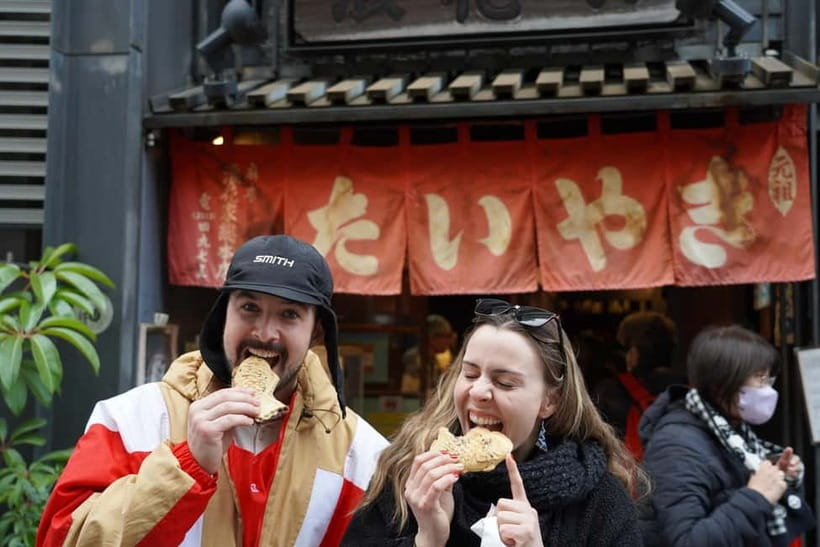
One of the best parts of a neighborhood food walk is when it does not feel like you are only chasing your next snack. Here, you build the day around local shrines and temples for good luck. Even if you are not big on religious sites, the atmosphere changes when you step into a space that locals use for routine respect.
These stops also add context. Ellen is prepared, friendly, and answers questions as you go, so you are not standing there wondering what you are looking at. The point is not a lecture. It is understanding enough to notice the details that matter to people who live nearby.
Practical tip: expect some walking and outdoor time, especially if you are visiting during humid weather. One review mentioned humid conditions, but the group still enjoyed the day because the tour pace and stops kept moving.
The five treats you will actually talk about later
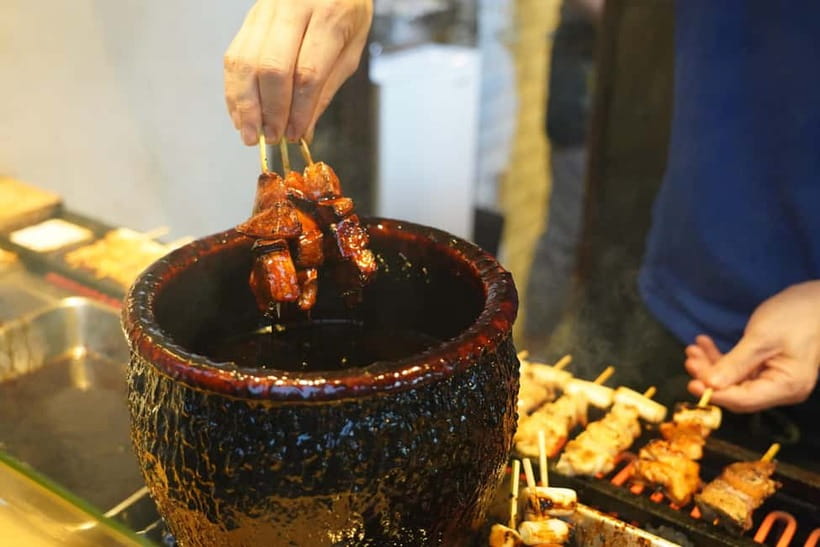
The tour includes 5 different Japanese treats. The selection depends on the day, but the types you can expect include classics you may not have tried, plus comfort foods that feel very local.
From the description and matching snack types mentioned in feedback, you can reasonably expect to encounter a mix like:
- Yakitori (grilled, savory, and very “this is Japan” in the best way)
- Mame daifuku (sweet bean paste treat, small but memorable)
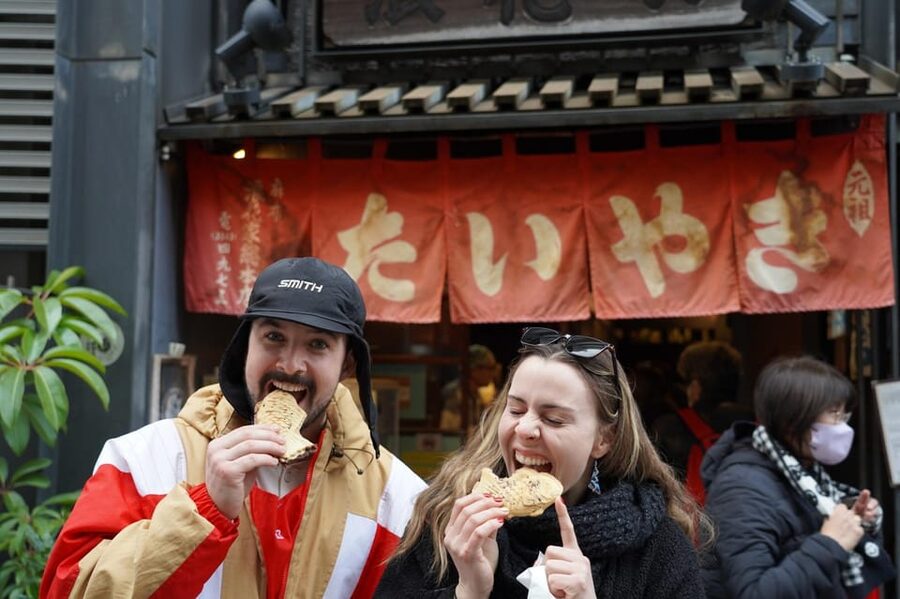
- Taiyaki (crispy outside, warm filling, often sold as an easy street snack)
- Homemade oden (comfort-food style stew, especially satisfying when you want something filling)
- Additional items that may include things like omelettes and sushi, depending on what is available
Here is why this format works for you: five stops is a sweet spot. You get variety without turning the walk into a sugar-and-carb marathon. Also, since the food is included, you are not constantly calculating what you can afford or what will fit in your schedule.
You should also know the tour states that the food should be enough to fill you up. That matters in Tokyo, where “snack tour” can sometimes mean you eat lightly and then scramble for dinner. This one is meant to leave you satisfied, not hungry.
One more useful note: the tour includes 1 alcoholic beverage. That could be a nice bonus for adults who want the full Japanese neighborhood vibe. If you do not drink alcohol, you may want to ask about options beforehand, since the included item is part of the package. The tour does not mention non-alcoholic substitutions in the provided info, so keep that in mind.
A change of pace from Tokyo:
- Tokyo: teamLab Planets TOKYO Digital Art Museum Entry Ticket
★ 4.6 · 9,779 reviews - Mt Fuji & Hakone Cruise, Drum Show Bullet Train 1 Day from Tokyo
★ 4.0 · 7,413 reviews - Tokyo: Sumo Show Experience with Chicken Hot Pot and a Photo
★ 4.8 · 6,678 reviews - Tokyo: Shinjuku Food Tour (13 Dishes at 4 Local Eateries)
★ 5.0 · 6,603 reviews
How the guide makes the food stops feel personal
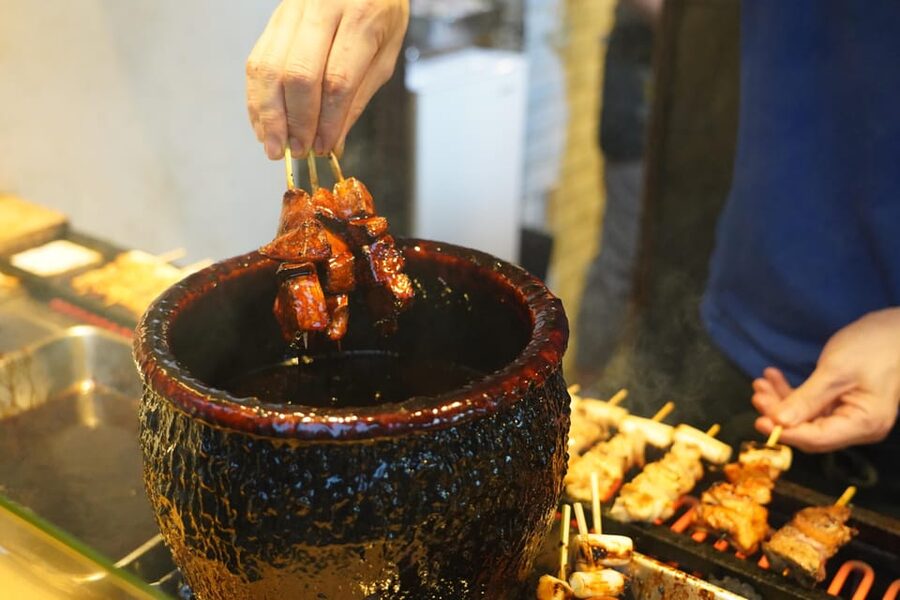
A big part of the value here is the guide, Ellen. Reviews emphasize that she is well prepared, extremely friendly, and answers questions and requests. That sounds like standard tour marketing, but in a small group setting it actually changes your experience.
Instead of rushing from place to place, you can get context at each stop. Ellen also tailors stops to individual needs, which is useful if you have preferences or questions about what you are eating. If you have ever taken a tour where you felt like you were following a script, this is the opposite. You get a more conversational flow.
You also get the chance to interact with staff and even other people in some restaurant settings. That kind of contact is hard to engineer on your own. It is one reason why a guided neighborhood food tour can beat a do-it-yourself snack hunt.
Shopping for gifts in Azabujuban’s small stores
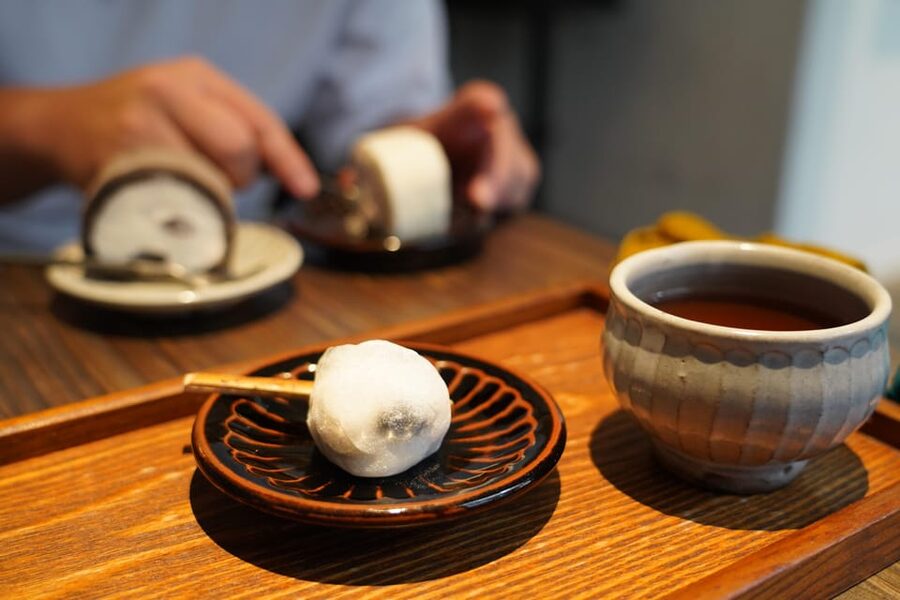
Food is the core, but the tour also gives you time to shop for gifts in unique stores found in Azabujuban. This is a smart add-on because it turns your eating experience into something you can take home, like a box of sweets or a practical souvenir that feels connected to the neighborhood.
In many Tokyo areas, gift shopping feels like the same set of chains everywhere. Azabujuban is different. The tour is built around shops that have remained in the area for a long time, which likely means you will find items with a more local flavor.
What to do as you shop: take your time with small purchases. Japan souvenir buying can feel overwhelming, especially if you do not know what keeps well. The guide can help you choose, and since the tour includes gift shopping as part of the walk, you are not racing the clock like you would in a standalone market visit.
Sailor Moon inspiration: real locations tied to Naoko Takeuchi
If you are a Sailor Moon fan, you will like the cultural crossover here. The tour includes real-life places that are said to have inspired the setting for manga creator Naoko Takeuchi.
This works for you even if you are not deeply into manga. Why? Because it puts familiar fictional imagery onto real streets. You can look at a place and think, this is where the story’s mood comes from, even if you do not know the whole background.
It also makes the walk more memorable. Neighborhood tours can blur together in photos. Adding a pop-culture thread gives your brain something sticky to hold onto while you are moving from shrine to shop to snack stop.
Price and value: is $71 a good deal?
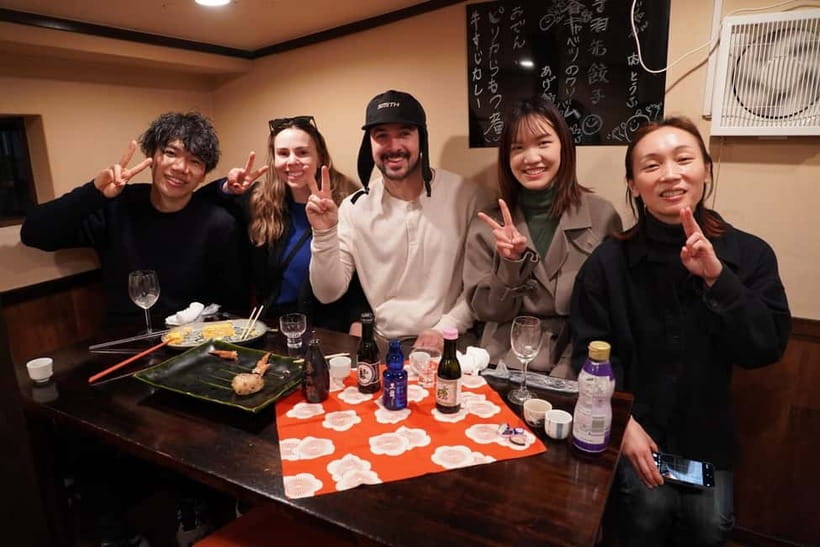
At $71 per person, this is not “cheap,” but it also does not feel like you are overpaying for a few samples. The package includes 5 Japanese treats and 1 alcoholic beverage, and it is guided by someone who brings neighborhood history and food knowledge into the walk.
In Tokyo, small-group guided experiences can get pricey fast. Here, the price is justified by the fact that you are paying for:
- Food you likely would not assemble as efficiently on your own
- Access to local knowledge you cannot easily find from menus
- Shrine and temple stops that add meaning, not just more walking
- Small-group interaction and pacing that supports questions
Where value can slip for you is if you are the type who wants to eat a lot more than the included amount. The tour specifically says the food should fill you up, and additional food and drinks are not included. If you crave a huge meal at each stop, you might end the tour wanting more, but the tour is built to leave you satisfied, not stuffed beyond the package.
Also, transportation costs are not included. So budget for trains or station-to-station travel to get to Azabujuban Station Exit 4.
Pace, group size, and what to wear
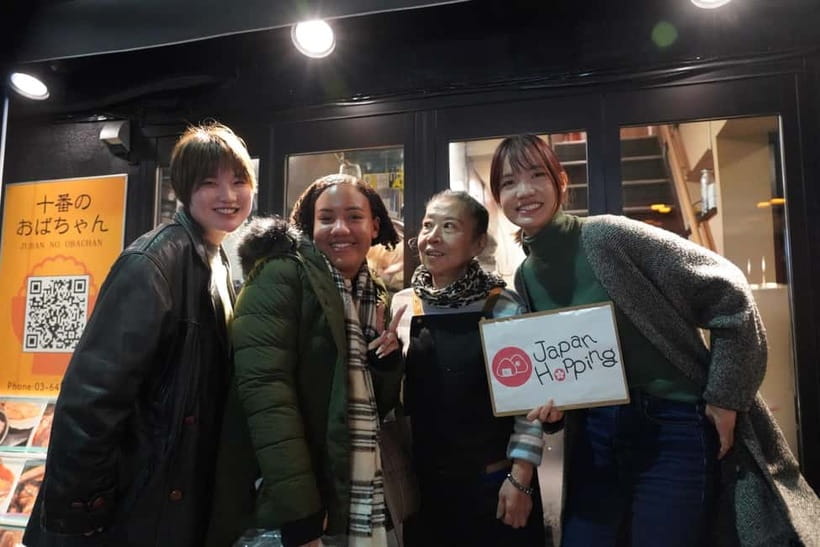
This is a small group activity, typically 1 to 4 people. That is a big deal. It means you can move at a comfortable pace, and you are more likely to get real answers instead of being one voice in a crowded crowd.
The walking is described as requiring a moderate physical and fitness level. That is a polite way of saying you should expect uneven sidewalks, short bursts of walking between stops, and time spent outside around shrines and temples.
Bring comfortable shoes. If you wear stylish shoes that hurt after 30 minutes, you will feel it by treat stop number three.
Finally, the tour is not suitable for people over 95 years old, so if you are traveling with older family members, confirm mobility needs before booking.
Who this Tokyo local food adventure is best for
This tour is a great fit if you want Tokyo that feels human-scale. It is especially good for:
- Food lovers who want a focused snack menu, not a long list of “tiny bites”
- People who like stories tied to place, not just directions
- Anyone staying near Roppongi who wants to step into a quieter neighborhood
- Sailor Moon fans who enjoy seeing fiction’s influence in real streets
- Travelers who appreciate small-group interaction and guide-led conversations
It may be less ideal if you are only interested in large, photo-driven attractions. This is a neighborhood walk built around food, local shops, and places of everyday significance, so the payoff is in the details and the culture of small spaces.
Should you book this Azabujuban local foodie adventure?
I would book it if your goal is to eat well while learning how a specific neighborhood in Tokyo works. The mix of five Japanese treats, shrines and temples, small stores, and guide Ellen’s history knowledge makes it feel more meaningful than a standard tasting route.
I would hesitate only if you need a fixed food lineup every time, or if you want a very long meal-focused experience. Because the selection can change based on store availability, you should treat the exact menu as a surprise within the theme.
If you like practical guides, comfortable walking, and food that makes you slow down and notice your surroundings, this is a smart use of time in Tokyo.
FAQ
Where is the meeting point?
Meet at Azabujuban Station, Exit 4. The guides will be waiting in front of Oslo Coffee with the Japan Hopping Tours logo.
How many people are usually in the group?
It is a small group tour/activity with about 1 to 4 people.
What food is included?
You get 5 different Japanese treats. The exact selection can change depending on store availability.
Is alcohol included?
Yes, 1 alcoholic beverage is included.
What should I bring and wear?
Bring comfortable shoes, since you will walk around the neighborhood.
Is transportation included in the price?
No. Transportation costs are not included.
Latest write-ups near Tokyo
- Tokyo Customized Private Tour: See Top Attractions in 1 Day★ 4.8 · 67 reviews
- From Tokyo: Top 5 Scenic Spots of Mount Fuji Full-Day Tour★ 4.5 · 67 reviews
- Tokyo: Shinjuku Izakaya and Golden Gai Bar Hopping Tour (2h)★ 4.9 · 67 reviews
- Traditional Japanese Music ZAKURO SHOW in Tokyo★ 5.0 · 67 reviews
- Tsukiji: Unlimited Sake Tasting Experience★ 4.9 · 67 reviews
- Samurai Ninja Museum Asakusa: Kid-Friendly Ninja Training★ 4.7 · 67 reviews
- Tokyo: Not a show- a professional sumo practice with experts★ 4.9 · 67 reviews
- Private Harajuku Omotesando Architecture Walking Tour★ 5.0 · 67 reviews
Food, compared.
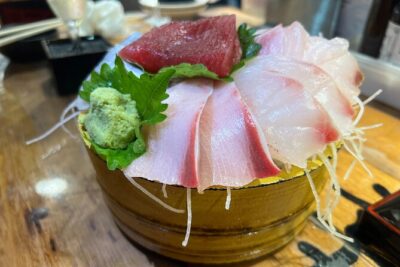
Shinjuku Food Tour (13 Dishes at 4 Local Eateries)
Read our review →
Tokyo Tsukiji Fish Market Food and Culture Walking Tour
Read our review →
Shinsekai Food Tour with 13-15 Dishes at 5 Eateries
Read our review →
Osaka Food Tour: 13 Dishes at 5 Local Eateries
Read our review →
Shinjuku Food Tour (15 Dishes and 4 Eateries)
Read our review →
Best of Shinjuku: Izakaya Food Tour (4 Stops, 14+ Tastings)
Read our review →
Kyoto Night Foodie Tour in Gion (9+ dishes + 6 Sake tastings)
Read our review →