
Reviewed · MT FUJI TOURS
Tokyo: Mount Fuji & Hakone Private Tour with Guide
What makes this tour fun is the mix of classic Mount Fuji icons and Hakone’s volcanic, onsen-style scenery, all handled with a private van and tight logistics. You get the big photo moments plus the slower, walkable stops that make the day feel real. I like that the plan can run at your pace, and you can still stay on schedule when the clock matters. The other thing I love is how often you get chances for unobstructed views, including at Fuji’s higher vantage points and the iconic Chureito Pagoda angle.
I also really like the pacing, because it is a full day without feeling like a sprint. Stops are spaced so you can look around, take photos, and hop back in for the next drive. And the service is designed around comfort, with an air-conditioned vehicle, WiFi on board, and bottled water keeping the day from feeling like a cattle-car experience. Hosts you might meet, such as Imran or Moon, are the kind of people who help with timing and photos, which matters when you are chasing weather and light.
One drawback to keep in mind is that this is a long 10-hour day, so you will want comfy shoes and patience. Also, Mount Fuji views are weather dependent, and if clouds roll in you may get fewer clear sightings from certain points. The good news is you can still enjoy the shrines, ponds, and Hakone scenery even when Fuji plays hide-and-seek.
Key highlights you should care about
- Fuji Subaru Line 5th Station at about 2,300 meters for crater views when skies cooperate
- Oshino Hakkai’s eight ponds made from snowmelt, plus snacks and tea time
- Hakone Ropeway access to big panoramic viewpoints, with a chance to experience the Owakudani sulfur area
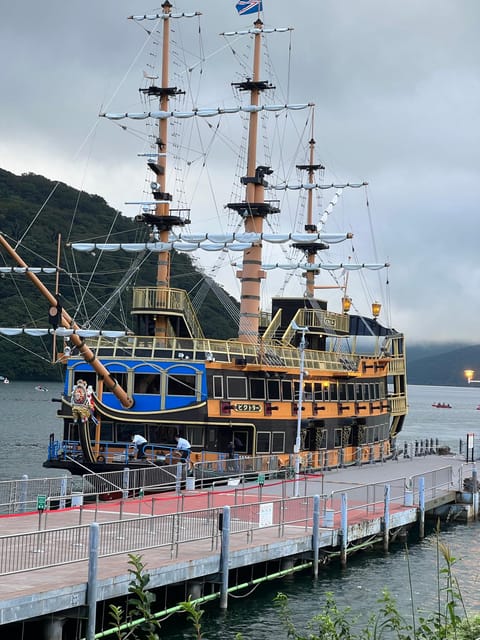
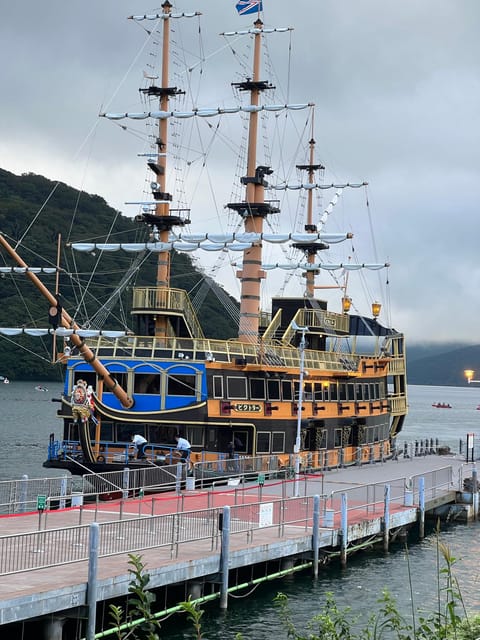
- Lake Ashi cruising, including the pirate ship style ride when timing works out
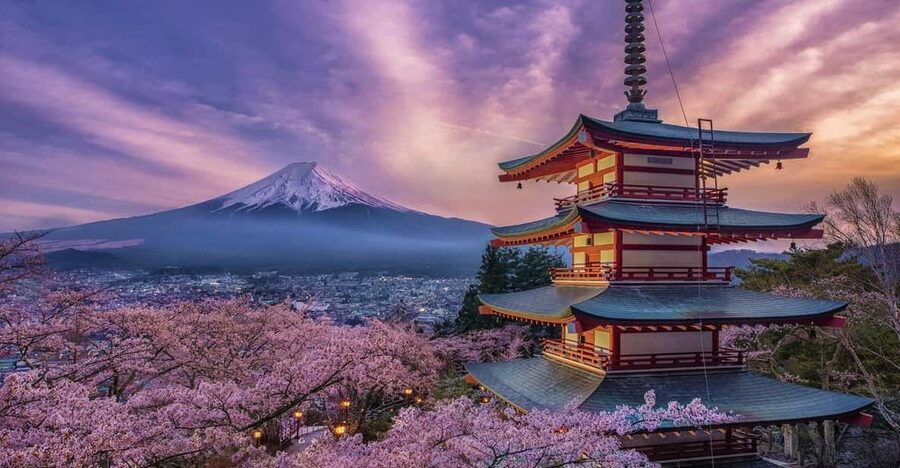
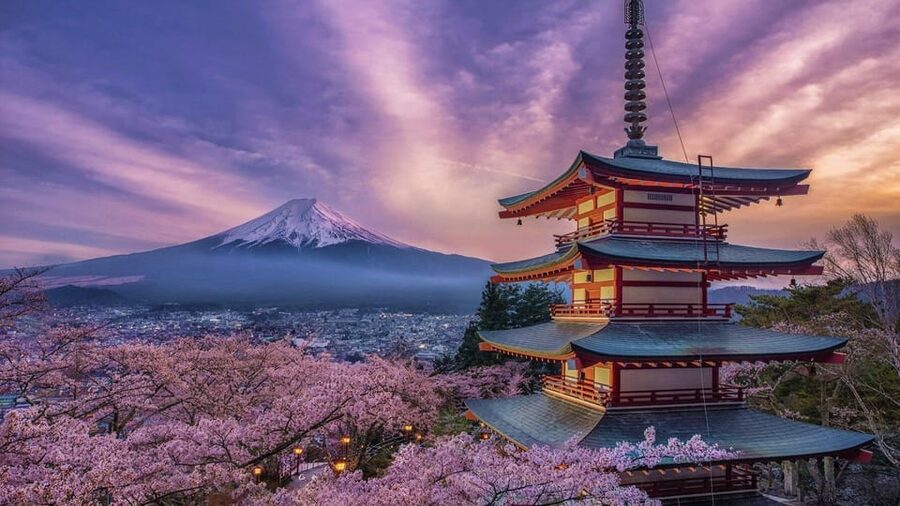
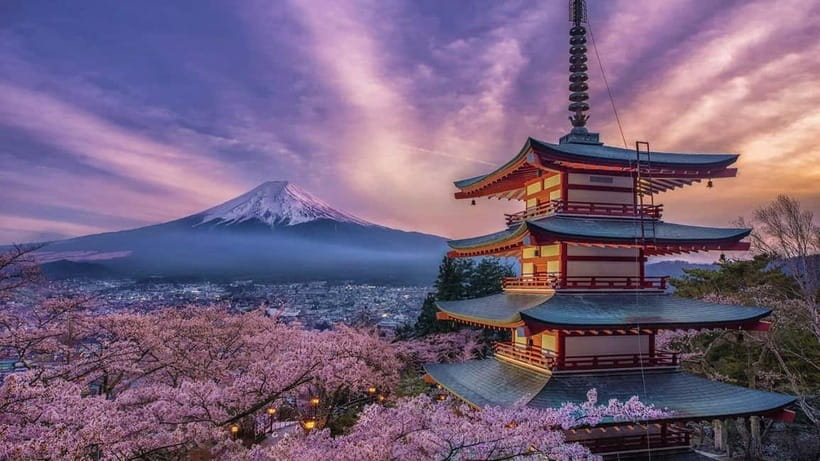
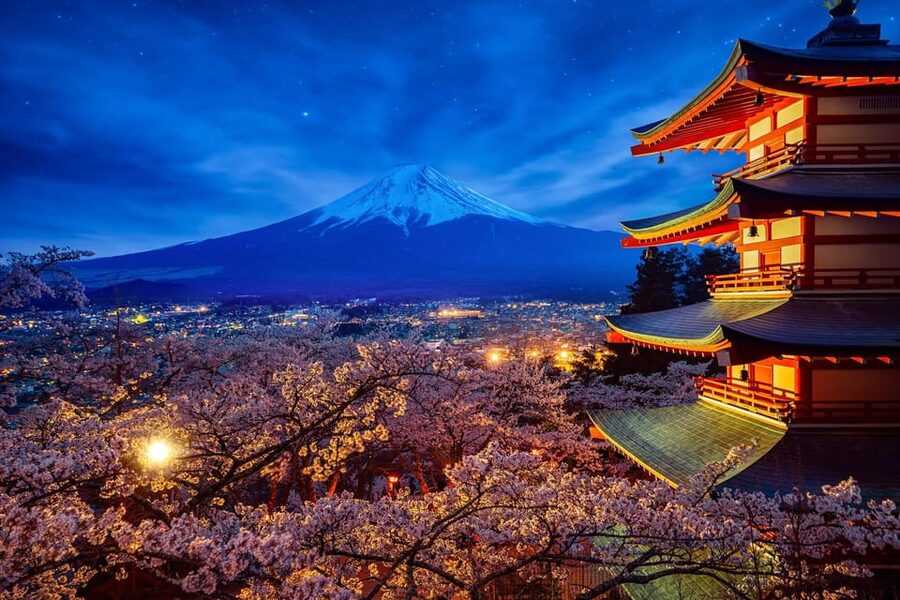
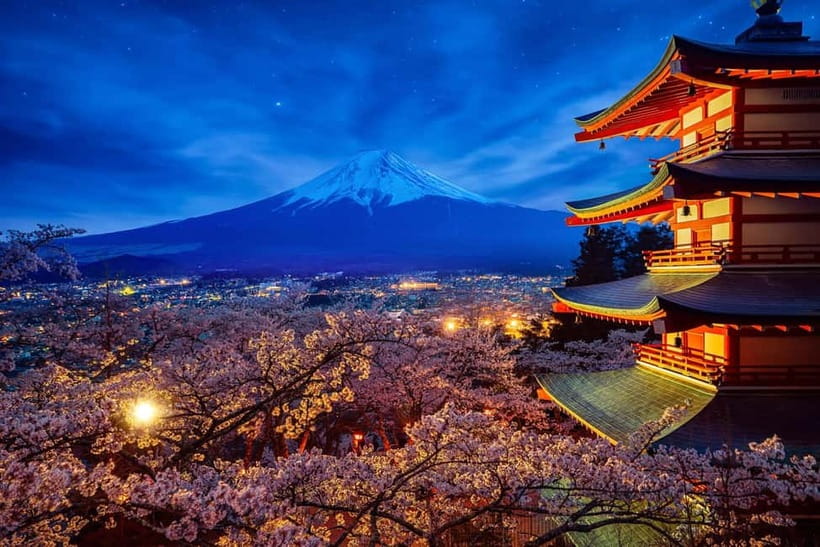
- Chureito Pagoda at Arakurayama Sengen Park, one of the most photogenic Fuji backdrops in the region
A Private 10-Hour Day Trip With Real Tokyo Convenience
This tour is built for people who want the Mount Fuji and Hakone highlights, without wrestling with rail transfers, transfers within transfers, and the kind of timetable math that makes your vacation feel like homework.
Your day starts with hotel pickup in Tokyo, and you are back in the evening. The total time is 10 hours including pickup and drop-off, so you can plan your day around it. If you are staying outside Tokyo’s 23 wards, pickup and drop-off may cost extra, so it is worth confirming your exact hotel location.
What you get for the day is mostly logistics plus comfort. You have transportation in an air-conditioned vehicle, WiFi on board, bottled water, and passenger insurance. Fuel, highway tolls, parking fees, and the driving time are included, which is not small. The result is you spend less effort getting from A to B and more effort actually looking at things.
The private-group setup also matters. When the road gets slow, a private vehicle can be more flexible than trying to make trains line up with a tight sequence of photo stops.
More Mt Fuji days:
- Mt Fuji and Hakone 1-Day Bus Tour Return by Bullet Train
★ 5.0 · 26,383 reviews - Mt Fuji & Hakone Cruise, Drum Show Bullet Train 1 Day from Tokyo
★ 4.0 · 7,413 reviews - Tokyo Mt Fuji 5th St & Hakone Cruise Bus Tour w/Bullet Train
★ 4.4 · 5,024 reviews
Fuji Subaru 5th Station: The High-Altitude Viewpoint That Sets the Tone
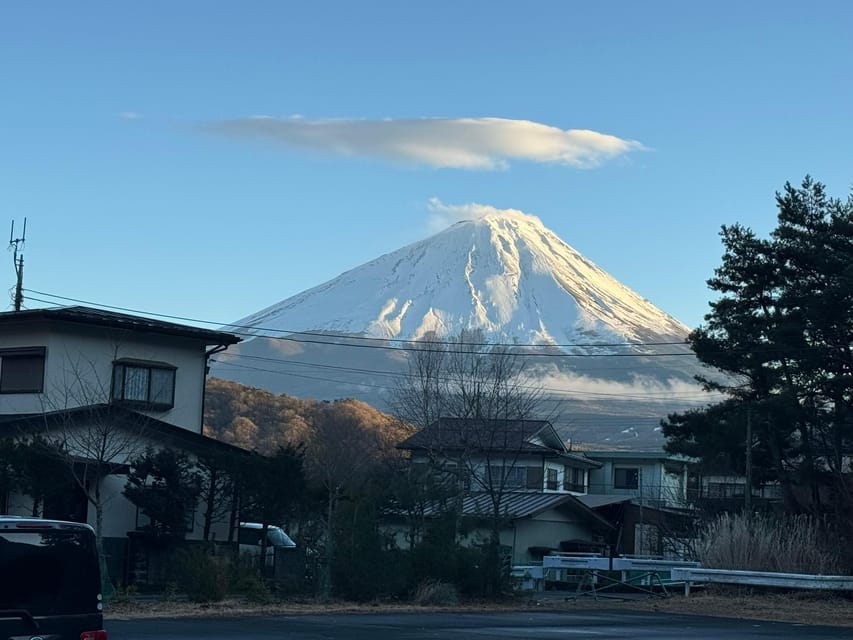
The day begins with a stop at Fuji Subaru Line 5th Station, a viewpoint located around 2,300 meters above sea level. This is where you feel the altitude right away. Even if you are not chasing a summit hike, it is a meaningful elevation change that tends to bring clearer, higher-angle views than you get from lower areas.
Here is what makes this stop special. You get a photo stop plus time to walk and look around. On clear days, you can see the Fuji crater area and the broader surrounding region, including views toward the Fuji Five Lakes area. If the sky is partly cloudy, you might still catch moments when the clouds thin out, because this point sits high enough to sometimes sit above the cloud layer.
Also, you are not just staring at a mountain. You have a connection to local tradition with a visit to Tenjosan Komitake Shrine at the station area. It is a peaceful break that feels more grounded than a parking-lot viewpoint.
A practical note: Fuji weather can shift fast. Bring layers even in warmer months. Comfortable shoes help too, because you are doing walking on outdoor paths and uneven ground.
Kitaguchi Hongu Fuji Sengen Shrine: Red Torii Meets Old Growth Cedar
After the high station stop, the tour moves to Kitaguchi Hongu Fuji Sengen Shrine, known for its striking red torii gates and a quieter atmosphere than you might expect near a major attraction route.
This stop is a great palate cleanser after the more open, high-altitude area. You can take photos, but it also rewards slow walking. The area includes a shaded path lined with very old cedar trees, described as more than 1,000 years old, plus stone lanterns along the way. That combination makes the shrine feel both photogenic and genuinely calm.
If you want to understand why Mount Fuji matters in Japanese culture beyond scenery, this is one of the more direct ways to do it. Fuji is not just a mountain on a postcard here. It is tied to worship and pilgrimage, and you can feel that in the shrine setting.
Oshino Hakkai: Snowmelt Ponds, Street Snacks, and a Simple Lunch Plan
Next up is Oshino Hakkai, a small village famous for its eight ponds fed by melting snow from Mount Fuji. The ponds are the core of the experience, and you get time to stroll, look at the water, and soak in the traditional atmosphere.
This is also where you can eat in a way that feels local without turning your day into a quest for the perfect restaurant. You typically get a mix of time that supports tea, lunch, and snack wandering. The stop is designed so you can try street food and local bites, not just take photos.
One tip: if lunch choices are available, try the kind of regional noodle dish that shows up in this area, such as hoto noodles. It is a cozy, warming option that fits the slightly brisk air you often get around Fuji.
If you are traveling with kids, this stop is a good one. There is walking, but it is not a long hike, and kids can burn off energy while you admire the ponds.
The main drawback here is time. This is a popular stop, so it can get crowded in peak hours. The best way to handle it is to use your time for a loop: look once, then come back for photos after you see how the crowd flows.
A change of pace from Tokyo:
- 1-Day Tokyo Bus Tour
★ 5.0 · 14,250 reviews - Tokyo: TOKYO SKYTREE® Admission ticket
★ 4.5 · 11,192 reviews - Tokyo: teamLab Planets TOKYO Digital Art Museum Entry Ticket
★ 4.6 · 9,779 reviews - Tokyo: Sumo Show Experience with Chicken Hot Pot and a Photo
★ 4.8 · 6,678 reviews
Lunch at a Local Restaurant: How to Make the Most of Your Time
Lunch is budgeted into the day, but it is not included in the tour price. That means you can keep your flexibility while still benefiting from the planning.
In past experiences of similar tours, you might be offered or steered toward regional comfort food, like hoto noodles, and it is usually the kind of meal that is easy to eat even if you are not in the mood for something fancy. Another dish that has shown up for some groups is friend rice, which is a simple crowd-pleaser if you want something familiar.
Keep your lunch expectations practical. You are not trying to hunt Michelin-level perfection in a single day. You are fueling up so you can enjoy the ropeway and boat later without running on fumes.
Hakone Ropeway and Owakudani: Ropeway Lines, Big Views, and Sulfur Air
Then the day shifts into Hakone mode. You ride the Hakone Ropeway for panoramic views from higher points around Lake Ashi and the surrounding volcanic zone. The experience includes time for sightseeing at the ropeway, with photo opportunities from observation areas.
In this region, you can also encounter the Owakudani volcanic area, known for sulfurous activity and a noticeable smell. One day can be clear and scenic, and another can be foggy and damp. Either way, it is a memorable sensory contrast to the shrine and pond stops earlier in the day.
Here is what you should plan for. Ropeways can have lines. One key practical point I strongly recommend is to not underestimate wait times for the ropeway, both up and back down. If you want the best shot at timing the later Lake Ashi boat cruise, you should keep an eye on the clock once you start queuing.
If the weather is rainy, it can still be worth going, but your photo results may vary. I would rather you show up and experience it than skip it entirely. At minimum, you will see volcanic scenery and feel the scale of the Hakone geography.
Lake Ashi and the Pirate-Style Cruise: The Timing Moment That Makes or Breaks Fun
Lake Ashi is the showpiece water stop in Hakone for many people. The tour includes time at the lake plus a boat cruise experience on the water.
What makes this part click is the combination of views. On a good day, you can often see Mount Fuji in the distance from the lakeside area, while you also get a view of the Hakone Ropeway structures and the volcanic backdrop around the valley. Even if Fuji is shy, the lake setting still feels like a different world compared to Tokyo streets.
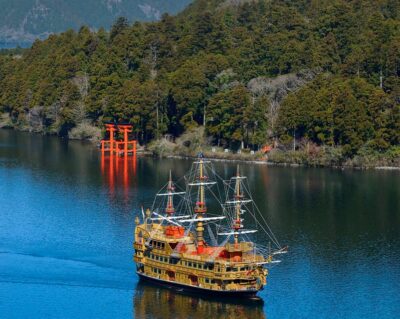
The boat ride can be the highlight of the day, especially because it gives you a moving perspective. And the pirate-ship style cruise element is pure fun if you catch it at the right time.
The practical advice is simple: watch the line and queue situation closely. Some days you can do the ropeway and still make the later cruise. Other days, waiting too long can mean you miss the last crossing window. If you care about making that pirate ship ride, ask your host to help you judge timing early, then move with purpose once you reach the ropeway queues.
Chureito Pagoda at Arakurayama Sengen Park: Why This Fuji Photo Still Works
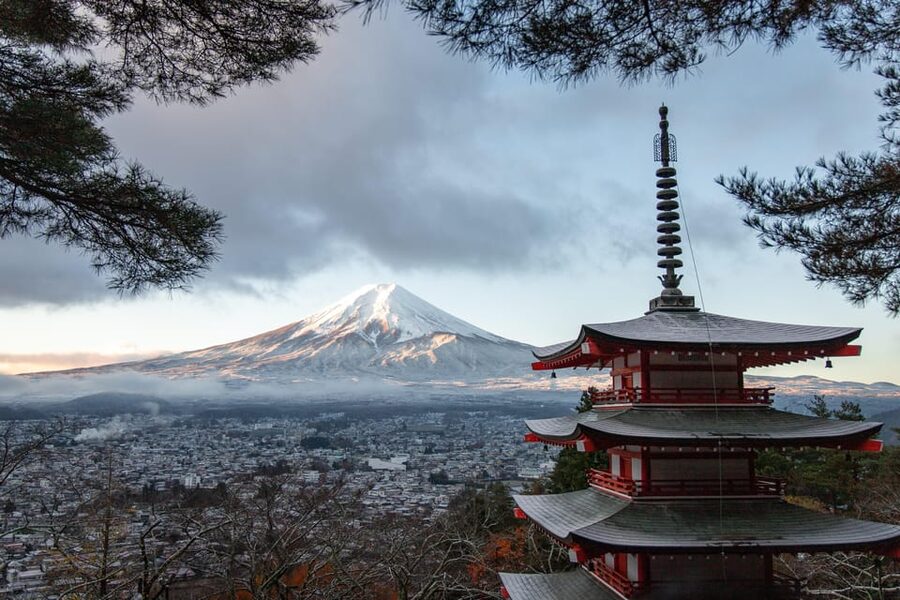
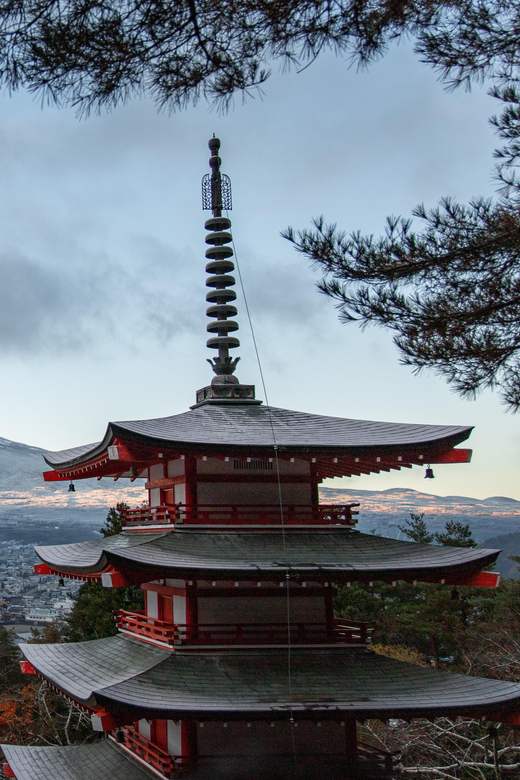
The day ends with Chureito Pagoda in Fujiyoshida at Arakurayama Sengen Park, another iconic Mount Fuji backdrop. This is a five-story pagoda setting designed for one of the classic Fuji compositions: pagoda layers framed with the mountain view in the background.
The reason this stop keeps earning attention is the angle. A lot of Fuji photos look similar if you use the same viewpoint every day. Here, the pagoda shape creates a stronger foreground, and that makes your image feel more layered, more intentional, and more like Japan.
Two things that matter for this stop. First, you need decent visibility for the Fuji silhouette behind the pagoda. Second, light quality changes the look of everything, so even ten minutes can make a difference in how crisp the mountain appears.
Time here is generous, about two hours, which helps. You can walk the area, take multiple photo attempts, and still enjoy the view rather than rushing to meet a strict timetable.
If you are visiting during seasonal periods tied to blossoms or autumn foliage, this stop gets even more dramatic, because the surrounding park plantings frame the scene.
Price and Logistics: Is $761 Per Group Up to 5 Good Value?
Let’s talk money. The price is $761 per group for up to 5 people, for a 10-hour private day. That sounds like a lot until you compare what you would pay to recreate the same day yourself, with the same level of comfort and the same number of coordinated stops.
Here is what you are paying for, and why it adds up:
- Hotel pickup and drop-off in Tokyo
- An air-conditioned private vehicle for a long day
- WiFi on board plus bottled water
- Parking fees, fuel, highway tolls, and the time cost of driving
- Passenger insurance
- A host who handles on-the-ground communication in English and Japanese (you may meet staff such as Imran, Moon, Khan, or Zeshan depending on your date)
What is not included matters too. Lunch is not included. Entry fees for Fuji Subaru 5th Station are not included. Also, gondola and pirate ship tickets are not included, even though the experience includes ropeway and a boat cruise component.
So the real value question becomes this: do you want to pay to remove friction? If your answer is yes, this is priced like a practical upgrade. If you enjoy DIY route planning and don’t mind crowds, tight transfers, and weather scrambling, you might be able to do it cheaper. But you will pay in time and stress.
My take: for families and small groups, this price can feel fair because costs spread across people, and you gain a private car that keeps everyone comfortable through a long day.
Comfort, Customization, and the Little Things That Actually Matter
This is where private tours win. Your day is described as fully customizable, meaning you can add or remove stops based on what you want. That matters because Fuji and Hakone are flexible themes, not checkboxes. If you want more shrine time, more lakeside time, or a different pacing rhythm, a private structure makes it easier.
You also get real-world flexibility when weather shifts. Mount Fuji is famous for clouds. When visibility improves, the day gets instantly more magical. When it does not, you still have meaningful cultural and scenic stops, and you can often pivot to what still delivers.
Several practical extras show up in how groups experience the day. People have praised hosts for:
- being prompt with pickup and good communication beforehand
- staying on schedule without rushing
- taking helpful photos and guiding where to stand for better angles
- adjusting to avoid heavy traffic at the wrong times
If you travel with a baby, you might also have a smoother experience because private vehicles make it easier to manage seating needs. One family specifically noted that baby logistics were handled carefully.
My advice: still travel smart. Bring cash, wear comfortable shoes, and plan for cool outdoor conditions. Even in good weather, Fuji and Hakone areas can feel brisk compared to Tokyo.
Who Should Book, and Who Should Skip This Day Tour
This tour is a strong fit for:
- couples or small groups who want a private van day, not a crowded bus
- families with kids who need breaks but still want the highlights
- first-timers who want an efficient overview of Mount Fuji and Hakone without planning every link
- anyone who cares about photos and wants multiple chances at classic viewpoints
It may not be ideal if:
- you hate long travel days. Ten hours is a lot, even with breaks built in.
- you want total freedom to wander for hours with no schedule at all. This is private, but it is still structured to hit the major stops.
- you have mobility constraints that make outdoor walking at high altitude difficult. The tour is marked as not suitable for people over 95 years.
If you are worried about weather, do not skip automatically. A cloudy day can still deliver the shrines, ponds, volcanic views, and the lake cruise. You just adjust your expectations about Fuji being perfectly visible all day.
Should You Book This Private Mount Fuji and Hakone Tour?
If you want the best value of a private day trip, I think this is a solid pick. The strongest reasons are simple: you get multiple iconic Fuji and Hakone stops in one day, the vehicle and pickup make logistics easy, and the day structure is flexible enough to adjust when conditions change.
Book it if you match the tour style: you like organization, you want to see the key sights without spending your trip calculating trains, and you are okay with a long day. If you are someone who loves DIY and can handle weather curveballs with public transit, you might prefer going on your own.
My final advice: treat this as a photo-and-culture day. Wear good shoes, bring layers, and be ready to move quickly when ropeway and boat timing matters. If you do that, you will come away with exactly the kind of Mount Fuji and Hakone memories you came to Japan for.
FAQ
How long is the tour, including hotel pickup and drop-off?
The tour duration is 10 hours, and it includes hotel pickup and drop-off.
Is lunch included, and are attraction tickets included?
Lunch is not included. Fuji Subaru Line 5th Station entry fees are not included, and gondola and pirate ship ride tickets are also not included.
Is this a private tour, and how many people can go?
It is a private group tour, priced per group up to 5 people.
What language will the driver speak?
The driver provides service in English and Japanese.
What should I bring for the day?
Bring comfortable shoes and comfortable clothes. You should also bring cash.
What if Mount Fuji or rides are affected by weather?
You cannot control the weather, and visibility can change during the day. The tour still includes cultural stops like shrines and Oshino Hakkai, plus Hakone activities, so the experience can still be enjoyable even if Fuji views or certain rides are limited.
Latest write-ups near Tokyo
- Harajuku Private Tour: Kawaii Fashion & Animal Cafe Included★ 5.0 · 69 reviews
- Mt Fuji Customizable Private Tour English Speaking Driver Pick-up★ 5.0 · 69 reviews
- Tokyo Night Cooking Class: 5 Home-Cooked Japanese Dishes★ 5.0 · 70 reviews
- Tokyo: Sumida Aquarium Entry Ticket★ 4.6 · 70 reviews
- Private Customizable Walking Tour of Tokyo★ 5.0 · 70 reviews
- Wagyu Beef and Sake Pairing Foodie Tour in Tokyo★ 5.0 · 71 reviews
- Official Japan Go-Kart Through Tokyo Bay / Ginza (IDP Required)★ 4.5 · 71 reviews
- Experience Big soba knife Soba Making Class in Tokyo Kappabashi★ 5.0 · 71 reviews
Mt Fuji Tours, compared.
Mt Fuji and Hakone 1-Day Bus Tour Return by Bullet Train
Read our review →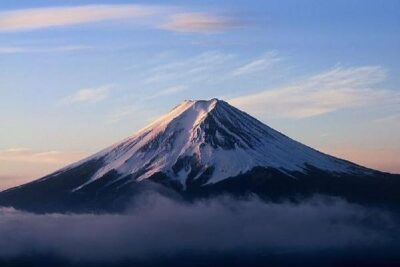
Mt Fuji & Hakone Cruise, Drum Show Bullet Train 1 Day from Tokyo
Read our review →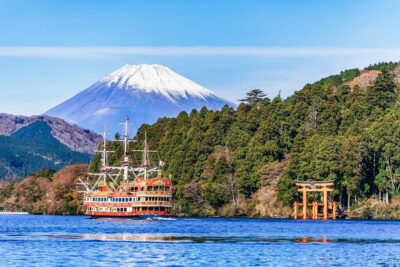
Tokyo Mt Fuji 5th St & Hakone Cruise Bus Tour w/Bullet Train
Read our review →
Mt. Fuji Tour, Hakone Ropeway, Owakudani, Lake Ashi
Read our review →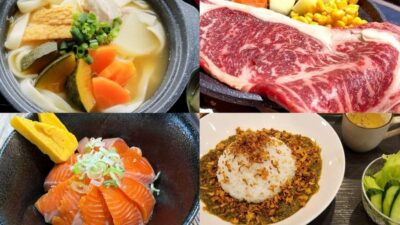
Mt.Fuji,Kawaguchiko Oishi Park,Arakurayama Sengen Park
Read our review →
Mt. Fuji 5th Station & Hakone Cruise 1-Day Bus Tour
Read our review →
Mt Fuji Top 5 Spots Day Tour: Arakurayama Park,Oshino Hakkai
Read our review →Browse the lists this tour appears in