
Reviewed · SUMO EXPERIENCES
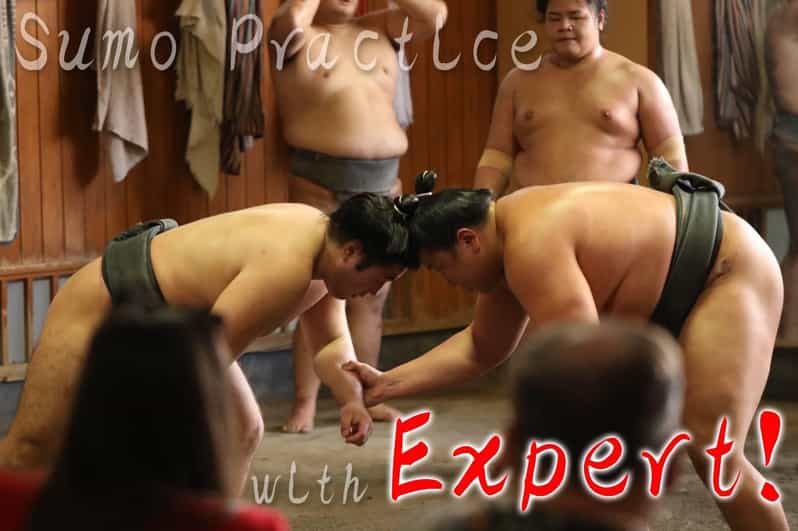
Tokyo: Not a show- a professional sumo practice with experts
If you think sumo is only about the final push, this tour changes that fast. You get rare access to a working sumo stable for a live morning practice, then you talk one-on-one style with specialist Shinya. I especially love how close you are to the action, and I love that you get real context for the rituals, not a watered-down script. The only real drawback to plan for is the floor seating, so after a long stretch your legs may feel it.
This is set in Ryogoku, Tokyo’s Town of Sumo, where the whole neighborhood is built around the sport. It is a small-group format, capped at 10, and the guide team includes an English-speaking host plus Shinya’s deep, sports-reporting perspective. If you are expecting a theater-style show with nonstop narration during the practice, you may need to adjust your mindset, because this is training, not performance.
Key things I think you will like
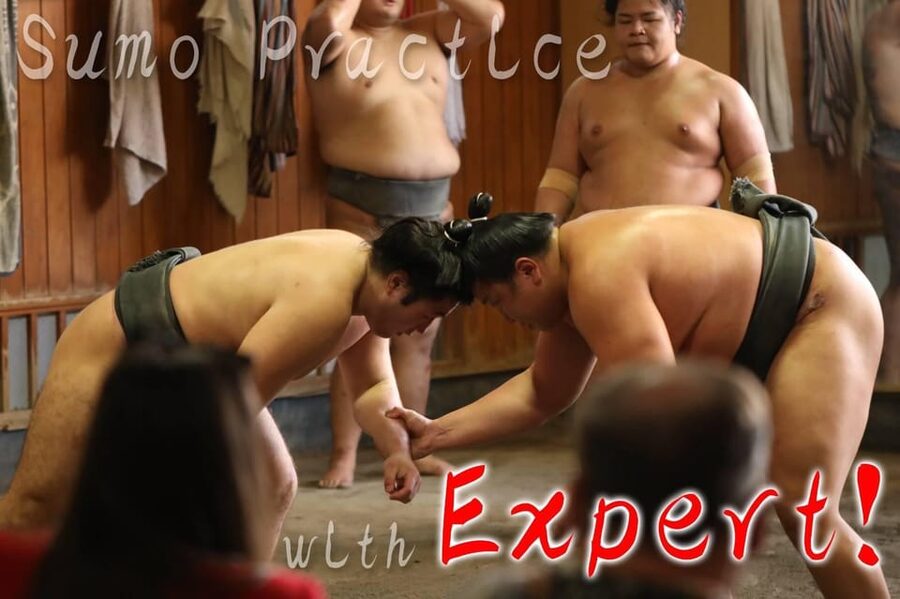
- Real access at Takasago-beya Sumo Stable, with permission that is not easy to get
- Photo with the wrestlers, taken during training time so it feels grounded and real
- Q&A with longtime sumo specialist Shinya, including tournament and wrestler context
- Ryogoku Kokugikan and Ryōgoku Edo Noren, a quick but focused taste of the area
- Small group up to 10 people, so your questions actually get answered
- Straight, hands-on watching, where technique and intensity are the point
Ryogoku sumo training, not a staged show
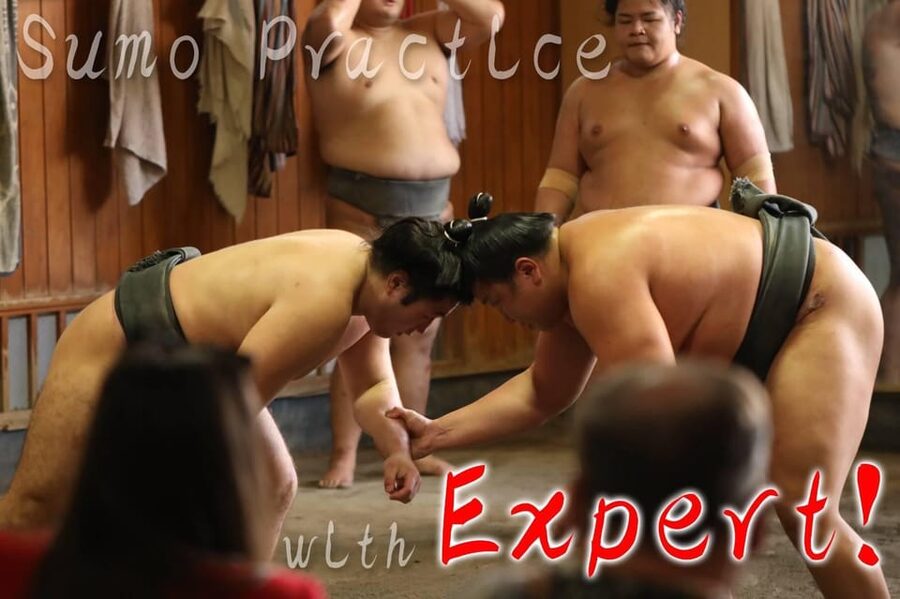
Tokyo has plenty of sumo experiences. What makes this one stand out is that you are stepping into a professional world where practice rules matter, people move carefully, and the wrestlers are there to work, not to entertain.
I like that the tour starts with history and ritual so you are not just staring at bodies crashing together. You also get to learn in real time what those rituals do for the wrestlers, from how they warm up to how training sessions run. This matters because sumo makes more sense when you understand what is happening before the match ever begins.
You will also notice the difference between a “sumo show” and a stable. A show can be fun. A stable makes you slow down. You see the discipline in the small things, the repetition, and the way senior wrestlers mentor younger ones. It is the kind of experience that turns curiosity into actual understanding.
One more plus: Shinya’s background as a journalist and his long familiarity with sumo shows in how he explains things. He is not just listing facts. He connects traditions to the tournaments and to the human side of the wrestlers. If you have questions that you normally cannot find answers for, this is the moment to ask them.
More Sumo Experiences in Tokyo:
- Tokyo: Sumo Show Experience with Chicken Hot Pot and a Photo
★ 4.8 · 6,678 reviews - Tokyo: Sumo Show and Dining Experience
★ 4.8 · 2,742 reviews - the SUMO show
★ 5.0 · 1,960 reviews
Where to meet, and how the day flows (3 hours total)
Your meeting point is a simple one, but it helps to arrive early. You meet at 両国HANA WAWAビル. The most practical transit option is the Toei Oedo Line at Ryogoku Station (E12), Exit A2 at ground level. It is about a 5-minute walk from the east exit of JR Ryogoku Station.
Once you are with the group, the pacing is straightforward. You head on foot to Takasago-beya Sumo Stable for the main event, then you move through nearby sumo landmarks. The whole tour is about 3 hours, so it fits well as a morning or early start to your Tokyo day.
This day is built for watching. That means you should travel lightly, keep your phone ready but quiet, and wear shoes you can stand and sit in comfortably. You are not doing a long trek. You are spending your time where it counts.
Also, this is a small-group format limited to 10 participants. That size is big enough to feel social, but small enough that you can talk with Shinya during the Q&A and actually get your questions answered.
Takasago-beya: entering a working stable for real practice
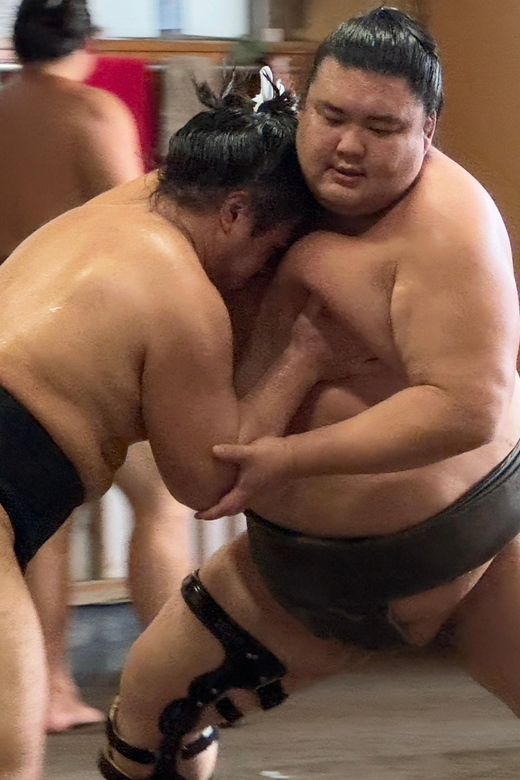
The heart of the tour is your visit to Takasago-beya Sumo Stable, scheduled for about 2 hours. This is where your expectations should land: you are not strolling through a museum. You are being invited into a training space with real athletes doing real work.
From the moment you arrive, you will be guided on how to behave. Common sense etiquette matters here: be respectful, keep your movements calm, and follow the instructions from the staff. In Japan, that quiet cooperation is part of the experience. If you treat it like a photo walk, you will miss the point.
I like that the tour is intentionally structured to build understanding first, then observation. You get an explanation of sumo history and rituals before the practice. Then you watch the session itself. That order is smart because once you understand the “why,” the “what” becomes easier to see.
And yes, you will get very close. In this kind of stable experience, “up close” is not marketing language. You are seated near the action, watching warmups and training drills from a front-row perspective.
Watching technique up close: what you will actually see
When the morning practice starts, you will see wrestlers moving through a sequence of training activities. You will likely catch how they work their footing, practice the kind of positioning that matters in a match, and drill the grappling and pushing elements that define their style.
Because this is live training, the energy is different from a match-day arena. People focus. Movements are precise. Even the pauses feel meaningful. That is where sumo’s intensity lands.
You will also see the mentoring dynamic that makes sumo more than individual sport. Older wrestlers help guide younger ones, and that hierarchy is part of how the stable runs. It can be one of the most memorable parts of the tour, especially if you come in with only a casual understanding of sumo.
One practical detail you should plan for: you sit on the floor. A floor cushion is available, which helps. Still, do yourself a favor and wear clothing that lets you stay comfortable for a while. If you get cold easily, bring layers you can sit in. If you need movement, be ready to shift gently, without making it distracting.
There is also a good chance you will hear explanations around the training and then have a dedicated Q&A afterward. One honest consideration from real-world feedback is that some people want more running commentary during the session itself. If that is you, consider asking Shinya about what he recommends you watch for before practice begins. You will get better value if you know what to look at.
A change of pace from Tokyo:
- Mt Fuji and Hakone 1-Day Bus Tour Return by Bullet Train
★ 5.0 · 26,383 reviews - 1-Day Tokyo Bus Tour
★ 5.0 · 14,250 reviews - Tokyo: TOKYO SKYTREE® Admission ticket
★ 4.5 · 11,192 reviews - Tokyo: teamLab Planets TOKYO Digital Art Museum Entry Ticket
★ 4.6 · 9,779 reviews
The photo moment and Q&A with Shinya
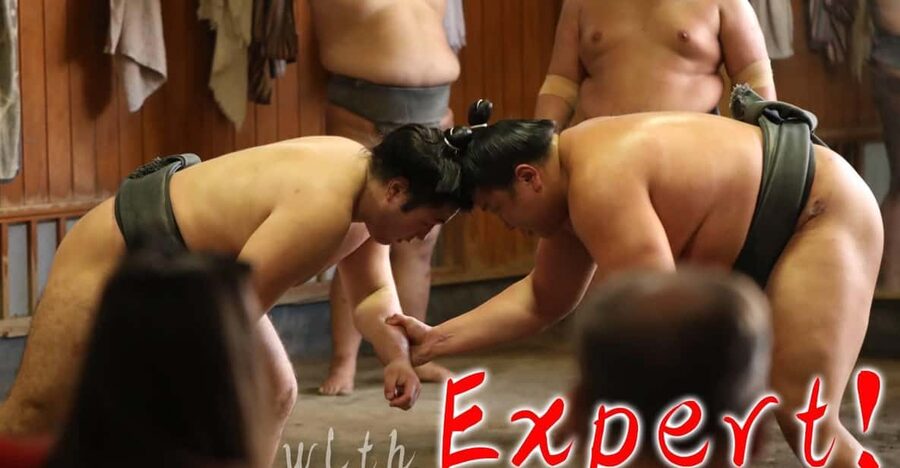
A standout feature here is the photo with the sumo wrestlers. This is not a gimmick from a distant platform. It happens in the context of training, so it feels like a respectful access moment rather than a theme-park stop. You leave with a real memory, not just a background selfie.
Then comes the part that makes the tour feel worth paying for: Q&A with Shinya, who is a longtime sumo specialist with a journalism background. You get time to ask questions. This is where the tour becomes personal and practical.
Ask about tournament structure, what different rituals are doing, or how wrestlers progress inside the stable system. If you already know some sumo basics, you will still find this useful, because Shinya can explain details that do not show up in common guidebooks.
One thing I appreciate is that the Q&A is not limited to easy basics. People with deeper questions often end up with better answers than they expected. That is because Shinya is used to sports reporting and following sumo closely, not just giving tourist-level descriptions.
If you feel shy, you can also listen first and let questions build naturally. With a small group, you are not competing for attention.
Ryogoku Kokugikan and Ryōgoku Edo Noren: a short local taste
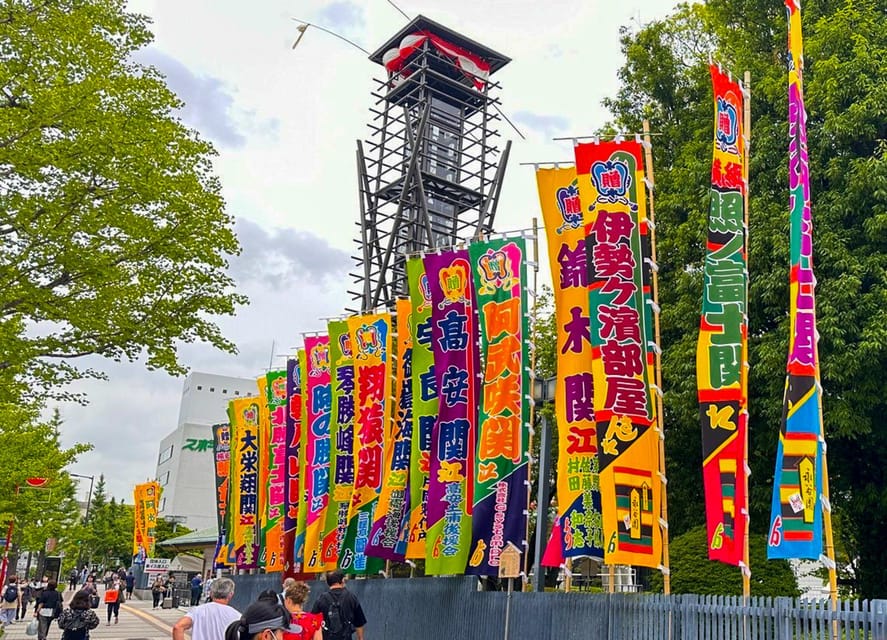
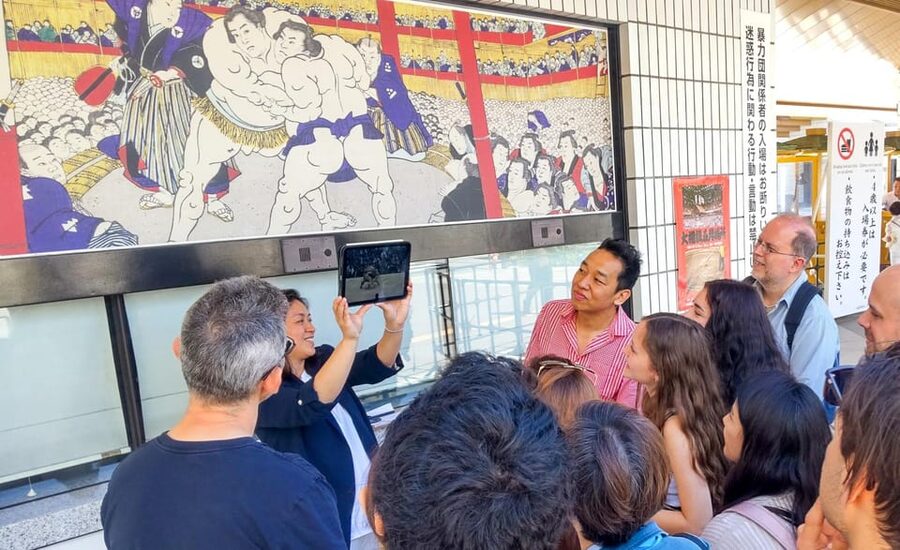
After the stable, you head to Ryogoku Kokugikan for a guided tour of about 15 minutes. This is the arena side of the story. Even in a short visit, you can start to connect what you saw in practice with what you will later recognize in match-day settings.
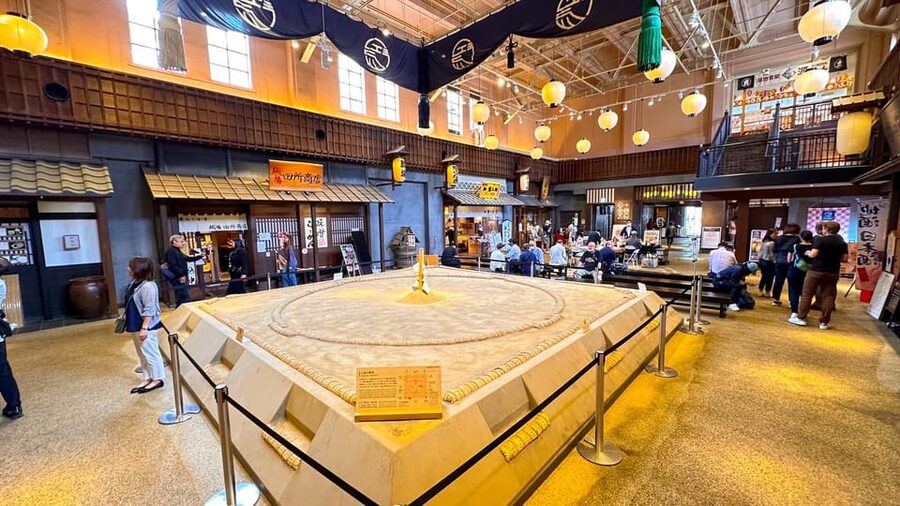
Next is Ryōgoku Edo Noren for another guided visit of about 15 minutes, followed by about 30 minutes for shopping and sightseeing. This part is helpful if you want to leave with something small tied to sumo culture and the neighborhood itself.
The best way to use this time is not to rush. You are already in sumo mode. Walk slowly enough to notice the area themes, then grab snacks, souvenirs, or small items that fit your trip. Since food and drinks are not included in the tour, this is also a good window to plan your own break.
If you want to turn your tour into a fuller day, this is where you can easily connect to more Ryogoku sights afterward, because you are already in the right neighborhood.
Price and value for $103: what you are really paying for
At $103 per person for a 3-hour experience, this is not the cheapest thing on a Tokyo list. But you should judge value based on access and expertise, not just time.
Here is what drives the price up, and why it is usually worth it:
- Stable access with special permission, not a generic public performance
- A small group capped at 10, which keeps the experience intimate
- An English-speaking guide plus Shinya’s deep background, so you get real answers
- A photo with the wrestlers, created through the stable experience rather than staged elsewhere
Also, you are not paying for a buffet or a meal included deal. Food, drink, and tips are not included, so you should budget modest spending nearby. Bring water if you tend to get thirsty, or plan to purchase it around Ryogoku during the shopping window.
If you compare this to show-based sumo packages, the difference is simple. You are paying for closeness to real practice and for understanding that stays after the training ends.
Who this tour suits best (and who might want a different option)
This tour is ideal if you care about authenticity and want to understand sumo beyond the basics. It is especially good for:
- First-time visitors who want an introduction with context
- Sumo fans who want technique and ritual explained
- People who want something better than a staged performance
- Anyone who cannot get tournament tickets but still wants the real stable feel
It is also a good fit for families if the children are old enough, but there is a clear limit: it is not suitable for children under 5.
If you have mobility issues, note that you will be sitting on the floor for watching. There is a cushion, but the tour is built around stable viewing customs. And if you hate waiting while people finish drills, you might find training pacing slower than a show.
One final note: smoking indoors is not allowed. So if you smoke, plan to step out before you join the group.
Should you book Japan Shine Tour’s sumo practice experience?
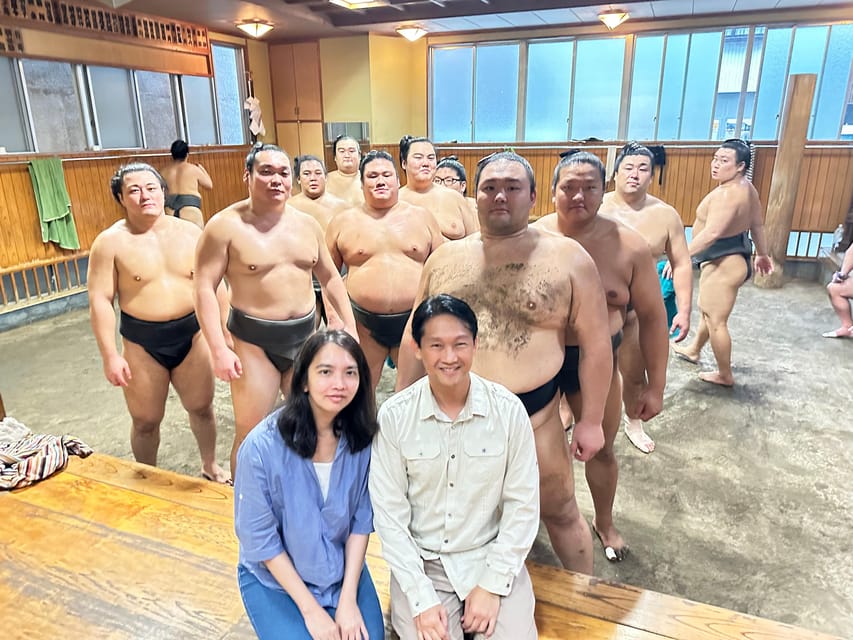
I think you should book it if you want the real thing, not a performance version of sumo. The combination of real morning practice at Takasago-beya, the close viewing, the wrestler photo, and Shinya’s Q&A is a strong package for the price.
Book it especially if:
- you want Ryogoku’s sumo identity in one morning
- you like learning from someone with genuine reporting background
- you want time to ask detailed questions
Skip it if:
- you want constant narration during the practice itself
- you have trouble sitting on the floor for an extended session
If you land somewhere in the middle, do this: go with curiosity, bring patience for training pacing, and prepare one or two questions you actually care about. You will leave with the kind of Tokyo memory that feels earned, not purchased.
FAQ
How long is the sumo practice tour?
The tour lasts about 3 hours total.
Where is the meeting point in Tokyo?
You meet at 両国HANA WAWAビル. You can reach it via Toei Oedo Line Ryogoku Station (E12), Exit A2 at ground level, which is about a 5-minute walk from the east exit of JR Ryogoku Station.
Which locations does the tour include besides the stable?
After Takasago-beya Sumo Stable, you get guided visits at Ryogoku Kokugikan (about 15 minutes) and Ryōgoku Edo Noren (about 15 minutes), plus about 30 minutes for shopping and sightseeing at Ryōgoku Edo Noren.
What is included in the price?
Included features are an English-speaking guide, a photo with a sumo wrestler, and a Q&A session with a long-time sumo expert.
What is not included?
Food, drink, and tips are not included.
How big is the group?
The group is small, limited to up to 10 participants.
Will I need to sit on the floor?
Yes. Customers sit on the floor to watch sumo, and a floor cushion is available.
Are children allowed?
Children under 5 years old are not suitable for this experience.
What languages are available?
The tour includes English and Japanese.
Are there any rules on smoking?
Smoking indoors is not allowed.
Latest write-ups near Tokyo
- Tokyo Customized Private Tour: See Top Attractions in 1 Day★ 4.8 · 67 reviews
- From Tokyo: Top 5 Scenic Spots of Mount Fuji Full-Day Tour★ 4.5 · 67 reviews
- Tokyo: Shinjuku Izakaya and Golden Gai Bar Hopping Tour (2h)★ 4.9 · 67 reviews
- Traditional Japanese Music ZAKURO SHOW in Tokyo★ 5.0 · 67 reviews
- Tsukiji: Unlimited Sake Tasting Experience★ 4.9 · 67 reviews
- Samurai Ninja Museum Asakusa: Kid-Friendly Ninja Training★ 4.7 · 67 reviews
- Private Harajuku Omotesando Architecture Walking Tour★ 5.0 · 67 reviews
- One Day Private Tour to Nikko With English Speaking Driver★ 5.0 · 68 reviews
Sumo Experiences, compared.
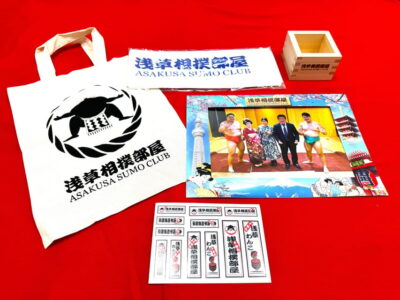
Sumo Show Experience with Chicken Hot Pot and a Photo
Read our review →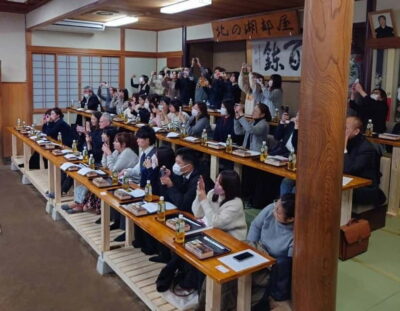
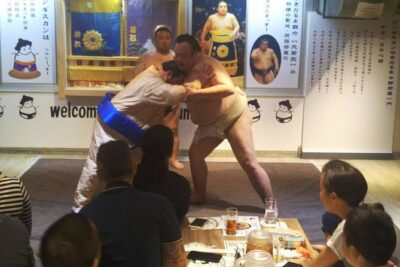
Tokyo Shinjuku Sumo Show & Experience with Photo
Read our review →
Sumo Show & Experience w/ Optional Kimono & Hot Pot
Read our review →
Authentic Sumo Experience in Tokyo: Enter the Sanctuary
Read our review →Browse the lists this tour appears in