Reviewed · TOKYO TOURS
Tokyo: Origami Fun for Families & Beginners in Asakusa
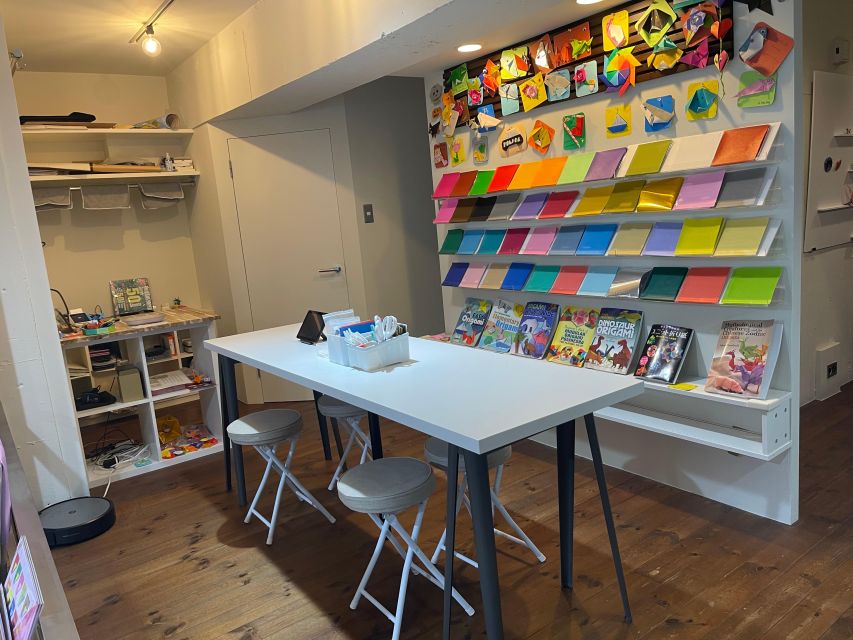
Origami in Asakusa is a fun change of pace from temples and snacks, because you leave with something you made, not just photos. This setup is built for first-timers and families who want a calm, creative hour without needing a local language skill.
I especially love two things about it. First, you get a real choice menu, with over 100 models and 50 paper colors, so you are not stuck with one generic craft. Second, the folding is guided by a tablet, which keeps the pace steady and makes it easy to restart a step if you need to.
One drawback to consider is that this is not handicap accessible, since it involves stairs and seating without back support. If you or someone in your group has mobility issues, it is worth planning an alternative.
Key Things I’d Use to Decide
- Tablet-guided folding keeps instructions clear, even if you have never folded before.
- 50 paper colors plus decorations (stickers, stamps, markers) mean your creations look personal.
- Small groups of up to 6 help you get staff support without a crowd feeling.
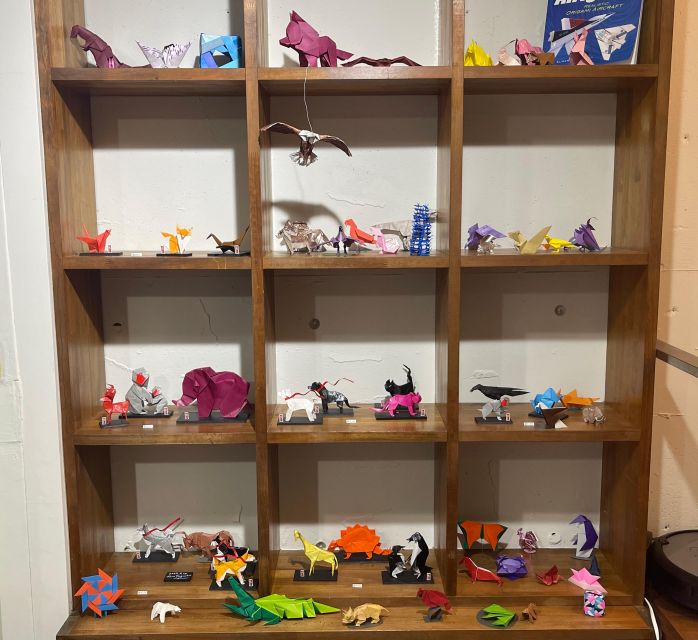
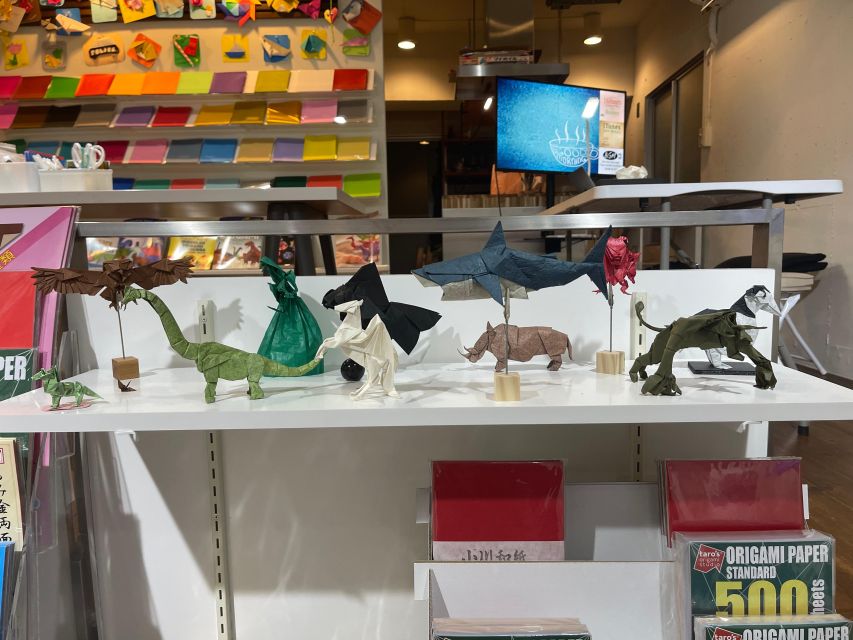
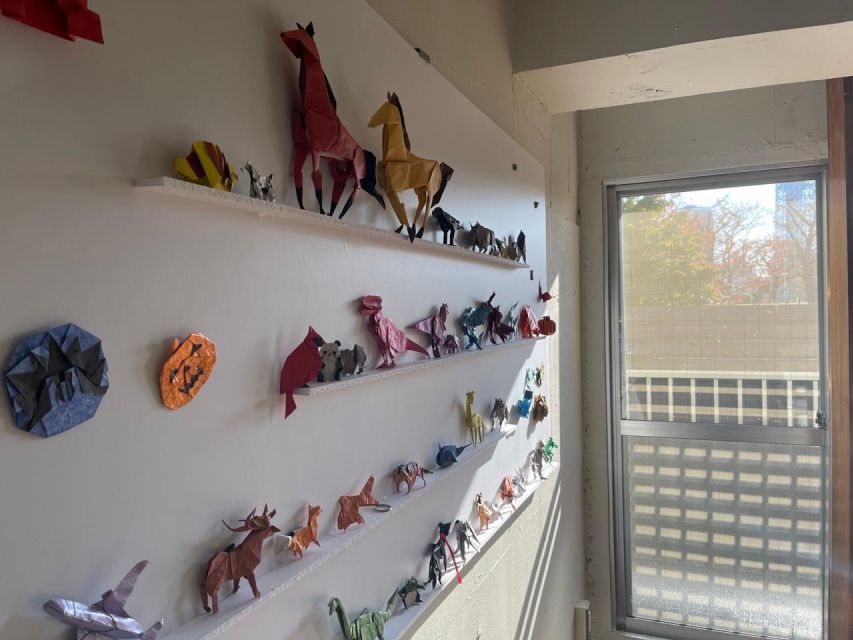
- Over 100 models lets you aim for animals, flowers, and vehicles, from beginner to intermediate steps.
- Socks required makes the experience feel more like a studio than a rushed workshop.
- Not teacher-led, but staff is present to help with specific folding questions.
A 45-Minute Origami Studio Break in Asakusa
Asakusa has that classic Tokyo mix of old streets, temple energy, and lots of people passing through. This origami session slots right into that world, but it does not demand you understand Japanese or follow a complicated schedule. You sit down, choose paper, pick a model on a tablet, and fold along at your own speed for 45 minutes.
The clever part is how the experience balances structure with freedom. You get enough guidance to stay confident. But you also get room to make choices, especially around color and decoration. If your trip has been temple-heavy, this is a friendly reset for your hands and attention span.
And since the group is capped at 6, you usually get the vibe of a small studio class, not a big assembly line. That matters for beginners and kids, because you are less likely to feel lost or rushed.
Also on the shortlist for Tokyo:
- Mt Fuji and Hakone 1-Day Bus Tour Return by Bullet Train
★ 5.0 · 26,383 reviews - 1-Day Tokyo Bus Tour
★ 5.0 · 14,250 reviews - Tokyo: TOKYO SKYTREE® Admission ticket
★ 4.5 · 11,192 reviews
The Flow: From Square Paper to Animals, Flowers, and Vehicles
The main action happens inside a studio session that runs about 45 minutes. Even though it is tablet-guided, your real start happens in two steps: model selection and paper selection.
Here is what the flow feels like, step by step:
- You choose a model on the touchscreen tablet from categories.
- You go to the paper wall and pick your color or colors, keeping the model in mind.
- You return to your station and press Play, then follow the tablet steps from a square sheet to the final shape.
- If you need help, staff is there, but the tablet is what drives the instruction.
- You finish by decorating your paper creation with stickers, stamps, and markers.
The tablet instructions cover a range of difficulty, from beginner to intermediate. That means you can start simple and then try a second model with a bit more challenge, without the whole group shifting gears at once.
Also, the “your own pace” part is real. The software lets you replay or go back to earlier steps. For anyone who gets stuck on a tricky fold line, that feature saves time and stress.
How the Tablet Instruction Actually Helps Beginners
Tablet-guided instruction can go one of two ways. It can feel robotic, or it can genuinely reduce confusion. Here, the tablet approach is built around the idea that origami is mostly about visual steps and timing.
You are shown how to go from one stage to the next. Instead of trying to decode diagrams, you can follow the prompts on the screen. When you compare that to many paper-folding books, it usually feels faster to get to a usable first result.
Your instructor or staff support works best when you treat it as help for specific problems, not as a full live lesson. If you ask about where to pinch, where a fold is meant to land, or how to align layers, you will get targeted help while still relying on the tablet for the sequence.
A detail I like for families is that the experience supports independent practice. Kids can follow the app steps, then ask for help at the moment they need it, which keeps momentum instead of waiting for someone to finish teaching everyone at once.
Paper Wall Choices: Where Your Origami Starts Looking Like You
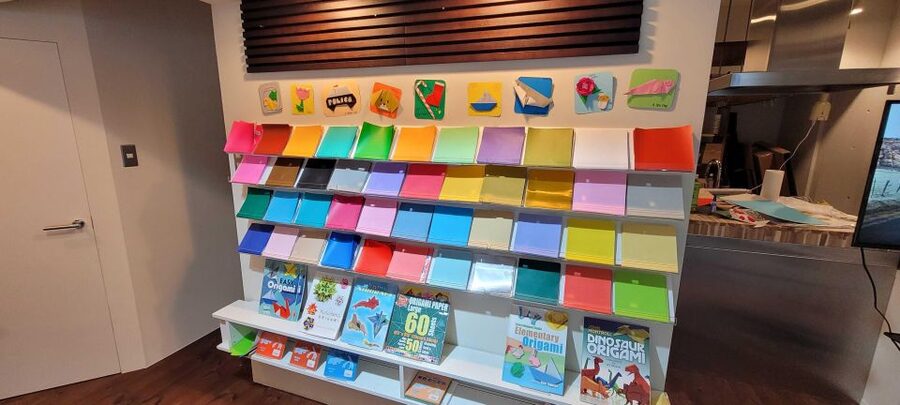
This is not just folding practice. One of the biggest value points is that you get to choose from 50 colors of origami paper. That means you can aim for realistic results when it fits, like a warmer paper tone for animals, or you can go full fun colors if the goal is something playful for the kids.
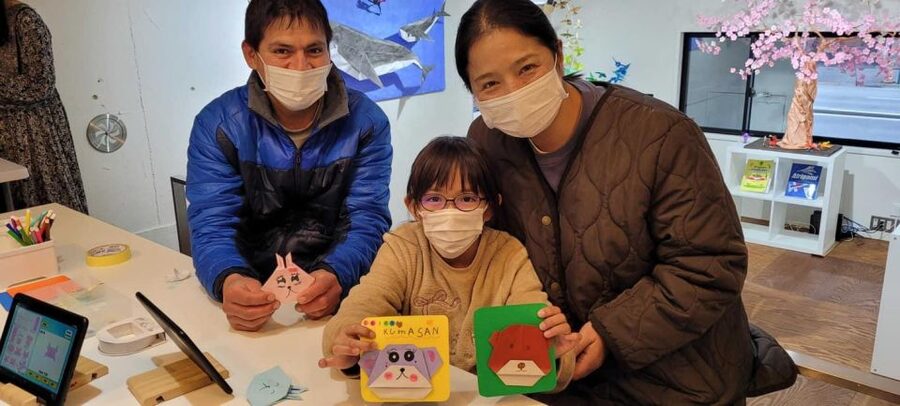
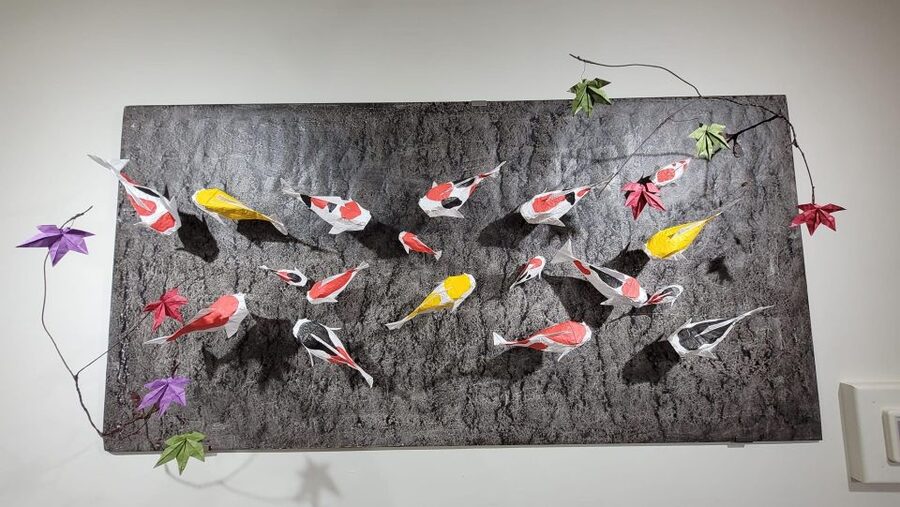
Then there is decoration. After you fold, you can personalize your creation using stickers, stamps, and markers. That is a small thing, but it changes the mood a lot. Origami can feel a bit like homework when it is only structure. Add decoration and it feels like making a keepsake.
If you are traveling, this also helps with souvenir logic. You can take home a piece you actually made. Instead of searching for the perfect gift shop item, you get something thoughtful and lightweight that fits in your luggage plan.
A change of pace from Tokyo:
- Tokyo: teamLab Planets TOKYO Digital Art Museum Entry Ticket
★ 4.6 · 9,779 reviews - Mt Fuji & Hakone Cruise, Drum Show Bullet Train 1 Day from Tokyo
★ 4.0 · 7,413 reviews - Tokyo: Sumo Show Experience with Chicken Hot Pot and a Photo
★ 4.8 · 6,678 reviews - Tokyo: Shinjuku Food Tour (13 Dishes at 4 Local Eateries)
★ 5.0 · 6,603 reviews
The Studio Setup: Small Groups, Staff Support, and Realistic Expectations
This experience is small group, limited to 6 participants. That size is a big deal. In a larger class, beginners often get stuck waiting. In a micro group, staff can keep an eye on what people are doing without interrupting every five seconds.
It is also worth understanding the teaching style. This is not a private teacher-led lesson. Staff members are present to help, but the tablet software is the main guide. So if your ideal class is a full conversational explanation of origami principles from start to finish, you might find this format a little less “lesson-like” and more “guided practice.”
That said, several people have highlighted the helpful nature of staff and how the support felt there when needed without taking over. In one case, an instructor named David made a rose for a child, which is the kind of extra care that can turn a craft session into a travel memory.
Timing That Works With a Busy Day in Tokyo
You have 45 minutes. That is a sweet spot for two reasons.
First, it is long enough to fold multiple steps and get at least one good finished model. Second, it is short enough that kids usually stay engaged, as long as they are ready to sit and focus.
For families, 45 minutes also fits nicely between Asakusa strolls. You can schedule it as a calm indoor break when the morning walk turns into afternoon crowds. It also works well for beginners who are nervous about “doing it wrong.” You can relax into the process because the session has a natural endpoint.
If you are planning more than one model, it helps to pick a first design that you think your hands can manage. Then you can use the remaining time to attempt something slightly more detailed. The tablet difficulty range gives you that flexibility.
Price and Value at $27 Per Person
At $27 per person, this is priced like an activity, not a souvenir. The value comes from three things that are included.
- Origami paper and supplies
- Instruction, delivered via the tablet system
- Taxes and fees
You are not paying extra for basic materials, and that matters in Tokyo, where “craft activities” can sometimes nickel-and-dime you for paper, tools, or upgrades. Here, you get paper selection, folding guidance, and the decorating kit vibe all as part of the core session.
If you are a family, the value math improves because kids can leave with several items they actually made during the session. One family-style approach in a short workshop is usually “one good piece plus a backup.” This one gives you the tools to aim higher, depending on age and attention span.
Who This Fits Best (And Who Might Want to Skip It)
This is a strong match for:
- Beginners, because tablet steps remove a lot of guesswork
- Families with kids who can sit and work with their hands for 45 minutes
- Anyone who wants a quiet indoor experience in a tourist area like Asakusa
The general recommendation is children four and older. Also, kids under 13 need adult supervision throughout the activity. If you are traveling with a younger child, you might find the independence requirement is the real deciding factor, not the paper skills.
There is also a practical note that it is not suitable for people with a cold. That is about health and studio rules, so plan an alternative if anyone in your group is unwell.
Socks, Stairs, and Studio Comfort: Practical Details That Matter
Before you go, read the “small rules” carefully. They are what make the experience smooth or annoying.
You must wear socks to participate. The studio requires socks, and you can bring them or purchase a pair beforehand. If you show up barefoot or in regular shoes, you might need to sort it out at the last minute.
On comfort and access: this facility is not handicap accessible. There are no ramps or lifts, only stairs. The seating does not have back support. If you have mobility needs or back comfort concerns, plan for that in advance. It is not a “maybe” situation, it is clearly stated.
Also, be ready for a studio-style floor plan and close station setup. This is not a big open hall where everyone stretches out. You will sit and fold close to your station.
Finding the Studio Entrance in Asakusa
Meeting point matters in Asakusa, because buildings can look similar and streets twist. The entrance is on the main street side of the building.
If you end up near the park, you are on the backside of the building and you may not be able to enter from there. Look for company signage on the front of the building. There is also a brown sea turtle affixed to the wall below the window, which is a helpful visual marker.
If you are arriving from temple streets, give yourself a little extra time to confirm you are on the correct side of the building before you head inside.
The Bottom Line: Should You Book This Origami Session?
I think you should book it if you want a beginner-friendly activity that still feels meaningful. This is one of those experiences where you get a hands-on outcome fast, and you do it in a way that does not require confidence in Japanese or prior craft knowledge.
It is especially worth it when you travel with kids, because the format is designed to keep folding and decorating moving within a 45-minute window. The tablet lets kids follow along, while staff support helps when something gets stuck.
Skip it if accessibility is a concern for your group, since it involves stairs and seating without back support. Also skip if someone in your group is sick, since it is not suitable for people with a cold.
If you want a calm break that still ends with a tangible keepsake, Taro’s Origami Studio in Asakusa is a smart use of time.
FAQ
Is this origami experience teacher-led?
No. It is tablet-guided. Staff members are present to help participants with their models, but it is not a private teacher-led lesson.
Do I need prior origami experience?
No. It is designed for beginners. The tablet instructions cover models from beginner to intermediate difficulty.
What ages is the activity recommended for?
The studio recommends this activity for children four and older. Kids under 13 need adult supervision throughout the activity. It is not suitable for children under 4.
What do I need to bring to participate?
You must wear socks. Bring socks or purchase a pair beforehand at the studio. There are no other specific items listed.
How long does the session last and how big is the group?
The experience lasts about 45 minutes. The group is small, limited to 6 participants.
Is the studio wheelchair accessible?
No. The facility is not handicap accessible, with stairs only and no ramps or lifts. Seating also does not have back support.
Are food and drinks included?
No. Food and drinks are not included.
Latest write-ups near Tokyo
- Tokyo Customized Private Tour: See Top Attractions in 1 Day★ 4.8 · 67 reviews
- From Tokyo: Top 5 Scenic Spots of Mount Fuji Full-Day Tour★ 4.5 · 67 reviews
- Tokyo: Shinjuku Izakaya and Golden Gai Bar Hopping Tour (2h)★ 4.9 · 67 reviews
- Traditional Japanese Music ZAKURO SHOW in Tokyo★ 5.0 · 67 reviews
- Tsukiji: Unlimited Sake Tasting Experience★ 4.9 · 67 reviews
- Samurai Ninja Museum Asakusa: Kid-Friendly Ninja Training★ 4.7 · 67 reviews
- Tokyo: Not a show- a professional sumo practice with experts★ 4.9 · 67 reviews
- Private Harajuku Omotesando Architecture Walking Tour★ 5.0 · 67 reviews
Tokyo Tours, compared.

Mt Fuji and Hakone 1-Day Bus Tour Return by Bullet Train
Read our review →


teamLab Planets TOKYO Digital Art Museum Entry Ticket
Read our review →
Mt Fuji & Hakone Cruise, Drum Show Bullet Train 1 Day from Tokyo
Read our review →
Sumo Show Experience with Chicken Hot Pot and a Photo
Read our review →
Shinjuku Food Tour (13 Dishes at 4 Local Eateries)
Read our review →