
Reviewed · SUMO EXPERIENCES
Tokyo Sumo Morning Practice Tour at Stable
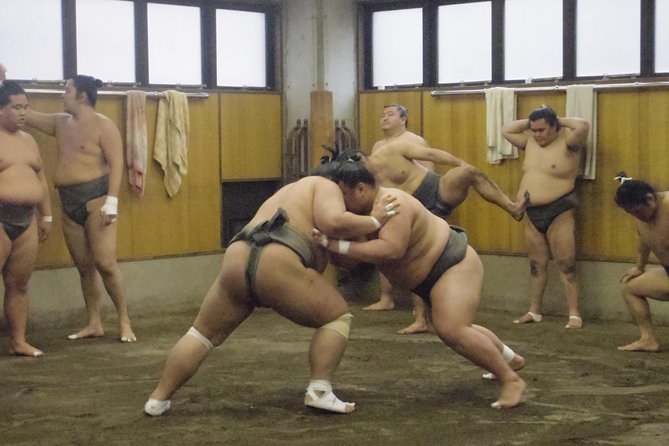
This Tokyo sumo morning practice tour is interesting because you get to watch real wrestlers train inside a working stable, not a polished performance. I love the up-close practice action and how guides like Seiji (and others such as Yumi, Cameo, Noriko, and Nobu) explain what you are seeing. One drawback to keep in mind is that the headset commentary quality can vary, so if the audio is spotty, you may miss some details while you watch.
I also like the strong sense of respect and order, plus the small-group size (maximum 20). You should know the rules are real, including no re-entry once you leave the stable during the session, so you’ll want to plan your bathroom stop ahead of time.
Key things to know before you go
- Real stable access: You watch training in an actual sumo stable, with a guide to help you follow what is happening.
- Morning start and tight timing: You meet at 7:45am and the full experience is about 2 hours, so bring a calm, early-morning mindset.
- Guided learning right alongside action: You get explanations about sumo traditions and the six grand tournaments while you watch practice.
- Strict etiquette keeps the vibe respectful: Silent viewing, no stepping into the ring area, and phone rules are part of the deal.
- You might get a short end-of-practice photo moment: Many sessions include a brief photo chance after practice, but it can be quick.
- Tokyo summer heat matters: Eating and most drinks are restricted, but water and sports drinks are allowed inside the stable in summer, with no air conditioning.
Why a sumo stable morning feels different from a tournament
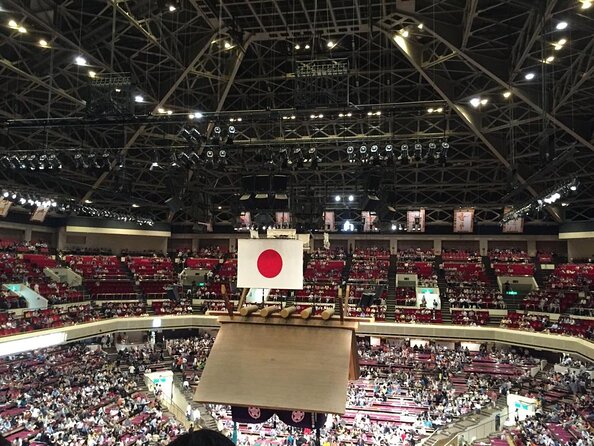
A tournament in Tokyo is big, loud, and extremely ceremonial. A stable morning is smaller, quieter, and more raw. You are watching athletes warm up, repeat techniques, test balance, and spar with the kind of focus you only see from people preparing for real stakes.
What I like for you here is the balance of education and observation. You learn the basics of how sumo works while you’re looking at the training itself. That means you’re not just staring at big bodies and hoping it clicks. The guide helps you connect movement to meaning.
The other reason this works is the culture of silence during practice. Yes, you’ll get commentary through headsets, but the overall expectation is still respectful watching. That makes the whole thing feel more like you are entering someone’s workplace than walking through a tourist show.
More Sumo Experiences in Tokyo:
- Tokyo: Sumo Show Experience with Chicken Hot Pot and a Photo
★ 4.8 · 6,678 reviews - Tokyo: Sumo Show and Dining Experience
★ 4.8 · 2,742 reviews - the SUMO show
★ 5.0 · 1,960 reviews
Ryogoku Station Gallery, 7:45am: the quick primer that makes practice make sense
The morning starts with a meet-up near Ryogoku Station, at 7:45am, at the Ryogoku Station Gallery. This short first segment is about getting your bearings fast and understanding what you’re about to watch in the stable.
You’ll hear the origin story and the spiritual roots that shaped sumo. The tour framing connects sumo to Shinto traditions, with origins described as going back at least 1,500 years. You also get context that links sumo tradition to Japanese Shinto practices, and that sumo traditions have deep historical connections.
Then you get the key competition framework: Japan’s six grand tournaments. You’ll learn that they are typically held in Tokyo, Osaka, Nagoya, and Fukuoka, and that each one runs for 15 days. Tokyo hosts three of the six, and the guide helps you understand why those tournaments matter for rankings and momentum.
For practical value, this setup does two things. First, it gives you names and terms so you can follow what the wrestlers are doing. Second, it reduces the main beginner problem, which is watching without context. Even if you know nothing about sumo going in, this makes it easier to notice patterns in training.
One small planning note: the tour can run a bit shorter or longer depending on what the stable session includes, so don’t schedule anything tight right after. Build in a buffer for getting back to the departure spot.
Inside the stable: 90 minutes of quiet viewing and real training
The main portion takes place at the stable in the Ryogoku area, and it lasts about 1 hour 30 minutes. This is where you watch daily practice, quietly and respectfully.
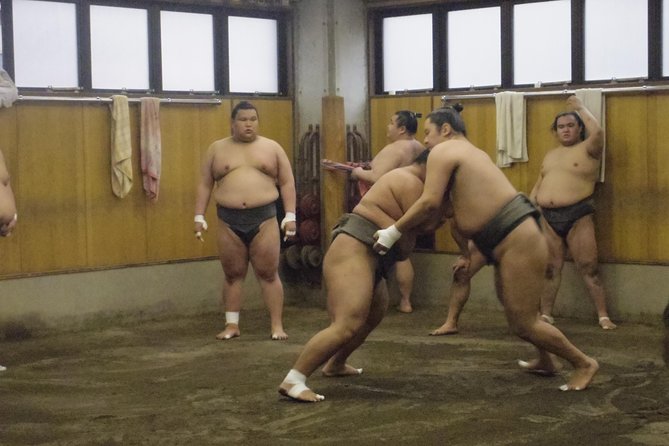
Your guide helps you follow the flow of warm-ups and sparring exchanges. You’re positioned to see the training close enough that the pace feels intense, because these are not demo sessions. This is practice for competing, and you can feel the rhythm shift as the session moves from preparation to more confrontational bouts.
The stable rules that you must follow
These rules aren’t there to be annoying. They keep the match area sacred and protect the wrestlers’ focus. Read them as you arrive, and follow them without improvising.
- Keep cellphones on silent.
- Photos are allowed, but only without flash or shutter sounds.
- Videos are not allowed.
- Eating and drinking are not allowed, except that in summer you may drink water and sports drinks inside the stable.
- No sunglasses or hats inside the stable.
- Do not step down onto the ring or the sandy ground area.
- Do not stretch your legs toward the ring. Showing the soles of your feet is considered impolite.
- Don’t leave during the practice if you can help it, and try to stay until the end.
- You cannot ask wrestlers for photos while practice is going on.
If you’re thinking, I can ignore one or two rules, don’t. These are the exact types of small behaviors that break the atmosphere and can get you in the way.
A change of pace from Tokyo:
- Mt Fuji and Hakone 1-Day Bus Tour Return by Bullet Train
★ 5.0 · 26,383 reviews - 1-Day Tokyo Bus Tour
★ 5.0 · 14,250 reviews - Tokyo: TOKYO SKYTREE® Admission ticket
★ 4.5 · 11,192 reviews - Tokyo: teamLab Planets TOKYO Digital Art Museum Entry Ticket
★ 4.6 · 9,779 reviews
What you are actually watching
Because it’s a stable, you often see dozens of exchanges during the session. That matters because it teaches you sumo in a more practical way than a single highlight moment.
Instead of one big bout, you get repetition. You see how wrestlers enter, how they test grips, how they reposition when they’re off-balance, and how discipline shapes movement. Some sessions can even run longer if something changes during the practice, so your time can include more sparring than you expect.
How the headsets and guide commentary work, plus the common issues
Most of the value comes from pairing what you see with what the guide is saying. During practice, the guide provides explanations through headsets so you can follow while watching up close.
That works really well when the audio is clear. Many people leave feeling they learned a lot and respected the effort behind the sport. The guide explanations also help you decode the ranking system and the lifestyle side of sumo, not just the moves.
But here’s the drawback to plan for: a minority of people report that the headset audio can be difficult to hear, with static or distracting sound overlap. If you are the type who wants every word, bring patience and use your eyes as the anchor. Watch first, then tune into the commentary when it’s clear.
If you have to choose, focus on being a good observer. You’ll still get a strong experience even if you catch only parts of the explanations.
Seating, views, and the end-of-practice photo moment
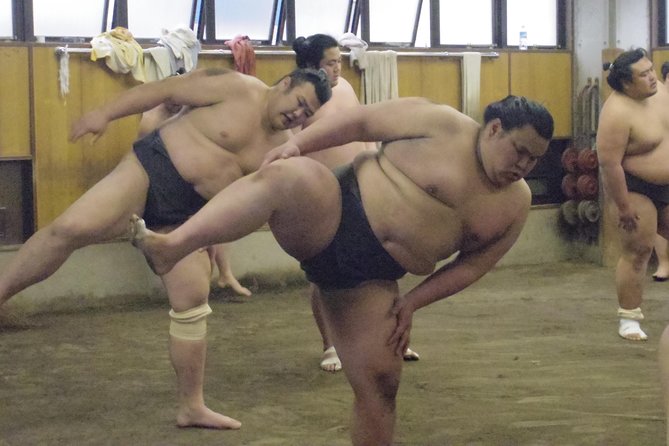
Where you sit can affect how much of the ring you can see. Some people report excellent sightlines, while others note that certain seats can make viewing harder. Since this is a stable, the space is not like a stadium bowl, so position matters.
One smart move: arrive early. People have shared that lining up earlier can help with seating, and that the front area can be reserved for sponsors. If you want the best view, treat the start time seriously and don’t show up at the last second.
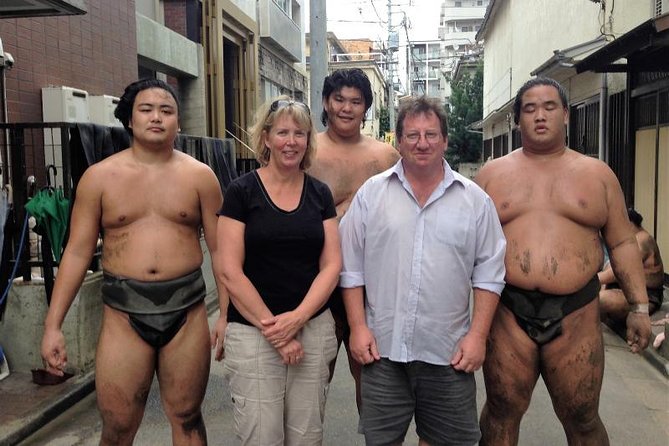
At the end of practice, there is often some kind of photo opportunity with wrestlers. Some sessions include a short chance for photos after the practice, sometimes described as brief, and it may be organized by group. Also, remember that you cannot request photos during the practice itself, so the photo moment is strictly at the end.
If you are hoping for a long meet-and-greet, reset expectations. This is primarily a training observation. The photo part is a bonus, and it tends to be short.
The sumo context you’ll walk away with
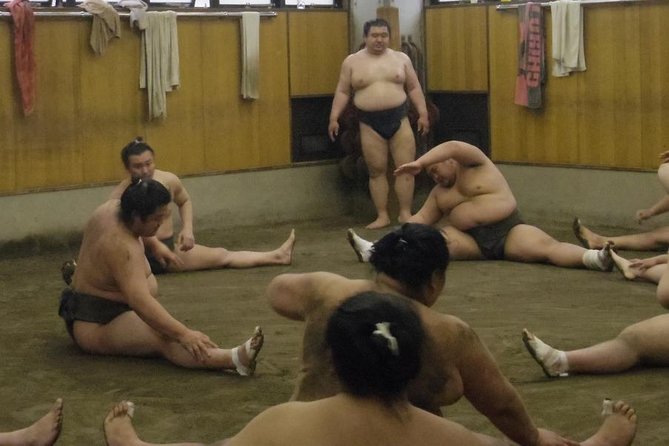
This tour does a great job of connecting what you see to the larger sumo world. You learn the six annual grand tournaments, and that three happen in Tokyo while the other three are in Osaka, Nagoya, and Fukuoka. You also learn the tournaments run for 15 days, which helps you understand the grind behind the rankings.
You also get an explanation of how sumo’s traditions link to Shinto practices. Even if you’re not religious, the framing helps you understand why certain behaviors matter so much in the stable environment.
The biggest change for me is how it shifts sumo from spectacle to discipline. When you watch technique repeated and sparring carried out with controlled intensity, you naturally gain respect for the work behind the results. That respect is often what makes people feel this is better than simply watching a tournament.
Practical prep: what to wear and bring for a 7:45am Tokyo morning
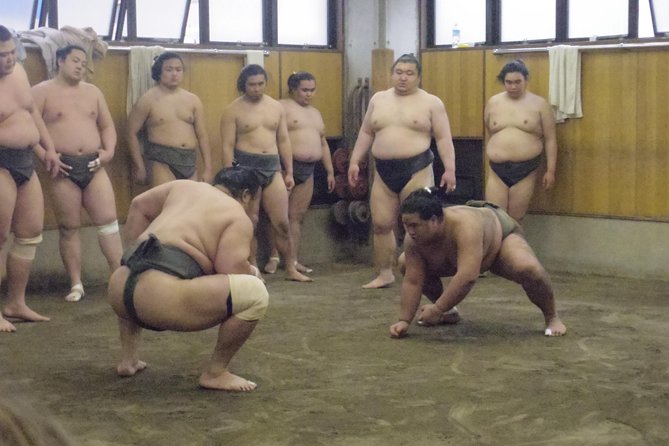
This is a morning experience, and Tokyo can feel already warm by the time you reach the stable. The rules matter here, especially in summer.
- Wear comfortable clothes you don’t mind getting a bit warm in.
- Avoid items that are banned inside the stable, like hats and sunglasses.
- Since there is no air conditioning, consider bringing a cold towel or an ice pack.
- In summer, water and sports drinks are allowed inside the stable, but eating and drinking are otherwise restricted.
- Use the restroom before you arrive at the meeting point, because once the session starts you’ll want to stay focused.
Also, bring quiet respect with you. You’ll be asked to watch silently and not interfere with the wrestlers’ concentration. Think of it like theater etiquette, but with athletes who are in training mode.
Price and value: is $83.57 a fair deal for 2 hours?
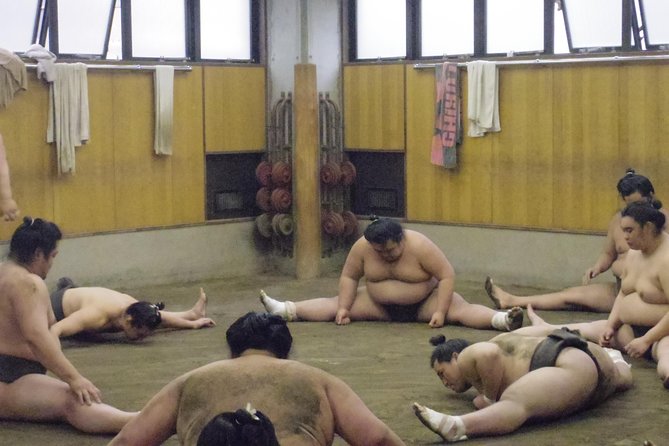
At $83.57 per person for about 2 hours, this isn’t a cheap activity. But it also isn’t a generic museum visit.
You are paying for exclusive stable access, a real guide, and an experience structured around the training rhythm rather than a staged performance. You also get included admission for the main viewing portion, and the tour is limited to a maximum of 20 people, which helps keep it from feeling crowded.
For value, the best sign is how many people leave with a new understanding of sumo rather than just photos. When the audio is working well and you can follow the guide’s explanations, the experience turns into a guided education while you watch dozens of exchanges.
Where it can feel less worth it is when you can’t hear the headset well or when your seat makes it harder to see the action. If that describes you, choose this tour with the mindset that you are there for the physical training first, and the explanations are the bonus.
Who should book this sumo morning practice tour
Book it if you:
- Want an authentic stable experience, not a dinner-show style performance.
- Are okay getting up early, and you enjoy structured cultural learning.
- Like watching technique and discipline, not just ceremonial pageantry.
- Want a small-group tour where you can settle in and observe quietly.
It might not be ideal if you:
- Need perfect audio to enjoy an experience, since some people report headset static or difficulty hearing.
- Expect a long Q&A or extended interaction, because this is mainly a training observation with a brief end moment.
- Have mobility or comfort concerns that make silent, still viewing stressful, since you’ll be expected to stay through the practice and follow ring-area restrictions.
Should you book it or skip it?
Yes, you should book this tour if you want a respectful, close-up look at how sumo wrestlers actually train. The combination of stable access, guide context about the six grand tournaments and Shinto-rooted tradition, and the steady stream of sparring exchanges makes it feel educational without killing the fun.
Skip it only if you know you’ll be unhappy with occasional audio issues, limited viewing from your seat, or a short end-of-practice photo moment. If you can accept that, you’ll likely find this is one of the most memorable mornings you can have in Tokyo, because you’re watching work, not just performance.
FAQ
Where do I meet the guide for this tour?
You meet at 7:45am at the Ryogoku Station Gallery. Your confirmation email may include a slightly different meeting location depending on the plan you booked.
How long is the Tokyo sumo morning practice experience?
It runs about 2 hours in total, with a short meeting and intro segment followed by roughly 1 hour 30 minutes of stable practice viewing.
Are photos and videos allowed in the stable?
Photos are allowed without flash or shutter sounds. Videos are not allowed. Wrestlers cannot be photographed during the practice, and unauthorized use of photos is strictly prohibited.
Is there a minimum age to enter the stable?
Yes. The minimum age is 12 years old. Kids 11 and under cannot enter the stable.
Can I eat or drink during the practice?
Eating and drinking are not allowed. In Tokyo summer months, you can drink water and sports drinks inside the stable, and there is no air conditioning, so bringing something to cool off can help.
What is the cancellation window for a full refund?
You can cancel for a full refund if you cancel at least 24 hours before the experience starts. If you cancel less than 24 hours before, the amount paid is not refunded.
Latest write-ups near Tokyo
- Tokyo Customized Private Tour: See Top Attractions in 1 Day★ 4.8 · 67 reviews
- From Tokyo: Top 5 Scenic Spots of Mount Fuji Full-Day Tour★ 4.5 · 67 reviews
- Traditional Japanese Music ZAKURO SHOW in Tokyo★ 5.0 · 67 reviews
- Tokyo: Shinjuku Izakaya and Golden Gai Bar Hopping Tour (2h)★ 4.9 · 67 reviews
- Tsukiji: Unlimited Sake Tasting Experience★ 4.9 · 67 reviews
- Tokyo: Not a show- a professional sumo practice with experts★ 4.9 · 67 reviews
- Samurai Ninja Museum Asakusa: Kid-Friendly Ninja Training★ 4.7 · 67 reviews
- Private Harajuku Omotesando Architecture Walking Tour★ 5.0 · 67 reviews
Sumo Experiences, compared.

Sumo Show Experience with Chicken Hot Pot and a Photo
Read our review →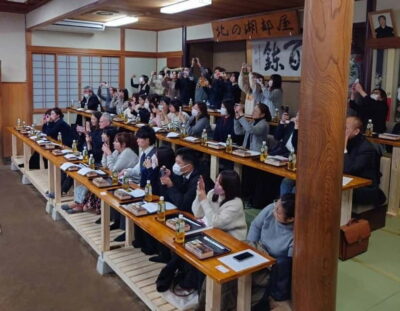
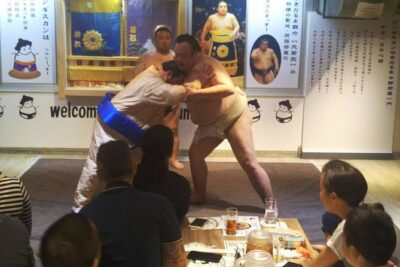
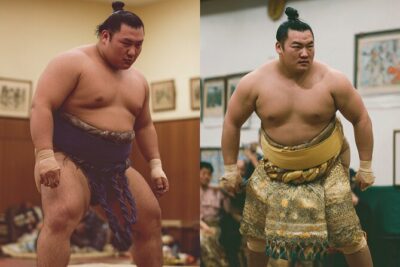
Tokyo Shinjuku Sumo Show & Experience with Photo
Read our review →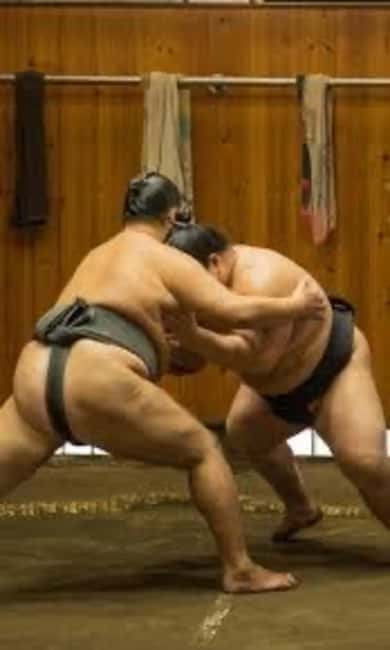
Sumo Show & Experience w/ Optional Kimono & Hot Pot
Read our review →
Authentic Sumo Experience in Tokyo: Enter the Sanctuary
Read our review →Browse the lists this tour appears in