
Reviewed · SUMO EXPERIENCES
Tokyo: Sumo Morning Practice with Photo Banzuke and Guide
Tokyo’s sumo morning practice is interesting because you’re not watching a show. You’re seeing a working routine in a real sumo stable, where athletes repeat technique like it’s part prayer, part hard math. I love the chance to see sumo up close, and I like that the guide focuses on the sport’s no weight class logic, not just the spectacle.
One consideration: this is a group experience with a firm flow. If you’re late, it can throw off the group plan, and the overall schedule can feel long if you’re trying to cram in other city stops.
Key Things to Know Before You Go
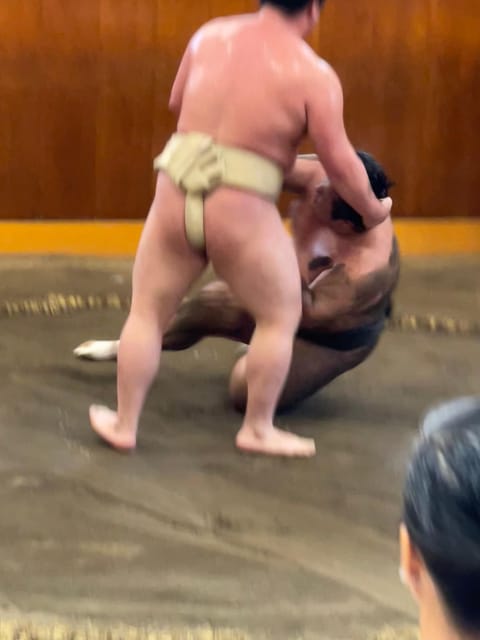
- Rare stable access: Only a select few stables let visitors observe morning practice.
- Close viewing from seats: You sit in chairs to watch the action as they train for the next big match.
- More than watching: Your guide adds context on history and traditions, plus sumo basics you can explain later.
- Small group pace: Limited to 9 participants, so you are not shuffled around in a crowd.
- Strict meeting time matters: You meet at Exit B1 by a FamilyMart, and punctuality keeps the day smooth.
Why This Sumo Morning Practice Feels Different From a Typical Tour
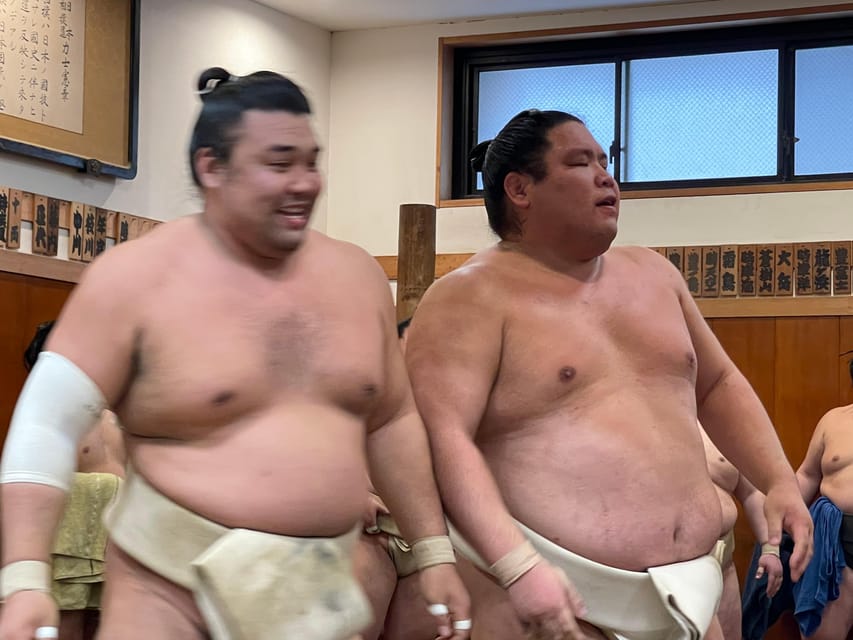
Sumo in Tokyo is easy to market and easy to misunderstand. That’s why this format works so well. You get to see athletes practicing moves and patterns in the morning, before the hype of tournaments. The best part is that you are there for the work side of sumo, not only the match-night drama.
Also, sumo is national sport Japan energy, and the year rhythm is part of what makes it rare. Tournaments take place only about 90 days of the year, so your best odds to see the real thing are tied to getting in front of genuine training sessions. This tour is built around exactly that.
I especially like that you get guided interpretation. The sport can look simple from far away, but once you understand stance, ritual, and what they are preparing for, the practice becomes a lot more readable. You start noticing who trains what, how they move, and how tradition shapes even the smallest actions.
More Sumo Experiences in Tokyo:
- Tokyo: Sumo Show Experience with Chicken Hot Pot and a Photo
★ 4.8 · 6,678 reviews - Tokyo: Sumo Show and Dining Experience
★ 4.8 · 2,742 reviews - the SUMO show
★ 5.0 · 1,960 reviews
Meeting at Kiyosumi-shirakawa: Start Point That Saves You Time
Your morning starts at Kiyosumi-shirakawa Station, at Exit B1, near a FamilyMart. The instructions are very specific because the organizers wait at the exit so taxi riders do not miss the group.
This kind of meeting point detail matters in Tokyo. Station exits can be confusing, and you do not want to burn time at the worst possible moment, right before the stable window. Plan to arrive early enough to get your bearings fast, then wait outside the FamilyMart area.
The tour includes a short guided segment at the start, roughly 15 minutes. Think of it as a warm-up for the day. You get oriented, then you move on foot toward the stable area. If you like having a plan early, this structure helps.
Watching Practice Up Close: Seated Viewing in a Real Stable
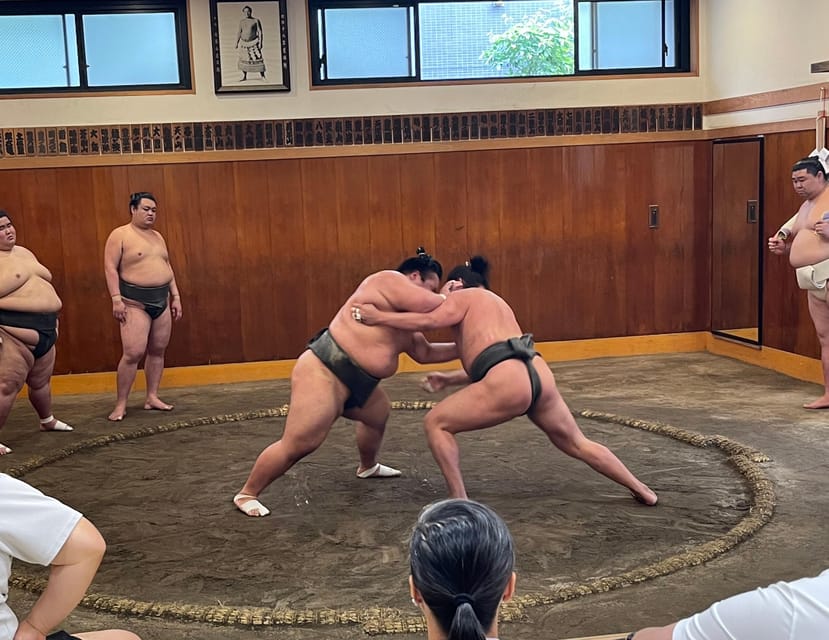
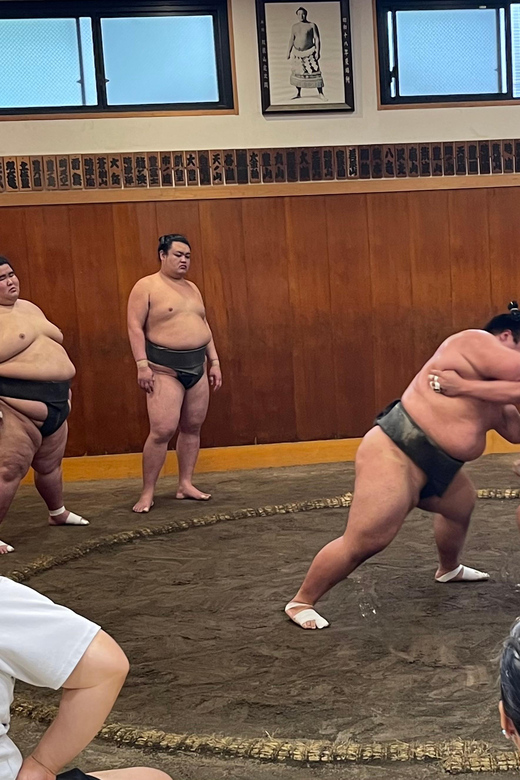
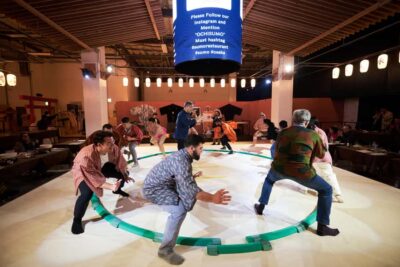
The main event is the practice session. You watch the sumo wrestlers train in a traditional stable, and you do it from chairs, so you can focus on form and rhythm instead of juggling cameras and standing angles.
This is one of those experiences where proximity changes everything. From street level, sumo looks like a lot of pushing. Up close, you see technique. You notice how quickly they adjust grip, how they test balance, and how the practice is organized around preparing for a future match.
You also get to understand the sport’s big rule in a way that sticks. Sumo has no weight classes, so training and strategy are shaped differently. That creates a different kind of respect for skill. In practice, you see how wrestlers use leverage, timing, and footwork rather than relying on weight comparison.
And yes, the power is real. Even during practice, the movement feels forceful and controlled. You get a strong sense that these are not casual sessions. This is work, done with tradition and intention.
The Guided Portion: History, Traditions, and the Sumo Basics You Can Actually Use
After the hands-on viewing, the guide does more than point at things. You get a short presentation covering basics of sumo, plus history and traditions tied to what you just watched.
That matters because without context, sumo can turn into a blur of contact. The guide helps you connect the dots: why rituals exist, why timing and setup matter, and how practice links to tournament competition.
A good sign here is the way the experience is described as genuine, not a tourist script. The guide’s role is to make the stable feel like a living world. You leave with a mental framework, so the next time you see sumo on TV or in person, you understand what you are looking at.
If you want something practical to take home, this is the part. It is not just photogenic moments. It’s the explanation that turns the morning into knowledge you can use.
A change of pace from Tokyo:
- Mt Fuji and Hakone 1-Day Bus Tour Return by Bullet Train
★ 5.0 · 26,383 reviews - 1-Day Tokyo Bus Tour
★ 5.0 · 14,250 reviews - Tokyo: TOKYO SKYTREE® Admission ticket
★ 4.5 · 11,192 reviews - Tokyo: teamLab Planets TOKYO Digital Art Museum Entry Ticket
★ 4.6 · 9,779 reviews
Photo Time and How to Make It Count
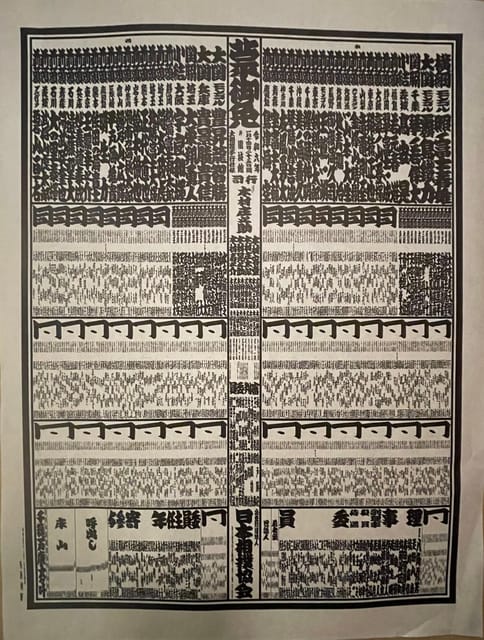
There is a dedicated photo window in the schedule, about 15 minutes. The experience title also mentions a photo banzuke element, which suggests you are given a short chance connected to the official ranking paper theme during your day.
Here’s how to make your camera time efficient. Arrive ready with your settings and phone storage cleared, since you do not get a long photo stretch. Also, treat it like you would a museum time slot. Move with purpose, take what you came for, then step aside. Stable staff and your small group flow matter.
I also suggest you do not only chase faces. In sumo, details tell the story. Watch for ceremonial elements, stance lines, and the way wrestlers reset between drills. If you get even one clear shot of the practice rhythm, you will remember the morning better than if you only collect wide shots.
Timing, Pace, and What Can Feel Tricky
This is a 7-hour experience, with a day plan that includes walking time and multiple guided segments. The itinerary is built around starting at Kiyosumi-shirakawa, spending a long chunk with the guide and practice viewing, taking photo time, then finishing back at the station.
That said, pay attention to the “group first” reality. You should not be late. The organizers explicitly note that if you are running late, they will try to accommodate you, but they have to prioritize the group. So even if you personally feel like you can catch up, the schedule may not allow it.
One more pace note: the experience can feel a little long if you are trying to maximize time in the city on a sunny day. I would plan it as a dedicated morning-centered activity, not something to slot between other major plans without thought.
Comfort helps too. Wear comfortable shoes. You are on your feet for short walk segments during the day, and a stable visit is the kind of place where you want steady footing and a camera hand that is not cramped.
Value: What $115 Buys in Tokyo for Sumo Access
At $115 per person for a 7-hour small-group tour, the price is not “cheap.” But it is also not random. You are paying for access plus guidance.
Here is the value equation I see:
- Rare access to morning practice: Only a select few stables allow visitors to observe, which limits supply.
- Small group size: With a limit of 9 participants, the experience is less chaotic.
- A guide who explains what you see: The presentation is included, so you are not left to guess.
- Close, seated observation: You are set up to watch properly, not just wander around.
Also, the tour includes skipping the ticket line. Even when something is not expensive on paper, saving time in Tokyo can be worth real money because it protects your schedule.
If you love sports but hate tourist traps, this is the kind of offering that makes sense. You are not paying for a generic “look at Japan” morning. You are paying for a specific slice of sumo culture that is hard to reproduce on your own without the right access.
If you are only after a quick photo and zero learning, then the price may feel steep. But if you want context plus proximity, it reads like fair value.
Who This Tour Fits Best, and Who Might Want Something Else
This tour is best for adults and older kids, since it is not suitable for children under 9. The viewing can be intense and more about training observation than playground-style sightseeing.
You will likely enjoy it if you:
- want a real stable experience instead of a spectacle-only visit
- care about cultural context, not only photos
- like small groups and a guide-led pace
You might skip it if you:
- dislike strict scheduling and punctuality requirements
- need lots of free time to roam Tokyo independently
- cannot handle several hours that include walking and sitting
Group size is capped at 9, and the guide is English-speaking with a live guide. If you want clarity without relying on your phone for everything, that’s a plus.
Wheelchair accessibility is listed, so the format is designed to be workable for more mobility needs than some typical “standing-only” tours. That said, you still should consider comfortable footwear and the general physical demands of a 7-hour plan.
Should You Book This Sumo Morning Practice Tour?
Book it if you want one of Tokyo’s most specific cultural experiences, done with access and explanation. I’d choose it if you value small-group viewing, you like learning how tradition shapes daily training, and you want a memorable morning that you cannot easily recreate without special stable permissions.
I would think twice if you are chronically late, hate structured group pacing, or you are trying to squeeze this into a packed day where leaving on time is a major priority. The schedule needs cooperation, and the tour is designed as a full half-day style commitment.
If you are the type who enjoys sport with cultural rules, sumo is perfect for your radar. In this morning practice setting, you get both the force of the wrestlers and the meaning behind it. That combination is why this one tends to land well.
FAQ
Where is the meeting point?
You meet at Exit B1 at Kiyosumi-shirakawa Station, near a FamilyMart convenience store.
How long is the tour?
The duration is 7 hours.
Is this a small group tour?
Yes. It is limited to 9 participants.
Is there an English-speaking guide?
Yes. The live tour guide is English.
Is it suitable for children?
It is not suitable for children under 9 years old.
What should I bring?
Bring comfortable shoes and a camera.
What about cancellation or flexible booking?
Free cancellation is offered up to 24 hours in advance for a full refund, and you can reserve and pay later to keep plans flexible.
Latest write-ups near Tokyo
- Tokyo Nights: Shibuya Photo Adventure★ 5.0 · 20 reviews
- Wagyu & Sake 8 Course Tasting Dinner in Shinjuku★ 4.9 · 20 reviews
- Making Japanese desserts Nerikiri & drinking matcha in Tokyo★ 5.0 · 20 reviews
- Mt. Fuji 5th Station, Owakudani Ropeway, Pirate Ship plus Outlet shopping!★ 4.5 · 20 reviews
- Japanese Whisky Hunting《HIGH-QUALITY-ONLY》Rare Tasting Class★ 5.0 · 20 reviews
- Kintsugi Experience with Arita Ware in Tokyo (English Guide)★ 4.8 · 20 reviews
- This is Asakusa! A Tour Includes the All Must-Sees!★ 5.0 · 20 reviews
- Tokyo: Karate Experience with Former All-Japan Champion★ 5.0 · 20 reviews
Sumo Experiences, compared.
Sumo Show Experience with Chicken Hot Pot and a Photo
Read our review →
Tokyo Shinjuku Sumo Show & Experience with Photo
Read our review →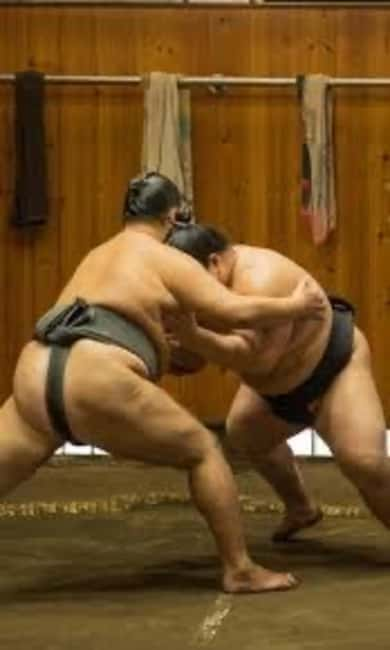
Sumo Show & Experience w/ Optional Kimono & Hot Pot
Read our review →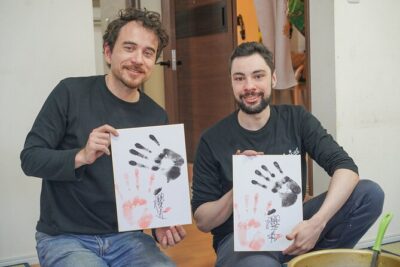
Authentic Sumo Experience in Tokyo: Enter the Sanctuary
Read our review →Browse the lists this tour appears in