Reviewed · TOKYO TOURS
Tokyo Time Machine: Exploring Old School Monzen-Nakacho
Old-school Monzen-Nakacho is the kind of Tokyo you have to work to find, which is exactly why this small-group food and drink walk feels special. You start with temple ritual and end up in neighborhood spots most visitors never wander into, including izakaya-style pubs and a tachinomi standing bar.
What I like most is that your money goes to experiences, not extras. You get dinner, snacks, and alcoholic drinks included, and the guides have real relationships with the tiny storefronts they take you to, including names like Michelle, Elly, and Mairi from past tours.
The one consideration: you need to be comfortable walking for about 5 to 6 hours and drinking or snacking at places where you may stand or move frequently. Also, since alcohol is part of the plan, this is for people 18 and older.
Key points before you go
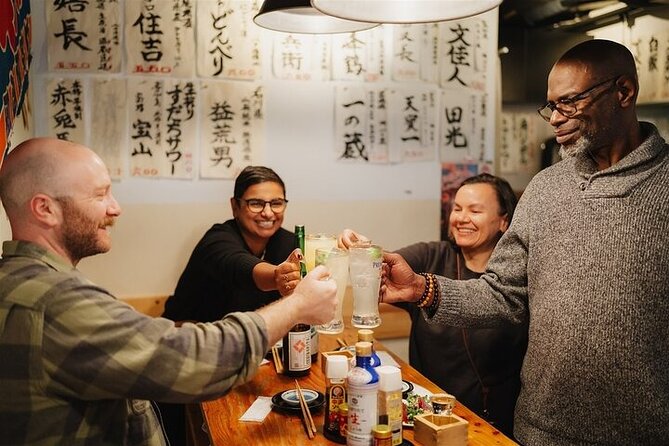
- Small group (max 6) means more conversation and less waiting around
- Food and drinks are included, so you can focus on the day instead of the budget
- Temple ceremony at Fukagawa Fudodo adds culture beyond the usual pub crawl
- Sake-focused stops include a sake specialist and tastings tied to local ritual
- Oyster shucker stop links food to real history, including recovery efforts after 2011
- Diet can be a plus, with at least one Celiac/gluten-free-friendly report, but confirm needs ahead
Why Monzen-Nakacho feels like old Tokyo on a 1 pm start
Monzen-Nakacho sits in Koto City, and it has that working neighborhood feel you don’t get in the big tourist corridors. Starting at 1:00 pm is smart, because you can catch late-afternoon energy as shops wake up for evening eating, then roll right into the food and drink rhythm locals know.
This is not a checklist tour. It’s built as a guided walk through backstreets, where you stop at tiny storefronts, pop into out-of-the-way izakayas, and meet the people who keep the neighborhood’s food culture going. One review highlighted how relaxed the pacing felt, with meals and drinks landing at the right times, and that matters because it keeps you from feeling rushed or stuffed too early.
I also like the way the tour connects food to place, not just flavors. You’re not only tasting clams, rice, and sake, you’re getting the local explanation for why these things fit together in everyday life and in religious practice around the temple.
Also on the shortlist for Tokyo:
- Mt Fuji and Hakone 1-Day Bus Tour Return by Bullet Train
★ 5.0 · 26,383 reviews - 1-Day Tokyo Bus Tour
★ 5.0 · 14,250 reviews - Tokyo: TOKYO SKYTREE® Admission ticket
★ 4.5 · 11,192 reviews
Price and what you really get for $195
At $195 per person, this is not the cheapest way to eat in Tokyo. But the value is in what’s bundled.
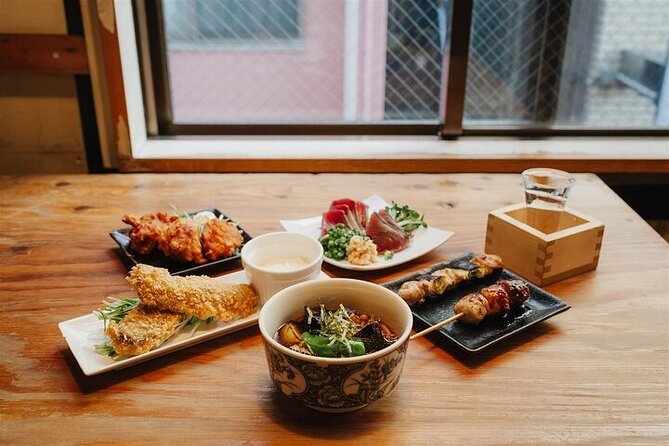
The tour includes alcoholic beverages, dinner, snacks, and coffee and/or tea. In other words, you are paying for the guided sequence of tastings and meals, not for you to pay item-by-item as you go. Several people praised the timing of meals and drinks and how it led them into spots they would not have entered alone, which is exactly where group tours can justify the cost.
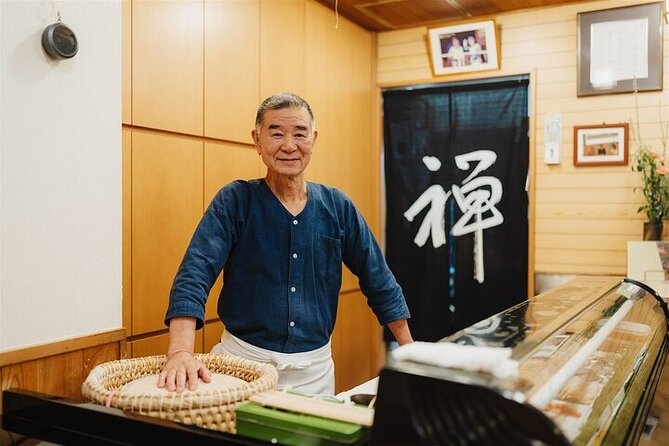
You’re also paying for access. With only up to 6 travelers, your guide can get you into small places that don’t operate like big restaurants with a predictable flow. Past guests called out the guide relationships and strong connections to local businesses, and that usually translates into better explanations, smoother ordering, and a more comfortable vibe when you are trying foods you do not see on menus in English.
If you already plan to drink and eat across multiple neighborhoods, this can start to feel less like a splurge and more like a structured night out. If you mainly want sightseeing or you don’t drink, it might feel pricey compared with a lighter walking tour.
Small-group logistics: a 5 to 6 hour walk that actually works
This is a mobile ticket tour, and it begins and ends at the meeting point by Monzen-nakacho Station (2 Chome-4 Monzennakacho, Koto City). You’ll be close to public transportation, so you are not locked into a complicated arrival plan.
The time commitment is about 5 to 6 hours, which is long enough to eat several substantial stops but short enough to still enjoy the rest of your evening. The tour also says there’s a maximum of 6 travelers, which is a big deal here. Smaller groups can slow down for explanations, handle dietary questions more calmly, and keep the whole line moving without you feeling like you’re chasing a guide through crowds.
One practical note: alcohol is included, and the itinerary includes sake tastings. Even if you pace yourself, expect to feel the effects of multiple drink stops. I’d treat this like a planned evening meal, not like a casual stroll, and I’d plan your hydration and food pace accordingly.
Stop 1 at Fukagawa Fudodo: clams, sake spirituality, and a temple ceremony
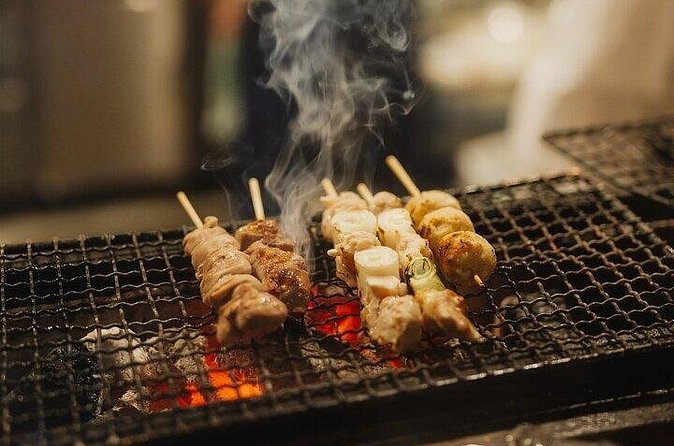
Stop 1 centers on Fukagawa Fudodo, and it’s the part that makes this more than an izakaya crawl. You start by going deep into Monzen-Nakacho’s backstreets, with stops in tiny storefronts and out-of-the-way bars where you can taste neighborhood specialties. The “why” matters here, because you’re not just eating, you’re learning how the neighborhood frames sake and food in daily and spiritual life.
Before the temple portion, the tour begins with a classic local food move: sushi and fukagawa meshi. Fukagawa meshi is clams served over rice, and it’s the kind of dish that tells you a lot about Tokyo’s waterfront food culture. Even if you think you’ve had clams before, this version is tied to the neighborhood’s identity, and it tends to be comfort food in the most literal sense.
Then you shift to the spiritual side. The schedule includes visiting the temple and experiencing a multisensory ceremony, plus tasting special sake renditions tied to that cultural and religious context. Reviews specifically mention the religious fire ceremony experience, and people called it fascinating and memorable, not just scenic.
What you should keep in mind: temple time can be quiet and ceremonial, so save your loud group chatter for later. It’s also a good moment to ask your guide what you’re seeing and why, because you’ll be surrounded by people who take the ritual seriously.
A change of pace from Tokyo:
- Tokyo: teamLab Planets TOKYO Digital Art Museum Entry Ticket
★ 4.6 · 9,779 reviews - Mt Fuji & Hakone Cruise, Drum Show Bullet Train 1 Day from Tokyo
★ 4.0 · 7,413 reviews - Tokyo: Sumo Show Experience with Chicken Hot Pot and a Photo
★ 4.8 · 6,678 reviews - Tokyo: Shinjuku Food Tour (13 Dishes at 4 Local Eateries)
★ 5.0 · 6,603 reviews
Stop 2: sake specialist, oyster shucker, and the tachinomi standing bar
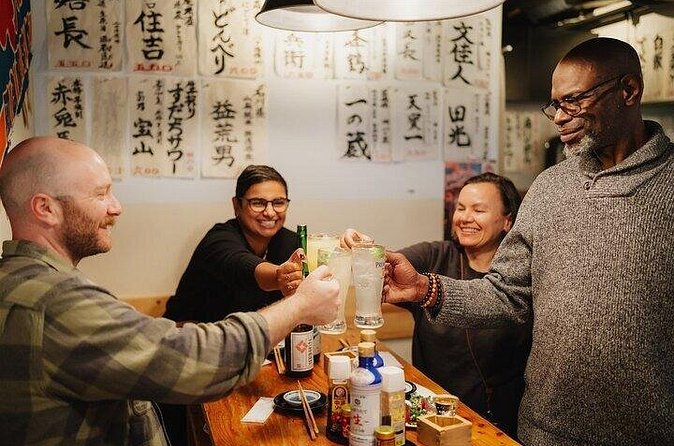
After the temple visit, you move into the neighborhood’s evening rhythm: watering holes where drinks come with expertly matched bites. This is where the tour’s food-and-spirit format gets hands-on. One theme you’ll notice is that the tastings are not random. They’re connected by a story about local producers and food traditions.
You visit a sake specialist, and the point is more than just trying a new brand. The guide helps you connect what you taste to the neighborhood’s relationship with sake, which makes the experience feel grounded instead of like a generic tasting flight.
Next comes a stop centered on oysters and fishermen. You’ll meet an oyster shucker who buys bivalves directly from fishermen, including an effort to support recovery after the 2011 tsunami. This is one of those “food has a backstory” moments that lands emotionally, because you can see how the neighborhood’s table links back to people and livelihood.
Finally, you end up at a hidden tachinomi, a standing bar. Reviews highlight how the kitchen still turns out real food even in a small setup. I love this type of stop when it’s done well, because you get the close-up energy of a local bar without needing reservation power or Japanese language skills.
If you don’t like standing, you can still do tachinomi, but pace your visit and be mindful of your legs. It’s not a long stadium standing session, but it is a standing style where you’ll want to stay comfortable.
How the guides create real access: Michelle, Elly, and Mairi
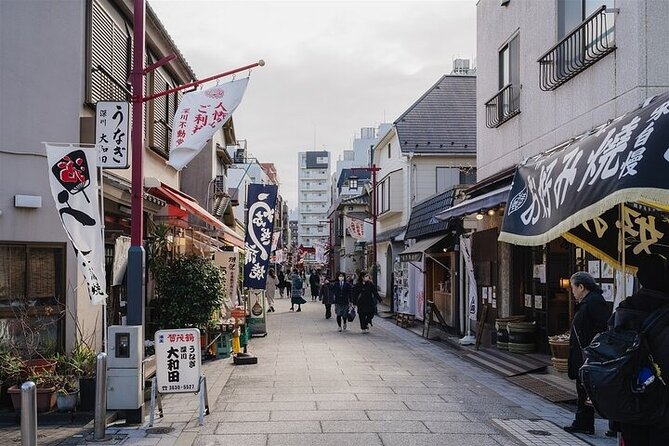
A food walking tour lives or dies by the guide. Here, the guides show up in the reviews not as narrators, but as connectors.
Michelle is a name that pops up with praise, including a note that she is Canadian and has lived in Japan for 20 years. That kind of long-term presence usually translates into relationships, and that’s what guests pointed to: warm, friendly, close connections with the food vendors and explanations that go beyond simply naming dishes.
Elly and Mairi also received strong credit. Guests described Elly as having extensive area history knowledge and great connections to the restaurants visited, plus clear commentary during the temple and ceremony portion. Mairi was praised for long history in Tokyo and strong personal connection to small business owners, with an overall blend of food, spirits, and culture that felt more interesting than typical walks.
What you should take from that, as a potential booker: you’re not just paying for a route. You’re paying for someone to translate the “how locals do this” part, especially when menus are limited and the culture cues matter.
Also, at least one review called out that the tour was good for Celiac/gluten-free needs. I would still treat that as a good sign, not a guarantee. If you have dietary restrictions, message the operator or ask the guide to confirm what they can accommodate before the tour.
What you’ll eat and drink, and how to handle it confidently
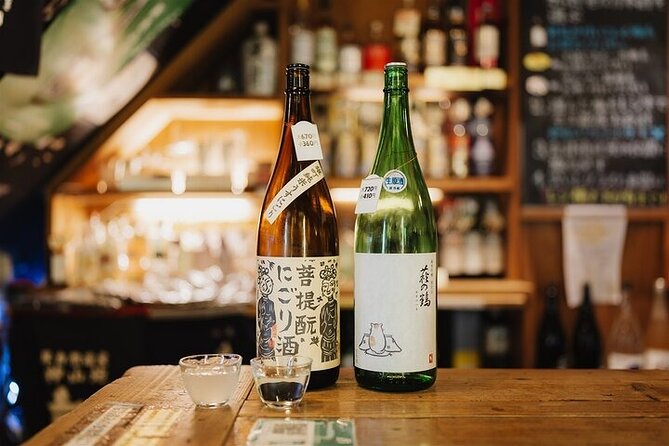
Expect a sequence that mixes heavier items with small bites, plus multiple drink stops. You’ll start with sushi and fukagawa meshi at a neighborhood classic spot, then shift into temple ceremony plus sake tastings, then transition into watering holes with pairings.
Because the tour includes dinner, snacks, and coffee or tea, you don’t need to budget for additional meals mid-walk. That removes a lot of stress, especially in Tokyo where it’s easy to get stuck paying a little too much at convenience points.
You’ll also likely do some pairing with alcohol, since alcoholic beverages are included and sake is a major theme. Past guests talked about enjoying BBQ, local beers, and sake, so the day seems designed to give you a broad taste of the neighborhood’s drink culture, not just one bottle.
How to make it easiest for yourself:
- Eat at a normal pace early on, since later stops can include several bites plus drinks.
- If you are sensitive to alcohol, ask for guidance on how much to take at tastings so you don’t feel sick halfway through.
- If you’re gluten-free or celiac, ask direct questions early in the day, since small places may handle ingredients in ways that affect cross-contact.
You’ll also be better off with a flexible mindset. This is not “pick your favorite dish.” It’s a guided sampling day where the value is in tasting what the neighborhood offers in the order locals would experience it.
Who should book Tokyo Time Machine, and who might skip
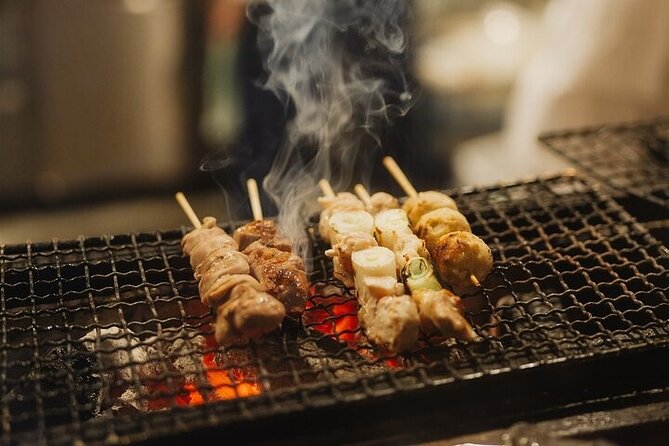
This tour is a great match if you:
- Want a Monzen-Nakacho experience that feels off the main tourist map
- Like food tours that include cultural context, not only eating
- Enjoy sake, izakaya energy, and small neighborhood bars
- Prefer a small group so you can ask questions and get real explanations
It’s also a good fit if you want help with language barriers. The tour is designed so the guide can show you around and explain what you’re eating and why it matters, which is a big deal when you’re entering places that don’t cater to English-only travelers.
You might think twice if you:
- Don’t drink or want a non-alcohol-focused day, since alcohol is included and the itinerary centers on sake culture
- Have limited mobility, since a standing-bar stop and multiple walking segments are part of the format
- Want a purely sightseeing day with major landmarks, because this is a neighborhood food-and-ritual route
Should you book this Monzen-Nakacho food and spirits walk?
I think this is a smart book if you’re looking for one high-quality evening food experience in Tokyo that mixes local eating with temple ceremony and real neighborhood storytelling. The main reason to choose it is the combination of included meals and drinks, the small-group size, and the guide connections that help you access places you would probably skip on your own.
If you love rice dishes, clams, and sake culture, the match is even better. If you want to keep costs down or you only want casual snacking, you may find it too structured for your style.
My practical advice: if you are going to do one food-and-drink guided walk while you’re in Tokyo, this one is built to feel like an old-school neighborhood night, not a generic tasting itinerary. Just go in expecting walking, standing at least part of the time, and a day designed around alcohol and shared tastings.
FAQ
How long is the Tokyo Time Machine tour?
The tour runs about 5 to 6 hours.
Where do I meet, and where does the tour end?
You meet at Monzen-nakacho Station (2 Chome-4 Monzennakacho, Koto City, Tokyo 135-0048, Japan). The tour ends back at the meeting point.
What’s included in the price?
Alcoholic beverages, dinner, snacks, and coffee and/or tea are included.
Do I need to bring cash or pay extra for food and drinks during the tour?
The tour is designed so that food and drink tastings are included, meaning you do not need to pay for those during the experience.
What’s the age requirement?
Travelers need to be 18 or older.
How big is the group?
The maximum group size is 6 travelers.
What is the cancellation policy?
You can cancel for free up to 24 hours in advance of the experience for a full refund. If you cancel less than 24 hours before the start time, the amount paid is not refunded.
Latest write-ups near Tokyo
- Tokyo Nights: Shibuya Photo Adventure★ 5.0 · 20 reviews
- Wagyu & Sake 8 Course Tasting Dinner in Shinjuku★ 4.9 · 20 reviews
- Making Japanese desserts Nerikiri & drinking matcha in Tokyo★ 5.0 · 20 reviews
- Japanese Whisky Hunting《HIGH-QUALITY-ONLY》Rare Tasting Class★ 5.0 · 20 reviews
- Mt. Fuji 5th Station, Owakudani Ropeway, Pirate Ship plus Outlet shopping!★ 4.5 · 20 reviews
- Kintsugi Experience with Arita Ware in Tokyo (English Guide)★ 4.8 · 20 reviews
- This is Asakusa! A Tour Includes the All Must-Sees!★ 5.0 · 20 reviews
- Ebisu Local Food Tour: Shibuya’s Most Popular Neighborhood★ 5.0 · 20 reviews
Tokyo Tours, compared.
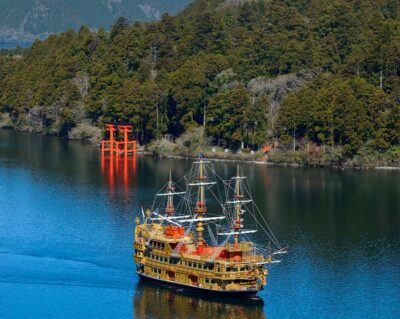
Mt Fuji and Hakone 1-Day Bus Tour Return by Bullet Train
Read our review →
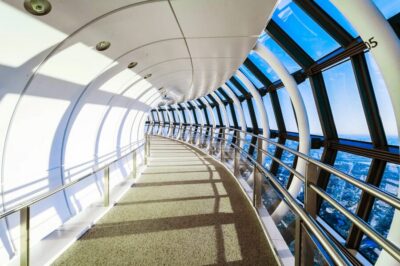
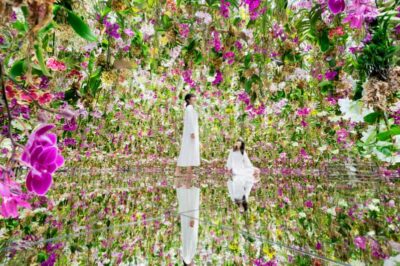
teamLab Planets TOKYO Digital Art Museum Entry Ticket
Read our review →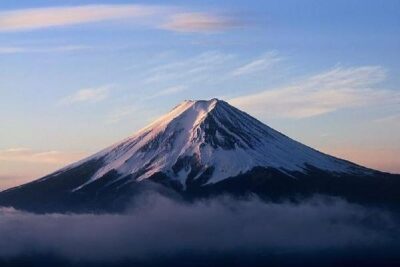
Mt Fuji & Hakone Cruise, Drum Show Bullet Train 1 Day from Tokyo
Read our review →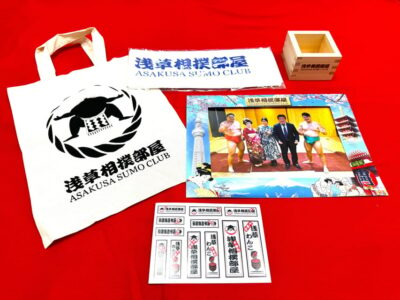
Sumo Show Experience with Chicken Hot Pot and a Photo
Read our review →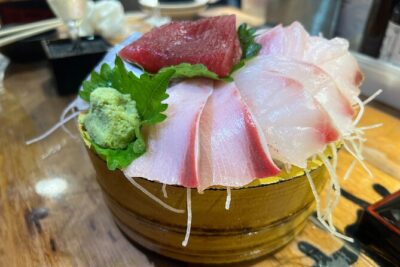
Shinjuku Food Tour (13 Dishes at 4 Local Eateries)
Read our review →