
Reviewed · ZEN & MEDITATION
Tokyo: Zen Meditation at a Private Temple with a Monk
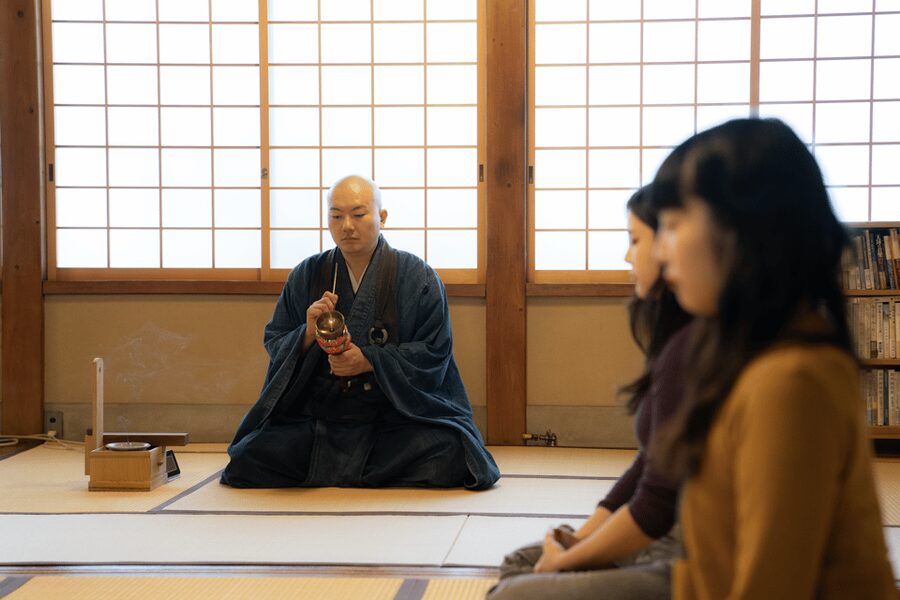
Zen meditation at a private temple in Asakusa is interesting because Tokyo can feel nonstop, and this puts you in a small, quiet pocket where the day slows down fast. I like that you get real instruction in zazen from a resident monk, not just a vague explanation. I also like the hands-on rhythm, breathing, and the added touchpoints like matcha tea and a relaxed Q&A.
One thing to consider: you are sitting, very still, and the whole point is to confront your thoughts without trying to fix them. If you want only sightseeing or want a super long meditation session, this 90-minute format may feel a little short.
Key highlights
- A private Asakusa temple experience not open to the general public
- Zazen guidance from the resident monk, translated for English speakers
- Two short meditation rounds, plus calligraphy practice and temple calm
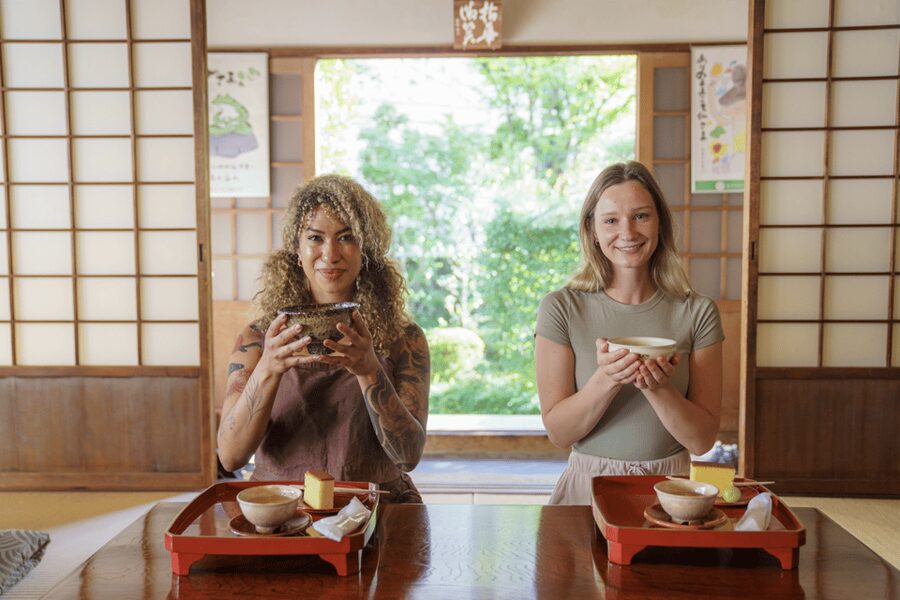
- Matcha tea ceremony with sweets as a gentle reset
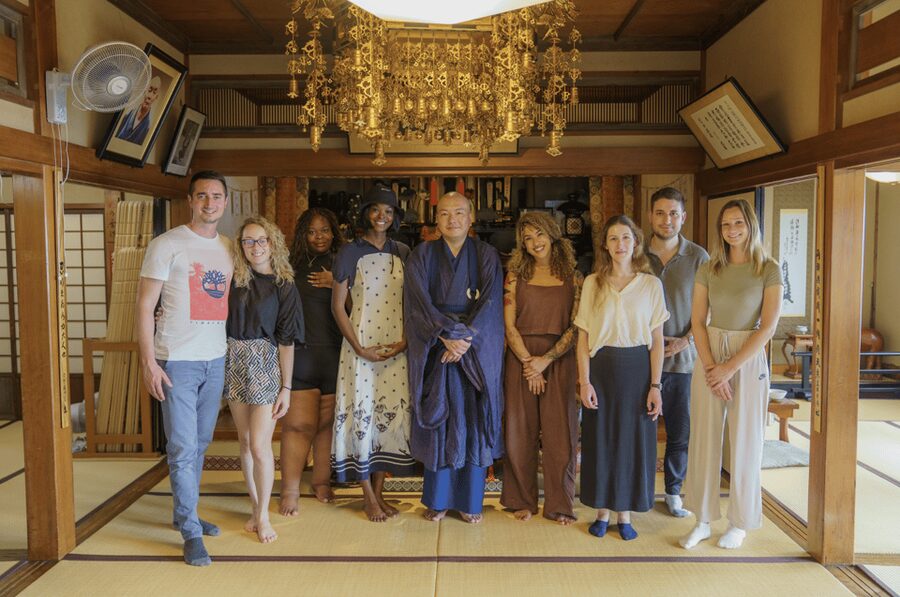
- A free talk with the monk, plus photo time inside the temple
- Simple meeting point near Tawaramachi Station, with WhatsApp check-in
A Private Asakusa Temple for Zazen, Calligraphy, and Matcha
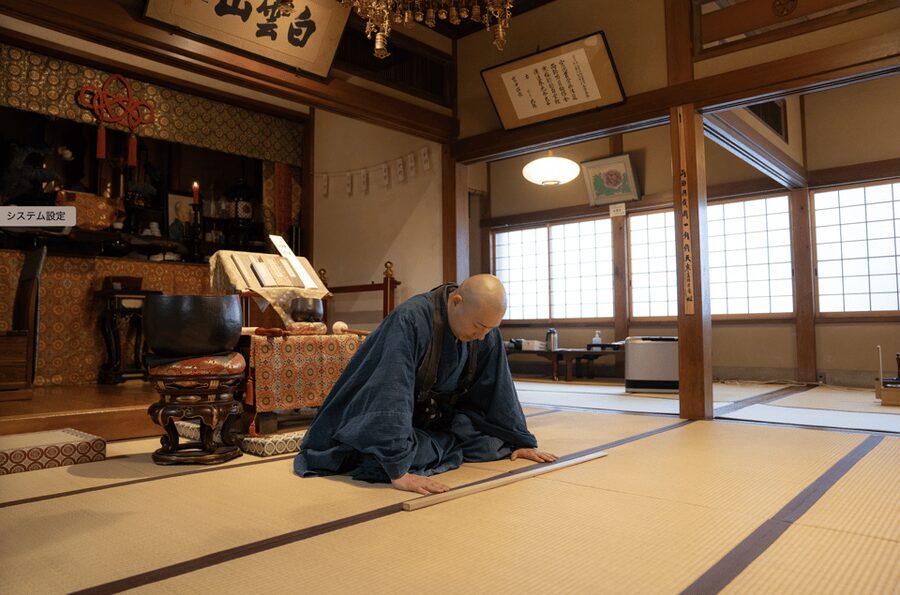
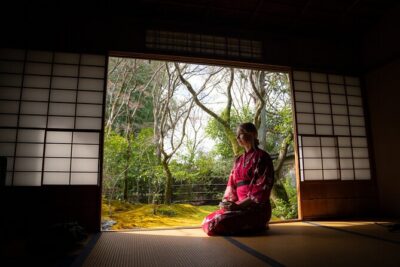
This is the kind of activity that changes the tone of your Tokyo day. You start in the city, but the session takes place at a temple setting where the focus is attention, posture, and stillness. It feels like a real ritual, not a performance for visitors.
The core experience is zazen, seated meditation in Zen Buddhism. You learn the principles, then you practice with guidance. In many sessions, that instruction is tied to how you breathe and how you hold your mind steady, so you are not just counting breaths and hoping for the best.
After meditation, the temple time continues with activities that keep your body engaged while your mind settles. Calligraphy shows up as a meditative follow-up, and then you end with matcha tea plus sweets. The Q&A with the monk turns the whole thing from a ritual into something you can carry home as practical advice for stress and everyday life.
More Temple & Shrine Tours in Tokyo
- Tokyo: Meiji Shrine, Asakusa, Skytree Bus Tour and Cruise
★ 4.7 · 1,986 reviews - Tokyo: Asakusa Walking Tour with Sensoji Temple Visit
★ 4.8 · 1,583 reviews - Nikko: Kegon Falls, Lake Chuzenji & Toshogu Temple
★ 4.6 · 1,577 reviews
Price and Timing: What $55 Buys in Real Value
At $55 per person for 90 minutes, you are paying for three things that are hard to DIY in Tokyo.
First, you get access to a temple that is not open to the general public in the usual way. That matters because the setting affects everything. You feel the difference immediately when you are not surrounded by a crowd.
Second, you get personal instruction. The monk explains the approach to zazen, and your English guide helps translate so nothing important gets lost. Names you may hear include Tamami-san as a guide and Namiki-san as a monk (though names can vary by session). Either way, you are not left guessing what to do with your hands or where to place your attention.
Third, you get structured time for reflection. The session is designed to move from explanation into practice, then into a calmer cultural rhythm with tea. For a time-poor city like Tokyo, 90 minutes can be the sweet spot, especially if you want a grounded start to your day or a break from temples that turn into photo stops.
Finding the Right Family Mart and Staying on Track
Logistics are usually where meditation experiences go wrong, because timing and location matter. Here, the meeting point is very specific: meet in front of a Family Mart in the Asakusa area, about 2 minutes from Tawaramachi Station on the Ginza line.
The practical catch is that there are two Family Mart branches nearby. Make sure you walk to the correct one before your guide arrives.
Also, your guide contacts you through WhatsApp, so download it ahead of time. This is one of those small details that makes the experience feel smooth instead of stressful, especially if you are new to Tokyo stations.
Skip the Crowds: Entering the Temple Properly
One of the best parts of this setup is the access. You can skip the line through a separate entrance, which keeps the mood respectful and quiet. You avoid that awkward moment of trying to look calm while the crowd swirls around you.
Once inside, the guide gives a brief orientation to Zen and Japanese culture. You are not expected to know anything beforehand. The tone is welcoming and practical, with translation support throughout.
Then the monk takes over. This is not just a lecture while you watch. You are guided into the mindset and the mechanics of zazen, so you can actually try it instead of only collecting facts.
More Zen & Meditation in Tokyo:
- Tokyo Zen Meditation at Private Temple with Monk
★ 5.0 · 178 reviews - Tokyo: Practicing Zen with a Japanese Tea Ceremony
★ 4.7 · 105 reviews - Kyoto Zen Meditation & Garden Tour at a Zen Temple with Lunch
★ 5.0 · 441 reviews - Kyoto: Zen Experience in a Hidden Temple
★ 5.0 · 437 reviews
The Monk Lecture and How Zazen Gets Explained
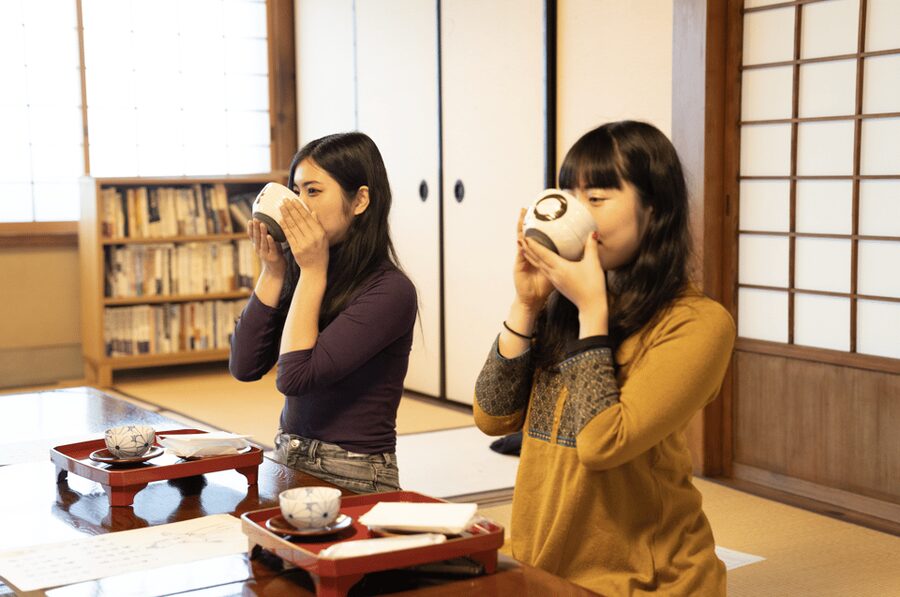
The monk explains the principles and techniques of zazen, seated meditation. The teaching angle is simple: unify your mind, confront your ego habits, and detach from the noise of worldly concerns. You will hear emphasis on being present rather than forcing thoughts away.
What I like about this part is that it comes before the sitting. Instead of throwing you onto a mat and hoping you figure it out, you get enough guidance to do it correctly.
You may also notice that the monk’s communication style can be warm and a little playful. In some sessions, people mention the monk being patient with questions and willing to spend time answering. That matters because Zen practices can sound abstract until you ask something real like, What do I do with my mind when it won’t quiet down?
Your guide plays an important role here, translating the monk’s points smoothly. Names that come up in sessions include Tamami-san for translation, and the monk instruction is frequently delivered by Namiki-san (with other monk names possible depending on the day).
Two Rounds of Sitting: Breathing, Rhythm, and Tatami Calm
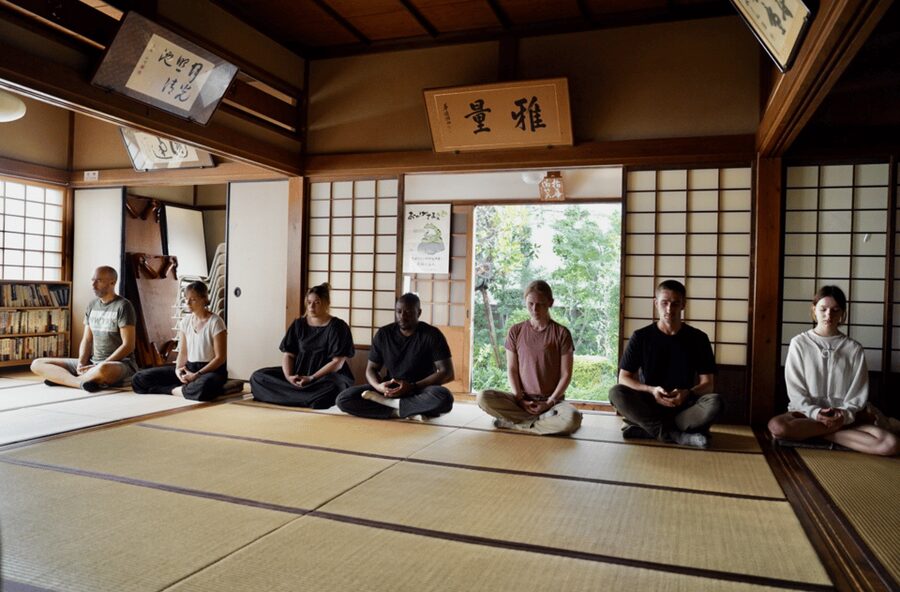
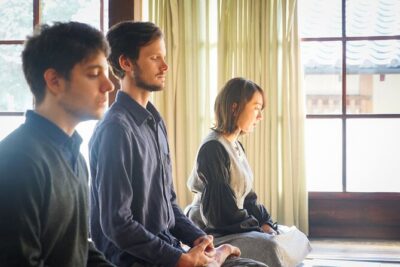
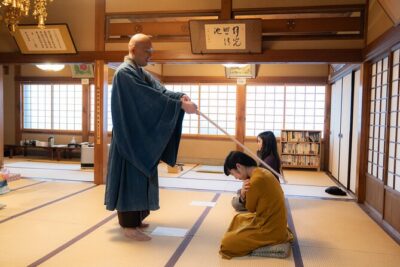
The heart of the experience is practice. Many sessions include two short meditation rounds under monk supervision, often described as about 10 minutes each, with a longer feel because the room is so quiet.
You sit on tatami mats and follow instruction on posture and breath. One theme you will hear is rhythmic breathing and aligning your attention with it. The goal is not to become a statue. The goal is to build awareness, so you notice what happens in your mind without wrestling it.
A practical tip from past participants: some guides encourage using a simple stick cue during meditation. People mention it can feel fun and helps some participants focus. If that is offered, it is worth trying, because it gives you a tangible anchor when your attention wanders.
One more thing: if you get self-conscious, you are not alone. People often expect group sitting to feel awkward. Here, because the space is small and the tone is respectful, it tends to feel grounding instead of embarrassing.
Calligraphy as Moving Meditation
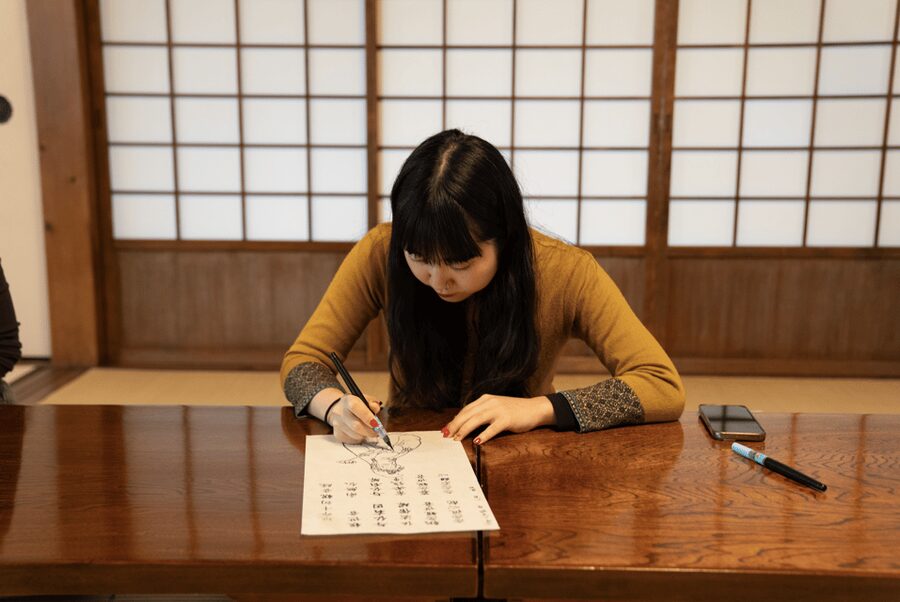
After sitting, the session typically turns to calligraphy, sometimes described as copying or practicing a sutra while chanting. Even if you are not a crafty person, this part works because it shifts attention from thoughts to physical rhythm: grip, breath, stroke control, and patience.
Calligraphy in this setting is not about making something perfect. It is about slowing down enough to let your mind watch your body work. The same way zazen trains awareness, calligraphy trains focus through repetition.
You might find you get more from this than you expect. When meditation makes you question your mental noise, calligraphy gives you a different route to quiet. You end up calm from a new angle.
If you are the kind of person who likes doing something with your hands during a cultural activity, this is a big plus. It also gives you something to remember, since you keep your piece.
Matcha Tea Ceremony: A Sensory Reset
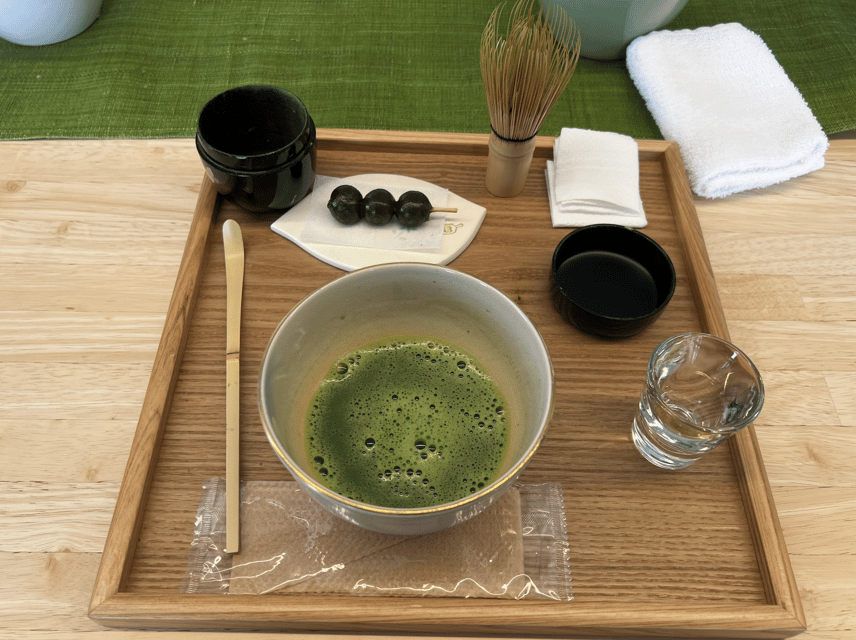
Tea is not an afterthought here. The session includes a matcha tea ceremony, usually paired with traditional sweets. The teaching value is that tea becomes a final practice in attention.
Matcha has a strong presence, so it helps you come back to the body. You taste, you observe texture and aroma, and you watch how people slow down for something ordinary. It is a clean transition from meditation stillness to normal waking life.
Many participants describe the tea and sweets as a pleasant close, the kind that makes the whole session feel complete. You finish not with a blur of information, but with a sensory memory.
Q&A With the Monk: Turn Peace Into Practical Advice
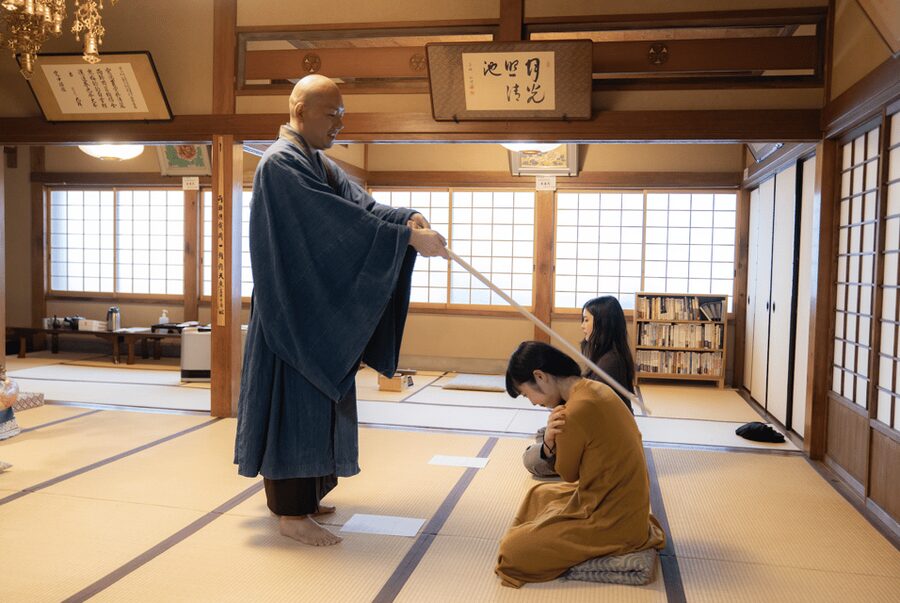
The final part is the most human. You get a discussion with the monk and a chance to ask questions. This is where the experience becomes more than a ritual.
People mention Q&A topics that can range from the temple itself to Zen Buddhism and monk life in Japan. Others describe getting thoughtful advice about stress management and staying present in tiny tasks, like focusing on small actions fully instead of letting your mind race ahead.
One practical theme that shows up is anger and how to explore its root rather than only reacting. You do not have to be religious to appreciate this style. It is mindfulness for real emotions, explained simply enough to use tomorrow.
You can also take photos, including photos with the monk and within the temple. It is a nice way to remember the setting, as long as you follow the guide’s cues for respectful timing and behavior.
Who This Works Best For (and Who Might Prefer Another Option)
This experience is a great match if you want a traditional, structured Zen practice in a setting that feels sacred and not too touristy. It is also strong if you like cultural depth without having to read a book first.
You should consider whether zazen time is right for you. It is calm and focused, but it is still sitting meditation. If you hate silence or need constant activity, you might find it slow.
It is also a good fit if you like guided translation. Your guide speaks English and supports smooth communication, which keeps you from feeling lost when the monk explains concepts.
If you are traveling with family or friends, it can also work well because the experience is guided and the atmosphere is gentle. Just remember that everyone needs a few minutes to settle into stillness.
Practical Notes Before You Go
A few small points can make your session easier.
- Wear comfortable clothing that allows sitting without fussing with straps or tight fabric. You are on tatami, so movement is limited during practice.
- Plan your timing so you can arrive unhurried. Meditation works best when you are not rushing.
- If you have questions, bring them. The Q&A portion is where you get the most personal value.
- If you want photos, ask at the right moment. The monk interaction is part of the respect of the setting.
Also note that transportation is not included. You are responsible for getting to the meeting point near Tawaramachi Station.
Should You Book This Zen Meditation With a Monk in Tokyo?
I think you should book it if you want a calm, meaningful break in Tokyo that includes real instruction, not just a performance. The combination of zazen practice, calligraphy, and matcha tea makes the experience balanced. You get stillness, then you get hands-on focus, then you end with a sensory reset and a chance to ask questions.
It is especially worth it if you value access to a temple setting that is not just a public sightseeing stop. And if translation support matters to you, the English guide plus monk explanation is a big part of why this works.
Skip the booking only if you know you want longer meditation time than 90 minutes, or if you are strongly uncomfortable with silence and close attention. For most people, though, this is one of those Tokyo moments that helps you breathe again.
If you want one sentence to decide, go for it when you want your day to slow down, guided by a monk, in Asakusa.
Latest write-ups near Tokyo
- Tokyo Customized Private Tour: See Top Attractions in 1 Day★ 4.8 · 67 reviews
- From Tokyo: Top 5 Scenic Spots of Mount Fuji Full-Day Tour★ 4.5 · 67 reviews
- Traditional Japanese Music ZAKURO SHOW in Tokyo★ 5.0 · 67 reviews
- Tokyo: Shinjuku Izakaya and Golden Gai Bar Hopping Tour (2h)★ 4.9 · 67 reviews
- Tsukiji: Unlimited Sake Tasting Experience★ 4.9 · 67 reviews
- Private Harajuku Omotesando Architecture Walking Tour★ 5.0 · 67 reviews
- Samurai Ninja Museum Asakusa: Kid-Friendly Ninja Training★ 4.7 · 67 reviews
- Tokyo: Not a show- a professional sumo practice with experts★ 4.9 · 67 reviews
Zen & Meditation, compared.
Kyoto Zen Meditation & Garden Tour at a Zen Temple with Lunch
Read our review →

Tea Ceremony Meditation – Make Matcha with Tea Master
Read our review →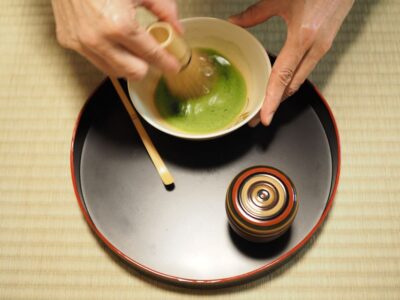
Tokyo Zen Meditation at Private Temple with Monk
Read our review →
4.5-Hour Kyoto Bike Tour with Lunch and UNESCO Zen Temples
Read our review →Browse the lists this tour appears in