
Reviewed · ZEN & MEDITATION
Tokyo: Practicing Zen with a Japanese Tea Ceremony
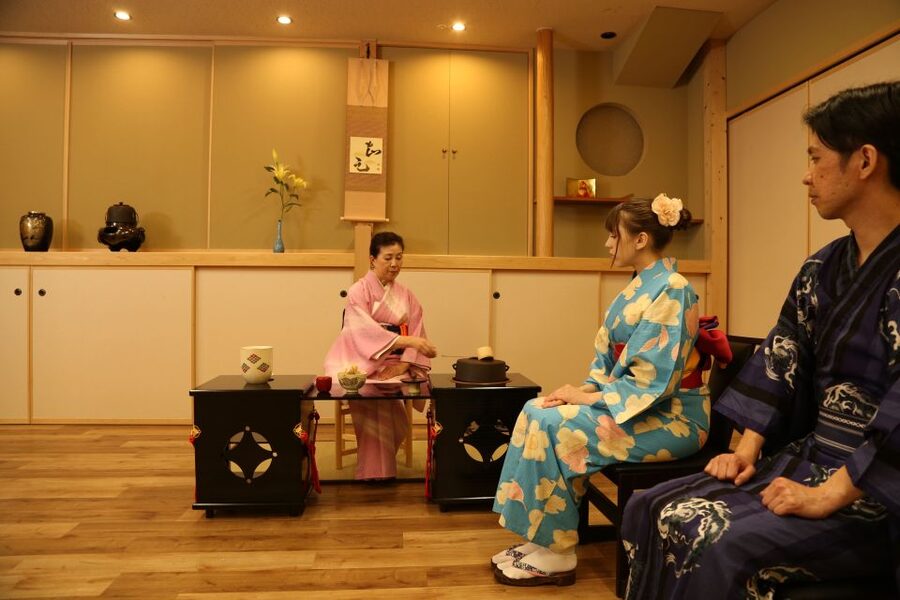
Tokyo’s Zen tea ceremony is interesting because it turns quiet ideas into specific, repeatable actions, all tied to Japanese art and the way spaces are designed. I love the hands-on practice where you do the ceremony yourself, and I love the Zen Buddhism context that explains why each step matters. One drawback to think about is that the session is short, and the room may not be fully soundproof if other activities are happening nearby.
You meet in the Kikai Shinko Kaikan building, just opposite Tokyo Tower, and you go at an easy pace with a small group capped at 10. The instruction is in English, and the teacher can make you comfortable even if you are not planning to sit on the floor, since seating is available for those who prefer it. Instructors like Junko, Ken, and Midori have been praised for clear, caring guidance that helps you do not just watch, but understand.
Key highlights worth your attention
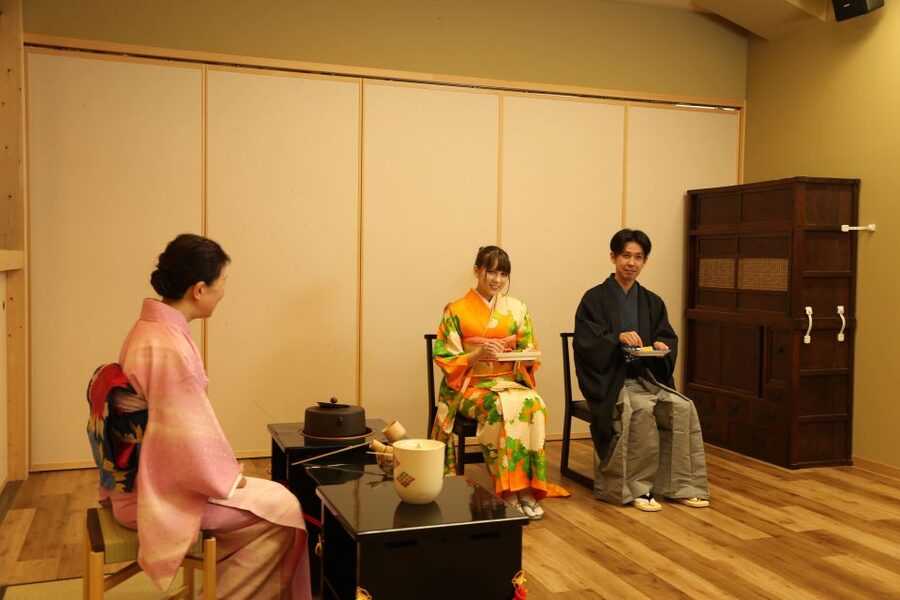
- You get to perform a second tea ceremony yourself, with expert guidance right there with you
- Matcha and traditional sweets are paired in the ceremony, so you taste as you learn
- Zen Buddhism is explained in plain terms, linked to the ceremony’s movements and tools
- Utensils and the steps behind them are part of the lesson, not just the final sip
- Small group size (10 max) keeps the class intimate and easy to follow
- A seating option exists if sitting on the floor is not your thing
Zen and matcha: why this Tokyo practice feels more practical than spiritual
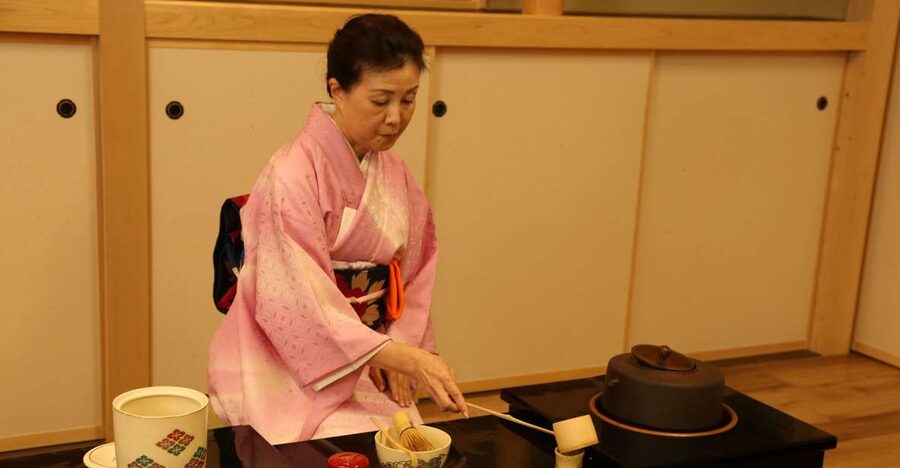
A Japanese tea ceremony can sound fancy on the brochure, but the value here is how tangible it becomes. You learn that Zen is not only a philosophy you study, it is also something you practice through posture, attention, and calm, controlled motions.
What I like most is the balance between meaning and mechanics. You get the story side, the Zen Buddhism connection, and why the ceremony matters in Japanese society. Then you get the actual steps, so it is not just interesting ideas floating in the air.
And yes, you also get matcha green tea and traditional sweets as part of the experience. That matters more than it seems. Food and drink are how you anchor the lesson in your body, not just your head.
More Tea Ceremonies in Tokyo
- Matcha Making Class in Tokyo with Authentic Japanese Sweets Set
★ 5.0 · 744 reviews - Tokyo: Traditional Tea Ceremony with a Tea Master
★ 5.0 · 528 reviews - Tokyo: Matcha Making Experience with Mochi Sweets in Asakusa
★ 4.9 · 388 reviews
Finding Kikai Shinko Kaikan by Tokyo Tower, without stress
Meeting up for this experience is straightforward, as long as you can locate the building. You meet your instructor at the main entrance of the Kikai Shinko Kaikan building on the 1st floor. The building is right opposite Tokyo Tower, so the landmark is doing most of the work for you.
If you cannot find the instructor, there is a backup spot. Head inside and visit True Japan Tour at Room B109 on the B1 floor. This is useful if you arrive early and the instructor is not at the entrance yet.
Two practical tips I recommend:
- Go straight to the meeting point, not “nearby and figure it out.” The time window for class activities can feel tight in Tokyo.
- Keep your phone handy, but try not to speak loudly while you’re looking around. The ceremony setting has rules about noise.
What happens during the first ceremony: utensils, matcha, and why the steps exist
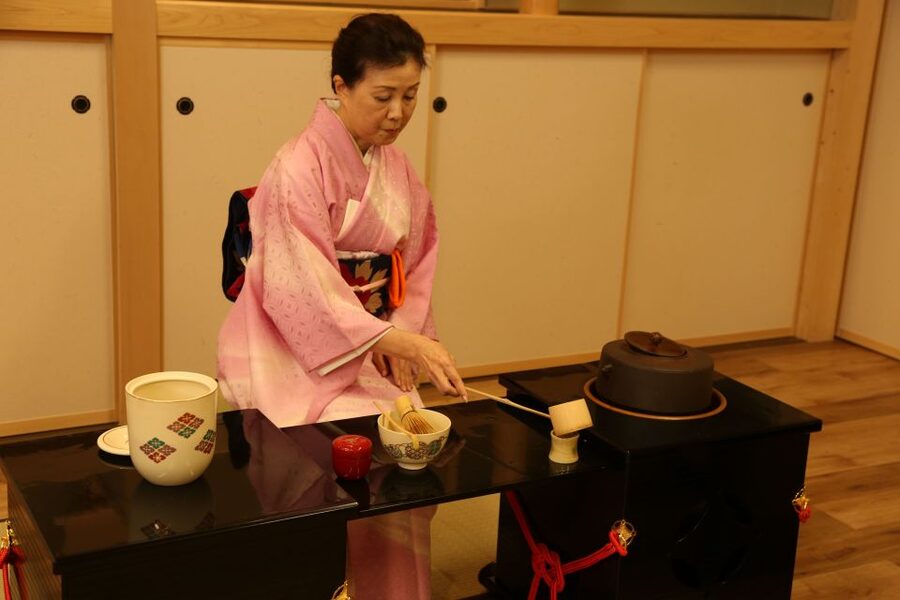
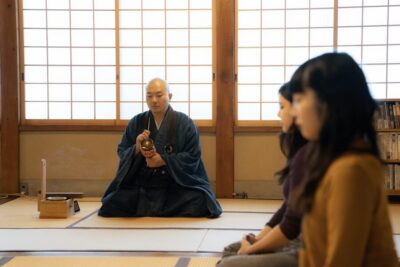
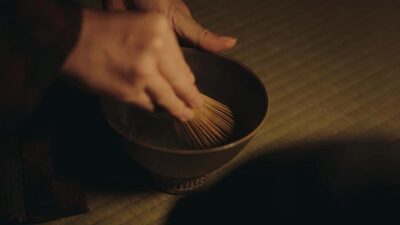
The session is built like a structured lesson, not a performance. First, you watch a traditional Japanese tea ceremony and learn how the matcha green tea is prepared, along with the movements that go with it. The point is to show you that the procedure is deliberate.
You also learn about the utensils involved. That sounds like “classroom stuff,” but it changes what you notice. Once you understand what a tool is for, you stop seeing the ceremony as random gestures and start seeing it as a sequence of choices.
Then you get the sensory part. Traditional sweets are served, paired with the green tea. The sweets are not an afterthought. They are part of the flow of the ceremony, and that pairing helps you taste in the same rhythm as the ritual.
The explanation you receive links the details to a Zen mindset, including the role Zen plays in this practice. If you have ever wondered why certain things are done in very specific ways, this is where those “why” answers land.
Zen expressed through Japanese art and architecture, explained in everyday terms
One of the most interesting parts of this experience is that Zen is not taught as abstract religion trivia. You learn about the spirit of Zen expressed through Japanese art and architecture, and how that spirit shows up in the tea ceremony.
Instead of only talking about doctrine, the instructor connects Zen to the atmosphere and design of the practice. Even if you do not remember every concept afterward, you will likely remember the feeling: calm focus, careful attention to the moment, and respect for the space.
Instructors such as Junko, Ken, and Midori have been praised for making this connection clear in English. That matters, because if the “Zen” portion is vague, the whole thing can feel like a cultural costume. Here, the teaching aims to help you understand the purpose behind the ceremony.
More Zen & Meditation in Tokyo:
- Tokyo: Zen Meditation at a Private Temple with a Monk
★ 5.0 · 510 reviews - Tokyo Zen Meditation at Private Temple with Monk
★ 5.0 · 178 reviews - Kyoto Zen Meditation & Garden Tour at a Zen Temple with Lunch
★ 5.0 · 441 reviews - Kyoto: Zen Experience in a Hidden Temple
★ 5.0 · 437 reviews
Your second tea ceremony: what you practice and what to pay attention to
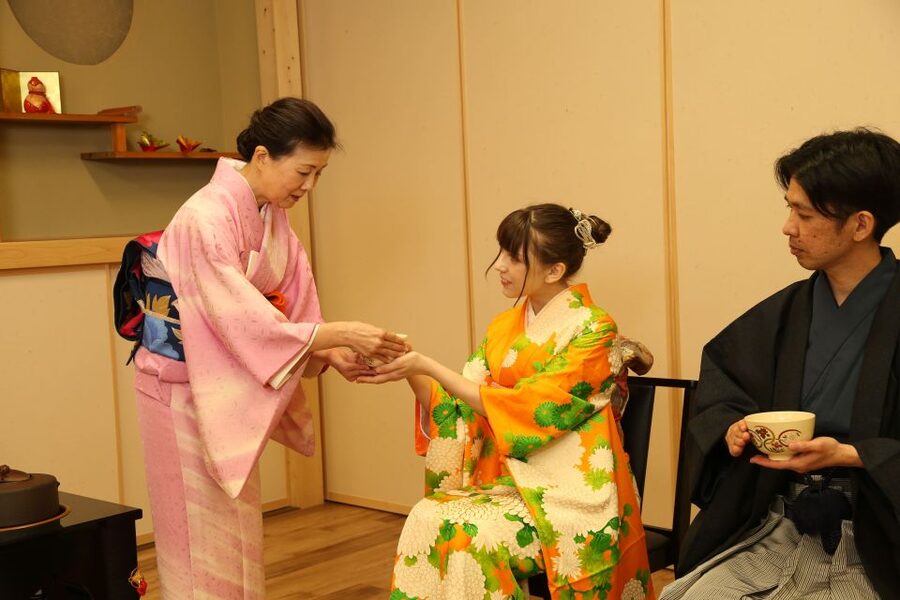
After the first tea ceremony, you get your turn. With expert guidance, you recreate the ceremony yourself during a second tea ceremony. This is the real differentiator, and it is why the time feels worth it even though it is only 75 minutes.
When you practice, focus on three things:
- Follow the order of steps as instructed. The ceremony is about sequence and timing, not speed.
- Pay attention to movement. The calm, controlled motions are part of the meaning.
- Stay mindful about the utensils. Once you know what each tool is for, your hands stop feeling lost.
You also continue the tasting element, since the ceremony includes the matcha and the traditional sweets. That turns your practice into something you can actually remember, because you have a sensory outcome tied to the steps.
A small caution: some people want a longer Zen session. One review noted that the Zen exercise can feel short, so if you are hoping for a long, quiet meditation-style experience, this might not satisfy that craving on its own. Still, as a first taste of Japanese tea ceremony practice, it is a strong start.
Noise and room comfort: the practical reality of a shared Tokyo venue
Tokyo is busy, and even when the lesson aims for calm, you may still hear what is happening around you. One person suggested the space could be more soundproof. So if you are extremely noise-sensitive, keep expectations flexible.
On the comfort side, the setup works better than many floor-only experiences. Seating is available if you prefer not to sit on the floor, and the experience is described as wheelchair accessible. That means you are more likely to be comfortable enough to focus on the ceremony, instead of distracted by discomfort.
You should also note the rules. Making noise is not allowed, so keep conversation and phone use low during the session. Treat it like you are stepping into someone’s careful practice space.
Price and value: is $63 for 75 minutes fair?
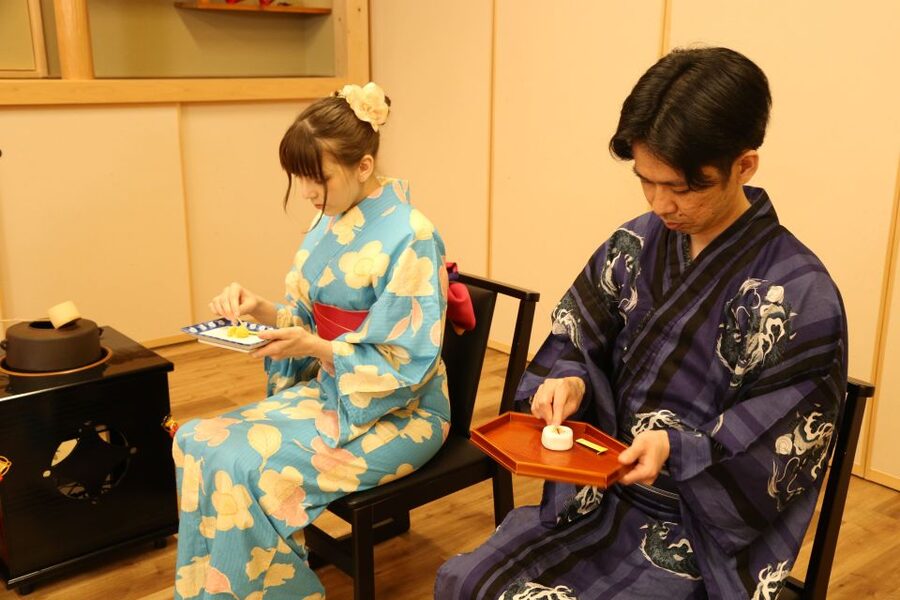
At $63 per person for a 75 minute session, you are paying for structured instruction, materials, and guided practice. You are not just getting a tasting or watching someone pour tea.
Here is why it can feel like good value:
- You get matcha green tea and traditional sweets, which are included.
- You get explanation of the steps, utensils, and the Zen connection.
- You do a second ceremony yourself, so you leave with something more than photos.
What you do not get is transportation. That is normal for city activities, but it means you should factor in time and transit to the meeting point near Tokyo Tower. Still, the location is a big help. Being opposite Tokyo Tower means it is easy to anchor the trip in your day.
The time also matters. 75 minutes is short enough for most schedules in Tokyo, but long enough for real instruction and hands-on practice. If you want a longer workshop, you might seek something with more hours. But for a first experience that teaches you how the ceremony works, this strikes a reasonable balance.
Who should book this Zen tea ceremony, and who might want something else
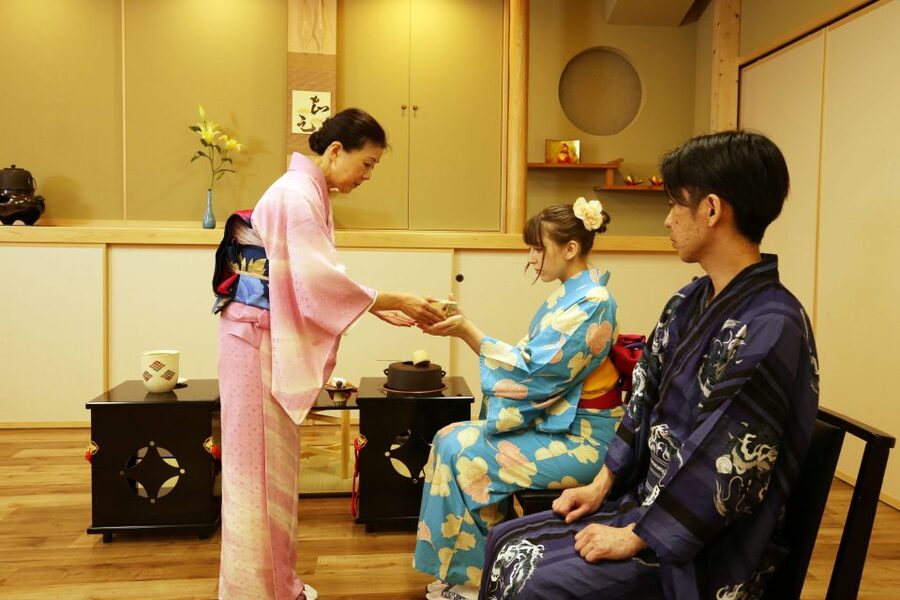
This experience is a good fit if you want a calm cultural practice with structure. You get English instruction, a small group, and time to practice, which makes it approachable even if you know nothing about tea ceremony basics.
It is also a great choice for:
- People who like learning through doing, not just watching
- Travelers who want a clear explanation of Zen Buddhism tied to everyday Japanese culture
- Anyone who appreciates Japanese art and wants to connect it to real practice, not just museum facts
It may be less ideal if:
- You are looking for a long meditation session. The Zen portion and the exercise time are limited by the 75 minute format.
- You strongly need silence. There can be some noise because it is in a shared venue environment.
It is not suitable for children under 4 years old. So for families, check age carefully.
Should you book this Tokyo Zen tea ceremony near Tokyo Tower?
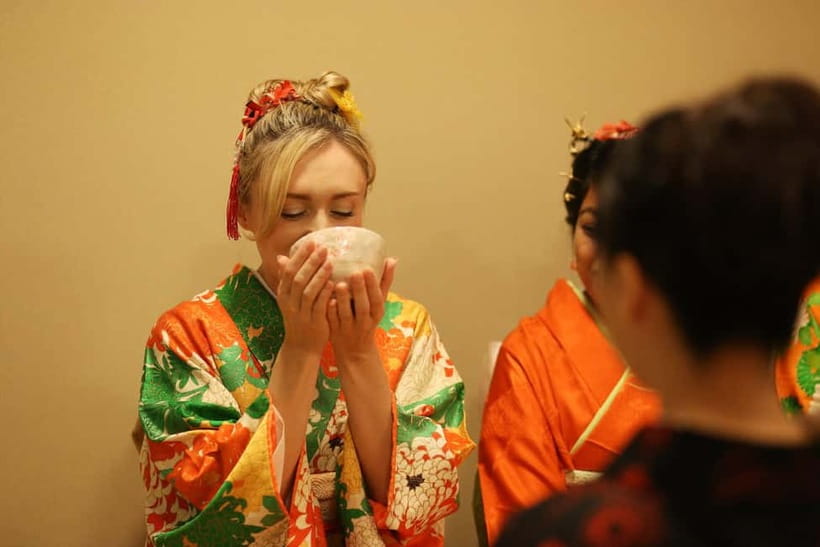
I think this is worth booking if you want one memorable, practical cultural activity that teaches you the “how” and the “why.” The strongest reason is that you perform the ceremony yourself during the second round, with guided support, instead of only observing.
Book it if:
- You want English instruction and a small group learning pace
- You care about understanding Zen Buddhism as it relates to the ceremony
- You are comfortable with a 75 minute schedule and you can follow a quiet class rule
Skip it or consider something different if:
- You need a completely silent, long wellness session
- You are hoping for more than one lesson of practice time in a single sitting
If you are planning Tokyo around a landmark, the meeting point near Tokyo Tower makes planning easy. Add this to a day when you want something slower than crowds and shopping.
FAQ
How long is the Tokyo Zen tea ceremony experience?
It lasts 75 minutes.
What is the price per person?
The price is $63 per person.
What is included in the experience?
It includes a tea ceremony, traditional sweets, matcha green tea, and a second tea ceremony performed by yourself.
What is not included?
Transportation is not included.
Is the instructor teaching in English?
Yes. The instructor is English speaking.
How large is the group?
The group is small, limited to up to 10 participants.
Where do I meet the instructor?
Meet your instructor at the main entrance of the Kikai Shinko Kaikan building on the 1st floor. It is opposite Tokyo Tower. If needed, go to True Japan Tour (Room B109) on the B1 floor.
Is the experience wheelchair accessible?
Yes. It is described as wheelchair accessible, and there are seats available for guests who prefer not to sit on the floor.
Can I cancel and book without paying right away?
You can cancel up to 24 hours in advance for a full refund, and you can reserve now & pay later.
Latest write-ups near Tokyo
- From Tokyo: Top 5 Scenic Spots of Mount Fuji Full-Day Tour★ 4.5 · 67 reviews
- Tokyo Customized Private Tour: See Top Attractions in 1 Day★ 4.8 · 67 reviews
- Traditional Japanese Music ZAKURO SHOW in Tokyo★ 5.0 · 67 reviews
- Tokyo: Shinjuku Izakaya and Golden Gai Bar Hopping Tour (2h)★ 4.9 · 67 reviews
- Tsukiji: Unlimited Sake Tasting Experience★ 4.9 · 67 reviews
- Tokyo: Not a show- a professional sumo practice with experts★ 4.9 · 67 reviews
- Samurai Ninja Museum Asakusa: Kid-Friendly Ninja Training★ 4.7 · 67 reviews
- Private Harajuku Omotesando Architecture Walking Tour★ 5.0 · 67 reviews
Zen & Meditation, compared.
Kyoto Zen Meditation & Garden Tour at a Zen Temple with Lunch
Read our review →
Tea Ceremony Meditation – Make Matcha with Tea Master
Read our review →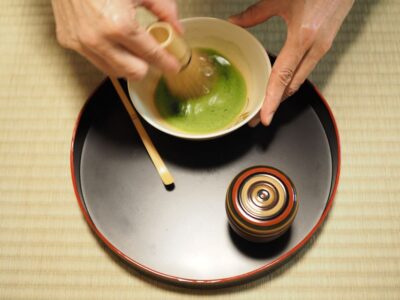
Tokyo Zen Meditation at Private Temple with Monk
Read our review →
Browse the lists this tour appears in