
Reviewed · ZEN & MEDITATION
Kyoto: Tea Ceremony Meditation – Make Matcha with Tea Master
Kyoto: Tea Ceremony Meditation is interesting because it slows you down without feeling strict, you get hands-on matcha-making, and you do it in a 100-year-old townhouse in central Kyoto. I like the small group format, it keeps questions flowing and lets you actually practice the steps. One possible drawback to plan around: you only get a 45-minute session, so it’s not a full day-long, super-formal tea training.
Here’s what you’re really buying for $45: a calm, step-by-step introduction to matcha culture, plus your own bowl of tea and a traditional sweet. I also like that the experience is guided in the Omotesenke tradition, one of Japan’s most respected schools of tea ceremony. If you’re hoping for extras like kimono styling, note that those aren’t included.
Kyoto Matcha in 45 Minutes, with Real Calm and Real Hands-On Steps
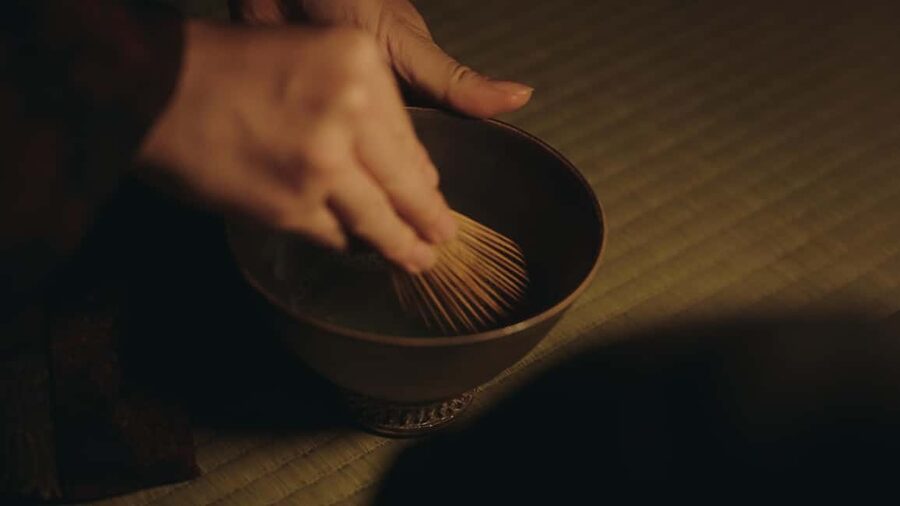
This is one of those Kyoto experiences that feels simple until you try it. Matcha looks like a drink, but the ceremony is really about attention: how you move, how you hold tools, how you whisk, and how you sit there long enough to notice what’s happening.
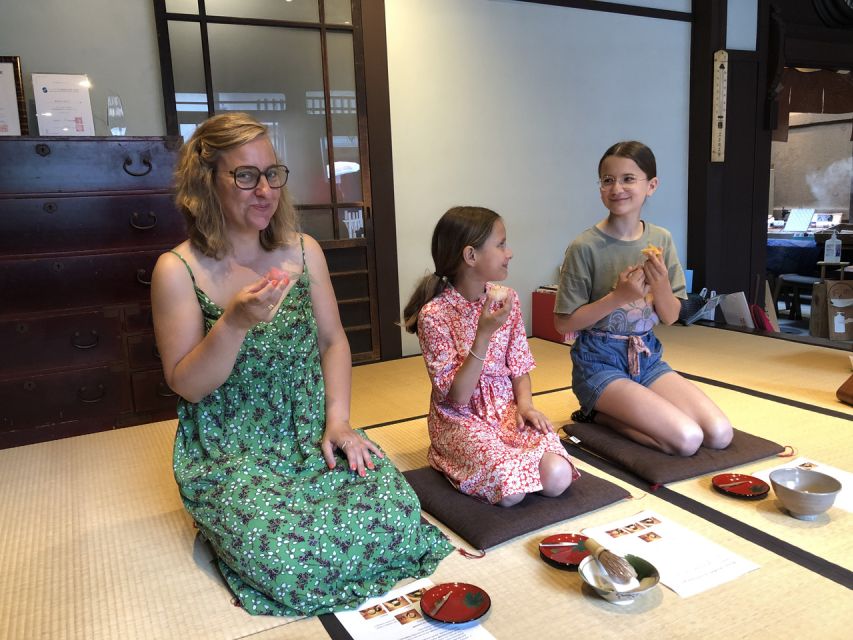
The setting matters, too. You’ll step into a quiet, traditional home space with tatami scent and a slower rhythm than the streets outside. And because the group is limited to 10 people, your tea master can correct your technique and answer questions without rushing you out the door.
Inside the 100-Year-Old Townhouse: What You Experience From the First Step In
You meet in central Kyoto, near Gojo, at an easy-to-find signposted location. If you’re coming from Karasuma-dori Street, turn at the corner with the Family Mart convenience store, walk straight for one block, and look for the sign for aeru gojo next to Only Corporation, across from Zen Kyoto.
There’s no hotel pickup, and there’s no parking lot at the venue. If you’re arriving by rental bicycle, you’ll need to use public parking nearby, so build a little buffer time for that.
Once you arrive, the first feeling is the room’s mood. A tea ceremony works best when you keep your senses open, so the experience asks you to come ready to focus. You’ll also be asked to refrain from wearing perfume or cologne, which makes a difference because matcha aroma is part of the point, not just the taste.
Your session starts with a quick welcome and guidance on how to be a thoughtful guest. Then you shift from watching to doing. Even though the time is short, the pacing usually feels measured, because the tea master walks you through the flow step-by-step.
More Tea Ceremonies in Kyoto
- Kyoto: Tea Ceremony in a Traditional Tea House in Kiyomizu
★ 4.9 · 3,519 reviews - Kyoto: Tea Ceremony Ju-An at Jotokuji Temple
★ 4.9 · 3,207 reviews - Kyoto: 45-Minute Tea Ceremony Lesson Experience
★ 4.3 · 2,378 reviews
Omotesenke Tea Ceremony Basics: How Matcha-Making Becomes a Practice
You’re guided by a host trained in the Omotesenke tradition, which gives the ceremony structure while still leaving room for conversation. English instruction is available throughout, and in practice that means you can ask questions instead of silently guessing what you’re supposed to do.
Here’s the idea of the flow, in plain terms.
First, you learn what tools are for and why the order matters. Matcha isn’t just whisk and drink. The whisking technique affects texture, and the way you handle the bowl shapes the whole routine.
Next, you learn the etiquette side. This is where the ceremony stops being a cooking demo and starts being a mindful ritual. You’re taught how to prepare and receive the tea in a respectful, calm way.
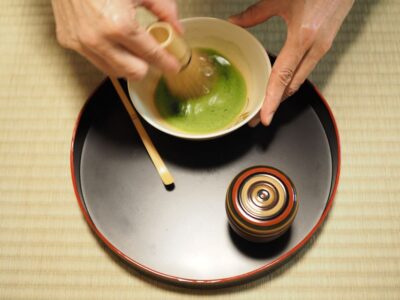
Then comes the hands-on portion: you make your own bowl. You’ll practice the matcha-making motions with authentic, handcrafted utensils, and the tea master shows you what correct looks like so you can copy it.
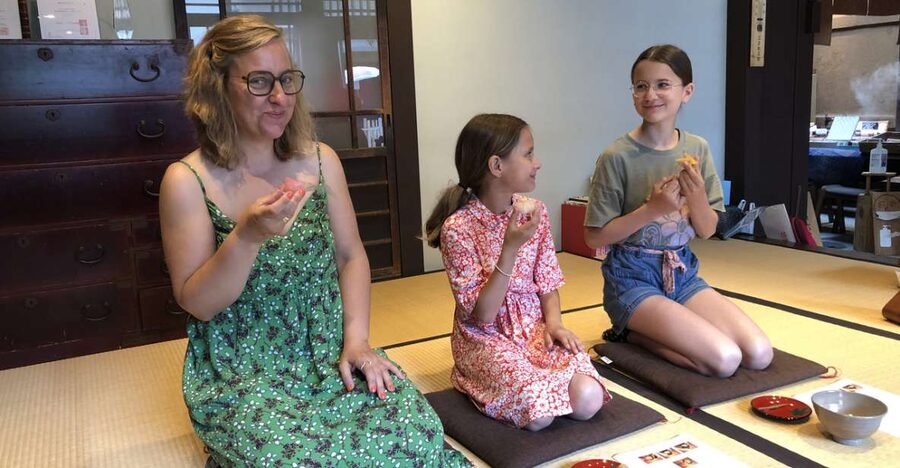
Finally, you sit down with what you made. You’ll enjoy your freshly prepared matcha along with a traditional sweet, which helps you notice the balance between bitterness, sweetness, and aroma.
Your Tea Master and the Small-Group Pace That Makes It Stick
What makes this workshop feel worth your time is that you’re not stuck in a crowd. The group is capped at 10 participants, and many experiences like this get lost when everyone is waiting their turn.
Here, you get a tighter rhythm. Your tea master can correct how you whisk, answer questions about tea and Japanese culture, and keep explanations moving at a pace that matches the room.
English-speaking hosts can also handle different curiosity levels. Some people want the ritual meaning and cultural background, others want the technique. Either way, you should feel invited to ask.
You might be guided by instructors such as Miki-san, Aki, Yoko, or Joko, who have all been mentioned as welcoming English hosts. The common thread is patient explanation, lots of time for questions, and a calm tone that makes the experience feel like it belongs in Kyoto, not like a rushed performance.
The Utensils Matter: Handcrafted Tools and Why You Should Care
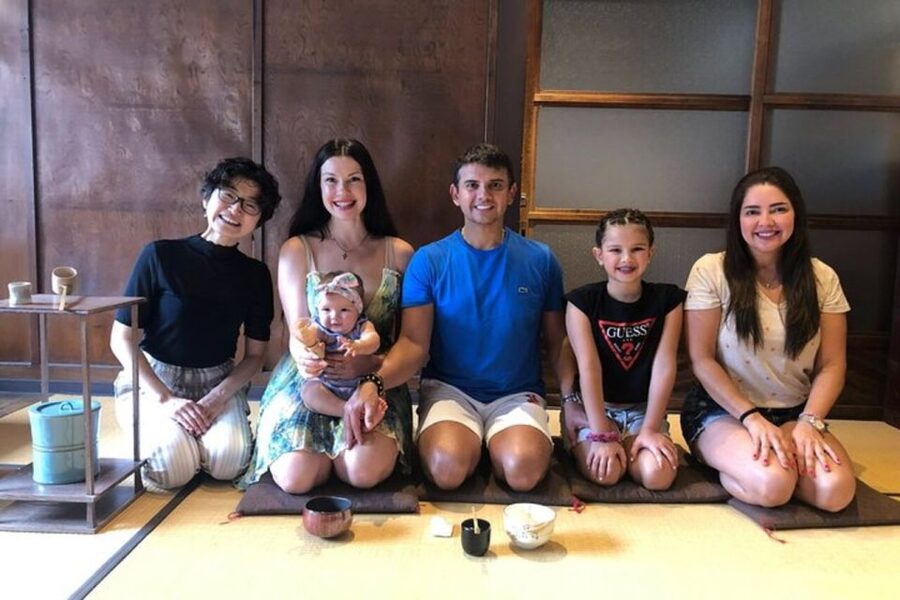
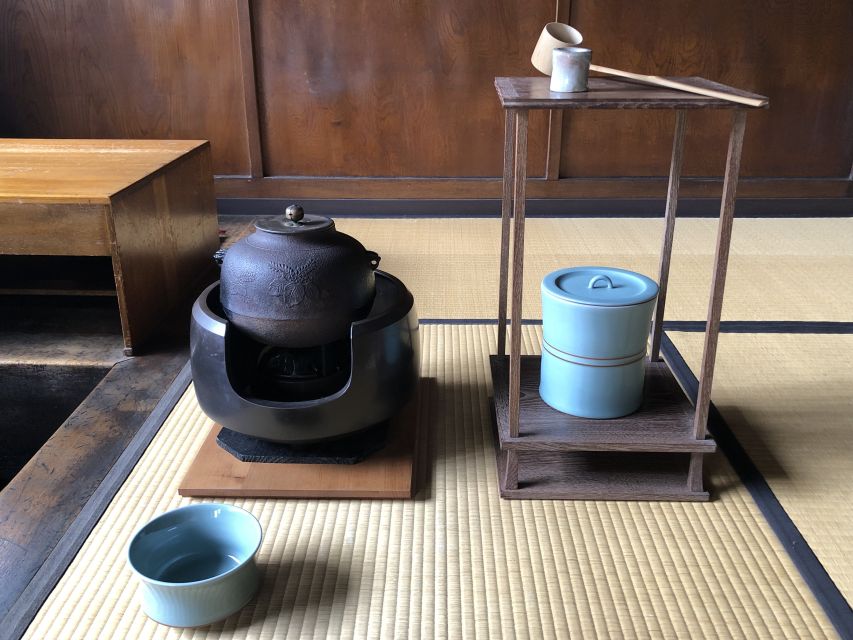
A lot of tea ceremonies disappoint because the tools feel like props. This one leans the other direction. You use authentic, handcrafted utensils made by skilled artisans, and that changes the experience.
When utensils are well made, you feel the difference in how smoothly the whisk moves, how the bowl sits, and how the ceremony flows. You also get a better sense of what serious tea practice looks like.
You also get to connect technique to outcome. Your matcha texture, and how it presents in the bowl, is partly about ingredients and partly about what you do with the tools. Practicing with the right gear helps you leave with a more accurate memory of what you learned.
And yes, you’ll drink what you make. That matters because you’re not learning theory. You’ll taste the result right after you’re taught the motions.
More Zen & Meditation in Kyoto
- Kyoto Zen Meditation & Garden Tour at a Zen Temple with Lunch
★ 5.0 · 441 reviews - Kyoto: Zen Experience in a Hidden Temple
★ 5.0 · 437 reviews - Kyoto: Zen Meditation at a Private Temple with a Monk
★ 5.0 · 202 reviews - Kyoto: Zen Garden, Zen Mind (Private)
★ 5.0 · 126 reviews
The Sweet Pairing and How to Enjoy Your Bowl Like a Guest
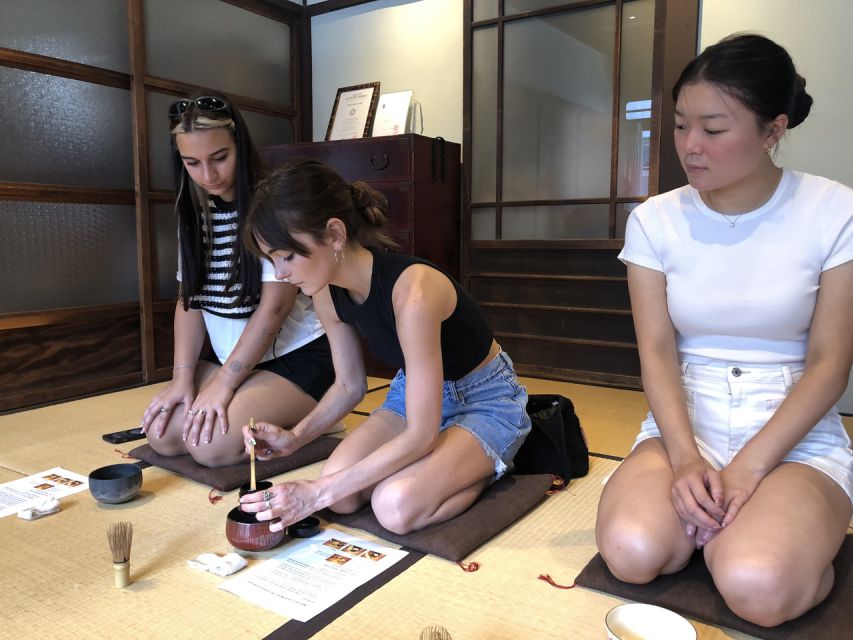
Your cup of matcha comes with one traditional Japanese sweet. You’ll be able to enjoy them together as part of the ceremony pacing.
A tea master will usually explain the flow so you know when to taste and what to pay attention to. Try to treat it like a small sensory break. Smell comes first, then whisked texture, then flavor balance.
Also plan for the room rules. Food and drinks are not allowed, and the venue is limited, so it’s not a place to eat before or after. If you arrive hungry, grab anything you need beforehand and keep your focus here on tea.
Shopping for Japanese Crafts at the End: What Souvenirs Feel Like the Real Point
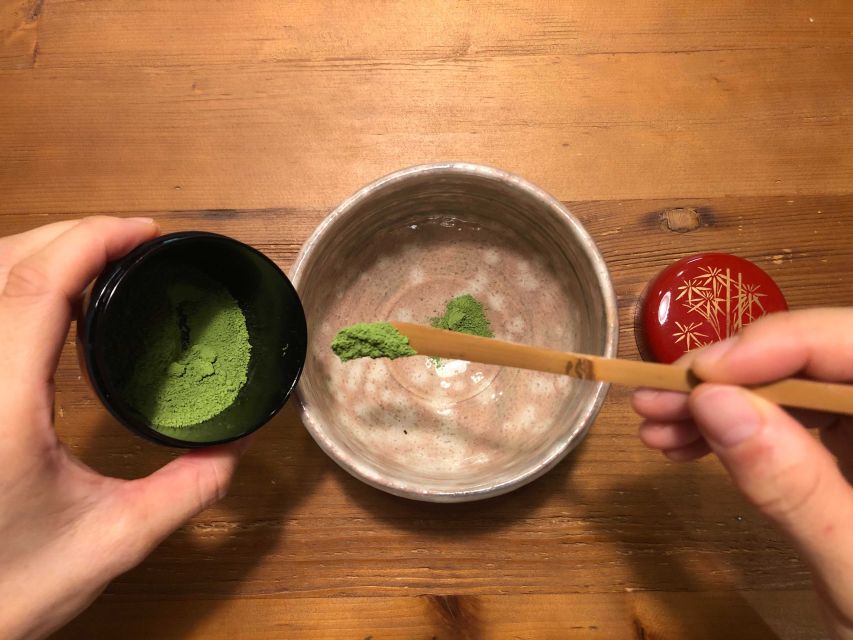
One of the nicer surprises is that you don’t just leave with a memory. You also have access to curated Japanese crafts you can purchase.
Many workshops like this end with a hard stop, but here the experience includes time to explore and buy meaningful items. Some utensils and related items have been described as available to purchase at the end, which means you can take your ceremony moment home in something physical, not just a photo.
If you’re the kind of traveler who likes practical souvenirs, this is the right direction. A tea bowl or tea utensil is useful, and it’s tied directly to what you practiced.
Price and Value in Kyoto: Is $45 Worth It?
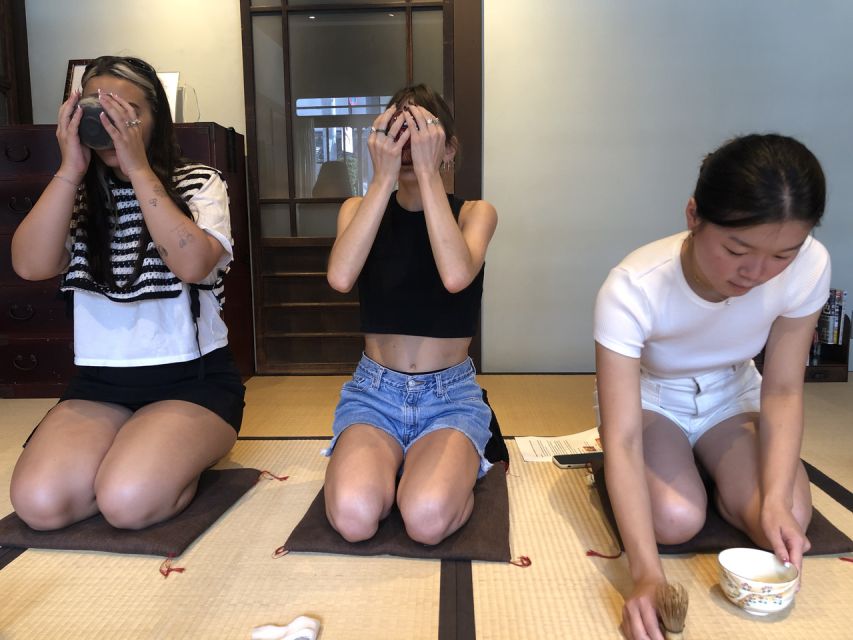
At $45 per person for 45 minutes, you’re paying for three things that add up quickly in Kyoto.
First, you’re paying for a real teacher, not just a stop on a tour route. The guidance is English, and it’s structured around the Omotesenke tradition.
Second, you’re paying for the hands-on portion, including your own bowl of matcha and a traditional sweet. You’re not just watching, you’re doing.
Third, you’re paying for the quality feel, handcrafted utensils and a small-group setting limited to 10 people. In a city where some tea experiences feel like a production line, the small group changes the whole value equation.
Is it a long, deep program? No. This is a compact introduction. But for the price, you get the one thing most people want from a tea ceremony in Japan: a chance to learn the steps properly enough to understand them, then taste and reflect while it’s still fresh.
Practical Planning: Timing, Perfume Rules, and What to Bring
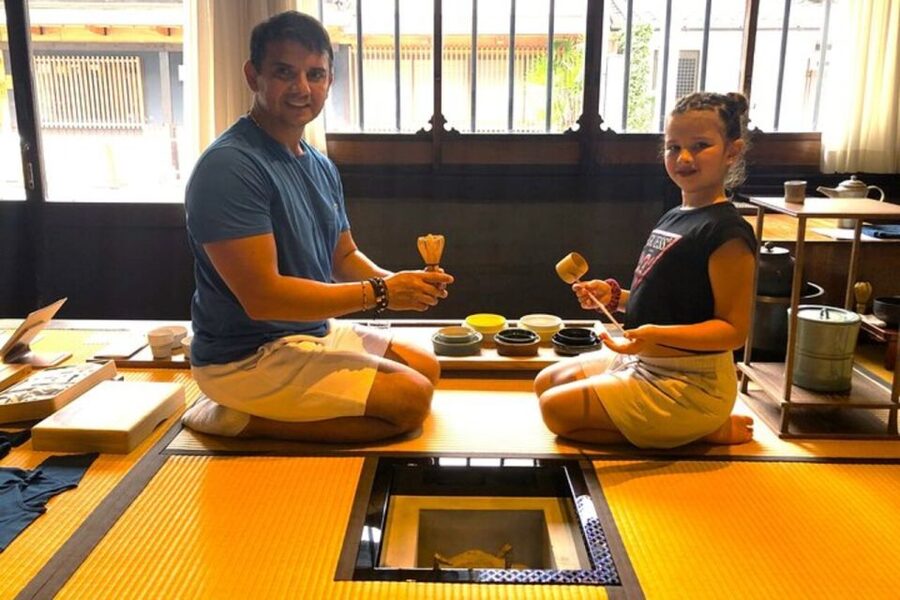
A few details can make or break how smooth your experience feels.
Arrive no earlier than 10 minutes before your scheduled time. The space is limited, so don’t show up like you’re early for a museum. Aim for calm arrival, not crowding the entrance.
Skip perfume and cologne. This rule exists because it can interfere with matcha aroma and because tea spaces work best when everyone’s senses are open.
What not to bring is just as important: food and drinks are not allowed, and bikes are not allowed. If you’re walking or using public transit, you’re good.
If you’re expecting kimono rental and hair styling, plan differently. Those aren’t included in this experience, so you should not count on a full outfit upgrade.
Who This Tea Ceremony Meditation Suits Best, and Who Might Want Another Option
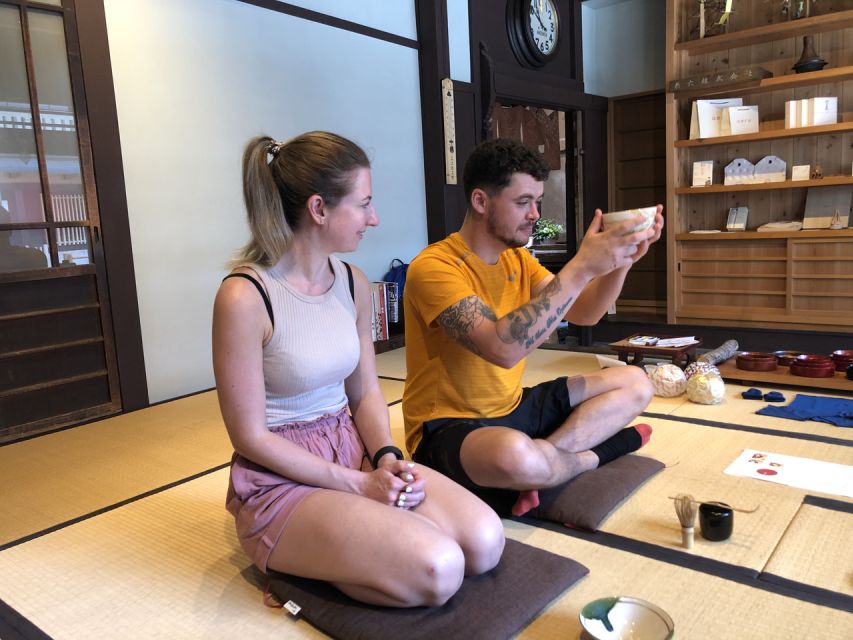
This activity is a great fit if you want a Kyoto experience that feels calming, culturally grounded, and hands-on. The small-group format works well for first-timers, and it also suits families, since the pacing and teaching style are often described as friendly for children.
It also works well for solo travelers. The setting encourages conversation, and the group size makes it easier to connect with the tea master and with other participants.
You might want to consider another option if you’re looking for an all-day, highly formal training session or if you specifically want kimono included. This is a focused 45-minute workshop with your own matcha and a sweet, not a full makeover.
Should You Book This Kyoto Matcha Ceremony?
If you want a small-group matcha class that balances etiquette, technique, and cultural context, I’d book it. The $45 price makes sense because you’re not paying for a vague cultural stop, you’re paying for a guided, hands-on matcha bowl in a traditional Kyoto townhouse.
Book it especially if you care about learning the steps well enough to remember them, and if you like experiences that feel quiet and personal rather than rushed. Just come ready to follow the room rules, give yourself time to find the meeting point, and treat the ceremony like a short reset, not another box to check.
FAQ
How long is the Kyoto tea ceremony experience?
The duration is 45 minutes.
What is included in the price?
The experience includes the tea ceremony, 1 cup of matcha tea, and Japanese traditional sweets.
Is hotel pickup or drop-off included?
No. Hotel pickup and drop-off are not included.
Is a kimono rental or hair setting included?
No. Kimono and hair setting are not included in this experience.
Is the class taught in English?
Yes, the instructor and experience language are English.
How big is the group?
It is a small group limited to 10 participants.
Where do I meet for the activity?
Meet at the aeru gojo location next to Only Corporation and across from Zen Kyoto. From Karasuma-dori Street, turn at the Family Mart corner and go straight for one block.
Are there any items I cannot bring?
Food and drinks are not allowed, and bikes are not allowed.
Is the venue wheelchair accessible, and are there any timing rules?
The venue is wheelchair accessible, and you should arrive no earlier than 10 minutes before your scheduled time.
What is the cancellation policy?
Free cancellation is available up to 24 hours in advance for a full refund.
Latest write-ups near Kyoto
- Kyoto: Nishiki Market Tour with a Local Foodie & Tastings★ 4.5 · 67 reviews
- Kyoto Kimono Rental mimosa |Kimono/Yukata Rental Couple Plan★ 4.8 · 67 reviews
- Kyoto: Traditional Kimono Fabric Handicrafts Workshop★ 5.0 · 67 reviews
- Kyoto Tea Ceremony and Samurai Photo Session★ 5.0 · 70 reviews
- Kyoto: Replica food making experience★ 4.8 · 70 reviews
- Kyoto: Kinkakuji, Golden Pavilion Guided Tour★ 4.7 · 71 reviews
- Private departure transfer from Kyoto city to Kansai International airport★ 5.0 · 72 reviews
- Uji: Green Tea Tour with Byodoin and Koshoji Temple Visits★ 4.8 · 72 reviews
Zen & Meditation, compared.
Kyoto Zen Meditation & Garden Tour at a Zen Temple with Lunch
Read our review →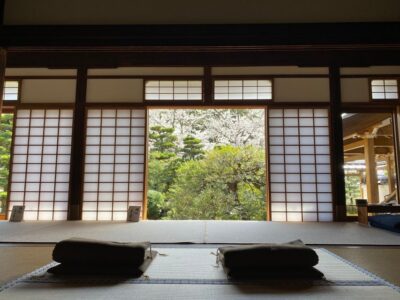
Tokyo Zen Meditation at Private Temple with Monk
Read our review →
4.5-Hour Kyoto Bike Tour with Lunch and UNESCO Zen Temples
Read our review →Browse the lists this tour appears in