Reviewed · TOKYO TOURS
Tokyo’s Authentic and Finest Taiko Drumming Experience
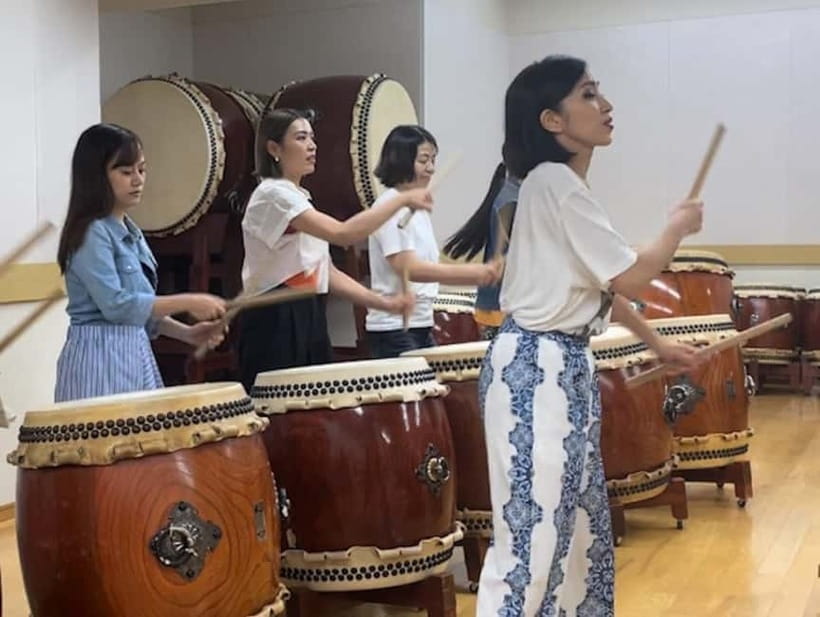
This taiko drumming workshop is interesting because it turns you from spectator into player, in a hands-on 90-minute studio session in central Tokyo. I love that Eva teaches with clear English (and Japanese when needed), starting from how to hold the sticks and building steady rhythms you can repeat.
I also love the finish, a personalized video of you playing the drums, so the lesson keeps working after you leave Japan. You can look back at your own timing and form and practice without guessing.
The only catch is effort. Even with no experience required, you should expect it to feel like a real workout, with tired arms and a warm room, so wear comfortable clothes and bring water.
Key highlights to know before you go
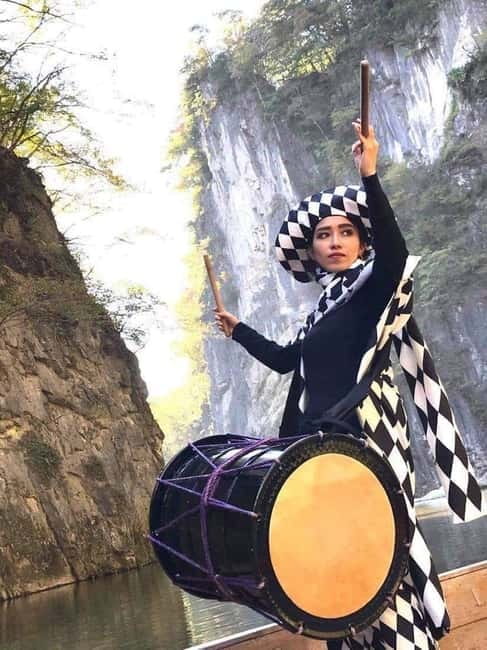
- Eva Kestner’s credentials: Cornell Taiko founder, Tokyo University of the Arts award winner, and published composer
- No experience needed: foundation training and rhythm drills in English
- Traditional + contemporary pieces: you learn both styles, not just a single routine
- Performance moments: watch Eva demonstrate, then play as a group and in a paired setup
- Your own keepsake video: a personalized recording of you playing the drums
- Drums provided: taiko drums and sticks are included, so you can travel light
A taiko class in Tokyo that feels like real training, not a show
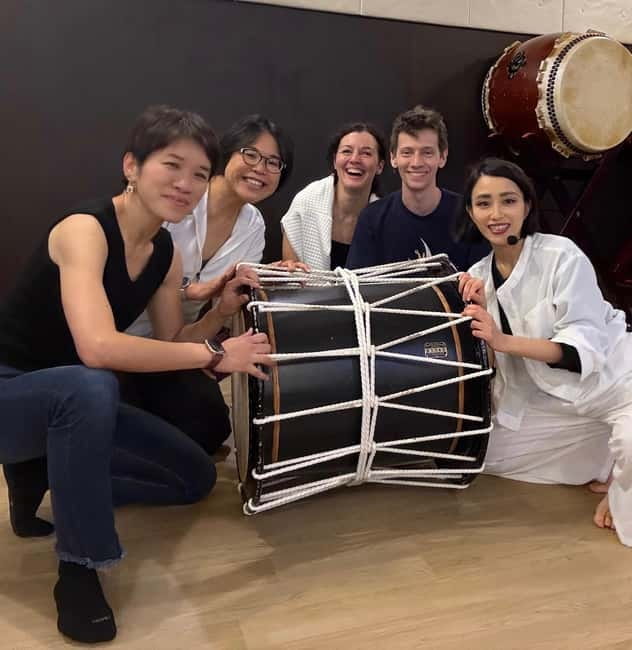
Tokyo has plenty of ways to watch taiko. This experience is different because you do the work yourself. In 90 minutes, you go from basic stick handling to playing a composed piece, with enough structure that you are not just copying random noise.
You’ll also get the cultural context, but it is brief and practical. You hear enough history of taiko and its role in Japanese culture to understand why the technique matters, not just what to hit. That balance is important. Taiko is loud, physical, and precise, so learning the “why” helps your “how.”
The class is taught by Eva in a studio setting, and it is geared for people without prior experience. Based on how the workshop is described and how it’s taught, the pacing is designed so you can follow along even if you have never played a drum before.
Also on the shortlist for Tokyo:
- Mt Fuji and Hakone 1-Day Bus Tour Return by Bullet Train
★ 5.0 · 26,383 reviews - 1-Day Tokyo Bus Tour
★ 5.0 · 14,250 reviews - Tokyo: TOKYO SKYTREE® Admission ticket
★ 4.5 · 11,192 reviews
Who Eva Kestner is, and why it matters for your lesson
Eva Kestner is not just a performer who happens to teach. She has serious training and credibility in the taiko world, and that shows in the way the workshop is built.
Here are the highlights from her background:
- She was the founder and first musical director of Cornell University’s Taiko Drumming group
- She received an excellence award from the Tokyo University of the Arts New Artists Competition
- Her original music is published by Harper Collins and Cambridge International Curriculum
That kind of experience matters because it usually leads to two things you will feel right away: clear instruction and strong musical choices. In taiko, technique is not decorative. Your grip, posture, and timing control the sound. If the teacher understands both performance and pedagogy, you get faster progress and fewer frustrating moments.
Eva also demonstrates during the workshop. Seeing her performance right after you learn basics helps you connect the exercises to the real sound you hear in Japanese taiko concerts.
The 90-minute flow: foundation drills, rhythm training, then you play
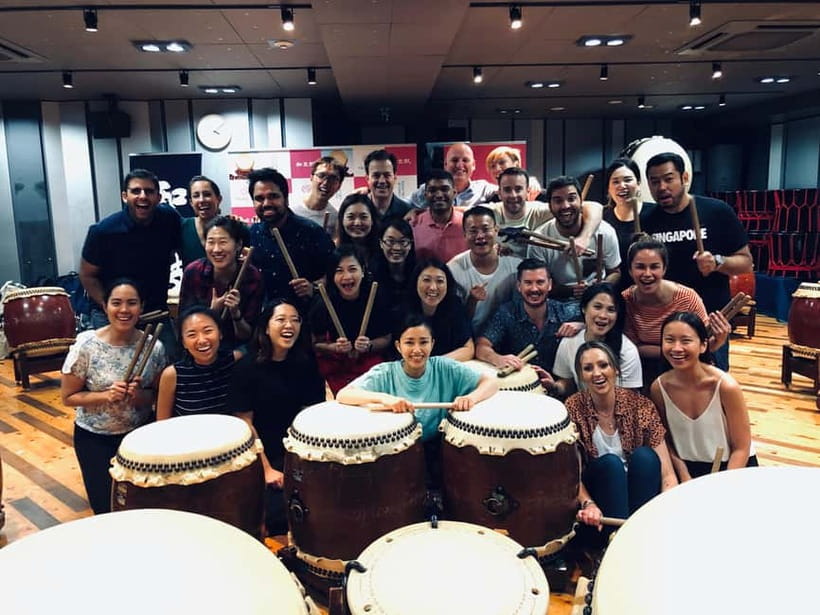
The workshop runs for 90 minutes, and the structure is pretty specific: foundation training, rhythm training, and learning a traditional and contemporary taiko drumming piece. The format is designed so you get enough repetition to improve during the same session, not just “try once.”
1) Getting set up: drum basics and stick grip
You start with hands-on foundation training. You learn how to hold the sticks and how to position your body for control. This is the part that often feels small, but it is the difference between a fun session and a sore, sloppy one.
Because drums and sticks are provided, you do not need to bring gear or guess what size or style you will use. The instructor handles the setup so the focus stays on technique.
A change of pace from Tokyo:
- Tokyo: teamLab Planets TOKYO Digital Art Museum Entry Ticket
★ 4.6 · 9,779 reviews - Mt Fuji & Hakone Cruise, Drum Show Bullet Train 1 Day from Tokyo
★ 4.0 · 7,413 reviews - Tokyo: Sumo Show Experience with Chicken Hot Pot and a Photo
★ 4.8 · 6,678 reviews - Tokyo: Shinjuku Food Tour (13 Dishes at 4 Local Eateries)
★ 5.0 · 6,603 reviews
2) Rhythm training that builds timing, not just volume
Next comes rhythm training. This is where you start coordinating beats and learning patterns you can repeat. Taiko is not only about force. It is about timing, clean accents, and group synchronization.
The workshop is taught in English, with Japanese also available. That matters if your brain needs a straightforward explanation to lock in what your body is doing.
3) Learning a traditional piece, then adding contemporary elements
You learn a traditional and a contemporary taiko piece during the same 90-minute session. That gives you two kinds of musical practice in one class.
In practice, that can mean different rhythm feels, and possibly working with more than one drumming approach, depending on the piece the instructor chooses for your group. One common thread is that you are not just doing a single beat pattern. You are learning a full part of a composition.
4) Performance time: group playing and a paired moment
By the later part of the workshop, you shift from drills to actual performance. You play as part of the group, and you may also do a paired setup where each person plays different beats and poses.
That paired format is a sneaky good learning tool. You stop focusing only on your own hands and start listening and matching to a partner. It also adds a sense of theater, because you are doing more than repeating. You are shaping a moment.
5) Demo and a short taiko history explanation
You also get an instructor demonstration performance. Eva plays in a way that shows what the earlier technique steps are for. Right after, you hear a brief taiko drumming history explanation.
This is not a textbook lecture. It is meant to give you a quick cultural backbone so the workshop feels connected to Japan, not like a separate sports class you happen to take in Tokyo.
Traditional and contemporary taiko: what you actually learn
Taiko has a range, from regional styles to modern arrangements. This workshop is set up to cover both sides. You are taught a traditional piece and a contemporary taiko drumming piece, so you leave with a more complete picture than the one-style workshops.
One of the traditional directions you might encounter is a composition associated with the island of Miyake. That matters because it shows taiko as a regional art, not just a generic “festival drum” sound. When a piece comes from a specific area, the rhythm choices and performance feel carry that identity.
The contemporary side tends to emphasize clean structure and punchy rhythm. Even if you are still learning basics, you get to experience how taiko can be both powerful and organized. In other words, it is not random drumming. It is composition plus technique.
And because you learn both types in one session, you also learn how to switch mental gears. Traditional phrasing can feel more grounded and story-like. Contemporary phrasing often feels tighter and more percussive in a modern way. Your hands adapt faster than you expect once you start counting beats and hearing accents.
The personalized video: a souvenir that actually helps you practice
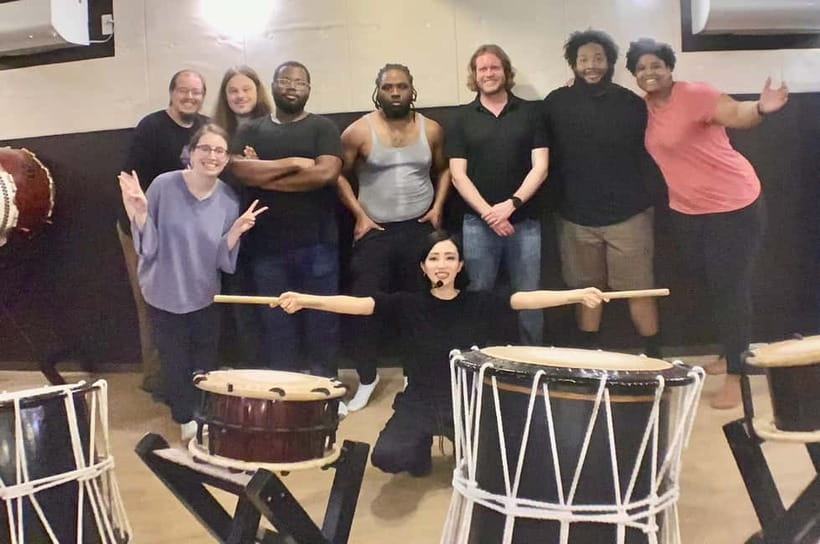
Most workshops give you a memory. This one adds something more useful: a personalized video of you playing the taiko drums.
I like that the keepsake is tied directly to your lesson. A generic group photo is nice, but it does not tell you what to fix. A recording does.
After you play, you receive a personalized video to take home. In past sessions, participants have mentioned receiving a private video link that helps them practice their form and timing later. Even if you never become a taiko addict, that follow-up can turn one class into real skill progress.
For practical travelers, it is also a low-effort souvenir. No awkward shopping. No need to find space in your suitcase for drums. You just keep the recording and revisit it when you want that Tokyo energy again.
Price and value: why $120 can be a smart use of your time
The price is $120 per person for 90 minutes. That can sound steep until you break down what is included.
You are paying for:
- A full 90-minute workshop with instruction in English (and Japanese support)
- Foundation training and rhythm training, not just a try-on experience
- Learning both a traditional and a contemporary taiko piece
- Eva’s demonstration performance
- A brief taiko history explanation
- Taiko drums and sticks provided, so you do not bring gear
- A personalized video of you playing
In taiko, the equipment is part of the cost, and studio time matters. You are also paying for an expert who can teach technique safely and effectively while keeping the energy high.
You’ll also feel the “value” in the end result. When a lesson is well paced, you leave with a sequence you can recognize and repeat, not only muscle strain. And the video helps confirm that you did learn something tangible.
If you are choosing between doing a quick culture activity and doing something hands-on, this is the hands-on option that still respects your time. Ninety minutes is long enough to make progress, but short enough to fit into a busy Tokyo day.
Logistics that matter: where you go, and how to plan your day
Your exact meeting point can vary depending on the option you book. That means you should plan to check your confirmation details so you arrive at the right spot.
For larger groups, the studio is described as about 20 minutes away from Shibuya by train. If you are traveling in a big group, it is also worth knowing that groups larger than 20 people are coordinated separately ([email protected] is listed for coordination). For normal group sizes, you can expect the session to run as a straightforward studio workshop.
Because the class is in a studio setting, plan for a practical clothing choice. You will be moving and swinging your arms. You do not need anything fancy, but you do need comfort.
What to wear and bring if you want the fun, not the misery
This workshop is hands-on and physical. That’s part of the point. You’ll want to set yourself up so you can play fully through the session.
Bring:
- Water
- Comfortable clothes
Wear:
- Something you can move in without fuss
- Clothing that helps you stay comfortable if the room gets warm
From the way the session is described and how the experience is taught, expect a few rounds of rhythm practice and full-voice drumming. That is why water matters. If you show up dehydrated, your hands and shoulders will pay for it.
One more practical tip: treat it like technique class, not like a photo opportunity. Look at what Eva corrects in your form. Even one small adjustment can make the difference between a controlled sound and a messy hit.
Who should book this taiko workshop in Tokyo
This experience is a great fit if you want a real skill-building class. You do not need previous taiko experience. The workshop is structured to teach you foundation technique, then bring you into actual performance.
It is also a strong pick if you want something different from temple sightseeing and food tours. Tokyo has plenty to look at. This gives you something you do.
It can work well for families too, since it is designed for beginners and is taught clearly. Just remember the workout factor. If your group has anyone who struggles with physical activity, consider that ahead of time.
If you are a music lover who cares about technique, you will likely appreciate the teacher’s depth and the way the workshop connects rhythm training to composed pieces.
Should you book Eva Kestner’s taiko drumming workshop?
Book it if you want:
- A beginner-friendly, English-taught taiko drumming workshop
- Real technique practice, not just a demonstration
- A traditional plus contemporary taiko piece in one 90-minute session
- A personalized video you can keep and practice with later
Consider skipping or changing your plan if:
- You do not handle physical activity well, because the session can feel like a workout
- You prefer passive sightseeing only, because you will be the one holding the sticks and playing
If you’re deciding on one memorable Tokyo experience that combines culture, music, and a hands-on payoff, this is the kind of class that tends to leave people feeling energized, sore in a good way, and proud that they actually played.
FAQ
How long is the taiko drumming workshop?
The workshop lasts 90 minutes.
How much does it cost?
The price is listed as $120 per person.
Do I need prior experience with taiko drumming?
No prior taiko drumming experience is required.
What languages is the workshop taught in?
The instructor teaches in English and Japanese.
What is included in the session?
It includes a 90-minute taiko drumming workshop with foundation training, rhythm training, learning a traditional and contemporary piece, a demonstration performance, a brief taiko history explanation, and a personalized video of you playing. Taiko drums and sticks are also provided.
Will I get a recording after the workshop?
Yes. You receive a personalized video of yourself playing the taiko drums.
What should I bring to the class?
Bring comfortable clothing and a water bottle.
Where do we meet?
The meeting point may vary depending on the option booked.
Is there a private group option?
Yes. A private group is available.
Can I cancel for a full refund?
Yes. Free cancellation is available up to 24 hours in advance for a full refund.
Latest write-ups near Tokyo
- Tokyo Nights: Shibuya Photo Adventure★ 5.0 · 20 reviews
- Wagyu & Sake 8 Course Tasting Dinner in Shinjuku★ 4.9 · 20 reviews
- Making Japanese desserts Nerikiri & drinking matcha in Tokyo★ 5.0 · 20 reviews
- Mt. Fuji 5th Station, Owakudani Ropeway, Pirate Ship plus Outlet shopping!★ 4.5 · 20 reviews
- Japanese Whisky Hunting《HIGH-QUALITY-ONLY》Rare Tasting Class★ 5.0 · 20 reviews
- Kintsugi Experience with Arita Ware in Tokyo (English Guide)★ 4.8 · 20 reviews
- This is Asakusa! A Tour Includes the All Must-Sees!★ 5.0 · 20 reviews
- Tokyo: Karate Experience with Former All-Japan Champion★ 5.0 · 20 reviews
Tokyo Tours, compared.

Mt Fuji and Hakone 1-Day Bus Tour Return by Bullet Train
Read our review →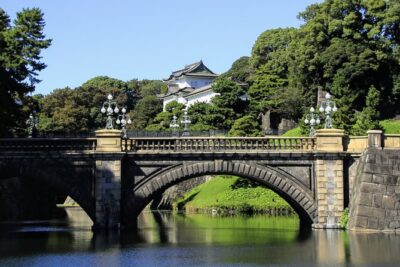

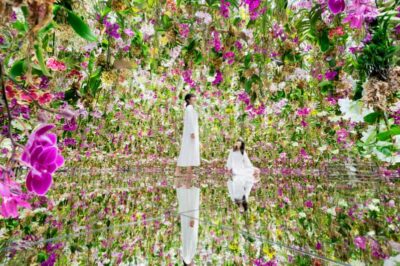
teamLab Planets TOKYO Digital Art Museum Entry Ticket
Read our review →
Mt Fuji & Hakone Cruise, Drum Show Bullet Train 1 Day from Tokyo
Read our review →
Sumo Show Experience with Chicken Hot Pot and a Photo
Read our review →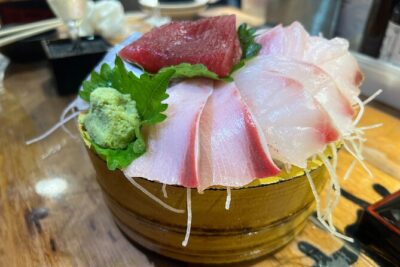
Shinjuku Food Tour (13 Dishes at 4 Local Eateries)
Read our review →