
Reviewed · SUMO EXPERIENCES
Ultimate Sumo Tournament: Tokyo, Osaka, Nagoya, Fukuoka
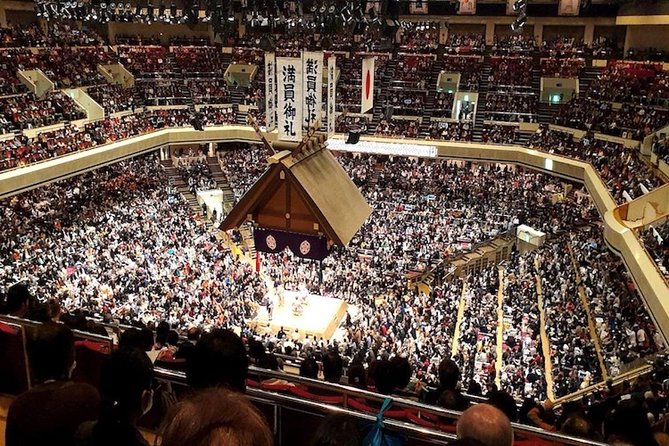
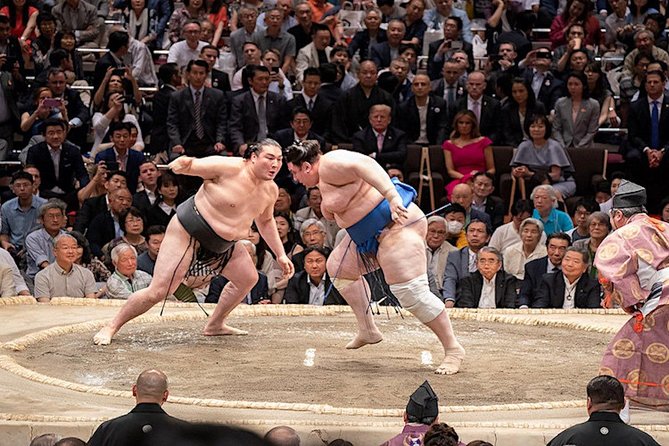
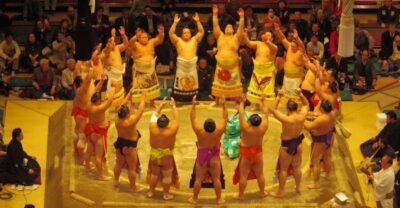
Sumo is one of Japan’s few sports that feels like theatre, religion, and competition all at once. You’re watching ritual in motion, where every gesture has meaning and the outcome can change in a breath. This tour is interesting because it puts you in the right place at the right time, with an expert explaining what you are actually seeing.
I love the reserved seating piece, especially since tournament tickets can be hard to secure on your own, and the tour handles seating allocation. I also love the audio headset commentary, where guides like Seizo, Izumi, and Miyko focus on rules, rituals, and what each wrestler is doing between bouts so you are not lost in the noise.
The main drawback to consider is that seat location depends on your choice. Standard seats are B or C chairs on the second floor, while private options are closer, so your view and atmosphere will feel different.
Key things that make this tour click
- Reserved seats for the official tournament at the key arenas in each city
- English-speaking local sumo expert with a banzuke chart to make rankings make sense
- Audio headsets so you can follow explanations even during loud action
- Optional chanko nabe dinner with a vegetarian option if requested
- Small group setup for the standard tour area (up to 20 in the same seating area)
How this guided Sumo basho works (and why it feels easier than DIY)
Sumo tournaments, called basho, run for 15 days, then the next one starts somewhere else. In Japan, the official tournaments land predictably by month: January (Tokyo), March (Osaka), May (Tokyo), July (Nagoya), September (Tokyo), and November (Fukuoka). This tour gives you a simple way to match your travel dates to the right city.
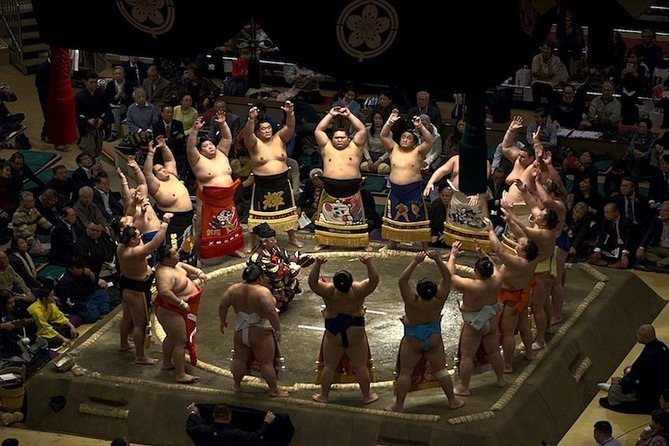
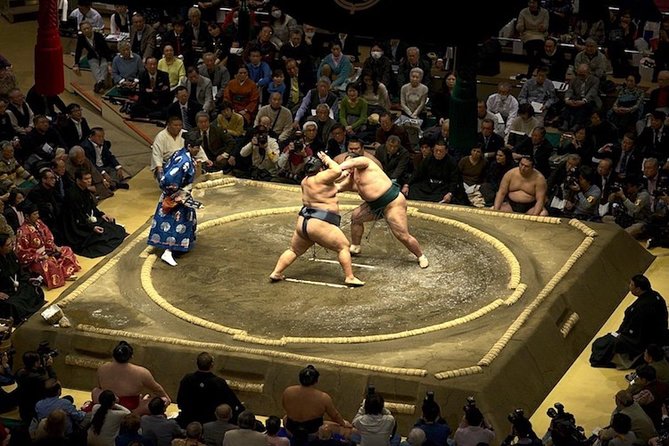
The biggest value is not just entry. It is the interpretation. Sumo rules are strict, and the rituals before a bout are not random. A good guide helps you notice things you would otherwise miss, like how ring-entering behavior, belt setup, and stance choices connect to style.
Logistically, the tour is built around one core window: you meet at 2:00 pm, then spend about 4 hours at the tournament with a guide and headset. You should expect some waiting before you get seated, since the arena staff has to finish letting the previous section batches out and in, and your group may also pause near the Sumo Museum area depending on crowds.
More Sumo Experiences in Tokyo:
- Tokyo: Sumo Show Experience with Chicken Hot Pot and a Photo
★ 4.8 · 6,678 reviews - Tokyo: Sumo Show and Dining Experience
★ 4.8 · 2,742 reviews - the SUMO show
★ 5.0 · 1,960 reviews
Tokyo at Ryogoku Kokugikan: the classic sumo arena experience
Tokyo’s stop is at Ryogoku Kokugikan, often treated as the spiritual home of sumo. When you walk into the venue, the vibe hits fast: lots of dedicated fans, a buzz that is part sport and part ceremony, and a floor plan that rewards knowing where to look.
Plan for a very practical flow. You will start with a short orientation from your guide, then move to your seating. After that, you settle in and get your match-by-match context while the bouts run. This is where the audio headsets matter. Sumo is quick, and without guidance, it is easy to miss why a wrestler’s movement matters, even if you see the result.
Seat class changes the feel. For the standard tour, you are typically in B or C chair seats on the second floor (rows 7 to 11 for the B chair range). If you book private, you are in S or A seats closer to the ring, which can make footwork and belt tension feel more direct. If you are paying for one “big” sports moment in Japan, I would lean private if budget allows, just to cut the distance.
A small heads-up for Tokyo specifically: the arena tends to run warm. One traveler noted they dressed lightly and that worked well. Also, the headset volume can be loud, even on the lowest setting, so if you are sensitive to audio, bring an earplug or a small ear loop to soften things.
Osaka at Edion Arena: same sport, different tournament energy
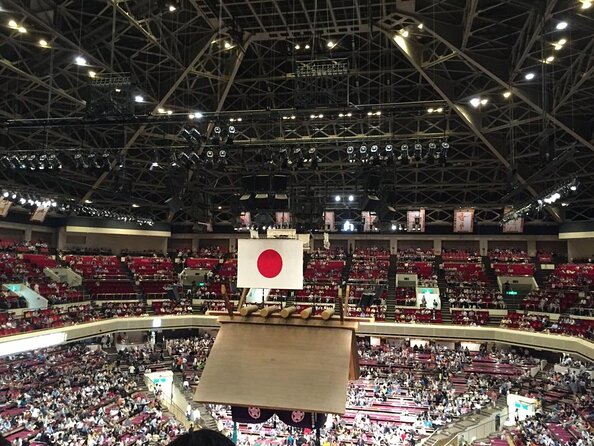
Osaka’s tournament stop runs at EDION Arena Osaka. The format stays similar, because it is still the official basho with the same basic rhythm: orientation, seating, then a guided plan for what to watch as the bouts come fast.
What changes is the atmosphere. Osaka fans often bring a slightly different kind of energy, and you may feel it in how the stands respond when a wrestler’s style clicks. Even if you are not a long-time sumo follower, a guide helps you anchor your attention by translating the “language” of the bout.
From a practical viewpoint, Osaka is a good choice if your schedule lines up with the March tournament. The same helpful guide tools apply: a banzuke ranking chart, a short cultural briefing, and the headset so you can hear explanations clearly over the arena noise.
If you are choosing between Tokyo and Osaka for the same trip length, I think your decision should be driven by season and your curiosity level. Tokyo often feels like the default because there are more tournament dates, but Osaka gives you a slightly different way to experience the sport without changing the core guided setup.
Nagoya at IG Arena and Fukuoka at Fukuoka Kokusai Center: catch sumo in your month
Nagoya’s stop is at IG Arena, and the tour timing is linked to the July tournament. Fukuoka’s stop is at Fukuoka Kokusai Center, tied to the November tournament. You are still getting the same structure: a guided tournament visit with reserved seating, a local sumo expert, and headset support.
Why does this matter? Because planning sumo is mostly about timing. Once you know which city hosts the basho during your travel window, the tour becomes a clean solution. Rather than trying to hunt down last-minute tickets, you pick the date, show up at the meeting point, and let the operator handle the seating allocation and the explanations.
The tour notes that for some days and cities, seating requires waiting for all matches to end before your group enters. That means you should build a little buffer in your mental schedule. Even if you love the idea of seeing as much as possible, the tournament itself sets the pace.
A change of pace from Tokyo:
- Mt Fuji and Hakone 1-Day Bus Tour Return by Bullet Train
★ 5.0 · 26,383 reviews - 1-Day Tokyo Bus Tour
★ 5.0 · 14,250 reviews - Tokyo: TOKYO SKYTREE® Admission ticket
★ 4.5 · 11,192 reviews - Tokyo: teamLab Planets TOKYO Digital Art Museum Entry Ticket
★ 4.6 · 9,779 reviews
The best part is the guide and the banzuke chart (not just the seats)
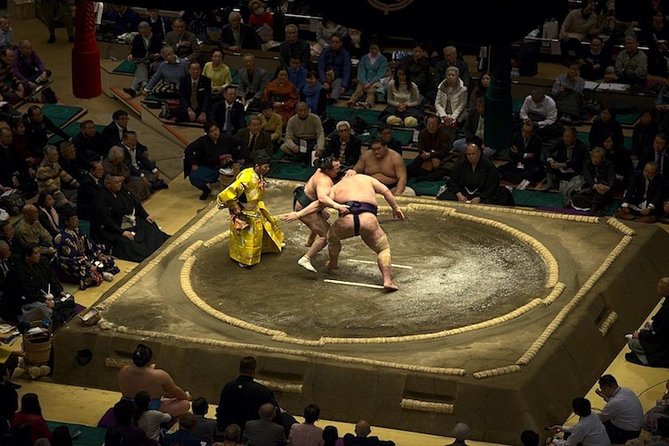
This tour is built on a simple idea: if you can follow the structure, you enjoy the action more. That is why you get a sumo info pamphlet and a ranking table (banzuke-hyo), plus a local expert who explains what you are about to see.
Guides in past groups have been especially strong at this match-reading skill. Names that came up include Miyko, Hiro, Junka, Duke, Yumi, Izumi, and Taku. The common thread is that they do more than give background. They describe what each wrestler is likely aiming for and point out the signals that show momentum before the final push.
A practical tip: wear the headset correctly and do not be shy about adjusting it. The point is for you to hear clear commentary while the arena noise rises and falls. One traveler even suggested using an earplug or loop because the volume can feel very loud.
You also get a guide-managed balance between guided time and freedom. The tour experience often includes time to look around and buy food and drinks from vendors inside the arena. That matters because outside food and drinks are not allowed in the arena, so planning for snacks becomes your job only after the official entry and orientation.
Your tour timeline: what a 2:00 pm start looks like in real life
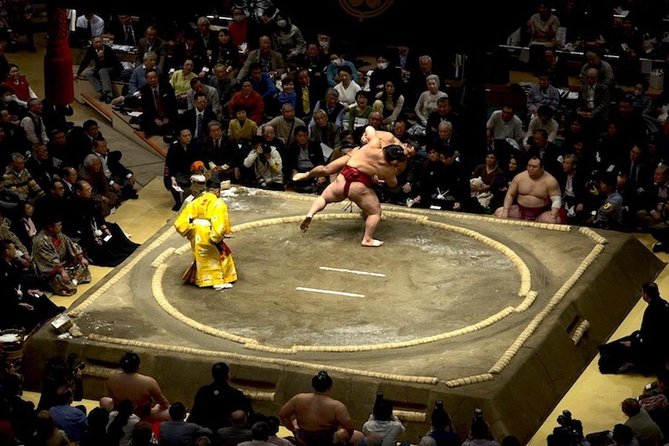
The tour start time is 2:00 pm. From there, think of it as a four-step arc rather than a strict classroom session.
First, you meet and get clear instructions for how the day will flow. Then you have a short orientation, including key background so the rules do not feel like a wall of jargon. Next comes the move to your reserved seats and the waiting period that can happen before your section is allowed in. Finally, you settle into your viewing and use the headset for play-by-play context.
Because seating is controlled, you may not have a perfectly smooth transition from meeting point to seat. The tour guidance also mentions that the Sumo Museum area can get congested, and the guide may ask your group to visit on your own rather than trying to walk through with everyone.
That is not a problem if you go with the right expectations. You will still get the real goal, watching bouts and understanding what is going on, with clear explanations timed to the action.
Optional chanko nabe dinner: when sumo extends beyond the ring
Some dates include an optional dinner at a chanko hot pot restaurant. Chanko nabe, often described as sumo stew, is traditionally associated with the Ryogoku area and with wrestlers eating large amounts of it during training cycles. It is a warm, filling way to connect the sport to daily life and food culture.
If you select dinner, the default meal is typically chanko hot pot without drinks. The tour notes that you can request a vegetarian option, and restaurants may substitute the broth base if needed. One important constraint: once the dinner request is accepted, changes cannot be made one week before the tour date.
How I would use this in your decision. If you want a full “Japan culture evening,” dinner can make the tournament feel like one continuous experience rather than a standalone event. If you have dietary restrictions, confirm your needs as early as possible at checkout so the request can be handled.
Sumo stable morning practice in the off-season: what you get instead of tournament tickets
This experience also includes an off-season option: a sumo stable morning practice visit near Warabi Station, about 30 minutes from Tokyo Station. This is only offered in off-season, meaning no tournament seat ticket for that date because matches are not happening.
The stable option is more intimate and different in feel. You join a small group (8 to 16 people), watch training at an authentic stable, and your guide shares insights via audio headset. After the practice, you also enjoy chanko lunch.
If your travel dates do not line up with a tournament, this is still a strong cultural trade. You lose the reserved stadium experience, but you gain something more “behind the scenes,” watching discipline and training routines up close.
What to pack, what to watch for, and how to make it comfortable
This is Japan, and you will do fine with a simple plan, but a few details help.
- Bring a light layer or breathable clothing, since the arena runs warm.
- Use the headset and adjust it early. If you are noise sensitive, bring an earplug.
- Plan to buy snacks and drinks inside the arena since outside food and drinks are not allowed.
- Wear footwear you can stand in for a while, because you may wait prior to seating.
If you are the kind of person who likes to understand what is happening before it happens, the tour’s materials and the guide’s pacing will feel like money well spent.
Value for your money: why $184.38 can be a good deal for a hard-to-get ticket
At $184.38 per person, you are paying for more than entry. You are paying for a reserved seat allocation, an English-speaking sumo expert, an audio headset system, and on-site coordination so you do not wrestle with ticket scarcity mid-trip.
Ticket scarcity is the real story here. One guide-led experience highlights how quickly official tickets can sell out, making it hard for foreigners to secure good options alone. When you add the cost of time, stress, and the risk of ending up with poor seats, the value picture gets clearer.
Now the important balance. If you already have your own perfect seats in hand and you do not care about explanations, the guide may not feel essential. But most people do care once they realize how much the rituals and rankings shape the sport. This tour is designed for that moment when the confusion turns into curiosity.
Who should book this Ultimate Sumo Tournament experience
I would point this tour toward you if you want:
- A guided way to understand strict rules and rituals so the matches make sense
- Reserved seating at major arenas in Tokyo, Osaka, Nagoya, or Fukuoka
- Strong explanation from guides who have a track record for clear commentary, like Miyko, Hiro, Seizo, Duke, and Izumi
It also suits you if you are traveling in a group and want everyone to hear the same expert story, without splitting up for DIY ticket hunting.
If you hate guided commentary and prefer total independence, you may feel this is a bit structured. Still, the headset system lets you tune out if needed, and you keep time to look around and buy arena food.
Should you book it
Yes, if you want the easiest path to reserved seats and you like understanding what you are watching. The mix of official arena access, headset guidance, and banzuke-based context turns sumo from confusing to addictive fast.
I would lean especially hard toward booking if you are on a short trip and do not want to gamble on ticket availability. Pick your seat level thoughtfully, private for closeness, standard for solid value with second-floor B or C chairs. And if dinner matters to you, request dietary needs early so you are not stuck with last-minute changes.
If your dates land in the off-season instead, consider the stable practice option. You trade stadium seats for a chance to see how wrestlers train at an authentic stable, with chanko lunch to close out the morning.
Latest write-ups near Tokyo
- Tokyo Customized Private Tour: See Top Attractions in 1 Day★ 4.8 · 67 reviews
- From Tokyo: Top 5 Scenic Spots of Mount Fuji Full-Day Tour★ 4.5 · 67 reviews
- Traditional Japanese Music ZAKURO SHOW in Tokyo★ 5.0 · 67 reviews
- Tokyo: Shinjuku Izakaya and Golden Gai Bar Hopping Tour (2h)★ 4.9 · 67 reviews
- Tsukiji: Unlimited Sake Tasting Experience★ 4.9 · 67 reviews
- Tokyo: Not a show- a professional sumo practice with experts★ 4.9 · 67 reviews
- Samurai Ninja Museum Asakusa: Kid-Friendly Ninja Training★ 4.7 · 67 reviews
- Private Harajuku Omotesando Architecture Walking Tour★ 5.0 · 67 reviews
Sumo Experiences, compared.
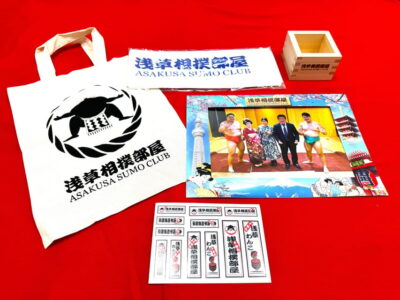
Sumo Show Experience with Chicken Hot Pot and a Photo
Read our review →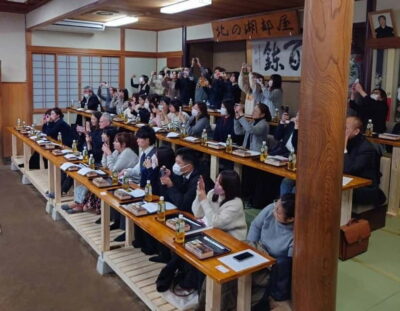
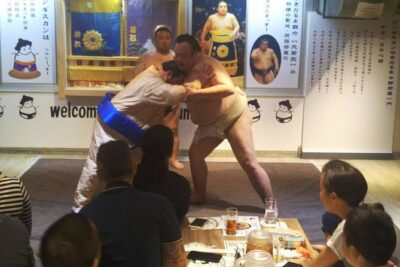
Tokyo Shinjuku Sumo Show & Experience with Photo
Read our review →
Sumo Show & Experience w/ Optional Kimono & Hot Pot
Read our review →
Authentic Sumo Experience in Tokyo: Enter the Sanctuary
Read our review →Browse the lists this tour appears in