
Reviewed · GEISHA & GION TOURS
2 Hour Night Walking Tour Throughout Gion with snack
Gion at night is one of those Kyoto experiences that feels different from daytime. You get the low light, the quiet side streets, and the layered mix of old customs and modern entertainment, all in a compact 2-hour walk.
I like two things a lot. First, the guide (Simon) brings the stories with humor and real context so history doesn’t turn into a lecture. Second, you get a real tasting moment with a traditional Japanese snack plus a geisha chocolate, which makes the evening feel like more than just photos.
One thing to consider: Gion can get crowded fast at night, and a walking tour can feel a little rushed if you pause often or have trouble keeping pace through narrow lanes. This is also a small group, but small does not mean empty.
Key highlights to know before you go
- A tight 2-hour loop through the core Gion sights, designed to help you orient fast in Kyoto
- Yasaka Shrine at a comfortable stop length (about 30 minutes) for photos and guide storytelling
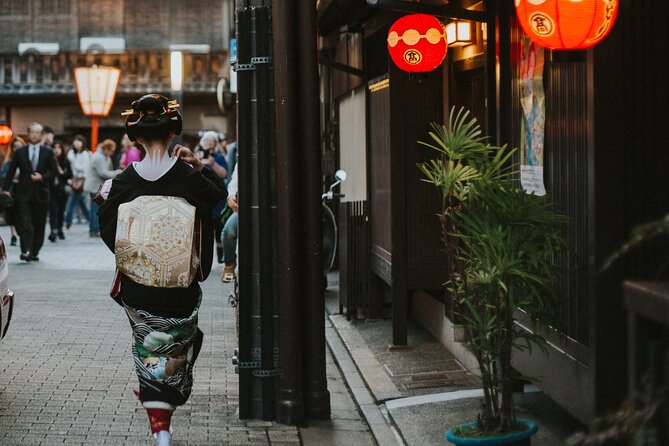
- Hanamikoji Street and Hanamachi basics, including how Geiko and Maiko differ
- Kiyamachi Street recommendations for places to eat off the beaten path, with practical guidance
- Kamogawa River soundscape so you notice why this area draws people back again and again
- Snack plus geisha chocolate to make the walk feel special without adding cost or extra time
Gion after dark: why this 2-hour walk feels worth it
This is the kind of Kyoto evening plan that works even if you’re jet-lagged or tired from temple days. You’re not trying to cover half the city. Instead, you’re focusing on Gion’s main threads, walking from shrine grounds to geisha district streets, then ending by the Kamogawa River where the vibe shifts.
What I like about the structure is how it matches what you’re seeing. You start with a landmark that anchors the area (Yasaka Shrine), then you move into the streets that visitors associate with Gion (Hanamikoji), and you finish where people linger and socialize (Kamo River). It gives you a mental map, not just random stops.
And the “night walking” part matters. At night, you can actually hear the area more than you can read it. You pick up on the rhythm of conversation, footsteps, and the little pauses people take when they’re waiting for someone or checking their directions. That’s when the guide’s explanations click, because you’re standing inside the setting.
More Evening Experiences in Kyoto
- Kyoto: Gion Magical Night Walking Tour with Geisha Trivia
★ 4.9 · 2,393 reviews - Night Walk in Gion: Kyoto’s Geisha District
★ 4.5 · 2,003 reviews - Kyoto Night Foodie Tour in Gion (9+ dishes + 6 Sake tastings)
★ 5.0 · 1,762 reviews
Price and value: what $32.58 buys in real time
At $32.58 per person for about 2 hours, you’re paying for three things: local guidance, a curated route, and included snacks. The admission at each stop on the route is listed as free, so your money goes toward time, interpretation, and food rather than ticket fees.
Here’s how that value typically shows up in your experience:
- You get someone to translate what you’re seeing, especially the difference between Geiko and Maiko, which most first-timers only partially understand.
- You get restaurant guidance, meaning you can plan your next meal without guessing or walking in circles.
- You get a traditional snack and geisha chocolate. It’s not a full dinner, but it helps you keep your energy up while you stay out in the evening.
If you already know a ton about Gion and you prefer self-guided wandering with no structure, you might feel the tour is more “orientation and storytelling” than “deep academic breakdown.” For most people, though, that mix is exactly what you want on a first trip.
Meeting point near Shijo-Kawaramachi: start easy, stay together
You meet at the Disney Store – Kyoto Shijo-Kawaramachi. The exact location is listed as the north-east corner on 四条通河原町, at コトクロス阪急河原町 1&2F.
This matters because it’s not tucked inside an obscure side street. It’s a major landmark area, so you can orient quickly. If you’re using transit, give yourself a buffer to reach the meeting spot and use the last moments to confirm where you are standing before the start time.
Also, keep a simple mindset: this is a walk through narrow, busy streets. Your best “strategy” is to stay close to the group and let the guide set the pace. If you tend to stop for every photo, plan to do it at the planned breaks rather than mid-flow.
Stop 1: Yasaka Shrine at night, plus photo breaks that make sense
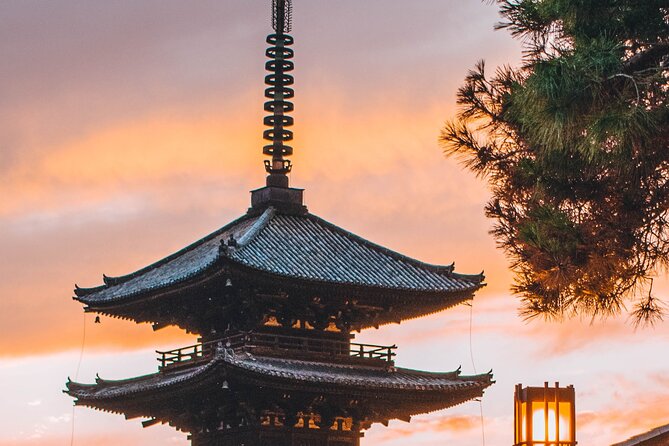
The tour begins with Yasaka Shrine, one of Kyoto’s most important shrines. You’ll spend about 30 minutes here.
What makes this stop practical is that it gives you a calm entry point. You can step into the shrine area, take photos, and then switch into “story mode” as the guide explains the history behind the site. Even if you’ve seen photos online, being there at night helps you notice details you’d otherwise miss in daylight.
Keep expectations realistic: this is still a popular shrine, so it won’t feel quiet. But the stop length is balanced. Long enough to settle in and get good shots, short enough to keep the rest of the evening moving.
More Walking Tours in Kyoto
- Kyoto Geisha Walking Tour: Gion District & Hidden Gems
★ 4.7 · 3,273 reviews - Kyoto: Gion Geisha District Walking Tour – Stories of Geisha
★ 4.7 · 2,187 reviews - Kyoto Gion Geisha District Walking Tour – The Stories of Geisha
★ 5.0 · 1,441 reviews - Nishiki Market Brunch Walking Tour (7 Tastings + Brunch)
★ 5.0 · 1,355 reviews
Stop 2: Hanamikoji Street, where Geiko and Maiko talk becomes real
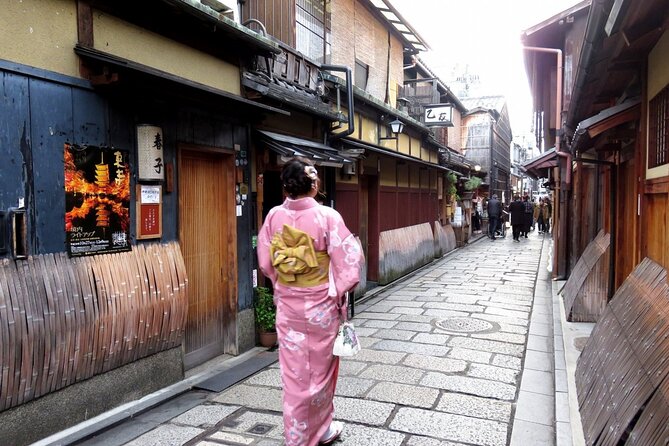
Next is Hanamikoji Street, with about 40 minutes. This is where Gion’s identity becomes obvious. The street is tied to Hanamachi, the traditional entertainment districts where geisha-related culture has a long presence.
The guide will focus on the difference between Geiko and Maiko. That topic is worth tackling early, because it changes how you look at what you see on the street. Even if you do not spot any performers, you’ll still understand why certain visual cues matter, how roles are described, and what the area represents.
This is also the stop where the pace and crowding can matter most. Hanamikoji is a main corridor, and night foot traffic can stack up. If you want photos, think “quick and clean.” Get your shot when you have a gap, then move on with the group so you do not lose time.
Stop 3: Kiyamachi Street, mixing modern Kyoto with practical food advice
Then it’s on to Kiyamachi Street, again about 40 minutes. This area is described as a modern entertainment district.
What I find useful here is the guide’s “what to eat and where to go” angle. You’ll get recommendations for restaurants off the beaten track, with the useful detail that you may not need reservations. That kind of guidance can save you both time and decision fatigue, especially on the first night when Kyoto still feels confusing.
Even if you don’t eat during the tour, these suggestions help you plan the next 24 to 48 hours. You can treat the walk like a scouting trip. You learn what streets feel lively, which ones feel more local, and where you can realistically find dinner without overthinking it.
A small caution: entertainment districts are rarely quiet. If you’re sensitive to noise, keep that in mind. It’s part of the point, but it can affect your comfort level as you listen and walk.
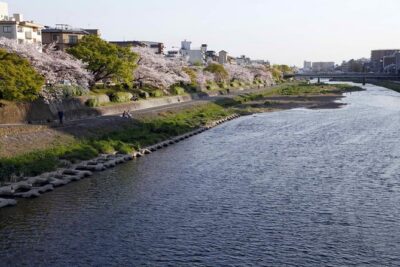
Stop 4: Kamogawa River, the sound of the heart of the district
The final stop is Kamogawa River, with about 10 minutes.
That short amount of time can actually be perfect. The river area is where you feel the “Kyoto at night” energy without needing to compete with long lines or a formal schedule. The guide points you toward the sounds and the way people gather, so you notice why this place is an anchor for the district.
For photos, 10 minutes can be just enough if you know what you’re aiming for. Focus on one or two shots: reflections, the walkway scene, and the mood of passersby. Then finish up and head back with the group.
The snack moment: traditional taste plus geisha chocolate
This tour includes a traditional Japanese snack and also a geisha chocolate.
It’s a nice detail because it turns a “culture walk” into a more human experience. You’re out at night, you’re walking, and you might not have time to snack before you meet. This helps you avoid the very common problem where you spend the whole walk hungry and cranky and miss the small explanations.
If you have dietary restrictions, the tour data does not list specifics about allergies or ingredients. So I’d treat this as a “check with the provider if you have strict needs” situation.
The guide matters: what Simon’s style adds to the tour
The guide, Simon, is repeatedly described as funny and quick with answers. That’s not just personality. It affects how much you get from the tour.
On walking tours, you’re constantly balancing two things: moving through crowds and processing information. A guide who can keep the energy up makes it easier to listen without getting stressed about the pace. And a guide who answers questions helps you fill gaps instantly, like when you’re staring at a building frontage and wondering what it is or why it looks the way it does.
There can be moments in Gion where the crowd thickens and it becomes hard to follow at every step. When that happens, the best move is to keep your attention on the guide and let the group lead. The payoff is that you’ll see more of the district’s “why” than just its “what.”
Group size, pace, and crowd reality
The tour caps at a maximum of 10 travelers. That’s comfortably small for a night walk because it can reduce the lag that happens in bigger groups.
But here’s the realistic part: Gion is busy. In high season, crowds can slow you down, and if you’re trying to stop for long photo sessions every few minutes, it can feel like the tour moves faster than you want. The best fit is someone who enjoys walking and can stay near the front portion of the group.
If you’re the type who needs constant space or you hate feeling rushed, consider doing a daytime version of Gion instead. For this tour, night works best when you’re willing to move with the flow.
Who should book this Gion night tour?
This is a great pick if you:
- Want a first-night orientation to Gion that helps you plan where to eat and what to do next
- Like explanations about cultural details, not just looking at streets
- Are comfortable with a moderate walking pace and a short time in each key area
- Appreciate small included extras like snack and geisha chocolate
It might be less ideal if you:
- Already know Geiko and Maiko distinctions well and you want more time in fewer spots
- Prefer slow, unstructured wandering without group pacing
- Get easily stressed by crowds or narrow lanes
In most cases, the tour hits a sweet spot: structured enough to be helpful, short enough to keep your night flexible.
Tips to get the most from a 2-hour evening walk
A few small choices make a noticeable difference:
- Wear comfortable walking shoes. Gion sidewalks and lane crossings are not made for stiff dress shoes.
- Have your camera ready, but don’t stop dead in the middle of crowds. Wait for a pocket of space.
- If you have questions, ask them early. It’s usually easier for the guide to answer when you’re not trying to catch up at the tail end of a group.
- Plan your dinner after the tour using the restaurant ideas you’re given, not before. It helps you adjust based on where the evening feels most comfortable.
Should you book this 2-hour Gion night walking tour?
I’d book it if you want a simple, cost-effective way to understand Gion at night, not just take pictures of it. The route is tight, the stops are well timed, and the included snack plus geisha chocolate makes it feel like an actual evening plan.
The decision comes down to your comfort with crowds and walking pace. If you’re okay moving steadily and staying close to the group, you’ll come away with a clearer sense of the district, better dinner options, and a few cultural explanations you’ll keep using the rest of your trip.
FAQ
What food is included on the tour?
The tour includes a traditional Japanese snack plus a geisha chocolate. It is not listed as dinner, so plan to eat separately after or before the walk.
How long is the night walking tour?
The duration is about 2 hours.
Where do I meet the guide?
You meet at the Disney Store – Kyoto Shijo-Kawaramachi, at the north-east corner on 四条通河原町 (コトクロス阪急河原町 1&2F). The tour ends back at the meeting point.
How big is the group?
This experience has a maximum of 10 travelers.
What happens if the weather is poor?
The tour requires good weather. If it’s canceled due to poor weather, you’ll be offered a different date or a full refund.
Are service animals allowed?
Yes, service animals are allowed.
More Geisha Experiences in Kyoto
- Best of Kyoto: Gion, Geisha, Pagodas & Cobblestones
★ 4.9 · 2,058 reviews - Kyoto Gion: 2-Hour Geisha Culture & History Walking Tour
★ 5.0 · 1,186 reviews - Kyoto : Chopsticks Making Workshop in Gion with Engraving Option
★ 5.0 · 958 reviews - Kyoto Gion Night Walk & Geisha District Guided Tour
★ 5.0 · 786 reviews
Latest write-ups near Kyoto
- Kyoto: Nishiki Market Tour with a Local Foodie & Tastings★ 4.5 · 67 reviews
- Kyoto Kimono Rental mimosa |Kimono/Yukata Rental Couple Plan★ 4.8 · 67 reviews
- Kyoto: Traditional Kimono Fabric Handicrafts Workshop★ 5.0 · 67 reviews
- Kyoto Tea Ceremony and Samurai Photo Session★ 5.0 · 70 reviews
- Kyoto: Replica food making experience★ 4.8 · 70 reviews
- Kyoto: Kinkakuji, Golden Pavilion Guided Tour★ 4.7 · 71 reviews
- Private departure transfer from Kyoto city to Kansai International airport★ 5.0 · 72 reviews
- Uji: Green Tea Tour with Byodoin and Koshoji Temple Visits★ 4.8 · 72 reviews
Geisha & Gion Tours, compared.
Kyoto Geisha Walking Tour: Gion District & Hidden Gems
Read our review →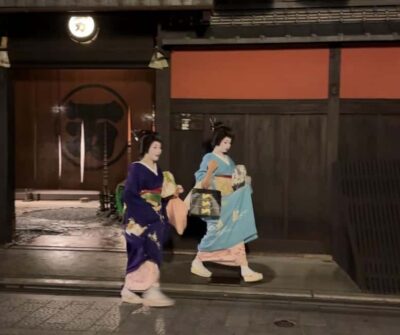
Gion Magical Night Walking Tour with Geisha Trivia
Read our review →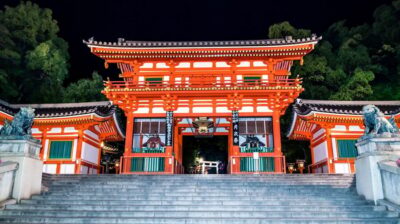
Gion Geisha District Walking Tour – Stories of Geisha
Read our review →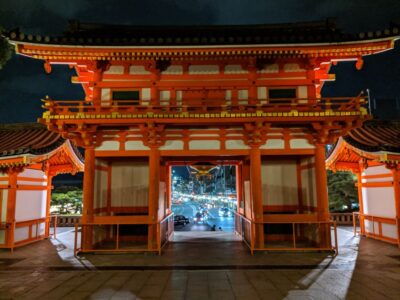
Best of Kyoto: Gion, Geisha, Pagodas & Cobblestones
Read our review →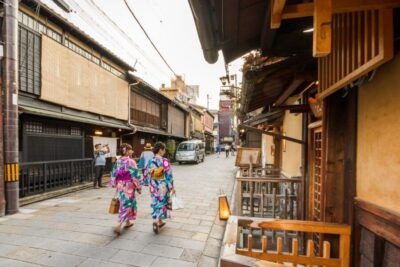
Kyoto Night Foodie Tour in Gion (9+ dishes + 6 Sake tastings)
Read our review →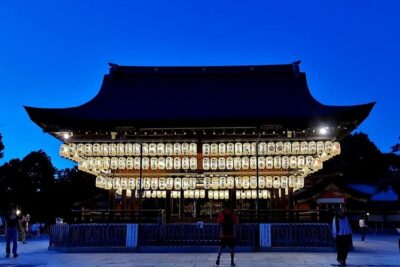
Kyoto Gion Geisha District Walking Tour – The Stories of Geisha
Read our review →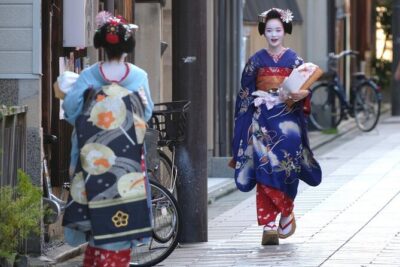
Kyoto Gion: 2-Hour Geisha Culture & History Walking Tour
Read our review →Browse the lists this tour appears in