
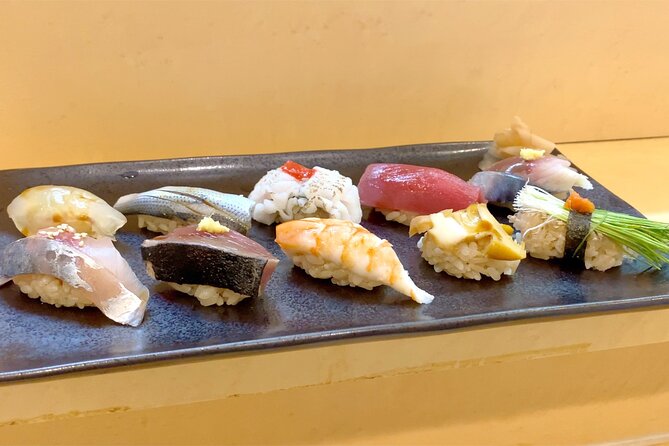
Reviewed · SUSHI MAKING CLASSES
Exclusive Sushi Making Experience with a Master Chef – Osaka Area
What makes this Osaka-area experience special is the fact it is private, one-group-per-day, taught in a real home setting with a master chef guiding every step. It is not a factory-style class where you wait for everyone else. You get hands-on instruction, then you eat the results you shaped yourself.
I love the focus on nigiri fundamentals. You practice shaping sushi rice with several classic methods, then build your own nigiri step by step. Second, I like the way the lesson includes both craft and context, so you learn the history and traditions as you work.
One thing to consider: it is an intimate experience, so if you prefer lots of roaming or big sightseeing, this is more about making sushi than touring around.
Key things to know before you go
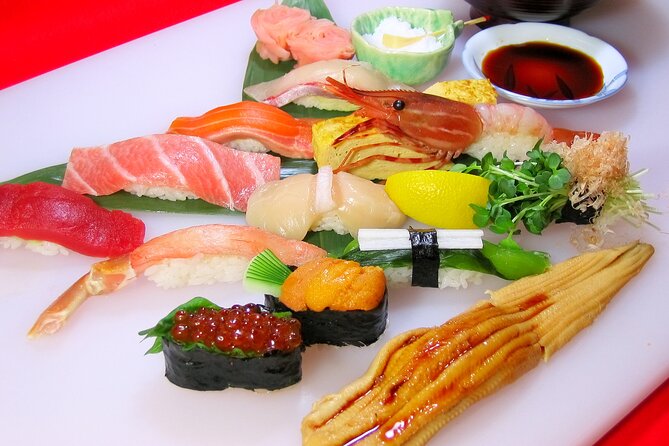
- One group per day means personal attention and a slower pace than most classes
- 4 nigiri techniques are taught by a chef with 40+ years of experience
- Rice shaping first helps you get comfortable before touching the fish
- You eat what you make, with plenty of food and very fresh fish
- Bring your smartphone because you can capture your creations during the session
A One-Group-Per-Day Class in Ashiya, Hyogo (Near Osaka, Kobe, and Kyoto)
This experience is set in Hyogo Prefecture, in Ashiya, which is an easy base if you are already planning time around Osaka, Kobe, or Kyoto. The class is designed to feel local, not staged for tourists. You come to the meeting point, then you shift into chef mode with everything set up for you.
The big advantage of “one group per day” is attention. In many sushi classes, you get a demo, a quick turn with a tool, and then you wait while others catch up. Here, you are the only group, so you can ask questions without feeling rushed.
You also get a clear time window to choose from, since start times run 10:00 AM to 6:00 PM. Lunch-style timing is often easiest for the relaxed “learn and then eat” flow, while the later timing can feel more like dinner.
More Sushi Making Classes in Kobe:
- Sushi Making Tokyo Roll and Authentic Japanese Sushi Class
★ 5.0 · 3,971 reviews - Tokyo: Roll and Authentic Sushi Making Class in Asakusa
★ 4.9 · 1,957 reviews - Make Sushi and Create Unforgettable Memories in Tokyo
★ 5.0 · 1,413 reviews
Meeting Your Hosts in a Home Setting (and Why That Matters)
The experience is run by A DAY of EXPERIENCE of SUSHI 一日にぎり寿司体験, with chef-hosts guiding you through the session. In practice, you are treated as a small group coming into a real home kitchen, not just a classroom. In my view, this is one of the reasons the experience feels memorable: you get the sense that the skills are meant to be used at a table, not performed for a screen.
When I think about a cooking class, I look for two things: (1) a calm environment where you can focus and (2) enough structure that you do not feel lost. This setup has both. There is a comfy couch or something cozy for you to settle in, and the team is prepared with tools and gear already ready.
If you are traveling with a stroller, you will want to know that they can help carry it upstairs. And yes, kids aged 0 to 9 can join for free, so this can work well for families who want a hands-on activity without a big age limit.
The Real Teaching: Four Nigiri Techniques That Build Skill Fast
The heart of the class is learning nigiri making with a chef who has over 40 years of experience. You do not just learn one “best way.” You learn four key rice and shaping techniques:
- Tate-Gaeshi
- Kote-Gaeshi
- Honte-Gaeshi
- Itte-Nigiri
Why this matters: nigiri is not only about fish. The rice shape, pressure, and finish determine how the sushi holds together and how it feels to eat. If you skip technique and only copy a look, you end up with rice that crumbles or falls apart.
You start with shaping practice. You learn to shape the sushi rice to find your ideal form, then you move into making your own nigiri step by step. This order is smart. It means you are not doing the hardest part first, and you are building muscle memory while the chef can correct you in real time.
You will also learn how to recreate sushi at home using simple, easy-to-find ingredients. That is the part that makes the class worth more than a one-time meal.
What Happens During Your 3 Hours (and Where You Can Expect Food)
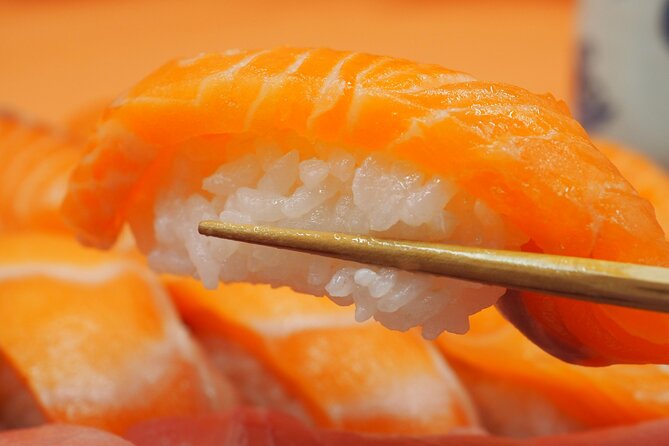
The session is about 3 hours. You will use that time for a full cycle: instruction, practice, then the chance to eat what you made, plus time for photos.
Here is the flow in plain terms:
First, you meet and get oriented. You will be using tools and gear that are already prepared, and the class is designed so you can jump in without bringing anything special. Gloves are part of the process, which helps keep things clean and makes the hands-on part less intimidating. If you are new to sushi, that matters more than you think.
Next comes technique. The chef shows you the shaping approaches, then you practice. This is the stage where you learn how the rice should look and feel, and you get feedback on your pressure and form.
Then you make your nigiri. You work through it with expert guidance, so you are not guessing. The focus is on fresh, high-quality ingredients. You will be able to capture the results with your smartphone or camera, and you will eat your own creations at the table.
A practical note: the experience includes coffee and/or tea (Japanese tea, or water). That is a nice touch because it keeps the meal feeling complete, not like you are just finishing cooking and then running off.
A change of pace from Kobe:
- KOBE Sake Tasting Tour at Breweries (tasting fee included)
★ 5.0 · 154 reviews - Kobe Highlights & Hidden Gems: Private & Custom Tour with a Guide
★ 4.5 · 70 reviews - Nijigen No Mori:Naruto & Boruto Theme Park Entry Ticket
★ 4.5 · 53 reviews - Kobe: Port Tower Admission Ticket
★ 4.4 · 52 reviews
The Fish and the Bite: Fresh Ingredients, Big Satisfaction
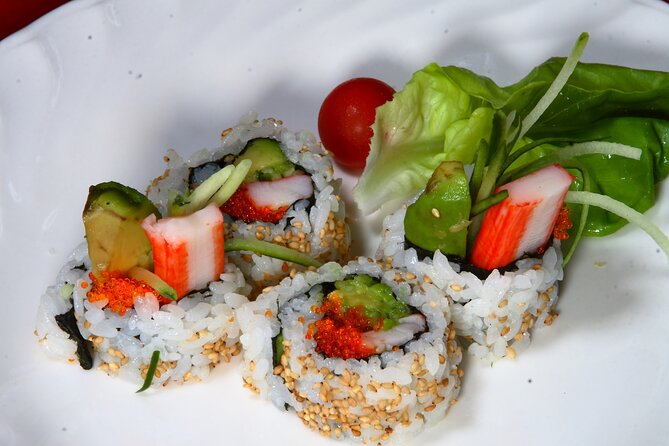
This is not a class where you make one tiny piece and call it done. You make enough sushi that you get real satisfaction from the process, and the fish quality is a core part of the experience.
In a good nigiri lesson, the fish should taste clean and fresh, and the flavors should not fight the rice. The class is designed around that idea: use fresh fish and build nigiri in a way that respects texture. You end up with sushi that feels balanced because you are shaping the rice with intention instead of just assembling.
Also, because the class is private for one group, you can slow down if you need extra time on shaping. That tends to improve the final outcome. When you rush, nigiri often looks right but eats wrong.
Taking the Skills Home: How to Keep Nigiri From Becoming a One-Day Hobby
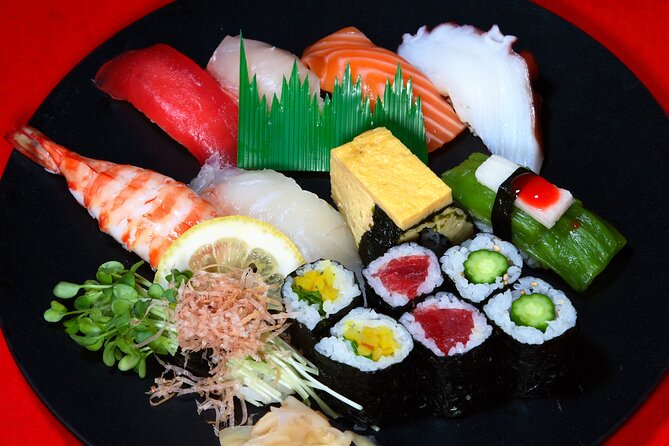
A common problem with cooking classes is the “I can cook this once” effect. You enjoy it during the lesson, then you forget the details at home.
This experience tries to prevent that by including home recreation guidance with simple ingredients. You learn how to remake the shapes and how to think about the rice work, not just the final look.
My best advice for keeping what you learn:
- Take a few photos during the session, including the rice shape stages.
- Watch how the chef corrects pressure and timing, not just the end result.
- Write down the sequence while it is fresh, because muscle memory takes practice.
If you do that, you will be able to recreate the experience in your own kitchen, even if you are not buying the exact same fish every time.
Price and Value: Is $115 Worth a Private Sushi Class?
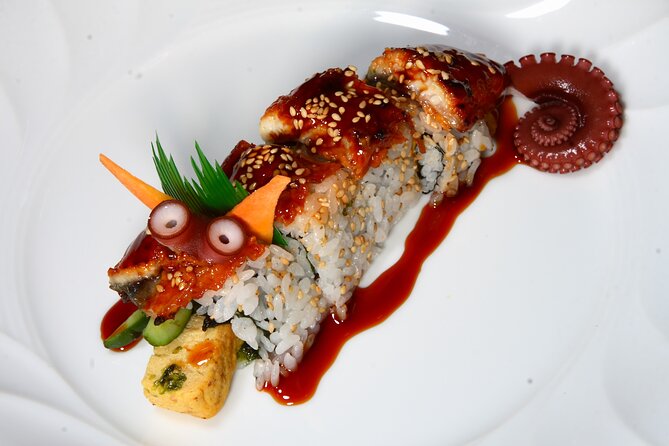
At $115 per person for roughly 3 hours, the value comes from the combination of private time, an experienced chef, and the fact you get a full meal as part of the session.
Let’s break it down in real terms:
- Private instruction: One group per day means you are paying for time and attention, not just ingredients.
- Chef depth: A chef with 40+ years of experience is teaching multiple shaping techniques, which is more skill than most short classes provide.
- You eat what you make: You are not paying for a demo, you are paying for a guided practice session that ends in a meal.
You should also consider what you are likely to spend on similar “activity plus meal” experiences in the Osaka area. If you would otherwise do a regular sushi meal and a generic class, this often works out well because you get both training and dining in one block.
Two small practical points: private transportation is not included, and insurance is not included, so you should arrange your own before joining. The upside is that the tour is near public transportation.
Timing Tips: Lunch vs Dinner Starts (and What You Should Pick)
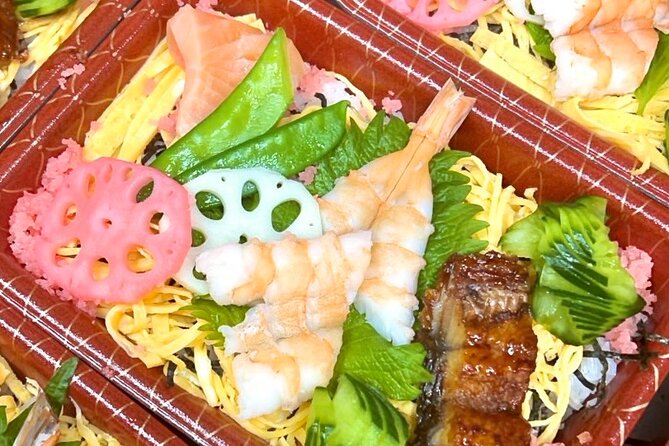
The experience can be scheduled between 10:00 AM and 6:00 PM, with 11:00 AM ideal for lunch and 5:00 PM working well for dinner.
Here is how I would choose:
- Pick late morning if you want a calmer start, easier timing for the rest of your day, and a “learn first, then eat” feeling.
- Pick early evening if you want it to function like dinner, and you like starting your trip with a hands-on activity instead of a long sightseeing block.
Because the class is only 3 hours, your timing choice will mainly affect your energy level and what you do afterward, not the core teaching.
Practical Tips for Cleaner Hands, Better Nigiri, and Great Photos
This class is hands-on and that is the point. Still, a few prep ideas will help you enjoy it more.
- Wear comfortable clothes. You will be shaping rice, so think “kitchen comfort,” not “pretty outfit only.”
- Expect gloves as part of the process. The gloves help keep things sanitary and make it easier to focus.
- Bring your camera habit. Take photos of the rice shaping stages, not only the final plates.
- Come hungry. The experience includes food (lunch and dinner are listed as included), and you will eat the sushi you craft.
- Ask questions as you go. With one group per day, your questions actually matter, and the chef can correct you immediately.
If you are worried about being new, do not. The teaching includes practice shaping sushi rice first, and the class is designed for both first-timers and sushi fans.
Should You Book This Osaka Area Sushi-Making Experience?
Book it if you want a private nigiri class that teaches real technique, not just a fun souvenir meal. This is especially worth it when you care about learning how sushi is constructed, and when you like the idea of being in a home-style setting with hosts like Mika and Keitaro guiding you through the process.
Skip it if you mainly want sightseeing or if you prefer very structured, large-group classroom cooking where you can watch and learn without hands-on shaping. This experience is hands-on by design.
If you are on the Osaka, Kobe, Kyoto circuit and you want one activity that feels both practical and memorable, this is a strong choice.
FAQ
Where is the sushi making experience located?
It’s in Ashiya, Hyogo Prefecture, Japan, with the meeting point at 17-18 Iwazonochō, Ashiya, Hyogo 659-0013. The activity ends back at the meeting point.
How long is the experience?
The experience lasts about 3 hours.
Is this a private tour or shared activity?
It is a private tour/activity, limited to one group per day, so only your group participates.
What time can I start?
You can start anytime between 10:00 AM and 6:00 PM. Opening hours listed are 11:00 AM to 2:00 PM and 5:00 PM to 8:00 PM.
What will I learn to make?
You will learn to make nigiri sushi with hands-on guidance, including four key techniques: Tate-Gaeshi, Kote-Gaeshi, Honte-Gaeshi, and Itte-Nigiri.
Is food included?
Yes. Lunch and dinner are listed as included, and coffee and/or tea are also complimentary (Japanese tea or water).
Do I need to bring any tools or gear?
No. All tools and gear are ready, so you just bring yourself and your appetite.
Are kids allowed?
Yes. Kids aged 0 to 9 join for free.
Do I need my own travel insurance?
Insurance isn’t included, so you should arrange your own before joining.
Is transportation included?
No. Private transportation is not included. The meeting point is near public transportation.
Latest write-ups near Kobe
- Kobe Highlights & Hidden Gems: Private & Custom Tour with a Guide★ 4.5 · 70 reviews
- KOBE Sake Tasting Tour at Breweries (tasting fee included)★ 5.0 · 154 reviews
- Kobe: Kobe City Highlights Guided Tour – Shrine, Port, Tower★ 5.0 · 28 reviews
- Sake Brewery and Japanese Life Experience Tour in Kobe★ 5.0 · 39 reviews
- Kobe: Private Walking Shore Excursion- Kyoto/Osaka/Nara/Kobe★ 4.8 · 23 reviews
- Cruise Stop-Over: Private Custom Day trip to Kyoto from Kobe Port★ 4.5 · 12 reviews
- Kobe: Port Tower Admission Ticket★ 4.4 · 52 reviews
- Nijigen No Mori:Naruto & Boruto Theme Park Entry Ticket★ 4.5 · 53 reviews
Sushi Making Classes, compared.
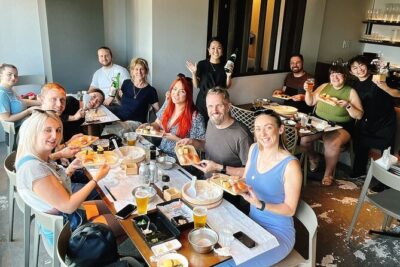
Sushi Making Tokyo Roll and Authentic Japanese Sushi Class
Read our review →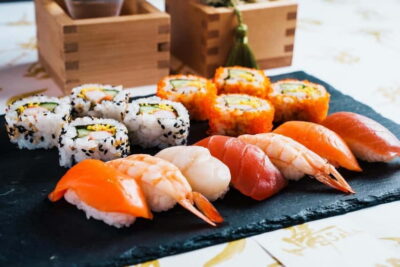
Roll and Authentic Sushi Making Class in Asakusa
Read our review →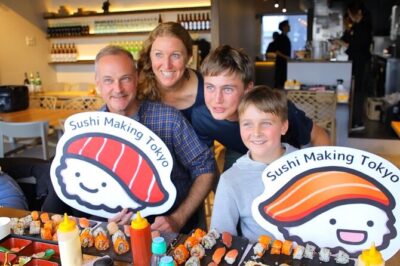
Make Sushi and Create Unforgettable Memories in Tokyo
Read our review →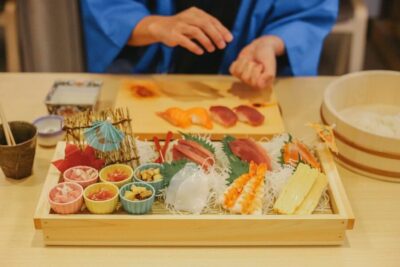
Sushi Making Class in a Happi Coat near a Famous Spot
Read our review →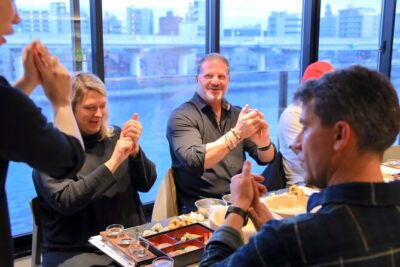
Sushi Making Osaka Roll and Authentic Japanese Sushi Class
Read our review →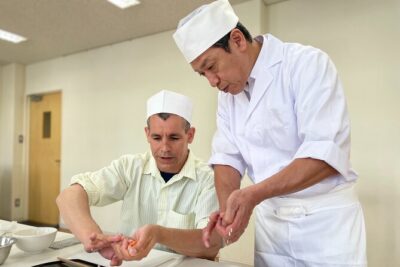
Tokyo Sushi Making Class in Tsukiji with Professional Chef
Read our review →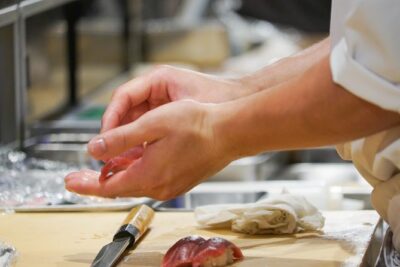
Tokyo Night Foodie Tour in Shinjuku – Seasonal Sushi, Wagyu Beef
Read our review →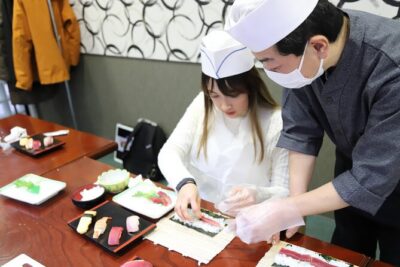
Tsukiji Fish Market Guided Tour and Sushi Making with Pro Chef
Read our review →Browse the lists this tour appears in