
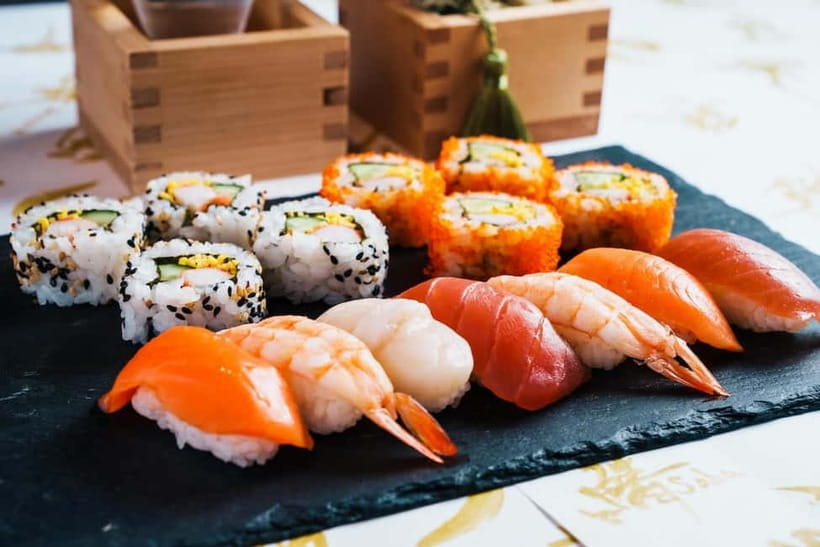
Reviewed · SUSHI MAKING CLASSES
Tokyo: Roll and Authentic Sushi Making Class in Asakusa
Sushi making in Asakusa is interesting because you learn technique in a real neighborhood setting, then you eat your own work. I love the English-speaking local instructors and the playful sushi history quiz, with helpers like Tomona and Hitomi making it easy to follow.
I also like that you get hands-on time with two styles of sushi, maki rolls and authentic Japanese nigiri, plus fresh ingredients that actually taste like something worth remembering. The end result feels like you earned it, not just assembled it.
The main drawback to consider is the 100-minute pace. Some people felt it ran a bit fast, and you cannot customize ingredient lists, so go into it ready to follow the class plan.
Key points at a glance
- English support from local staff, with patient guidance through each step
- Two sushi styles in one class, roll making plus nigiri
- A fun sushi history quiz, keeping the learning light and interactive
- Fresh, high-quality ingredients, with a meal you get to eat right away
- Dietary options offered, including vegan, vegetarian, gluten-free, and halal (with limits)
- Easy meeting point, about 3 minutes from Asakusa Station
Sushi Making in Asakusa: Fun Skill, Real Results
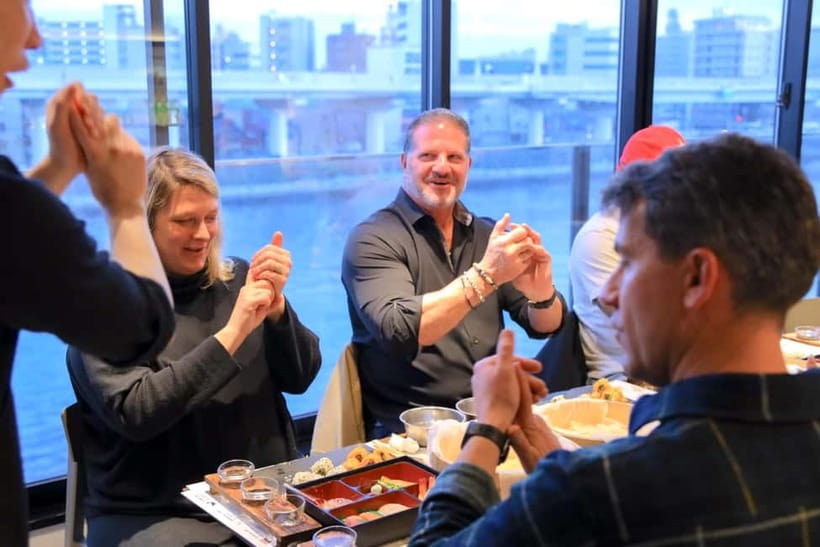
This is the kind of Tokyo activity that hits two goals at once. You learn how sushi is put together, and you end with food in front of you that you made with your own hands. That matters, because sushi is one of those cuisines where technique and timing are half the story.
What I like most is how the class treats beginners like they belong there. You get clear instruction, a lighthearted sushi history quiz, and staff who explain things in a way that keeps you moving forward. Names you might hear include Hitomi, Tomona, Moe, Hide, Ken, Kaori, and others, and the common theme is patient, encouraging coaching.
Asakusa also adds a nice atmosphere. You are in a classic Tokyo neighborhood area, and it is close to major sights like the Sensoji temple area and not far from Tokyo Skytree. So after class, you can keep the day going instead of feeling stuck in an isolated cooking studio.
More Sushi Making Classes in Tokyo
- Sushi Making Tokyo Roll and Authentic Japanese Sushi Class
★ 5.0 · 3,971 reviews - Make Sushi and Create Unforgettable Memories in Tokyo
★ 5.0 · 1,413 reviews - Tokyo: Sushi Making Class in a Happi Coat near a Famous Spot
★ 4.9 · 1,377 reviews
Finding the Class: 3 Minutes From Asakusa Station
Getting there is straightforward. The meeting point is around 3 minutes from Asakusa Station, which is a big deal in a city where station exits can be confusing.
If you are coming by subway, give yourself extra walking time anyway. Not because the class location is hard, but because Asakusa has a lot of little lanes and landmarks that are easy to get distracted by. I’d rather you arrive a few minutes early than stress out while your rice is sitting in the group prep stages.
Hotel pickup and drop-off are not included, so you should plan to arrive on your own. That keeps the schedule simple, but it also means you need a bit of confidence with Tokyo transit or a willingness to walk.
The 100-Minute Structure: What Happens From Start to Finish
This class runs 100 minutes, and the timing is built around one core idea: you should leave with sushi you can be proud of, not just a neat theory lesson.
You start with a quick orientation. Expect the staff to explain what you are making, then guide you step-by-step through the practical work. A fun element of the class is the sushi history quiz, which turns facts into something you remember because you are answering and reacting in the moment.
Then you move into the two sushi styles:
- Maki roll sushi (the roll you cut into pieces)
- Nigiri-style authentic Japanese sushi (shaped rice topped with fish or other prepared items)
If you have never handled sushi rice before, you will learn why the rice texture matters, and how to work with it without making a mess. If you have tried rolling at home, you still benefit because you can compare your technique to what the class teaches, and fix the small habits that affect the final shape.
Because this is a short class, you get less time than a full-day cooking experience. But you also get more satisfaction because the pace keeps you focused on finishing and eating.
Maki and Nigiri: The Two Skills You Actually Take Home
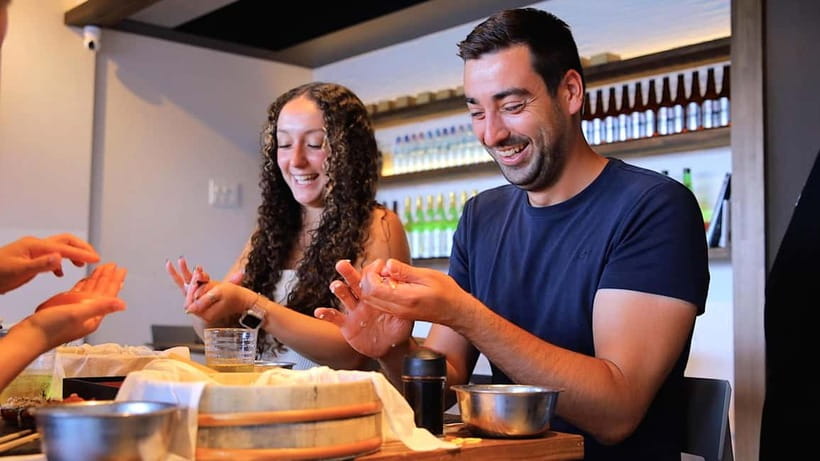
I like that the menu includes both roll sushi and authentic Japanese sushi. Many Tokyo cooking classes focus on one style, but here you learn two different techniques that feel different in your hands.
A change of pace from Tokyo:
- Mt Fuji and Hakone 1-Day Bus Tour Return by Bullet Train
★ 5.0 · 26,383 reviews - 1-Day Tokyo Bus Tour
★ 5.0 · 14,250 reviews - Tokyo: TOKYO SKYTREE® Admission ticket
★ 4.5 · 11,192 reviews - Tokyo: teamLab Planets TOKYO Digital Art Museum Entry Ticket
★ 4.6 · 9,779 reviews
Roll making (maki)
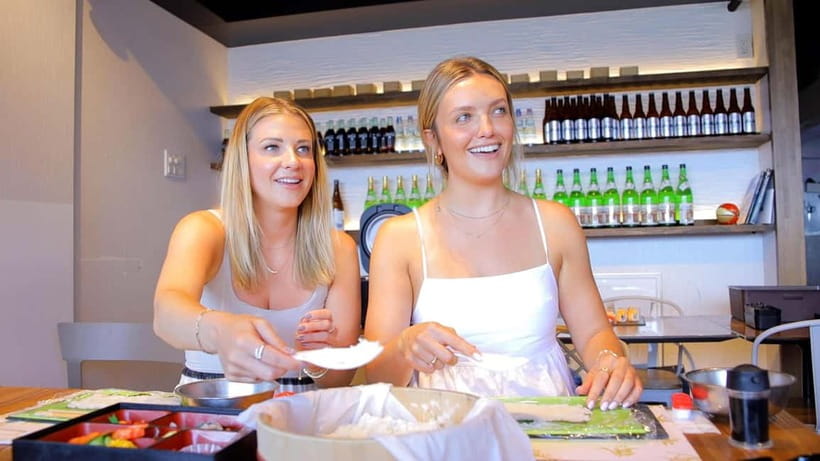
For the roll, you concentrate on even distribution and consistent pressure. The staff guidance helps you avoid the most common beginner problem, which is uneven filling or rice that sticks in the wrong way. You also learn the part people forget: rolling is not just motion, it is control.
Nigiri-style sushi
For nigiri, the challenge becomes shaping and topping. You learn how to handle the rice and apply the right kind of placement for the topping, so it looks like sushi instead of rice with food on top.
The best part is that this is not just for show. You eat what you make. That gives you immediate feedback on whether the technique worked.
Sushi History Quiz: How It Helps You Taste Better
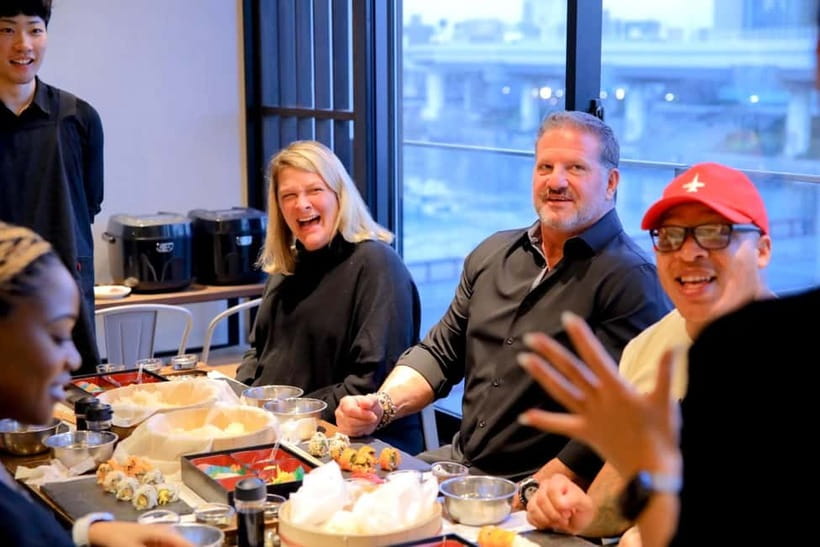
The quiz is more than entertainment. It supports learning because it connects what you are doing to why it exists.
You are not just hearing dry facts. You get a lighthearted, interactive way to think about sushi origins and how sushi has changed over time, including the difference between what people often see today and what you might call more traditional styles. The classroom energy stays positive, and the quiz structure helps you remember key ideas because you are actively participating instead of only listening.
This is especially valuable if sushi is new to you. Facts like what different forms are meant to be, and how ingredients are chosen, make the flavors make more sense once you sit down to eat.
Hands-On Rice Skills: Where Beginners Usually Get Stuck
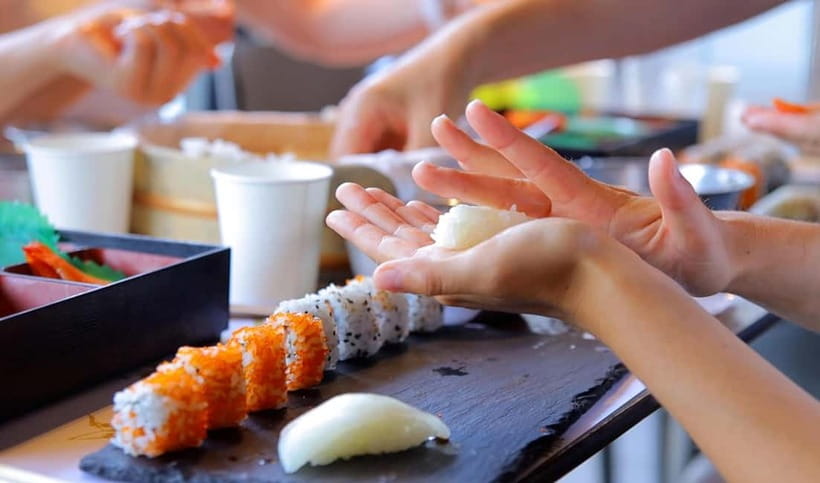
Sushi rice is where beginners tend to run into trouble. It can be sticky, it can dry out if you are too slow, and it can turn into a lumpy mess if you press without technique.
In this class, you learn practical habits:
- How to handle sushi rice so it stays workable
- How to portion and spread for roll sushi
- How to shape rice for nigiri-style sushi
- What the staff is watching for when you get it right
The tone from the staff helps too. Multiple helpers are known for being patient, even when the group is learning basic technique at the same time. If you like a supportive pace, you should feel comfortable here.
And yes, it can take a few tries. Sushi making is one of those skills where practice beats confidence. The class is designed to get you through that practice quickly, without shame.
Eating Your Sushi: The Part That Makes It Worth It
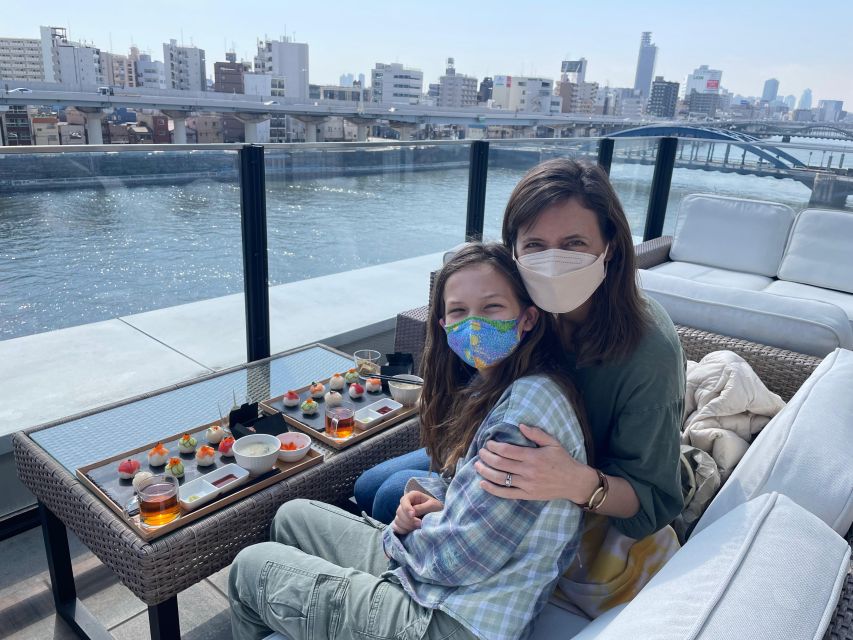
This experience is not only about making. It is about eating what you made.
That changes the whole value. Instead of taking home a theory notebook or a takeout box that disappears before you understand it, you get a meal that anchors the lesson. You can connect taste to technique. You notice texture, saltiness, and how the topping sits against the rice.
Also, you likely will eat a satisfying amount. The class format aims for you to feel full after the session, and the food quality gets praised often. Some people did suggest they would have liked a touch more rice, which is a fair note if you are a big eater. Still, the general message is that the class leaves you satisfied.
Some participants mention sake flights and beer being available. That is not stated as part of the main inclusions, so treat it as an option you might find on site, not a guaranteed add-on.
Staff Energy in Asakusa: English, Humor, and Real Support
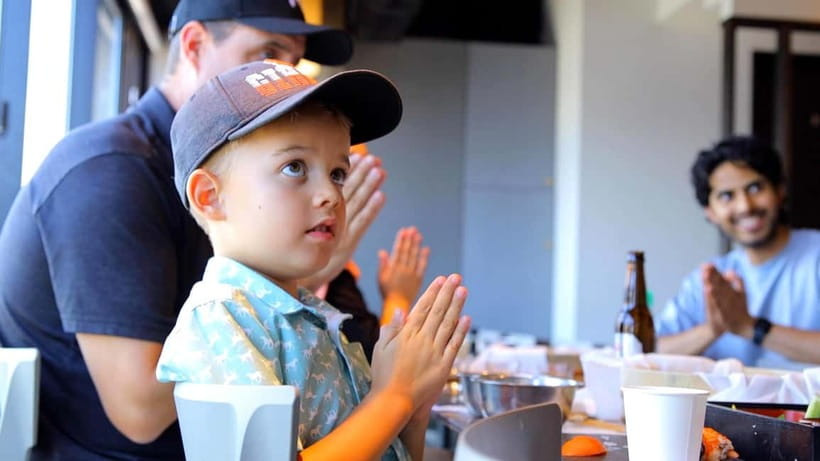
The staff is a major reason the experience works for first-timers.
Across many accounts, the instructors are described as funny, patient, and encouraging. That matters because sushi work is hands-on. If the teacher only explains, you get stressed. If the teacher can laugh with you while coaching technique, you learn faster and you enjoy it more.
Names that come up include:
- Hitomi, praised for sweetness and patience
- Tomona, praised for great teaching
- Moe and Hide, praised for interaction and support
- Ken and Kaori, praised for humor and clarity
- Others like Jun, Ryouko, Yoko, and more, all described as friendly and welcoming
You should also expect English instruction. The class is designed for English speakers, and the staff helps you keep up even if Japanese food terms are new to you.
Price and Value: Is $58 Worth 100 Minutes?
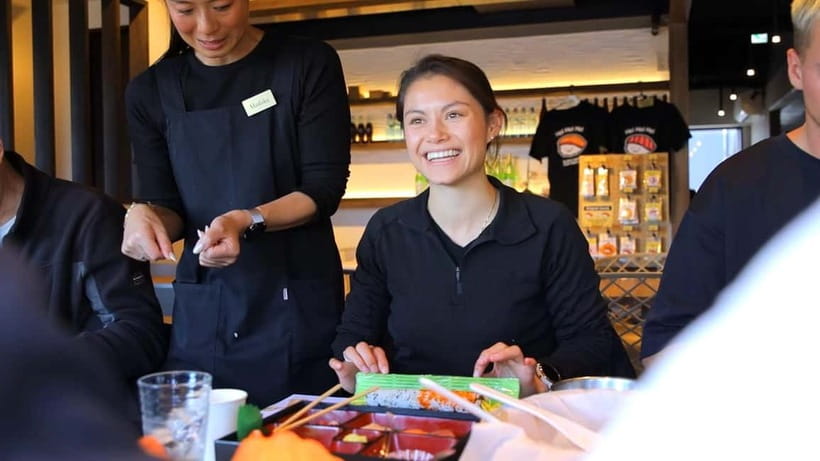
At $58 per person, this is not a budget activity, but it also is not a luxury indulgence. For the money, you get the key ingredients plus instructor time, and you leave with the meal you prepared.
Here is how I think about the value:
- You are paying for hands-on coaching, not just food.
- You get included ingredients, which in Japan can add up fast if you were to recreate this at home.
- You get a structured activity that fills time in a prime sightseeing area.
It is best value if you want the skill and the meal together, and you prefer learning in person rather than copying online videos later. If you only want to eat sushi, you can find places cheaper or with bigger portions. But if you want to learn and then eat immediately, the price starts to make sense.
Also, since hotel pickup is not included, you are really paying for the class itself. That is efficient, as long as you are comfortable getting to Asakusa Station.
Dietary Options: What You Can Request and What You Should Know
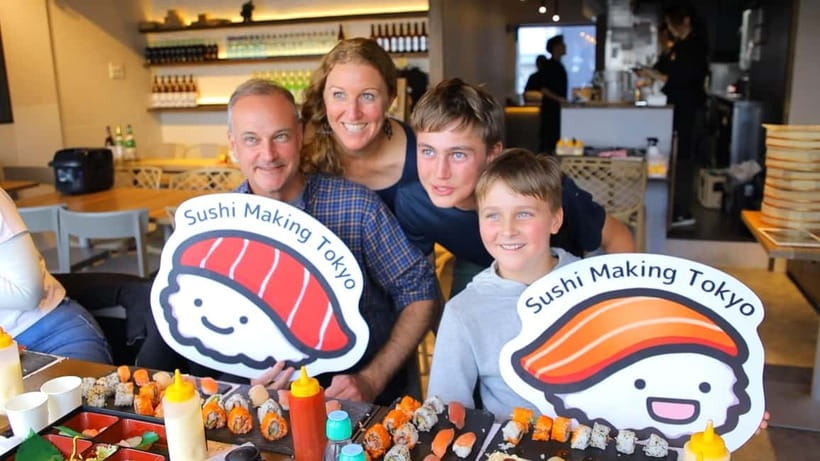
This class offers menu options for vegan, vegetarian, gluten-free, and halal. That is a big plus if you are traveling with specific eating needs.
There are limits you should understand:
- The class notes that certain ingredients are not used, including meat, nuts, fruits, and dairy.
- If you need a menu change, you should contact when you reserve.
- The operator cannot respond on the day for ingredient changes.
- The class does not accept ingredient specifications.
So, if you have a complex allergy situation, plan ahead. Submit your needs at booking, and be ready for the menu to be handled by their prepared options rather than a custom ingredient build.
Who This Class Suits Best
This is a good match for a lot of trip styles.
- Solo travelers: You can join without feeling lost, and the instructors tend to give extra attention in smaller groups.
- Couples: It is interactive, fun, and you get a shared meal outcome.
- Families and teens: Many people note it works well for kids and teenagers because it is hands-on and not overly technical.
- First-time sushi fans: You learn what to focus on, what to taste for, and how sushi is assembled.
If you are the kind of person who likes demonstrations but wants a real chance to do the work, this class fits your style.
Common Hiccups: Timing and Ingredient Customization
A couple of practical notes can save you disappointment.
The class can feel a bit rushed
Some participants felt the session moved quickly, and a few wanted a little more time. That is normal for a 100-minute format. The lesson is set up to get you to the finished product, not to slow down for perfection.
Rice portions may feel limited
A few accounts mention wanting more rice. That is something to keep in mind if you eat a lot. The goal is a satisfying meal, but it is not an all-you-can-eat format.
No day-of customization
If you are thinking of special ingredient swaps on the spot, that will not work. You need to arrange changes when you book, and ingredient specifications are not accepted.
If you plan around these points, you will enjoy it more.
Should You Book Sushi Making Tokyo in Asakusa?
Book it if you want a hands-on sushi skill, a fun class format with an English-speaking team, and a meal you make yourself in the Asakusa area near big sights. It is also a smart choice if you want dietary options like vegan, vegetarian, gluten-free, or halal, as long as you plan ahead.
Skip it if your main goal is a long sit-down meal, a very quiet experience, or a super slow, private coaching session. This is structured and time-bound, by design.
If you are deciding, my advice is simple: pick this when you want to do something memorable with your hands. In Tokyo, that kind of learning sticks, especially when you get to taste the result right away.
FAQ
Where is the meeting point?
The meeting point is about 3 minutes from Asakusa Station.
How long is the class, and what will I make?
The class lasts 100 minutes. You will make two types of sushi, a roll and an authentic Japanese sushi.
Do I need any sushi experience?
No experience is needed. The instructor and staff provide guidance in English.
Is the class wheelchair accessible?
Yes, the activity is wheelchair accessible.
What dietary options are available?
The menu can be changed for vegan, vegetarian, gluten-free, and halal. The class also states that certain ingredients are not used (meat, nuts, fruits, dairy), but ingredient specifications are not accepted.
Is hotel pickup included, and is it refundable?
Hotel pickup and drop-off are not included. The class offers free cancellation up to 24 hours in advance for a full refund.
Latest write-ups near Tokyo
- Harajuku Private Tour: Kawaii Fashion & Animal Cafe Included★ 5.0 · 69 reviews
- Mt Fuji Customizable Private Tour English Speaking Driver Pick-up★ 5.0 · 69 reviews
- Tokyo Night Cooking Class: 5 Home-Cooked Japanese Dishes★ 5.0 · 70 reviews
- Tokyo: Sumida Aquarium Entry Ticket★ 4.6 · 70 reviews
- Private Customizable Walking Tour of Tokyo★ 5.0 · 70 reviews
- Official Japan Go-Kart Through Tokyo Bay / Ginza (IDP Required)★ 4.5 · 71 reviews
- Wagyu Beef and Sake Pairing Foodie Tour in Tokyo★ 5.0 · 71 reviews
- Experience Big soba knife Soba Making Class in Tokyo Kappabashi★ 5.0 · 71 reviews
Sushi Making Classes, compared.
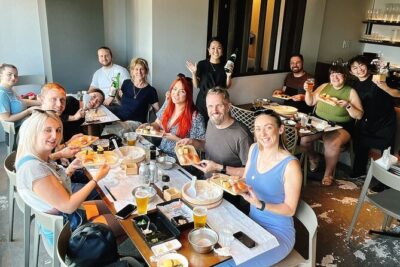
Sushi Making Tokyo Roll and Authentic Japanese Sushi Class
Read our review →
Make Sushi and Create Unforgettable Memories in Tokyo
Read our review →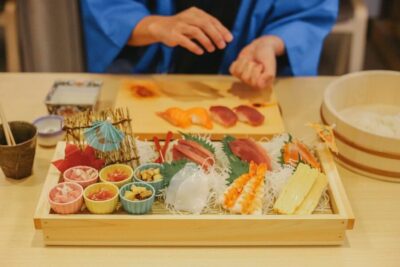
Sushi Making Class in a Happi Coat near a Famous Spot
Read our review →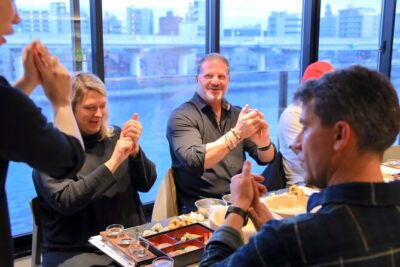
Sushi Making Osaka Roll and Authentic Japanese Sushi Class
Read our review →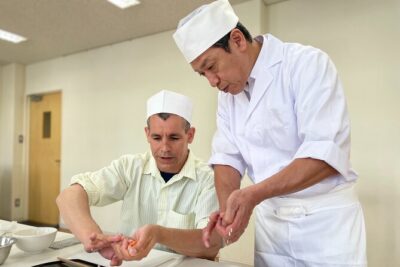
Tokyo Sushi Making Class in Tsukiji with Professional Chef
Read our review →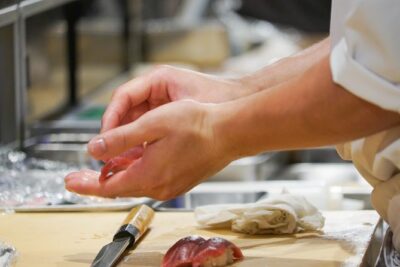
Tokyo Night Foodie Tour in Shinjuku – Seasonal Sushi, Wagyu Beef
Read our review →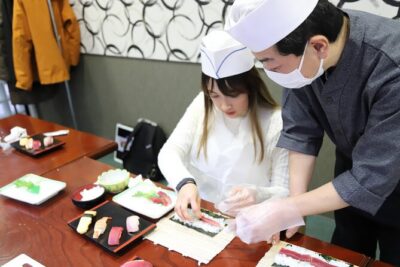
Tsukiji Fish Market Guided Tour and Sushi Making with Pro Chef
Read our review →
Sushi Making in Kyoto! Same-day bookings welcome!
Read our review →Browse the lists this tour appears in