
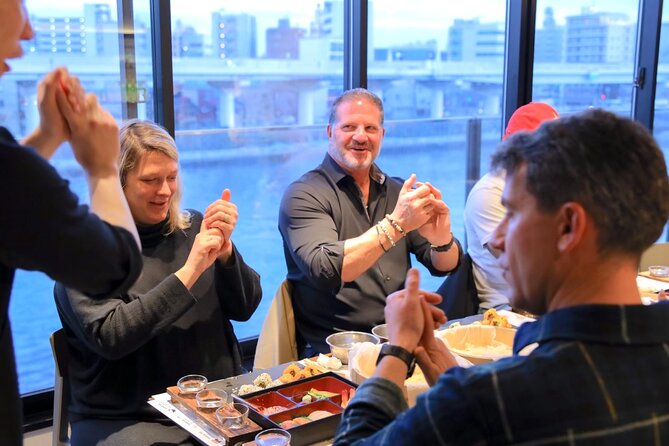
Reviewed · SUSHI MAKING CLASSES
Sushi Making Osaka Roll and Authentic Japanese Sushi Class
Making sushi in Osaka is interesting because you get the full experience, not just a sit-down meal. I especially like that ingredients are prepped for you, so you spend time learning technique instead of prepping. I also like that you’ll practice both maki rolls and nigiri step by step, then actually eat your work. The one possible drawback is that the session can feel a bit time-tight, so if you want lots of slow photos, plan to be ready and move with the class.
This is also a smart location choice. The meeting point is near Dotonbori and Shinsaibashi, and the class is set up for international visitors with friendly, English-speaking instructors.
It’s beginner-friendly, and you do not need cooking experience. Just note that dietary needs can take a little extra attention, so bring them up clearly during booking if you have restrictions.
Quick Hits Before You Go
- Prepped ingredients mean more time learning, less time waiting
- Maki rolls plus nigiri give you two key sushi skills to take home
- English-speaking instructors help you ask questions and keep up
- Small group size (up to 20) keeps the class lively without feeling chaotic
- You eat what you make, so the meal feels personal, not bonus-only
- Near Dotonbori and Shinsaibashi makes it easy to pair with Osaka food time
Why This Osaka Sushi Workshop Feels Different From a Restaurant Meal
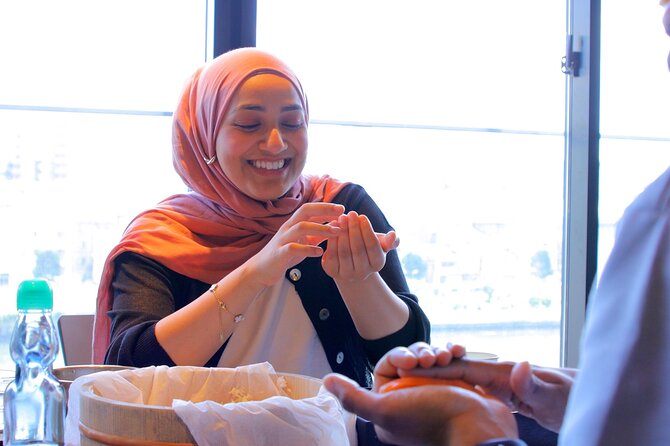
An Osaka sushi class is a fun break from the usual “walk, eat, repeat” rhythm. You’re not ordering mystery bites you have to translate later. You’re learning how the sushi is built, what matters in the rice, and how the fillings get placed so they hold together.
I like the way this class structures the learning. Ingredients are ready ahead of time, which keeps the focus on technique. You get step-by-step instruction, and you finish by eating the sushi you made, which makes the whole thing feel practical, not just performative.
The other reason it works is the tone. The instructors are described as friendly, energetic, and patient, and that matters when you’re a beginner with sticky hands and a deadline of 1 hour 40 minutes. Even if your sushi is a little uneven, you’ll leave with something you can name and replicate.
More Sushi Making Classes in Osaka
- Osaka Sushi Making Experience
★ 5.0 · 400 reviews - Osaka Sushi Making Class – Hands-On Nigiri & Rolls (Same-Day OK)
★ 5.0 · 352 reviews - Osaka: Roll and Authentic Sushi Making Class in Dotonbori
★ 4.9 · 239 reviews
Location by Dotonbori and Shinsaibashi, Plus a Find-It-Fast Tip
This class starts at 1-chōme-16-20 Higashishinsaibashi, Chuo Ward, Osaka, 542-0083. It’s a convenient walk area near Dotonbori and Shinsaibashi, so you can plan it around your food sightseeing instead of building your day around a distant suburb.
One small catch: the meeting point can be tricky to spot. If you want things to feel smooth, arrive a bit early and use your map app to get the exact street. Once you’re there, you should have no problem settling in since it ends back at the meeting point.
Because there’s no hotel pickup, you’re fully in charge of your timing. That’s usually a good thing. You skip the waiting, you keep your schedule, and you can still do Dotonbori afterward without stress.
What You Actually Learn: Maki Rolls, Nigiri, and Sushi Technique You Can Reuse
The class centers on two core styles: maki rolls and nigiri. You’ll learn both in a beginner-friendly way, with instructors walking you through the build. That combination is valuable because it teaches two different skills: rolling and shaping.
Here’s the practical idea behind what you’ll do:
- For maki rolls, you learn how to layer fillings, control the roll, and end up with slices that look reasonable, not chaotic.
- For nigiri, you practice the way sushi rice is shaped and how topping placement should sit cleanly on top.
You also get cultural context along the way. Instructors cover sushi history at an approachable level, and the best moments are the ones where you ask a real question, like how rice should feel or why certain presentation choices matter.
Some classes are described as especially good at mixing technique with sushi background. If you enjoy knowing the why behind the how, you’ll likely have a good time. If you only want hands-on and nothing else, you might want to be mentally ready that you’ll hear some explanation before you start rolling.
The 1 Hour 40 Minutes: How the Timing Typically Feels
The experience runs about 1 hour 40 minutes. That duration is long enough to learn, make multiple pieces, eat, and still take photos. It’s also short enough that you shouldn’t expect a slow cooking retreat where you take your time with every step.
A useful way to prepare is to think of it as a guided workshop, not a freestyle kitchen session. You’ll follow the instructor’s pacing and build during instruction, then eat what you make once everyone is ready.
A small number of people felt the pace could be rushed, especially if they wanted extra time for pictures or lingering over the meal. So if photography is a big part of your plan, keep your expectations realistic. Take photos while you’re working, not after you’ve already fallen behind the group rhythm.
A change of pace from Osaka:
- Osaka Go Karting Tour with Funny Costume
★ 5.0 · 2,658 reviews - Osaka Castle: Museum and Tower Entry Ticket
★ 4.5 · 2,380 reviews - Osaka: Shinsekai Food Tour with 13-15 Dishes at 5 Eateries
★ 4.8 · 2,204 reviews - Osaka Food Tour: 13 Dishes at 5 Local Eateries
★ 5.0 · 2,149 reviews
The Instructor Experience: English-Friendly, Patient, and Often Energetic

The class is led by friendly, English-speaking instructors. That’s a big deal for sushi, because small technique details are easier when you can ask follow-up questions and get direct answers.
You may meet instructors such as Reika, Fuko, Fujiko-san, Aina, Arisa, or Ina. Different sessions can feel a little different based on the instructor, but the consistent theme is clear instruction and a supportive vibe, including lots of table-level help.
The class format also seems to work well for families and mixed-age groups. One review highlighted that kids stayed engaged, and another mentioned a great experience even with teens. If you’re traveling with people who normally hate “classes,” this one is structured enough that they likely won’t tune out.
If you’re sensitive to accents, you may want to know that at least one person noted a thicker accent and suggested patience. Still, instruction was described as understandable overall, and the class helped keep things moving.
What’s Included, and Why Eating Your Sushi Matters for Value
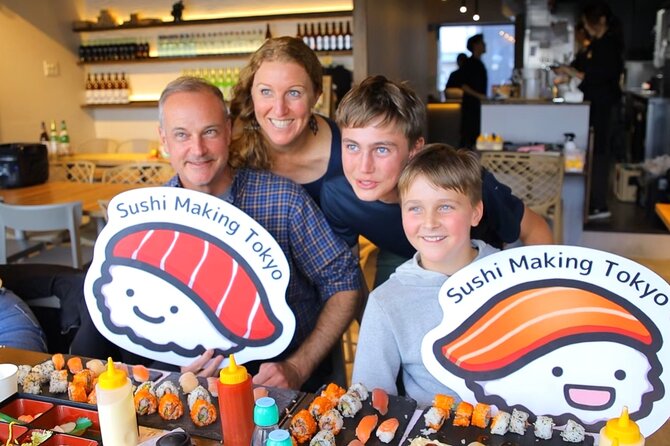
You get an English-speaking instructor plus ingredients of the cooking class and meal. The main value is simple: you’re not paying just to watch. You’re paying to make sushi and eat it as part of the experience.
At around $31.01 per person, the cost becomes easier to justify when you remember what’s included: instruction, ingredients, and a meal you created. Also, because this is near popular areas like Dotonbori and Shinsaibashi, you can pair it with your broader Osaka plans rather than spending extra time and money getting to the venue.
One more practical point: the class described as offering vegetarian and fish options. That matters because it turns the class into a meal everyone can enjoy. If you have a strong preference, though, you’ll want to handle it carefully up front.
Dietary Notes: Vegetarian Options, Shrimp Issues, and What to Tell Them
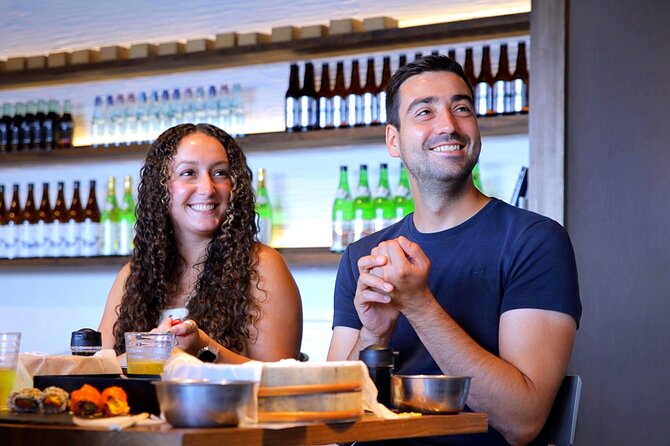
Dietary accommodations are mentioned, including vegetarian and fish options. That’s encouraging if you don’t eat everything or you want a plant-forward version.
But here’s the careful part. One person reported that their partner didn’t eat shrimp and the team couldn’t swap in a different fish option, suggesting that timing and what you request at booking matters. So don’t assume substitutions will work.
My advice: when you reserve, list your dietary needs clearly. If you avoid certain seafood, specify which ones. And if you’re unsure whether they can handle it, message or confirm with the provider before you show up.
Also, if you’re sensitive to fish handling or smell, you’ll likely still be fine since this is a cooking class. Just know you will be around seafood ingredients during instruction.
A Realistic Look at the Room, Food Quality, and Photo Conditions
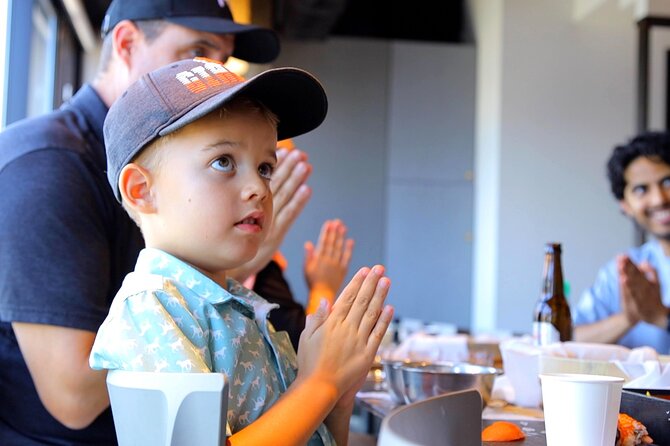
Most of the experience sounds smooth and well-run. People describe the space as clean and the process as organized. Many note the finished sushi was tasty and plentiful, and that you won’t leave hungry.
A few practical complaints show up:
- Some felt there was not enough time to eat and photograph slowly.
- Lighting could be dim for photos, with shadows in pictures.
- One person mentioned fish being left at room temperature for a long period, and they wished it had been kept over ice.
You can’t control the room lighting, but you can control your approach. If photos matter, position yourself where light hits you best and don’t wait until the end when the class is already cleaning up.
Most importantly, focus on what you can control: follow the steps, ask questions early, and eat at the point the class invites you to. That way you get the full meal experience and not the “we’re rushing again” vibe.
Why This Is Worth Booking Instead of Just Ordering Sushi in Osaka
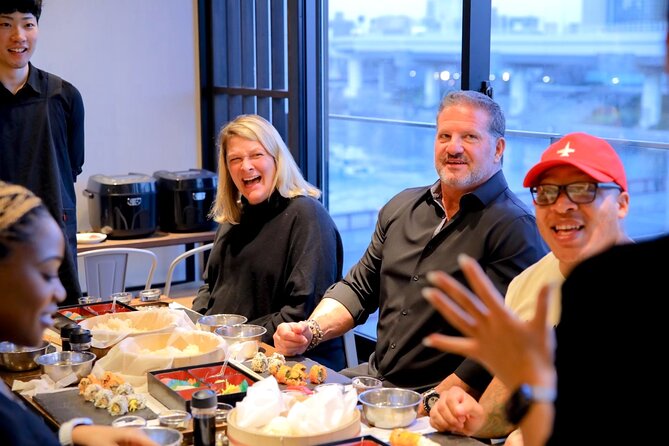
Of course, you can eat great sushi in Osaka without a class. But a sushi workshop gives you something a restaurant meal can’t: repeatable technique.
When you learn maki rolls and nigiri with guidance, you start to understand sushi as a construction process. You’ll notice things like how rice sticks, how toppings sit, and why presentation looks the way it does. That knowledge makes your future sushi orders feel smarter, not just tastier.
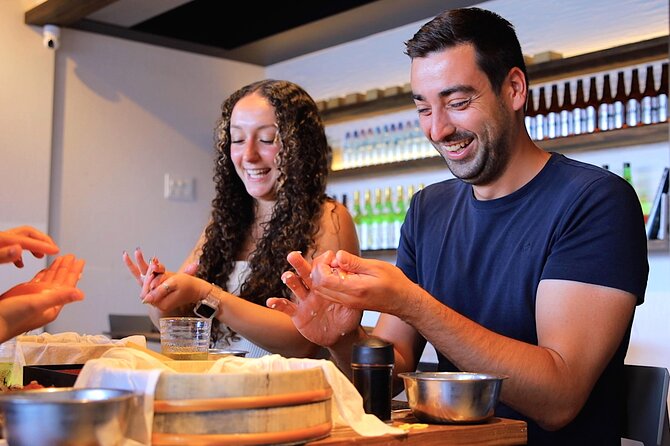
It’s also a social activity that creates a shared memory fast. You’re all rolling, shaping, laughing at the wonky first attempt, then comparing slices. For solo travelers, it’s a break from solo wandering. For couples and families, it’s a shared project with a satisfying payoff.
Tips to Get the Best Experience (And Not Feel Rushed)
- Arrive a little early. The meeting spot can be hard to find at first, and you want to settle without stress.
- Come hungry, but be ready to move. You’ll eat what you make, yet the workshop has a set flow.
- Ask questions while you’re working. Once you’re done and cleaning starts, it’s harder to troubleshoot.
- Tell them about dietary limits at booking. Don’t wait until you’re in the room.
- Plan for basic photo speed. If you want videos, do quick clips during instruction.
If you’re a first-timer, treat your first roll like practice. The goal is learning technique, not making a perfect restaurant version on the first try.
Who Should Book This Osaka Sushi Making Class
This class is a strong match if:
- you’re a beginner who wants a guided introduction to sushi
- you want a hands-on activity near Dotonbori and Shinsaibashi
- you’re traveling with family or mixed ages and want something interactive
- you like English-friendly instruction so you can ask questions
It might not be the best fit if:
- you want an unhurried, slow-paced cooking session with lots of downtime for photos
- you need complex dietary substitution guarantees, especially if your needs are specific and time-sensitive
Should You Book This Osaka Sushi Making Class?
If you want a fun, practical Osaka food activity, I’d book it. The value comes from the combination of hands-on sushi-making, English instruction, and the fact that you eat your own sushi. Even with beginner-level skills, the setup is designed so you finish with real results, not just a viewing experience.
Just go in with the right expectations: follow the pace, ask questions early, and be ready for a workshop style that moves. If you do that, you’ll leave with sushi knowledge you can actually use, and a meal that feels like your own work.
FAQ
How long is the sushi making class in Osaka?
It runs about 1 hour 40 minutes (approx.).
Where is the meeting point?
The class meets at Sushi Making Osaka | Cooking Class in Japan, 1-chōme-16-20 Higashishinsaibashi, Chuo Ward, Osaka, 542-0083, Japan.
Is hotel pickup included?
No, hotel pickup and drop-off are not included. The activity ends back at the meeting point.
Is the instructor English-speaking?
Yes, the class includes an English speaking instructor.
Do I need any cooking experience?
No cooking experience is required.
What will I learn to make?
You’ll learn to make sushi rolls and authentic nigiri step by step.
Will I eat the sushi I make?
Yes. Ingredients are included and you’ll enjoy the sushi you make.
What group size is this class limited to?
There is a maximum of 20 travelers.
Are service animals allowed?
Yes, service animals are allowed.
Is free cancellation available?
Yes, free cancellation is available. You can cancel up to 24 hours in advance for a full refund.
Latest write-ups near Osaka
- PRIVATE 6hr, Food tour from Osaka Castle, Kuromon, Dotonbori.★ 5.0 · 68 reviews
- 90 min Shared Handmade Udon Experience★ 5.0 · 70 reviews
- Ramen and Gyoza Cooking Class in Osaka Dotonbori★ 5.0 · 73 reviews
- Osaka: Sushi Making in Spacious Studio (SAME-DAY OK!)★ 5.0 · 75 reviews
- Osaka E-Bike Tour With A Local Guide★ 4.7 · 75 reviews
- 1.5〜2 Hours Traditional Kintsugi Work Shop in Namba Osaka★ 5.0 · 75 reviews
- Retro Osaka Street Food Tour: Shinsekai★ 4.5 · 77 reviews
- Osaka: Osaka Castle Guided Tour with Local Guide★ 4.7 · 78 reviews
Sushi Making Classes, compared.
Sushi Making Tokyo Roll and Authentic Japanese Sushi Class
Read our review →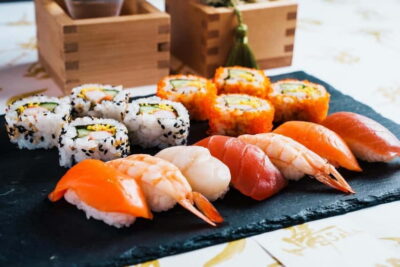
Roll and Authentic Sushi Making Class in Asakusa
Read our review →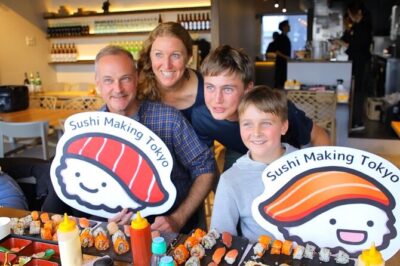
Make Sushi and Create Unforgettable Memories in Tokyo
Read our review →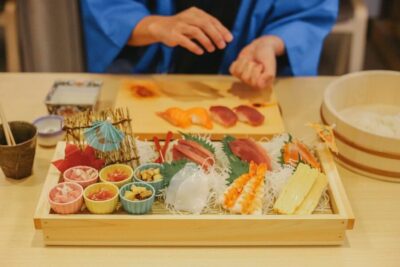
Sushi Making Class in a Happi Coat near a Famous Spot
Read our review →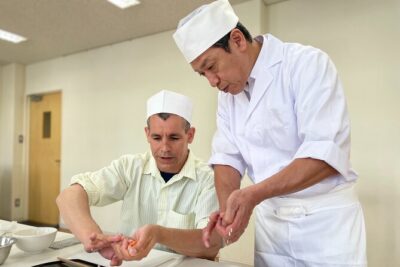
Tokyo Sushi Making Class in Tsukiji with Professional Chef
Read our review →
Tokyo Night Foodie Tour in Shinjuku – Seasonal Sushi, Wagyu Beef
Read our review →
Tsukiji Fish Market Guided Tour and Sushi Making with Pro Chef
Read our review →
Sushi Making in Kyoto! Same-day bookings welcome!
Read our review →Browse the lists this tour appears in