
Reviewed · SUSHI MAKING CLASSES
Tokyo Sushi Making Class in Tsukiji with Professional Chef
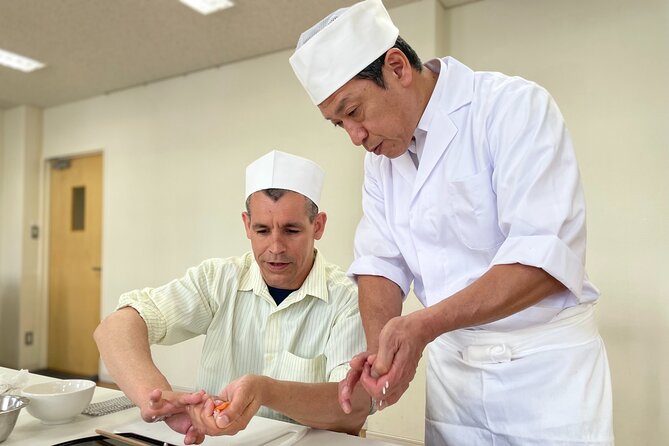
Tokyo’s sushi scene is already a big deal, but this experience turns it into something you can actually do. You start in the Tsukiji market area, watch a fish disassembly demo, then make a full set of sushi to eat. My favorite part is the hands-on payoff, you craft 5 nigiri and 1 rolled while the chef coaches every step. The main drawback to flag is simple: the classroom is on the third floor and it’s stairs only.
What you’re really buying here is clarity and confidence. An English-speaking host and pro sushi master walk you through the right techniques, including knife basics and how to get sushi texture right. You get a mobile ticket and you’ll return back to the meeting point, which keeps the logistics straightforward.
Key Highlights Worth Planning For
- Fish disassembly first, sushi second: You see how the fish is prepped before you touch ingredients.
- A real hands-on lunch: You make multiple pieces and eat what you create.
- Knife talk that matters: The class covers Japanese knives in a practical, in-the-moment way.
- Nigiri plus rolled sushi: You practice both styles, not just one.
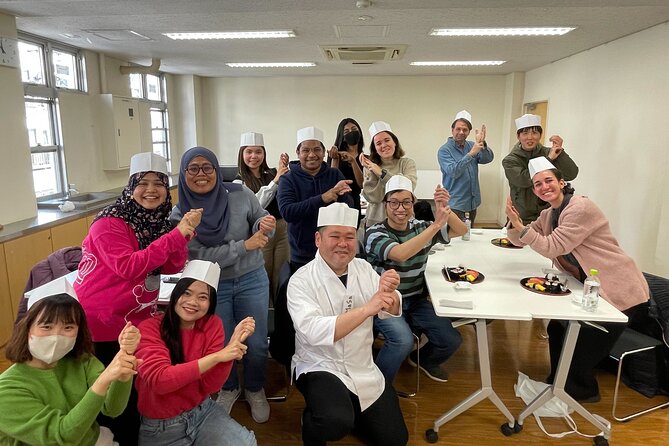
- English support throughout: There’s an English-speaking host plus a translator/assistant on the team.
- Small group feel: The class caps at 20 people, so you’re not lost in a crowd.
Tsukiji Market Energy, Then a Chef-Win Instruction Plan
There’s a reason Tsukiji keeps showing up on food lists. The area has the sights and rhythms that make seafood feel less like a menu item and more like a craft. This class uses that energy wisely. You do not show up, stand around, then leave. You see market context, then you learn by doing.
You start with market-side stops and short segments around the seafood world (Tsukiji Fish Market, Tsukiji Jogai Market, and Tsukiji Nippon Fish Port Market). Then you move into a traditional classroom space in the Tsukiji market area. That flow matters. It helps you understand what you’re looking at once you get your hands on sushi rice and fish.
The class also stays realistic about time. At about 1 hour 30 minutes, you get enough coaching to produce sushi you can be proud of, without it turning into a half-day ordeal. Still, it’s not a “quick tasting.” You’ll be active the whole way.
More Market Tours in Tokyo
- Tokyo Tsukiji Fish Market Food and Culture Walking Tour
★ 5.0 · 3,184 reviews - Tokyo: Tsukiji Fish Market Food and Walking tour
★ 5.0 · 1,724 reviews - Tokyo: Tsukiji Fish Market Guided Walking Tour
★ 4.9 · 1,397 reviews
What You Make: 5 Nigiri and 1 Rolled Set Lunch
Here’s the practical gift: you don’t just learn theory. You make a specific set of sushi to eat.
You’ll produce:
- 5 different nigiri sushi
- 1 rolled sushi
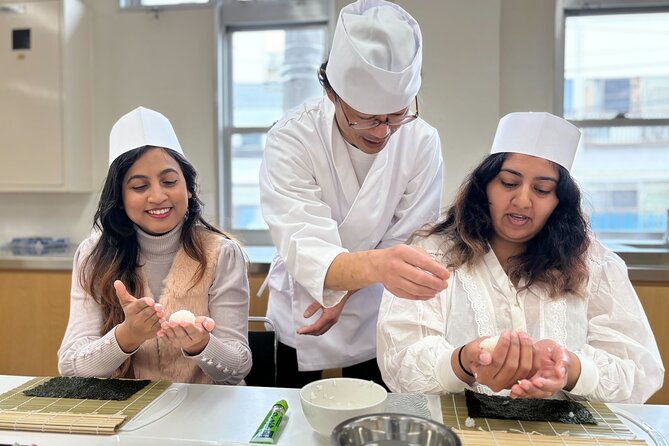
That structure is a great fit for first-timers. Nigiri teaches balance, rice handling, and how topping placement changes the whole bite. Rolls teach technique for shaping and rolling, so you understand the mechanics beyond just topping fish.
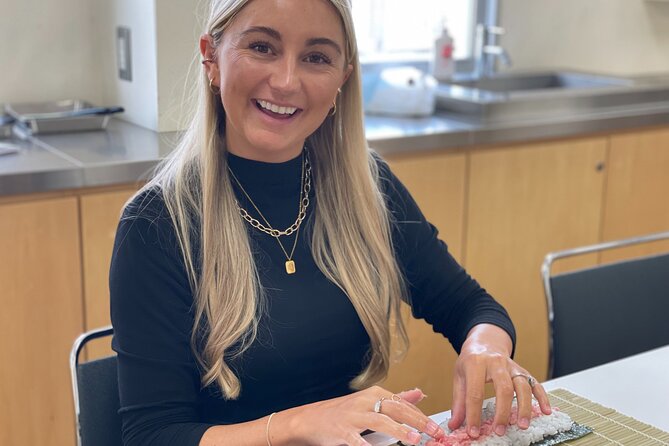
After you eat your own sushi, the sushi master prepares additional sushi as well, including expertly made wasabi. That means the meal part feels like more than a snack. It’s a proper lunch built around what you made.
If you’ve ever worried that sushi-making classes will be too basic, too short, or too staged, this one is designed to get you to the finish line: you walk out with a plate of work you can replicate later at home.
The Fish Disassembly Demo and Knife Talk (Yes, It Actually Helps)
One of the smartest parts of the experience comes before you roll a single piece. You watch a fish disassembly show by the professional sushi chef. It’s not a trivia talk. It’s a visual lesson in what makes sushi fish workable and consistent.
You also learn about Japanese knives. Even if you never plan to buy a knife in Japan, understanding the tool matters. Knife choices affect thinness, control, and how cleanly fish is cut. That knowledge filters into how you handle toppings and how you think about portion size.
In the classroom, utensils and tableware are provided. The ingredients are fresh and sourced from the market. That combination is key. Sushi is picky, and the class does not ask you to improvise with random supplies.
Inside the Classroom: How Nigiri and Maki Get Taught Step by Step
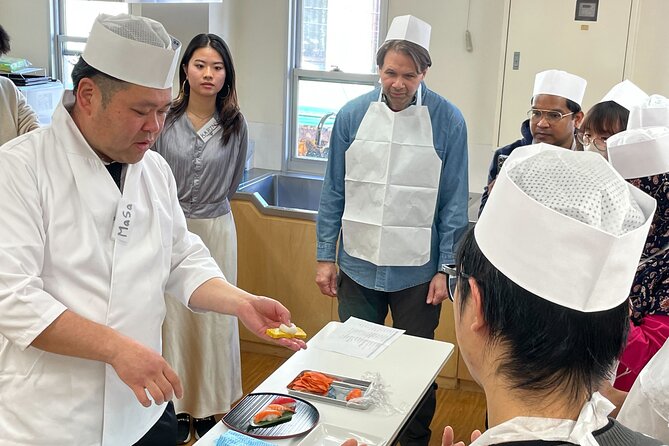
The classroom is described as a classic Japanese style, in a hidden local building in the Tsukiji market area. The experience is led by an English-speaking host plus a skilled sushi master. Many sessions include a translator or assistant, and you might work with team members whose names have come up in past groups, like hosts such as Yuko or guides such as Yugo or Yoko, paired with chefs like Tanaka or Kate.
What I like about the teaching style is the pace. The sushi master explains what exact sushi is, then walks you through proper steps for:
- nigiri sushi
- rolled type (maki)
Then you do it. Step by step. That’s how you avoid the biggest beginner problem, where the class moves faster than your hands can learn.
Also, the group limit helps. With a maximum of 20 travelers, staff can correct details that matter, like rice pressure, topping alignment, and roll tightness. You’re not just following a video. You’re getting feedback in real time.
One more practical note: the classroom is on the third floor and uses stairs only. If stairs are an issue, plan for that in your schedule and wear supportive shoes.
More Sushi Making Classes in Tokyo
- Sushi Making Tokyo Roll and Authentic Japanese Sushi Class
★ 5.0 · 3,971 reviews - Tokyo: Roll and Authentic Sushi Making Class in Asakusa
★ 4.9 · 1,957 reviews - Make Sushi and Create Unforgettable Memories in Tokyo
★ 5.0 · 1,413 reviews - Tokyo: Sushi Making Class in a Happi Coat near a Famous Spot
★ 4.9 · 1,377 reviews
The Itinerary Stops: What Each Tsukiji Area Adds to the Lesson
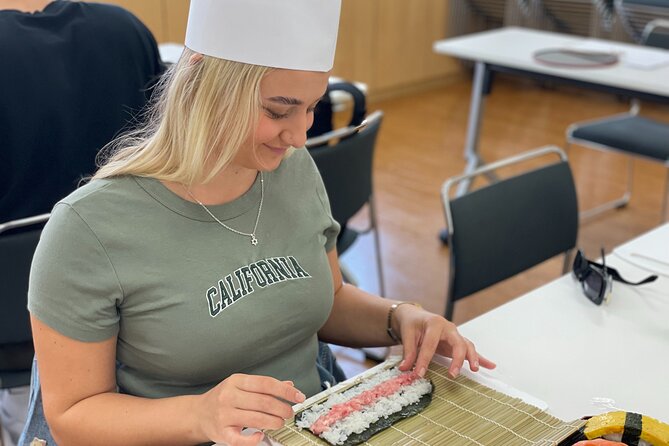
This class is not only a cooking session. It’s a mini tour that places sushi in the real market environment first.
Tsukiji Fish Market: Where Seafood Feels Like Real Work
You begin at Tsukiji Fish Market. Even if you only spend a short time there, you get the core context: fish is handled with purpose. This matters because sushi is not just flavor. It depends on preparation and respect for texture.
You’ll likely notice how quickly things are moving and how seafood is treated like a system. That sets you up to understand why the chef’s fish prep demo is such a big deal.
Tsukiji Jogai Market: A Different Angle on Market Life
Next is Tsukiji Jogai Market. The value here is variety within the same food zone. It keeps the market walk from feeling repetitive and helps you see that Tsukiji is more than one lane of seafood.
For many people, this is where the class becomes more than cooking. You start to connect what the chef teaches with what you’re seeing outside.
Tsukiji Nippon Fish Port Market: The “Port” Perspective
The final market stop is Tsukiji Nippon Fish Port Market. The name alone hints at the connection between seafood and transportation. Again, you’re not getting a long guidebook tour. You’re getting a few focused stops that fill in the why behind fresh fish and quick handling.
This part also helps you feel less like you’re arriving for a ticketed activity. You’re moving through the food district, not past it.
Price and Value: Why $49.74 Can Make Sense Here
$49.74 per person is not cheap, but it can be good value given what’s included. You’re paying for:
- pro sushi instruction
- English support throughout
- fresh ingredients sourced from the market
- utensils and tableware provided
- a built-in lunch from what you make (plus additional sushi prepared by the chef)
A lot of cooking classes charge for instruction but you still end up spending extra on food. Here, the food is the lesson. And sushi is inherently ingredient-driven, so using market-sourced fish and ingredients is a big part of what you’re actually paying for.
Also, you’re not committing to a long day. At about 1 hour 30 minutes, it fits well even when your Tokyo schedule is packed.
Who This Class Is Best For (And When It Might Not Fit)
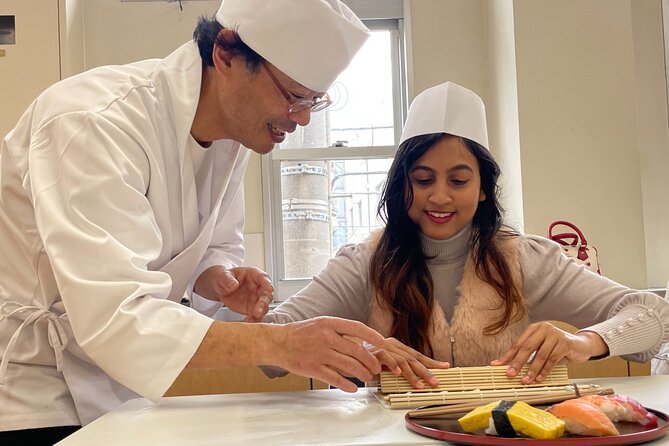
This is a strong choice if you:
- love sushi and want more than a restaurant meal
- want a hands-on skill you can recreate later
- like learning with a clear structure (watch, learn, make, eat)
- travel with kids, because the pacing and active format tend to work for younger sushi fans
It’s also a smart pick for people who think sushi is too intimidating. The class format is designed for beginners. You start with guidance, then build up to nigiri and a roll.
It might not fit you if:
- you need step-free access, because the classroom is on the third floor with stairs only
- you have dietary restrictions that the experience cannot accommodate. Kosher requests and halal requests are not accommodated. Allergy-related requests may be attempted, but you should let the team know when booking.
Practical Tips So You Don’t Waste Time on the Small Stuff
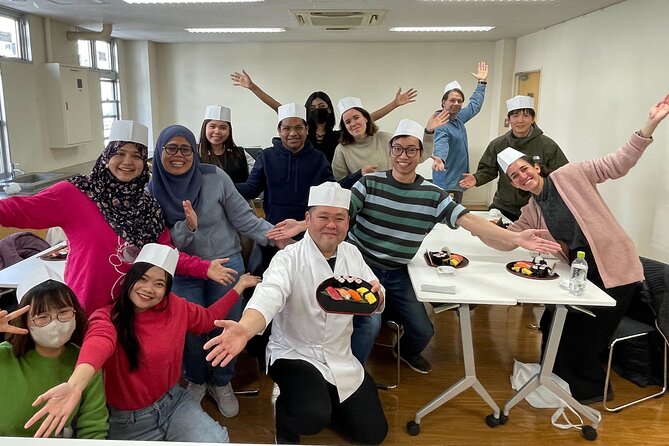
These are the details that make the difference between a smooth class and a rushed one.
- Plan to arrive on time. The class begins at the meeting point in the Tsukiji area, and the experience ends back there.
- Be ready for market walking. Even though the cooking part is indoors, you’ll spend time moving through busy food areas.
- If you have allergies, say it during booking. The experience asks you to let them know, and it may not always be possible to accommodate every situation.
- Bring comfortable shoes for stairs and market floors. It sounds basic, but sushi-making is hands-on, and you want your body to cooperate.
Should You Book This Tsukiji Sushi Making Class?
If you want a Tokyo experience that’s both food-focused and actually skills-based, I’d book it. The format is efficient: market context, fish prep education, then hands-on nigiri and rolling, followed by lunch you made yourself. The English support and small group size make it easier to learn without feeling lost.
I’d hesitate only if stairs are a problem for you or if you need kosher or halal accommodations. If neither of those applies, this is an excellent way to turn Tsukiji from a place you visit into a place you understand, one piece of sushi at a time.
FAQ
How long is the sushi making class?
The experience lasts about 1 hour 30 minutes.
What sushi will I make during the class?
You’ll make 5 different nigiri sushi and 1 rolled sushi.
Is lunch included?
Yes. Your lunch is the sushi you make during the workshop.
Who is leading the class?
The experience is led by an English-speaking host and a professional sushi master.
Where is the meeting point?
The meeting point is 千社額棟4-chōme-16-2 Tsukiji, Chuo City, Tokyo 104-0045, Japan. The tour ends back at the meeting point.
Is hotel pickup and drop-off included?
No. Hotel pickup and drop-off are not included.
Can you handle allergy requests?
You should let the team know about any allergies when you reserve. Allergy-related requests will be tried, though it may not always be possible.
Do you accommodate kosher or halal requests?
No. Kosher requests and halal requests are not accommodated.
Is there a limit on group size?
Yes. The maximum group size is 20 travelers.
Is free cancellation available?
Yes. You can cancel up to 24 hours in advance for a full refund.
Latest write-ups near Tokyo
- Tokyo Customized Private Tour: See Top Attractions in 1 Day★ 4.8 · 67 reviews
- From Tokyo: Top 5 Scenic Spots of Mount Fuji Full-Day Tour★ 4.5 · 67 reviews
- Tokyo: Shinjuku Izakaya and Golden Gai Bar Hopping Tour (2h)★ 4.9 · 67 reviews
- Traditional Japanese Music ZAKURO SHOW in Tokyo★ 5.0 · 67 reviews
- Tsukiji: Unlimited Sake Tasting Experience★ 4.9 · 67 reviews
- Samurai Ninja Museum Asakusa: Kid-Friendly Ninja Training★ 4.7 · 67 reviews
- Tokyo: Not a show- a professional sumo practice with experts★ 4.9 · 67 reviews
- Private Harajuku Omotesando Architecture Walking Tour★ 5.0 · 67 reviews
Sushi Making Classes, compared.
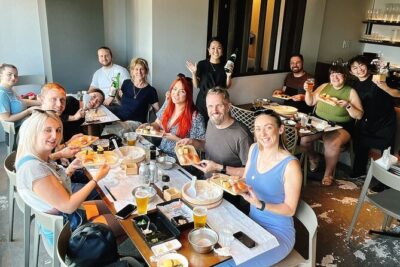
Sushi Making Tokyo Roll and Authentic Japanese Sushi Class
Read our review →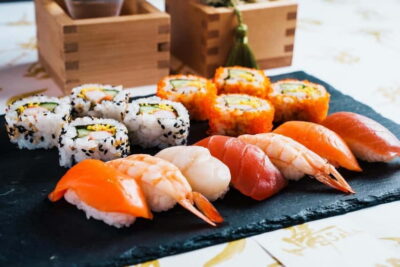
Roll and Authentic Sushi Making Class in Asakusa
Read our review →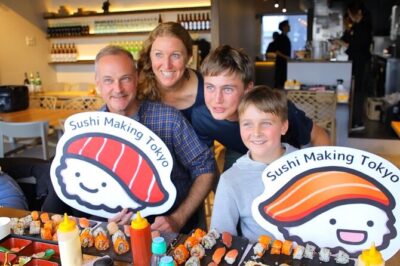
Make Sushi and Create Unforgettable Memories in Tokyo
Read our review →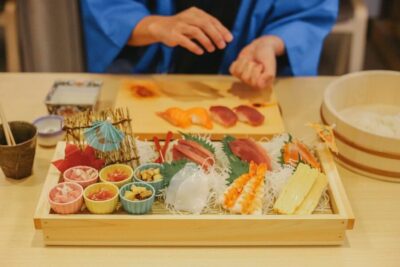
Sushi Making Class in a Happi Coat near a Famous Spot
Read our review →
Sushi Making Osaka Roll and Authentic Japanese Sushi Class
Read our review →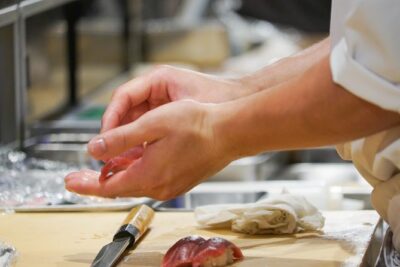
Tokyo Night Foodie Tour in Shinjuku – Seasonal Sushi, Wagyu Beef
Read our review →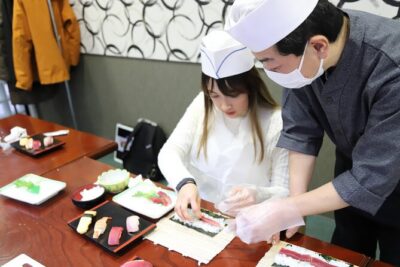
Tsukiji Fish Market Guided Tour and Sushi Making with Pro Chef
Read our review →
Sushi Making in Kyoto! Same-day bookings welcome!
Read our review →Browse the lists this tour appears in