
Reviewed · SUSHI MAKING CLASSES
Make Sushi and Create Unforgettable Memories in Tokyo
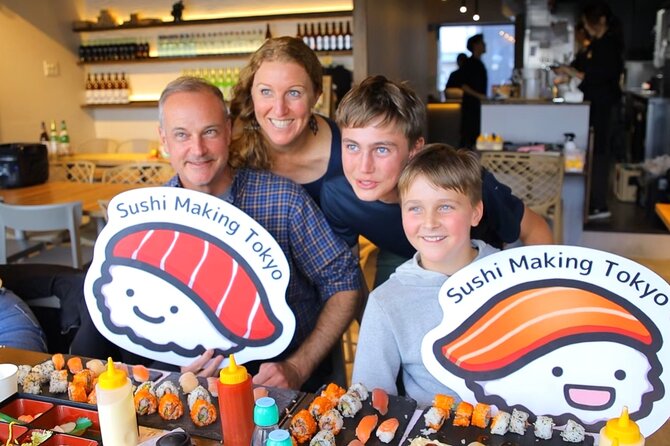
This experience is interesting because it puts you in the middle of traditional Asakusa and then hands you the tools to make sushi step by step, not just watch it. I love that it is beginner-friendly with English-speaking instructors, and I love that you eat a meal made by your own hands. One thing to consider is that if you expect a very “serious master class” style, this is more of a fun, hands-on workshop, so the pace and depth will feel less advanced than a professional-level course.
The setting helps too. You meet in Kaminarimon, a short walk from Sensoji Temple, so you can pair the class with a classic Asakusa stroll before or after. The class also caps at a maximum of 30 people, and in practice it is often managed in smaller sub-groups so you can get help instead of getting stuck.
Key Things to Know Before You Go
- Asakusa location near Sensoji Temple makes it easy to turn this into a bigger day out
- English-speaking instruction helps you follow each step without guessing
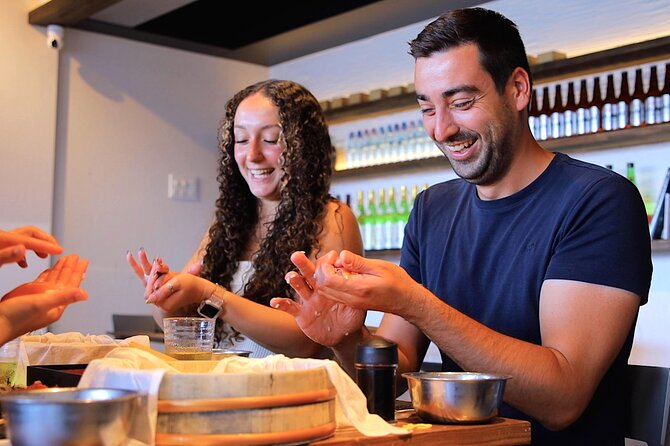
- Hands-on sushi making includes nigiri and roll sushi, plus time to take photos
- You eat what you make, so the class doubles as your meal
- Small-group support even when the class size is near the cap
- Diet and allergy accommodations show up in real practice, including gluten-free and shellfish allergy needs
Asakusa Meets Hands-On Sushi: What the Experience Feels Like
Think of this as Tokyo cooking class energy, not a museum visit. You arrive, get set up with ingredients and utensils, and then the instructor guides you through making sushi you can actually eat right away. The whole point is to turn sushi into something you can repeat at home, and to give you a Tokyo memory that is more than a selfie in front of a temple.
I also like the way the lesson mixes skill with context. You are not only learning how to shape and assemble sushi, you are also hearing the stories and trivia around sushi making. That detail matters because it helps you understand why certain ingredients and forms are used, instead of treating everything like a garnish buffet.
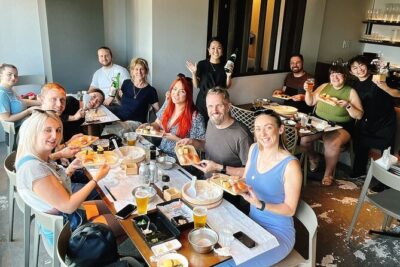
The most common theme in the feedback is simple: you leave full, happy, and proud that you made it yourself. Many people describe making an amount like about 8 pieces of maki roll and 8 pieces of nigiri per person, which is a strong payoff for a class that runs around 1 hour 40 minutes.
More Sushi Making Classes in Tokyo
- Sushi Making Tokyo Roll and Authentic Japanese Sushi Class
★ 5.0 · 3,971 reviews - Tokyo: Roll and Authentic Sushi Making Class in Asakusa
★ 4.9 · 1,957 reviews - Tokyo: Sushi Making Class in a Happi Coat near a Famous Spot
★ 4.9 · 1,377 reviews
Finding the Meeting Point Near Sensoji Temple (And How the Class Starts)
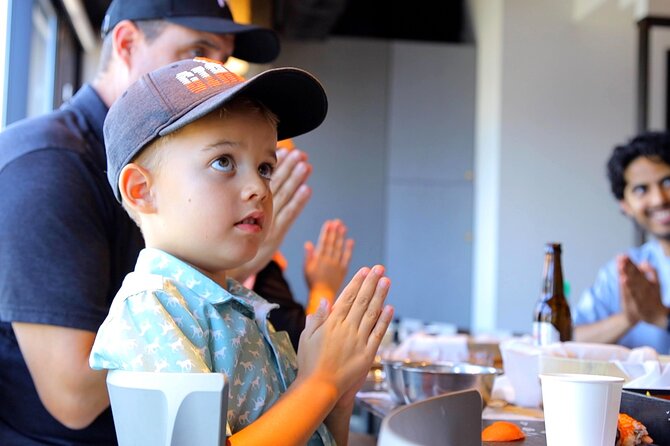
Your start point is 2-chōme-17-9 Kaminarimon, Taito City, Tokyo 111-0034. The end is back at the same meeting point, so you do not need to figure out a separate drop-off. It also is near public transportation, which is helpful because Asakusa can get crowded, and you do not want to waste time in the wrong direction when you are hungry and excited.
The class uses a mobile ticket, and you should receive confirmation at booking time. That means you can keep it simple on your phone rather than digging for paper. Plan to arrive a few minutes early so you can settle before the instructor starts the intro.
A small but real practical detail: this is a group experience, and the class structure can feel smoother when you show up on time. Several comments mention that arriving late can still be handled kindly, but why risk it when you can just arrive early and start relaxed.
How the Lesson Works: Nigiri Steps, Roll Sushi, and Cultural Notes
The core of the workshop is nigiri and roll sushi, taught step by step. You do not need any previous experience. That matters in Japan, where some classes quietly assume you already know rice handling, knife work, or sushi technique. Here, the teaching style is described as professional but simple, which is exactly what you want when you are learning a hands-on skill in a foreign language environment.
What you will be learning during the class
Expect to build a few sushi types in a logical order. The common standouts are:
- Nigiri (often described as harder than people expect, but the instructions break it into manageable steps)
- Roll sushi and hand rolls, including styles people mention like inside-out maki
- Temari-style sushi comes up in some sessions, and it is usually treated as a cute, doable way to practice shaping and portioning
- You get cultural insights and history trivia, tied to what you are making
The “beginner-friendly” part is not just a marketing label. You repeatedly see themes like clear explanations, helpful pacing, and instructors showing what to do instead of just talking about it. People also note that the class gives you tools and ingredients that are prepped so you spend your time learning technique, not chasing supplies.
A change of pace from Tokyo:
- Mt Fuji and Hakone 1-Day Bus Tour Return by Bullet Train
★ 5.0 · 26,383 reviews - 1-Day Tokyo Bus Tour
★ 5.0 · 14,250 reviews - Tokyo: TOKYO SKYTREE® Admission ticket
★ 4.5 · 11,192 reviews - Tokyo: teamLab Planets TOKYO Digital Art Museum Entry Ticket
★ 4.6 · 9,779 reviews
A tip that can save you money
If you are thinking about adding sake during the class, there is sometimes an extra cost. So if your budget is tight, decide ahead of time whether you want that upgrade.
The Sushi You Make, Portion Size, and What You Leave With
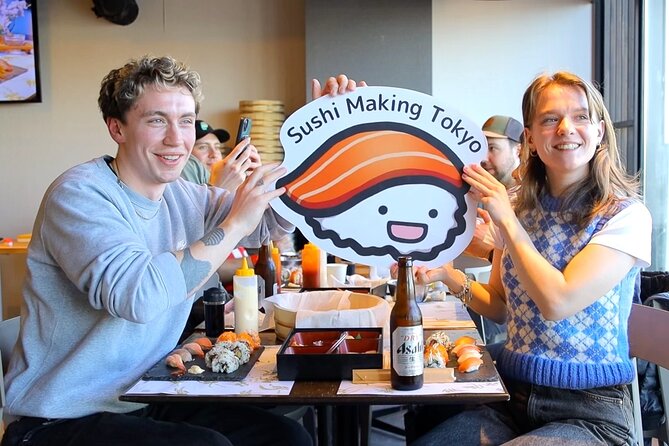
This class does not end with an empty plate and a vague promise of learning. You eat the sushi you make. That single factor changes the value equation. In a lot of food tours, you sample. Here, you produce and then consume.
People describe leaving with a portion that feels genuinely filling. In some classes, that includes about 8 maki pieces and 8 nigiri pieces per person. Even if your exact count varies by session, the consistent message is that the meal portion is generous for the time.
Quality is another theme. Reviews mention ingredients that taste fresh and do not feel like filler. And because the class is hands-on, you can actually trace what tastes different. Did the nigiri rice hold together better? Did your roll come out tighter? Those small checks make it more memorable than just eating someone else’s work.
Photo time also happens after you assemble your sushi. If you care about documenting your Tokyo day, this is one of the easiest moments to get shots that look good without needing a tripod or fancy lighting. Just watch your timing, because everyone is doing the same thing at once.
English Instructors and Small-Group Support That Makes It Click
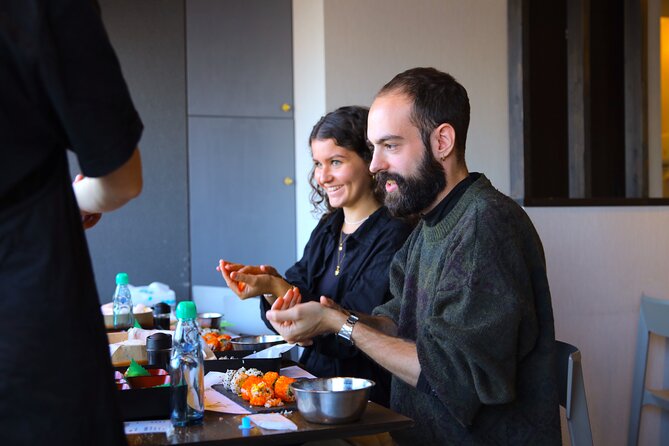
The class is guided by English-speaking instructors, and the difference is more than convenience. Clear English helps you nail the steps the first time, and it helps you ask questions without that awkward blank stare.
You will likely recognize names popping up in the feedback, like Rino, Yuto, Ken, Sato, Momo, Yui, Emi, Madoka, Yusuke, Yuhi, Ayu, Kento, Matti, and Mikoki (spelling can vary by comment). The important takeaway is not the exact name, it is the approach: friendly, upbeat, and hands-on.
One detail I really appreciate for group classes: even when the overall class size is near the maximum, it tends to be managed in smaller sub-groups. That structure helps you get help at the moment you need it, especially when shaping nigiri or tightening a roll.
If you are traveling solo, this kind of setup is a plus. You get a real role in the activity without being treated like an observer.
Accommodations and dietary needs
There is evidence of real accommodations in the way instructors handle needs. Comments mention gluten-free options and substitutions for shellfish allergies with no issue. If your diet is complex, message ahead to confirm what you need, but this is a class where adjustments seem to be part of how they operate.
Price and Value at $79.59 for 1 Hour 40 Minutes
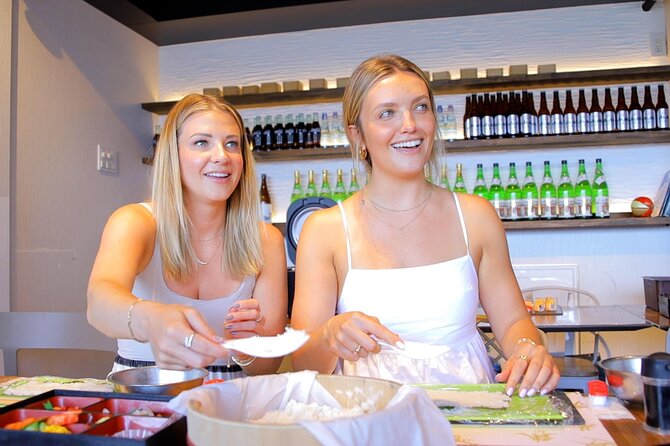
At $79.59 per person for roughly 1 hour 40 minutes, you are paying for three things that are hard to replicate on your own in Tokyo:
- Instruction in the exact technique (nigiri and rolls)
- Ingredients and utensils already portioned and organized for a class
- A meal you eat right after making it
So the cost is not only about “learning.” It is partly about buying your time and reducing friction. Sushi making at home is not expensive because fish is cheap, it is expensive because you need the right rice, the right vinegar balance, the right setup, and you need practice. This class gives you practice with a safety net and then feeds you with what you make.
Also, the class runs in a compact time window. You get a lot of learning per hour without turning your day into a half-weekend project.
Who This Fits Best: Couples, Solo Travelers, Families, and Teens
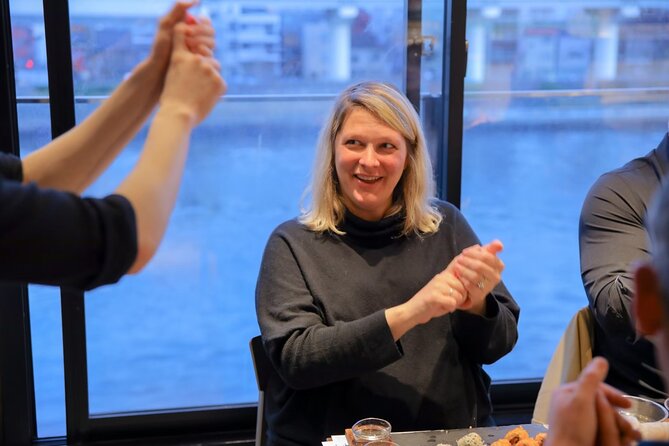
This is a good match for a wide range of travelers. Reviews point out that it works well for:
- Couples and friends, because you can do it together and share the finished results at the table
- Solo travelers, because the instructors are used to welcoming individuals and keeping the process moving
- Families, including kids around early teen age, because directions are friendly and the activity stays hands-on
- Teenagers, because it feels like a fun skill challenge, not homework
One reason it works for families is the pace and clarity. The class design supports beginners who might not understand sushi vocabulary or Japanese food culture yet.
If you are a food nerd, you still get value from the history and technique explanations. If you are not, you still get value because your hands will be busy and your plate will not stay empty.
Pair It With Asakusa: A Practical Day Plan
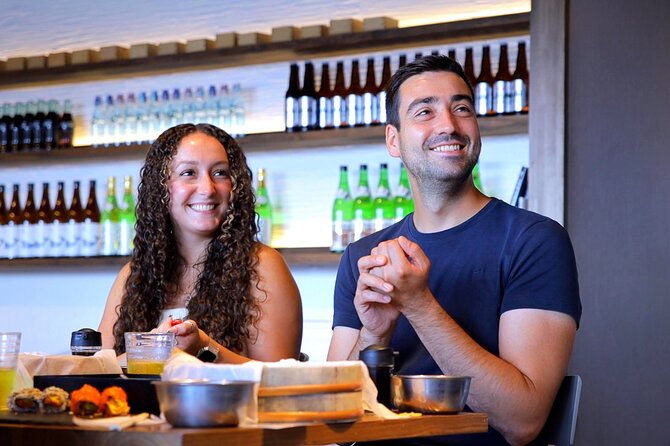
Because the meeting point is in Kaminarimon and close to Sensoji Temple, you can build an easy day around it. Here is a simple way to think about timing.
- If you go in the morning or early afternoon, you can see Sensoji Temple and the nearby streets when they are full of character.
- Then you do the class before you get too tired or too hungry to learn.
- After, you can wander Asakusa again with a new lens, since you just learned the basics of sushi forms.
This is one of those experiences that improves how the neighborhood feels. After sushi making, the food culture becomes less abstract.
Should You Book Sushi Making Tokyo?
Book it if you want a fun, beginner-friendly hands-on activity in Tokyo that ends with you eating your own work. The English instruction is a real advantage, and the combination of nigiri plus roll sushi makes it feel like you are learning more than one simple trick. If your goal is a memorable Tokyo story with actual skills to take home, this is a strong fit.
Skip it or consider a different option if you are looking for a high-level, highly technical course where technique takes a back seat to professional-grade methods. This class is set up for most people to succeed, not for strict culinary schooling.
If you are traveling with kids or teens, or you just want a reliable, enjoyable meal-and-lesson experience in Asakusa, I think you will be happy you booked.
FAQ
How long is the sushi making class?
The experience lasts about 1 hour 40 minutes.
Where do I meet for the class?
You meet at 2-chōme-17-9 Kaminarimon, Taito City, Tokyo 111-0034, Japan.
Is hotel pickup or drop-off included?
No. Hotel pickup and drop-off are not included, and the class ends back at the meeting point.
Do I need sushi-making experience?
No experience is needed. The instructors guide you step by step in English.
What is included in the price?
The price includes an English speaking instructor, plus the ingredients for the class and the meal.
Is the food you make included?
Yes. You enjoy and eat the sushi you make during the class.
How big are the groups?
The activity has a maximum of 30 travelers.
Are there any accessibility or pet rules?
Service animals are allowed.
Is free cancellation available?
Yes. You can cancel up to 24 hours in advance for a full refund. If the minimum traveler count is not met, you will be offered a different date or a full refund.
Latest write-ups near Tokyo
- Harajuku Private Tour: Kawaii Fashion & Animal Cafe Included★ 5.0 · 69 reviews
- Mt Fuji Customizable Private Tour English Speaking Driver Pick-up★ 5.0 · 69 reviews
- Tokyo Night Cooking Class: 5 Home-Cooked Japanese Dishes★ 5.0 · 70 reviews
- Tokyo: Sumida Aquarium Entry Ticket★ 4.6 · 70 reviews
- Private Customizable Walking Tour of Tokyo★ 5.0 · 70 reviews
- Wagyu Beef and Sake Pairing Foodie Tour in Tokyo★ 5.0 · 71 reviews
- Official Japan Go-Kart Through Tokyo Bay / Ginza (IDP Required)★ 4.5 · 71 reviews
- Experience Big soba knife Soba Making Class in Tokyo Kappabashi★ 5.0 · 71 reviews
Sushi Making Classes, compared.
Sushi Making Tokyo Roll and Authentic Japanese Sushi Class
Read our review →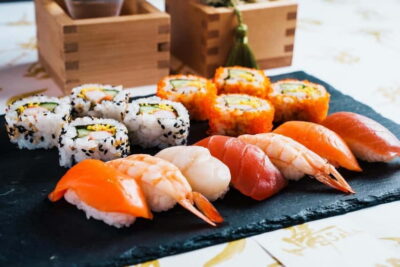
Roll and Authentic Sushi Making Class in Asakusa
Read our review →
Sushi Making Class in a Happi Coat near a Famous Spot
Read our review →
Sushi Making Osaka Roll and Authentic Japanese Sushi Class
Read our review →
Tokyo Sushi Making Class in Tsukiji with Professional Chef
Read our review →
Tokyo Night Foodie Tour in Shinjuku – Seasonal Sushi, Wagyu Beef
Read our review →
Tsukiji Fish Market Guided Tour and Sushi Making with Pro Chef
Read our review →
Sushi Making in Kyoto! Same-day bookings welcome!
Read our review →Browse the lists this tour appears in