
Reviewed · GEISHA & GION TOURS
Kyoto Geisha Walking Tour: Gion District & Hidden Gems
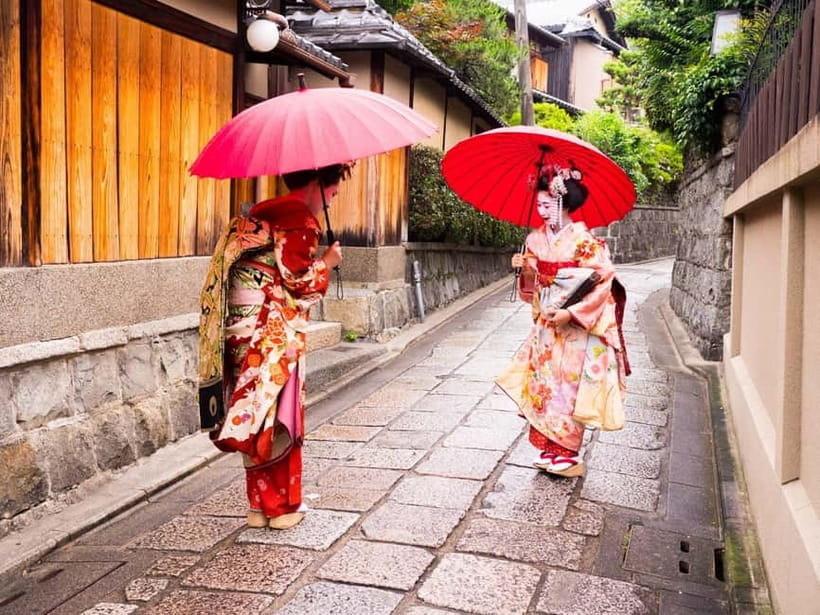
What makes this Kyoto geisha walking tour interesting is how it turns Gion into a living story, not just a pretty neighborhood walk. I like two things a lot: you get the chance to spot Geiko and Maiko as they head to appointments, and your guide connects what you see to the history and purpose of the geisha world in Kyoto. One consideration, though, is that seeing geisha is never a sure thing, since they move discreetly and follow schedules.
The tour also takes you past the obvious main lanes and into calmer corners, including preserved machiya townhouses and a standout stop at Chion-in Temple. In English tours, guides such as Michael, Yuri, Anton, and Ikuro have impressed people for clear, friendly explanations and a lot of practical ideas for what to do next in Kyoto.
Key Highlights You Should Know Before You Go
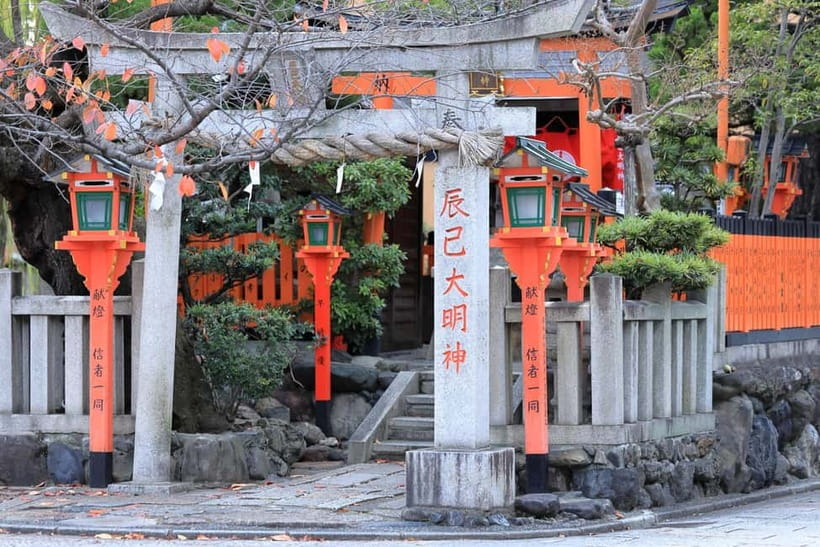
- Geiko and Maiko sightings with context: You are not just hunting for photos. You learn what you are looking at and why it matters in Gion.
- Temple stops that match the story: The route includes Hokan Ji Pagoda and Kennin-ji Temple, then adds a more easily skipped temple at Chion-in.
- Time to photograph off-the-beaten-path: Your guide steers you toward spots where you can take better pictures without crowd chaos.
- Machiya townhouses and teahouse lanes: You see the traditional townhouse style and understand how teahouses fit into the geisha world.
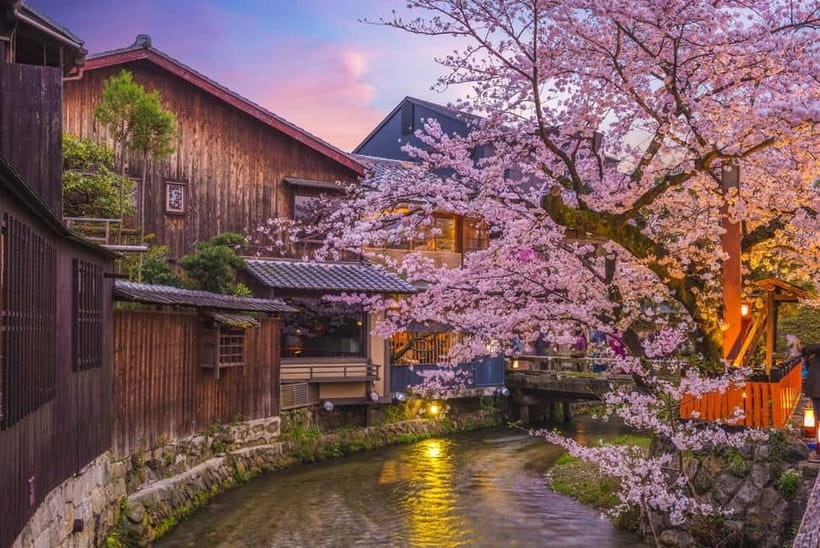
- Lantern-lit Gion atmosphere: As evening falls, the streets take on that old-Kyoto feel that makes the walk linger.
- A ready-made Kyoto plan for after the tour: You get tried-and-trusted recommendations for restaurants, bars, shops, and more.
Why This Gion Walk Works for First-Timers
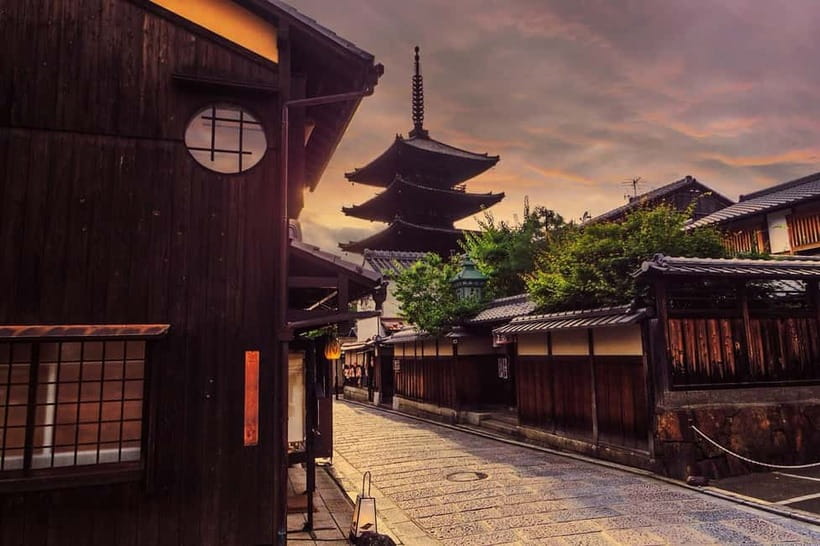
Gion is one of those Kyoto neighborhoods where the details hit you fast. Cobblestone streets, wooden teahouses, and that gentle hush you only get when people know they are walking through something with rules. This tour is built for your brain to catch up with your eyes. You get a guided walk through the district while learning the origins and role of geisha culture in Kyoto and how it has shaped life in the area.
I especially like that the tour treats the geiko and maiko sightings as part of a bigger picture. Instead of a frantic chase, you are learning why these appointments happen, what the district represents, and how the tradition fits into modern society. That makes what you see feel less like a random surprise and more like a meaningful moment.
More Walking Tours in Kyoto
- Kyoto: Gion Magical Night Walking Tour with Geisha Trivia
★ 4.9 · 2,393 reviews - Kyoto: Gion Geisha District Walking Tour – Stories of Geisha
★ 4.7 · 2,187 reviews - Night Walk in Gion: Kyoto’s Geisha District
★ 4.5 · 2,003 reviews
Meeting at Hotel Alza Kyoto, Then Straight Into the Streets
You meet on a side street next to Hotel Alza Kyoto. Look for the red parasols, with marble seats underneath. It is a simple cue, and it helps you get oriented quickly, which matters because Gion streets can look similar when you first arrive.
Arrive a few minutes early. With a 2-hour walk, the best strategy is to start calm, not sprinting. Once the group is together, your guide takes you into the Gion rhythm right away.
The Gion Core: Appointments, Teahouses, and What to Notice
The heart of the walk is in the Gion district, where teahouses and traditional streets set the mood. Expect slow, purposeful strolling on streets lined with preserved architecture and small storefronts. You will also have a real chance to see geiko and maiko as they make their way to appointments.
How to enjoy this part the most:
- Watch for movement patterns, not just faces. Geiko and maiko often pass through side lanes and quiet stretches, so you get more out of paying attention to the street flow.
- Let your guide point things out. The tour is designed around explanations tied to specific corners, not random wandering.
- Use your camera when your guide gives you a photo spot. You get time in the right place, with fewer awkward pauses.
A big plus is that the tour includes off-the-beaten-path stops along the way. That is where the neighborhood stops looking like a postcard. You notice preserved machiya townhouses and smaller teahouse lanes that many visitors do not naturally find.
Hokan Ji Pagoda and Kennin-ji Temple: Kyoto Heritage in Plain View
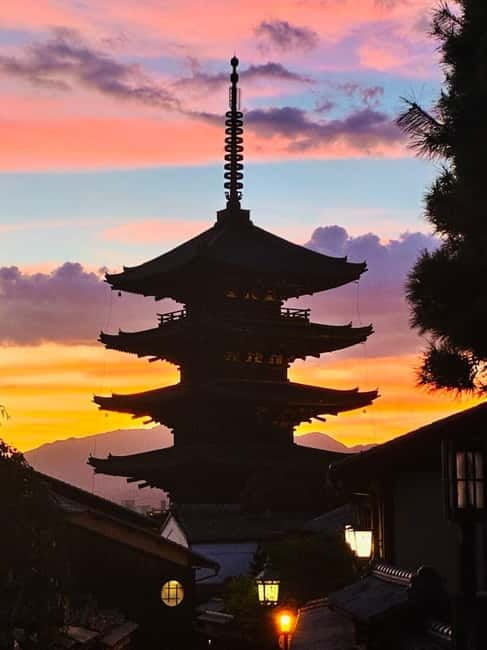
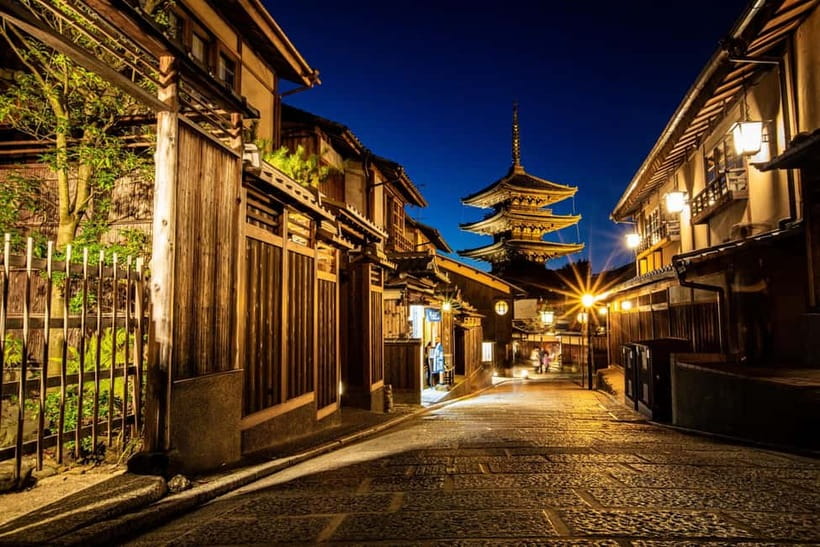
At some point in the walk, you will reach iconic-feeling sights that are still peaceful enough to breathe in. One highlight is the Hokan Ji Pagoda, described as a symbol of Kyoto’s cultural heritage. Even if you only get a short look, the pagoda view helps you understand how temples and town life interconnect in Kyoto.
Then the tour turns to serenity at Kennin-ji Temple. This is called the oldest Zen temple in the city, and the payoff is atmosphere. You shift from street-level Gion details to a quieter rhythm, where the setting does the explaining.
Why these stops matter on a geisha-focused walk:
- They show you that Gion is not an isolated “show district.” It sits within a broader Kyoto culture.
- They help you place the geisha world in a city where religious sites and traditional neighborhoods share space and influence.
More Geisha Experiences in Kyoto:
- Best of Kyoto: Gion, Geisha, Pagodas & Cobblestones
★ 4.9 · 2,058 reviews - Kyoto Night Foodie Tour in Gion (9+ dishes + 6 Sake tastings)
★ 5.0 · 1,762 reviews - Kyoto Gion Geisha District Walking Tour – The Stories of Geisha
★ 5.0 · 1,441 reviews - Kyoto Gion: 2-Hour Geisha Culture & History Walking Tour
★ 5.0 · 1,186 reviews
Chion-in Temple: The Part Many People Skip
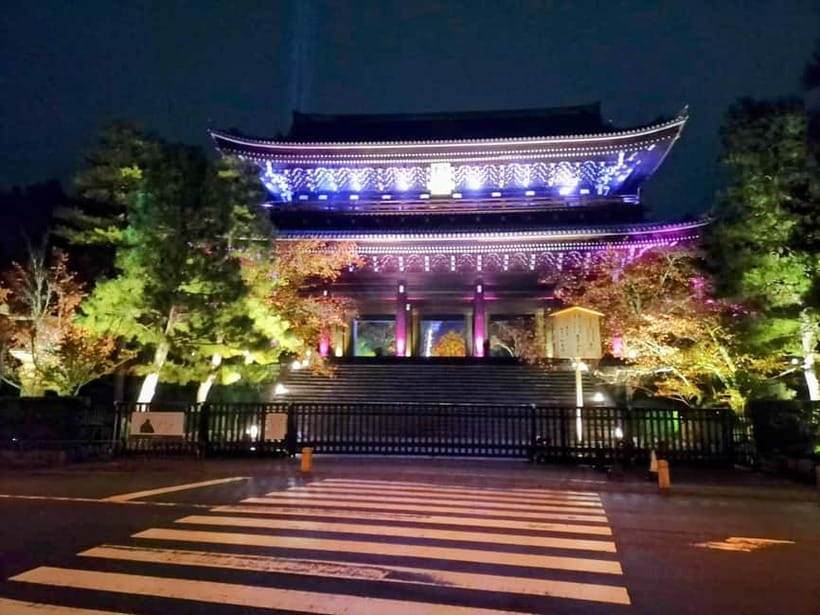
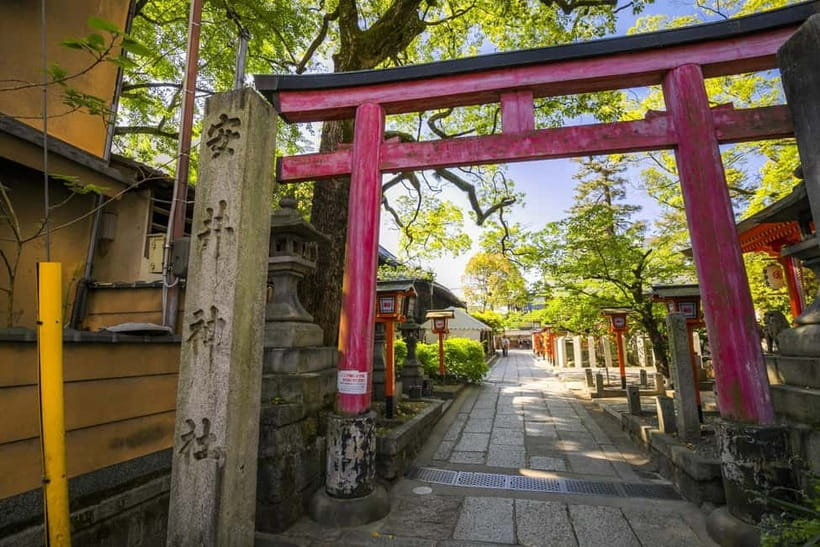
If you want one stop that feels like you are getting something extra, it is Chion-in Temple. It is singled out as an often-overlooked stop, and it is noted for housing three designated national treasures across its grounds.
Here is what that means for you on the ground. Instead of only seeing the most famous places, the tour helps you understand Kyoto as a layered place, where different sites protect different pieces of heritage. The grounds are described as vast and picturesque, which is exactly what you want when you are walking and learning for hours.
This is also a good moment to ask questions. Your guide is there to tie architecture and tradition back to the geisha culture story you have been building since the Gion streets.
Tea Houses and Machiya Townhouses: How Traditional Style Shapes the Story
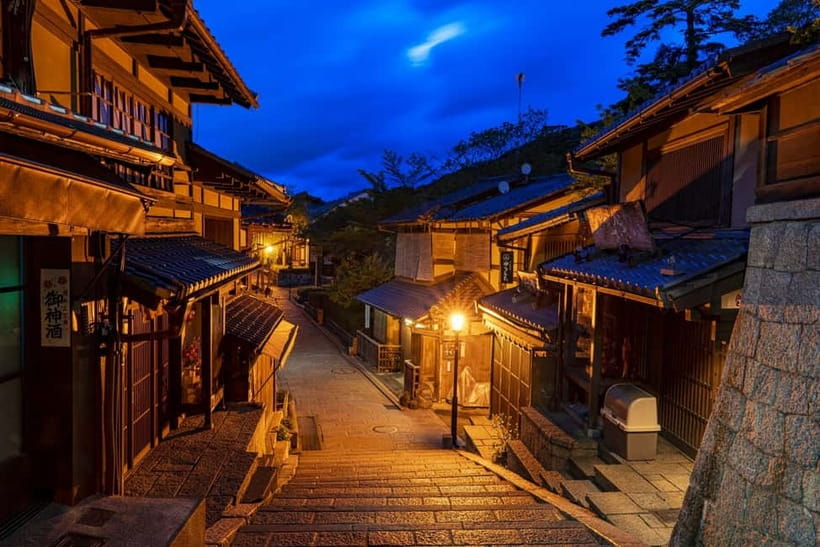
One of the tour’s strengths is how it uses architecture to explain culture. You will see beautifully preserved machiya townhouses and charming teahouses. The tour even mentions teahouses where geiko and maiko make exclusive private performances for wealthy clientele.
That is important context. Kyoto’s geisha world is not just about appearances on a street corner. It is tied to buildings, privacy, and the district’s long-standing relationship with entertainment and etiquette. Your guide’s job is to help you connect the dots between the traditional spaces you see and the cultural system behind them.
You will also pass boutique-style souvenir shops along the route. That is useful, because it gives you a chance to browse while the neighborhood mood is still fresh. Instead of saving shopping for later when you feel tired, you can do it while you are already oriented.
Evening Lanterns in Gion: A Different Mood, Same Culture
Gion changes as evening falls. The tour points out lantern-lit streets, and that shift is one of the reasons a guided walk feels better than going alone. With a guide, you do not just stumble through darker streets. You understand what you are seeing and why that evening atmosphere belongs to the district.
For me, this is when the walk stops feeling like sightseeing and starts feeling like being present. The lighting softens the sharp edges of the street. Teahouse facades and cobblestones feel more intimate. You also get that gentle sense of old Kyoto without needing to guess where the best angles are.
And yes, you are still learning. The point of adding evening mood is to help the story click, not to turn the tour into a photo marathon.
Photo Stops and Comfortable Timing in a Tight 2 Hours
This is a 2-hour walking tour, which is just long enough to cover key corners without turning your feet into a full-time job. The experience is designed with off-the-beaten-path photo locations, and your guide helps you take pictures from spots that feel natural for the setting.
A lot of guests also mention that the pace is comfortable and not rushed. That matters because in Gion, the best moments tend to be quiet ones. If you feel pressured, you miss the details.
Pack for real walking time. You may be on cobblestones and in cool or cold air depending on when you go. One guest specifically mentioned it being freezing cold and wanting a charged break, which is a reminder to dress warm and plan your comfort.
About photo expectations: the tour promises plenty of photo-worthy moments. Getting the perfect geiko or maiko shot can depend on timing, but you should come away with great street photos and temple scenery if you follow your guide’s cues.
The Part You’ll Use After the Tour: Food, Bars, and What to Do Next
Near the end of the walk, your guide shares a detailed list of tried-and-trusted recommendations. This is not vague advice like get sushi somewhere. You get ideas for restaurants, bars, shops, and plenty of places to visit so you can keep your Kyoto momentum.
This kind of add-on is real value. It turns your tour from a standalone experience into a starting point for the rest of your trip. People often remember the guide most clearly for this practical help, especially when they answer questions on the spot.
One more small reason I like this: it is easier to choose where to go when someone knows your interests. If you are learning about Gion culture, you want food that matches the vibe, not just whatever is closest on the map.
Price and Value: Why $25 Can Make Sense
At $25 per person for 2 hours with a live English guide, this tour is priced like an introduction that gets you oriented fast. Here is what you are really paying for:
- A guided walk through Gion that connects architecture and culture, not just street views.
- Multiple notable stops, including Hokan Ji Pagoda, Kennin-ji Temple, and Chion-in Temple.
- Chances to spot geiko and maiko as they make appointments, framed with explanations.
- Photo-friendly directions to off-the-beaten-path positions.
- A personal list of where to eat, shop, and go next.
If you are visiting Kyoto for the first time, that combination is hard to beat. You would spend time figuring out where to go anyway, and you would miss the cultural context that makes the district feel understandable rather than mysterious.
Who Should Book This, and Who Might Prefer Something Else
This tour is a strong fit if you:
- Want a guided cultural orientation to Gion and the geisha world in Kyoto.
- Like temples, architecture, and story-driven stops.
- Appreciate helpful local recommendations for food and nightlife after your walk.
- Want a manageable 2-hour outing that still covers several meaningful locations.
It is not suitable for people with mobility impairments or wheelchair users, since it is a walking experience.
Also, if your top goal is seeing geiko and maiko at any cost, adjust your expectations. The tour offers the opportunity, but sightings depend on real life schedules and etiquette.
Should You Book This Kyoto Geisha Walking Tour?
Book it if you want the fast, respectful, story-based way to understand Gion. The route hits the Gion atmosphere, temple context, and a Chion-in Temple stop that many people overlook, then sends you off with a practical Kyoto game plan.
Skip it only if you cannot do cobblestone walking or you need a guaranteed geisha sighting. For everyone else, this is one of the most efficient ways to turn Kyoto’s Gion into something you actually understand, not just something you pass by.
FAQ
How long is the Kyoto Geisha Walking Tour?
The tour lasts 2 hours.
Is the tour guided in English?
Yes, the tour is led by a live guide in English.
Where do we meet for the tour?
You meet on a side street next to Hotel Alza Kyoto. Look for the red parasols with marble seats underneath.
What can I expect to see during the walk?
You will tour the Gion district, with opportunities to spot Geiko and Maiko as they make their way to appointments, plus visits to places like Hokan Ji Pagoda, Kennin-ji Temple, and Chion-in Temple.
Are photos part of the experience?
Yes. You have opportunities to take stunning photos at off the beaten path locations along the way.
Is free cancellation available?
Yes. You can cancel up to 24 hours in advance for a full refund.
Can I reserve and pay later?
Yes. You can reserve your spot and pay later.
Is the tour suitable for wheelchair users or people with mobility impairments?
No. The tour is not suitable for people with mobility impairments or wheelchair users.
Latest write-ups near Kyoto
- Kyoto Tea Ceremony and Samurai Photo Session★ 5.0 · 70 reviews
- Kyoto: Replica food making experience★ 4.8 · 70 reviews
- Kyoto: Kinkakuji, Golden Pavilion Guided Tour★ 4.7 · 71 reviews
- Private departure transfer from Kyoto city to Kansai International airport★ 5.0 · 72 reviews
- Uji: Green Tea Tour with Byodoin and Koshoji Temple Visits★ 4.8 · 72 reviews
- Kyoto: Geisha Dinner & Gion Cultural Walk★ 5.0 · 73 reviews
- Kimono and Yukata Experience in Kyoto★ 4.5 · 73 reviews
- Kyoto: Toei Kyoto Studio Park Admission Ticket★ 4.1 · 73 reviews
Geisha & Gion Tours, compared.
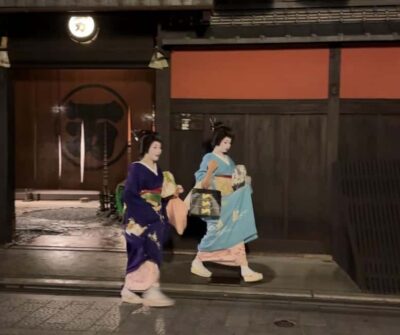
Gion Magical Night Walking Tour with Geisha Trivia
Read our review →
Gion Geisha District Walking Tour – Stories of Geisha
Read our review →
Best of Kyoto: Gion, Geisha, Pagodas & Cobblestones
Read our review →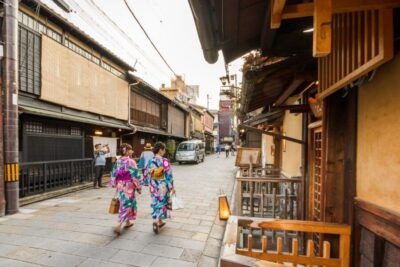

Kyoto Night Foodie Tour in Gion (9+ dishes + 6 Sake tastings)
Read our review →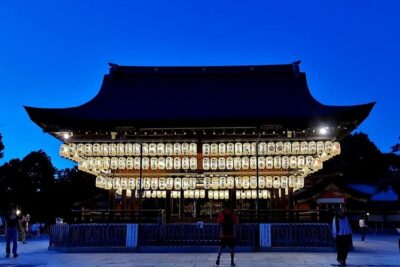
Kyoto Gion Geisha District Walking Tour – The Stories of Geisha
Read our review →
Kyoto Gion: 2-Hour Geisha Culture & History Walking Tour
Read our review →
Chopsticks Making Workshop in Gion with Engraving Option
Read our review →Browse the lists this tour appears in