
Reviewed · CASTLE TOURS
Tokyo: Pvt. Tour – Edo Castle & Imperial Palace East Gardens
Tokyo has a way of layering eras on top of each other. This private tour takes you from Edo Castle remnants to the Imperial Palace East Gardens without turning it into a long museum day. On a good day, you can feel the shift from shogun-era power to calm, carefully designed park paths while your guide like Hiroshito or Yoshi-san keeps the story clear and human.
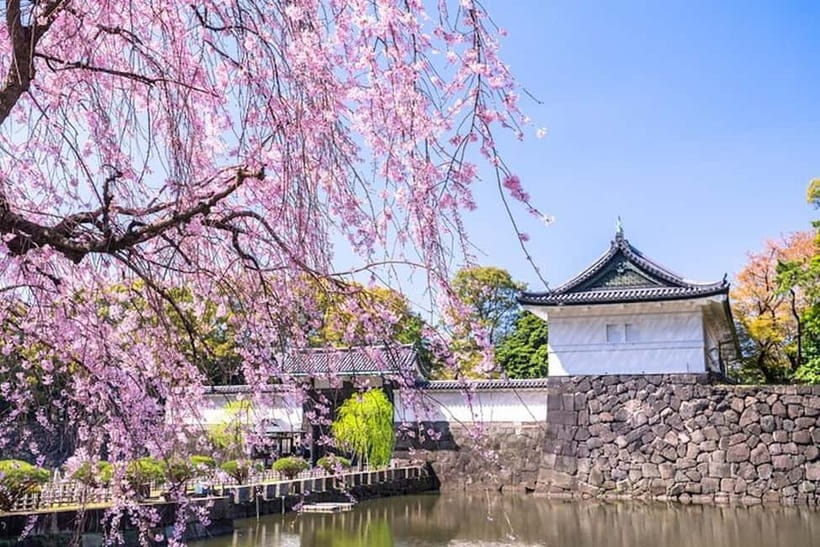
I especially like how you get both the big, physical history (massive walls, moats, the main gate area) and the quieter details (garden design, seasonal plantings, and how the grounds were shaped). One thing to consider, though, is timing. If you book around late spring, you might still miss the peak bloom moment, like one guest did when cherry blossoms were not fully out.
Key Things You’ll Notice on This Private Edo Castle and East Gardens Tour
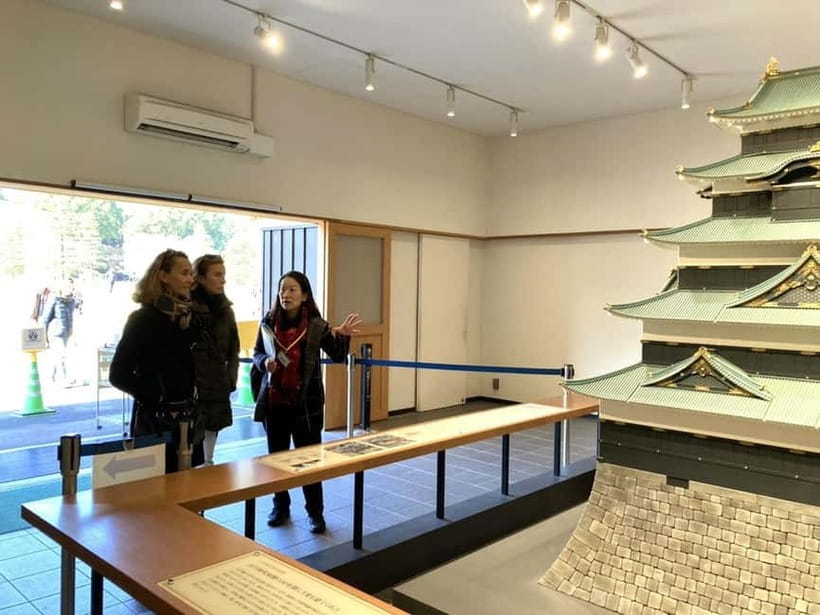
- Edo Castle ruins in a tight loop, including the main gate area, stone walls, and moats
- Ninomaru Garden with seasonal highlights (cherry blossoms, irises, or autumn leaves depending on the month)
- Imperial Palace East Gardens only, with no access to the Inner Palace where the Emperor resides
- A real English guide, with guests praising strong explanations and flexible pacing
- Security checks at the Imperial Palace grounds, including baggage inspection once you enter
- A calm break from central Tokyo, since the tour focuses on green space rather than crowds
Why Edo Castle to East Gardens Works So Well in 2 Hours
If your Tokyo plan already has the usual highlights, this tour is a smart way to add depth without eating a whole day. You are not only looking at old buildings from the outside. You are walking through the spaces that shaped how power, security, and daily life fit together in earlier Japan.
What I love most is the mix of scale and stillness. Edo-era defenses are huge and blunt, meant to stop people and hold ground. Then you step into garden design that feels made for slowing down, with seasonal flowers and paths that guide your eyes where to look.
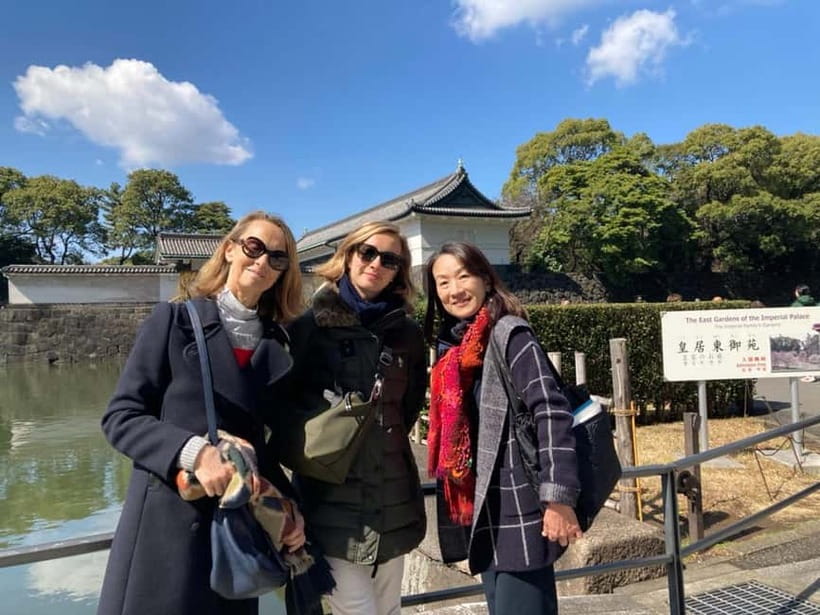
Also, because it is a private group, you get a pace that fits your feet and your curiosity. People in the past have described guides who adjusted timing and walked at a comfortable speed, which matters when you are mixing ruins and garden paths.
More Castle Tours in Tokyo
- Tokyo Castle & Imperial PalaceーShogun Walking Tour
★ 4.7 · 1,068 reviews - Tokyo Castle & Imperial PalaceーShogun Walking Tour
★ 5.0 · 724 reviews - Imperial Palace East Garden and Edo Castle Walking Tour in Tokyo
★ 5.0 · 510 reviews
Meeting at Wadakura Fountain Park, Finding Your Guide Fast
You meet at 和田倉噴水公園 (Wadakura Fountain Park), in front of Starbucks. The tour uses an easy-to-spot system, look for the guide holding a sign board that says gotcha.
This is convenient for first-timers because you are close to major transit. The meeting point is about a 3-minute walk from Tokyo Metro Otemachi Station exit D2, and roughly a 10-minute walk from Tokyo Station’s Marunouchi central exit. That means you can arrive without stress, even if you are juggling luggage or other plans.
A practical tip: go early enough to confirm you are at the right Starbucks entrance. Once you spot the guide, you can start thinking about what kind of photos you want. The ruins and gardens both give different angles, so a quick plan helps.
Edo Castle Main Gate Area: Where the Walls Tell the Story
Your walk begins in the Edo Castle area, where you will see the historic main gate setting and traditional guardhouse details. Even if you cannot step into a reconstructed version of the past, the layout helps you understand why this place mattered.
Here is what to pay attention to:
- Stone walls and moats: these are not background scenery. They explain how this site controlled movement and protected the center of power.
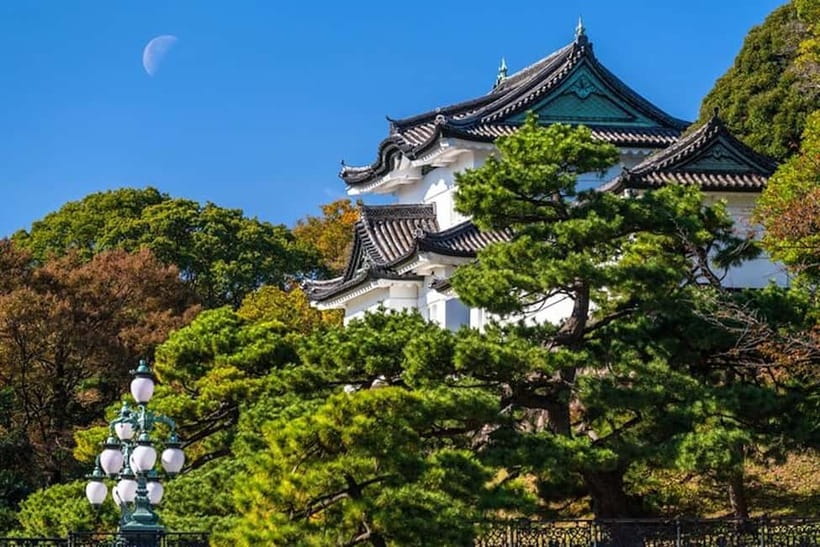
- The main keep scale: the ruins leave you with a sense of how massive the fortifications were, built for defense, not for decoration.
- Old-meets-new security feel: the descriptions you get are meant to connect past strategies with how the present secures important sites.
This stop is a good reality check if you think of feudal Japan as only castles and samurai movies. You will see the practical side of architecture, the kind that controlled who could enter, where, and when.
Ninomaru Garden: Seasonal Flowers, Garden Design, and a Slower Tokyo Moment
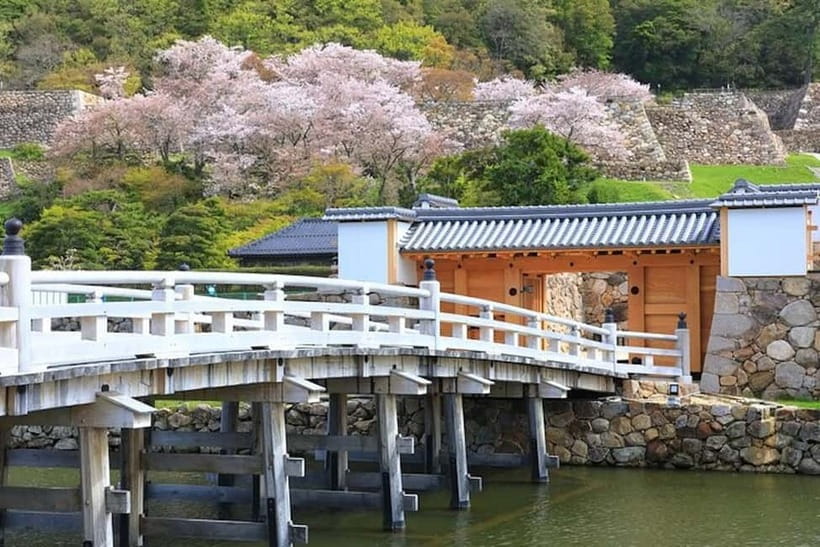
After the castle defenses, the tour moves into Ninomaru Garden, a traditional Japanese garden set within the Imperial Palace East Gardens grounds. This is where the experience shifts from hard edges to soft direction, with seasonal flowers that change the mood.
You might see different seasonal highlights depending on your month:
- Spring: cherry blossoms when in bloom
- Summer: irises in season
- Autumn: autumn leaves
Even if you go in a less-perfect season, the garden is still worth it. The design is part of the point, and a guide helps you notice what you might otherwise miss, like how the pathways and viewing points are arranged for particular perspectives.
One of the clearest lessons from past guests is that garden timing can be a disappointment if you expect peak flowers. A guest who visited in April shared that the cherry blossoms were not really out yet. That does not mean the tour is bad. It just means you should treat flowers as a bonus, not the main event.
A change of pace from Tokyo:
- Mt Fuji and Hakone 1-Day Bus Tour Return by Bullet Train
★ 5.0 · 26,383 reviews - 1-Day Tokyo Bus Tour
★ 5.0 · 14,250 reviews - Tokyo: TOKYO SKYTREE® Admission ticket
★ 4.5 · 11,192 reviews - Tokyo: teamLab Planets TOKYO Digital Art Museum Entry Ticket
★ 4.6 · 9,779 reviews
Imperial Palace East Gardens: Beautiful Grounds, No Inner Palace Access
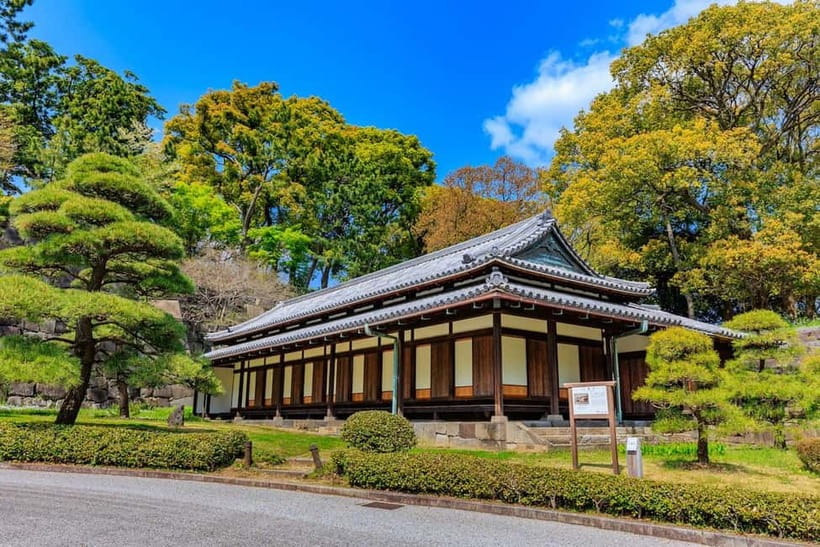
This tour focuses on the Imperial Palace East Gardens and the surrounding grounds. That matters because the Inner Palace area, where the Emperor resides, is not included.
So you will not get the kind of entry most people dream about when they imagine stepping inside the Imperial complex. You are still getting something valuable though. You are walking in the area shaped by Edo Castle, which gives you a direct connection between feudal administration and the modern symbolic landscape around it.
What you will notice:
- Architecture and grounds details you can actually view during a guided walk
- A sense of how formal power and public green space share the same area
- The contrast between busy Tokyo streets and a place designed for measured movement
Also, once you enter the Imperial Palace grounds, you should plan for baggage inspection. This is not optional, so build a little time buffer into your day, and keep items easy to handle. If you plan to buy items like Japanese knives or anything that could be used as weapons while out shopping, store them before you meet, such as in a coin locker.
Listening to the Stories: How the Guide Turns Stones Into Meaning
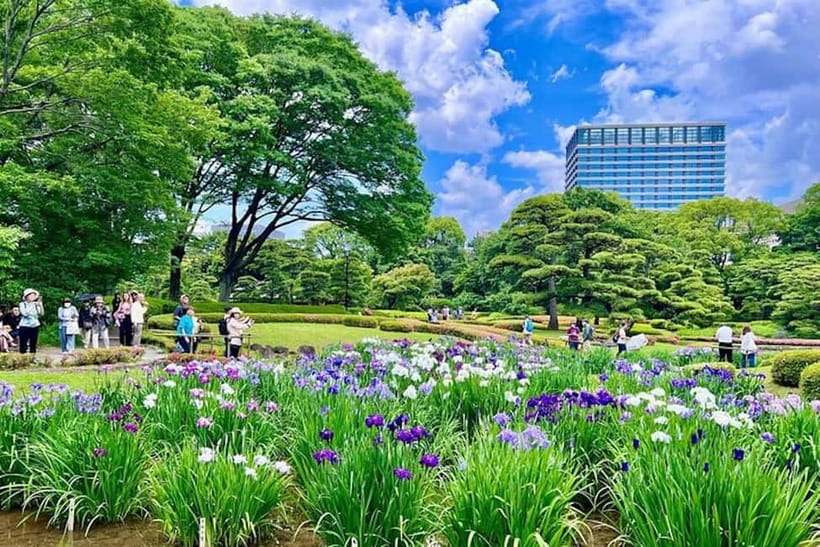
A tour like this lives or dies by the storytelling. The best part of these guided walks is how your guide explains what you are seeing and what it meant, not just what it looks like.
I saw a pattern in the past experiences: guests praised guides for strong English and explanations that connected the garden and castle ruins into one timeline. Some names that came up again and again included Yoshi-san, Mr. Masahito, Mari, Ishida, Yuji, Naoko, and David.
One detail I really like is how questions are handled. One guest shared that when the guide did not know an answer right away, they reached out to another guide to confirm the information. That tells me the guiding team takes details seriously, not just reciting a script.
You can use this to your advantage. If there is a specific angle you care about, Edo defenses, garden design, or the imperial era, say it early. A good guide will steer the explanation toward what you actually want to understand.
What a Private Group Really Changes for Your Experience
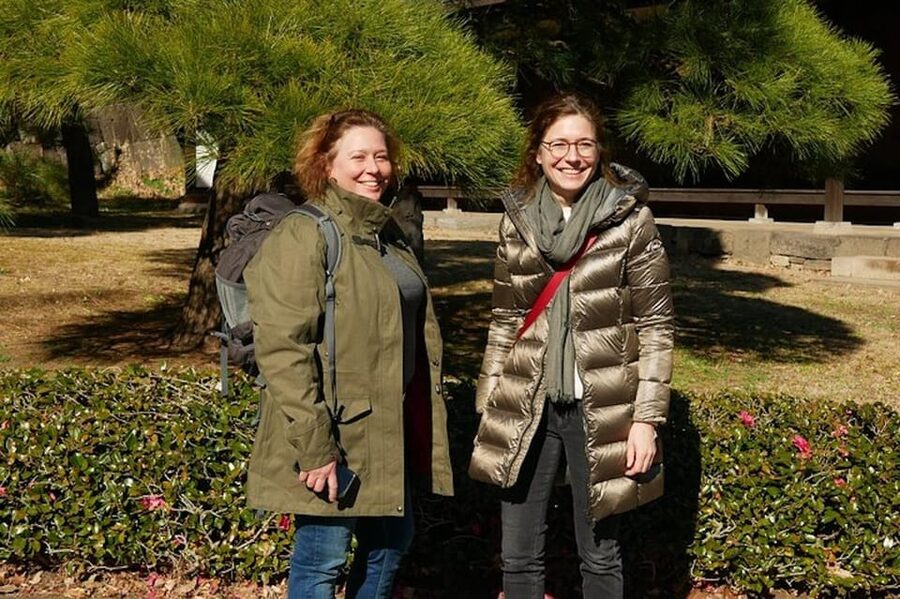
Two hours can feel short, but in a private format it often works better than a group tour. You can slow down for a wall line, speed up between points, and ask the kind of follow-up questions that normally get swallowed by a larger group.
Pacing is a big deal here because you are mixing ruins and garden paths. Some guests described guides who kept the pace comfortable for families and helped them see the main spots without rushing. Others mentioned that their guide offered suggestions for what to do after the tour, even helping them with directions for the next transit stop.
That practical support is a big part of why I like private walking tours in central Tokyo. You are not just leaving with photos. You leave with a clearer sense of how the city works and what to pair with your next stop.
Timing Tips: Seasonal Flowers and Realistic Expectations
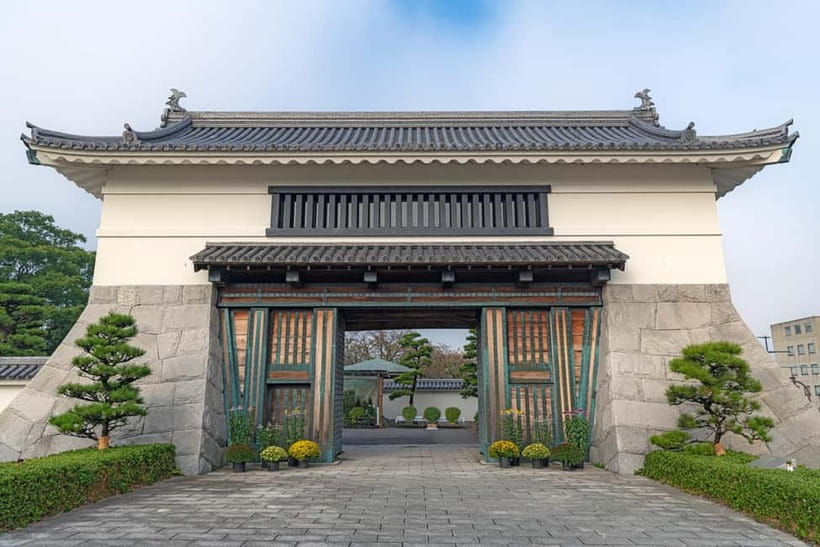
Ninomaru Garden seasonal flowers are a highlight, but they are also weather and timing dependent. If you are traveling in spring expecting cherry blossoms, remember that you might arrive before peak display. One guest on an April visit noted the cherry blossoms were not really out yet.
So I suggest you plan like this:
- Treat seasonal blooms as a bonus.
- Focus on garden structure, viewpoints, and the guide’s historical connections even if flowers are underwhelming.
- Dress for comfort. A 2-hour walking tour means you will feel the Tokyo air, especially when shifting between open areas and more sheltered garden zones.
If you go in autumn, the leaf season can be a different kind of beauty than spring flowers. If you go in summer, irises might set a calmer tone than you expect from a big city.
Is the $63 Price Good Value for This Kind of Tour?
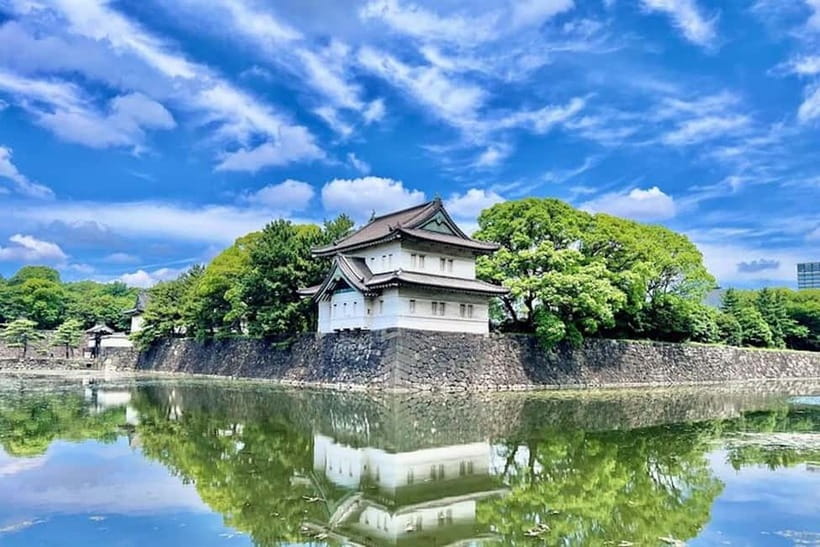
At $63 per person for a 2-hour private tour, the value depends on what you want out of Tokyo. If your plan is mostly self-guided, this may feel pricey for a short walk. If you want interpretation, clearer context, and help connecting Edo Castle to the Imperial Palace grounds, a private guide can feel like paying for understanding, not just sightseeing.
This tour is also built around an experience that is not always easy to piece together on your own. You are moving through ruins and a garden with a specific historical relationship. A guide gives you the thread that makes the stops connect.
Where it becomes especially good value is when your group has different interests. One person might care about architecture, another about garden design, and another about imperial-era context. With a private guide, you can cover more of those interests without splitting up.
Should You Book This Private Edo Castle and Imperial Palace East Gardens Tour?
Book it if you want:
- A 2-hour guided walk that combines Edo Castle ruins with Imperial Palace East Gardens
- An English-speaking guide who explains what you are seeing and answers questions
- A calmer break in green space while still staying close to Tokyo’s central transit hubs
- History without the “all day in lines” feeling
Skip it or adjust expectations if:
- You specifically want to enter the Inner Palace. This tour does not include that.
- You are traveling only for cherry blossoms or a single seasonal bloom. Flowers depend on timing, and one guest experienced less-than-peak blossoms in April.
FAQ
How long is the Tokyo Edo Castle and Imperial Palace East Gardens private tour?
The tour lasts 2 hours.
Is this tour private or shared with other groups?
It is a private group tour.
Will I be able to enter the Inner Palace where the Emperor resides?
No. The tour does not go inside the palace where the Emperor resides, so entry to the Inner Palace is not included.
Where do I meet the guide?
Meet your English-speaking guide in front of Starbucks in Wadakura Fountain Park. Look for the guide with a sign board that says gotcha.
How far is the meeting point from Tokyo metro Otemachi and Tokyo Station?
It is about a 3-minute walk from Tokyo metro Otemachi Station exit D2 and about a 10-minute walk from Tokyo Station Marunouchi central exit.
Do I need to expect a security check at the Imperial Palace grounds?
Yes. Upon entering the grounds of the Imperial Palace, visitors are subject to baggage inspection.
What should I do if I plan to buy items like Japanese knives during shopping?
If you plan to purchase Japanese knives or other items that could be used as weapons at places like Tsukiji or Asakusa, leave them in a coin locker or similar before the meeting.
Is it possible to cancel or pay later?
Yes. You can reserve now & pay later, and free cancellation is available up to 24 hours in advance for a full refund.
Latest write-ups near Tokyo
- Tokyo Nights: Shibuya Photo Adventure★ 5.0 · 20 reviews
- Wagyu & Sake 8 Course Tasting Dinner in Shinjuku★ 4.9 · 20 reviews
- Making Japanese desserts Nerikiri & drinking matcha in Tokyo★ 5.0 · 20 reviews
- Mt. Fuji 5th Station, Owakudani Ropeway, Pirate Ship plus Outlet shopping!★ 4.5 · 20 reviews
- Japanese Whisky Hunting《HIGH-QUALITY-ONLY》Rare Tasting Class★ 5.0 · 20 reviews
- Kintsugi Experience with Arita Ware in Tokyo (English Guide)★ 4.8 · 20 reviews
- This is Asakusa! A Tour Includes the All Must-Sees!★ 5.0 · 20 reviews
- Tokyo: Karate Experience with Former All-Japan Champion★ 5.0 · 20 reviews
Castle Tours, compared.
Tokyo Castle & Imperial PalaceーShogun Walking Tour
Read our review →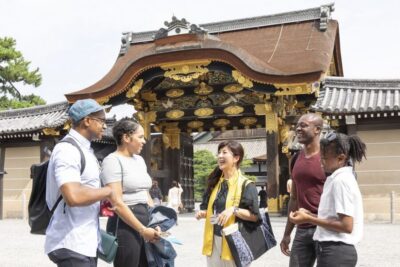
Nijo-jo Castle and Ninomaru Palace Guided Tour
Read our review →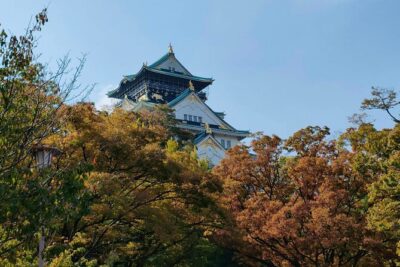
Ultimate Osaka Walking Tour: Castle, Dotonbori & Hidden Gems
Read our review →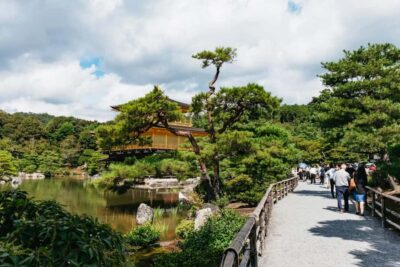
Nijo Castle, Kiyomizu & Fushimi Inari Guided Tour
Read our review →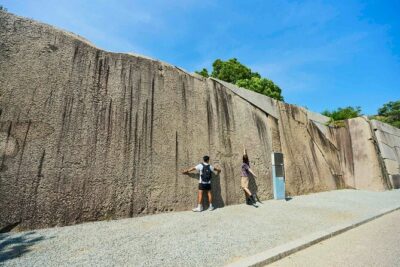
Osaka Castle Walking Tour and Castle Tower Admission
Read our review →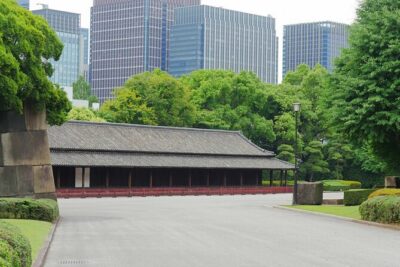
Imperial Palace East Garden and Edo Castle Walking Tour in Tokyo
Read our review →
Imperial Palace & Nijo Castle Guided Walking Tour
Read our review →Browse the lists this tour appears in