
Reviewed · CASTLE TOURS
Tokyo Castle & Imperial PalaceーShogun Walking Tour
The most interesting part of this tour is how it turns the Imperial Palace grounds into a living security textbook. You walk past gates, towers, and guardhouse sites, and the guide explains what kept Edo Castle standing, even when the world outside changed.
I really like the small group size (up to 10), because questions stay quick and the guide can tailor explanations on the spot. I also love that you get a guide-led story about the samurai and shogun era while still seeing real places you can photograph, from turret viewpoints to garden ponds with koi.
One thing to consider: this is English only, and the palace area includes security checks plus walking up steep slopes and stairs. If you’re sensitive to crowds of any kind, summer sun, or strict rules on what you can bring, plan for that first.
Key things you will like about Tokyo Castle & Imperial Palace
- Up to 10 people, so the history talks don’t feel like a lecture from far away
- Edo Castle defenses explained, including why the fortress was considered impenetrable
- English-only guidance, with Japanese language support not available
- A real mix of structure and calm, from guardhouse sites to Ninomaru Garden
- Free admissions on each listed stop, so your money goes to the guide experience
- End near the Tokyo Station area ginkgo avenue, easy to keep exploring after the walk
Entering Edo Castle in the Imperial Palace grounds
Tokyo’s Imperial Palace can feel like a postcard. But guided well, it becomes something else: a map of power. The tour frames the area as the setting for the shogun era, then connects it to Japan’s long-running imperial system, including a 2,600-year legacy.
What makes this walk work is that the guide is not just naming buildings. You learn to read defensive design. Gates, stone walls, guardhouses, and tower sightlines become clues. The story isn’t abstract, because you’re standing right where those decisions mattered.
There’s also a practical angle. Even though the Emperor’s residence itself is not open to the public, you still see plenty of palace-adjacent viewpoints and key architectural leftovers from the Edo period and earlier castle layouts. You walk away with a clearer sense of how Tokyo was organized when it was centered on Edo Castle.
More Castle Tours in Tokyo
- Tokyo Castle & Imperial PalaceーShogun Walking Tour
★ 4.7 · 1,068 reviews - Imperial Palace East Garden and Edo Castle Walking Tour in Tokyo
★ 5.0 · 510 reviews - Tokyo Castle, Imperial Palace, Shogun & Garden Walking Tour
★ 5.0 · 211 reviews
Meeting at Starbucks near Kōkyogaien, and how the 2-hour pace works
You start at Starbucks Coffee by Kōkyogaien Wadakura Fountain Park. This location is easy to reach by public transit, and it also gives you an informal “before the history talk” moment before you step into the palace grounds.
Expect about 2 hours total. The pace is steady but not rushed. Most stops are short, around 10 to 20 minutes, which keeps the group moving while still letting you stop for photos and questions.
From the reviews, I’d treat summer weather as part of the schedule. One guide on this route even provided sweets and menthol napkins during hot conditions, and another tour mention suggested water, plus a hat or umbrella since parts of the route are exposed. So bring comfortable shoes, and if you visit on a hot day, treat sun protection as essential gear, not an optional extra.
Sakurada Tatsumi Yagura: the turret that teaches modern-looking security
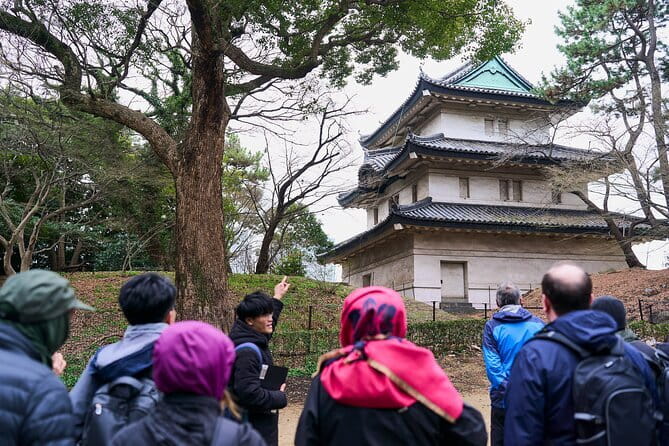
The first highlight is Sakurada Tatsumi Yagura. Here you can see a surviving turret from the Edo period. More importantly, the guide explains how security thinking from centuries ago still echoes in how the Imperial Palace is protected today.
A turret is not just a pretty structure. It’s a tool: a raised point for observation, a boundary marker, and a reminder that castle defense was about seeing first, reacting second, and controlling movement constantly.
This stop is free of admission and only about 20 minutes, so it’s a great entry point. You’re not tired yet, and you’re still fresh enough to absorb how the rest of the route connects to this idea of defense by design.
Kokyo Otemon Gate: reading the shogun-era “how-to-stay-safe” plan
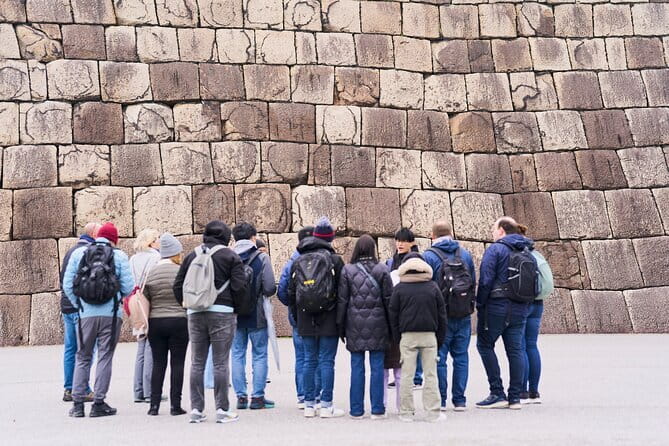
Next you see Kokyo Otemon Gate, where the tour focuses on the massive gates and stone walls linked to the original castle. This is where you learn the practical logic behind gate placement and the way the approach routes could help protect the shogun.
If you usually skip gates because they look similar in photos, don’t. Standing there with a guide changes it. You start seeing how angles, walls, and choke points can make an attack harder, even before anyone fights.
This is a short stop, about 10 minutes, and it’s another admission-free moment. So you spend money on the guide’s interpretation instead of paying for entry to a museum you might rush through.
More Walking Tours in Tokyo
- Tokyo Tsukiji Fish Market Food and Culture Walking Tour
★ 5.0 · 3,184 reviews - Tokyo: Imperial Palace and Shogun Historical Walking Tour
★ 5.0 · 2,251 reviews - Tokyo: Shinjuku Local Bar and Izakaya Guided Walking Tour
★ 4.9 · 1,794 reviews - Tokyo: Tsukiji Fish Market Food and Walking tour
★ 5.0 · 1,724 reviews
Constable, Hyakunin Bansho, Obansho: the guardhouse circuit you won’t forget
The middle of the tour is a “roles in defense” section. You visit several guardhouse sites, each tied to a different layer of samurai duties. This is one of the most praised parts of the experience because it turns a generic word like samurai into a system with hierarchy and specific jobs.
Here’s how it unfolds:
- Constable Guardhouse: linked to lower-ranking samurai. The guide explains who they were and why this spot mattered in daily security operations.
- Hyakunin Bansho Guardhouse: a larger guardhouse where many samurai were stationed. You learn how their presence supported castle security.
- Obansho Guardhouse: a central guardhouse near the inner gate, with a focus on higher-ranking samurai duties.
Even though each stop is only about 10 minutes, this segment sticks because you can connect it to what you just saw at the gates and turret. You’re basically walking through a layered defensive plan, and the guide puts the people into the architecture.
One review I found particularly helpful in spirit: some guides carry visual aids like laminated layouts or flashcards to help explain the old castle layout and guard-tower positioning. That kind of extra support matters, especially if you’re trying to picture what used to be there but isn’t anymore.
Fujimi-yagura: a watchtower viewpoint with real context
Next comes Fujimi-yagura, an old watchtower site overlooking the area. If you like architecture and city views, this is a moment to slow down. You don’t just look out, you understand why this spot mattered for patrol routes and observation.
Watchtowers were part of a communication system, even if the technology was simpler than today. The guide’s explanation helps you imagine how information would move across the castle grounds.
This is also an admission-free stop and about 10 minutes, so it fits well before you head into the more “interpretive” parts of the tour.
Kokyo Sannomaru Shozokan scale model, then the peace of the gardens
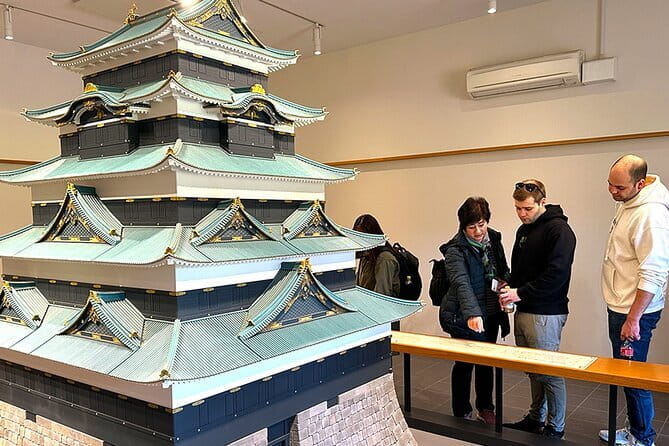
After the towers and guardhouse sites, the tour shifts to interpretation in Kokyo Sannomaru Shozokan. You can see a scale model of the former Edo Castle and you’ll also find a souvenir shop with palace-related goods.
This is where the tour earns its value. A scale model bridges the gap between what is gone and what once existed. You’ve been walking around remnants and sightlines, and the model helps lock your mental map in place. If you’re the type who likes to understand how things were built before they collapsed or changed, this is one of your best stops.
Then you move from structure back to calm with the Ninomaru Garden. Expect a traditional Japanese garden scene with seasonal plants and a pond with koi. The timing is part of why it feels good. After an earlier section that focuses on defense roles and gate logic, the garden gives you a breather and a different kind of atmosphere.
It’s about 15 minutes here. Don’t rush it. Even if you only spend a few extra minutes sitting or walking slowly near the pond, you’ll feel the contrast the guide is aiming for.
The East Gardens of the Imperial Palace, where Edo’s main tower used to be

The tour includes the East Gardens of the Imperial Palace at the Edo Castle ruins. This is the former site of the castle’s main tower, and the guide explains why it’s no longer standing and what remains today.
This is a poignant stop without being heavy. You’re watching history that changed, not a complete time capsule. It also helps you understand why the tour spends time on what still exists, like turret remnants and gate structures, instead of focusing only on buildings that no longer survive.
Expect about 15 minutes. If you’re trying to connect the dots, this is often where the whole route starts clicking: towers and gates in one mental picture, guardhouses in another, and the scale model tying them together.
Ending near Tokyo Station, with ginkgo-lined streets to carry the story forward
You finish near the ginkgo-lined avenue stretching out before Tokyo Station, and the experience ends back at the meeting point area. This ending is handy. Tokyo Station is one of the city’s best hubs for moving on, grabbing a snack, or continuing your day to another museum or neighborhood.
I like that the tour doesn’t end in the middle of nowhere. It ends where your logistics are simple.
Also, ending with a walk past a signature street element helps the “big picture” feeling. You start the tour thinking about Edo defenses, and you end your day with a familiar modern landmark in view. It’s a smooth transition.
Price and value: what $23.88 buys you in the real world
At $23.88 per person for about two hours, the main question is not whether it’s cheap or expensive. It’s what you’re paying for.
You’re paying for:
- a guide who can connect samurai roles to specific physical spots
- an organized route that highlights the defense logic behind the palace-area remnants
- English-only interpretation, since Japanese language support is not offered
- a format built around small groups (up to 10), which tends to produce better question-and-answer time than large bus tours
Another value piece: each listed stop is marked free admission, so you are not paying extra entry fees on top. Your cost goes toward the guided thinking, not ticket line time.
Could you do this on your own? Maybe, if you read deeply and enjoy figuring out old castle geography by yourself. But the tours that score extremely high often do so for a reason: the guide’s storytelling makes the sites make sense quickly, especially for people seeing the palace grounds for the first time.
Practical notes before you go (so nothing trips you up)
Before you head out, keep these points in mind:
- Security check is required to enter the Imperial Palace area. Don’t bring knives or alcohol.
- The Emperor’s residence is not open to the public, so parts you might imagine from photos may not be accessible.
- English only guidance means you won’t have Japanese language support.
- Plan for steep slopes and stairs. The tour says most travelers can participate, but your legs should be ready.
- Bring water and sun protection for hot days. Several guide behaviors described in customer feedback fit this reality, including giving menthol napkins and sweets to help people cope.
If you’re traveling with older relatives or anyone with a mobility limit, you’ll want to gauge tolerance for stairs and slopes before booking.
Should you book the Tokyo Castle & Imperial Palace walking tour?
I’d book it if you want a first-visit orientation that goes beyond “pretty gates and gardens.” This tour is best for people who like history that has structure, where you learn how defenses were planned and how different samurai ranks fit into the system.
I’d also strongly consider it if you’ll appreciate guide support like flashcards, laminated layouts, and clear Q&A. Multiple guides connected with this experience were praised for being engaging, patient, and able to answer questions with ease.
Skip it, or at least think hard first, if you need Japanese support, hate stairs, or get irritated by the strictness of security rules. Also be honest about your expectations: you won’t see the Emperor’s residence, and the route focuses on what’s accessible in the palace-adjacent grounds.
If that sounds like your kind of day, this is a smart value pick. It turns central Tokyo into a story you can walk through for about two hours, and you leave with details that make the rest of the city feel easier to understand.
FAQ
How long is the Tokyo Castle & Imperial Palace walking tour?
The duration is about 2 hours.
What is the tour price?
The price is $23.88 per person.
Is this tour in English?
Yes, the tour is conducted in English only, and Japanese language support is not available.
How big is the group?
The tour is a small-group experience of up to 10 people, and the activity lists a maximum of 60 travelers.
Do I need a ticket on my phone?
Yes, you use a mobile ticket.
Will I be able to enter the Emperor’s residence?
No. The Emperor’s residence is not open to the public.
Are there any security rules I should know about?
There is a security check to enter the Imperial Palace area. Please do not bring knives or alcohol.
Is the tour difficult to walk?
There are steep slopes and stairs, so comfortable shoes help. There are no specific health restrictions listed, but plan for walking.
Where does the tour end?
It concludes near the ginkgo-lined avenue before Tokyo Station, and it ends back at the meeting point area.
What is the cancellation policy?
You can cancel for free up to 24 hours in advance for a full refund. Changes made less than 24 hours before start time are not accepted, and cancellations within 24 hours are not refunded.
Latest write-ups near Tokyo
- Tokyo Customized Private Tour: See Top Attractions in 1 Day★ 4.8 · 67 reviews
- From Tokyo: Top 5 Scenic Spots of Mount Fuji Full-Day Tour★ 4.5 · 67 reviews
- Traditional Japanese Music ZAKURO SHOW in Tokyo★ 5.0 · 67 reviews
- Tokyo: Shinjuku Izakaya and Golden Gai Bar Hopping Tour (2h)★ 4.9 · 67 reviews
- Tsukiji: Unlimited Sake Tasting Experience★ 4.9 · 67 reviews
- Samurai Ninja Museum Asakusa: Kid-Friendly Ninja Training★ 4.7 · 67 reviews
- Private Harajuku Omotesando Architecture Walking Tour★ 5.0 · 67 reviews
- Tokyo: Not a show- a professional sumo practice with experts★ 4.9 · 67 reviews
Castle Tours, compared.
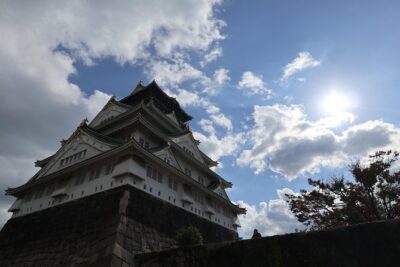
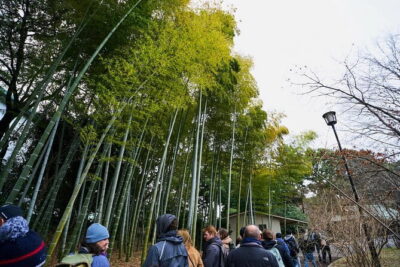
Tokyo Castle & Imperial PalaceーShogun Walking Tour
Read our review →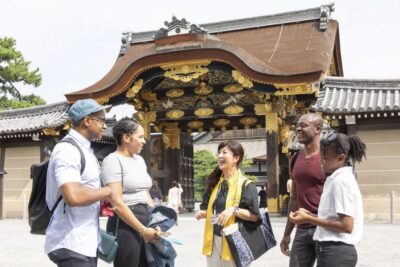
Nijo-jo Castle and Ninomaru Palace Guided Tour
Read our review →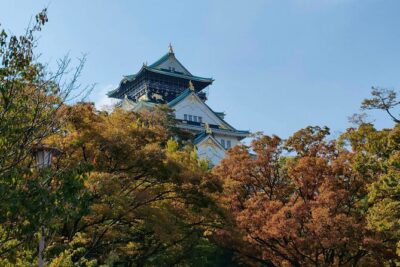
Ultimate Osaka Walking Tour: Castle, Dotonbori & Hidden Gems
Read our review →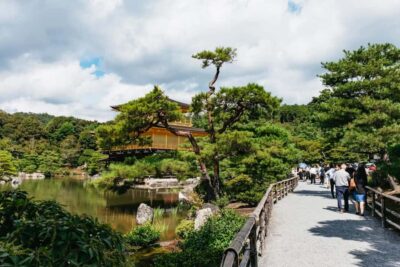
Nijo Castle, Kiyomizu & Fushimi Inari Guided Tour
Read our review →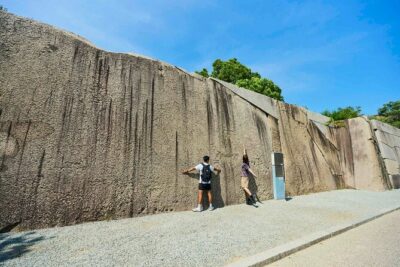
Osaka Castle Walking Tour and Castle Tower Admission
Read our review →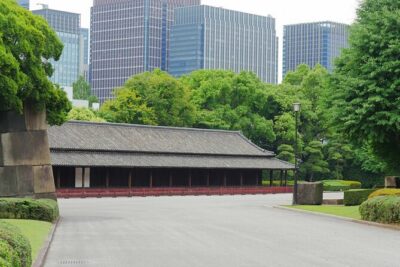
Imperial Palace East Garden and Edo Castle Walking Tour in Tokyo
Read our review →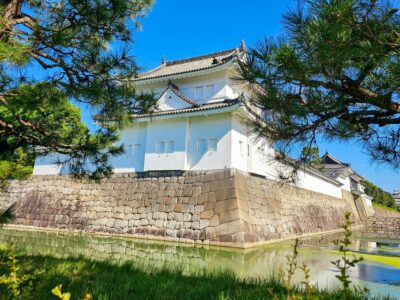
Imperial Palace & Nijo Castle Guided Walking Tour
Read our review →Browse the lists this tour appears in