
Reviewed · GEISHA & GION TOURS
Kyoto Gion Historical Walking Tour
A guided walk through Gion into Higashiyama is interesting because it mixes Kyoto’s famous old lanes with the ideas that shaped modern Japan. You’re not just ticking off temples. You’re getting a story thread that connects what you see on the street with bigger historical change, including the Meiji restoration.
Two things I especially like: the way the guide brings places to life with history and culture explanations, and the route’s variety, from big temple gates to stone paths and classic slopes like Ninen-zaka and Sannen-zaka. One consideration before you go, this is a half-day on foot, with uneven paving and some stair climbing, so bring comfortable walking shoes and don’t treat it as a casual stroll.
Key highlights and what makes this route work
- Small group size (up to 12), so your English speaking guide can answer questions and keep the pace comfortable
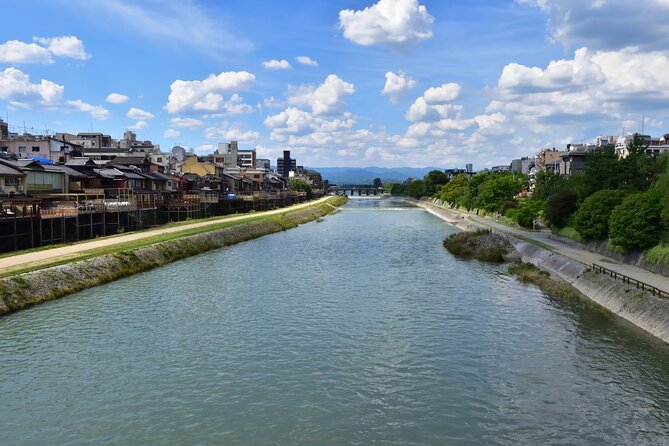
- Gion Shibashi start at Tatsumi Bridge, with easy-to-love riverside views to set the mood
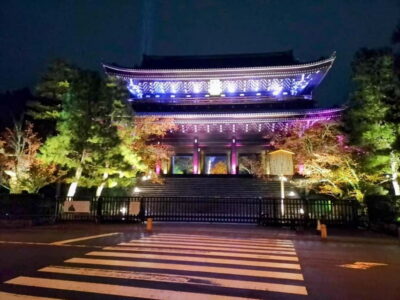
- Chion-in’s Sammon gate and temple grounds, a strong first taste of Kyoto Buddhist architecture
- Nene-no-Michi plus Maruyama Park, a mix of story-focused walking and a breather in the middle
- Yasaka Pagoda (Hōkan-ji) and the steep photo lanes of Ninen-zaka and Sannen-zaka, old street Kyoto in a tight loop
- Kiyomizu-dera as the finale, with admission handled separately, so you can plan your next steps
Why This Gion to Higashiyama Route Works in 3 Hours
This tour is built for orientation. In about 3 hours, you get a practical introduction to the eastern side of Kyoto, starting in Gion and ending at Kiyomizu-dera. That’s a smart setup if it’s your first time here and you want a clearer mental map before you wander on your own.
The value of this kind of guided loop is time. Kyoto’s best-known areas are close together, but they can feel confusing if you arrive cold. With a guide, you learn what each stop means, which turns future self-guided walks into something you actually understand.
One more plus is that the route is paced for seeing, not sprinting. You’ll make a series of short stops, each timed so you can look, listen, and take photos without feeling rushed out of every place.
More Historical Tours in Kyoto
- Kyoto Gion: 2-Hour Geisha Culture & History Walking Tour
★ 5.0 · 1,186 reviews - Historical Kyoto E-Bike Tour
★ 5.0 · 181 reviews - Kyoto: Nijo Castle World Heritage Guided Tour with Admission
★ 5.0 · 128 reviews
Tatsumi Bridge and Gion Shibashi, the mood setter near the water
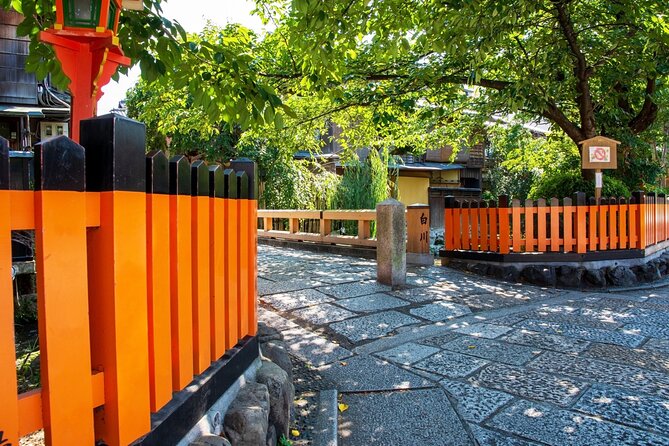
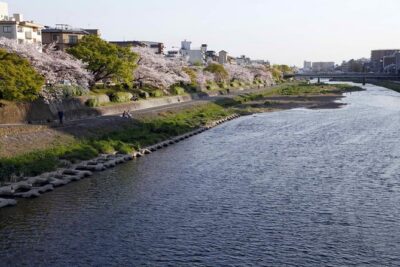
You begin at Tatsumi Bridge, walking through Gion shibashi, a classic starting point for anyone who wants Kyoto’s atmosphere right away. This is the kind of view that makes you slow down, because the riverside energy and the old neighborhood feel start immediately.
The visit here is brief, around 15 minutes, and that’s intentional. You’re using this moment to get oriented, not to treat it like a full attraction. If you want a great photo, arrive ready, because the rest of the day keeps moving.
Practical tip: keep a quick eye on your footwear. Paths near riverside areas can be uneven, and you’ll be walking for half a day.
Chion-in Temple Sammon Gate and the big wooden gate effect
Next up is Chion-in Temple, starting at Sammon, the temple gate. Even if you don’t know the details, the sheer scale of the gate gives you a clue: Kyoto’s temples are not small, private spaces. They were built to impress and to signal spiritual importance.
From there, you move through the temple area for about 20 minutes. This is enough time to absorb the layout and pick out key details your brain might miss if you’re walking alone.
Two things to watch for during this stop:
- How the gate frames your view as you enter
- The way the guide’s stories help you understand why this kind of architecture mattered in Kyoto history
If you love photo angles, gates like Sammon are often more interesting from a slightly sideways position than straight-on.
Maruyama Park break, where the walk slows down for a reason
After temples and gateways, you get Maruyama Park for around 10 minutes. This park works well in a guided itinerary because it gives your eyes a reset. Kyoto can feel dense, with buildings, crowds, and constant visual prompts. A park stop gives you breathing room without taking you off the route.
Think of it as a palate cleanser. You’ll still be in the same general eastern area, but the vibe changes from sacred architecture to everyday city calm. It’s also a nice moment to regroup and refill your mental energy before the more narrow, story-heavy streets.
More Walking Tours in Kyoto
- Kyoto Geisha Walking Tour: Gion District & Hidden Gems
★ 4.7 · 3,273 reviews - Kyoto: Gion Magical Night Walking Tour with Geisha Trivia
★ 4.9 · 2,393 reviews - Kyoto: Gion Geisha District Walking Tour – Stories of Geisha
★ 4.7 · 2,187 reviews - Night Walk in Gion: Kyoto’s Geisha District
★ 4.5 · 2,003 reviews
Nene-no-Michi, a historic stone path with a named story
Then comes Nene-no-Michi, also known as the Path of Nene. This section is a stone-paved path that winds through the area, and it’s named after Nene, the wife of Toyotomi Hideyoshi.
What makes this stop useful is the way a named path can sharpen your attention. Instead of looking at stones and walls as background, you start noticing details because you understand the story the area points to. Even a short walk here can feel more meaningful once you know who Nene was and why the path carries that memory.
Practical tip: stone paving is part of the charm, but it can be slick in wet weather. If the forecast looks questionable, consider bringing grippier shoes.
Hōkan-ji’s Yasaka Pagoda, Kyoto’s vertical landmark

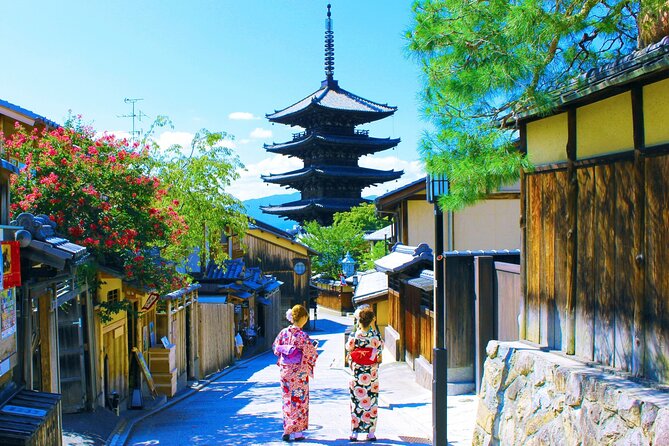
At Hōkan-ji Temple, you get the Yasaka Pagoda, one of the best-known vertical landmarks in this part of Kyoto. You’ll spend about 10 minutes, and with a pagoda like this, you don’t need long to understand why it’s iconic.
This stop is especially good for photos because you can look up and still catch street-level details. It’s the kind of scene that helps you connect the “small street Kyoto” feeling to the larger, iconic silhouette.
If you’re the type who likes to ask questions, this is a great moment. The guide’s job is not just to point. It’s to explain how something like a pagoda fits into Kyoto religious culture and city history.
Ninen-zaka and Sannen-zaka slopes, the old streets for nostalgia and snacks
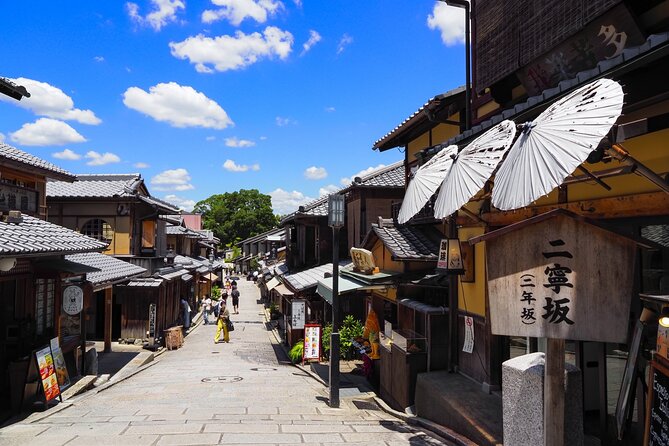
After the temple landmark, the route turns toward the famous pedestrian slopes: Ninen-zaka Path (Two-Year Slope) and Sannen-zaka Slope (Three-Year Slope). These are preserved cobblestone streets lined with traditional tea houses and shops, with an atmosphere that feels almost made for wandering.
On the schedule, you’ll spend about:
- Ninen-zaka: around 5 minutes
- Sannen-zaka: around 10 minutes
Don’t let the times fool you. These lanes are packed with visual interest. Even a short stop can give you your best “I’m really in Kyoto” feeling, especially if you slow down for photos.
Two practical cautions:
- Cobbles and slopes can be tiring if you’re not used to walking.
- You’ll want to take care with where you step because crowds often gather around the most photogenic spots.
Also, this is the point in the day where you’ll likely want a break snack. The tour doesn’t include lunch, so bring your own water and a small plan for energy.
Kiyomizu-dera as the finish, what to expect when admission is separate
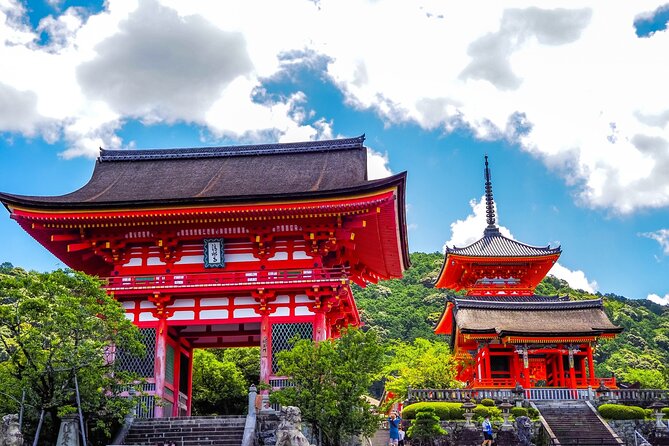
The tour ends at Kiyomizu-dera, a UNESCO World Heritage Site dating back to the 8th century. It’s the perfect ending because it’s dramatic, high on a hillside, and designed to be seen in full context.
The tour time at the end is about 10 minutes, and that’s mainly for orientation and first impressions. The key detail for your planning is that Kiyomizu-dera admission is not included, so you may need to purchase your own ticket if you want full access to the areas beyond the entry point.
If you’re aiming for views, arrive with the idea that this is a “linger here later” stop. A quick guided finish is great for getting your bearings. Then you can decide how long you want to spend after the tour ends.
Meiji restoration, how the guide connects old Kyoto to modern Japan
One of the strongest reasons to book this tour is the Meiji restoration focus. You’ll hear explanations of how that major era reshaped Japan, and how Kyoto’s religious sites and cultural life relate to the larger national story.
I like this angle because it changes the experience from sightseeing to understanding. Instead of seeing temples as isolated monuments, you see them as part of a society that was being pulled into modernization. That’s exactly the kind of context that makes a city feel less like a list and more like a place.
In real-world terms, this is what a good guide does well: they point to details in front of you and tell you why those details matter. In past tours with guides from this team, I’ve seen a pattern of strong engagement, quick answers to questions, and a sense of humor that keeps long walks from feeling heavy.
Price and value: is $40 a smart deal for this route?
At $40 per person, this tour is priced like a mid-range, guided walking experience. The value comes from two things you cannot fully buy on your own: time saved through planning, and narrative context that helps you understand what you’re seeing.
You also get a solid return on “guided time” because the route covers multiple major stops in a tight loop: Tatsumi Bridge, Chion-in, Maruyama Park, Nene-no-Michi, Hōkan-ji with the Yasaka Pagoda, Ninen-zaka and Sannen-zaka, then Kiyomizu-dera. If you were to do this on your own without a plan, you’d likely miss some of the story connections.
What you should factor in before you commit:
- Lunch is not included
- Admission fees are not included, with Kiyomizu-dera specifically called out as not included
- You’ll need to walk steadily for about a half day
If you’re the kind of traveler who enjoys history but doesn’t want to turn the day into museum homework, this price-to-experience ratio makes sense.
What I’d watch for, based on how this tour is run
This is where I’d encourage you to be honest with yourself before booking.
First, the walking is real. The tour is listed for moderate physical fitness, and in practice that means you should plan for uneven ground, cobblestones, and some stair climbing. If stairs are a real barrier for you, consider whether this route will frustrate you.
Second, the pace can be question-friendly, but there aren’t lots of long “sit down” breaks. There will be short stops, plus breaks for bathroom needs. If you’re traveling with children, or if you get temple fatigue fast, you might want to eat beforehand and keep a snack handy.
Finally, the tour can run a few minutes over if the group has lots of questions. That’s not a bad sign. It’s a sign the guide is paying attention and not rushing people out.
Who should book this Kyoto Gion Historical Walking Tour?
Book this if you want:
- A guided start in Gion and the eastern hills without getting lost
- A clear introduction to Kyoto’s blend of temples, neighborhoods, and modern cultural context
- An English speaking guide who can answer questions and keep things lively
This works best for adults or older teens who enjoy explanations and can handle a solid walking day. If you want a low-effort, strictly relaxing Kyoto day, you might prefer a slower format or a public transit plan with fewer stops.
Bottom line, should you book it?
Yes, if you’re looking for a smart orientation walk that turns famous Kyoto scenes into something you understand. The price is reasonable for what you cover, and the Meiji restoration angle gives you more than postcard facts.
I’d say skip it only if walking with cobblestones and some stairs sounds like a hassle for your body right now, or if you strongly prefer days with longer sit-down breaks and meals planned in.
If you do book, wear good shoes, bring water and a snack, and leave space after Kiyomizu-dera to decide how long you want to stay.
FAQ
How long is the Kyoto Gion Historical Walking Tour?
The tour lasts about 3 hours.
Where does the tour start and end?
It starts in front of Ben’s Cookies Kyoto Shijo (89 Shinchō, Shimogyo Ward) and ends at Kiyomizu-dera (1-chōme-294 Kiyomizu, Higashiyama Ward), at the entrance.
What’s included in the price?
The walking tour is included. The guide is English speaking, and you’ll use a mobile ticket.
Is lunch included?
No. Lunch is not included.
Are temple or shrine admission fees included?
Admission fees are not included. Kiyomizu-dera admission is specifically noted as not included.
How much walking should I expect?
You should plan for a half day of walking and have moderate physical fitness. Wear walking shoes, and expect some uneven ground and stair climbing.
How big is the group?
The tour has a maximum size of 12 travelers.
Bottom line: the call
If your goal is to get oriented fast in Gion and Higashiyama, learn the story behind what you see, and still enjoy the famous lanes on foot, this is a strong way to spend half a day in Kyoto.
More Geisha Experiences in Kyoto
- Best of Kyoto: Gion, Geisha, Pagodas & Cobblestones
★ 4.9 · 2,058 reviews - Kyoto Night Foodie Tour in Gion (9+ dishes + 6 Sake tastings)
★ 5.0 · 1,762 reviews - Kyoto Gion Geisha District Walking Tour – The Stories of Geisha
★ 5.0 · 1,441 reviews - Kyoto : Chopsticks Making Workshop in Gion with Engraving Option
★ 5.0 · 958 reviews
Latest write-ups near Kyoto
- Kyoto: Nishiki Market Tour with a Local Foodie & Tastings★ 4.5 · 67 reviews
- Kyoto Kimono Rental mimosa |Kimono/Yukata Rental Couple Plan★ 4.8 · 67 reviews
- Kyoto: Traditional Kimono Fabric Handicrafts Workshop★ 5.0 · 67 reviews
- Kyoto Tea Ceremony and Samurai Photo Session★ 5.0 · 70 reviews
- Kyoto: Replica food making experience★ 4.8 · 70 reviews
- Kyoto: Kinkakuji, Golden Pavilion Guided Tour★ 4.7 · 71 reviews
- Private departure transfer from Kyoto city to Kansai International airport★ 5.0 · 72 reviews
- Uji: Green Tea Tour with Byodoin and Koshoji Temple Visits★ 4.8 · 72 reviews
Geisha & Gion Tours, compared.
Kyoto Geisha Walking Tour: Gion District & Hidden Gems
Read our review →
Gion Magical Night Walking Tour with Geisha Trivia
Read our review →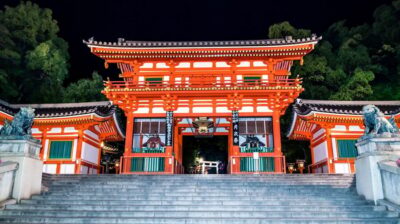
Gion Geisha District Walking Tour – Stories of Geisha
Read our review →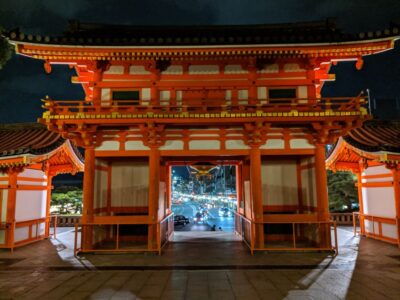
Best of Kyoto: Gion, Geisha, Pagodas & Cobblestones
Read our review →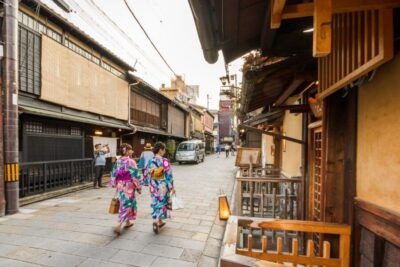
Kyoto Night Foodie Tour in Gion (9+ dishes + 6 Sake tastings)
Read our review →
Kyoto Gion Geisha District Walking Tour – The Stories of Geisha
Read our review →
Kyoto Gion: 2-Hour Geisha Culture & History Walking Tour
Read our review →Browse the lists this tour appears in