
Reviewed · CASTLE TOURS
Kyoto: Nijo-jo Castle and Ninomaru Palace Guided Tour
This experience is interesting because Nijo-jo Castle is not just pretty architecture, it is a working system of power from the Edo Period. The centerpiece is the Ninomaru Palace, where design choices were meant to control how people moved, looked, and behaved.
I like two things a lot. First, the English guide turns the space into clear stories, from Tokugawa rule to life inside the palace. Second, you get a tight 60 minute visit that hits the most important gates, rooms, and the Ninomaru Garden, without turning your day into a marathon. Guides like Ayu, Ai, Kaoru, and Miki come up again and again in the way they explain details and keep groups together.
One possible drawback: the $16 tour price does not include castle admission, so you will pay extra on site with cash. Also, inside the palace you should expect limited comfort, since there is no water, no photos, and no air conditioning in the rooms.
Key highlights you should know before you go
- Ninomaru Palace access in a guided format, including areas that are normally off limits
- English live guide that explains what each room and decoration was for
- 60 minutes that cover gates, palace, and garden without rushing your photos outside
- Political context that helps you understand why the castle looks the way it does
- Ninomaru Garden time to slow down and absorb the setting after the rooms
Why Nijo-jo Castle feels like a political time capsule
If you have ever looked at Japanese castles and wondered why they feel so theatrical, Nijo-jo answers that question fast. It was built in 1603 as the Kyoto residence of Tokugawa Ieyasu, the first shogun of the Edo Period. That matters, because this place was not only for defense. It was for court presence, surveillance, and showing status.
Nijo-jo later shifted roles. After the Tokugawa shogunate fell in 1867, the castle became an imperial palace. When the site opened to the public, it kept its educational value, and in 1994 it became a UNESCO World Heritage site. You can see the “layers” in how the complex is organized.
The design is also very readable once you know what you are looking at. The castle grounds are divided into three distinct areas. There is the Honmaru, the main circle of defense. There is the Ninomaru, the secondary circle. And there are gardens that wrap around both. Your guided tour focuses on the Ninomaru side, which is where the shogun’s day-to-day presence in Kyoto showed up.
And here is a practical reason to book the guide. The architecture is impressive, but it is also full of symbols. A great guide helps you spot meaning in things like entrances, room functions, and decoration choices, instead of just admiring the woodwork and moving on.
More Castle Tours in Kyoto
- Kyoto: Nijo Castle, Kiyomizu & Fushimi Inari Guided Tour
★ 4.7 · 700 reviews - Kyoto: Imperial Palace & Nijo Castle Guided Walking Tour
★ 4.7 · 453 reviews - Kyoto: Nijo Castle World Heritage Guided Tour with Admission
★ 5.0 · 128 reviews
The 60-minute route: gates, palace rooms, and the Ninomaru Garden
This tour is short on purpose. It is built around a clear route from the gates into the heart of the Ninomaru complex, then out into the gardens.
You start at the Higashi Ote-mon Gate, which is the East Main Gate entrance point for the tour group. After you go in, you meet at the reception area next to the General Reception, on the left side after entering through the East Main Gate. You will want to arrive early enough to get oriented, because you cannot join if you are not there when the tour begins.
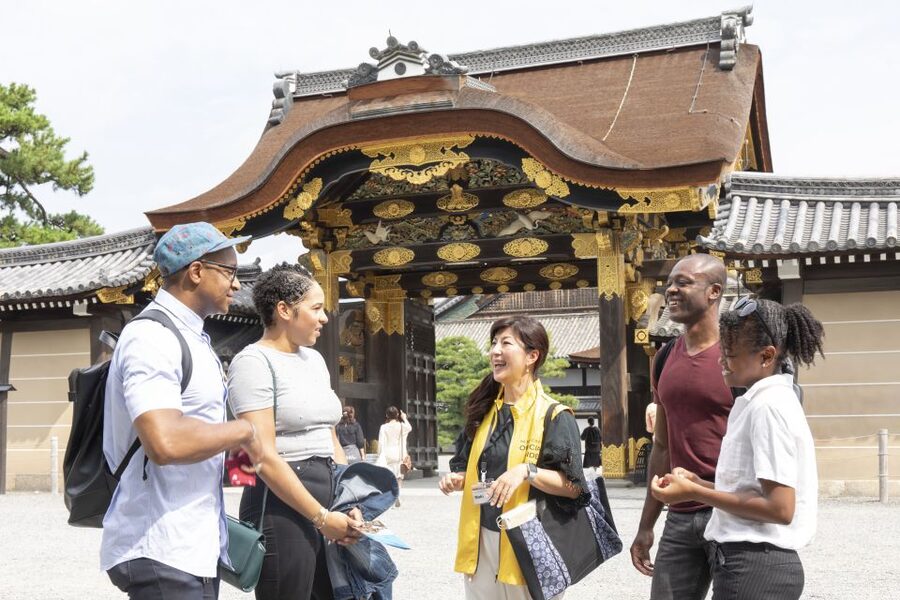
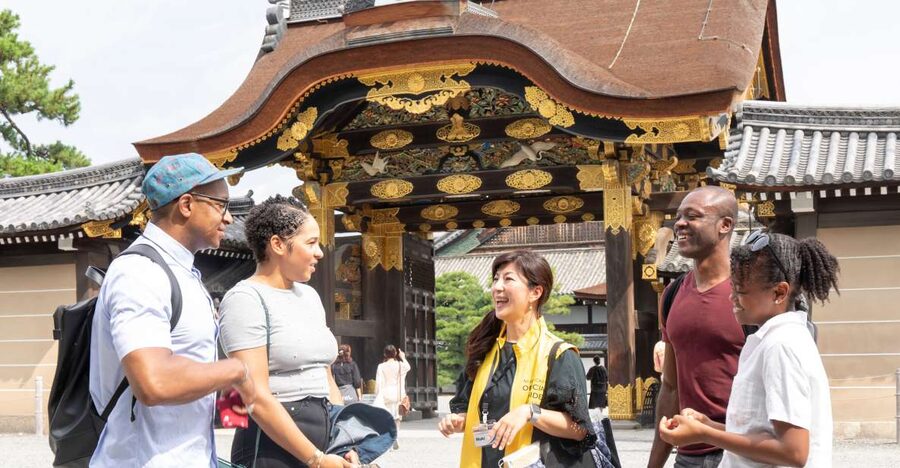
Next comes the Kara-mon Gate. This gate acts like a scene change. Guides use this moment to explain how visitors would have been funneled through important spaces, and why the gates are not just practical entry points. The carved and showy feel is part of the message.
After the gates, you head to the main attraction on the tour: the Ninomaru-goten (Ninomaru Palace). This is the shogun’s residence and also his office when he visited Kyoto. The palace remains intact to this day, which is why it is such a big deal. You are not looking at a reconstruction that is guessing what used to be there. You are seeing surviving rooms that were built for how power worked.
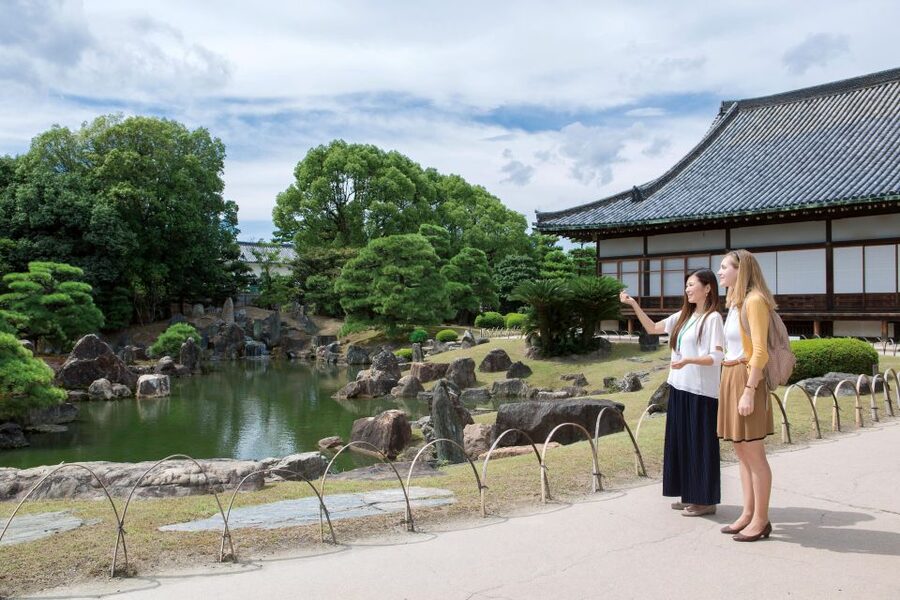
The tour also includes the Ninomaru Garden. This is your decompression zone. You get a chance to look at the setting outside the palace rooms, where the castle’s defensive logic gives way to a landscape designed for viewing and walking. Even if your interest is mostly political history, gardens are where you start to feel the rhythm of the complex.
A small word of advice: plan your energy for standing and moving through rooms in a timed visit. If you want to stop for long rests, this tour might feel a bit tight. But if you like a focused highlight route, it fits the “one hour, done right” style well.
Inside the Ninomaru-goten: how guides turn rooms into clear stories
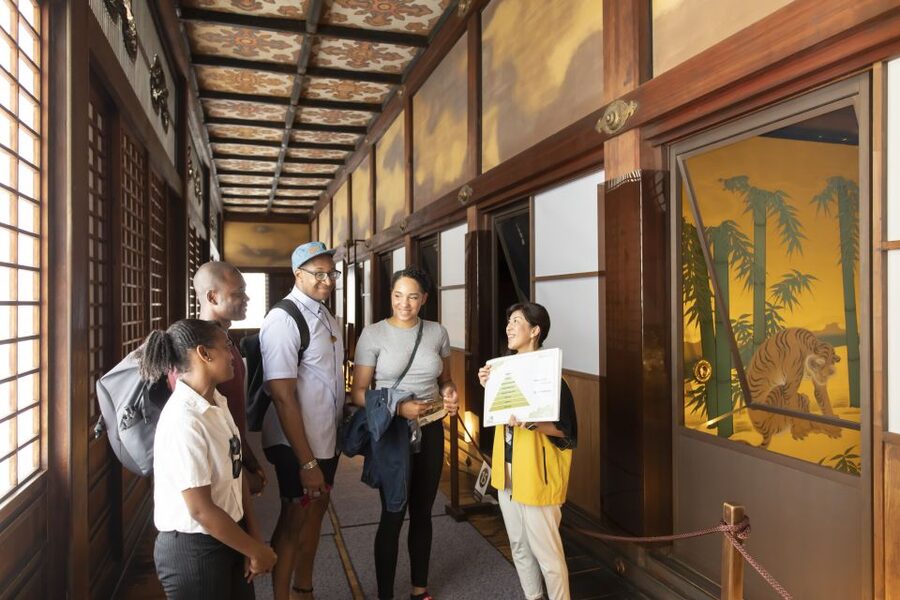
The Ninomaru Palace can feel like a maze if you walk it on your own. The guided portion makes it click because the guide explains what each area was for.
You will hear details about the building’s role as both residence and office. You will also get explanations of room purpose, and guides often point out decorative themes and what those choices were meant to communicate. Some guides get very specific about how daily life operated inside the palace and how visitors were expected to behave.
In the palace, you also learn to connect the dots. For example, you start understanding why certain spaces feel formal and staged, even if they are not “military” in the typical castle sense. Nijo-jo was a power center. The architecture supported that. It helped control access, attention, and movement.
One more practical thing. Several guides are known for staying patient with questions and keeping the group together in busy areas. That matters at Nijo-jo, because it can get crowded. A strong guide helps you keep pace without feeling like you are being dragged.
Also, English quality seems to be a major strength of this particular tour. People consistently describe the guide’s explanations as easy to follow and very well paced. I like that because the palace details can be dense, and good pacing helps you absorb more without feeling overwhelmed.
Extra access that makes the tour feel worth the money
The tour advertises exclusive access to parts of the castle that are normally unavailable to the public. That is not marketing fluff you can ignore, because it changes how you experience the palace.
With a guide, you may be able to enter areas that are restricted for regular visitors, including rooms or zones that feel like private quarters. In practice, this means you get more than the standard “walk the main highlights and move on” loop. You see more of the palace layout and you get explanations that make those spaces feel connected to the overall story of rule.
This is one reason I think the guided format has real value, even though it is only 60 minutes. The paid time is not just for narration. It is for access and context together.
Is it still possible to visit Nijo-jo on your own? Yes. But if your goal is understanding, and not just taking photos, the tour does more work for you in less time.
A change of pace from Kyoto:
- PERFECT KYOTO 1-Day Bus Tour
★ 5.0 · 13,518 reviews - Kyoto: Fushimi Inari, Kinkakuji, Bamboo Grove 1 Day Bus Tour
★ 4.8 · 4,316 reviews - Kyoto: Tea Ceremony in a Traditional Tea House in Kiyomizu
★ 4.9 · 3,519 reviews - Kyoto Geisha Walking Tour: Gion District & Hidden Gems
★ 4.7 · 3,273 reviews
Karamon Gate and Ninomaru Garden: what to look for when your feet slow down
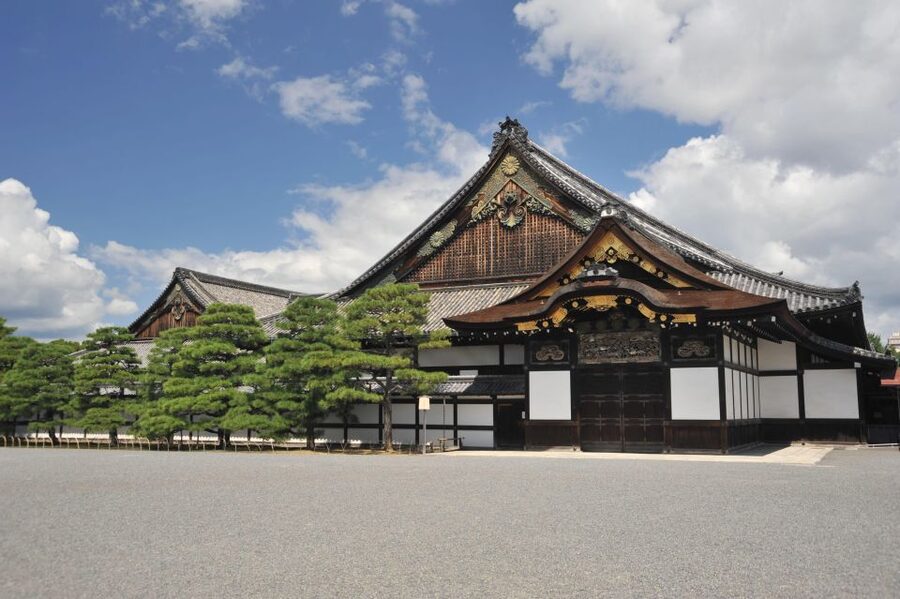
Outside the palace rooms, the experience still pays off. The Kara-mon Gate and the circulation between areas help you understand how the castle was designed for controlled entry. Pay attention to entrances and how the route “frames” what you see next. A good guide will point out those transitions, which is where the symbolism lives.
Then you move into the Ninomaru Garden, and that is your chance to reset. Gardens here are not random decoration. They are part of the overall plan, connected to the Honmaru and Ninomaru relationship. Even though your tour focus is the Ninomaru side, the garden helps you picture how the complex functioned as a whole.
When you are in the garden, look for the contrast. Inside, the emphasis is on rooms that represent authority and order. Outside, the emphasis shifts to the feel of the space, the way it looks from specific viewing points, and the calmer pace after indoor explanations.
If it is hot or humid, this is also where you can catch your breath. Just keep in mind that the tour still expects you to stay with the group for the full route.
Price and value: $16 for the guide, plus cash admission on site
Let’s talk money honestly. The tour price is listed at $16 per person for a 60 minute English guided visit. But castle admission fees are not included, and you pay on site with cash.
From the practical point of view, this is where you decide if you want to spend extra to gain access and context. If you already know Japanese feudal politics and you are comfortable reading the palace layout yourself, you might not need a guide for the basic visit. But if you want the meaning behind what you are seeing, the guided format is the part that makes the visit more than a checklist.
I also think the short duration is part of the value. You are paying for guide time and tour access, not for a half day commitment. That matters when Kyoto days are packed.
Budget tip: bring enough cash for admission. Also, check your total spend before you go, since you are paying at the venue.
Logistics that matter at Nijo-jo, especially with an English-only tour
This is an English-only guided tour. If you do not feel comfortable with English, this may not be a good fit, since the tour will be conducted in English.
You also get earphones, but only provided to paid participants. If you need hearing support for a child, the policy says children may need adult tickets for earphone access. That is important if you are traveling with kids.
Timing is another make-or-break detail. You must be present at the start time. The meeting point is specific: the tour ticket booth area, and you gather at the reception next to the General Reception on the left side after entering the East Main Gate. Use the coordinates if you are navigating on your phone, but do not wait until the last minute.
Finally, a small comfort heads-up from on-the-ground experience in the palace: inside the rooms there is no water, no photos, and no air conditioning. In summer, the indoor heat can be real. I suggest you drink water before you enter, wear breathable clothes, and plan your photos for the areas where photography is allowed.
Who should book this Nijo-jo guided tour
I think this tour is best for people who want meaning, not just monuments. If you like history that explains how power worked, the Tokugawa connection and the palace’s role as both residence and office will feel very relevant.
It also suits couples and solo travelers who prefer a guided structure to handle a complex site quickly. The one-hour format is friendly when you are trying to fit Nijo-jo into a Kyoto day without derailing your whole schedule.
Families can work too. The rules say each paid participant can bring 1 child aged 0-12 for free, and children must be accompanied by an adult. If you are traveling with multiple kids, you will need to plan for additional tickets.
If you are the type who loves asking questions, you will probably enjoy this more. Many guides are praised for answering questions clearly and keeping explanations easy to follow.
And if you are picky about English clarity, this tour has a strong track record based on guide feedback, including guides like Ayu, Ai, Kaoru, Don, and Miki who are noted for clear speaking and engaging delivery.
Should you book Nijo-jo Castle and Ninomaru Palace Guided Tour?
Book it if you want the biggest payoff in the shortest time. This is a one-hour guided route with access to the Ninomaru Palace and extra areas that regular visitors may not get. The guide component is the difference between seeing a castle and understanding a political system.
Skip it if you want a fully self-paced wander and you are fine paying admission and navigating without context. You can still enjoy Nijo-jo on your own, but you will miss the interpretive layer that makes the rooms and decorations click.
My middle recommendation: if you are even mildly curious why the palace looks the way it does, or how Tokugawa power shaped the Kyoto residence, this tour is a smart use of time. Just come with cash for admission, arrive early for the meeting point, and plan for the palace rules on photos and water.
FAQ
How long is the Nijo-jo Castle and Ninomaru Palace guided tour?
The tour lasts 1 hour.
Is the castle admission fee included in the $16 tour price?
No. Admission fees for Nijo-jo Castle are not included, and you must pay with cash on site.
What is included in the guided visit?
The tour includes a 60-minute guided route covering Higashi Ote-mon Gate, Kara-mon Gate, Ninomaru-goten Palace, and Ninomaru Garden.
Where do I meet for the tour?
Meet at the Nijo Castle Tour Ticket Booth. After entering through the East Main Gate, gather at the reception area next to the General Reception on the left side, and notify staff at the reception.
What language is the tour guide speaking?
The guide speaks English only.
Are earphones provided during the tour?
Earphones are provided only to paid participants. If earphones are needed for children, you may need to purchase adult tickets for them.
Is the tour suitable for children?
Each paid participant can bring 1 child age 0-12 to join for free. Children must be accompanied by an adult. If you bring more than one child, additional children require adult tickets.
Latest write-ups near Kyoto
- Kyoto: Nishiki Market Tour with a Local Foodie & Tastings★ 4.5 · 67 reviews
- Kyoto Kimono Rental mimosa |Kimono/Yukata Rental Couple Plan★ 4.8 · 67 reviews
- Kyoto: Traditional Kimono Fabric Handicrafts Workshop★ 5.0 · 67 reviews
- Kyoto Tea Ceremony and Samurai Photo Session★ 5.0 · 70 reviews
- Kyoto: Replica food making experience★ 4.8 · 70 reviews
- Kyoto: Kinkakuji, Golden Pavilion Guided Tour★ 4.7 · 71 reviews
- Private departure transfer from Kyoto city to Kansai International airport★ 5.0 · 72 reviews
- Uji: Green Tea Tour with Byodoin and Koshoji Temple Visits★ 4.8 · 72 reviews
Castle Tours, compared.
Tokyo Castle & Imperial PalaceーShogun Walking Tour
Read our review →
Ultimate Osaka Walking Tour: Castle, Dotonbori & Hidden Gems
Read our review →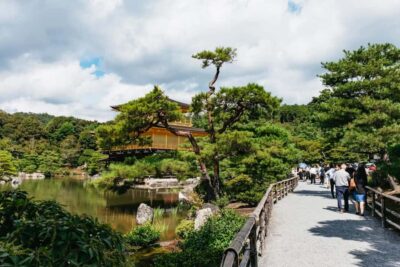
Nijo Castle, Kiyomizu & Fushimi Inari Guided Tour
Read our review →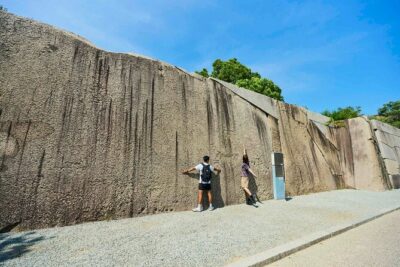
Osaka Castle Walking Tour and Castle Tower Admission
Read our review →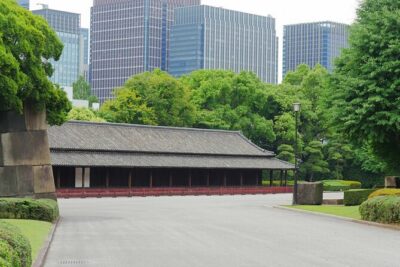
Imperial Palace East Garden and Edo Castle Walking Tour in Tokyo
Read our review →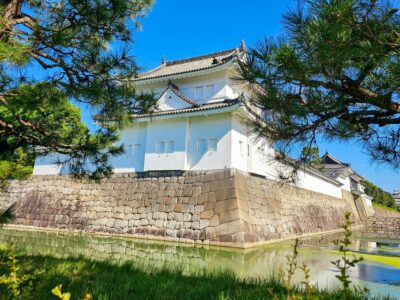
Imperial Palace & Nijo Castle Guided Walking Tour
Read our review →
Japanesel Archery Experience HIROSHIMA CASTLE SHARAKU
Read our review →Browse the lists this tour appears in