Reviewed · KYOTO TOURS
Private Tour Kyoto-Nara w/Hotel Pick Up & Drop off from Kyoto
A private Kyoto and Nara day is interesting because you get a tight route that hits the big classics without spending your whole morning figuring out trains and transfers. I especially like the convenience of hotel pickup and drop-off and the fact that this plan strings together top sights like Todai-ji, Fushimi Inari, Kinkaku-ji, and Arashiyama in one go.
Here’s the main drawback to weigh: the price can feel steep if you expect a fully licensed, in-depth tour guide plus included temple tickets and lunch. In practice, the tour includes an English speaking driver or host, while admission fees for Todai-ji and Kinkaku-ji are extra, and lunch is not included.
Why this Kyoto Nara private tour works so well in one day
If you want the highlights of Kyoto and Nara but you also want to move efficiently, this is built for you. The start time is 8:30 am, and the day runs about 6 to 10 hours, which is a realistic window to see a lot without feeling like you’re being dragged through a checklist.
What really comes through is how smoothly the private format can make the day feel. In positive experiences, guides like Ben, Yoshimura, Christine, Dan, and Yui were praised for making time for the route, explaining key sights in clear English, and adapting to how fast you want to go. When the day includes flexibility, it often turns a hectic travel day into a calm, sit-down-when-you-can kind of outing.
Key moments and what makes them worth your time
- Hotel pickup and drop-off convenience: You skip transit hassles and get an air-conditioned ride that keeps the day moving.
- Nara Park deer time: You get a short, focused stop to see the free-roaming deer and feed them.
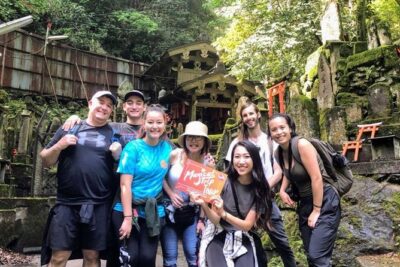
- Fushimi Inari at a good pace: You get a full hour and a half at the shrine area with a chance to enjoy the main spaces.
- Golden Pavilion stop that’s quick but iconic: One hour at Kinkaku-ji gives you time for photos and the main sights, with entry fee extra.
- Arashiyama combo day: Bamboo Forest plus the Kimono Forest art installation keeps the Kyoto portion from feeling repetitive.
Also on the shortlist for Kyoto:
- PERFECT KYOTO 1-Day Bus Tour
★ 5.0 · 13,518 reviews - Kyoto: Fushimi Inari, Kinkakuji, Bamboo Grove 1 Day Bus Tour
★ 4.8 · 4,316 reviews - Kyoto: Tea Ceremony in a Traditional Tea House in Kiyomizu
★ 4.9 · 3,519 reviews
Price and logistics: what you’re really buying
At $350.16 per person, this is positioned as a premium private day. The value is not in having access to a special secret route. The value is in removing friction: a private vehicle, parking and toll coverage, and the ability to start at 8:30 am without coordinating buses or trains.
The other big pricing reality is what you do pay for on top. Lunch is not included, and temple admissions are also not included. You should budget ¥600 each for Todai-ji and ¥600 each for Kinkaku-ji. That means two paid stops you’ll want to plan for financially before you arrive.
So when does the price feel worth it? When you care about saving time and you want the day to feel smooth, especially if you are traveling as a couple or a small group. If you are the type who enjoys taking your time between sights, the private vehicle can also help you avoid the stop-and-go pace of public transport days.
The balanced caution is this: reviews include both “excellent guide” days and “too much like a taxi” days. One key detail explains a lot. The included guide role is an English speaking driver or host who may share general information, while a more in-depth, licensed guide is described as something that may cost extra.
A tight route across Kyoto and Nara, with smart time blocks
This is a “see a lot” day, but it is not a rushed sprint everywhere. The itinerary is built around a sensible spread: two anchor sites in Nara, then three Kyoto classics, then a quieter art-and-nature pair in Arashiyama.
You’ll also notice the stops are mostly admission-based only at two places. Nara Park and Fushimi Inari are free to visit, and the Arashiyama Kimono Forest is also free. That’s helpful because it keeps your on-the-ground spending focused on the major paid temples.
Timing is another underrated benefit. With a private car, you can often get to each area without the mental load of transfers. If you have mobility needs, you still need to do walking at each stop, but the vehicle and the ability to adjust the pace can be a big plus. One review specifically praised accommodations when someone traveled with a cane.
Todai-ji: UNESCO-level weight, plus a clear Nara foundation
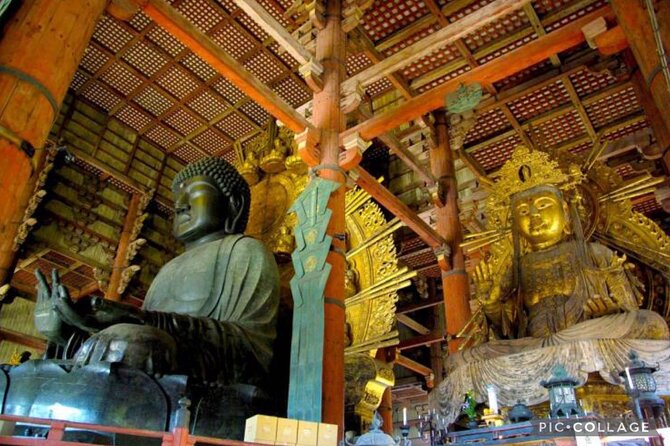
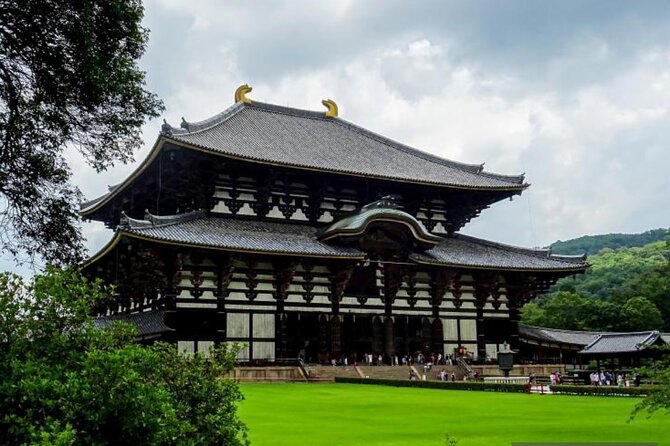
Todai-ji is your first major stop, scheduled for about 1 hour 30 minutes. This Buddhist temple complex, known as the Eastern Great Temple, was founded in 738 C.E. and was once one of the powerful Seven Great Temples.
It’s also part of UNESCO recognition: Todai-ji is listed under the Historic Monuments of Ancient Nara, grouped with other temples, shrines, and places in the city of Nara. That matters because it frames Todai-ji as more than just a famous building. It is a centerpiece of an entire historical area.
Two practical notes. First, admission is not included, so you will want to bring cash or a card that works for entry. Second, give yourself patience for timing around crowds and entry lines, especially during peak travel periods. Even though you are on a private day, popular temples still have real-world flow.
A change of pace from Kyoto:
- Kyoto Geisha Walking Tour: Gion District & Hidden Gems
★ 4.7 · 3,273 reviews - Kyoto: Tea Ceremony Ju-An at Jotokuji Temple
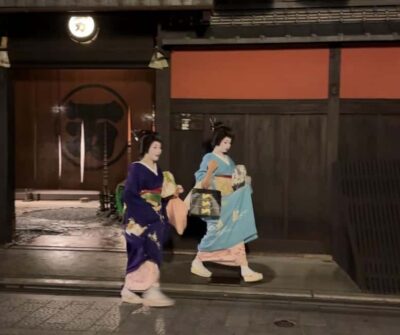
★ 4.9 · 3,207 reviews - Kyoto: Gion Magical Night Walking Tour with Geisha Trivia
★ 4.9 · 2,393 reviews - Kyoto: 45-Minute Tea Ceremony Lesson Experience
★ 4.3 · 2,378 reviews
Nara Park deer feeding: the 30-minute dose of Nara that people remember
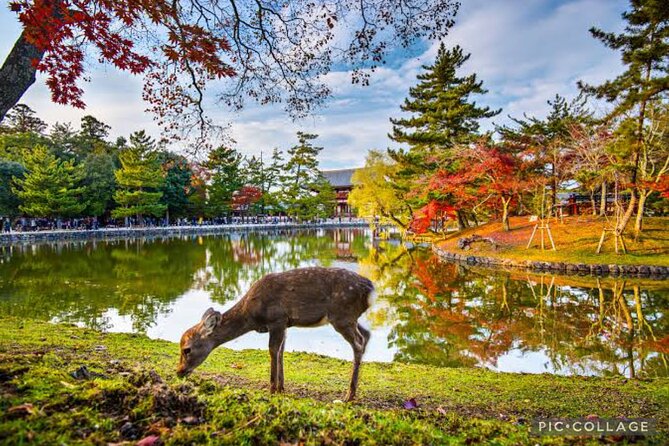
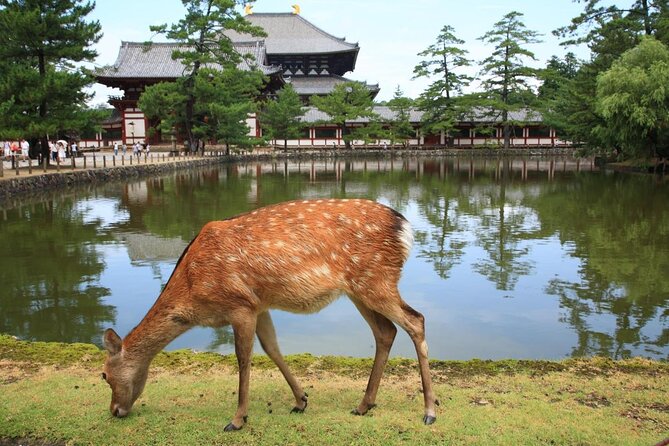
Your Nara Park stop is about 30 minutes, and that short window is actually part of why it works. Nara Park is huge, listed at 660 hectares, and it’s famous for the free-roaming deer.
The highlight here is feeding the deer. It’s a simple activity, but it’s also one of the most visual, memorable experiences you get in Nara. You’ll want comfortable shoes and a steady stance. If the deer are active, you will see a lot quickly.
This stop is also a good reset between heavier temple time. If your legs need a breather, 30 minutes can be the right length. If you want longer, you can ask your host whether you can extend nearby time within the overall day length, since private tours can be more adjustable.
Fushimi Inari-taisha: shrine etiquette and an easy-to-love layout
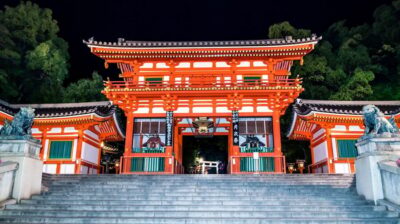
Next up is Fushimi Inari-taisha, with about 1 hour 30 minutes allocated. This shrine complex is designated as an Important Cultural Property. The main shrine building contains five shrines, and those five pillars are named for the virtues of Inari Okami.
What makes this stop feel special is that it’s not just one single view. It’s a layered experience, where you can take in key shrine buildings and then explore the spaces around the main area at your own speed. Admission is free, which is great because it means you can spend your money on a temple lunch later if you choose.
One practical suggestion: wear clothing that lets you move comfortably, and keep your phone charged. You’ll want photos, and the best shots often happen when you slow down for a minute rather than rushing to the next marker.
Kinkaku-ji: the Golden Pavilion stop, with entry fees to plan for
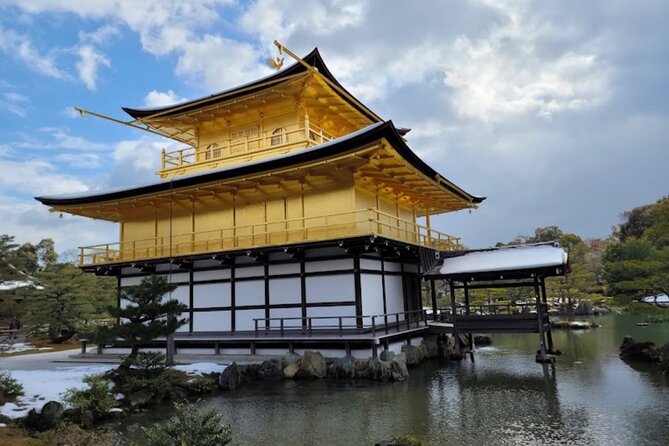
Kinkaku-ji, the Golden Pavilion, is scheduled for about 1 hour. The famous “gold” feature comes from a pagoda structure used to house sacred relics of the Buddha, and the popular name Kinkaku-ji means Temple of the Golden Pavilion.
Admission is not included, and the cost is ¥600 per person for adults (the same figure is listed for seniors and youth in the tour data). Because this is one of the most photographed stops in Kyoto, it can help to arrive with the right expectations: you’re here to see the iconic exterior and take in the key viewpoints quickly, not to linger for hours.
If you care about meaning as well as photos, this is where a guide’s explanation can make the visit better. Some guides and hosts were praised for giving clear context, while one negative experience mentioned a lack of sight-by-sight explanation. This is a good reason to ask your host how they plan to talk through the highlights as you go.
Arashiyama Bamboo Forest and the Kimono Forest art installation
Arashiyama is where the tour shifts from temples to scenery. You get two separate pieces here.
First is the Arashiyama Kimono Forest, a free art installation near the Arashiyama terminal station of the Keifuku Randen Tram Line. It’s made of 600 clear, acrylic cylinders, each about 2 meters tall. Even if you only glance at it from the main path, it gives you a striking, modern contrast to the traditional Kyoto stops.
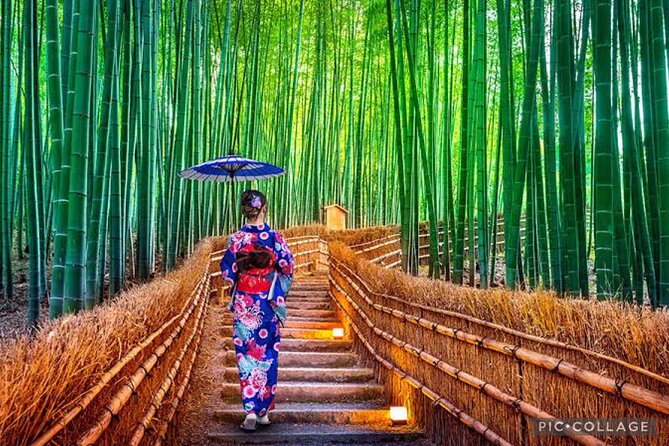
Then you have about 1 hour in Arashiyama itself, with the Bamboo Forest as the big draw. It’s famous for the gentle breezes rustling the leaves as you move through the area. One practical benefit mentioned is that it can be a good way to escape heat.
This pair works because it changes your pace. The Kimono Forest is quick, photo-friendly, and low effort. The Bamboo Forest gives you a slower, more atmospheric feel. If you want photos but also want a breather, this timing is a good balance.
The private format: 1:1 attention, flexible pacing, and faster movement
The private setup means this is only your group, and that changes how the day feels. In strong reviews, people highlighted that guides helped them see more than they would have with public transport. Others praised the chance to do as much or as little as they wanted.
Flexibility shows up in small ways. For example, one review mentioned a day adjusted for rain and kids, and that umbrellas were handled. Another noted that a guide found a local lunch spot and took time for great photos. These sound like small things, but they matter when you are spending hours in transit and outdoors.
There’s also a practical advantage: a driver can handle parking and routing while you focus on walking, photos, and enjoying each stop. Included items like air conditioning, fuel surcharge, and parking fees are not flashy, but they stop the day from turning into logistics work.
The caution is that some people felt the experience was closer to a taxi with limited explanation. That is where your expectations need to match the type of guide you’re booking. If you want a licensed, detailed guide, you may need an upgrade as described in the operator’s clarification.
Guide expectations: English speaking host vs licensed guide
This is the part I would underline before you book. The included role is an English speaking driver or host. The operator clarification you’re shown explains the difference between an experience guide and a National Licensed Guide. The experience guide provides general information or details about the area, while the National Licensed Guide is described as able to provide deeper, site-specific detail, and it may cost extra.
In positive experiences, guides like Yoshimura, Christine, Ben, Dan, Dave, and Yui were praised for clear English and thoughtful guiding. Other reviews were less satisfied when they did not feel they received enough history or sight context, or when they felt the host role was not what they expected.
My practical takeaway: message before your date if you care about deep storytelling. Ask whether your guide can cover context at each major site, especially at Todai-ji and Kinkaku-ji. It will help prevent that “I paid for more than I got” feeling.
Who this tour fits best, and who should think twice
This private day is a strong fit if you want a best-of Kyoto and Nara overview with minimal transit stress. It also fits well if you value comfort, like an air-conditioned vehicle, and if you prefer a plan that can adjust to your pace.
It can also work for people who want to avoid the hassle of bus and subway navigation. One review specifically called out that private pickup helped them maximize their time in Japan when routes were not ideal.
Think twice if your priority is deep, academic-level temple history at every stop, or if you expect lunch and admissions to be fully included. The tour does not include lunch, and it does not include the entry fees for Todai-ji and Kinkaku-ji. Also, the guide depth can vary depending on whether you get a general host role or an upgraded licensed guide.
Should you book this Kyoto Nara private day?
If you want a one-day rhythm that covers Todai-ji, Nara Park deer feeding, Fushimi Inari, Kinkaku-ji, Bamboo Forest, and the Kimono Forest, then this private tour is a practical way to do it. The included transportation and hotel pickup mindset remove a lot of stress. If you book with realistic expectations about admissions and guide depth, it can feel like a smooth, high-value day.
Book it if:
- You want convenience and you hate dealing with transfers.
- You like the idea of a private vehicle and 1:1 attention.
- You plan to budget extra for Todai-ji and Kinkaku-ji entry.
Consider another option or ask for an upgrade if:
- You strongly want a licensed guide for in-depth site history.
- You need lunch included, not just time to find it.
- You are sensitive to price and want the day to feel more than just efficient transit.
FAQ
What time does the tour start?
The tour start time is 8:30 am.
How long is the Kyoto Nara private tour?
It runs about 6 to 10 hours (approx.).
Is this a private tour?
Yes. It is a private tour/activity, and only your group participates.
What is included in the tour price?
Included items are private transportation, an English speaking driver or host, an air-conditioned vehicle, parking fees, fuel surcharge, and toll fees.
Are temple and shrine tickets included?
No. Admission fees for Todai-ji and Kinkaku-ji are not included. The tour data lists ¥600 per person for each of those temples. Nara Park and Fushimi Inari are listed as free, and the Kimono Forest is free.
Is lunch included?
No. Lunch is not included.
What happens if the weather is bad?
The experience requires good weather. If it’s canceled due to poor weather, you’ll be offered a different date or a full refund.
Can I cancel for free?
Yes. You can cancel up to 24 hours in advance for a full refund. If you cancel less than 24 hours before the start time, the amount you paid will not be refunded.
Latest write-ups near Kyoto
- Kyoto Tea Ceremony and Samurai Photo Session★ 5.0 · 70 reviews
- Kyoto: Replica food making experience★ 4.8 · 70 reviews
- Kyoto: Kinkakuji, Golden Pavilion Guided Tour★ 4.7 · 71 reviews
- Private departure transfer from Kyoto city to Kansai International airport★ 5.0 · 72 reviews
- Uji: Green Tea Tour with Byodoin and Koshoji Temple Visits★ 4.8 · 72 reviews
- Kyoto: Geisha Dinner & Gion Cultural Walk★ 5.0 · 73 reviews
- Kimono and Yukata Experience in Kyoto★ 4.5 · 73 reviews
- Kyoto: Toei Kyoto Studio Park Admission Ticket★ 4.1 · 73 reviews
Kyoto Tours, compared.
Fushimi Inari, Kinkakuji, Bamboo Grove 1 Day Bus Tour
Read our review →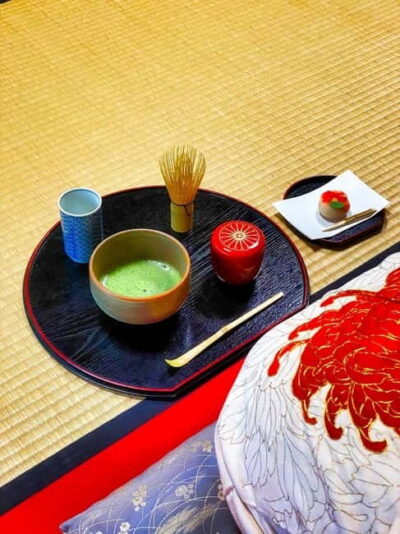
Tea Ceremony in a Traditional Tea House in Kiyomizu
Read our review →
Kyoto Geisha Walking Tour: Gion District & Hidden Gems
Read our review →
Gion Magical Night Walking Tour with Geisha Trivia
Read our review →