
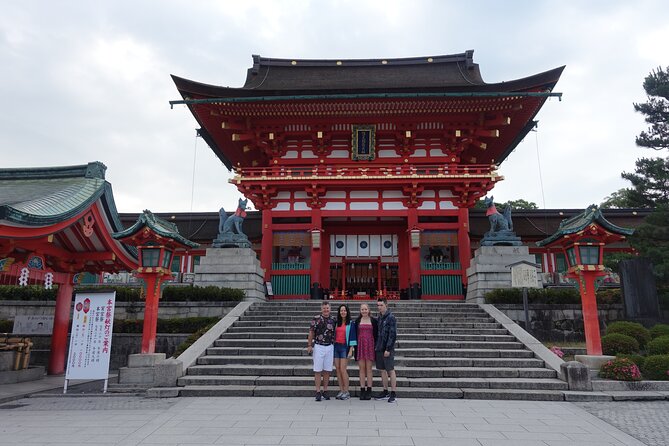
Reviewed · FUSHIMI INARI TOURS
TREASURES of Kyoto: Fushimi Inari, Kiyomizu Temple, and more!
Kyoto is packed with first-timers and tour buses. This tour is interesting because it tackles two of the city’s biggest icons early, then keeps you moving with taxi rides so you can actually enjoy the sights instead of just commuting. I also like the small-group size, because you can ask questions without shouting over a crowd.
One thing to think about before you book: the price is easiest to justify if you want guidance plus taxis. If you’re happy to wake up early, ride public transit, and self-guide just the two big temples, you may feel like you could do it cheaper on your own.
Key Things That Make This Tour Work So Well
- Taxi fares included help you save time between stops, not just while you’re sightseeing.
- A 7:00 am start is built around avoiding tour bus crowds at the most popular places.
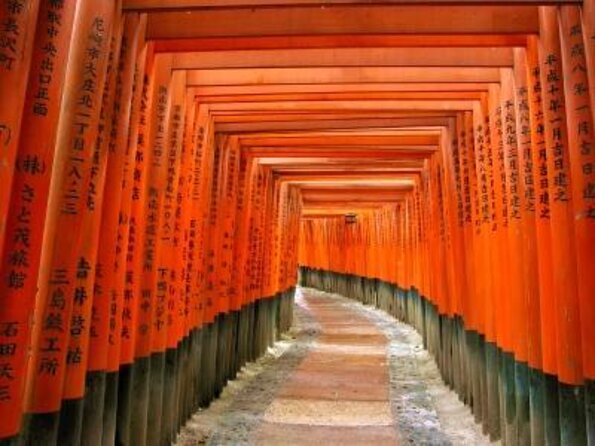
- Fushimi Inari at a calm hour gives you time for the torii gate “maze” and photo pauses.
- Kiyomizu-dera with admission included plus a guided walkthrough of what you’re seeing.
- A preserved cobblestone district stop adds atmosphere beyond the headline temples.
- Up to 12 people means you get real access to the guide, including Niall (the owner) when he’s leading.
Why a 7:00 am Kyoto Tour Feels Smarter Than “Later”
Kyoto’s famous sights come with a predictable problem: crowds. Morning matters here. Starting at 7:00 am puts you at Fushimi Inari and Kiyomizu-dera before the day fully loads up, so you get breathing room for photos and for actually looking at details.
This is also a “planning-light” style of tour. You’re not piecing together transit routes, figuring out which entrance makes sense, or guessing how long you’ll need. Instead, the timing is organized to help you move efficiently while the city is still waking up.
And for the comfort side, you’re not stuck doing everything on foot. Taxi use is part of the plan, which is a big deal in Kyoto where distances add up and sidewalks can feel like a puzzle when you’re rushing.
More Temple & Shrine Tours in Kyoto
- Kyoto: Fushimi Inari, Kinkakuji, Bamboo Grove 1 Day Bus Tour
★ 4.8 · 4,316 reviews - Kyoto: Tea Ceremony Ju-An at Jotokuji Temple
★ 4.9 · 3,207 reviews - Osaka/Kyoto:Kinkakuji,Arashiyama,FushimiInariShrine,NaraPark
★ 4.1 · 1,596 reviews
Taxi Rides That Save More Than Money (They Save Your Mood)
You might think taxis are just a convenience upgrade. Here, they change the experience. When taxi fares are included during the tour, you spend less time with transit logistics and more time enjoying the places you came for.
That matters because Kyoto’s highlights are not all located in one tight bubble. If you’re trying to do a half-day circuit on your own, you’ll often trade walking time for waiting time, and waiting turns into fatigue quickly. With this tour structure, the ride happens while you’re still fresh, and you arrive ready to look around.
Practical tip: even with taxis, plan on some walking. Fushimi Inari and the area around Kiyomizu-dera both have stairs, slopes, and lots of foot traffic flow. If you’re someone who struggles with long walks, this tour still helps, but you should keep your own comfort limits in mind.
Stop 1: Fushimi Inari-taisha and the Torii Gate Maze
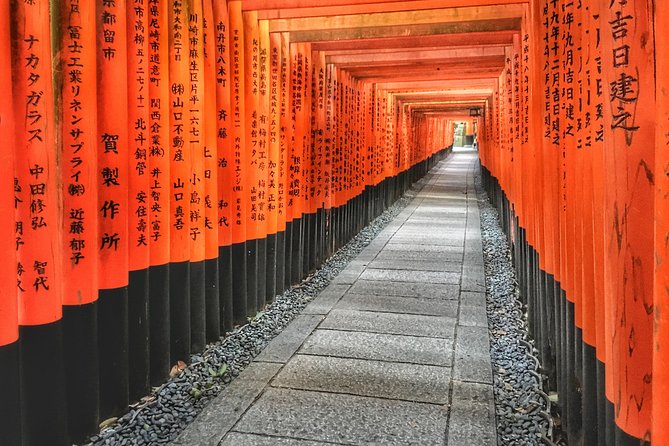
The tour’s first major stop is Fushimi Inari-taisha Shrine, and it starts with one of the most recognizable scenes in Japan: the torii gate maze. The early start is the main advantage. Those gates are impressive at any hour, but at the beginning of the day you can actually move through the path without feeling like you’re being swept along.
You’ll spend about 45 minutes here, and the pace includes photo breaks and an explanation of what you’re seeing. That guided context is useful because the torii gates are not just decorative. They mark a layered shrine experience that makes more sense once you understand why the gates are there and how the site is arranged.
What I’d watch for: the torii paths can encourage a “just one more step” habit. If you want epic photos, it helps to pause intentionally at a few viewpoints rather than walking until you’re tired and then realizing you’re late for the next stop.
Best for: people who want iconic Kyoto immediately, and anyone who loves architecture and atmosphere more than checklist speed.
Stop 2: Kiyomizu-dera Temple, Icon Views Without the Chaos
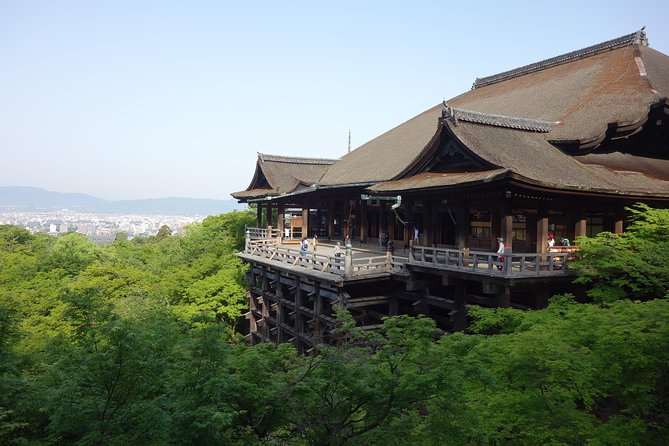
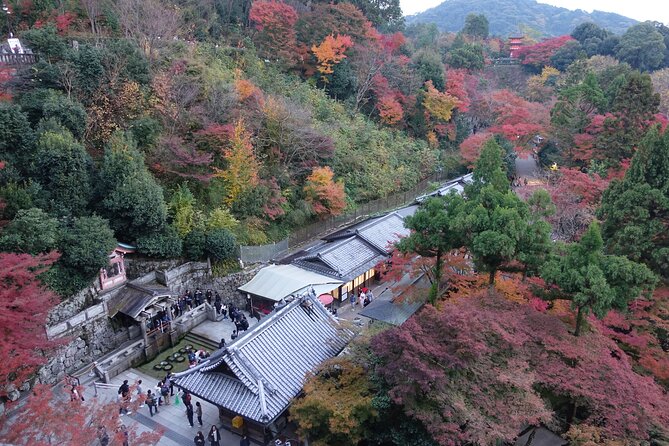
Next up is Kiyomizu-dera Temple, with about 1 hour on site and admission included. This temple is widely seen as one of Kyoto’s symbols, and it’s famous for the sweeping city views you get when you’re in the right places on the grounds.
The tour’s early timing is the real gift. The morning calm is not a marketing line, it’s how it feels on the ground: quieter footpaths, easier photo angles, and less of the stop-and-go crowd rhythm that can make big sights feel rushed.
Because this is guided, you’re not just walking around wondering what each structure is or why you’re standing in that exact spot. A good guide turns the “I recognize this place” feeling into “I understand what I’m looking at,” and that’s where a small group pays off. You can ask questions as you go instead of waiting for the end.
Potential drawback to consider: Kiyomizu-dera is famous for a reason, so even early there can be activity. If you’re very sensitive to crowds or stairs, bring comfortable footwear and plan to pace yourself.
Best for: first-time Kyoto visitors who want the headline temple experience with fewer headaches.
More Fushimi Inari visits:
- Fushimi Inari Hidden Hiking Tour (Private Option Available)
★ 5.0 · 1,750 reviews - Kyoto/Osaka: Nara, Fushimi Inari Taisha, Arashiyama Bus Tour
★ 4.7 · 1,275 reviews - Osaka/Kyoto: Arashiyama, Nara & Fushimi Inari Shrine w/Lunch
★ 4.4 · 754 reviews - Kyoto: Nijo Castle, Kiyomizu & Fushimi Inari Guided Tour
★ 4.7 · 700 reviews
The Preserved Cobblestone Streets Stop: More Kyoto Than Just Temples
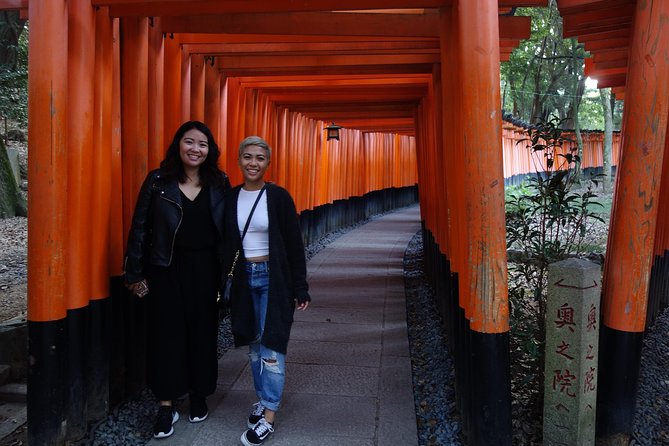
After the big temples, you’ll get time to wander cobblestoned streets in a preserved district area with quaint shops and townhouses. This is the part that often gets overlooked on “temples only” plans, but it’s where Kyoto starts to feel lived-in.
Here’s why I like this stop: it gives you a slower tempo after the intensity of shrine and temple highlights. You can browse, take photos at street level, and enjoy the atmosphere without having to decode another set of major monuments.
You’ll want to treat this as flexible time. Some people use it for snacks and souvenirs. Others just walk and look. Either way, go easy. This is also where you can reset your energy because the mornings in Kyoto can be deceptively long once you factor in lines, stairs, and the mental load of route planning.
If you’re the type who hates shopping crowds, you can still have a great time by focusing on streetscape photos and short, quiet strolls instead of chasing every storefront.
Ending Near Sanjūsangendō: A Helpful Finish Point
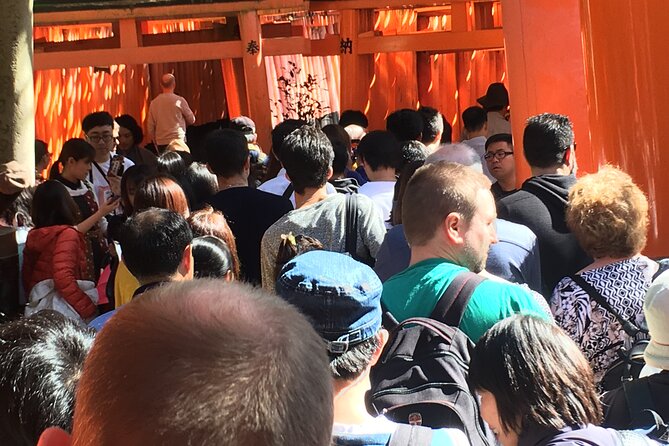
The tour ends near Sanjūsangendō Temple, and that matters even if you’re not planning to see it immediately. Having a clear end point helps you stitch the rest of your day together, whether that means heading to lunch, another neighborhood, or continuing temple-hopping on your own schedule.
Ending in the Higashiyama area also sets you up well for a classic Kyoto follow-on day. Even if you only use that finish point as navigation support, it’s still a practical win.
Price and Value: When It Feels Like a Bargain, When It Doesn’t
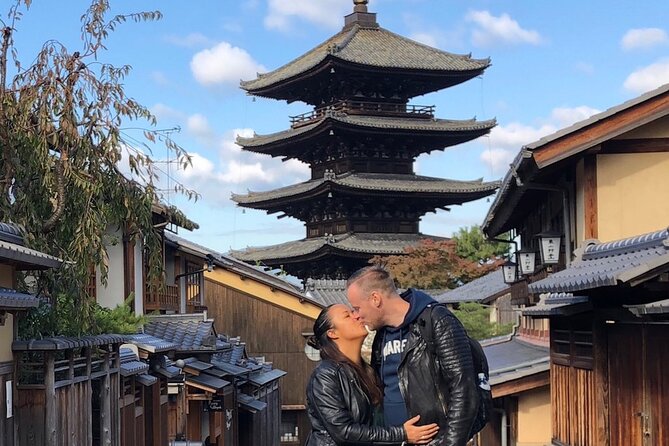
At $98.53 per person for about 4 hours, you’re paying for more than the two headline stops. You’re paying for a structured early start, a guide, taxi support between areas, and included admission at Kiyomizu-dera.
So the value equation looks like this:
- If you would otherwise take taxis between Fushimi Inari and Kiyomizu-dera, your personal taxi costs can quickly add up.
- If you want someone to manage timing and give context as you walk, you’re buying time plus interpretation, not just transportation.
- Admission is not fully “free across the board.” Fushimi Inari is listed as free, while Kiyomizu-dera is included.
Where the price can feel tough is if you’re truly a do-it-yourself walker. If you only want the two temples and you don’t care much about guided explanations or taxi savings, then $98.53 can look like paying for something you would have done yourself at lower cost.
One more honest note: any small-group tour depends on the guide match. Niall, the owner, has been praised for being informative and for bringing real love for Japanese culture into the morning. That’s exactly the kind of energy that makes a morning tour feel worth it. If you’re very picky about commentary style, still come prepared to ask questions and steer the conversation toward what you care about.
Who This Tour Suits Best (And Who Should Skip It)
This is a strong fit if you:
- Want to tick off Kyoto highlights fast without doing research.
- Prefer fewer logistics problems and more time enjoying the places.
- Like learning from a guide in real time, especially at iconic sites like Fushimi Inari and Kiyomizu-dera.
- Appreciate the crowd-avoidance angle and want an easier morning.
It might not be the best fit if you:
- Hate paying for guided tours when you’d rather self-guide.
- Are comfortable building your own route and handling taxis or transit on your own.
- Want a slow, deep, unhurried day with lots of downtime. This is more of a focused half-day, and it’s designed to keep you moving.
Tips to Make Your Morning Smoother
- Wear comfortable shoes. Kyoto temple grounds and shrine paths can mean stairs, uneven surfaces, and steady walking.
- Bring water and something small to snack on, especially if you’re prone to getting hungry early.
- Keep your camera ready, but don’t rush every photo. The early timing is your chance to pause without jostling.
- If you have specific questions, ask them early. With a small group capped at 12, the guide can actually respond thoughtfully.
- Expect the day to be active. Even though it’s only about 4 hours, the early start can make it feel like more once you add travel and energy.
Should You Book This Kyoto Highlights Tour?
If your top priority is seeing Fushimi Inari-taisha and Kiyomizu-dera with an easy plan, taxi support, and a morning schedule designed to reduce crowd stress, I think you’ll be happy with this. The small-group size, plus the chance to interact with a guide like Niall, is the kind of detail that turns a “checklist day” into a more satisfying experience.
If you’re cost-driven and you’re comfortable doing this on your own, you can likely recreate the basics for less. In that case, you’d just be choosing to trade guidance and taxi convenience for savings. My take: book it if you want your morning to feel smooth. Skip it if you want to DIY and you’re already confident in your early-morning game plan.
FAQ
What time does the tour start, and how long is it?
It starts at 7:00 am and runs for approximately 4 hours.
How large is the group?
The tour is limited to a maximum of 12 travelers.
Are admission tickets included?
Kiyomizu-dera Temple admission is included. Fushimi Inari-taisha Shrine admission is free.
Is transportation included between stops?
Yes. Taxi fares are included during the tour.
Do I need to print a ticket?
No. The tour uses a mobile ticket.
Where do I meet the group?
The meeting point is Inari Station (Fukakusa Inarionmaecho, Fushimi Ward, Kyoto).
Where does the tour end?
The tour ends at Sanjūsangendō Temple (657 Sanjūsangendōmawari, Higashiyama Ward, Kyoto).
What if the weather is bad?
The experience requires good weather. If it is canceled due to poor weather, you’ll be offered a different date or a full refund.
What if there are not enough travelers?
If the minimum number of travelers is not met, the tour may be canceled, and you’ll be offered a different experience/date or a full refund.
Latest write-ups near Kyoto
- Kyoto Private Tour Full Day with Local Guide&Nara Option(PerGroup★ 5.0 · 20 reviews
- Sacred Pathways: Discover the Philosopher’s Path of Kyoto★ 4.9 · 20 reviews
- Hammer Pattering Experience of Ring★ 5.0 · 20 reviews
- Kyoto UNESCO World Heritage Site Private Tour with a Premium Van★ 5.0 · 20 reviews
- KYOTO: Private Tea Ceremony in Hidden Townhouse (Kid-Friendly)★ 5.0 · 20 reviews
- Sushi or Traditional Japanese Cuisine in a Kyoto Home with Emika★ 5.0 · 20 reviews
- The Kyoto VIP Experience!★ 5.0 · 20 reviews
- Kyoto Customized Private Tour: See Top Attractions in 1 Day★ 4.7 · 20 reviews
Fushimi Inari Tours, compared.
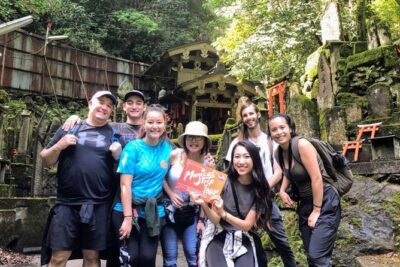
Fushimi Inari, Kinkakuji, Bamboo Grove 1 Day Bus Tour
Read our review →Fushimi Inari Hidden Hiking Tour (Private Option Available)
Read our review →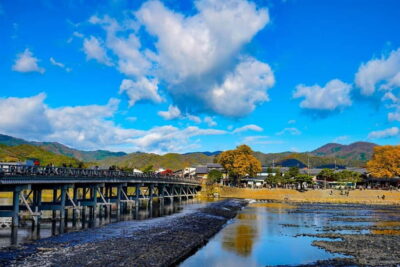
Kyoto/Osaka: Nara, Fushimi Inari Taisha, Arashiyama Bus Tour
Read our review →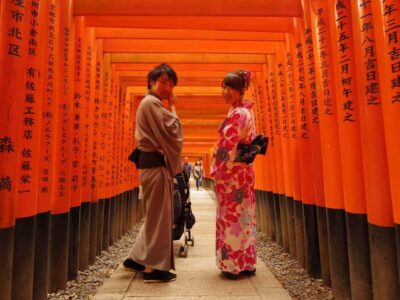
Osaka/Kyoto: Arashiyama, Nara & Fushimi Inari Shrine w/Lunch
Read our review →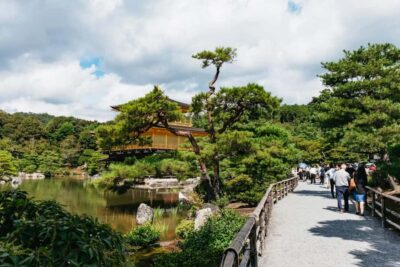
Nijo Castle, Kiyomizu & Fushimi Inari Guided Tour
Read our review →
Nijo, Kinkaku-ji, Arashiyama, Kiyomizu & Fushimi Inari
Read our review →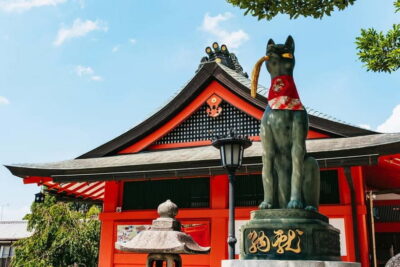
Sagano Romantic Train & Arashiyama, Kiyomizudera, Fushimi Inari Taisha Day Tour
Read our review →Browse the lists this tour appears in