
Reviewed · MUSEUMS IN TOKYO
Tokyo: teamLab Planets TOKYO Digital Art Museum Entry Ticket
teamLab Planets TOKYO is interesting because you are not just watching digital art, you are part of it. Your movement helps shape what you see in real time, across a huge indoor space that plays with light, sound, and touch.
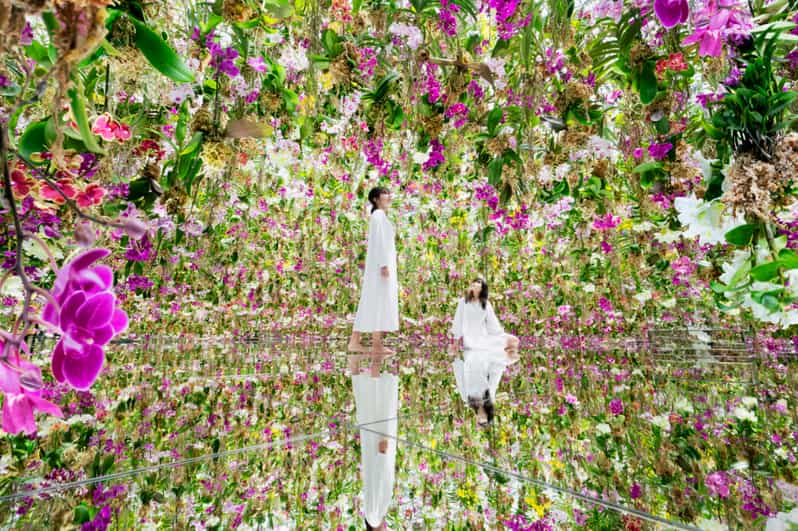
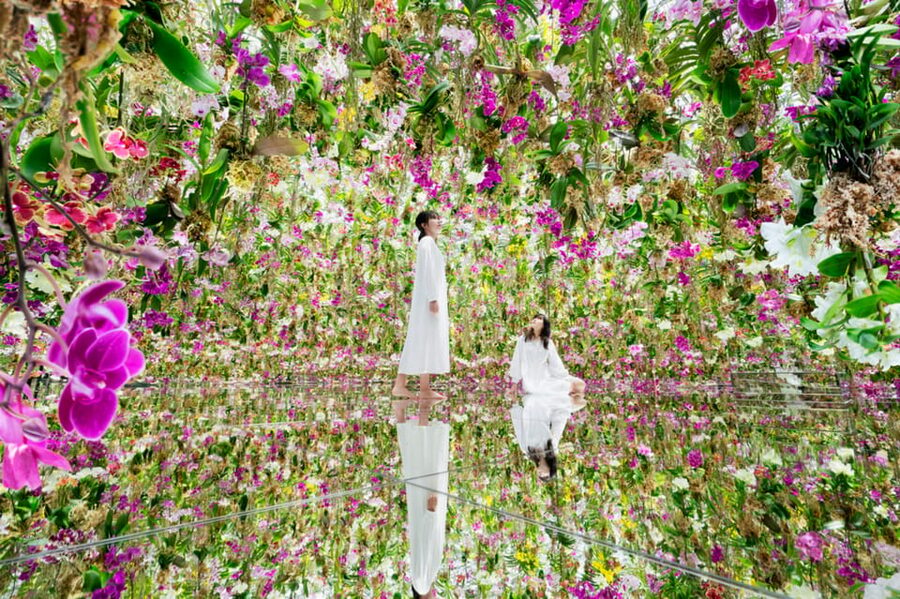
I love the Water Gallery concept, with rooms that can feel like you are standing inside a living scene, including water depth that can reach knee height. I also love the flower installations, especially the falling flowers and orchid-like spaces that make you feel like the art is happening around your body.
The main consideration is logistics and comfort. You must enter barefoot, some areas use mirrored floor surfaces, and timed entry means you need to get moving fast once your slot starts.
Key things to know before you go
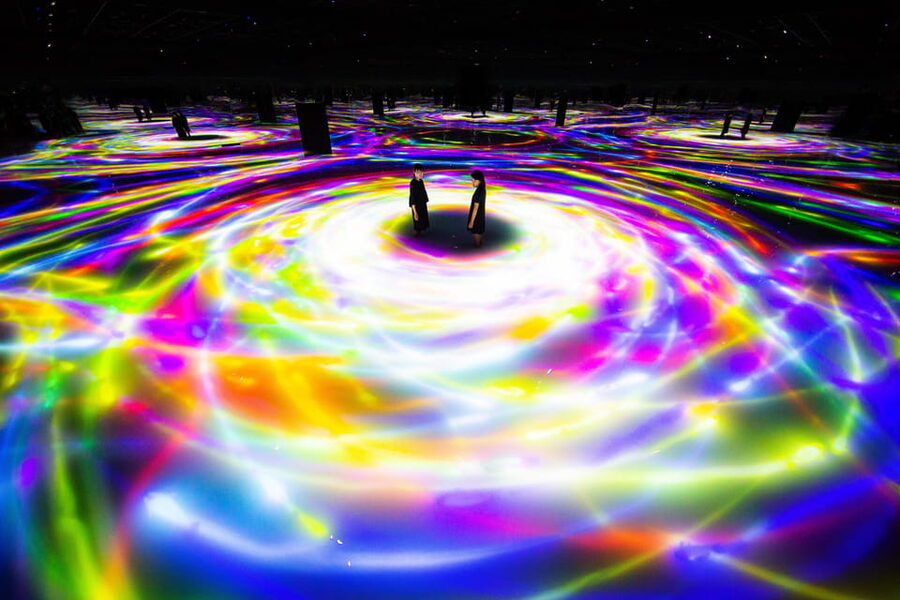
- Your presence changes the artwork, so plan to walk slowly and pay attention to how visuals react.
- It covers over 10,000 square meters, with multiple areas using different lights, sounds, and materials.
- Barefoot is required, and some sections have mirrored floor surfaces plus water up to knee height.
- Water and flower rooms are the biggest highlights, including a standout Water Gallery and falling flower experiences.
- Download the teamLab app in advance to help you navigate more smoothly once you are inside.
- Plan a couple of hours, because most people do not want to rush through the rooms.
Why your body is the art in teamLab Planets TOKYO
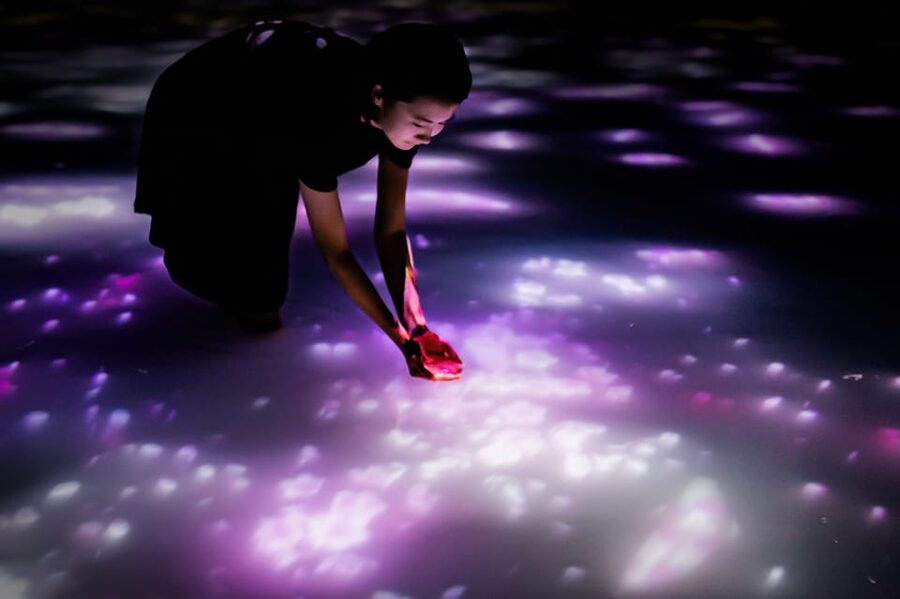
teamLab Planets TOKYO is built like a walk-through world. You enter, then you move through a sequence of digital installations where the system responds to your location and actions. It turns a normal museum visit into something closer to performance, even if you are standing there quietly.
What makes it special is the five-sense approach. You are surrounded by changing visuals and sound, but you also feel the environment more directly through how the rooms are designed. That is why the experience works even for people who usually do not get excited about art museums.
The rules also nudge you to treat it like a shared, temporary world. You cannot eat, drink, or smoke inside, and you are not allowed to be intoxicated. Those limits help keep the mood calmer, which matters in a space where people spend time just wandering.
More Museums in Tokyo
- Tokyo: Samurai Ninja Museum Guided tour and Experience
★ 4.6 · 1,010 reviews - Ninja Experience (Family Friendly) at Samurai Ninja Museum TOKYO
★ 5.0 · 441 reviews - Tokyo Studio Ghibli Museum and Ghibli Film Appreciation Tour
★ 4.5 · 421 reviews
Ticket value, price, and what $25 really buys
At about $25 per person for a one-day ticket, teamLab Planets TOKYO is priced like a top tier Tokyo attraction. Is it cheap? No. Is it worth it? If you want something hands-on and different from your usual sightseeing, it is one of the better ways to spend a Tokyo half day.
You are paying for more than screens. You are paying for a large designed environment where you walk through multiple scenes, sometimes with water and always with a strong sensory component. The fact that the exhibition spans over 10,000 square meters also helps the value, because it does not feel like one small room and done.
One more value angle is that the experience is time slotted. You are not competing with random ticket timing once you have your entry plan. That keeps the experience moving, even when it gets busy.
Timing and entry rules that can make or break your visit
teamLab Planets TOKYO uses timed entry. You cannot purchase admission on the same day, so you should lock in your slot before you arrive in Tokyo. After you book, an official voucher is emailed to you, and you must use it to enter.
Here is the practical rule that matters most: entrance is only possible within the first 30 minutes after your selected entry time. If you arrive late, there are no refunds for late arrivals. That means you do not want to schedule this as a last minute add on.
Also, be ready to show identification. Visitors may be asked to show an ID for proof of age and/or school affiliation. Children younger than 13 must be accompanied by an adult, and unaccompanied minors are not allowed. If you are traveling as a family, build extra buffer time so you are not rushing with paperwork or getting separated at the entrance.
What to wear: barefoot, mirrors, and knee-deep water zones
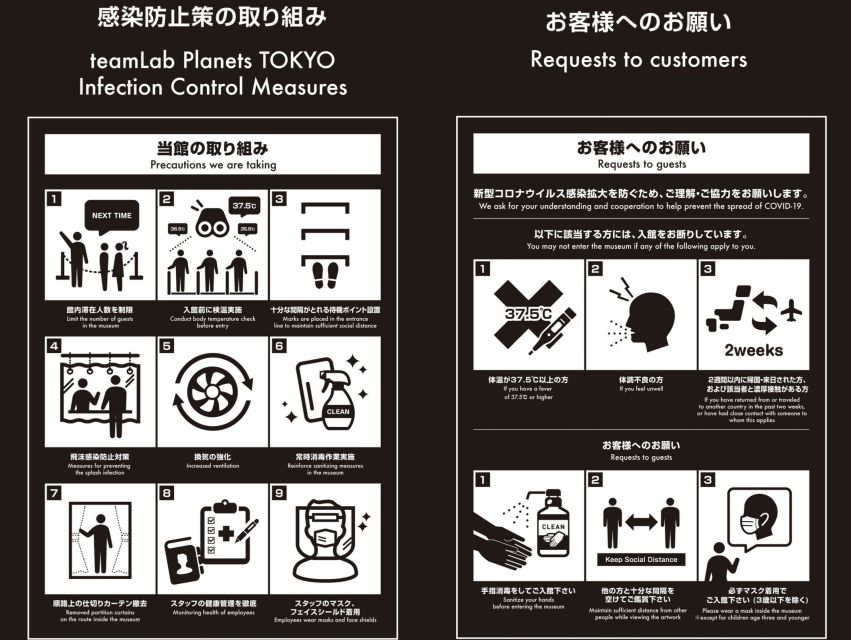
Most people remember teamLab Planets for the art, but your clothing choices decide how comfortable you feel. You have to enter barefoot. Some areas use mirrored materials on the floor, which can make the space feel visually strange at first, so you need stable footing.
Then there is the water. In some areas, water levels can rise up to knee height. The recommendation is simple: wear trousers that can be rolled up. In cold weather, this matters even more, because semi-outdoor sections can make you feel chilly once you are wet and standing around.
Lockers are available for small items. That is a big deal because you will want your phone, wallet, and any valuables stored safely when you are moving through areas where water is part of the show. If you like to keep your hands free, pack light and keep what you bring to the exhibition manageable.
One other tip: plan your pace for your comfort. The floor can be reflective, the rooms can be visually intense, and you will be moving through sensory environments for a while. If you have light sensitivity, this experience is not recommended, because the changing light effects can be intense.
A change of pace from Tokyo:
- Mt Fuji and Hakone 1-Day Bus Tour Return by Bullet Train
★ 5.0 · 26,383 reviews - 1-Day Tokyo Bus Tour
★ 5.0 · 14,250 reviews - Tokyo: TOKYO SKYTREE® Admission ticket
★ 4.5 · 11,192 reviews - Mt Fuji & Hakone Cruise, Drum Show Bullet Train 1 Day from Tokyo
★ 4.0 · 7,413 reviews
The 10,000-square-meter flow: how the rooms usually feel
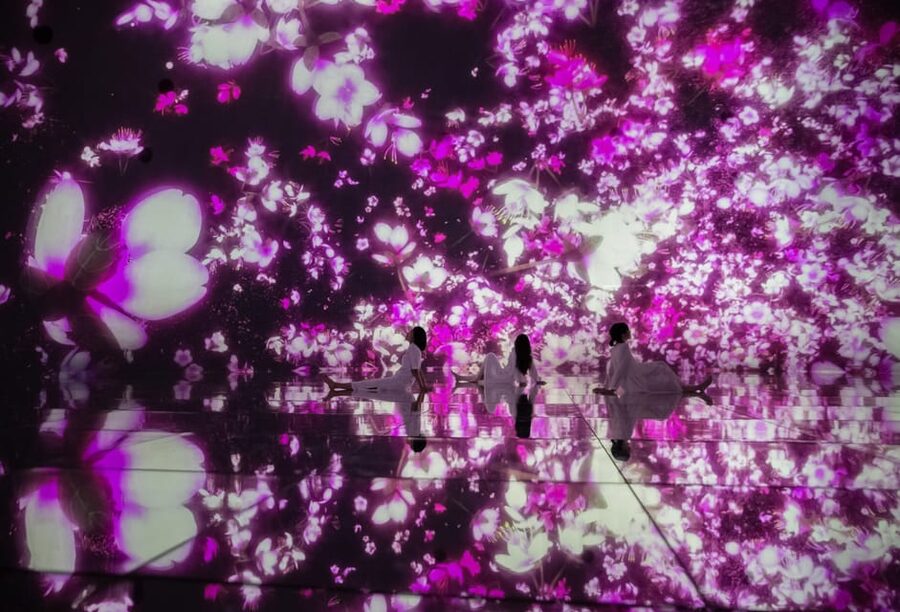
Once inside, you will move through multiple areas that each have their own rules of attention. The exhibition is described as covering more than 10,000 square meters in total, so you should not think of it as one short sequence. It is a full circuit.
Each area changes the mix of light, sound, and material. That matters because the experience is not constant intensity. You may start in a more visual, sound-forward area, then later hit parts that feel more physical, like the water rooms. The best approach is to go slow enough to notice those transitions.
The installations also have different interaction styles. In some areas, your presence affects what you see in a way that rewards gentle movement. In others, the environment encourages you to stand, walk, or linger so the visuals can respond. The goal is not to speed through, it is to let the art register your presence.
Also, be prepared for the way people share space. Even if you are trying to keep a quiet, personal mood, other visitors can be loud or distracted. The flow is managed by staff, but it is still a public space. If you are sensitive to noise, consider choosing a less busy time slot.
Water Gallery and the art of standing still
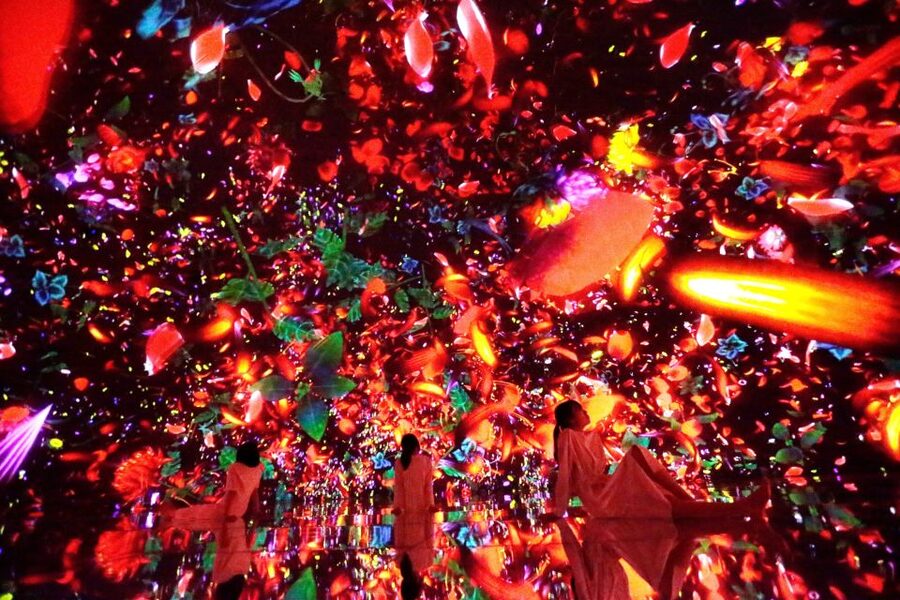
The Water Gallery is consistently the highlight type of room for many visitors, and for good reason. It is the kind of installation that turns the act of walking into something that feels like you are moving through a designed landscape, not a hallway. With water up to knee height in some sections, the environment changes how you move, and that shift is part of the effect.
You might also find more than one water-based scene. Some areas include aquatic-like effects, and you can feel as if you are drifting in a different world as visuals interact with your position. This is the room type that makes the full-body approach click for most first-timers.
The downside is also practical. Wet areas mean you need trousers that can be rolled up and you should plan for feeling cold if you are sensitive to temperature. Your best bet is dressing for the moment: warm layers outside, practical clothing for rolling up inside.
Forest, orchids, and the falling flower rooms
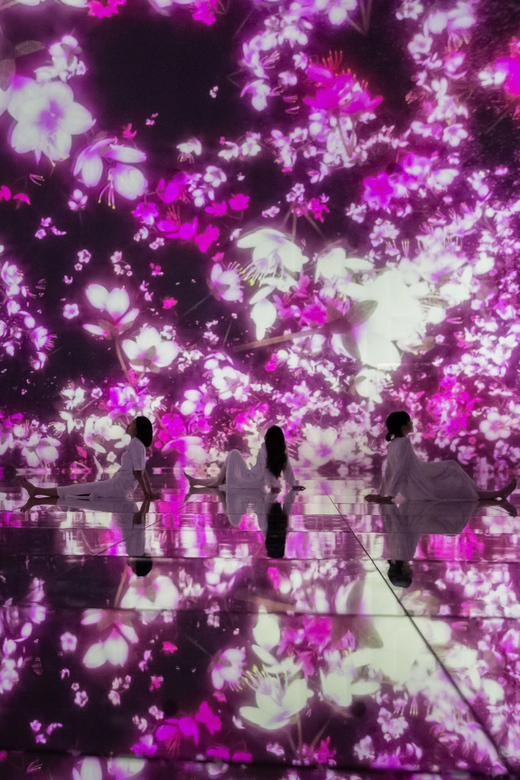
Beyond water, the flower and forest areas are where the installations get emotional. The orchid room is often described as a highlight, with rising and falling effects and a feeling like you are inside a living garden of light. These scenes tend to reward slow drifting, because standing still gives your eyes time to follow how patterns change.
Then there is the falling flowers experience. Many people love it because it invites you to look upward and around, and it also gives you permission to play with your own perspective. If you want the most memorable moment, do not treat it like a photo stop. Treat it like a quiet sensory scene, where you let the visuals come to you.
Some installations also include flower petal walls, which create a strong sense of being surrounded. Even if you are not sure what you will get, the pattern is consistent: your presence influences what you see, and the visuals are designed to make you feel closer than a normal museum would ever allow.
Using the teamLab app and planning your pace
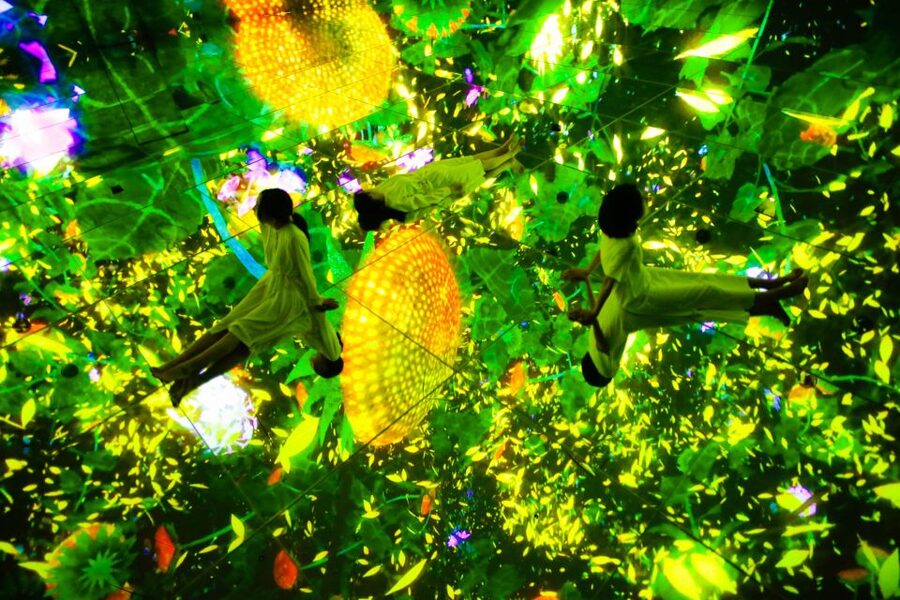
One smart move is downloading the teamLab app before you go. It can help you navigate the experience more smoothly once you are inside, especially because the exhibition spreads across many rooms and the visuals can make it hard to keep track of where you are.
From a planning standpoint, I recommend giving yourself enough time to experience at least several major areas without rushing. A couple of hours is a good target for most people, because stopping, watching interactions, and moving through water takes time.
If you are visiting solo, you might feel a bit awkward at first in the more playful or interactive spaces. That said, the experience is designed for solo visitors, and the staff help keep things orderly. Go in expecting to adjust, then give yourself a few rooms before you decide what rhythm fits you.
Comfort, crowd levels, and who this fits best
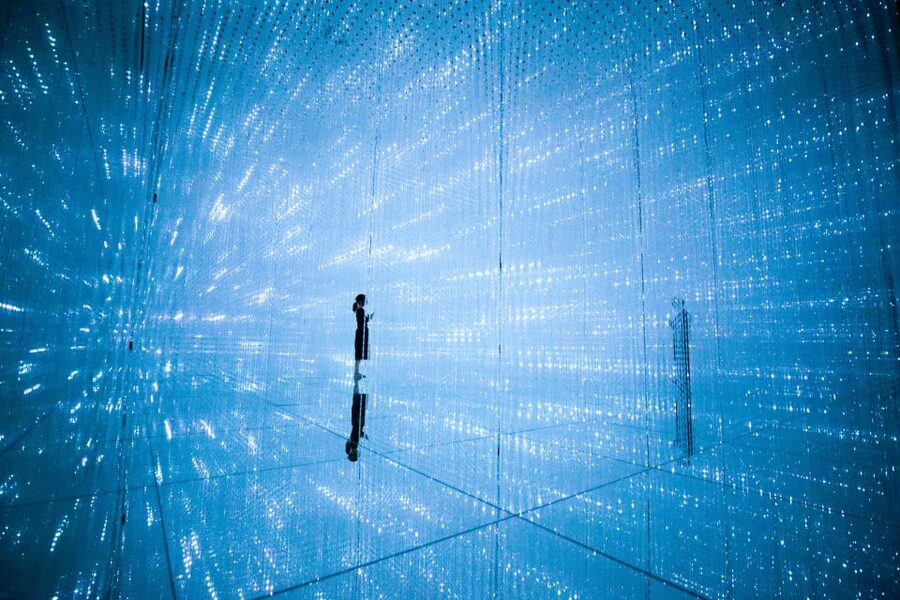
teamLab Planets TOKYO can be busy. You can make it easier on yourself by booking a less busy time slot. If you do that, you get the same scenes with a calmer atmosphere and less pressure to move quickly.
It is also family-friendly in a way that surprises people. Teens often enjoy it, and families can all share the same wow moments without one person feeling bored. That said, the environment is sensory and physical in parts, so you should match the visit to your family’s comfort.
This experience is not suitable for people with heart problems, and it is not suitable for people with epilepsy. Wheelchair users are also not suitable, and some areas are not accessible by wheelchair due to the exhibition design. People with light sensitivity should skip this one as it is not recommended.
Should you book teamLab Planets TOKYO?
Book it if you want a Tokyo attraction that feels like a full-body experience, where you are not just observing. If you are excited by light, sound, and interactive installations, this is one of the best places to spend a few hours in the city.
Do not book it if you have epilepsy, heart problems, or you know that bright changing light and sensory stimulation will overwhelm you. Also skip it if barefoot and knee-deep water rooms would cause trouble for your comfort or mobility.
If you do book, plan smart: arrive with your ID ready, rollable trousers are a must, and do not miss your entry window. With that, you are set up for the kind of memorable art-and-technology experience Tokyo does better than anywhere else.
FAQ
Can I buy tickets for teamLab Planets TOKYO on the same day?
No. It is not possible to purchase tickets for admission on the same day. You need to check availability and book for a specific entry time in advance.
How late can I enter after my booked time?
Entrance is only possible in the first 30 minutes after your selected entry time. There are no refunds for late arrivals.
Do I have to go barefoot, and what should I wear?
Yes, you must enter barefoot. Some areas use mirrored materials on the floor, and in some areas the water level can rise up to knee height. Wear trousers that can be rolled up past your knees.
What ID do I need to bring?
Bring a passport or ID card. Visitors may be asked to show ID for proof of age and/or school affiliation.
Is the experience wheelchair-friendly or safe for epilepsy and heart problems?
Wheelchair users are not suitable, and some areas are not accessible by wheelchair. This experience is not suitable for people with heart problems, and it is not suitable for people with epilepsy. It is also not recommended for people with light sensitivity.
Are lockers available, and can I eat or drink inside?
Lockers are available for small items. Eating, drinking, and smoking are prohibited inside the exhibition.
Latest write-ups near Tokyo
- Harajuku Private Tour: Kawaii Fashion & Animal Cafe Included★ 5.0 · 69 reviews
- Mt Fuji Customizable Private Tour English Speaking Driver Pick-up★ 5.0 · 69 reviews
- Tokyo Night Cooking Class: 5 Home-Cooked Japanese Dishes★ 5.0 · 70 reviews
- Tokyo: Sumida Aquarium Entry Ticket★ 4.6 · 70 reviews
- Private Customizable Walking Tour of Tokyo★ 5.0 · 70 reviews
- Wagyu Beef and Sake Pairing Foodie Tour in Tokyo★ 5.0 · 71 reviews
- Official Japan Go-Kart Through Tokyo Bay / Ginza (IDP Required)★ 4.5 · 71 reviews
- Experience Big soba knife Soba Making Class in Tokyo Kappabashi★ 5.0 · 71 reviews
Museums in Tokyo, compared.
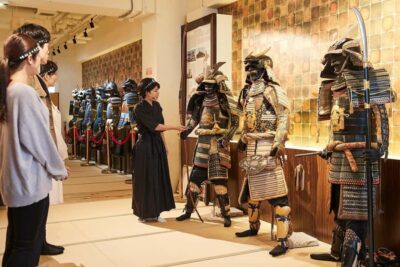
Samurai Ninja Museum Guided tour and Experience
Read our review →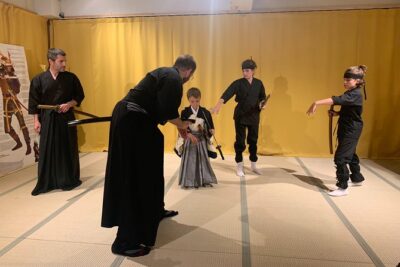
Ninja Experience (Family Friendly) at Samurai Ninja Museum TOKYO
Read our review →
Tokyo Studio Ghibli Museum and Ghibli Film Appreciation Tour
Read our review →
Tokyo Sword Experience – includes Museum Ticket/Ninja Experience
Read our review →
Samurai Ninja Museum Asakusa: Samurai Sword Lesson & Tour
Read our review →
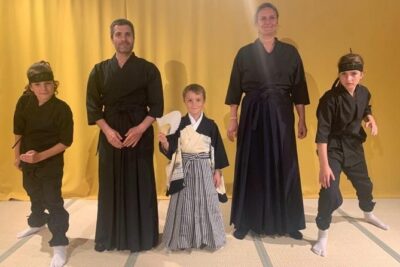
Samurai Sword Experience (Family Friendly)at SAMURAI MUSEUM TOKYO
Read our review →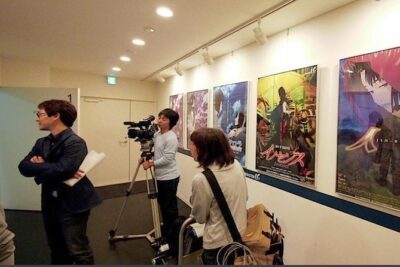
Tokyo Anime Adventure: Studio Tour, Drawing Class & Museum Visit
Read our review →Browse the lists this tour appears in