
Reviewed · SAMURAI & NINJA EXPERIENCES
Samurai Ninja Museum Asakusa: Kid-Friendly Ninja Training
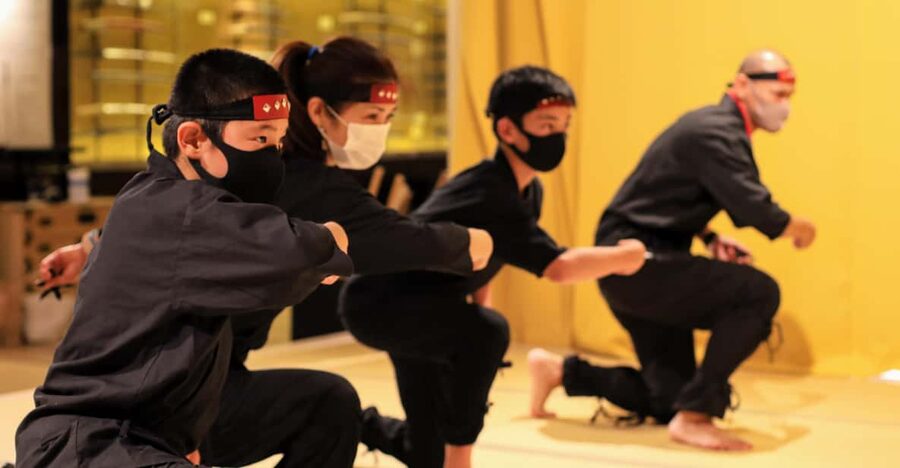
This is a fun, family-friendly way to get hands-on with Japanese ninja culture in Tokyo, without needing any special skills. You’ll put on full ninja outfit gear, do activities built for kids, and end with a photo session that actually looks like your memory belongs in a travel album.
I like that the format is simple and active: a ninja treasure hunt plus practical skills practice like shuriken throwing and a ninja blowgun. One drawback to consider is the price, since at least one parent felt it was a little overpriced for the time you spend.
Key Takeaways Before You Go
- Full ninja costume: you dress the part, not just “see costumes.”
- Treasure hunt built for kids: it keeps younger visitors moving.
- Shuriken star throw competition: a structured, competitive game moment.
- Ninja blowgun practice: hands-on focus on precision and control.
- Photo shoot time: you leave with pictures, not just bragging rights.
- Small group feel: up to 5 participants, which helps the guide manage everyone.
Samurai Ninja Museum Asakusa: What This 75-Minute Training Is Really Like
If you’re in Tokyo and want a break from temples and shopping loops, this Samurai Ninja Museum Asakusa experience is a practical choice. It’s only 75 minutes, so it won’t eat a full day, and it’s designed around “do it yourself” moments. You’ll move through a set of activities that feel like training, but they’re packaged as kid-friendly games.
The tone is hands-on rather than lecture-heavy. You get a live English guide who runs the session, explains what you’re doing, and keeps things organized. The goal is to leave feeling like you learned something real about stealth, precision, and ninja-style discipline, even if it’s in a playful way.
In reviews, one instructor name pops up often: Koki. People consistently highlight his clear explanations and friendly energy, which matters a lot for a class-style activity where kids need guidance fast.
More Museums in Tokyo
- Tokyo: teamLab Planets TOKYO Digital Art Museum Entry Ticket
★ 4.6 · 9,779 reviews - Tokyo: Samurai Ninja Museum Guided tour and Experience
★ 4.6 · 1,010 reviews - Ninja Experience (Family Friendly) at Samurai Ninja Museum TOKYO
★ 5.0 · 441 reviews
The Costume Part: Wearing a Full Ninja Outfit in Asakusa
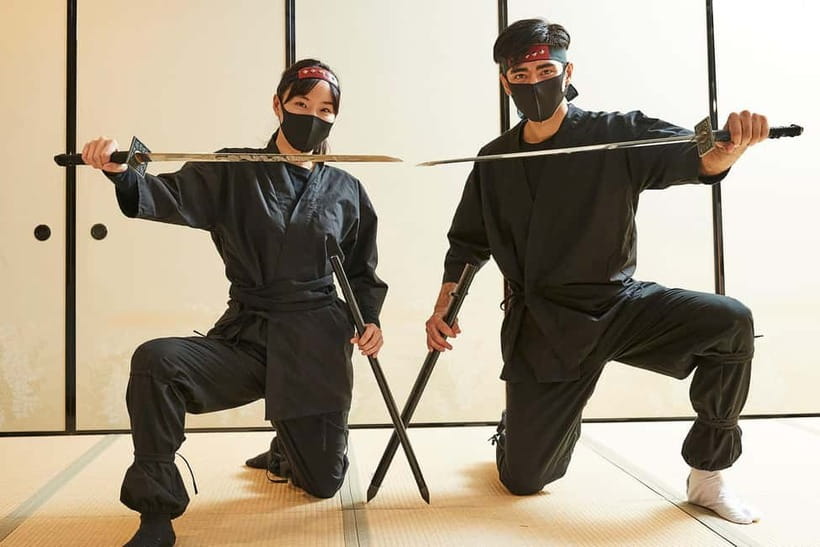
The first magic trick here is that you don’t just watch. You wear the full ninja outfit. That’s not a small detail. In Japan, lots of cultural experiences are performative. This one is participatory, and the costume helps kids and adults commit to the role.
Expect a photo-friendly setup from the start, because the outfit becomes the visual theme for the whole experience. Kids usually light up when they get dressed, and it also helps you feel more present once the training begins.
If your child is on the shy side, costume time can be a gentle icebreaker. On the other hand, if you’re traveling with a kid who hates dressing up, this is the moment to think carefully. The session revolves around being in ninja gear.
The Ninja Treasure Hunt: A Kid-Ready Game With Real Structure
After the outfit moment, the session shifts into the ninja treasure hunt. This is where the experience becomes more than a costume. The hunt is designed to be fun for children, and it also gives the guide a natural way to teach “ninja secrets” without making it feel like a school class.
For families, this part is often the easiest win because everyone can join the action. You’re not just waiting for your turn, and kids usually understand the “find the next clue” rhythm quickly.
One important note for very young visitors: children under 3 cannot join the ninja experience, but they can enter the venue. So if you’re traveling with toddlers, you’ll want to plan ahead and decide whether you’re staying with them during the active portion or bringing along another adult for supervision.
Shuriken Star Throw Competition: The Precision Moment Everyone Watches
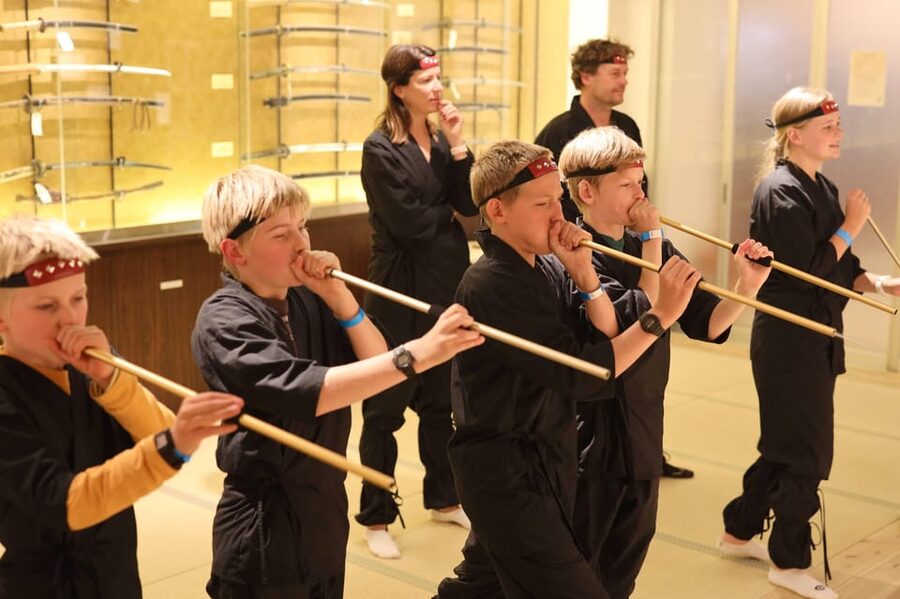
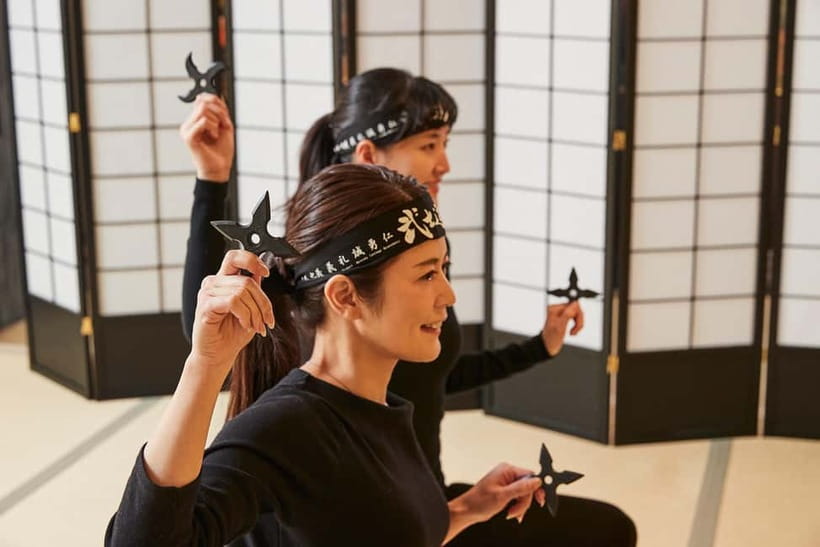
Next comes the ninja star throw competition. Even if you’ve never tried anything like this, you can see what the activity is trying to build: focus, control, and that satisfying feeling of getting the technique right.
This is also the moment that tends to create the most “payoff” because there’s a clear goal and a real sense of competition. In feedback, people specifically mention enjoying the shuriken throwing, which makes sense. It’s the kind of activity that works whether you’re traveling with a 5-year-old or an older kid who likes challenges.
The key practical question for you: how comfortable your child is with aiming and following instructions. If your kid enjoys games with a goal, this is usually a highlight. If they’re easily frustrated, consider setting expectations beforehand like, it’s more about trying your best than getting perfect throws.
More Samurai & Ninja Experiences in Tokyo
- Tokyo: Samurai Restaurant Show Ticket with 2 Drinks
★ 4.5 · 1,307 reviews - Tokyo: Samurai Sword & Archery Class from Samurai Descendant
★ 5.0 · 603 reviews - Best Samurai Experience in Tokyo
★ 5.0 · 458 reviews - Tokyo: Samurai Entertainment Night Show in Kanda Shrine
★ 4.6 · 417 reviews
Ninja Blowgun Training: Control Over Power
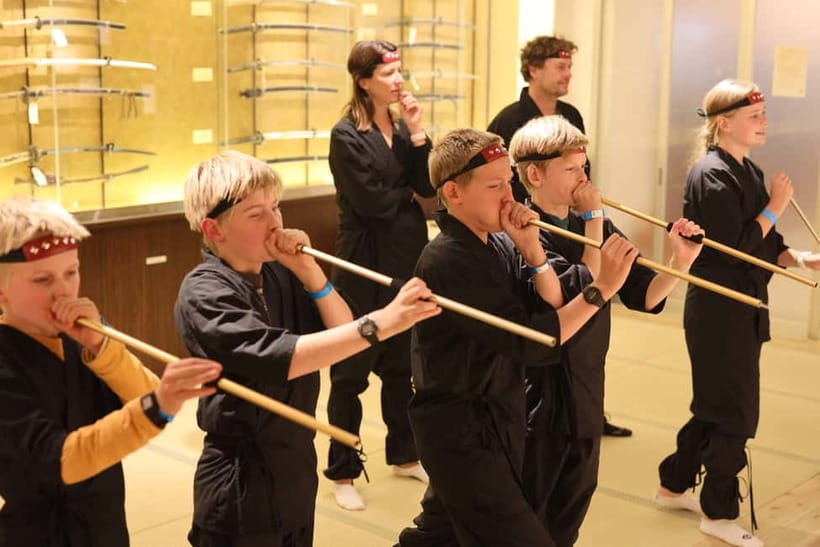
Then you get to try a ninja blowgun. This part feels different from the shuriken throwing, because it’s less about “force” and more about precision and steadiness.
Why this matters for families: blowgun practice naturally slows the pace. Kids can feel like they’re doing something cool and “serious,” but the focus is calm. It also adds variety, so you’re not doing one single throwing activity the whole time.
If you’re worried about safety, the experience is structured enough that the guide is there to explain what to do. The overall format is organized and timed, which is exactly what you want in a hands-on activity in a museum setting.
The Photo Shoot: Turning Training Time Into Actual Memories
You’ll also have a photo shoot, and this is one of the smartest parts of the experience design. Too many travel activities sell a memory, but you go home with no photos that match the moment.
Here, the outfit and the training context make the pictures more fun and more believable. Your photos won’t just look like you wore black clothing. They’ll look like you participated in something.
If you want better results, aim for simple posing: stand tall, point the ninja-star prop the right way, and let the guide direct you when possible. You’ll get the best outcome when you follow the instructions instead of overthinking it.
Timing, Group Size, and Why It Changes the Experience
At 75 minutes, the session moves at a good pace. It feels like a real activity, not a slow walking tour. You also avoid the classic Tokyo problem where an attraction eats your whole afternoon and then you’re too tired for anything else.
Group size is another big deal. The experience is limited to 5 participants in the small group setup, with an overall maximum of 20 travelers. That combination usually means you get better attention from the guide and fewer long waits for kids to take their turn.
You’ll also want to choose this if you’re traveling with mixed ages. The treasure hunt and costume parts help younger kids engage, while the shuriken and blowgun keep older kids interested.
Language and Guide Energy: How Koki-Level Clarity Helps Kids
The live guide speaks English, and that matters more than it sounds. Kids can freeze when they don’t understand. A good guide keeps instructions short, repeats key steps, and builds confidence.
In the feedback, Koki stands out for explaining well and making the experience enjoyable. If your family needs clear step-by-step directions, this is a strong sign you’re picking the right activity.
Value Check: Is $56 Worth It for 1 Hour 15 Minutes?
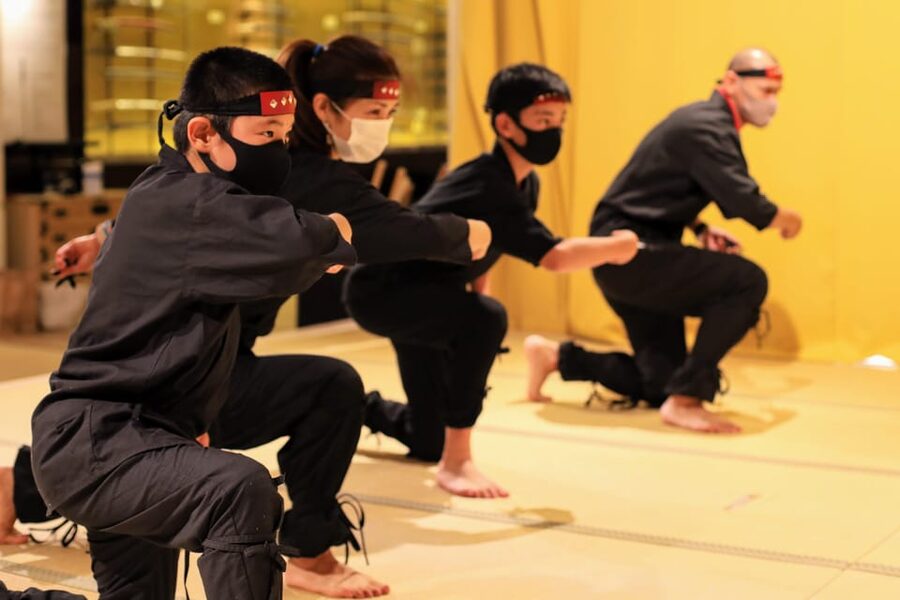
$56 per person is not a bargain price for Tokyo, and it’s fair to call that out. One parent felt it was a bit expensive for the length.
But the value calculation changes once you look at what’s included in that price: an entrance ticket, a ninja treasure hunt, and a photo shoot, plus the structured ninja training activities like shuriken throwing and blowgun practice. You’re paying for a complete, guided, kid-friendly package, not just access to a museum room.
So here’s my practical take for you:
- If your child loves hands-on games and costumes, it can feel worth it fast.
- If your kid is older and expects a lot of technical depth or long training, you may feel the time is short.
- If you’re price-sensitive, compare this to other free or low-cost Tokyo experiences and decide based on your child’s personality.
The biggest “value lever” is whether your family will actually use the photo shoot and participate in the training parts. If you want a guided, guided-and-photographed experience for kids, this fits that job.
Where This Fits in Your Tokyo Plan
This is a good choice when you want something fun and different from sightseeing-heavy days. Asakusa is a logical area to base yourself, and this experience gives you a planned activity that doesn’t rely on you finding something last minute.
It’s also ideal for short attention spans. You’ll be busy the entire time, and the session’s structure helps you avoid the “what do we do next” problem that can happen with kids in a big city.
For solo travelers, it’s still doable, but it’s most satisfying as a family or small group situation where everyone can participate.
Should You Book Samurai Ninja Museum Asakusa?
Book it if you want a family-friendly, guided, hands-on Tokyo activity that includes costume time, a treasure hunt, and a shuriken and blowgun practice. If you care about leaving with photos that match what you did, the photo shoot is a big plus.
Think twice if you’re expecting a long, deep training program or if your family is sensitive to price for a 75-minute experience. Also consider whether your youngest child can fully join in. Kids under 3 cannot join the ninja experience, even though they can enter the venue.
If you match those expectations, this is an easy “yes” for a memorable, kid-approved stop in Asakusa.
FAQ
How long is the Samurai Ninja Museum Asakusa experience?
The activity lasts about 75 minutes.
What is the price per person?
The price is listed as $56 per person.
What’s included in the experience?
It includes the entrance ticket, a ninja treasure hunt, and a photo shoot.
Is there a live guide, and what language do they speak?
Yes, there is a live tour guide in English.
Can children under 3 participate in the ninja training?
Children under 3 cannot join the ninja experience, but they can enter the venue.
What activities do you do during the training?
You wear a ninja outfit, learn ninja secrets, take part in a ninja treasure hunt, compete in a shuriken star throw, and practice using a ninja blowgun.
How big are the groups?
The experience is described as a small group limited to 5 participants, and it also notes a maximum of 20 travelers.
Is the venue wheelchair accessible?
Yes, it is wheelchair accessible.
Is free cancellation available?
Yes, you can cancel up to 24 hours in advance for a full refund.
Can I reserve now and pay later?
Yes, it offers reserve now and pay later with pay nothing today.
Latest write-ups near Tokyo
- Tokyo Customized Private Tour: See Top Attractions in 1 Day★ 4.8 · 67 reviews
- From Tokyo: Top 5 Scenic Spots of Mount Fuji Full-Day Tour★ 4.5 · 67 reviews
- Tokyo: Shinjuku Izakaya and Golden Gai Bar Hopping Tour (2h)★ 4.9 · 67 reviews
- Traditional Japanese Music ZAKURO SHOW in Tokyo★ 5.0 · 67 reviews
- Tsukiji: Unlimited Sake Tasting Experience★ 4.9 · 67 reviews
- Tokyo: Not a show- a professional sumo practice with experts★ 4.9 · 67 reviews
- Private Harajuku Omotesando Architecture Walking Tour★ 5.0 · 67 reviews
- One Day Private Tour to Nikko With English Speaking Driver★ 5.0 · 68 reviews
Samurai & Ninja Experiences, compared.
Samurai Ninja Museum Guided tour and Experience
Read our review →
Kendo and Samurai Experience with Uniform and Gear
Read our review →
Samurai Sword Class by Experts in Traditional Arts
Read our review →
Skip the lines Basic Ticket at SAMURAI NINJA MUSEUM KYOTO
Read our review →
Samurai Sword & Archery Class from Samurai Descendant
Read our review →
Browse the lists this tour appears in