
Reviewed · ZEN & MEDITATION
Miyajima: Cultural Experience in Zen Temple
This experience is interesting because it takes you inside a real Zen temple routine, not just a quick photo stop. I love the tea ceremony structure, with its careful steps, and I love the chance to make something you can actually take home, like your own calligraphy or a wish amulet. One consideration: you will need to remove your shoes and the activity is not recommended for people with limited mobility.
At Tokujuji Temple on Miyajima, you combine culture in a way that feels surprisingly calm. You choose your favorite kimono, learn how tea is made and sipped, and practice writing kanji or Japanese syllables with step-by-step help. If you’re short on time, keep in mind the sessions can feel unhurried, so you’ll want to plan a clear 1 to 2 hour block.
Finally, the photos are a big part of the value. The instructors take pictures during your time in the garden and with your kimono setup, then send them to you by email or via airdrop. Just be aware that how your photos turn out depends partly on where you stand in the garden light, so ask for guidance on the best spots.
Key things you will enjoy in Tokujuji Temple
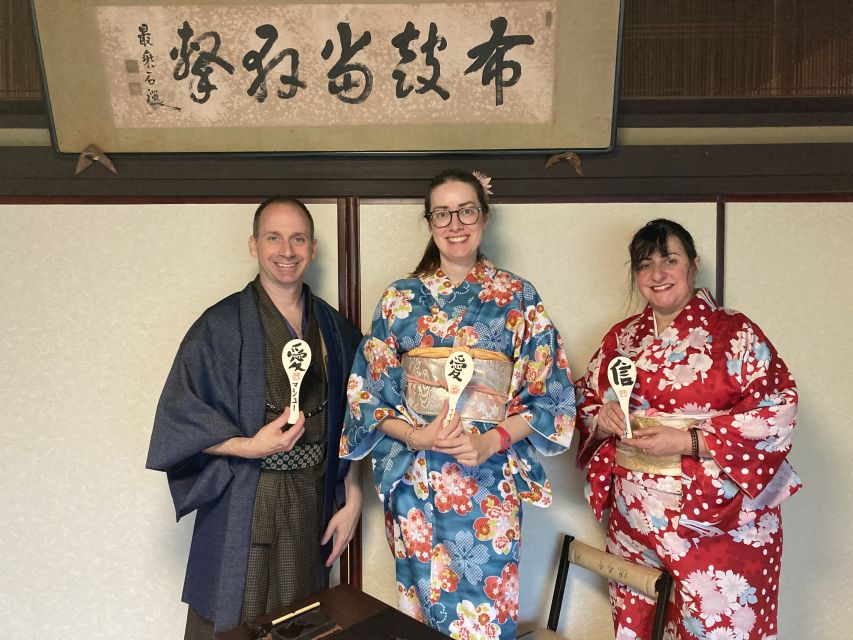
- Kimono choosing and dressing inside the temple setting, with help getting the look right
- Ryurei-style tea ceremony at a table with chairs, with strict steps from greeting to closing
- Matcha tasting plus procedure learning, including how to drink and how to make it
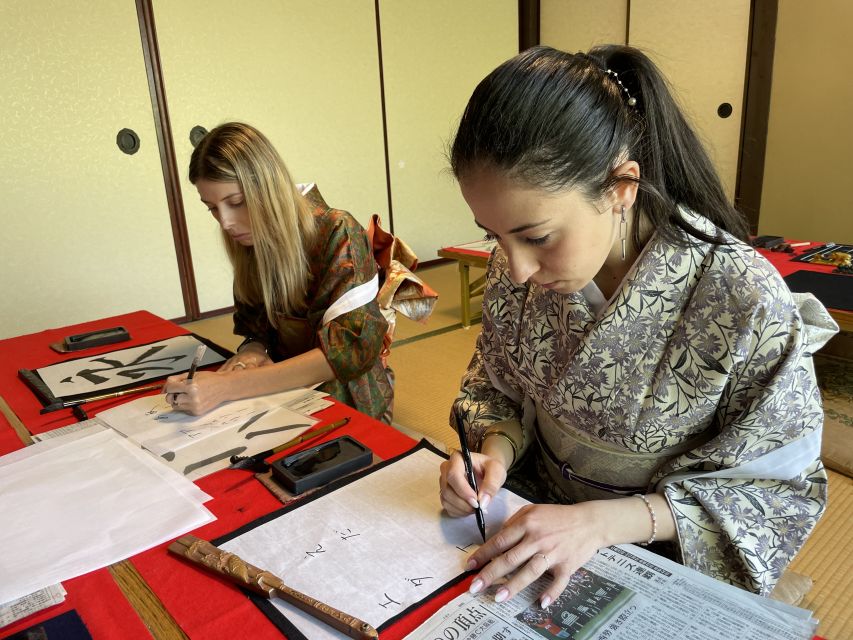
- Calligraphy with your name, first practicing kanji and then writing your name in hiragana or katakana
- Amulet making option with kimono-made bags, Kumihimo, and a wish written or stamped on a mini rice scoop
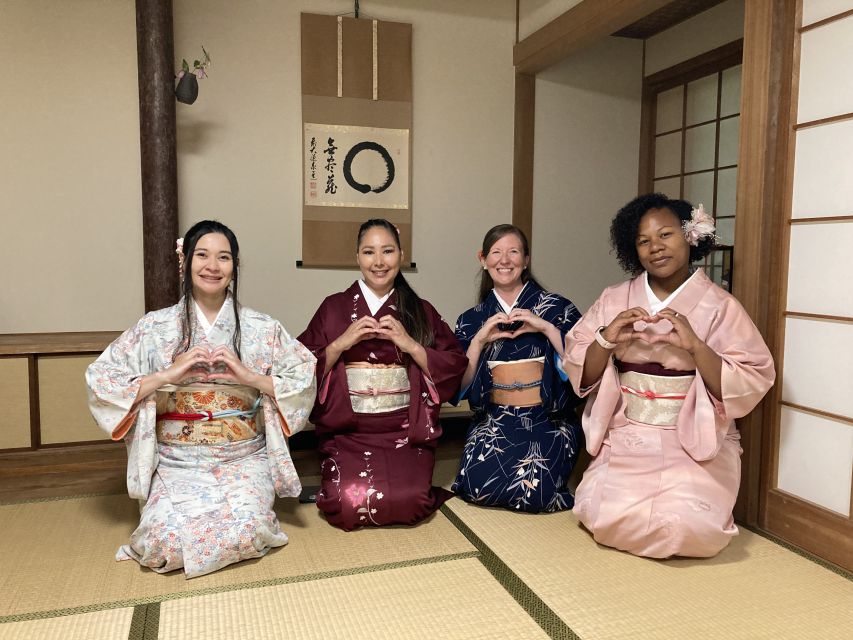
- Garden photo time, with staff taking photos and sharing them after by email or airdrop
Where this experience happens, and why it feels different on Miyajima
Miyajima already has a slower rhythm than big cities. This activity adds something special: it happens at Tokujuji Temple, where the focus is on daily spiritual practice and manners, not performance.
Instead of watching from the outside, you participate. That matters because you learn the “why” behind the movements, especially during tea. The ceremony follows strict procedures, including purifying tools, making the tea, cleaning everything, and then closing the ritual. It’s a real sequence, and that sequence is what makes it feel grounded.
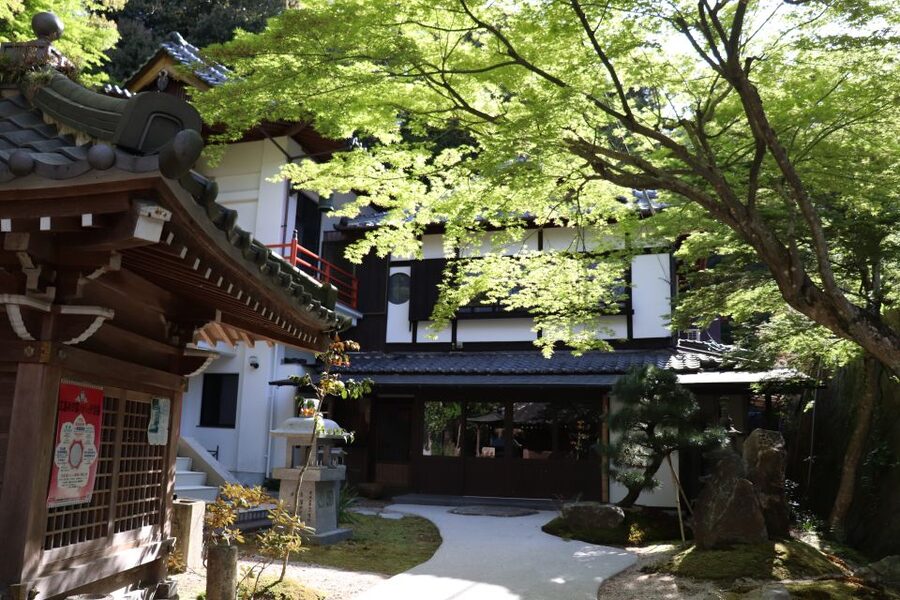
Another reason it feels different is the setting. After the workshop parts, you step into a beautiful Japanese garden where you can take pictures in kimono. You get that classic Miyajima atmosphere, but with a quieter pause from the busiest crowds near the main sights.
More Zen & Meditation in Hiroshima:
- Tokyo: Zen Meditation at a Private Temple with a Monk
★ 5.0 · 510 reviews - Kyoto Zen Meditation & Garden Tour at a Zen Temple with Lunch
★ 5.0 · 441 reviews - Kyoto: Zen Experience in a Hidden Temple
★ 5.0 · 437 reviews
The kimono part: your wardrobe choice, plus real step-by-step help
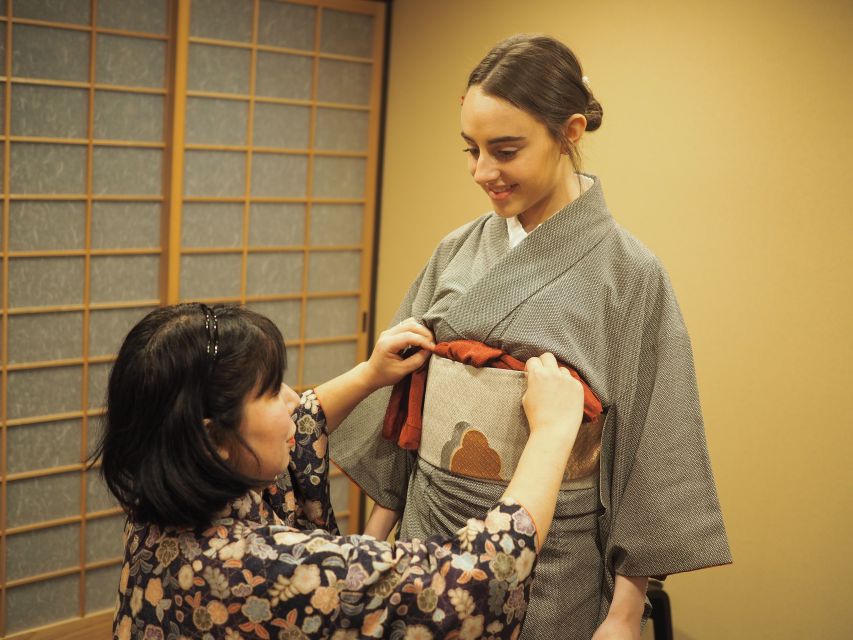
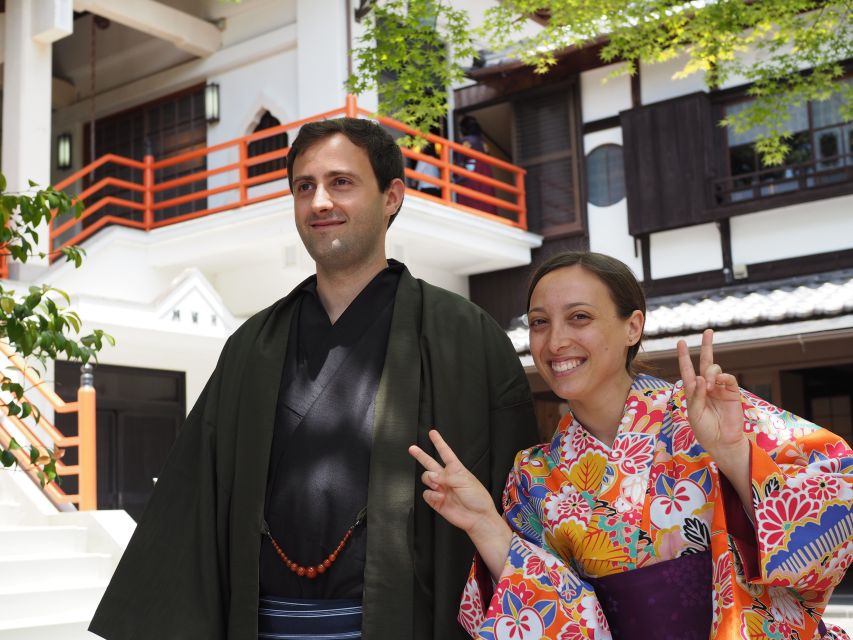
One of the most highly praised parts of this experience is the kimono experience. You do not just get dressed quickly. You choose your kimono for the day, and the staff helps you get a look that works with the obi. Reviews highlight the patience and professionalism here, especially for people who are new to wearing Japanese clothing.
What you should expect:
- You’ll enter the temple and go through shoe removal to move into the activity spaces.
- You’ll be guided through choosing and dressing in kimono.
- You’ll have time for photos while wearing it, including picture-taking in the garden.
If you care about photos, this is your moment. You’ll be in a traditional outfit that looks great from multiple angles, and the staff takes photos for you as well, not just letting you figure it out alone. You can also use your own phone camera, and the instructors can suggest photo spots and poses.
Practical consideration: kimono can feel restrictive at first, and you will be standing for parts of the tea and calligraphy sessions. That is usually fine for most people, but if you know you struggle with standing still for 20 to 30 minutes, plan to pace yourself.
Tea ceremony, Ryurei style: matcha with manners you can feel
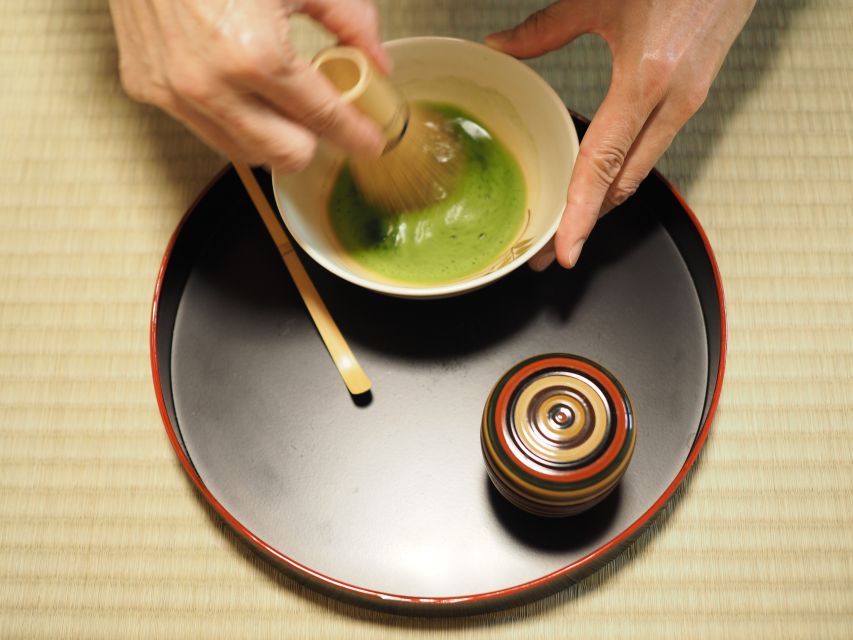
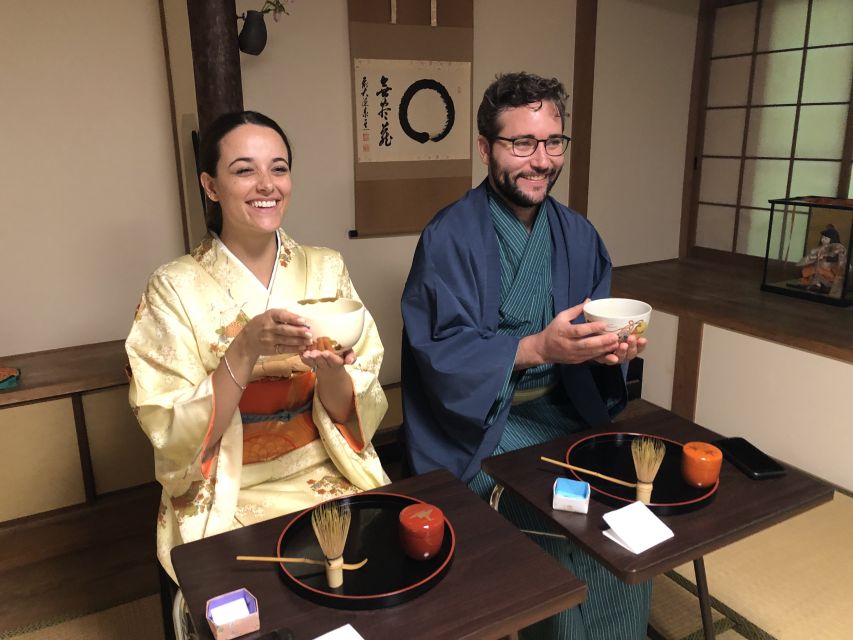
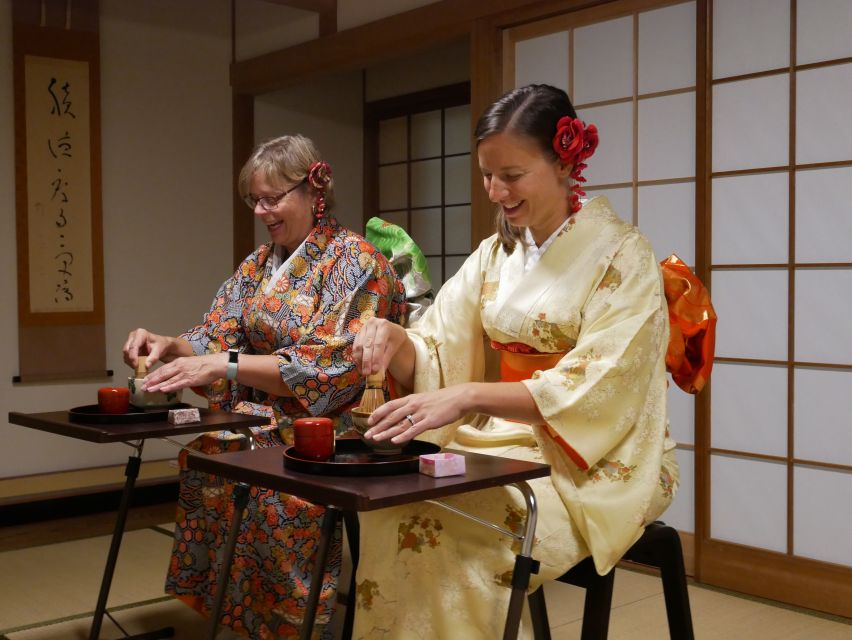
This is not just a sip of matcha. The tea ceremony has strict procedures, and the structure is part of the learning. You begin with greeting, then the tea master purifies the tools, makes the tea, cleans the tools, and closes the ceremony. Each step has a purpose, and the instructors explain how to behave through it.
You will enjoy:
- Two bowls of matcha tea
- Two types of sweets
- Learning how to drink matcha correctly
- Learning how to make it
A helpful detail for comfort and accessibility of format: the tea is done in Ryurei style, which means you use a table and chairs. That can make the experience feel far less intimidating than the traditional floor setup.
During the ceremony, try to slow down with the group. The atmosphere is respectful and paced. If your brain is usually running through your itinerary, this is a good break. I like this format because it gives you a clear set of actions to follow, rather than asking you to guess how to behave.
Calligraphy workshop: practice with your name, then take it home
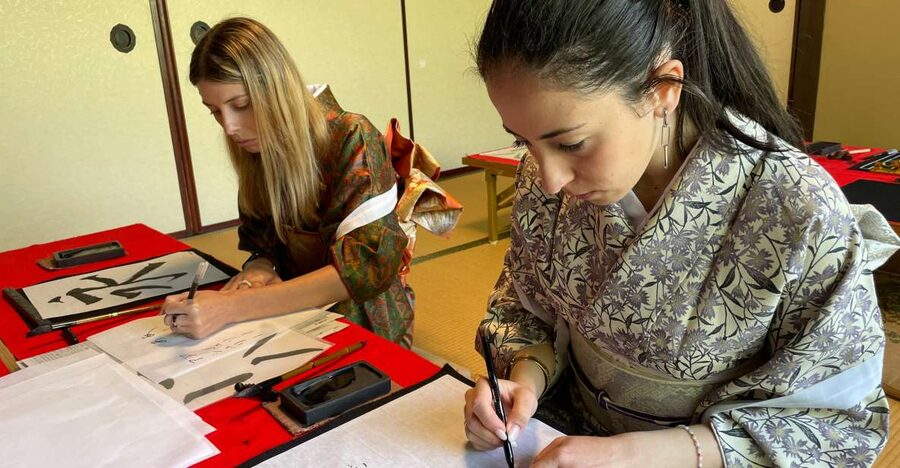
If you want a souvenir that feels personal, calligraphy is the star. The workshop is designed to guide you through the basics of writing while still letting you make something meaningful.
Here’s what the class includes:
- Step-by-step instruction on how to draw the lines
- Plenty of practice time for one or more kanji
- Your instructor makes a sample of your name, so you see how it should look
- Then you practice writing your name in Japanese alphabet, either hiragana or katakana
- You sign your work with Japanese, wrap it carefully, and take it home
This is one of the best-value parts of the session. You’re not just watching someone demonstrate. You practice. The result is tangible: a piece of art with your name and Japanese characters you can explain later.
Language note: the instructor is English and Japanese, so you’re not stuck if you can’t read everything. If you’ve got a name with complicated kanji, the class structure still works because you’ll get guided examples and practice steps.
One small practical tip: when your instructor is teaching the strokes, keep your pace slow. Your first few tries might look rough, but the method is designed so you improve as you go. That’s where the confidence comes from.
More Miyajima crossings:
- Peaceful Hiroshima & Miyajima UNESCO 1 Day Bus Tour
★ 5.0 · 5,309 reviews - Hiroshima: Hiroshima and Miyajima UNESCO Sites 1-Day Tour
★ 4.9 · 2,330 reviews - Hiroshima / Miyajima Full-day Private Tour with Government Licensed Guide
★ 5.0 · 1,298 reviews - From Hiroshima: Hiroshima & Miyajima 1 Day Tour with Lunch
★ 4.7 · 395 reviews
Amulet making option: choose the materials, write the wish, greet Kinseki Jizou
If you book the amulet option, you get to create something interactive and symbolic. The activity takes place in the temple hall, and you choose from a large collection: more than 300 amulet bags, each handmade from kimono.
You’ll also choose:
- Kumihimo, a code tied in a special way to make the wish come true
- A wish, which you then write or stamp onto a mini rice scoop
- You assemble the pieces into your own original amulet
After you finish, you greet Buddha Kinseki Jizou to report that you are here to make a wish.
Why I think this option feels memorable: it gives you a choice-heavy craft experience. Picking your bag, choosing the Kumihimo tied code, and writing your own wish makes it feel personal in a way that generic souvenirs can’t match.
One consideration: the amulet making is not described as a fast photo craft. You’ll be focused on choosing materials and creating something carefully, so it’s best if you’re okay with slowing down for a short hands-on period.
The garden photo time: how to get better pictures in kimono
The garden time is built into the experience. You take pictures in the Japanese garden while still in kimono, and staff members take photos for you too. Then you receive the pictures by email or on site via airdrop.
What makes this part work is that you’re not wandering around trying to invent a photo plan. The staff helps with timing and angles, which is especially useful if you don’t know the best places to stand in a Japanese garden.
If you want photos with faces lit well, do this: ask the instructors where the light looks best before you take a batch. One detail that came up is that some photos can end up with faces too dark if the spot isn’t ideal. A quick reposition helps more than you think.
Also, wear your expression. Kimono looks best when you feel comfortable, not when you’re bracing for every step. Loosen your shoulders and let the posture become part of the moment.
Timing, group size, and what the 1 to 2 hours really means
The duration is 1 to 2 hours, depending on your option and available time slots. It’s a small group experience, which is a big deal for something this hands-on. You get attention from the instructors, especially during calligraphy and tea.
Plan your day around it instead of trying to squeeze it between train transfers. The flow includes:
- Entering the temple and removing shoes
- Dressing in kimono
- Doing one or more activities (tea ceremony, calligraphy, and sometimes amulet making)
- Photo time in the garden
- Getting your take-home items wrapped and ready
If your schedule is packed, you may still be able to fit it, but it will feel more stressful. The whole point is the calm pace.
Price and value: why $90 can make sense here
At $90 per person, this is not the cheapest activity on Miyajima. But you’re paying for several things that add up quickly if you were to do them separately:
- Kimono dressing and assistance with the look
- A structured tea ceremony with matcha and sweets (including learning the correct procedure)
- Calligraphy supplies and guided practice
- Photos taken for you, then delivered after
- If chosen, a craft amulet made with temple materials and symbolic elements
For many people, the value is the combination. You’re not only eating matcha. You’re also learning tea etiquette, getting Japanese handwriting practice, and creating a personal souvenir. That bundle is what makes the price feel reasonable.
If you’re the kind of traveler who likes experiences you can talk about later, this is a strong buy. If you only want quick sightseeing and nothing hands-on, it could feel like too much work for too little payoff.
Who should book this, and who should skip it
This experience fits best if you:
- Want a cultural activity that is structured and easy to follow
- Enjoy crafts like calligraphy or small symbolic making tasks
- Like getting dressed up, with staff help so you do it correctly
- Want photos you can count on, with minimal effort from your side
- Prefer a calm format over loud, crowded tours
It is not recommended for:
- People with limited mobility
- Children under 6 years old, since activities are not for that age group
If you’re traveling with a mixed-age group, the class setup is a good sign. Reviews describe families with kids and grandparents having a good time, largely because instructions are clear and the group format stays patient.
Should you book Miyajima cultural experience at Tokujuji Temple
Yes, I’d book it if you have at least 1 to 2 hours on Miyajima and you want more than a shrine photo. The kimono dressing, tea ceremony procedure, and calligraphy souvenir work together into an experience that feels both respectful and personal.
Before you go, do two quick things:
- Decide which option you want most: tea and calligraphy for learning and keepsakes, or amulet making if you want symbolic craft plus a wish ritual.
- Plan your day so you are not rushing, because this activity rewards a calm pace, and the photos and crafting are better when you can slow down.
If you want a meaningful cultural stop that you can hold onto later, this is a very solid choice for Miyajima.
FAQ
How long does the experience take?
It lasts about 1 to 2 hours, depending on which option you book and the available starting times.
What is included in the tea ceremony?
You get sweets and two bowls of matcha tea. You also learn the correct way to drink matcha, and how the tea ceremony is carried out.
Is the tea ceremony done sitting on the floor?
No. It is described as Ryurei style, which uses a table and chairs.
Will I get help with calligraphy if I do not know kanji?
Yes. The instructor provides step-by-step guidance, you practice one or more kanji, and you also practice writing your name in hiragana or katakana.
Can I choose my own kimono?
Yes. You can choose your favorite kimono to wear, and staff helps you with dressing.
Are photos included?
Yes. Photos are taken during the experience, and they are sent to you by email or via airdrop on site.
Is it suitable for kids and for people with mobility issues?
Children under 6 years old cannot participate. The tour is not recommended for people with limited mobility, and you will need to remove your shoes to enter.
More Temple & Shrine Tours in Hiroshima
- Hiroshima and Miyajima Day Trip with Itsukushima Shrine & Ferry
★ 5.0 · 378 reviews - Day Trip to Hiroshima & Miyajima with Itsukushima Shrine
★ 4.6 · 124 reviews - Hiroshima & Miyajima 6.5h Guided Tour – Dome, Park & Shrine
★ 4.9 · 83 reviews - Kyoto: Fushimi Inari, Kinkakuji, Bamboo Grove 1 Day Bus Tour
★ 4.8 · 4,316 reviews
Latest write-ups near Hiroshima
- An Amazing set of Cultural experience: Kimono, Tea Ceremony and Calligraphy★ 5.0 · 69 reviews
- Hiroshima: Private Walking Tour with a Local★ 4.6 · 70 reviews
- Hiroshima: Miyajima Island Half-Day Tour with Guide★ 4.9 · 71 reviews
- Kimono and Tea Ceremony in Miyajima★ 5.0 · 73 reviews
- Hiroshima and Miyajima Private Guided Tour★ 4.5 · 75 reviews
- HIROSHIMA ORIZURU TOWER Admission Ticket★ 4.6 · 75 reviews
- Hiroshima & Miyajima: UNESCO A-Bomb Dome & Itsukushima★ 5.0 · 76 reviews
- Hiroshima to Miyajima: Private Custom Tour with Ferry Ride★ 4.9 · 77 reviews
Zen & Meditation, compared.
Kyoto Zen Meditation & Garden Tour at a Zen Temple with Lunch
Read our review →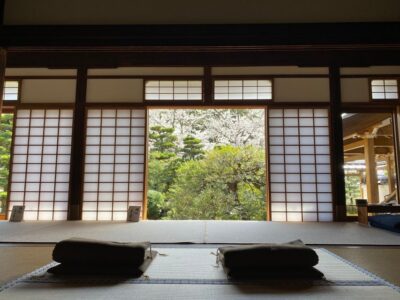
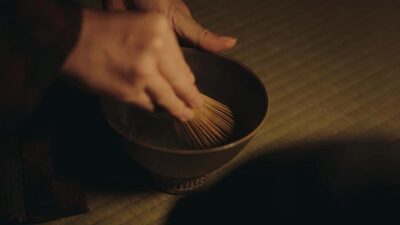
Tea Ceremony Meditation – Make Matcha with Tea Master
Read our review →
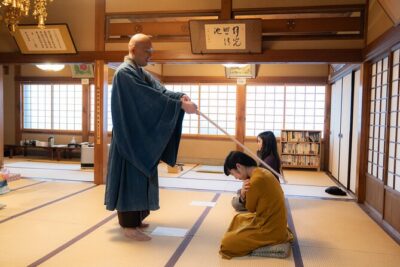
Tokyo Zen Meditation at Private Temple with Monk
Read our review →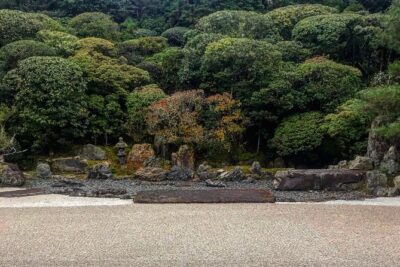
4.5-Hour Kyoto Bike Tour with Lunch and UNESCO Zen Temples
Read our review →Browse the lists this tour appears in