
Reviewed · TEMPLE & SHRINE TOURS
Tokyo: Meiji Jingu Shrine and Shinto Culture Walking Tour
Meiji Jingu is one of Tokyo’s few places where the air feels like it changes. This Shinto culture walking tour helps you read what you see instead of just snapping photos. I especially like how the guide explains the ritual symbolism behind the shrine scenes.
I also love the slow, calming pace around the Imperial Garden and the walk through the 100,000-tree forest, with planned photo moments at the big landmarks. One thing to consider: it is still a two-hour outdoor walk, so you’ll want comfortable shoes and a willingness to lower your voice.
Key things that make this tour worth your time
- Small-group, question-friendly format so you can actually ask what you’re wondering
- Guided stops at iconic features like the big torii and the consecrated barrels
- Imperial Garden calm that balances the sacred forest walking time
- Photo support built in so you do not have to wrestle your camera mid-ceremony
- Shinto etiquette and prayer basics taught in a practical, understandable way
Why Meiji Jingu feels different from the Tokyo you already know
Tokyo can be fast, bright, and loud. Then you reach Meiji Jingu, and the pace drops. The tour is built around that contrast, moving you from the urban edge into a shrine space where people slow down for reflection.
The best part is that you are not stuck staring at labels. Your guide turns the experience into something you can interpret. You learn what the rituals are for, what certain symbols are pointing to, and how nature connects to spirituality in Japan. That is the difference between seeing a site and understanding it.
I also like that the tour does not try to make everything feel complicated. Shinto can sound mysterious until someone explains what you are actually looking at. Once you know the purpose behind the scene, the whole area clicks.
More Temple & Shrine Tours in Tokyo
- Tokyo: Meiji Shrine, Asakusa, Skytree Bus Tour and Cruise
★ 4.7 · 1,986 reviews - Tokyo: Asakusa Walking Tour with Sensoji Temple Visit
★ 4.8 · 1,583 reviews - Nikko: Kegon Falls, Lake Chuzenji & Toshogu Temple
★ 4.6 · 1,577 reviews
Starbucks near Harajuku, and why your meeting spot matters
The tour starts at Starbucks Coffee – With Harajuku, and the meeting point is in front of the Starbucks that is closest to Meiji Shrine. If you like to arrive early and get your bearings, this is a good setup, because Starbucks makes the location easy to find.
The listed coordinates are 35.6705208, 139.7031067. If you use a maps app, drop those in and you should have no drama. You will save time by not guessing which entrance is the right one.
Practical tip: wear shoes you can walk in for a couple hours. The route goes through garden paths and a forested area, so you will feel every step if your footwear is not up to it.
Meiji Jingu Gyoen: where the tour starts with quiet beauty
One of the first stops is Meiji Jingu Gyoen, with a photo stop and guided time of about 30 minutes. This is a smart opening. You ease into the experience before you hit the most dramatic, obvious landmarks.
What I like about starting here is the emotional reset. You see how the grounds are designed for calm, and you get oriented to the rhythm of the place. A guide also helps you notice details that you might otherwise walk right past, like how the garden spaces connect to the sacred feel of the shrine.
If you are the kind of person who likes a little structure, this works well. You get time to look, time to ask questions, and time to settle in.
Possible drawback: because it is a garden setting, you might want to take your time, but the group keeps moving. If you are the type who wants long solo wandering, plan to add extra time after the tour.
The Big Torii: your first lesson in thresholds
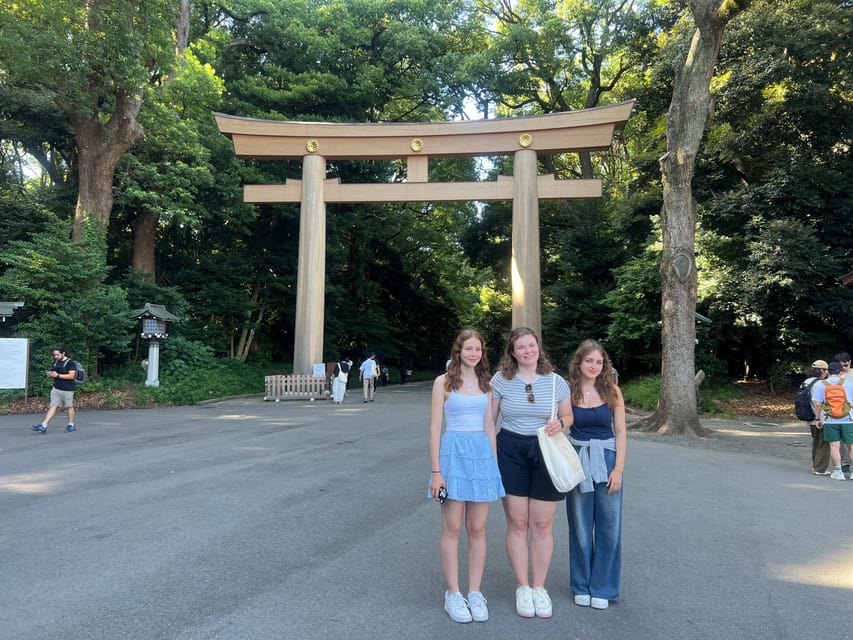
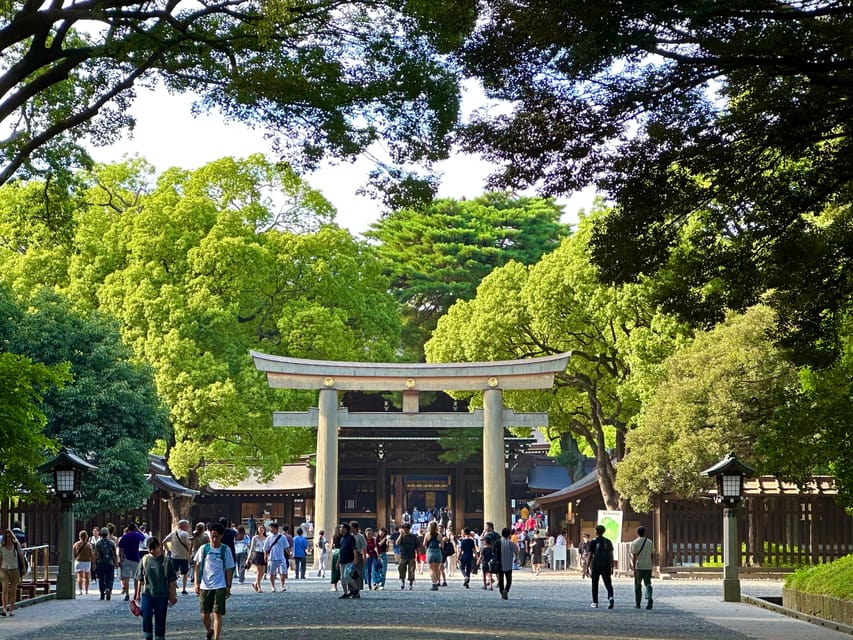
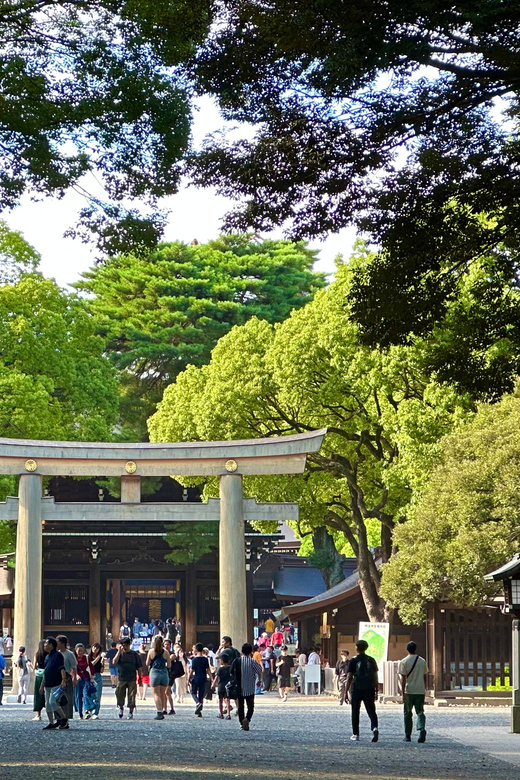
Next comes the big torii, with about 10 minutes of guided time. This is the kind of photo that makes everyone in Tokyo stop and stare for a second. But in a shrine context, it is not just a decorative gate.
Your guide frames it as a threshold, a visual cue that you are entering a space with different rules and different energy. You learn how people approach the area with respect, and how ritual shapes behavior. Even if you have seen torii before, this is usually the moment the tour starts feeling more meaningful.
Photo tip: if you want your best shot, stand where the guide suggests. You will often get a cleaner angle without blocking someone else’s view.
More Walking Tours in Tokyo
- Tokyo Tsukiji Fish Market Food and Culture Walking Tour
★ 5.0 · 3,184 reviews - Tokyo: Imperial Palace and Shogun Historical Walking Tour
★ 5.0 · 2,251 reviews - Tokyo: Shinjuku Local Bar and Izakaya Guided Walking Tour
★ 4.9 · 1,794 reviews - Tokyo: Tsukiji Fish Market Food and Walking tour
★ 5.0 · 1,724 reviews
Consecrated sake barrels and wine barrels: why these details matter
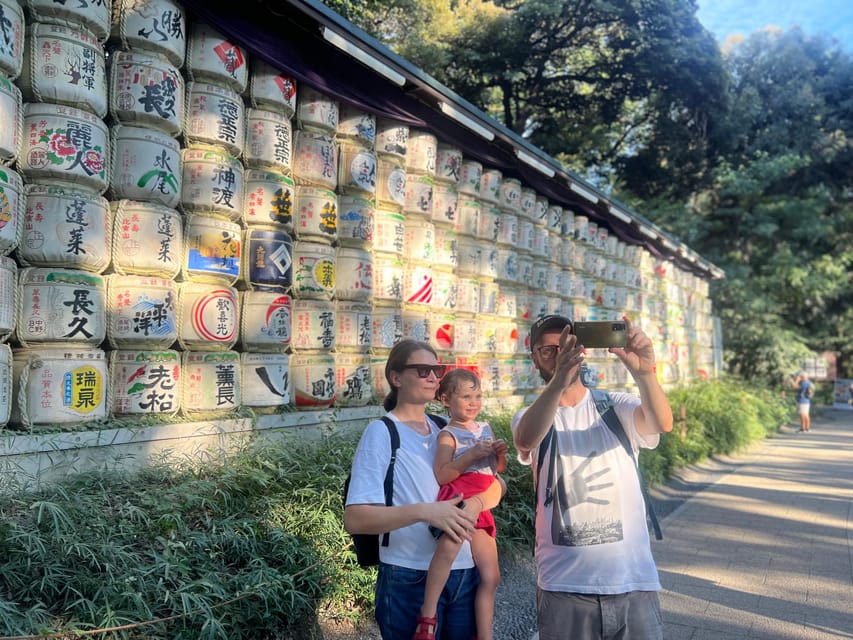
Then you move to the consecrated sake barrels and the consecrated wine barrels, each with about 10 minutes of guided time. These stops are small, but they are powerful, because they show you a specific part of practice you can see clearly.
The guide’s job here is to explain symbolism, so the barrels do not become random objects. You understand that offerings are part of the relationship between people and the sacred world. Once you understand the why, the barrels stop looking like scenery and start looking like communication.
I also appreciate that this section feels practical. You are not just walking and listening. You are looking at something tangible while your guide explains the meaning behind it.
Consideration: if your goal is only to snap big landmark photos, this part may feel less exciting than the torii. But if you want the Shinto context, this is where the tour earns its value.
Meiji Shrine at the core: etiquette, prayer, and the human pace
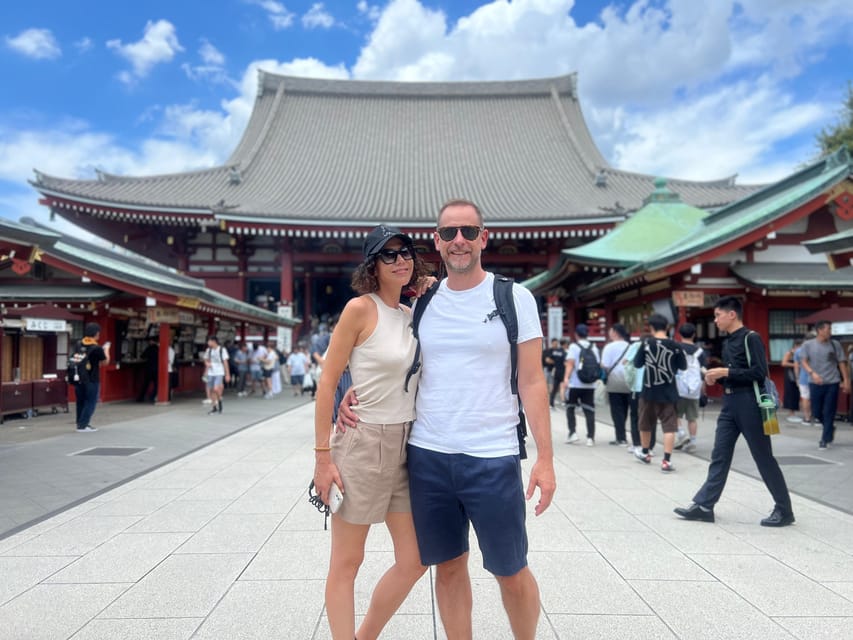
The main stop is the Meiji Shrine area, with about 1 hour of guided touring and sightseeing. This is where the tour becomes more than a photo walk.
Expect your guide to explain how to treat the space. Several past groups highlighted that the guides teach shrine etiquette and how prayer works in practice. That matters, because the difference between awkward and respectful is mostly about knowing what to do and where to stand.
You will also hear stories about the shrine’s establishment and how the Meiji period connects to what you see today, even if you do not plan to memorize dates. The goal is context you can feel on-site.
One more smart touch: this stop is also time for questions. Guides like Maya, Minori, and Hoshi were singled out for being friendly and answering questions clearly, and that pattern comes through in how the experience runs. If something confuses you, ask it. That is what the guide is there for.
Walking the sacred forest of 100,000 trees without rushing it
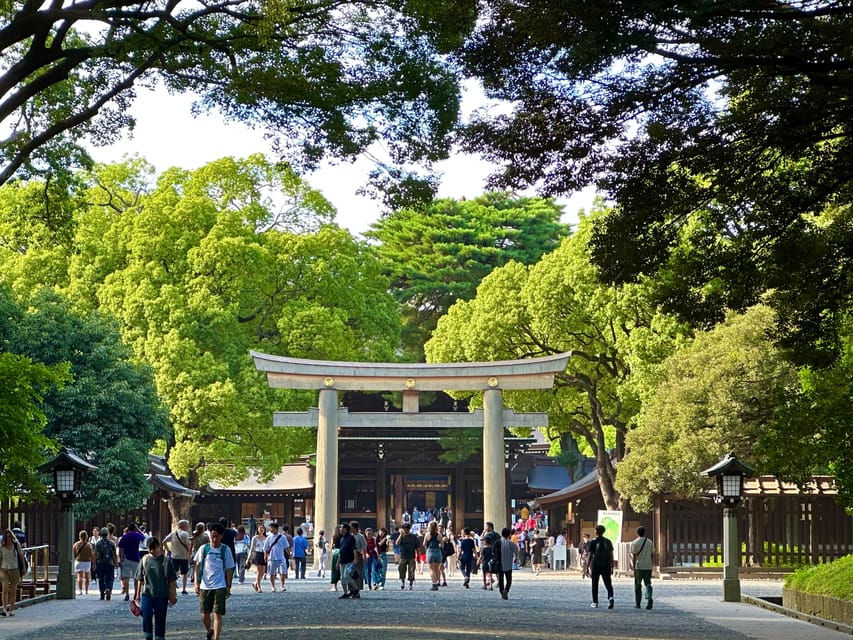
A key highlight is the sacred forest of 100,000 trees. You experience it by walking through the wooded grounds at a pace that lets you actually notice your surroundings.
This is where the tour feels like it earns its “walking” part. The guide helps you connect the natural setting to the spirituality of the area, so it does not become just scenic scenery.
I like that the tour does not force you to sprint between highlights. Instead, it gives you short guided sections and then room to look. When your eyes start recognizing the rhythm of the path, the forest becomes the main character.
Practical advice: keep an eye on your footing. Forest paths can be a little uneven, especially after rain. If you are visiting in hotter months, bring water and take shade when you can.
What you actually get for the price, and why it feels fair
The price is $19 per person for a 2-hour guided experience. That is not just for someone to walk beside you. The tour includes a professional English-speaking guide, photo-taking during the tour, historical insights into the districts, and entry or admission to Meiji Shrine and the Imperial Garden.
Here is why that matters for value. You are paying for three things that add up quickly when you do them on your own:
- a guide to explain rituals and symbolism
- the time saved figuring out what to notice
- admission included for key parts of the grounds
If you have ever tried to do a shrine visit solo, you know how easy it is to miss the “why.” This tour buys you understanding, plus someone to handle the practical parts so you can focus on the experience.
And the photo component is genuinely useful. It reduces the awkwardness of trying to get someone else to take your shot near ceremonial areas.
Group vibe: small numbers, more conversation, easier photos
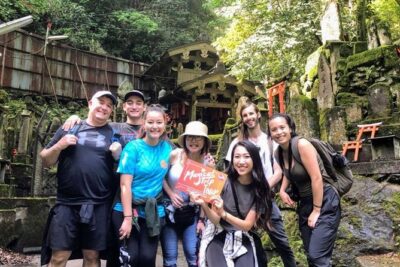
The tour keeps group sizes small. In practice, that often means it feels more personal than the big-van style city tours. Several guide names came up repeatedly, including Minori and Nicholas, Hoshi, Naruto, and Ryota, and the common thread is engagement and patience.
When the group is small, you can ask follow-up questions without the guide trying to keep everything moving like a train schedule. You also get more flexibility around where you pause for photos.
One consideration: because it is guided, you are still on a shared time plan. If you want to spend a long period in total silence with no guidance, you may want to add extra independent time before or after.
Who should book this Meiji Jingu tour, and who might skip it
This tour is a strong fit if:
- you want to understand Shinto culture, not just see landmarks
- you like walking with a plan but still want time to ask questions
- you want shrine etiquette explained in a simple way
- you enjoy learning from different perspectives, especially when guides explain Shinto alongside Buddhism comparisons
It may be less ideal if:
- you hate any walking on your trip schedule
- you prefer a totally self-directed experience with no guidance
- you are only interested in photo hotspots and do not want the ritual context
If you are in Tokyo for the first time, this is a good “foundation” activity. It helps you interpret what you see later, because you learn how Japanese sacred spaces communicate through everyday gestures and symbols.
Should you book this tour at Meiji Jingu?
I think you should book it if your main goal is understanding. At $19 for 2 hours, with guide time plus entry and photo support, it is a practical way to get more from one of Tokyo’s most important spiritual locations.
My recommendation hinges on what you want out of the visit. If you want a calm walk plus clear explanations at the key stops, this tour delivers. If you only want to pass through quickly and move on, you might feel the guidance is more than you need.
If your schedule allows it, start early or give yourself extra time afterward. The shrine grounds reward slow attention, and the tour is best when you use the guided time to learn, then enjoy the atmosphere on your own.
FAQ
How long is the Meiji Jingu Shinto Culture Walking Tour?
It runs for 2 hours.
Where do we meet for the tour?
Meet in front of the Starbucks closest to Meiji Shrine. The meeting point coordinates are 35.6705208, 139.7031067.
What is included in the tour price?
The price includes a professional English-speaking guide, photos taken during the tour, historical insights, and entry or admission to Meiji Shrine and the Meiji Shrine Imperial Garden.
Is there a live guide, and what language is it in?
Yes, there is a live tour guide, and the tour is in English.
Is the tour wheelchair accessible?
Yes, the tour is wheelchair accessible.
What are the cancellation and pay-later options?
You can cancel up to 24 hours in advance for a full refund, and you can reserve now and pay later to keep your plans flexible.
Latest write-ups near Tokyo
- Tokyo Customized Private Tour: See Top Attractions in 1 Day★ 4.8 · 67 reviews
- From Tokyo: Top 5 Scenic Spots of Mount Fuji Full-Day Tour★ 4.5 · 67 reviews
- Tokyo: Shinjuku Izakaya and Golden Gai Bar Hopping Tour (2h)★ 4.9 · 67 reviews
- Traditional Japanese Music ZAKURO SHOW in Tokyo★ 5.0 · 67 reviews
- Tsukiji: Unlimited Sake Tasting Experience★ 4.9 · 67 reviews
- Tokyo: Not a show- a professional sumo practice with experts★ 4.9 · 67 reviews
- Samurai Ninja Museum Asakusa: Kid-Friendly Ninja Training★ 4.7 · 67 reviews
- Private Harajuku Omotesando Architecture Walking Tour★ 5.0 · 67 reviews
Temple & Shrine Tours, compared.
Fushimi Inari, Kinkakuji, Bamboo Grove 1 Day Bus Tour
Read our review →

Meiji Shrine, Asakusa, Skytree Bus Tour and Cruise
Read our review →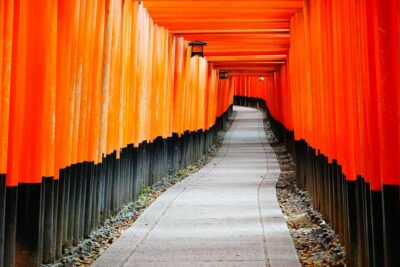
Osaka/Kyoto:Kinkakuji,Arashiyama,FushimiInariShrine,NaraPark
Read our review →
Asakusa Walking Tour with Sensoji Temple Visit
Read our review →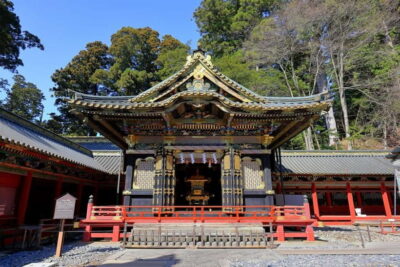
Nikko: Kegon Falls, Lake Chuzenji & Toshogu Temple
Read our review →
Kamakura & Enoshima Day Trip including Temple Tickets
Read our review →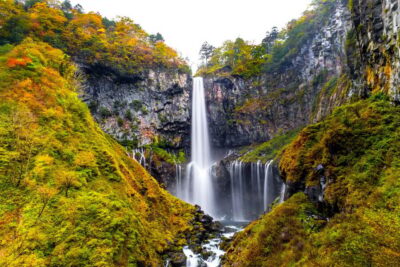
Nikko Toshogu Shrine and Kegon Waterfall Tour
Read our review →Browse the lists this tour appears in