Reviewed · SHOW
Japanese Traditional Music Show in Tokyo
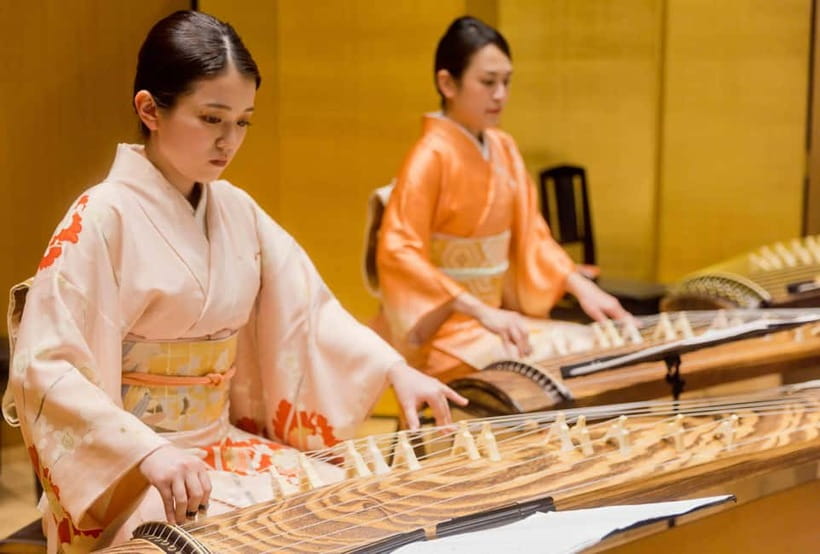
Japanese traditional music in Tokyo can feel hard to access. This show makes it easy, with musicians sitting right in front of you and explanations running alongside the pieces.
Two things I really like: the host keeps the experience clear in English and Japanese, and the program teaches what you are hearing, not just what it sounds like. One thing to consider, the setting is intentionally small and focused, so it is more calm listening than a big, spectacle-style night out.
Key Points Before You Go
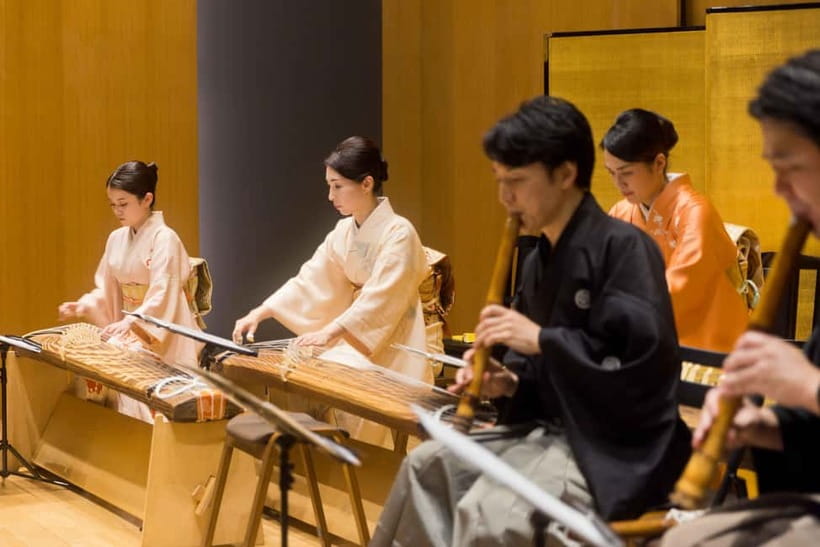
- Wagakki in a single hour: koto, shamisen, shakuhachi, and taiko drums all in one program
- Instrument history, not a lecture: context is woven between tunes so it stays fun
- Close, numbered seating: limited capacity makes it feel personal
- Photos and video are welcome: you can record during the show, then take pictures with the musicians afterward
- A western hit cover: the contrast helps you understand the Japanese instruments faster
- English support: the host greets in English and Japanese, with translation throughout
Why Zakuro Show Works for First-Time Japanese Music Fans
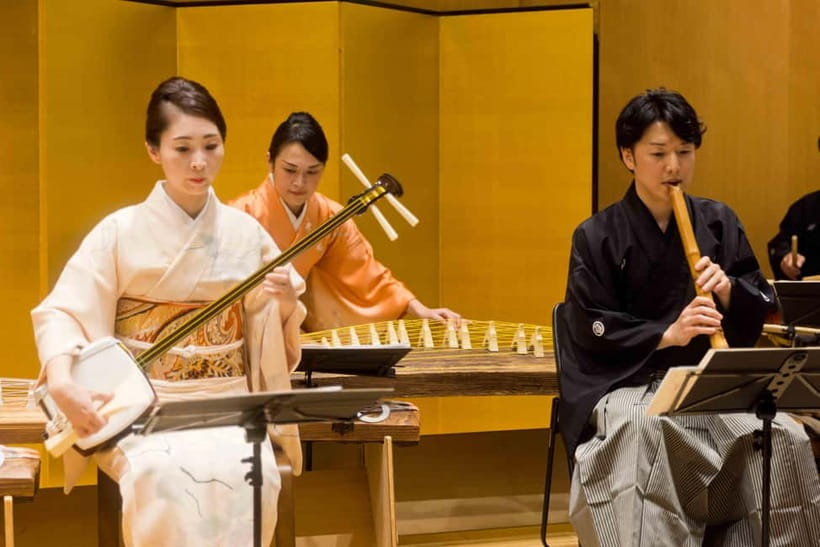
This is one of those Tokyo evenings that turns curiosity into understanding fast. You are not just watching performers in kimono, you are hearing how each instrument works and why each piece was chosen.
I like that the show is built for both tourists and local audiences, and it shows in the pacing. The music comes first, and the explanations feel like they help you listen better, not like you are stuck in a classroom.
Also on the shortlist for Tokyo:
- Mt Fuji and Hakone 1-Day Bus Tour Return by Bullet Train
★ 5.0 · 26,383 reviews - 1-Day Tokyo Bus Tour
★ 5.0 · 14,250 reviews - Tokyo: TOKYO SKYTREE® Admission ticket
★ 4.5 · 11,192 reviews
Your 1-Hour Game Plan at Hall 60
The show runs for one hour, so you can fit it into a dinner-and-walk evening near Harajuku and Meiji-Jingumae. The main thing is to arrive with enough time to find the right room, settle into your reserved seat, and start paying attention.
Before the music starts
You meet at Hall 60 near Meiji-Jingumae Station (Exit 7, about a 1-minute walk) or JR Harajuku Station (Omotesando Exit, about a 5-minute walk). The ticket process is set up so you can skip the ticket line, and you are given a reserved seat.
Once you are seated, the biggest advantage of this venue setup hits you immediately. The musicians are close enough that you can see the hands, the breath, the grip, and how each instrument is played in real time.
During the show
The program alternates between performance and explanation. The host (English and Japanese) walks you through what you are about to hear, including background on the instruments and the history of the pieces.
You will also hear a mix of older and newer traditional Japanese music. That matters, because traditional music is not one museum display, it is a living style that keeps changing.
A western hit cover is part of the experience too. That surprise moment is not there to copy Western music, it is there to make the Japanese sound patterns easier to catch, even if you are brand new to this world.
A change of pace from Tokyo:
- Tokyo: teamLab Planets TOKYO Digital Art Museum Entry Ticket
★ 4.6 · 9,779 reviews - Mt Fuji & Hakone Cruise, Drum Show Bullet Train 1 Day from Tokyo
★ 4.0 · 7,413 reviews - Tokyo: Sumo Show Experience with Chicken Hot Pot and a Photo
★ 4.8 · 6,678 reviews - Tokyo: Shinjuku Food Tour (13 Dishes at 4 Local Eateries)
★ 5.0 · 6,603 reviews
After the concert
When the music ends, you get the fun extra step: you can take photos with the musicians afterward. This is a great way to turn a good show into a memorable one, especially if you have family or friends who like getting that final interaction shot.
The Instruments You Will Hear Up Close: Koto, Shamisen, Shakuhachi, Taiko
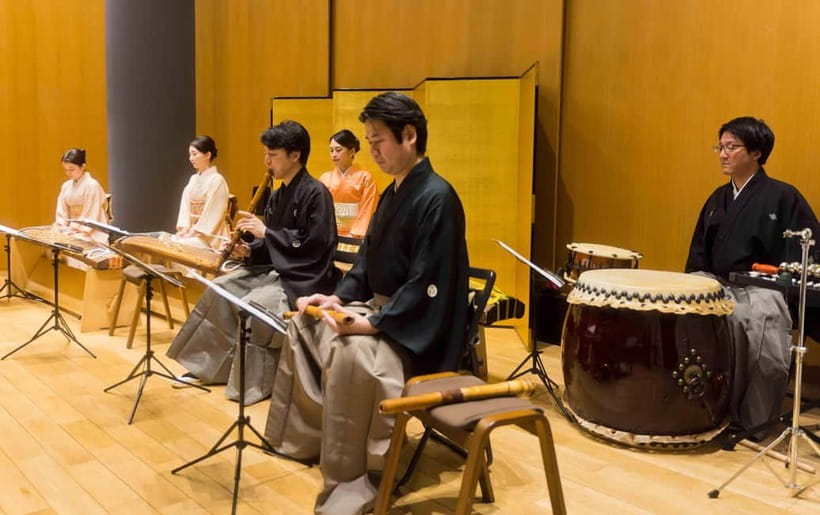
What makes this show feel special is the variety of instruments, not just the concept. You get a real sampler of how different Japanese traditions use sound.
Here is the lineup you should expect:
- Koto: a plucked zither with a bright, clear tone
- Shamisen: a banjo-like instrument known for its punch and rhythm
- Shakuhachi flute: breathy and expressive, often with a meditative feel
- Taiko drums: powerful, physical rhythm that changes the room
Because the performers are right in front of you, you can follow the mechanics, not just the sound. In the explanations, the host focuses on instrument details and the history behind what you are hearing, which helps the music click into place.
How the Host Turns Listening Into Understanding
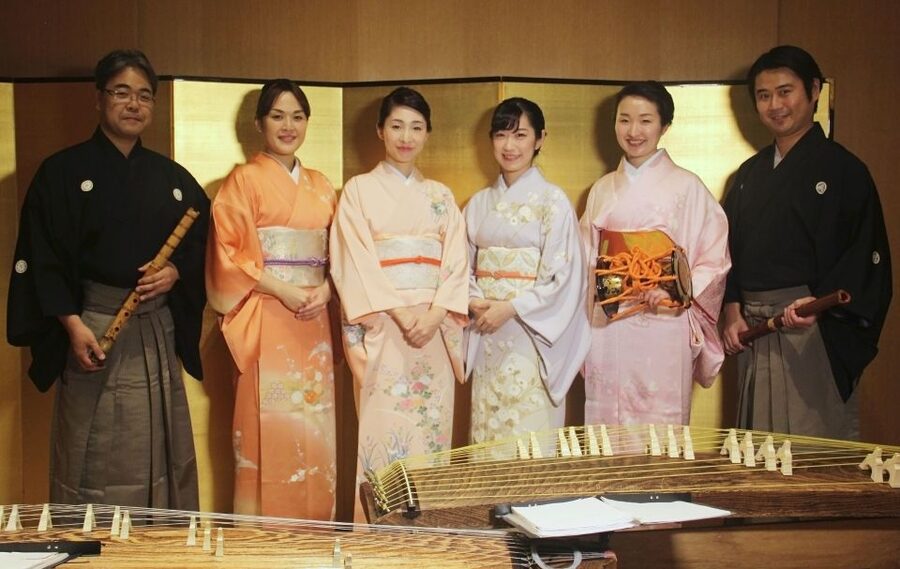
I have sat through concerts where I enjoyed the music but felt lost on what I was hearing. Here, the host bridges that gap in a practical way, and it is one reason the reviews lean so positive.
The show is designed so that each tune is carefully selected to provide context. That means you are not just hearing random tracks; you are hearing a sequence with a point.
Two parts I think you will notice right away:
- Instrument context between pieces
Instead of dumping information before the show, explanations show up right when they matter. You learn what to listen for, then you get the performance.
- A mix of old and modern, plus a western cover
That combination makes traditional music feel less frozen in time. Even if you only catch a few details, the overall structure helps you understand how wagakki can sound distinct and still reach modern ears.
The Intimacy of a Limited, Numbered Audience
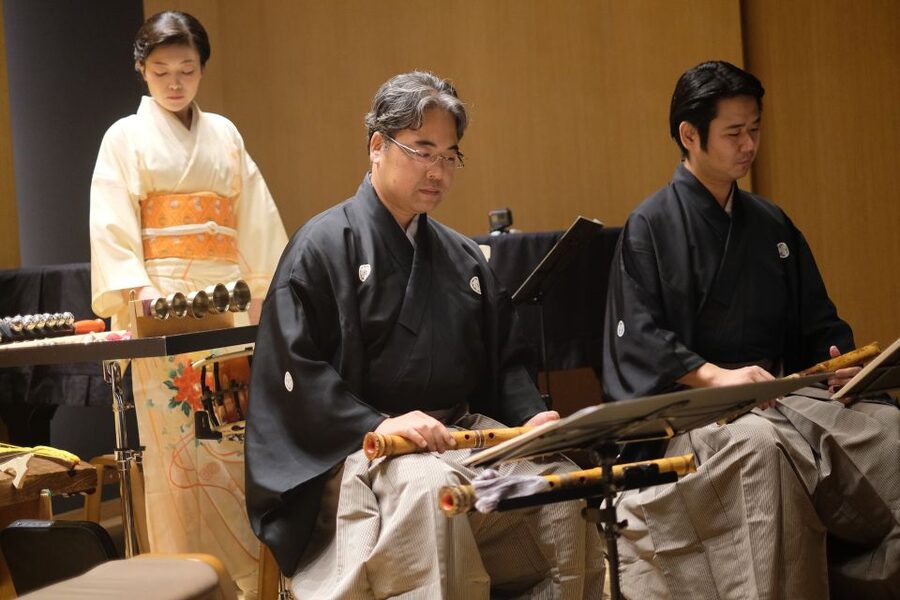
This is not a massive auditorium experience. It is built around a small numbered audience, which changes everything about how the performance feels.
Close seating means:
- You can actually see technique, not just the performers
- The explanations land better because you are not straining to hear
- The room feels quieter and more attentive, which makes the shakuhachi and koto moments especially nice
The tradeoff is simple. If you want the energy of a large-scale venue where you can blend into the crowd, this will feel smaller and more personal. For me, that is a plus because the show rewards your attention.
Photo and Video Rules That Make It Worth Your Phone Battery
If you care about capturing the moment, this is set up for you. You can take photos and videos during the show, and you can also take pictures with the musicians afterward.
That matters because the best part of this kind of music is the details you might not remember later, like how a performer holds the instrument or how the timing locks in across instruments. Recording a short clip can help you recall the sound once you are back in your hotel.
Quick tip: keep your recording time reasonable and respectful. The show is intimate, and the best atmosphere comes when everyone listens as much as they capture.
Price and Value in Tokyo: Is $38 Fair?
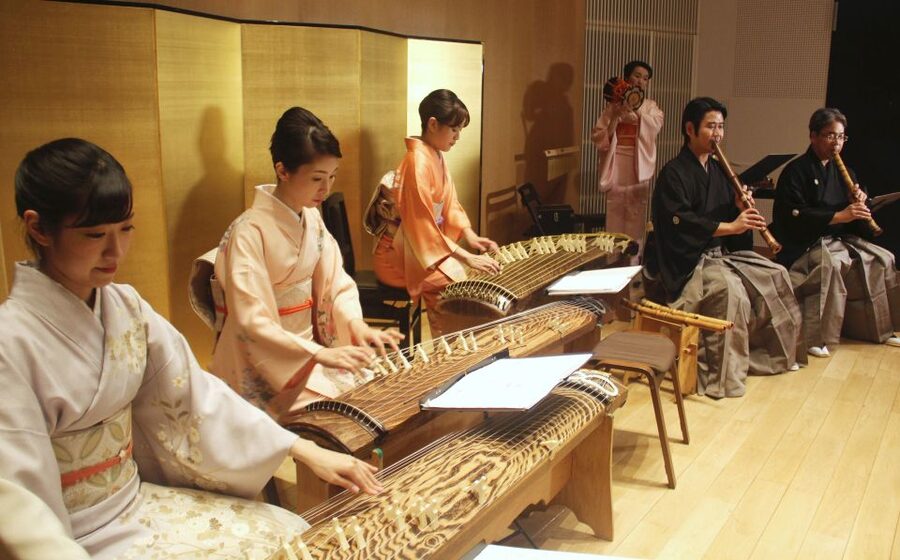
At $38 per person for a one-hour, reserved-seat concert with English or Japanese hosting, this is priced like you are paying for a real cultural program, not just a ticket to sit nearby.
What you are getting for that price:
- Entry ticket plus reserved seating
- A full one-hour concert program
- A host who translates and explains what you are hearing
- A multi-instrument performance using wagakki staples
What you are not getting:
- Food and drinks
- Hotel pickup and drop-off
- Merchandise (if any is available, you would need to buy separately)
In Tokyo, that mix is a big part of value. You are paying for the performance and the context. If you are the type of traveler who likes to understand what you are watching, this cost makes sense because it helps you connect with the music quickly.
Where to Fit It Into Your Day Near Harajuku
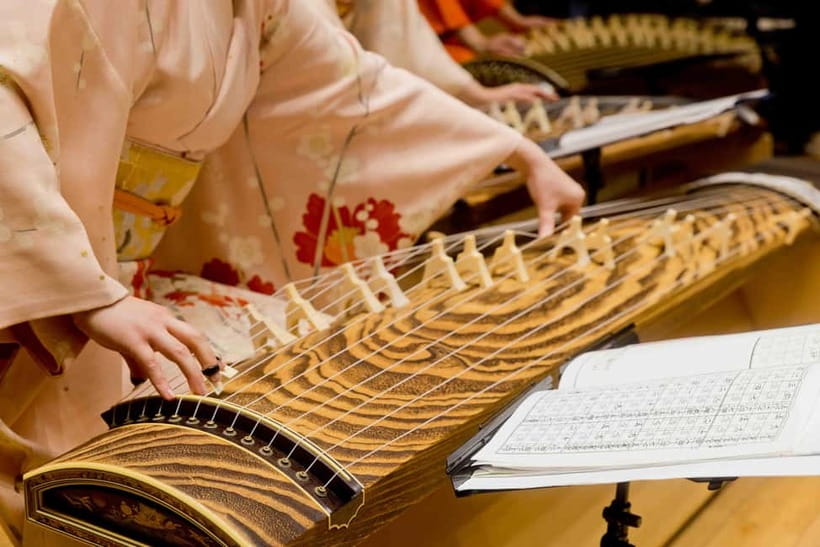
The location is convenient for an evening out. Meeting points are near Meiji-Jingumae Station and JR Harajuku Station, so you can combine this with a walk through the Meiji Jingu area or a dinner near Omotesando.
Because there is no hotel pickup included, plan on heading to the venue on your own. That is normal for Tokyo shows, and it keeps the experience simple.
A small planning note that helps: since the show is only one hour, it is easier to treat it like a main event. You do not want to schedule it so close to something else that you end up rushing at the last minute.
Who Should Book This, and Who Might Skip It
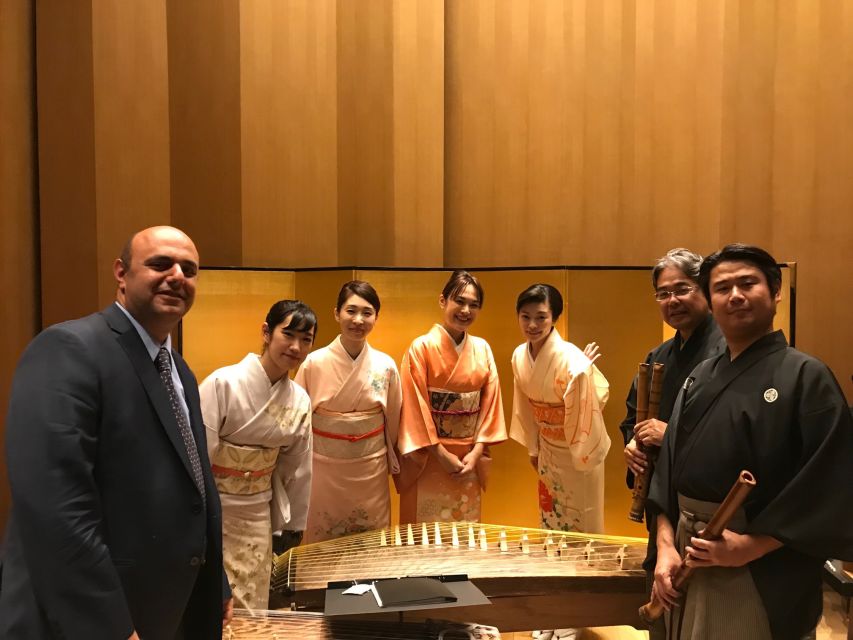
I think this show is perfect if you are:
- Curious about Japanese culture but do not know where to start
- Interested in how traditional instruments are played and why pieces matter
- Looking for a quiet, high-focus evening that still feels lively
- Traveling with teens or anyone who likes filming and getting close-up experiences
It may be less ideal if you want:
- A long, multi-stop excursion with lots of walking
- A party-like atmosphere or a large-scale crowd experience
- A show where you can just sit back with zero interest in context
For most people, though, the “explain while performing” approach is exactly what makes this kind of concert feel worth your time.
Should You Book Zakuro Show in Tokyo?
Yes, if you want a short, meaningful evening that helps you hear Japanese traditional music properly. Book it especially if you like learning while you watch, because the host translation and the instrument context are central to the experience, not an add-on.
I would skip it only if you strongly prefer high-energy nightlife over seated listening. Otherwise, for $38 and one hour, this is a strong way to experience wagakki without needing any background or language skills.
FAQ
Where is the meeting point for the show?
The meeting point is Hall 60. You can reach it from Meiji-Jingumae Station Exit 7 (about a 1-minute walk) or from JR Harajuku Station Omotesando Exit (about a 5-minute walk).
How long is the Japanese Traditional Music Show?
The concert program lasts 1 hour.
How much does it cost?
The price is $38 per person.
What instruments will be performed?
The show includes Japanese instruments such as the koto, shamisen, shakuhachi flute, and taiko drums.
Is the show available in English?
Yes. The host or greeter works in English and Japanese, and the show is designed to run in both languages.
Can I take photos or videos during the show?
Yes. You can take photos and videos during the show, and you can also take pictures together with the musicians afterward.
What is included in the ticket price?
Included are the entry ticket, a reserved seat, and the one-hour concert program.
What is not included?
Not included are hotel pickup and drop-off, food and drinks, and merchandise.
Is there free cancellation?
Free cancellation is available, with cancellation allowed up to 24 hours in advance for a full refund.
Is the venue wheelchair accessible?
Yes, the venue is wheelchair accessible.
Can I reserve first and pay later?
Yes. You can reserve now and pay later.
Latest write-ups near Tokyo
- From Tokyo: Top 5 Scenic Spots of Mount Fuji Full-Day Tour★ 4.5 · 67 reviews
- Tokyo Customized Private Tour: See Top Attractions in 1 Day★ 4.8 · 67 reviews
- Traditional Japanese Music ZAKURO SHOW in Tokyo★ 5.0 · 67 reviews
- Tokyo: Shinjuku Izakaya and Golden Gai Bar Hopping Tour (2h)★ 4.9 · 67 reviews
- Tsukiji: Unlimited Sake Tasting Experience★ 4.9 · 67 reviews
- Tokyo: Not a show- a professional sumo practice with experts★ 4.9 · 67 reviews
- Samurai Ninja Museum Asakusa: Kid-Friendly Ninja Training★ 4.7 · 67 reviews
- Private Harajuku Omotesando Architecture Walking Tour★ 5.0 · 67 reviews
Show, compared.

Mt Fuji & Hakone Cruise, Drum Show Bullet Train 1 Day from Tokyo
Read our review →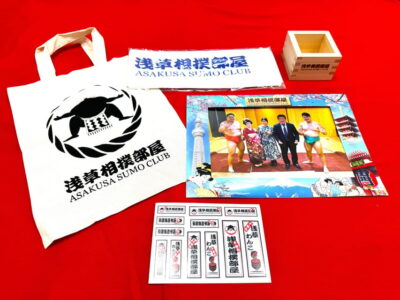
Sumo Show Experience with Chicken Hot Pot and a Photo
Read our review →
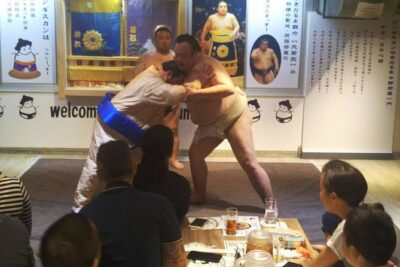
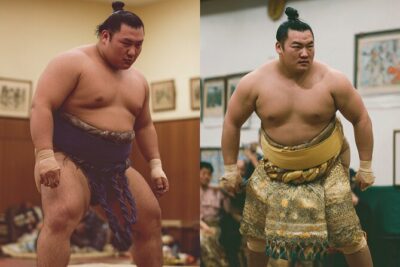
Tokyo Shinjuku Sumo Show & Experience with Photo
Read our review →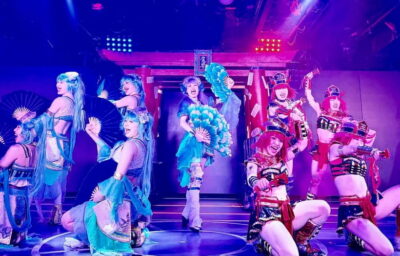

Mt Fuji & Hakone Cruise, Drum Show Bus 1 Day from Tokyo
Read our review →