
Reviewed · GEISHA & GION TOURS
Kyoto: Gion & Geisha District Night Time Walking Tour
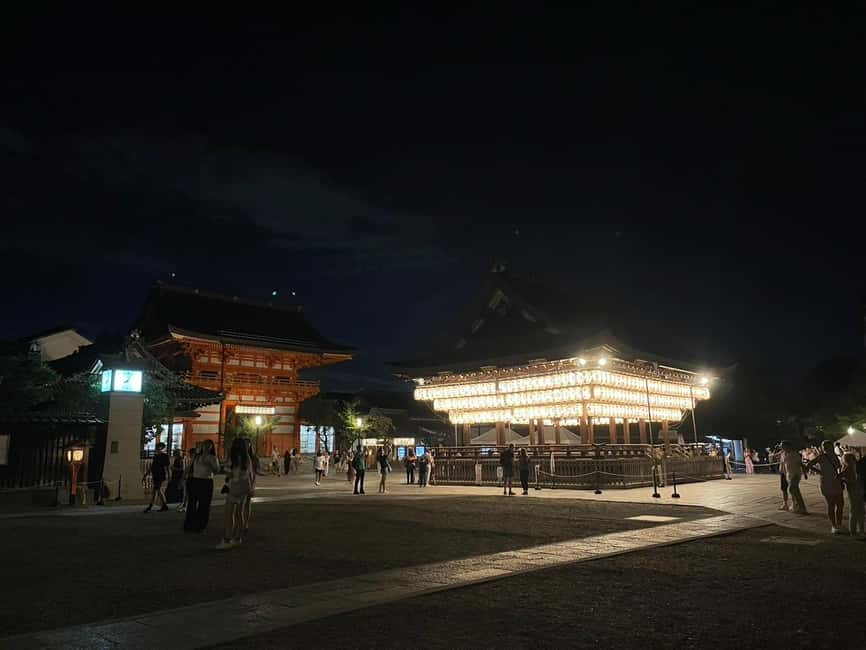
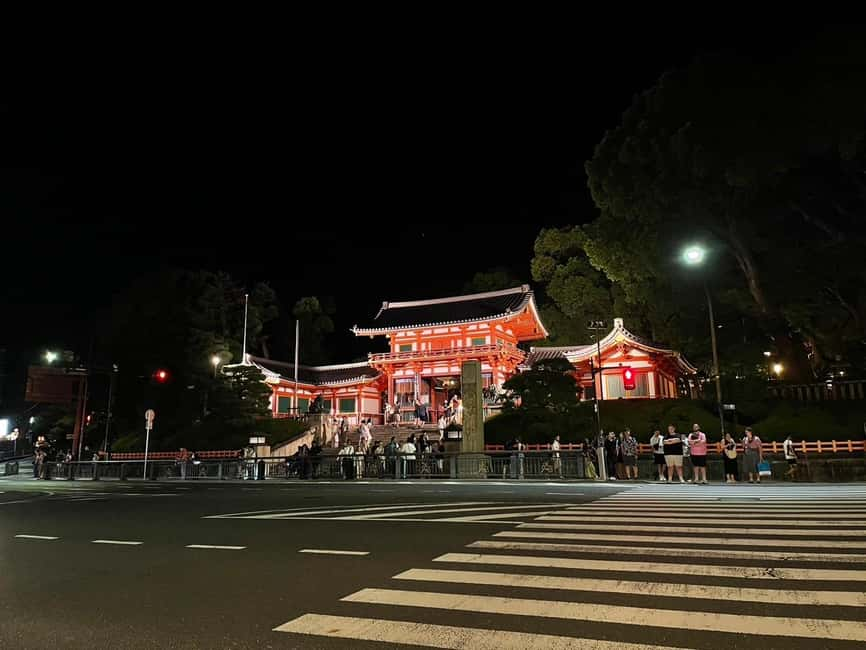
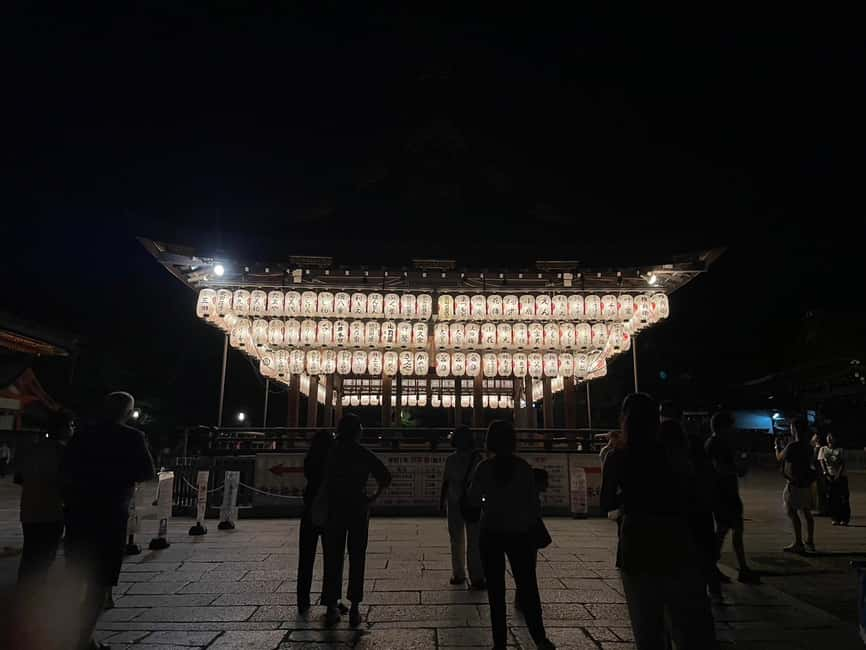
Nighttime Gion is Kyoto in costume, lantern-lit and quieter than during the day. What makes this tour interesting is how it strings together Yasaka Shrine and the surrounding lanes into one clear evening story, starting with festival spirit and local tradition. I love the way the walk gives you context before you start snapping photos.
Second, I really like the guide component. You’re not just following a route. You’re getting English-speaking explanations and interaction, and the names that have led groups include Pedro and Majo, Nay and Pedro, Yuvia, Wilber, Sam and Jason, and Bell. That kind of Q&A energy matters when you want to understand what you’re seeing, not just where to stand.
One possible drawback is practical: the streets are old, with stone paths and slopes, and it is not suitable for wheelchair users. If you’re sensitive to cold, the evening air can also bite, especially in winter.
Key Highlights You’ll Actually Feel on This Night Walk
- Yasaka Shrine as your starting point, tying festivals and Gion culture together from the first stop
- Maruyama Park break, Kyoto’s oldest public garden, where the pace naturally slows
- Nene no Michi stone lane with real story behind the name, and that classic Higashiyama feel
- Ninenzaka slope for historic streetscape photos, with wooden buildings and old-school storefront energy
- Yasui-Konpiragu’s Power Stone archway ritual, including what people do there and why
- Hanamikoji Street at night, the core Gion area with preserved teahouses connected to geiko world
Nighttime Gion Feels Like Kyoto With the Lights Turned Soft
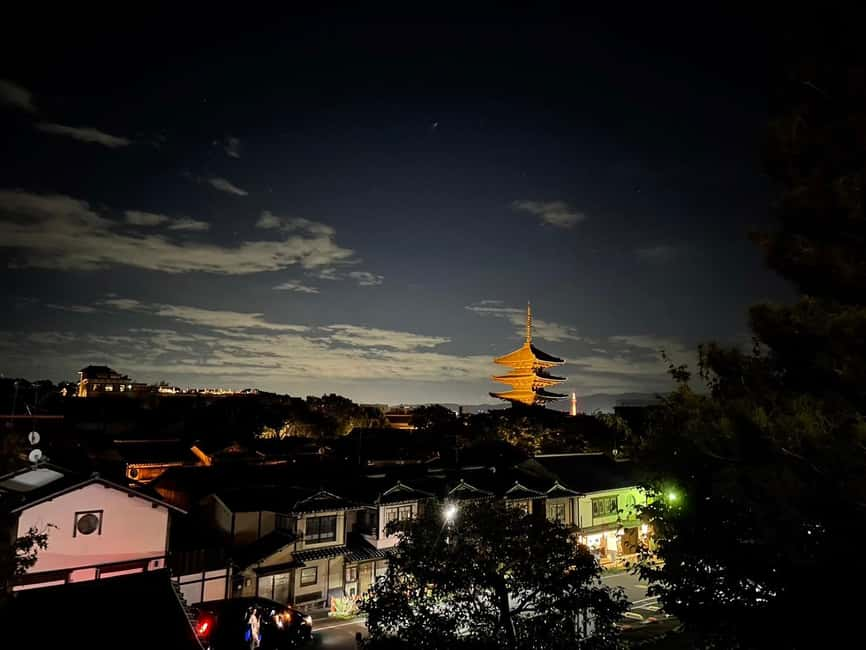
Gion at night is not just prettier. It’s different in mood. Daytime brings tour groups, bus stops, and that constant “move along” pressure. At night, the district becomes more human scale. You can hear footsteps. You can actually notice the details in wood, stone, and paper lantern glow.
This tour works because it’s built around movement between meaningful places, not random street corners. You begin at Yasaka Shrine, one of Kyoto’s well-known spiritual landmarks, where your guide connects what you’re looking at to Kyoto’s festivals and refined geisha culture. From there, the route stays in that old-district rhythm: gardens, stone lanes, slopes, and shrines that feel like they belong to another pace of life.
I also like that it keeps you walking through classic areas you would struggle to stitch together on your own. You get the “why” behind the “where,” so when you step onto Nene no Michi or look up at the preserved teahouses along Hanamikoji Street, it lands with meaning instead of becoming just background scenery.
More Evening Experiences in Kyoto
- Kyoto: Gion Magical Night Walking Tour with Geisha Trivia
★ 4.9 · 2,393 reviews - Night Walk in Gion: Kyoto’s Geisha District
★ 4.5 · 2,003 reviews - Kyoto Night Foodie Tour in Gion (9+ dishes + 6 Sake tastings)
★ 5.0 · 1,762 reviews
Yasaka Shrine Start: Festival Spirit Meets Gion Etiquette
You meet in front of Starbucks Coffee at Kyoto Gion Hotel, then you’re close enough to reach the shrine area on foot before the tour really starts to flow. Starting here is smart. Yasaka Shrine isn’t an isolated sight. It acts like a cultural anchor for the neighborhoods people associate with Gion.
At your first guided stop, expect a focused introduction to what makes the shrine important and how it connects to Kyoto’s festivals. Your guide also frames the relationship between shrine culture and the broader geisha traditions you’ll be hearing about later. This matters because the rest of your walk is not just sightseeing. It’s cultural reading.
If you enjoy learning while you walk, this section is where you set the tone. You’ll see how the shrine experience is meant to be part of community life, not just a quick photo stop. And if you tend to feel rushed in big tourist areas, the shrine start gives you a moment to settle in.
A small tip: dress for calm, not comfort only. Shrines and historic districts often mean uneven footing and time spent standing still while someone explains something. Plan to wear shoes that can handle stone paths without complaint.
Maruyama Park Pause: The Calm Pocket That Makes the Walk Work
Not every walking tour includes a real breathing space, and that’s why Maruyama Park earns its place. This tour brings you into the park, described as Kyoto’s oldest public garden, as a quiet reset between shrine and street scenes.
Here’s what I like about this pause. It breaks the evening into chapters. You go from sacred energy at Yasaka Shrine, into city lanes, and then you stop in a green calm pocket. Even if you do not consider yourself a “garden person,” this kind of break changes how you perceive the rest of the walk. The lantern-lit streets later feel more textured because you’ve had a softer setting in between.
You’ll also feel the value of timing. A nighttime route means fewer daytime crowds, and the park tends to feel especially peaceful after the initial starting hub. It’s the kind of stop where you can look up at the surrounding buildings and down at the paths without being shoved along.
If you’re the kind of traveler who wants photos, this is a good moment to steady your camera. Calm stops reduce blur and let you frame the kind of shots you’d usually miss when you’re sprinting between sights.
Nene no Michi: The Stone Lane With a Name That Means Something
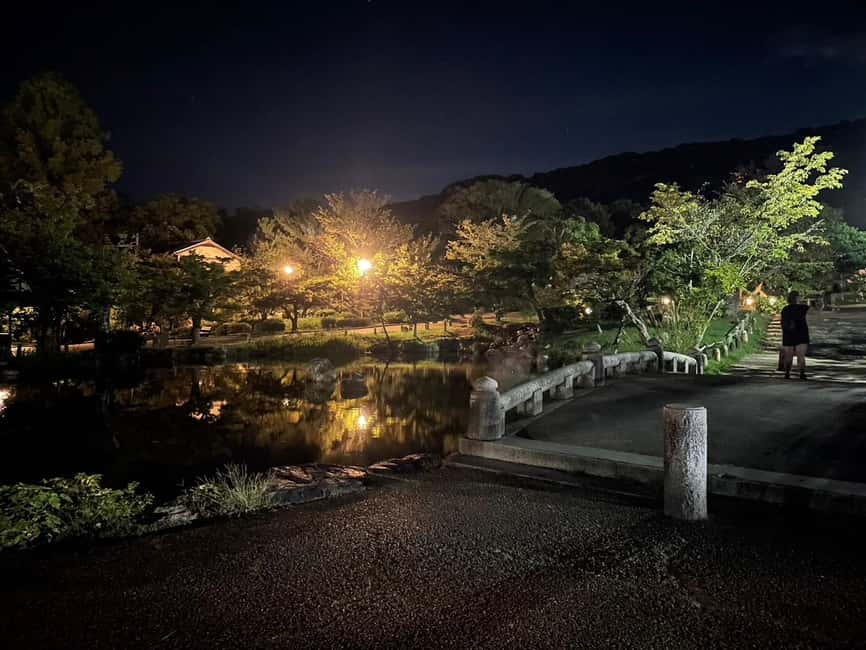
After Maruyama Park, you move into Nene no Michi, a charming stone-paved lane named after Nene, the beloved wife of samurai leader Toyotomi Hideyoshi. That backstory is the difference between a lane you walk through and a lane you remember.
The street atmosphere is classic Higashiyama: traditional townhouses, cozy teahouses, and artisan shop fronts that make you feel like you’ve stepped into the older Kyoto you imagined from postcards. But your guide helps you connect the architectural look to the social meaning. That can be subtle if you’re on your own. On this tour, it becomes clear.
I also like how Nene no Michi functions as a transition. It links the sacred beginning to the photogenic slope later. You’re not bouncing from one unrelated attraction to another. You’re moving through an actual district flow.
Practical note: stone-paved lanes can be slippery when cold air mixes with damp evening streets. Watch your step, keep your pace steady, and you’ll enjoy this segment more than if you try to power-walk.
More Walking Tours in Kyoto
- Kyoto Geisha Walking Tour: Gion District & Hidden Gems
★ 4.7 · 3,273 reviews - Kyoto: Gion Geisha District Walking Tour – Stories of Geisha
★ 4.7 · 2,187 reviews - Kyoto Gion Geisha District Walking Tour – The Stories of Geisha
★ 5.0 · 1,441 reviews - Nishiki Market Brunch Walking Tour (7 Tastings + Brunch)
★ 5.0 · 1,355 reviews
Ninenzaka Slope: Historic Streetscape Photos, Without the Daytime Chaos
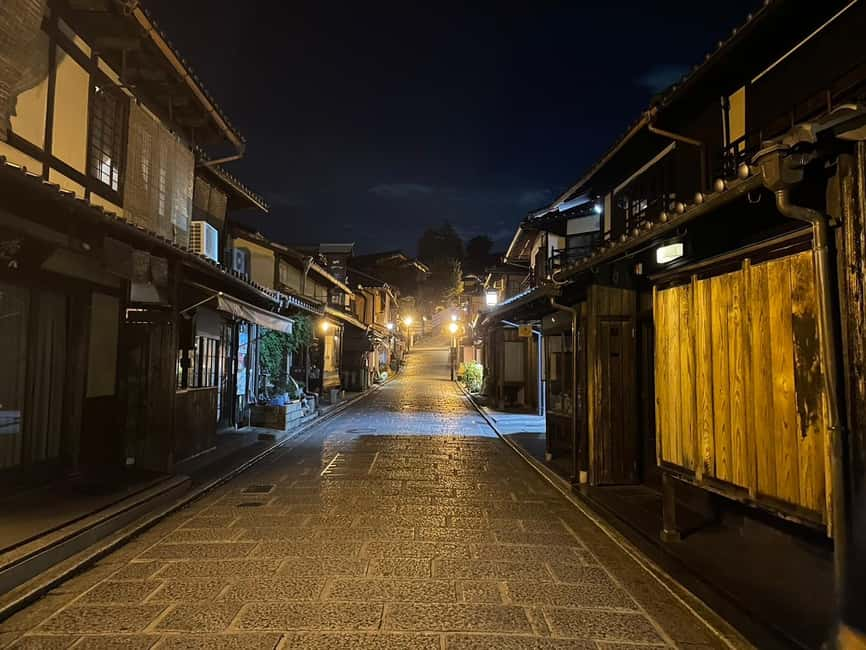
Next comes Ninenzaka, described as a photogenic slope with historic wooden buildings and quaint storefronts. This is the Kyoto “you know it when you see it” kind of street. The uphill-downhill rhythm also gives your legs a gentle workout, which helps you stay alert for the later stops.
This is also where your guide’s framing pays off. Ninenzaka is not only pretty. It’s part of how people once moved through the district. When you learn that a street’s shape and buildings often reflect older travel patterns, the scene feels less like a set and more like a living place.
Nighttime helps here. Even if you still get other visitors, the evening lighting makes the wood and paper textures look warmer and more dimensional. If you’ve only seen Gion in daylight, you may notice a shift. The details do not vanish. They just look more intimate under lantern light.
If you want photos, this is where you’ll likely take most of them. But do it with a little patience. The slope can get crowded at standing points. Stay aware, keep moving when your guide signals, and let the street breathe.
Yasui-Konpiragu Power Stone Archway: A Ritual With Purpose
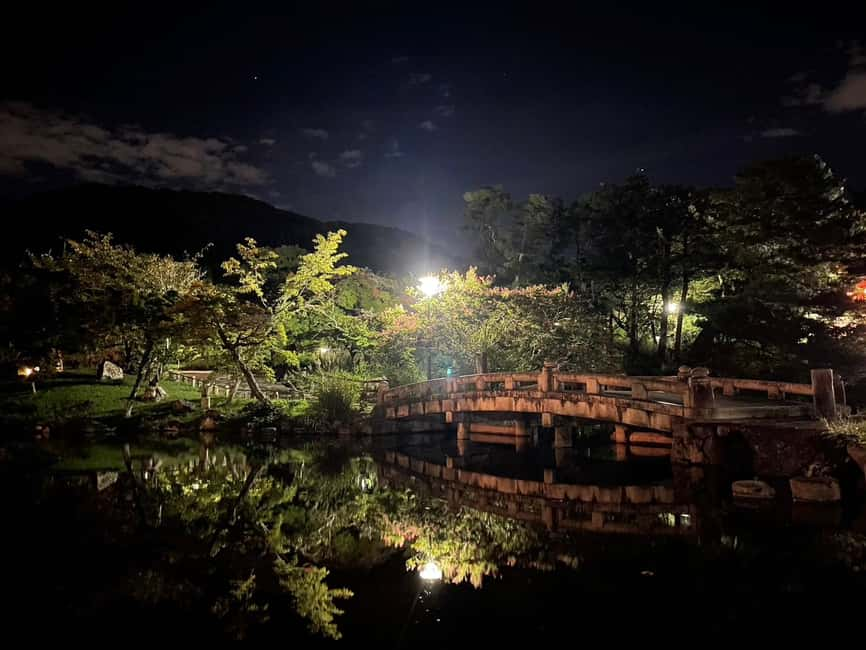
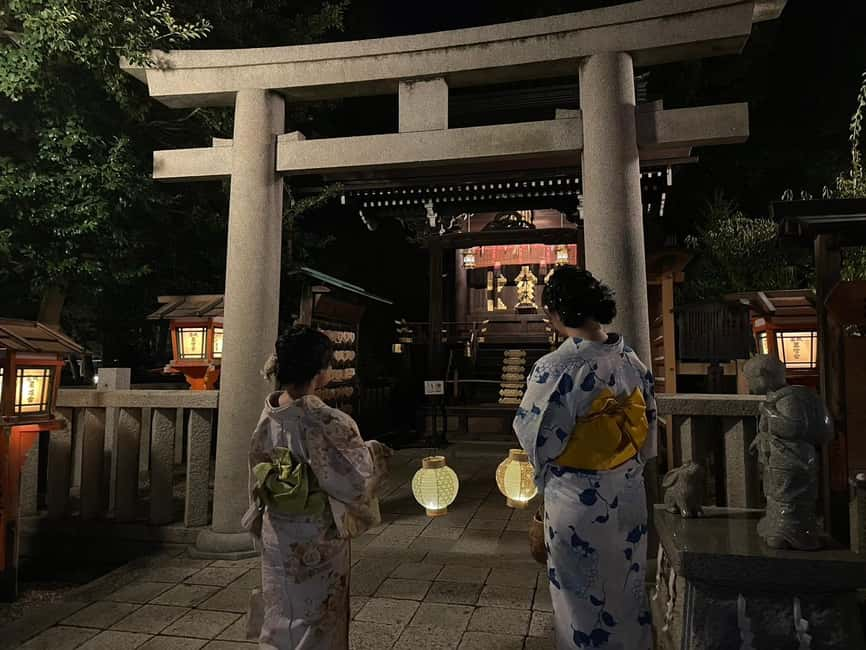
The tour includes Yasui-Konpiragu Shrine, where the big attention-grabber is its symbolic Power Stone archway. This is one of the most distinctive stops because people come here for a specific kind of prayer and physical act.
The ritual is explained in plain terms: locals and visitors crawl through the archway. The purpose is symbolic. People pray for strong bonds, or they leave unwanted ties behind. That might sound poetic, but it’s actually a useful way to understand shrine culture in Kyoto. It’s not only about viewing. It’s about participating in symbolism.
This stop can feel memorable in a simple way: you can see the intention in how people approach and what they’re thinking about. Your guide helps you interpret it so it doesn’t feel random, and it doesn’t turn into a “look and leave” photo moment.
One more practical note: crawling through an archway implies a low, close, physical interaction. You do not need to force anything, but be prepared for the atmosphere of a ritual space. If you have mobility concerns, follow your guide’s direction for what to observe versus what to do.
Hanamikoji Street at Night: Respecting the Core Geiko World
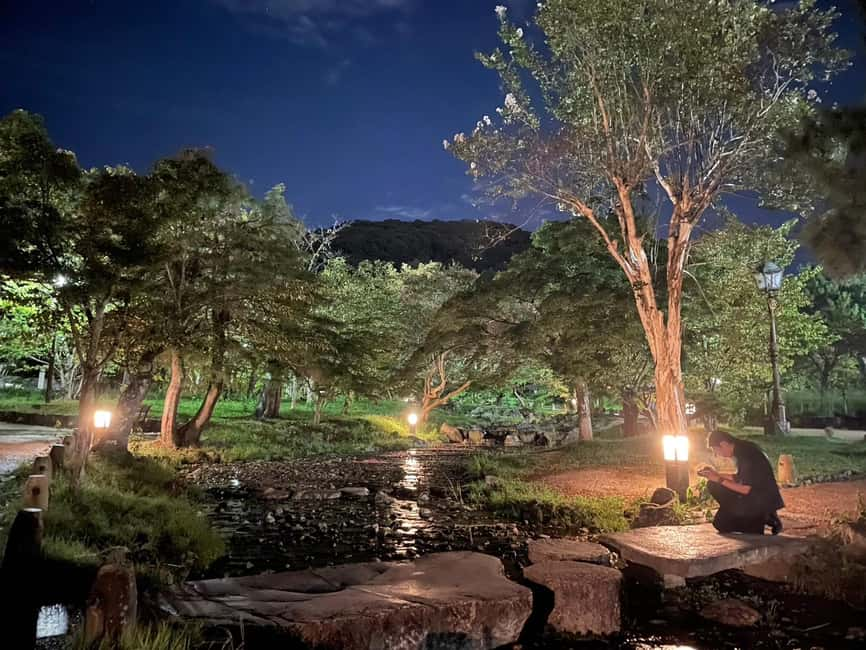
Hanamikoji Street is the heart of Gion, where rows of preserved wooden teahouses still host geiko (Kyoto geisha). This is where the tour shifts from learning to atmosphere, because you’re now in the district most visitors come to see.
The key is how your guide talks about the lives, training, and artistry of geiko and maiko. Even if you never see someone in full traditional appearance, you get a clearer understanding of what those names mean and why the area holds onto certain structures. That context changes your walk. Suddenly, the preserved buildings are not just nostalgia. They connect to real work, real practice, and real tradition.
A bonus from the experience itself is that you might spot geiko briefly. Some groups have gotten lucky during their evening walk, and that kind of fleeting encounter can make the whole tour feel like it “clicked.” Just keep expectations realistic. Nighttime increases your odds of atmosphere, but it does not guarantee a sighting.
Also, remember this is a lived-in neighborhood, not a theme park. If you see something unexpected, give people space. Your goal is to witness respectfully, not to grab a moment by blocking the path.
Price and Timing: Why $20 for 2 Hours Can Be a Smart Move
At $20 per person for a 2-hour guided walk, this is strong value if you care about context. Kyoto has plenty of do-it-yourself walking tours where you pay only for transit and maybe a ticket or two. This one saves you time because it bundles several meaningful stops into one route, plus it provides an English-speaking guide to explain what you would otherwise miss.
Two hours is also a sweet spot. You get enough time to see the major pieces of Gion’s night atmosphere, including shrine areas and traditional lanes, without feeling like you’re on an all-night mission. It’s long enough to notice details, short enough that you can still find dinner after.
And there’s a practical perk that solo travelers often love: photos are included during the tour. If you’ve tried to photograph yourself in Japan and ended up with shaky selfies, that alone can make the price feel like a bargain.
Finally, the tour’s format seems designed for interaction. Multiple guide names come up in positive feedback, and the common thread is that the experience felt personal, with real attention to questions.
Getting Ready: What to Wear, What to Bring, and How to Keep It Enjoyable
This is a night walk in an old district. That means you should dress for the street, not for the mirror. Warm layers help, because multiple guides and past participants have pointed out that night can get cold, especially in winter months.
Bring a light rain layer if the forecast looks uncertain. Even if rain is not expected, Kyoto streets can be damp, and stone lanes plus cold air can feel slick underfoot.
For shoes, go sturdy. You’ll walk through traditional paths and stone-paved lanes, plus the slope of Ninenzaka. Comfortable soles matter more than style here.
Camera-wise, this is a great tour to use your phone, but bring something you can steady for photos. The slope and lanes offer strong angles, and you’ll want a clear shot, but do not stop in the middle of the pedestrian flow.
If you’re traveling as a couple or solo, this tour is also a good “start of evening” plan. You’ll have ideas for what to look for during the rest of your night because you just learned how Gion’s places connect.
Who Should Book This Night Tour (and Who Might Skip It)
This tour fits best if you want a guided explanation of Gion at night, not just a walk for photos. If you like learning how shrines relate to festivals, how lanes got their names, and how geiko and maiko culture ties into the district’s preserved streets, you’ll get a lot out of it.
It also suits people who prefer a calmer evening rhythm. Nighttime walking helps you experience the district with fewer daytime crowds and softer lighting.
You should skip it or choose a different format if you need wheelchair access. It is not suitable for wheelchair users, and the route includes traditional lanes that likely have uneven footing and slopes.
Should You Book This Gion Night Tour?
Yes, if you want the most meaningful version of Gion in only two hours, with an English-speaking guide and built-in photos. The route has a smart mix: sacred start at Yasaka Shrine, a quiet reset at Maruyama Park, classic lane character on Nene no Michi and the slope at Ninenzaka, then the memorable Power Stone archway at Yasui-Konpiragu, finishing in the core geiko area around Hanamikoji Street.
No, if you already know the district well and only want photos. If that’s you, you might get similar scenery on your own at less cost. But if you want to actually understand what you’re seeing, this is a very efficient way to do it.
If you do book, go prepared for the cold and wear shoes that can handle stone and slopes. Then show up ready to ask questions. This tour is at its best when you treat it like a guided conversation while you walk.
FAQ
Where is the meeting point?
You meet in front of Starbucks Coffee at Kyoto Gion Hotel.
How long is the tour?
The tour lasts 2 hours.
What language is the guide?
The tour is guided in English.
How much does the tour cost?
It costs $20 per person.
Which places are included on the route?
You visit Yasaka Shrine, Maruyama Park, Nene no Michi, Ninenzaka, Yasui-Konpiragu Shrine, and Hanamikoji Street, with walking through the Gion area.
Are photos included?
Yes. Photos are included during the tour.
Is the tour suitable for wheelchair users?
No. It is not suitable for wheelchair users.
Is it possible to see geiko or maiko?
Hanamikoji Street is the heart of Gion where preserved teahouses are connected to geiko, and the tour focuses on geiko and maiko culture. Seeing someone is not guaranteed, but the guide shares how training and artistry work.
Can I cancel for a full refund?
Yes. You can cancel up to 24 hours in advance for a full refund.
Is reserve and pay later available?
Yes. You can reserve now and pay later.
More Geisha Experiences in Kyoto
- Best of Kyoto: Gion, Geisha, Pagodas & Cobblestones
★ 4.9 · 2,058 reviews - Kyoto Gion: 2-Hour Geisha Culture & History Walking Tour
★ 5.0 · 1,186 reviews - Kyoto : Chopsticks Making Workshop in Gion with Engraving Option
★ 5.0 · 958 reviews - Kyoto Gion Night Walk & Geisha District Guided Tour
★ 5.0 · 786 reviews
Latest write-ups near Kyoto
- Kyoto Private Tour Full Day with Local Guide&Nara Option(PerGroup★ 5.0 · 20 reviews
- Sacred Pathways: Discover the Philosopher’s Path of Kyoto★ 4.9 · 20 reviews
- Hammer Pattering Experience of Ring★ 5.0 · 20 reviews
- Kyoto UNESCO World Heritage Site Private Tour with a Premium Van★ 5.0 · 20 reviews
- KYOTO: Private Tea Ceremony in Hidden Townhouse (Kid-Friendly)★ 5.0 · 20 reviews
- Sushi or Traditional Japanese Cuisine in a Kyoto Home with Emika★ 5.0 · 20 reviews
- The Kyoto VIP Experience!★ 5.0 · 20 reviews
- Kyoto Customized Private Tour: See Top Attractions in 1 Day★ 4.7 · 20 reviews
Geisha & Gion Tours, compared.
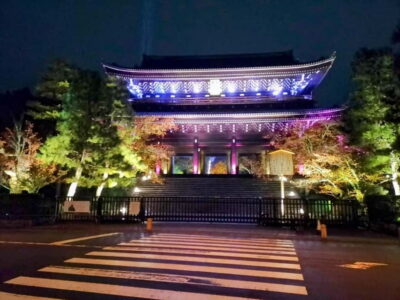
Kyoto Geisha Walking Tour: Gion District & Hidden Gems
Read our review →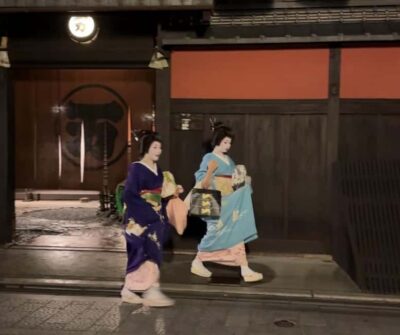
Gion Magical Night Walking Tour with Geisha Trivia
Read our review →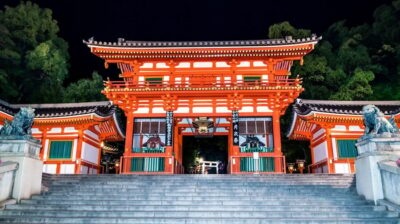
Gion Geisha District Walking Tour – Stories of Geisha
Read our review →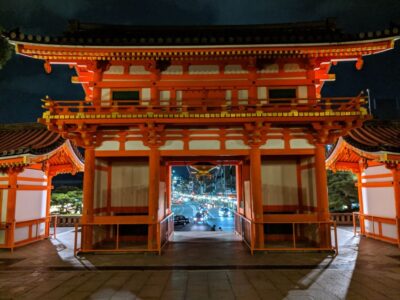
Best of Kyoto: Gion, Geisha, Pagodas & Cobblestones
Read our review →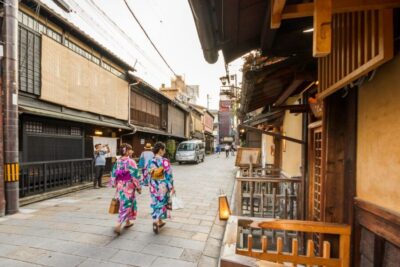
Kyoto Night Foodie Tour in Gion (9+ dishes + 6 Sake tastings)
Read our review →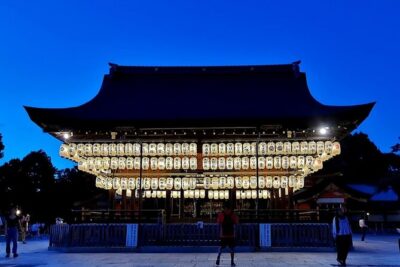
Kyoto Gion Geisha District Walking Tour – The Stories of Geisha
Read our review →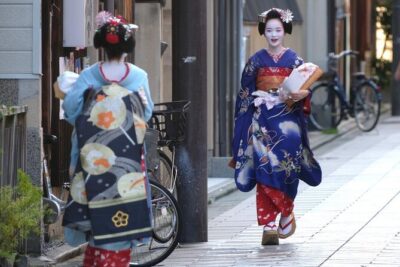
Kyoto Gion: 2-Hour Geisha Culture & History Walking Tour
Read our review →Browse the lists this tour appears in