Reviewed · KYOTO TOURS
Let’s make only one original onigawara in the world!!
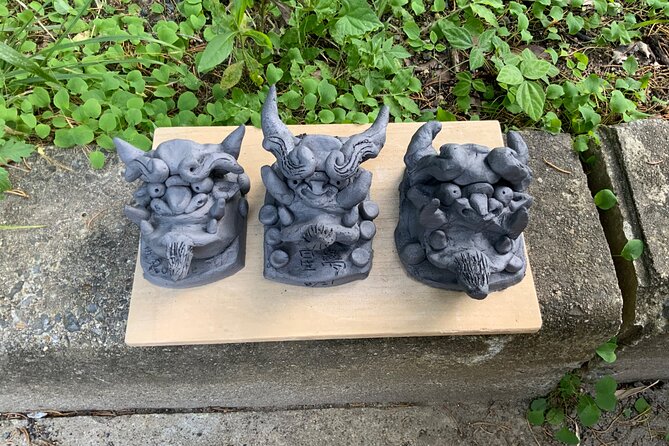
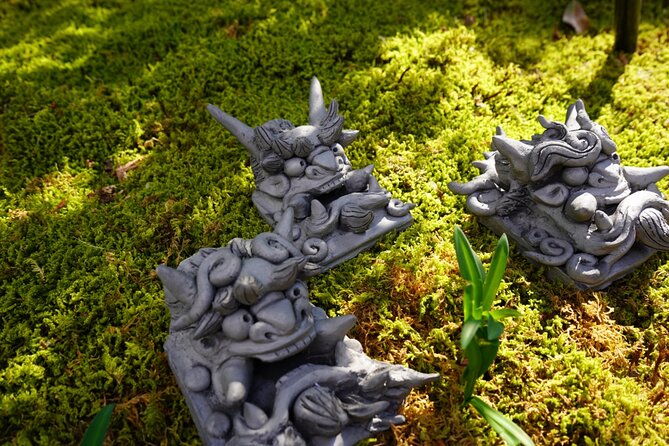
This onigawara workshop takes a Kyoto visit beyond photos, and turns it into a hands-on craft. You’ll learn how a carved kawara roof tile became a protective roof charm, and you’ll make your own demon-face tile by hand.
Two things I really like: first, the coaching feels calm and practical, led by Yuya as you shape and attach the pieces at your own pace. Second, you’re not doing a quick craft project, you’re building a tile that follows a traditional process, then letting the kiln work its magic.
One drawback to plan for: you do the making during your 2-hour session, but your finished tile is fired and sent home later. The final look, including the traditional silver color, takes time, and shipping is handled separately.
Key Highlights You Can Feel in Your Hands
- Make onigawara by hand using a guided, step-by-step clay process
- Create the ogre and gargoyle style face found on Japanese roof ridge ends that protect from evil and rainwater
- Use soil with a ritual-like mindset as they talk about imbuing a spirit into a lump of material
- Have your tile kiln-fired at their factory using Yuya’s developed procedure
- Small group, up to 5 people so you actually get help when your hands feel wobbly
- Watch for the silver color change over 1 to 2 months after firing and delivery
Why Onigawara Roof Tiles Are More Than a Souvenir
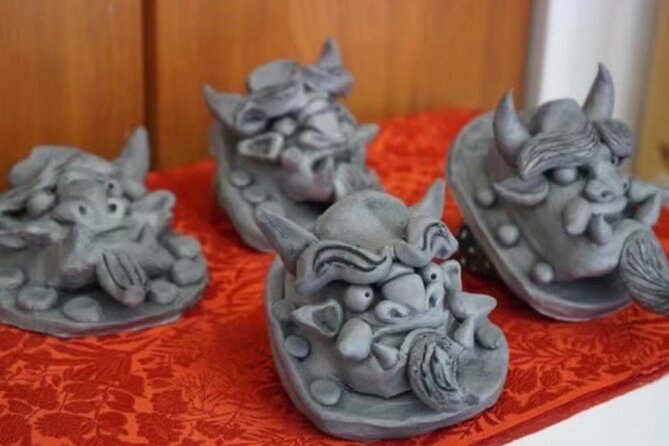
Onigawara are the demon-faced roof tiles you see along the ends of main roof ridges, the ones carved with ogres and gargoyles. The idea is simple but powerful, these tiles help protect buildings from evil and rainwater. And the tradition stretches back about 1,400 years, so when you make one, you’re really stepping into a custom that long ago became part of everyday architecture.
What I like about doing this as a workshop is that you learn through motion. You form the face, you shape the body of the tile, you connect parts, and you start to understand why these tiles were designed the way they were. You also get the meaning behind it, including the experience’s focus on turning soil into something that can guard a home in the same spirit as the old roofing practice.
Also, the tone of the workshop is very human. It’s not about artistic perfection. It’s about following a method, taking your time, and ending with something that is uniquely yours, not a mass-produced copy.
Also on the shortlist for Kyoto:
- PERFECT KYOTO 1-Day Bus Tour
★ 5.0 · 13,518 reviews - Kyoto: Fushimi Inari, Kinkakuji, Bamboo Grove 1 Day Bus Tour
★ 4.8 · 4,316 reviews - Kyoto: Tea Ceremony in a Traditional Tea House in Kiyomizu
★ 4.9 · 3,519 reviews
Meeting at Kawarakoubouyouya and Getting Set Up
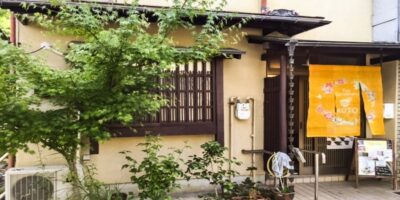
You meet at KAWARAKOUBOUYOUYA, Yuya’s shop. Search it on Google Maps, and plan to arrive a bit early so you’re not rushing while your hands are about to meet clay.
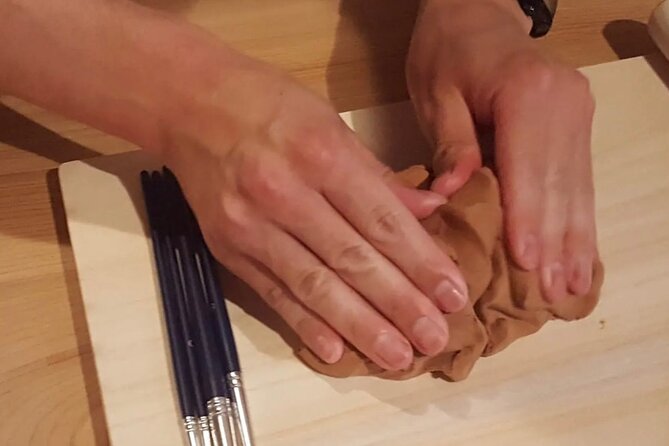
When you get there, you’ll be working in a real workshop setting, not a demo room with a spectator setup. In the class, they set up stations with clay for participants. That matters, because you get to start shaping right away, and you can focus on your own piece without constantly standing around waiting.
One practical note: this experience uses soil, so wear clothes that you won’t mind getting dirty. If you have a favorite outfit, save it for later in the day. Bring a jacket you can wear during the session, and think about shoes you’re comfortable moving around in.
The group size is limited to 5 participants, which helps keep the pace steady. You’re not competing for attention, and Yuya can correct small technique issues before they become bigger problems. The workshop is also listed as wheelchair accessible, which is a big plus if you need that level of certainty ahead of time.
The 2-Hour Class: Making Your Small Onigawara Tile
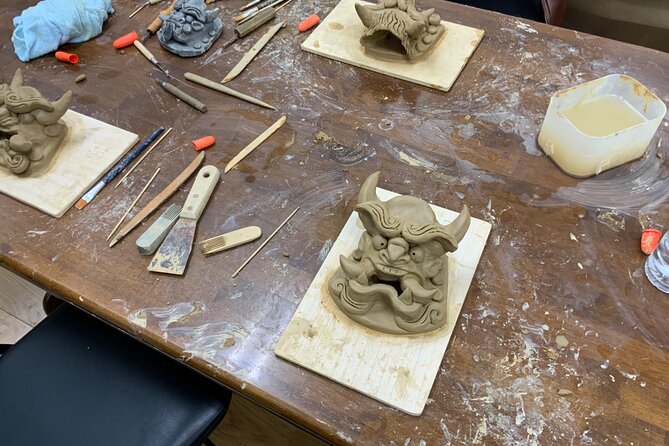
The session is designed to be manageable, even if you are not a sculptor. The experience description is very clear that the procedure is developed so that children and people with clumsy hands can still create an onigawara.
Here’s how the experience feels from start to finish.
Step 1: Understanding the tile you’re making
Yuya explains the onigawara tradition in a way that’s meant to connect the craft to its purpose. You learn what kawara are, where these demon faces appear on roofs, and why they matter. The big idea is protection, from evil and from rainwater. That context changes the way you look at the final form, because you start thinking of the tile as functional, not just decorative.
A change of pace from Kyoto:
- Kyoto Geisha Walking Tour: Gion District & Hidden Gems
★ 4.7 · 3,273 reviews - Kyoto: Tea Ceremony Ju-An at Jotokuji Temple
★ 4.9 · 3,207 reviews - Kyoto: Gion Magical Night Walking Tour with Geisha Trivia
★ 4.9 · 2,393 reviews - Kyoto: 45-Minute Tea Ceremony Lesson Experience
★ 4.3 · 2,378 reviews
Step 2: Shaping the demon face, piece by piece
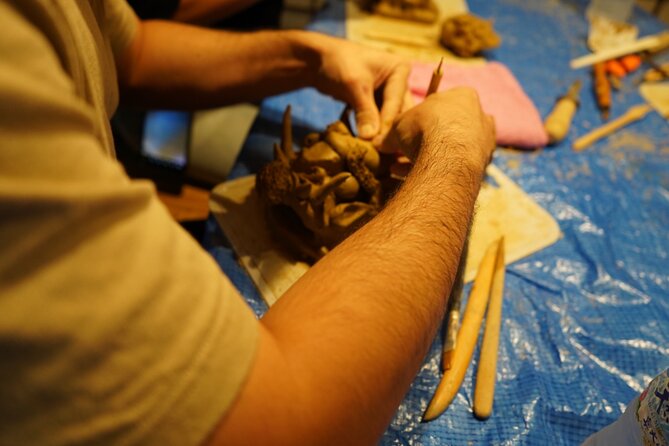
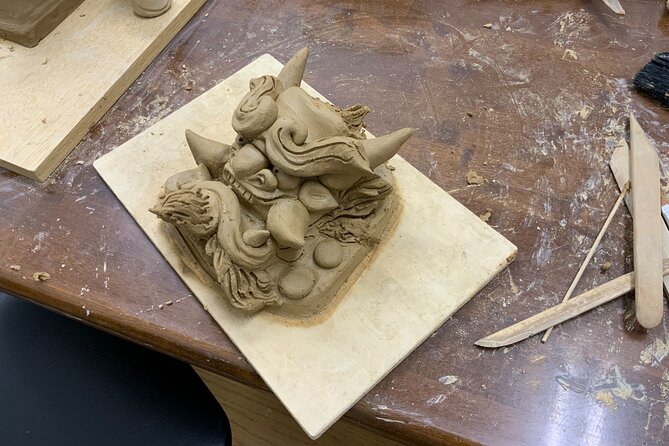
Then it’s hands-on. The class focuses on making a small, simple onigawara tile with a demon face. You’ll work with clay and build the figure through multiple steps. People who take the class seem to like that it’s broken into a chain of actions, so you’re not staring at a blank lump and hoping it turns into something.
In particular, I appreciate how the teaching emphasizes technique while still letting you experiment a little. You’ll learn how to manipulate the clay so it holds shape and doesn’t lose detail.
Step 3: Adjusting and reassembling as needed
During the build, you may feel your hands get less steady as you add pieces. That’s normal. What helps is the patience built into the teaching style. Yuya walks you through the steps and offers practical advice for getting all the parts to line up correctly.
In at least one class, the group was just two participants, and the experience still stayed structured and friendly. That’s a good sign if you want a quieter workshop feel, not a chaotic crowd energy.
Step 4: Completing the form for the firing process
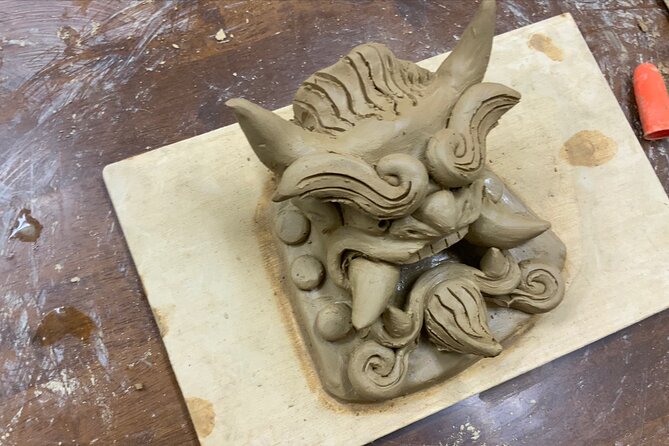
By the end of the 2 hours, you’ll finish your onigawara piece. At that point, the important work shifts away from you and into their process. Your job is to complete the build cleanly enough that it can survive kiln firing and age into the traditional look.
And yes, there is something wonderfully satisfying about putting the last piece into place and seeing your tile become a clear monster face rather than an experiment.
After You Finish: Kiln Firing, Shipping, and the Silver Color Change
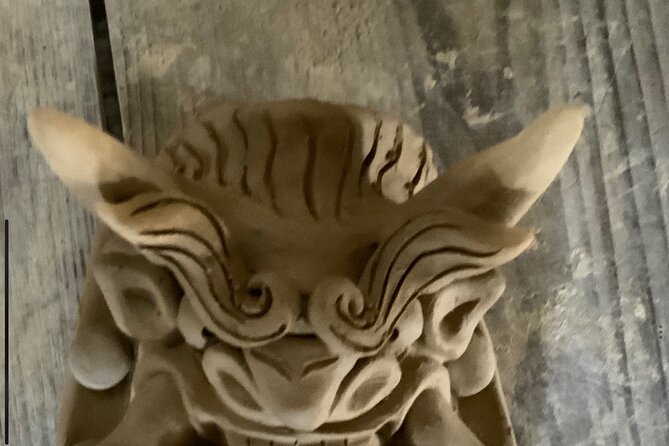
This workshop is not a take-it-home-right-now souvenir. After you make the onigawara, Yuya fires it in a kiln at their factory. That step is crucial because it’s what turns your clay work into a durable tile that can be shipped.
Then comes the waiting. The schedule is part of the deal:
- After firing, they send it to your home.
- The traditional silver color develops over 1 to 2 months, and that timing is built into when you can expect the final look.
So if you need instant gratification, this might frustrate you a bit. But if you like the idea of planning ahead and receiving a meaningful craft later, it’s a nice twist. You can go back to sightseeing in Kyoto or around Honshu knowing your piece is already becoming something real.
Shipping is also handled separately. The information you’re given is that the shipping fee is charged separately on the day. Plan to pay that separately rather than expecting it to be included in the $90 price.
A small detail I appreciate: they frame the experience as an onigawara process that continues after you leave. You’re part of the creation, but you’re also trusting them with the firing and finishing steps that take the craft from clay to tile.
Price and Value: Is $90 Worth It?
At $90 per person for a 2-hour workshop, you’re not paying for a mass-market craft. You’re paying for:
1) hands-on instruction in a traditional roof tile form,
2) the kiln firing service, and
3) the fact that the finished tile is mailed to you.
The workshop is limited to 5 participants, so you get more real attention than you would in a big group setting. That helps with the main skill hurdle in clay work, getting proportions right without feeling lost.
There is one extra cost you should treat as expected: shipping is separate. Because you pay that on the day, make sure you have the right budget ready when you arrive.
Also, the booking option includes a reserve now and pay later style. That’s useful if you’re still juggling day-by-day plans in Japan.
When I weigh the price, I think the value is strongest if you want an authentic object connected to Japanese roof architecture, not just a quick cultural activity. The real win is the effort you put into the piece, plus the kiln-fired result that arrives later with the aging to silver.
Who Should Book This Workshop (and Who Might Skip It)
This is a great choice if you:
- want a hands-on activity tied to Japanese architecture and roof tiles
- like learning by doing, with step-by-step guidance
- want a small group, relaxed pace, and a patient instructor
- are traveling with kids or mixed ages, since the class is designed to work for different skill levels
It might be less ideal if you:
- need a finished item the same day
- dislike wait times, since the piece arrives after firing and the silver color develops over 1 to 2 months
- are very sensitive about messy materials, because soil and clay are part of the process
One more practical note from experience patterns you should expect in Japan: go in with flexible expectations. The workshop is focused on the process, not rushing to a final photo moment. If you’re okay with that, you’ll enjoy the calmer rhythm.
Practical Tips for Your Visit
Here are a few things that will help you enjoy the session more.
Wear the right clothes
Soil and clay are part of the experience. Choose clothes that you can get dirty without stress. If you have a long-sleeve top you like for crafts, this is its moment.
Expect guidance, not guesswork
Yuya’s teaching style is structured and patient. Even if you feel awkward at first, you should still be able to finish your tile by following the steps. Think of it like a handmade checklist rather than an art contest.
Plan for a timing gap before you see the finished look
Because the kiln firing and shipping happen after your class, you should not expect the tile to look fully final in the first day. The traditional silver color comes after time, so treat this as an object with a timeline.
Use the correct meeting location
The workshop’s Google Maps pin can be off. If the location feels mismatched, walk a short distance as directed on the ground rather than trusting the exact pin blindly. (In one case, it required moving about 40 meters east from the plotted point.)
Should You Book Kawarakoubouyouya’s Onigawara Workshop?
If you want an activity in Japan that feels connected to daily life and old craft logic, book it. The combination is hard to beat: a small-group clay class, a meaningful roof tile tradition, and a kiln-fired result that arrives later with aging to the classic silver color.
I’d especially recommend it if you like doing one focused thing well during your trip. The workshop gives you a quiet pause from the usual sightseeing shuffle, and you leave with something you helped create, even if you won’t see the final tile until later.
If you hate waiting or want an item the same day, you might look for a different type of craft. But for most people who want a genuine, hands-on memory with follow-through, this one is a strong choice.
FAQ
How long is the onigawara workshop?
The experience lasts 2 hours.
What is the price per person?
The price is $90 per person.
Is shipping included, and when will the tile arrive?
Shipping is not included. After firing, they send your onigawara to your home, and the traditional silver color develops over 1 to 2 months. A shipping fee is charged separately on the day.
How many people are in the group?
The group is limited to 5 participants.
What languages are offered during the experience?
The host or greeter is available in English and Japanese.
Is the workshop wheelchair accessible?
Yes, it is listed as wheelchair accessible.
What is the cancellation policy?
You can cancel up to 24 hours in advance for a full refund.
Latest write-ups near Kyoto
- Kyoto Private Tour Full Day with Local Guide&Nara Option(PerGroup★ 5.0 · 20 reviews
- Sacred Pathways: Discover the Philosopher’s Path of Kyoto★ 4.9 · 20 reviews
- Kyoto UNESCO World Heritage Site Private Tour with a Premium Van★ 5.0 · 20 reviews
- Hammer Pattering Experience of Ring★ 5.0 · 20 reviews
- KYOTO: Private Tea Ceremony in Hidden Townhouse (Kid-Friendly)★ 5.0 · 20 reviews
- Sushi or Traditional Japanese Cuisine in a Kyoto Home with Emika★ 5.0 · 20 reviews
- The Kyoto VIP Experience!★ 5.0 · 20 reviews
- Kyoto Customized Private Tour: See Top Attractions in 1 Day★ 4.7 · 20 reviews
Kyoto Tours, compared.

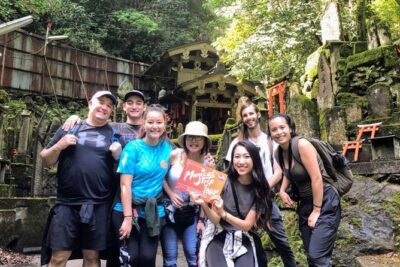
Fushimi Inari, Kinkakuji, Bamboo Grove 1 Day Bus Tour
Read our review →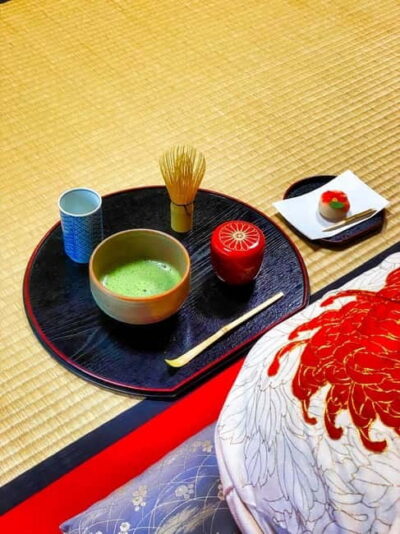
Tea Ceremony in a Traditional Tea House in Kiyomizu
Read our review →
Kyoto Geisha Walking Tour: Gion District & Hidden Gems
Read our review →

Gion Magical Night Walking Tour with Geisha Trivia
Read our review →