
Reviewed · WALKING TOURS
Osaka: Highlights & Hidden Gems Private Walking Tour
Osaka can feel like a lot at once, so this kind of private walk is interesting because it turns the city into a story you can actually follow. I love the personalized pace and stop choices, and I also love how the guide helps you read the food-and-neighborhood culture in places like Kuromon Market. One possible drawback: if you’re hoping for strictly historical sights, you should tell the guide early, since the route can shift toward food spots and local hangouts.
I also like that you can tailor the day around your energy, with a 2 to 8 hour format. Guides speak English and Japanese, and you get a private group experience, normally up to 6 people. If you book well ahead, you’re more likely to get a route that matches your interests, rather than a one-size-fits-all checklist.
Key Things You’ll Love on This Osaka Walk
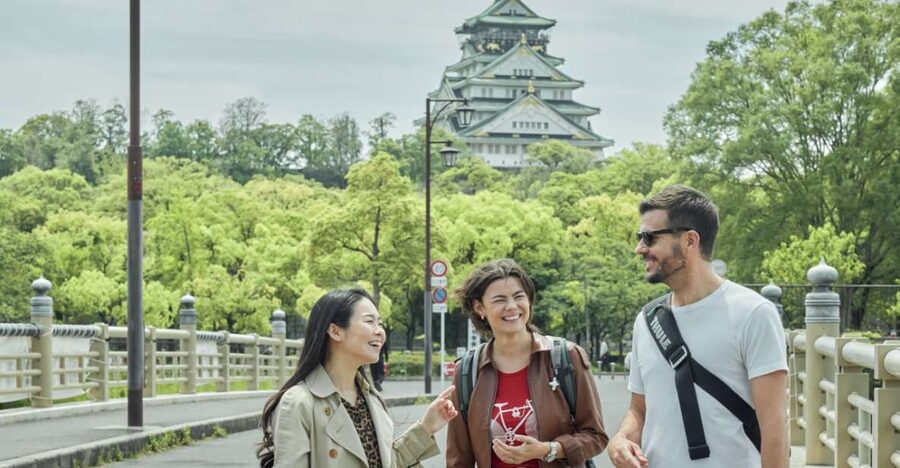
- A guide matched to your interests and personality, not just a standard script
- Kuromon Market food watching, including how vendors cook seafood right in front of you
- Hozenji Yokocho’s stone-paved lane of long-running bars and restaurants
- Den-Den Town and America-mura, great for cameras, computers, anime, retro stores, and cool cafés
- Dotonbori and Ebisubashi Bridge photo moments, including the Glico Running Man
- A flexible itinerary based on your booked time and preferences, with some stops varying by host
Why This Private Walk Works in Osaka
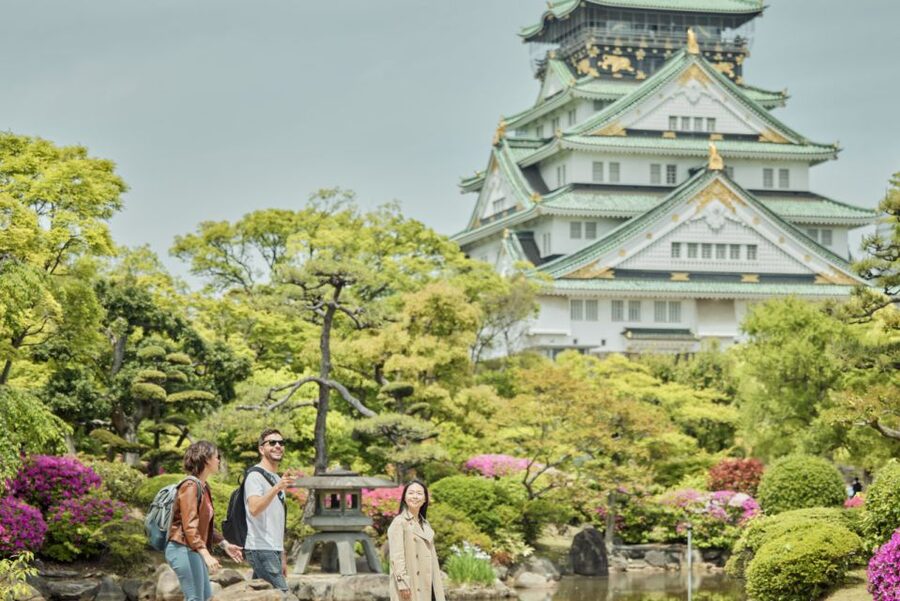
Osaka is famous for its energy, but that energy can also blur the plan. You might have a few must-sees, like Dotonbori, yet still feel lost on where to go next without wasting time. This private walking tour fixes that with a local guide who shapes the day around you.
Your guide is brought in based on your interests and personality, and that matters more than you might think. In the best cases, you’ll get someone who knows what to explain, when to let you wander, and how to keep the day moving without feeling rushed. In my favorite examples from recent guide reviews, Maria was patient and gave people time for photos, without constant pressure to keep up. Another guide, Boris, stood out for clear knowledge and confident handling of the route. You’ll feel the difference when a guide can explain simple things like local customs around food and bargaining, and tie it to what you’re seeing right now.
More Walking Tours in Osaka
- Osaka: Hotspots & Hidden Gems Walking Tour Private or Group
★ 4.9 · 1,300 reviews - Osaka Local Foodie Walking Tour in Dotonbori and Shinsekai
★ 5.0 · 985 reviews - Osaka Bar Hopping Night Walking Tour in Namba (3 bars, 6 tastes)
★ 5.0 · 958 reviews
Price and What You Get for $67
At $67 per person, the value comes from the combination of privacy, local guidance, and the ability to customize. You’re not paying for a strict bus-style sightseeing loop. You’re paying for someone to steer your day through lively districts and help you interpret what you’re looking at, from market culture to entertainment streets.
That said, it is not an all-in-one package. Food and drinks are not included, ticketed attractions are not included, and transportation is not included. If you want to add meals, ticketed sights, or extra transit, your guide can help arrange it, but that can add to the total cost. This is worth considering if you’re trying to hold the budget tight.
The other value point: hotel meet-up is available upon request from a central location. That can save you from the early scramble of finding the right meeting spot, especially if you’re juggling luggage or jet lag.
The 2 to 8 Hour Plan, and How It Adjusts
This tour is designed around time on your feet, not around a fixed number of stops. Book 2, 4, 6, or 8 hours and the itinerary should be adapted to match your booked duration and preferences.
You’ll also find that the actual places can differ from the sample route. Your host chooses stops based on what you care about most. So if you love markets, you’ll likely spend more time where you can snack and watch cooking. If you’re more into pop culture, you’ll get a stronger run through computer-and-anime-focused areas. If you want a more classic sightseeing mix, you should say so at the start.
One thing I like about the structure: you can request special needs and you can arrange extras at additional cost. That means you’re not stuck with a single way to experience Osaka.
Stop by Stop: What the Day Feels Like in Osaka
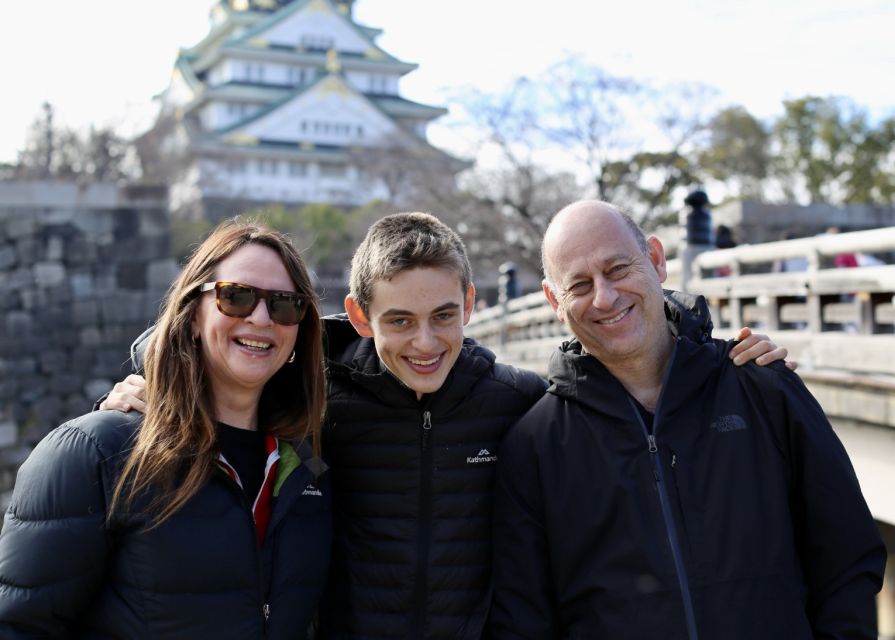
Here’s the shape of the day you can expect. Think of it as a guided route that shifts from food and shopping to retro lanes, then to neon entertainment and youth-oriented areas.
A change of pace from Osaka:
- Osaka Go Karting Tour with Funny Costume
★ 5.0 · 2,658 reviews - Osaka Castle: Museum and Tower Entry Ticket
★ 4.5 · 2,380 reviews - Osaka: Shinsekai Food Tour with 13-15 Dishes at 5 Eateries
★ 4.8 · 2,204 reviews - Osaka Food Tour: 13 Dishes at 5 Local Eateries
★ 5.0 · 2,149 reviews
Namba: High-Energy Osaka You Can Feel Right Away
Most days start by hopping into Namba, a high-energy entertainment district where the streets stay active. This is where you get the Osaka vibe fast, without having to guess which blocks to walk through.
If you’re new to Japan, this is also a good place to start learning how neighborhoods work. Your guide can point out how locals move, what streets feel like day-to-night zones, and where the city’s “food-first” rhythm shows up.
Kuromon Market: Food Culture Plus Real-Time Cooking
Next is Kuromon Market, a covered market area with over 100 shops and vendors. The fun here is not just eating. It’s watching. If you want to eat, your guide can help you pick seafood you might not recognize, from scallops to sea urchin. You can also point out what sounds good, and you’ll often see vendors cooking in front of you.
This is also where having a guide adds real value. Markets are easy to browse on your own, but it’s harder to know what’s actually worth your time and how to navigate the bustle without getting overwhelmed. A good guide keeps you moving in the right direction while still letting you slow down for photos and questions.
Practical tip: decide in advance whether you want a full snack-and-try vibe or just one or two things. The market can eat up time quickly.
Hozenji Yokocho: Lantern Light and Stone-Paved Nostalgia
Then you shift into Hozenji Yokocho, the retro stone-paved lane known for long-running bars and restaurants. It feels like a different Osaka layer. The narrow street, the lantern light, and the casual atmosphere make it a great place to slow down after the market energy.
This is one of the stops that people tend to remember, because it’s not just famous. It’s also easy to enjoy. You can walk the lane, look around, and get a feel for the social side of Osaka.
Sennichimae Kitchenware Street: Food Supplies With a Local Twist
A quick turn leads to Sennichimae Kitchenware Street, a street dedicated to kitchen utensils and food supplies. Even if you are not shopping, it’s interesting to see how practical daily life shows up as a shopping district.
This stop works well in a longer itinerary because you can browse without feeling like it’s a time trap. If you’re short on hours, it can be a quick but memorable cultural detour.
Soemon-cho: An Entertainment District With Long Roots
You may also pass through Soemon-cho, an area tied to entertainment for more than 400 years. The point here is not to memorize dates. It’s to understand that Osaka’s nightlife culture didn’t appear overnight. It grew, shifted, and became part of the city’s identity.
If you care about history, tell your guide directly. One review pointed out that a tour can lean away from the historical angle if you don’t ask. You can prevent that by setting expectations early.
Den-Den Town: Geek Culture Where Cameras and Computers Rule
From there, you often head to Den-Den Town, one of the best places in Osaka to nerd out over cameras, computers, pop culture, games, and anime. If you like browsing stores with actual tech and niche fandom energy, this is a highlight.
Even if you don’t buy anything, it’s a fun break from food and neon. It gives your feet a new kind of motion, stop, browse, compare, and ask questions.
Dotonbori and Ebisubashi Bridge: Neon, Food Signs, and the Glico Man
Then comes Dotonbori, the Osaka postcard zone where giant food signs and flashing lights do their job. The standout photo marker is the Glico Running Man above Ebisubashi Bridge.
A guide helps here because it’s easy to spend time walking in circles. With someone local, you can time the walk and hit the key viewpoints without feeling like you’re hunting for the best angle.
Shinsaibashi and America-mura: Retro Stores and Youth-Style Cafés
Finally, you often walk into Shinsaibashi and the creative, youth-oriented America-mura. This is where the tour typically shifts from “famous Osaka” to “cool Osaka.”
Expect retro stores, independent galleries, and cool cafés. The best part is that this area doesn’t feel like one monolithic attraction. It’s more like a collection of lanes where you can follow your mood.
Local Customs You’ll Actually Hear About
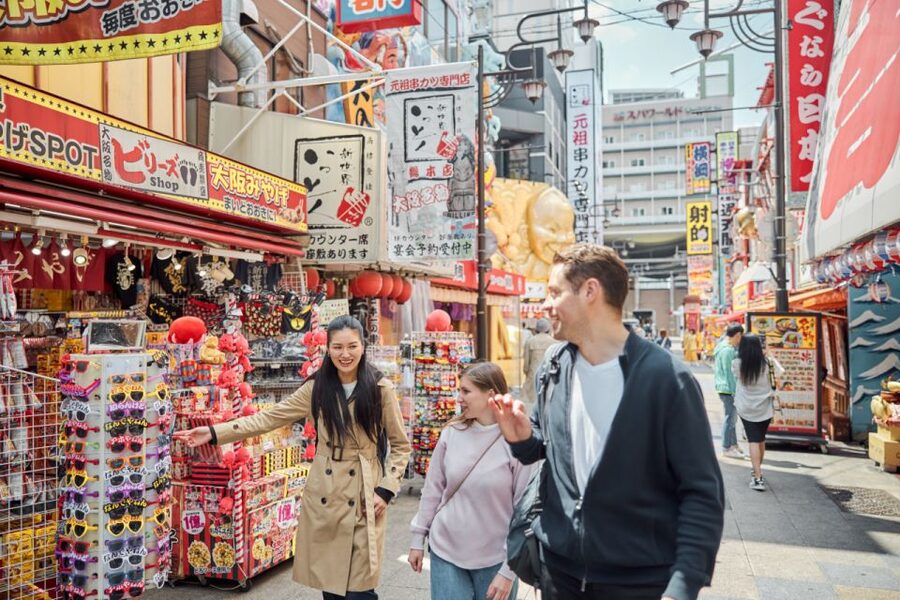
One of the smartest parts of this tour is the way it explains everyday culture without making it feel like a lecture. Your guide can talk about local food perspectives, including how certain things are treated as delicacies, and even how bargaining can be viewed as a traditional skill.
You’ll also get practical guidance on how to order or approach things in busy areas, especially when food stands and vendor counters are moving fast. This helps you feel less like a spectator and more like someone who understands what’s going on.
How the Guides Make or Break the Experience
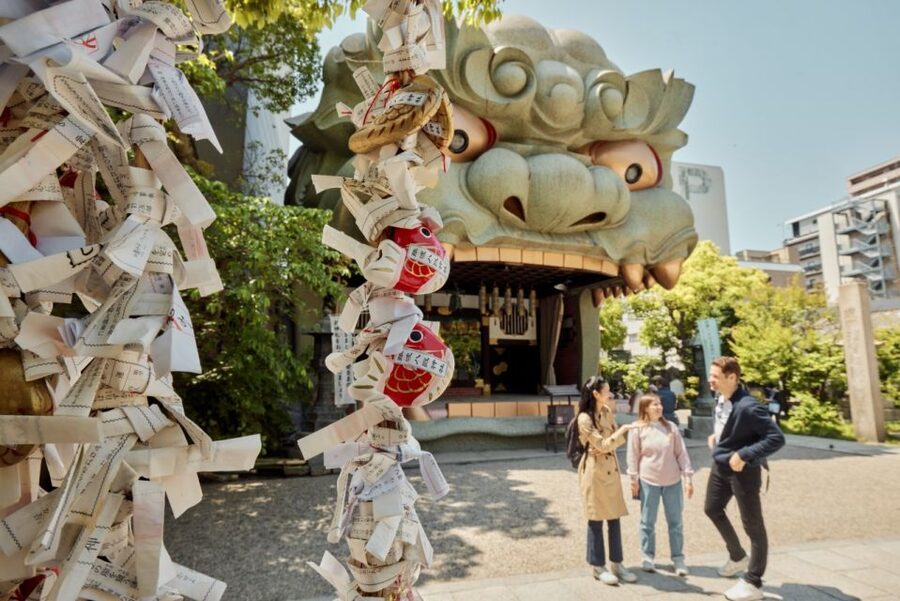
This tour’s quality is tied heavily to the guide. The good news is the reviews point to consistent strengths.
- Boris impressed with knowledge and an easy, competent style.
- Maria got high marks for patience, letting people take photos without rushing, and caring attention during hot weather.
- Antoine stood out for being easy-going and flexible, and for making the neighborhood introductions feel fun rather than formal.
- Kieran was described as full of good information and solid energy.
What you should do: when you message your operator, be specific about what you want. If you want a heavier historical focus, say it. If you’re heat-sensitive or you want a slower pace, say it. If you love shopping, tell them where your interests lean, tech, fashion, or snacks.
A matching guide is only helpful if you give them a clear target.
Getting the Most From Your Day (Without Overplanning)
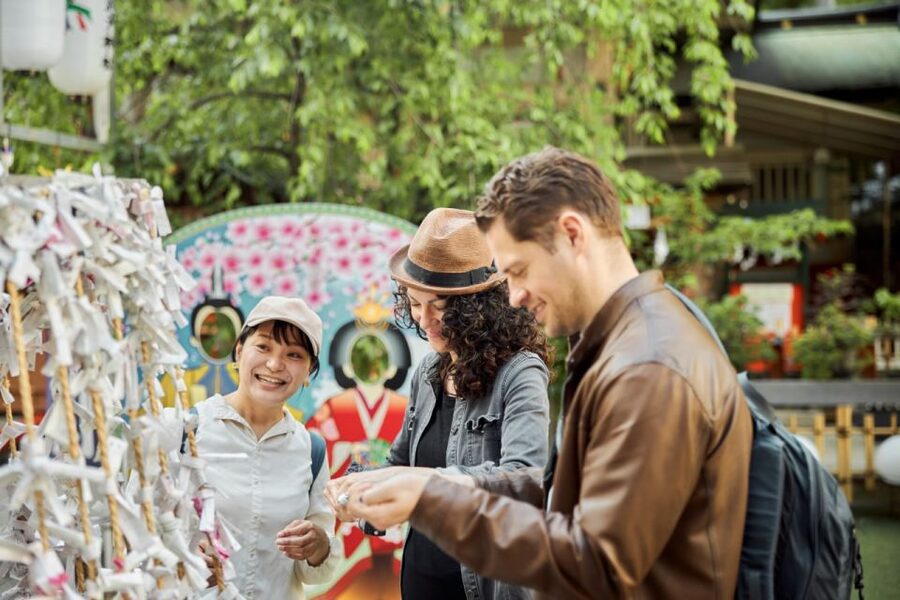
Osaka is a walkable city, but it’s still a lot of moving. Here’s how to make the tour feel like a win, not a stamina test.
- Pick your hour target based on your normal walking days, not your ideal travel fantasy.
- Wear comfortable shoes. You’ll be switching districts, and several stops involve dense street walking.
- Have a short list of priorities, two or three maximum. The guide can handle the rest.
- If you plan to eat, decide early if you want a snack strategy or full meal strategy. Food is not included, so you’ll control costs better if you steer the plan.
If you’re traveling with a small group, this is also a good way to avoid the common issue of everyone wanting different things. Private time means your guide can adjust, rather than splitting the group into separate mini-missions.
Accessibility and Group Size, Straight Facts
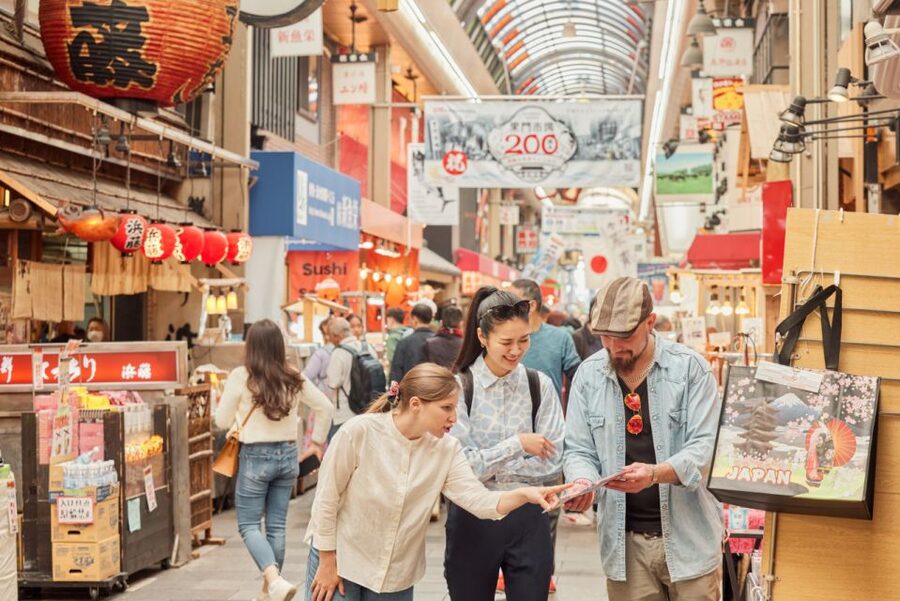
This is a private group tour. Private groups are normally no larger than 6 persons. If your group is bigger, you should tell the operator so arrangements can be made.
The tour is wheelchair accessible, and guides work in English and Japanese. The exact meeting point can vary depending on the option booked, so it’s smart to confirm where to start.
Should You Book This Osaka Private Walking Tour?
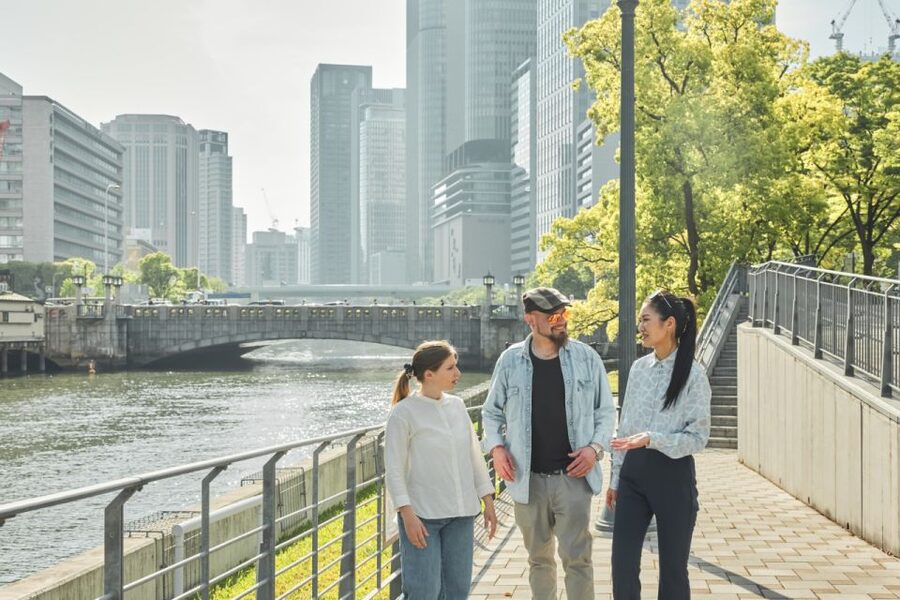
Book it if you want Osaka explained in human terms, with a guide who adjusts to you. At $67 per person, the value is strongest when you care about more than just seeing a few famous signs. This tour is built for people who want to understand market food culture, enjoy retro lanes like Hozenji Yokocho, and still end in the neon-and-shopping world of Dotonbori, Shinsaibashi, and America-mura.
Skip it or choose a different format if you want a fixed, strictly historical route every time. Since your itinerary can shift based on your preferences and the guide’s plan, you’ll need to say clearly what you want.
If you do book, send your message with your priorities before the day starts. It’s the simplest way to make sure your Osaka walk matches your version of fun.
Latest write-ups near Osaka
- Osaka Private Tour with Government-Licensed Guide★ 4.8 · 20 reviews
- Guided Photography Tour in Osaka: Capturing Memories★ 4.5 · 20 reviews
- Osaka: Food Tour at Night with Tastings★ 4.9 · 20 reviews
- Kansai/KIX Airport to or from Osaka/Kyoto Private Transfer★ 5.0 · 20 reviews
- Osaka: City Highlights Bike Tour★ 4.7 · 20 reviews
- From Osaka/Kyoto: Amanohashidate Day Tour【Including tickets】★ 3.7 · 20 reviews
- Osaka Okonomiyaki Cooking Class “Learn here and make it at home”★ 5.0 · 20 reviews
- Volleyball in Osaka & Kyoto with Locals!★ 5.0 · 21 reviews
Walking Tours, compared.
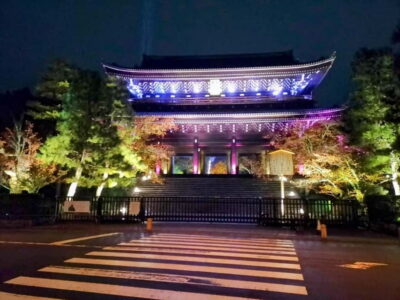
Kyoto Geisha Walking Tour: Gion District & Hidden Gems
Read our review →
Tokyo Tsukiji Fish Market Food and Culture Walking Tour
Read our review →
Gion Magical Night Walking Tour with Geisha Trivia
Read our review →
Imperial Palace and Shogun Historical Walking Tour
Read our review →
Gion Geisha District Walking Tour – Stories of Geisha
Read our review →
Shinjuku Local Bar and Izakaya Guided Walking Tour
Read our review →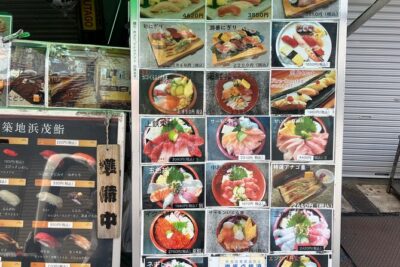
Browse the lists this tour appears in