
Reviewed · WALKING TOURS
Osaka Local Foodie Walking Tour in Dotonbori and Shinsekai
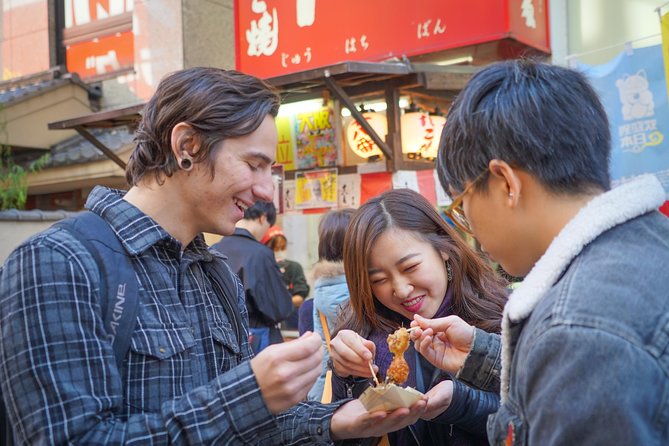
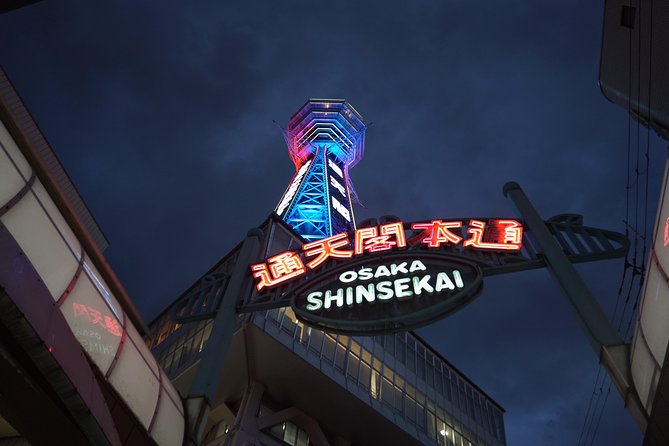
Osaka has two faces after dark, and this walking food route strings them together, Shinsekai neon lanes and Dotonbori street energy. You get guided stops, photo moments, and snacks you can actually find and order on your own later.
Two things I like a lot. First, the tastings are practical, you’ll try kushikatsu, okonomiyaki, and takoyaki, plus 3 drinks, so you are not doing guesswork while jet-lagged. Second, the tour stays small, up to 7 people, and guide style matters, with examples like Aika and Yuma getting praise for clear explanations and making the walk feel fun.
One consideration before you book: it is not built for strict diets. Gluten-free and vegan cannot be accommodated, and even the vegetarian kushikatsu can include pork dashi, so you need to be comfortable with that limitation.
Key highlights worth your time
- Tsutenkaku and Jan-Jan Yokocho set the tone fast, with kushikatsu as the first serious bite
- Shinsaibashi-suji feels like a time capsule stretch, including the Billiken statue area
- Hozen-ji Temple and Ukiyo-koji add a calm, historic pause where you snack and take photos
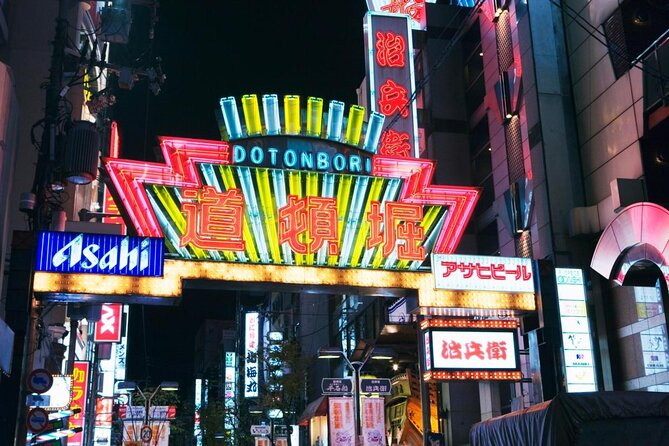
- Glico sign photo stop is short, but it is the Dotonbori moment you came for
- Sennichimae Doguyasuji okonomiyaki finish is where the tour turns into a real food finale
- Small group size (max 7) usually means you can ask questions and keep up without getting lost
Shinsekai Meets Dotonbori: A Food Walk With Two Different Tempos
This tour is interesting because it walks you through Osaka’s personality switch. In Shinsekai, you feel the older, local-street vibe around Tsutenkaku and narrow alleys. Then you shift toward Dotonbori’s neon-and-river energy, where you also get the shopping streets and famous photo spots.
I like the way the stops mix food with places you would not automatically connect. A temple area like Hozen-ji fits naturally with a snack break, and the shopping streets at Shinsaibashi-suji and Doguyasuji help you understand how people actually move through Osaka.
More Walking Tours in Osaka
- Osaka: Hotspots & Hidden Gems Walking Tour Private or Group
★ 4.9 · 1,300 reviews - Osaka Bar Hopping Night Walking Tour in Namba (3 bars, 6 tastes)
★ 5.0 · 958 reviews - Osaka: Deep Backstreets Walking Tour with Dinner Option
★ 4.9 · 902 reviews
Price and Value: What the $111.42 Buys You
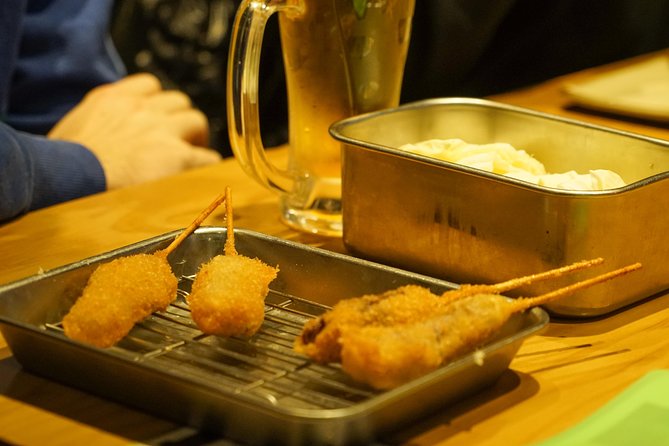
At $111.42 per person, you are paying for three things: guided navigation through busy areas, curated stops in the right neighborhoods, and a set amount of food. The included bites are not tiny “taste only” samples. You get 6 pieces of kushikatsu, 1 piece of okonomiyaki, 1 box of takoyaki, plus 3 drinks where both alcohol and non-alcohol are available.
That matters because Osaka street food can be easy to overpay for if you pick randomly. A guide helps you avoid the common trap of eating at the wrong tourist counter or ordering the wrong portion size.
One extra cost to note: transportation fees are not included (listed as 190 JPY). You will still want to check your route in advance so you do not get surprised, especially if you are coming from outside the city center.
From FamilyMartJapan to Tsutenkaku: Your First Kushikatsu Bite
You start at FamilyMartJapan near Sannō 1-chōme in Nishinari Ward, then head toward Shinsekai and the Tsutenkaku area. The first stop is built to give you fast momentum, including a walk through Jan-Jan Yokocho and an included kushikatsu tasting.
Kushikatsu is deep-fried skewered meat and vegetables, and it is also a social snack. This is a good opening dish because you can learn the basic rhythm quickly, eat while the group is still together, and then move on without feeling too full.
The tour also builds in time at the Tsutenkaku stop (about 30 minutes). That is enough time to get your bearings around the tower area before the walk turns into alley-hopping.
Jan-Jan Yokocho Details: How the Dip-Style Food Fits Osaka
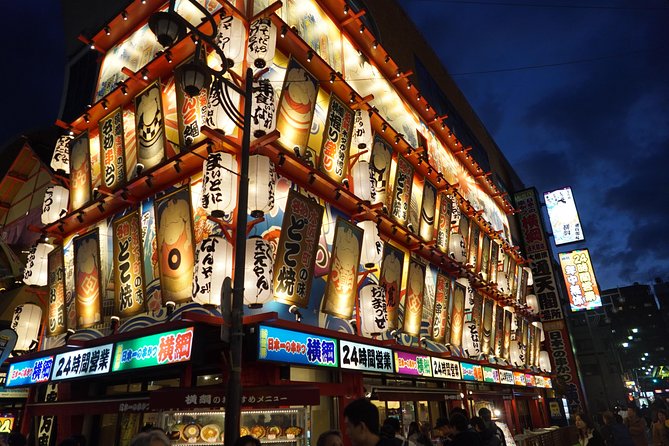
In Jan-Jan Yokocho, food is tied to street culture. You are not just ordering a dish, you are learning the Osaka habit of grabbing quick bites while you wander.
Here is a practical heads-up from the tour’s dietary notes: even the vegetarian version of kushikatsu uses dashi (pork broth). If you avoid pork broth for any reason, tell the organizer in advance, at least one day before the tour, so they can prepare alternatives. Requests on the tour day cannot be guaranteed.
If you plan to drink alcohol, you will want to pace yourself here. Reviews and the included menu show alcohol is an option, but the tour also lists non-alcohol choices, so you can keep it light if you want to enjoy the walking parts.
A change of pace from Osaka:
- Osaka Go Karting Tour with Funny Costume
★ 5.0 · 2,658 reviews - Osaka Castle: Museum and Tower Entry Ticket
★ 4.5 · 2,380 reviews - Osaka: Shinsekai Food Tour with 13-15 Dishes at 5 Eateries
★ 4.8 · 2,204 reviews - Osaka Food Tour: 13 Dishes at 5 Local Eateries
★ 5.0 · 2,149 reviews
Shinsaibashi-suji Shopping Street: A Walk Through Osaka’s Old Layout
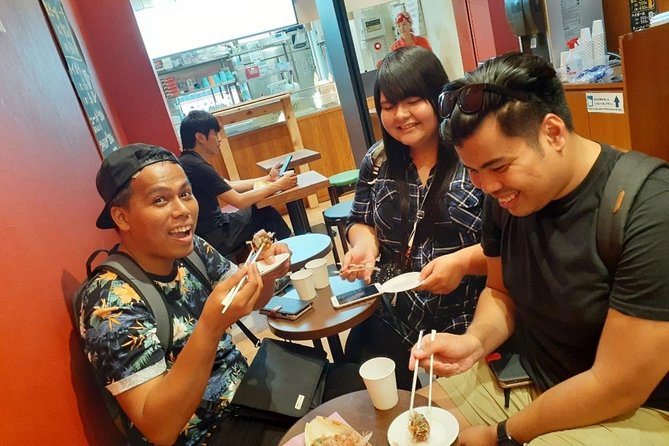
Next comes Shinsaibashi-suji Shopping Street, a “museum-like” corridor where the area is described as reflecting the Osaka center as it existed decades ago. You also get a short route that includes the Shinsekai area connection and photo opportunities like the Billiken statue.
This stop is only about 20 minutes, but it pays off if you care about context. It helps you understand that Osaka shopping is not just modern malls. People still spend time in covered arcades and street corridors where you can browse and snack without constantly changing plans.
It is also a low-stress stretch compared with the alley sections. If your feet need a breather, this part is often the easiest way to catch it.
Dotonbori Dogu-ya-suji: Knives, Souvenirs, and the Start of the Neon Pull
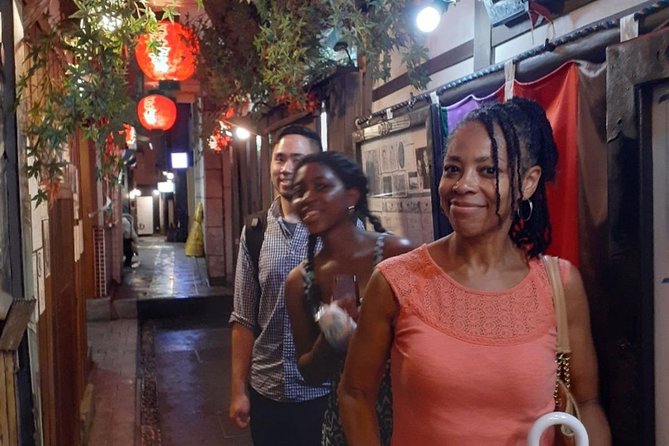
Then the tour leans into Dotonbori. You visit Dōgu-ya-suji, including a stop around the Hōchō-ya knife shop area, with time for souvenir shopping. There is also an extra note that the tour can shift between day and night themes, including the vicinity of Namba Grand Kagetsu.
This is not just retail time. This shopping street stop helps you see how Osaka sells practical items alongside the tourist-facing neon. A knife shop stop sounds random until you realize Osaka is proud of tools and craftsmanship, and many locals treat shopping as part of daily life.
If shopping is not your thing, you can use the time to reset your stomach. You’ll likely be hungry again by the time the tour reaches the temple snack stretch.
Hozen-ji Temple and Ukiyo-koji: Snack Time With a Historic Pause
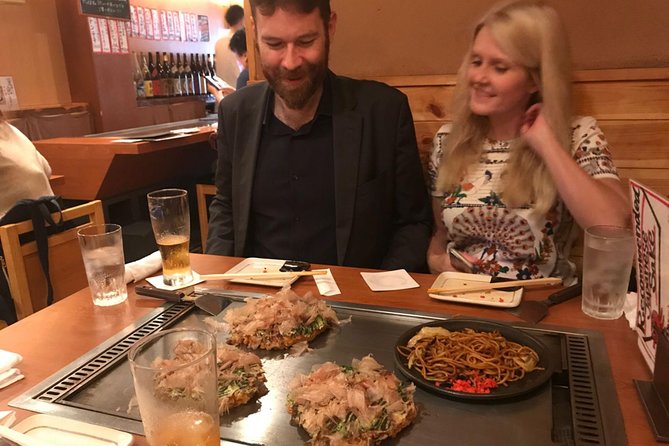
The tour slows down for Hozen-ji Temple, then moves through Ukiyo-koji (Ukiyo Alley). This is where you get the “walk and eat your way through” feel, with snack options around takoyaki, sweets, and more (the tour notes about ¥500 worth).
This stop is one reason I think the tour works even if you are not a hardcore food critic. It gives you a break from pure street noise, and it also helps you take photos without sprinting between counters.
One more practical item: the tour warns that it may visit places where smoking is allowed. If that affects your comfort, keep an eye out around alley entrances and ask the guide for a better path if needed.
Glico Sign Photos: Short Stop, Big Osaka Meaning
After Hozen-ji, you get the Glico sign photo stop in Dotonbori (about 10 minutes). It is brief, but it is a real “you are here” marker for Osaka nightlife and street culture.
My advice: treat this like a quick mission, not a long sightseeing detour. Wear shoes you can stand in, take your photo quickly in a couple angles, and then move on when the tour does.
This is also where your senses will shift. The smell of fried foods, the crowd noise, and the riverfront lights tend to hit all at once.
Sennichimae Doguyasuji Finale: Okonomiyaki as the Main Event
The final segment is Sennichimae Doguyasuji Shopping Street, where you enjoy Osaka-style okonomiyaki as part of the included food. The tour also calls out snapping photos near the Glico sign again while you wrap up.
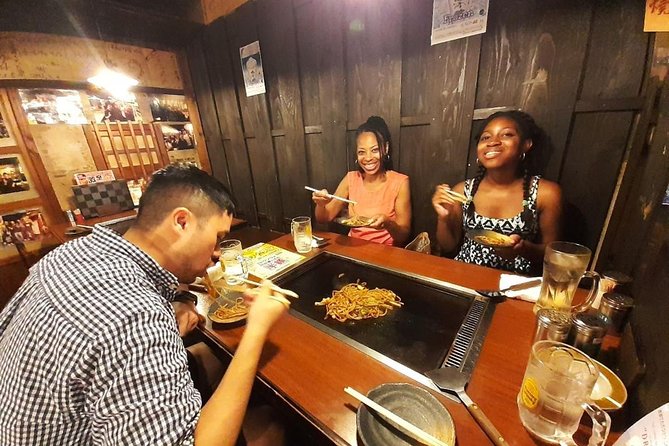
Okonomiyaki is the savory pancake style Osaka is famous for, and it usually feels like the “main meal” of the whole tour. One review highlight mentions getting to grill your own okonomiyaki, which you might experience depending on the setup that day.
This ending matters because it gives you something substantial after an earlier run of skewers and fried bites. If you pace yourself with the drinks at the start, you are more likely to enjoy every last bite instead of feeling stuffed early.
Group Size, Walking Pace, and What to Bring
The tour caps at 7 travelers, which is a big deal in these areas. Smaller groups can keep the experience tighter, and they are easier to manage through alley turns and storefront lines.
That said, pace can vary by guide and day. The tour is a walking format with multiple neighborhoods, so you should plan like you are doing a long neighborhood stroll. Comfortable shoes help more than anything else.
Also bring a layer for weather. The tour notes that summer can reach up to 40°C (110°F) and winter can drop to -5°C (20°F). Osaka extremes are real, so check your forecast and dress accordingly.
Dietary Limits, Smoking Stops, and Drink Choices
This is where you have to be honest with yourself. The tour explicitly says gluten-free and vegan cannot be accommodated. For vegetarian options, you can choose that option when booking, or request in advance, but requests made on the tour day cannot be accommodated.
Even then, there is a key caveat for vegetarian kushikatsu: dashi (pork broth) is still used. If you have religious or allergy reasons to avoid pork broth, do not rely on the word vegetarian. Tell them what you can and cannot have at least one day before.
Alcohol is optional. The included menu lists 3 drinks with both alcohol and non-alcohol available, so you can decide based on your comfort and how much walking you plan to do after.
Finally, remember this is street food. The tour also notes that allergy-free guarantees are not promised because food may be prepared in kitchens the organizer does not control. If you have severe allergies, you will need to treat this tour as higher risk and plan accordingly.
How the Guides Shape the Experience, From Aika to Yuma
I think this tour succeeds or struggles based on guide energy and how much they explain while walking. The best guides bring two things together: solid context and practical help so you know what you are eating and why the stop matters.
In reviews, Aika and Yuma get strong praise. People highlight that their guides are fun, clear in English, and willing to point out what to notice in side streets. Other guides like Michiko (Mich) and Emi are praised for connecting food choices to everyday Osaka life, which is the kind of context that makes the tasting stick.
One helpful pattern: some guides take extra photos and share them after, and one review even mentions help navigating the subway system at the end. That is not something to count on every time, but it hints at a mindset of looking out for your day, not just ticking stops.
If you are the type who wants heavy narration all the time, consider asking questions during the walk. One review example described the tour as more responsive than proactive in explanations, which can feel different depending on your style.
Who This Tour Fits Best (and who should skip it)
This tour fits you if you want a guided, food-forward walk through two iconic neighborhoods without planning each stop. It is also good for first-timers because you leave with a map of areas like Tsutenkaku, Dotonbori, and the temple zone near Hozen-ji.
It can also work for repeat visitors who want a shortcut to local favorites. Reviews often praise the selection of dishes and the mix of food plus culture stops.
It may not fit you if you are strict about diet. Gluten-free and vegan are not supported, and vegetarian still may include pork broth. It may also not fit you if you hate walking pace changes. You need to be comfortable moving through crowds and narrow alleys for three hours.
Should You Book This Osaka Food Walk?
Book it if you want a structured 3-hour food experience in Osaka’s two biggest nightlife zones, with included tastings that add up to a real meal. The small group size, multiple photo moments like Glico sign, and the temple break make it more than just a lineup of fried foods.
Skip it if you need gluten-free or vegan meals, or if you avoid pork dashi for any reason. Also consider another option if you prefer many tiny samples across lots of separate stalls, because this tour is set around a specific menu and a specific set of stops.
If you do book, go in hungry, wear comfy shoes, and bring your questions. You’ll get the best value when you treat this as a guided walk with built-in eating, not a casual stroll.
FAQ
What food is included on this tour?
You’ll receive 6 pieces of kushikatsu, 1 piece of okonomiyaki, 1 box of takoyaki, and 3 drinks.
Is alcohol included?
Alcohol and non-alcohol drinks are both available as part of the included 3 drinks. The tour does not say you must drink alcohol.
How long is the tour?
The duration is about 3 hours.
How many people are in the group?
The tour has a maximum of 7 travelers.
Where do I meet the guide?
The start point is FamilyMartJapan in Osaka, Nishinari Ward (Sannō, 1-chōme).
Where does the tour end?
The tour ends at the Glico Sign in Dotonbori, Chuo Ward.
Is gluten-free or vegan food available?
No. Gluten-free and vegan cannot be accommodated on this tour.
Can vegetarians join?
A vegetarian option may be available if you choose it when booking or request it in advance (no later than the day before). Note that vegetarian kushikatsu can still include dashi (pork broth).
Is transportation included?
No. Transportation fees are listed as 190 JPY and are not included.
Does the tour include admission tickets?
Some stops include admission tickets (for example the Tsutenkaku segment), while others are listed as free.
What should I do if I have dietary requests or allergies?
Inform the organizer at least one day before the tour. The tour also notes that allergy-free guarantees are not possible and substitutions are not guaranteed, especially if requests are made on the tour day.
Latest write-ups near Osaka
- PRIVATE 6hr, Food tour from Osaka Castle, Kuromon, Dotonbori.★ 5.0 · 68 reviews
- 90 min Shared Handmade Udon Experience★ 5.0 · 70 reviews
- Ramen and Gyoza Cooking Class in Osaka Dotonbori★ 5.0 · 73 reviews
- Osaka: Sushi Making in Spacious Studio (SAME-DAY OK!)★ 5.0 · 75 reviews
- Osaka E-Bike Tour With A Local Guide★ 4.7 · 75 reviews
- 1.5〜2 Hours Traditional Kintsugi Work Shop in Namba Osaka★ 5.0 · 75 reviews
- Retro Osaka Street Food Tour: Shinsekai★ 4.5 · 77 reviews
- Osaka: Osaka Castle Guided Tour with Local Guide★ 4.7 · 78 reviews
Walking Tours, compared.
Kyoto Geisha Walking Tour: Gion District & Hidden Gems
Read our review →
Tokyo Tsukiji Fish Market Food and Culture Walking Tour
Read our review →
Gion Magical Night Walking Tour with Geisha Trivia
Read our review →
Imperial Palace and Shogun Historical Walking Tour
Read our review →
Gion Geisha District Walking Tour – Stories of Geisha
Read our review →
Shinjuku Local Bar and Izakaya Guided Walking Tour
Read our review →
Browse the lists this tour appears in