
Arashiyama is one of Kyoto’s busiest storylines, so the best way to enjoy it is with a plan and a guide who can point you to the places that matter. This tour is interesting because it threads together temples, viewpoints, and the famous riverfront, so you are not just hopping between Instagram stops. I really like the small group size (max 8), and I also like the no-navigation-worries approach, where the guide leads the way and you can ask questions.
What I like next is the mix of famous and quieter stops. Otagi Nenbutsu-ji is known for its collection of over 1,200 stone rakan statues, which feels completely different from the usual postcard shots. And yes, you still get Bamboo Forest Street, one of the area’s top photo spots, but you do it as part of a longer route instead of a rushed detour.
The main drawback to consider is timing. This is about 4 hours, with short visits at each place, so if you want to sit for hours or wander without structure, you may feel a bit rushed. Also, the bus fee is excluded, so have your IC card or ¥230 coins ready, and wear shoes for a moderate amount of walking.
Key highlights at a glance
- Shortcut through Arashiyama highlights with a guide so you can get your bearings fast
- Otagi Nenbutsu-ji rakan statues (over 1,200 stone figures) for a memorable temple moment
- Wednesday swap plan if Otagi-Nenbutsu-ji is closed, the tour takes you to Adashino-Nenbutsu-ji
- Sabou Sagano drink break with one included coffee, tea, or juice
- Bamboo Forest Street photo spot that stays timed within the route
- Togetsukyo Bridge views over the Hozu River with free time for photos
Why a guided Arashiyama route saves you time and stress
Arashiyama has a reputation for being scenic, but it can also be a little chaotic. Streets get busy, lines pop up at the most famous spots, and if you are trying to piece together a route on your own, you can lose real time.
This tour is built for getting traction quickly. You start at Hannari Hokkori Square (20 Sagatenryūji Tsukurimichichō, Ukyo Ward, Kyoto) at 9:30 am, and you finish at the Site of Kotokiki Bridge. In between, your guide handles the flow, so you can focus on what you came for: temple atmosphere, mountain views, and those classic Arashiyama river moments.
If you enjoy learning while you walk, you will like the tone of this experience. The guide provides commentary about the places you pass, and the small group format makes it easier to ask simple questions without shouting over a crowd.
More of Arashiyama:
- Kyoto: Fushimi Inari, Kinkakuji, Bamboo Grove 1 Day Bus Tour
★ 4.8 · 4,316 reviews - Osaka/Kyoto:Kinkakuji,Arashiyama,FushimiInariShrine,NaraPark
★ 4.1 · 1,596 reviews - Kyoto/Osaka: Nara, Fushimi Inari Taisha, Arashiyama Bus Tour
★ 4.7 · 1,275 reviews
The 4-hour pace, and what it means for your day
The tour runs about 4 hours. Stops range from roughly 10 minutes for photo breaks and bridge viewpoints to around 20 to 30 minutes for temple time and a couple of featured locations.
That timing is both a strength and a limitation. It is a strength because you get a smart sample of Arashiyama’s key sights without it swallowing your whole day. It is a limitation because you should expect shorter visits, not a slow stroll that turns into a full afternoon of wandering.
Plan your day around this. If you are trying to fit Arashiyama into a busy Kyoto schedule, this half-day format is a good match. If you already planned a long independent walk or you have mobility limits, you might prefer something with fewer stops or more flexible time.
Stop 1: Otagi Nenbutsu-ji and the 1,200-plus rakan statues
Otagi Nenbutsu-ji is the type of place that changes your experience of Arashiyama. Instead of focusing only on the mountain views and the bamboo, you start with a quieter temple atmosphere and a very specific visual hook: more than 1,200 stone statues called rakan, each with its own character.
The stop is about 20 minutes, and that is enough time to do two things well. First, you can take in the overall effect, which is not like a single altar or a tidy museum display. Second, you can slow down just enough to notice how the statues vary.
There is also a practical reason this stop works early. You are heading into the more famous areas after, and beginning with a less crowded setting helps set the tone. You are not fighting for space immediately.
One small note that matters on scheduling: on Wednesdays, Otagi-Nenbutsu-ji is closed. The tour adjusts and takes you to Adashino-Nenbutsu-ji instead. (More on that next.)
Stop 2: Adashino Nenbutsu-ji on Wednesdays, plus the Sagano area walk
Adashino Nenbutsu-ji is a peaceful Buddhist temple in Kyoto’s Sagano district, and it has a clear historical anchor in the facts you will hear. It was founded in 811 by the monk Kūkai. The tour stop lasts about 20 minutes and includes an admission ticket.
If your trip lands on a Wednesday, this swap is not a downgrade. It is a planned change, and it keeps the route on track while still delivering a temple experience right at the core of the Arashiyama story.
After the temple, you move into the Saga Toriimoto Preserved Street area. This is described as a historic hiking trail that leads from the base of Mount Atago toward its summit, one of the higher points in Kyoto. Even without turning it into a full hike, this part of the tour gives you the feeling of stepping into a traditional, older-style route. It is more about atmosphere than distance, and it helps break up the day so you are not bouncing only between temples and photo points.
A change of pace from Kyoto:
- PERFECT KYOTO 1-Day Bus Tour
★ 5.0 · 13,518 reviews - Kyoto: Tea Ceremony in a Traditional Tea House in Kiyomizu
★ 4.9 · 3,519 reviews - Kyoto Geisha Walking Tour: Gion District & Hidden Gems
★ 4.7 · 3,273 reviews - Kyoto: Tea Ceremony Ju-An at Jotokuji Temple
★ 4.9 · 3,207 reviews
Stop: Sabou Sagano drink break, and why it matters
This is one of those small segments that makes the whole tour feel humane. At Sabou Sagano, you get a short break with one drink included, with options listed as coffee, tea, or juice.
Then comes the fine print that you should remember: other drinks, including matcha, are at your own expense. That is not a deal breaker, it just means you can choose to keep costs stable or upgrade if you want something special.
From a practical perspective, this stop also resets you mentally. After temples and walking, you get a chance to sit for a few minutes, refuel, and get ready for the next temple and the scenic river area.
Stop 3: Jōjakkōji Temple gardens and quiet viewpoint energy
Next up is Jōjakkōji Temple, with a 30-minute visit and admission ticket included. The focus here is calm. The way it is described is that it combines nature, spirituality, and stunning views, and it is known for gardens and historical significance.
You will probably feel the shift immediately. This stop is designed for a slower, more reflective mood compared with the quick photo moments. In a route full of highlights, this is the place where you can actually breathe.
Keep your expectations realistic about time. Thirty minutes passes quickly, so treat it like a chance to walk the grounds at an easy pace and take in views when you reach them, rather than trying to memorize every corner.
Stop: Mikami Shrine, prayers for beautiful hair, and a surprising topic
Then the tour turns slightly unusual in the best way. You visit Mikami Shrine, which is dedicated specifically to beauty, focused on hair. The shrine is often referred to as the shrine of hair, and visitors come to pray for beautiful hair.
This is a great example of why a guided route helps. If you only approached Arashiyama by headline sights, you might miss the smaller spiritual oddities that explain how everyday hopes show up in temple culture.
There is no long time block stated for this stop, so use it as a moment to observe the site and participate quietly if you feel comfortable. It is also a nice contrast to the broader nature-focused scenery around you.
Stop: Ogura Pond for still water and seasonal calm
Another peaceful pause comes at Ogura Pond. The setting is described as surrounded by lush greenery, with calm water that reflects the surrounding trees and mountains. You also get a hint that the scene changes with the seasons, which is exactly what makes Kyoto so repeatable.
This part is ideal for slower looking. When the rest of the tour is moving you from stop to stop, Ogura Pond gives your eyes something stable. If you take photos, you will probably want to do it once, then step back and just watch the water for a minute or two.
Bamboo Forest Street photo time, and how to make it feel less frantic
After temples and ponds, you reach Bamboo Forest Street, which is specifically marked as a photo spot and described as one of Kyoto’s most photographed locations. You will see why: the height of the bamboo stalks and the curved path create a natural frame around you, with the surrounding area adding to the effect.
The stop is about 10 minutes, which means you should move with intention. Decide quickly whether you want a front-facing path shot, a side angle, or a framing photo that includes the walkway. Then take a few seconds to just stand and notice how the light shifts under the canopy.
This is one of the most famous parts of Arashiyama, so treat the time as a snapshot, not a full exploration of the bamboo area. You will still get plenty of scenery later in the day.
Togetsukyo Bridge over the Hozu River, a classic Arashiyama finish
To wrap things up, you get to Togetsukyo Bridge, spanning the Hozu River. It is described as centuries-old and known for majestic views of the surrounding mountains and river.
The stop is about 10 minutes, and like Bamboo Forest Street, you should treat this as a quick but high-impact photo and viewpoint moment. The bridge is free to visit, and it is one of those locations where your brain naturally shifts into relax mode. The river, the mountains, and the open sightlines make it feel like a real ending to the walk.
One useful thing here is that the tour ends at the Site of Kotokiki Bridge, so you finish in the right area rather than getting scattered back into the city. If you are planning your next stop, you will have an easier time orienting yourself afterward.
Price and value: what you are paying for in this $79.07 tour
At $79.07 per person, this tour sits in the mid-range for a guided Arashiyama day. The value comes from three things your money buys:
First, you get a guide who handles navigation. The route is structured so you are not spending your time figuring out how to connect temples, viewpoints, and scenic areas.
Second, you get a small group experience with a maximum of 8 travelers. That size matters. It makes it easier to ask questions and stay together without feeling like you are in a cattle line.
Third, several admission tickets are included where indicated: Otagi Nenbutsu-ji, Adashino Nenbutsu-ji (on Wednesdays), Sabou Sagano, and Jōjakkōji. Bamboo Forest Street and Togetsukyo Bridge are also listed as free for admission.
What is not covered is the bus fee, which is excluded and requires that you have an IC card or coins for ¥230. That is a small extra cost you should budget for in advance.
If you want a reliable half-day plan in Arashiyama without doing heavy research, this price can feel fair. If you are already comfortable designing your own route and you plan to linger for long periods at each spot, you might feel the short stops are less worth it.
When to book, and how to set yourself up for success
This tour is booked on average 39 days in advance, so if you have a tight schedule or you want a specific date, grab it earlier rather than later. Arashiyama is popular, and the “max 8” group size means there are fewer seats than a big bus tour.
Also remember: the experience runs rain or shine. That is not a reason not to go. It just means you should bring shoes that handle damp sidewalks and a light rain layer.
Comfort matters. The walking is described as moderate, so wear comfortable walking shoes and plan on staying on your feet for multiple short segments.
And based on practical travel timing, spring and autumn are usually the easiest seasons for Kyoto strolling. If you are traveling in summer, expect heat and humidity. This tour is designed to keep moving, so summer visitors should pace themselves and take the drink break seriously.
Should you book this Arashiyama tour?
Book it if you want a tight, guided half-day that checks the main Arashiyama boxes, plus adds temple culture like Otagi Nenbutsu-ji and Jōjakkōji. This is especially good for first-time visitors who do not want to worry about routing, and for people who enjoy learning as they walk.
Skip it, or consider a different format, if you hate short stop times or you want hours at one location. This route is structured, so there is less room for long wandering.
If you are deciding right now, here is the simplest rule: if you want a planned Arashiyama highlight circuit with guided context, this tour makes a lot of sense.
FAQ
How long is the Kyoto Arashiyama tour?
The tour lasts about 4 hours.
What time does the tour start?
The start time is 9:30 am.
Where do I meet the guide?
You start at Hannari Hokkori Square (20 Sagatenryūji Tsukurimichichō, Ukyo Ward, Kyoto 616-8384).
Where does the tour end?
The tour ends at the Site of Kotokiki Bridge (Sagatenryuji Tsukurimichicho, Ukyo Ward, Kyoto 616-8384).
Is this a small group tour?
Yes, it has a maximum of 8 travelers.
Is a mobile ticket provided?
Yes, this tour uses a mobile ticket.
Which temples are included?
The itinerary includes Otagi Nenbutsu-ji Temple and Jōjakkōji Temple. Adashino Nenbutsu-ji is included as well, and it is used as a replacement on Wednesdays.
What happens on Wednesdays?
On Wednesdays, Otagi-Nenbutsu-ji Temple is closed, and the tour takes you to Adashino-Nenbutsu-ji instead.
Is there bus transport, and is the bus fee included?
The bus fee is excluded. You should have an IC card or coins (¥230) prepared.
Is there a moderate amount of walking?
Yes, there is a moderate amount of walking, so comfortable walking shoes are recommended. The tour runs rain or shine.
What is included at Sabou Sagano?
You get a short break and one included drink (coffee, tea, or juice). Other drinks, including matcha, are at your own expense.
Latest write-ups near Kyoto
- Kyoto Private Tour Full Day with Local Guide&Nara Option(PerGroup★ 5.0 · 20 reviews
- Sacred Pathways: Discover the Philosopher’s Path of Kyoto★ 4.9 · 20 reviews
- Kyoto UNESCO World Heritage Site Private Tour with a Premium Van★ 5.0 · 20 reviews
- Hammer Pattering Experience of Ring★ 5.0 · 20 reviews
- KYOTO: Private Tea Ceremony in Hidden Townhouse (Kid-Friendly)★ 5.0 · 20 reviews
- Sushi or Traditional Japanese Cuisine in a Kyoto Home with Emika★ 5.0 · 20 reviews
- The Kyoto VIP Experience!★ 5.0 · 20 reviews
- Kyoto Customized Private Tour: See Top Attractions in 1 Day★ 4.7 · 20 reviews
Arashiyama & Bamboo Tours, compared.
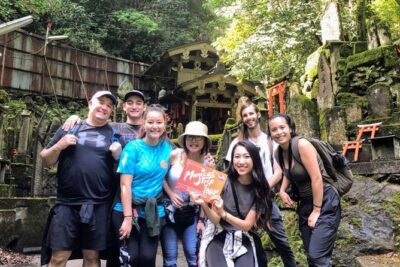
Fushimi Inari, Kinkakuji, Bamboo Grove 1 Day Bus Tour
Read our review →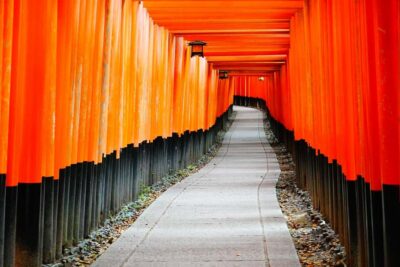
Osaka/Kyoto:Kinkakuji,Arashiyama,FushimiInariShrine,NaraPark
Read our review →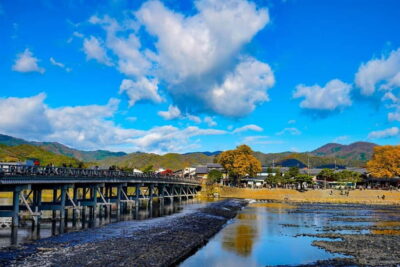
Kyoto/Osaka: Nara, Fushimi Inari Taisha, Arashiyama Bus Tour
Read our review →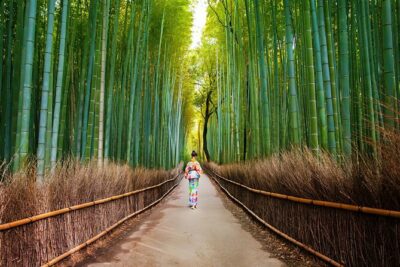
Kyoto Arashiyama Walking Tour: Bamboo, Monkeys, Gardens & Secrets
Read our review →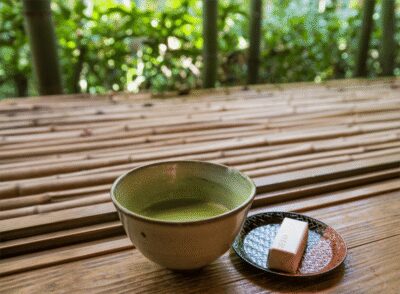
Arashiyama Bamboo, Temple, Monkeys, or Secret Sake Brewery
Read our review →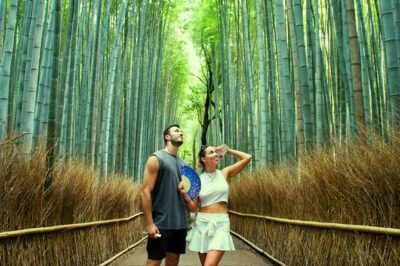
Arashiyama Bamboo Forest, Monkeys, Matcha & Temple Tour
Read our review →
Osaka/Kyoto: Arashiyama, Nara & Fushimi Inari Shrine w/Lunch
Read our review →
Nijo, Kinkaku-ji, Arashiyama, Kiyomizu & Fushimi Inari
Read our review →Browse the lists this tour appears in