
Reviewed · WALKING TOURS
Private Ginza Architecture Walking Tour
Ginza is one of the few Tokyo areas where you can spot next-gen design and old-school streets in the same walk. This private route is interesting because it keeps you moving, then pauses at the exact kind of buildings that make Tokyo feel like a living architecture book. You get a customized English guide and a 3-hour, 30-minute pace that can flex to your interests, from cultural landmarks to the sleek commercial side of Ginza.
What I love is the personal touch. The guide is meant to tailor the walk to your knowledge level, and you also get a built-in break with drinks to keep the day from turning into a nonstop slog. I also like that the stops include both interiors and quick exterior looks, so you’re not stuck only photographing facades.
One thing to consider: it is still a walking tour, and your route includes several indoor visits plus a bit of outside viewing. If your feet tire easily, plan for a steady pace and wear comfortable shoes.
Key highlights worth planning around
- Private, small-group format (maximum 5 people per booking) with a guide who can steer the conversation your way
- English tour focused on architectural, cultural, and historical context
- A smart mix of interiors and street-level views including temple and theater
- Two departure times, so you can match it to your Tokyo schedule
- Cozy pause with drinks included, built into the tour so you do not have to hunt for it
- Stop-by-stop free admissions listed for each location, saving time and ticket hassle
Ginza, But Read Like a City Planner
What makes this tour feel different from a standard “look at that building” walk is the emphasis on how Ginza works as a place. The area blends new construction and historic forms, and your guide is there to help you connect the dots, not just point things out.
I especially like that the experience encourages you to look up. Several past guests highlight the value of shifting your gaze from street-level to facades, materials, and the way signage and storefront design shape the streetscape. That’s the kind of habit that makes you feel like you are actually learning a neighborhood, not just collecting photos.
Another reason Ginza is a great choice for an architecture walk: it is compact. You can cover a lot in a few hours because everything is close enough for meaningful comparison. On this route, you go from Tsukiji area meeting points into Ginza’s core, and the contrast stays vivid the whole way.
More Walking Tours in Tokyo
- Tokyo Tsukiji Fish Market Food and Culture Walking Tour
★ 5.0 · 3,184 reviews - Tokyo: Imperial Palace and Shogun Historical Walking Tour
★ 5.0 · 2,251 reviews - Tokyo: Shinjuku Local Bar and Izakaya Guided Walking Tour
★ 4.9 · 1,794 reviews
Private Tour Flow, With a Real Chance to Ask Questions
This is a private tour/activity. Only your group goes, with a maximum of 5 people per booking. In plain terms, that means the guide is more likely to slow down when you have questions, and you are less likely to get rushed past details.
The tour is designed for a flexible pace. It is listed as a walking tour at your own pace, and it runs about 3 hours 30 minutes. That duration matters. At this length, you can actually absorb why certain buildings look the way they do, instead of feeling like you sprint from stop to stop.
You can also choose between two departure times, which is helpful if you are juggling theater schedules, shopping priorities, or jet lag. The tour also uses a mobile ticket, which typically makes day-of logistics easier once you are in Tokyo.
Guide quality is part of the value here. From the strong feedback, names that come up include Yoko, Yuki, Taka Yamamura-San, Yoshi, Eriko, Mari, Haruka, and Makoto. The consistent theme is clear explanations and friendly, adaptable guidance. One caution from feedback: a small number of guests wanted more explanation on the most striking buildings, so if you are very architecture-focused and speak English comfortably, come with a couple of specific questions to steer the conversation.
Route Walkthrough From Tsukiji to Ginza’s Big-Name Facades
The route is built like a guided tour of Ginza’s contrasts. You start in the Tsukiji area, then work your way through a set of stops that represent different flavors of Tokyo: religion, performance, design-minded spaces, and high-end retail architecture.
Start point: Tsukiji area, near Tsukiji Station
You meet near Tsukiji Station, Exit 1, at an address in the Tsukiji neighborhood. That matters because it puts you close to transit from a lot of Tokyo hotels.
From there, you head into the main walking portion in Ginza, with your first longer block designed to set the tone.
A change of pace from Tokyo:
- Mt Fuji and Hakone 1-Day Bus Tour Return by Bullet Train
★ 5.0 · 26,383 reviews - 1-Day Tokyo Bus Tour
★ 5.0 · 14,250 reviews - Tokyo: TOKYO SKYTREE® Admission ticket
★ 4.5 · 11,192 reviews - Tokyo: teamLab Planets TOKYO Digital Art Museum Entry Ticket
★ 4.6 · 9,779 reviews
Stop 1: Ginza streets for about 40 minutes
This is your orientation chunk. You walk between sites for the total time noted at this stage, and you likely get your first “how to look at Ginza” lesson here.
This is where a private guide earns their keep. Ginza changes by block, and street-level architecture can be subtle. A good guide helps you notice things like how entrances are framed, how materials age, and how commercial buildings create a sense of rhythm as you walk.
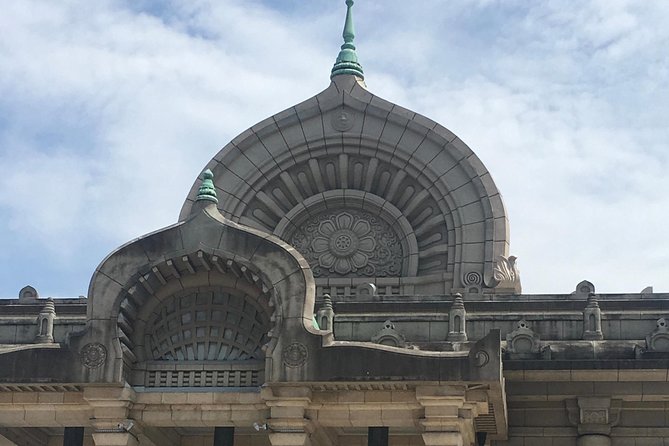
Stop 2: Tsukiji Hongwanji Temple, entry included for about 10 minutes
Next you step into a quieter, more traditional setting. The tour includes going inside the Tsukiji Hongwanji Temple, not just stopping outside.
A temple stop is valuable on an architecture walk because it resets your eyes. You start thinking about layout, ceremony space, and the way people actually move through a site. Even with a short visit, it gives you context for Tokyo’s cultural layers, not only the luxury retail side.
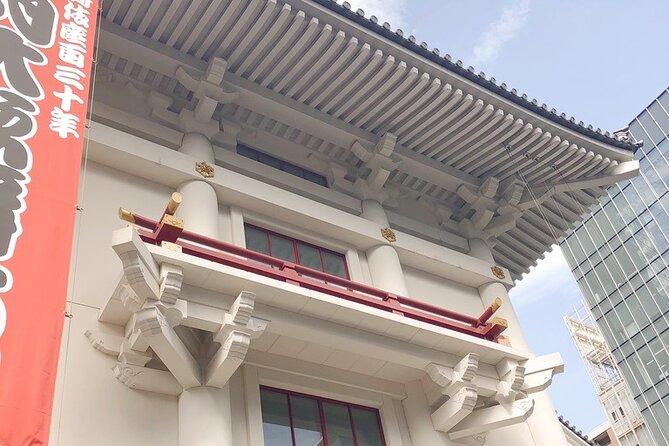
Stop 3: Kabukiza Theater, interior for about 20 minutes
Then it turns theatrical. The route includes going inside Kabukiza Theater to see features in the building.
Theater architecture is a special category. The interior space is designed around audience experience and movement, so it reinforces the idea that architecture is not only visual, it is functional and emotional. Even if you do not know kabuki history deeply, this kind of stop can help you understand how Tokyo’s public spaces are built to shape attention.
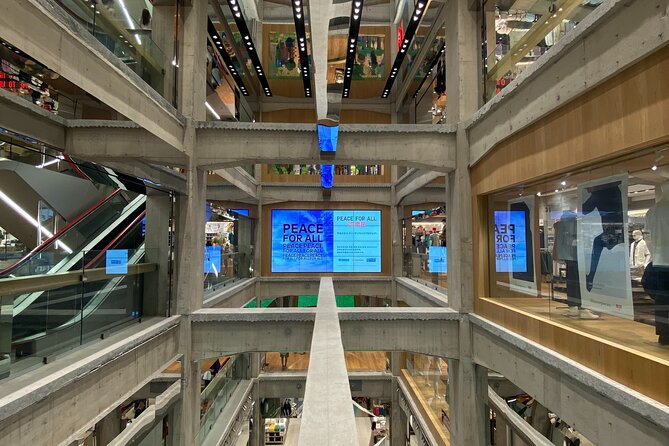
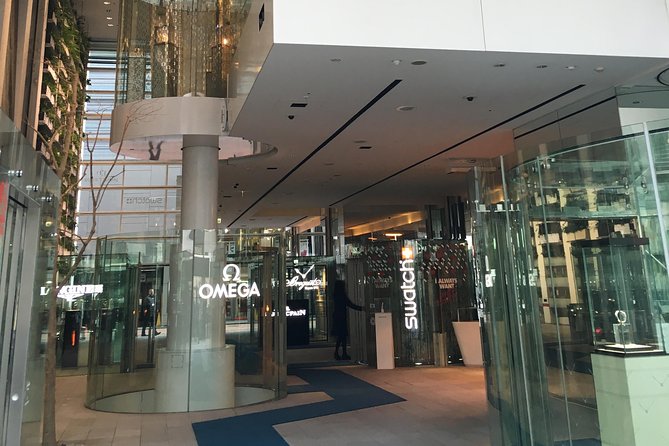
Stop 4: Nicolas G. Hayek Center, interior for about 15 minutes
You continue into a design and public-facing interior stop at the Nicolas G. Hayek Center.
I like this placement. Putting an interior between temple and retail helps you compare approaches across time and purpose: spiritual space, performance space, then a modern cultural stop. Your guide’s architecture, cultural, and historical explanations tie it together for you, especially if you keep asking why each building looks and functions the way it does.
Stop 5: Toyoiwa Inari Shrine for about 5 minutes
Short but sweet. You visit the Toyoiwa Inari Shrine area and enjoy the features there.
Because this stop is brief, it is best used as a moment to slow down and look closely, not to rush through. Shrines can teach you a lot about detail and symbolism, even when the stop is short.
Stop 6: Ginza Maison Hermes Le Forum, interior for about 15 minutes
Then it shifts into modern luxury retail architecture. You go inside Ginza Maison Hermes Le Forum.
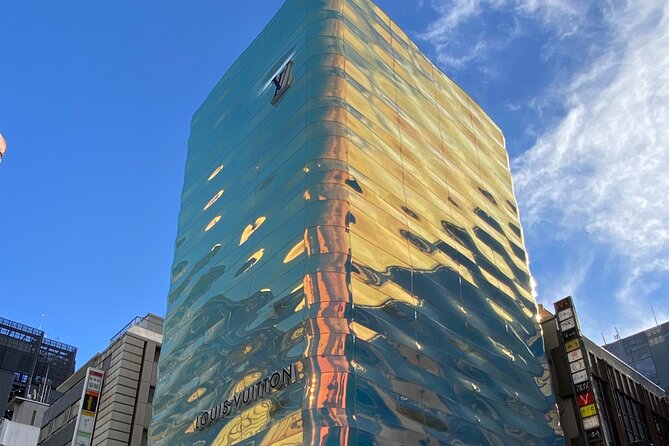
This is where the Ginza reputation shows up. Luxury brands often commission statement architecture, and Ginza is one of the better places to see how money, design, and branding intersect in physical form. The interior visit is more valuable than a street photo because you can notice how entrances, display zones, and circulation are designed to guide you.
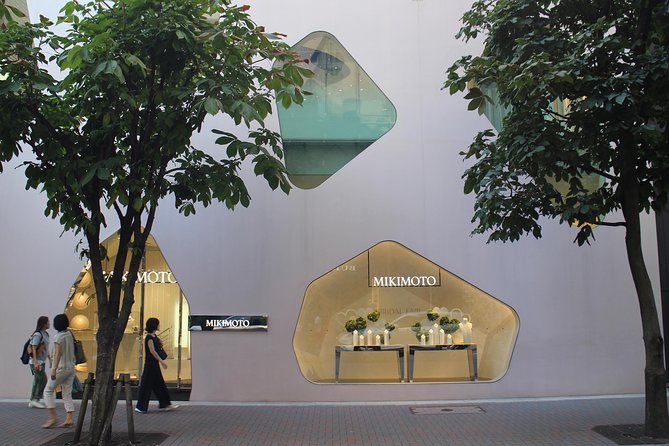
Stop 7: Mikimoto Boutique Ginza 2chome, about 5 minutes if time allows
This is listed as optional depending on time. If you have time, you go inside Mikimoto Boutique Ginza 2chome.
It is a smart choice as a quick finale add-on. Mikimoto is part of Ginza’s identity, and a quick interior visit can be a nice contrast to the earlier temple and theater stops.
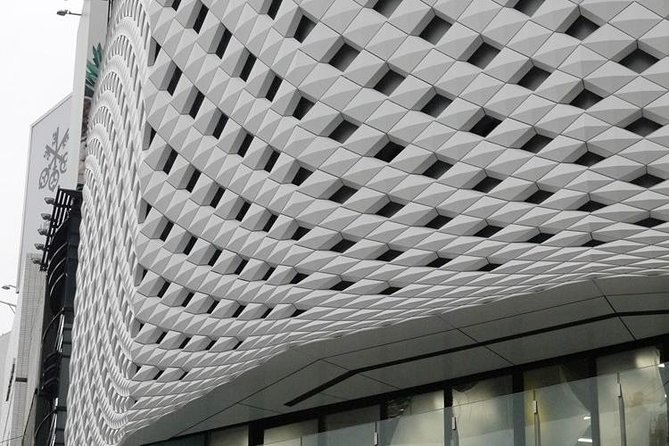
Stop 8: UNIQLO Tokyo, exterior view for about 10 minutes
Next you view UNIQLO Tokyo from outside.
That mix is part of the tour’s charm: you are not only chasing high-end architecture. Seeing a big retail brand in a neighborhood like Ginza shows you how Japan balances trend, utility, and design in spaces that lots of people use.
Stop 9: Mikimoto Ginza 4chome Honten, exterior view for about 5 minutes
You get another Mikimoto-related exterior look at Mikimoto Ginza 4chome Honten.
This works well because you compare street-level presence with the earlier interior experience. Even in five minutes, you can learn how architecture supports brand storytelling through frontage and signage rhythm.
Stop 10: Wako Ginza, exterior view for about 10 minutes
Then comes Wako Ginza for an exterior view.
This is a good spot to take photos and do that “look up” habit again. Your guide can help you interpret why certain landmarks feel iconic, beyond the obvious facades.
Stop 11: Okuno Building, interior for about 10 minutes
Finally, you go inside Okuno Building for about 10 minutes.
Ending with an interior stop gives your brain something new to process after all the exterior viewing. It also helps you wrap up the story of Ginza as a layered city: public culture, religion, retail, performance, and design all within a compact walk.
Finish point: Ginza 4-chome intersection, in front of Mitsukoshi
The tour ends at the Ginza 4-chome intersection, in front of Mitsukoshi. That is a convenient location because it is easy to continue your day with shopping or transit.
What You Actually Get Included, and Why It Matters
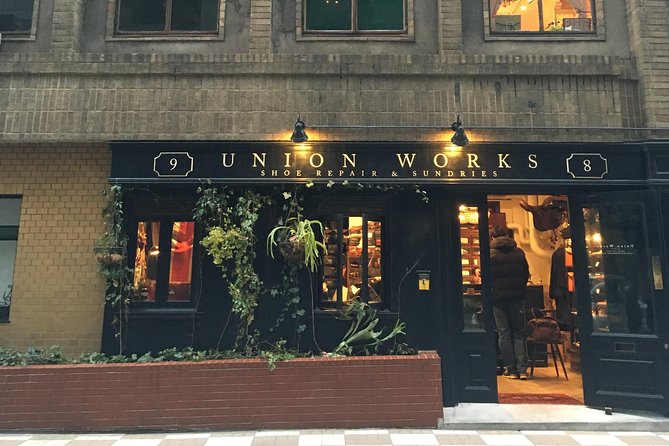
The core inclusions are a local licensed tour guide plus a cozy pause with drinks along the way. That drink break is not a throwaway line. During a 3.5 hour walk, energy dips, feet get tired, and questions start stacking up. A scheduled pause helps you keep the experience enjoyable instead of exhausting.
Also, many stops list admission tickets as free. In practical terms, that means you spend less time figuring out ticket desks and more time focusing on what you came to see.
Not included is hotel pickup and drop-off, so you will be planning your own arrival to the Tsukiji meeting point and your own departure from Ginza at the end.
Price and Value for a Private 3.5-Hour Ginza Plan
At $132.10 per person for a tour of about 3 hours 30 minutes, the price is not cheap, but it also is not random pricing for Tokyo. The value comes from three things that matter on the ground.
First, it is a private tour for up to 5 people. If you are traveling as a couple or with a small group, your cost per person can feel more reasonable than per-person group tours.
Second, the guide is meant to personalize the walk. That is where you get your money’s worth if you care about architecture beyond surface-level photos. If you want to understand how design choices reflect Tokyo’s culture, this format is the kind that can actually change how you see buildings after the walk.
Third, the itinerary combines interiors and outside views with free admissions and a drink break. That reduces “friction time,” and less friction means you absorb more.
If you are hoping for a super casual stroll with minimal explanations, you might feel the price is more than you need. But if you are serious about architecture and want context, this is the kind of outing that can improve your whole Tokyo trip.
Practical Tips to Make This Walk Feel Easy
- Wear comfortable shoes. It is a walking tour with multiple indoor stops, and you do not want sore feet stealing attention from the details.
- Bring a couple of questions. If you have even one theme, like modern vs traditional design or how retail shapes public space, ask it early. The private format is built for that.
- Use the time to look up. Several guides get praised for steering guests to notice what most people miss, especially in Ginza.
- Plan for a short attention reset. Temple, theater, and retail interiors each change your mood. Use that to compare styles instead of rushing through.
- Have a snack backup. Drinks are included, but you might still want to eat after, since the tour ends late enough to feel snacky, especially if you started the day hungry.
Who This Tour Fits Best
This works really well if you fall into one of these buckets:
- You want a guided architecture walk that mixes culture and design, not just skyscrapers.
- You like small-group experiences where you can ask questions and get specific answers.
- You are visiting Ginza for the first time, or you have been before but want a more structured way to understand the area.
It might be less ideal if you dislike walking, or if you are only interested in exterior skyline photos. The route includes multiple interiors, so there is some “in-building time” rather than nonstop street photography.
Should You Book This Ginza Architecture Tour?
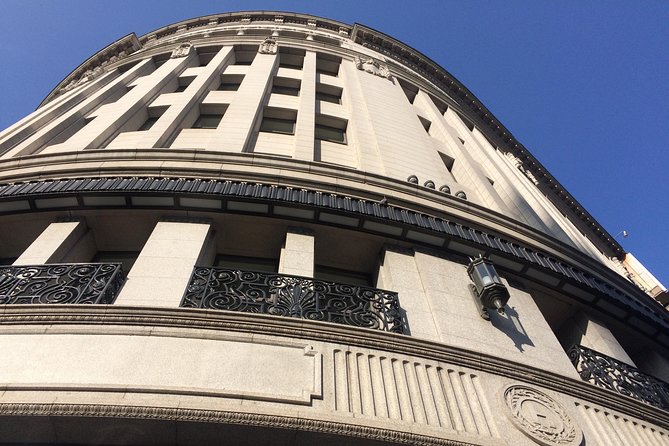
I think you should book it if you want Ginza to feel like a story you can read with your eyes. The combination of private pacing, English explanations, and a route that includes temples, theater, and multiple branded architectural spaces makes it more than a casual walk.
Skip it if your idea of an architecture tour is mainly big outdoor landmarks, or if you want to move fast with minimal guidance. Also, if your English needs extremely detailed architectural explanations every stop, keep in mind that a small number of past groups felt they wanted more depth at the standout buildings.
If you like guided context and you want your time in Ginza to translate into lasting understanding, this is a strong choice.
Latest write-ups near Tokyo
- Tokyo Nights: Shibuya Photo Adventure★ 5.0 · 20 reviews
- Wagyu & Sake 8 Course Tasting Dinner in Shinjuku★ 4.9 · 20 reviews
- Making Japanese desserts Nerikiri & drinking matcha in Tokyo★ 5.0 · 20 reviews
- Mt. Fuji 5th Station, Owakudani Ropeway, Pirate Ship plus Outlet shopping!★ 4.5 · 20 reviews
- Japanese Whisky Hunting《HIGH-QUALITY-ONLY》Rare Tasting Class★ 5.0 · 20 reviews
- Kintsugi Experience with Arita Ware in Tokyo (English Guide)★ 4.8 · 20 reviews
- This is Asakusa! A Tour Includes the All Must-Sees!★ 5.0 · 20 reviews
- Tokyo: Karate Experience with Former All-Japan Champion★ 5.0 · 20 reviews
Walking Tours, compared.
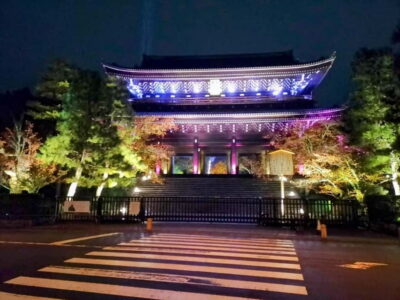
Kyoto Geisha Walking Tour: Gion District & Hidden Gems
Read our review →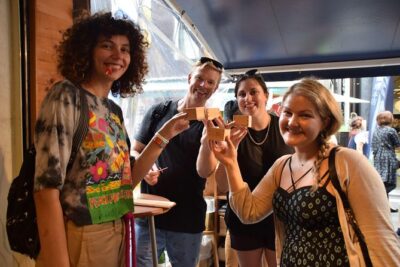
Tokyo Tsukiji Fish Market Food and Culture Walking Tour
Read our review →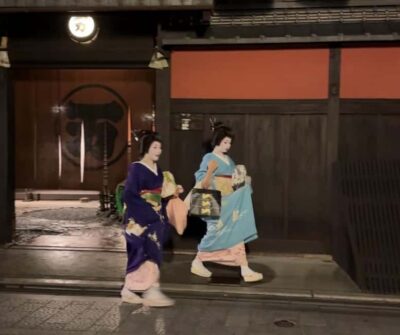
Gion Magical Night Walking Tour with Geisha Trivia
Read our review →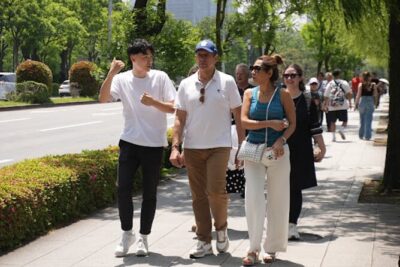
Imperial Palace and Shogun Historical Walking Tour
Read our review →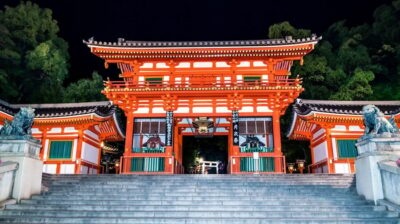
Gion Geisha District Walking Tour – Stories of Geisha
Read our review →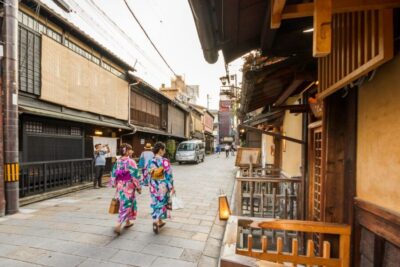
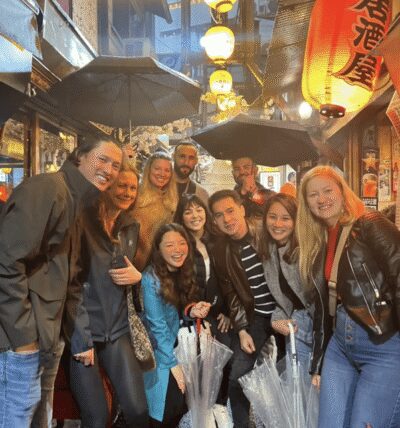
Shinjuku Local Bar and Izakaya Guided Walking Tour
Read our review →
Browse the lists this tour appears in