
Reviewed · HISTORICAL TOURS
Osaka: Kyoto & Nara & Uji Historical and Scenic One-Day Tour
This Osaka, Kyoto, Nara, and Uji day tour is interesting because it stitches together several top cultural hits in one long day, using a guided route to keep the story clear. I love the Nara deer encounter and the chance to walk the Fushimi Inari thousand torii corridor without guessing what matters. The main drawback is timing, you will spend a real chunk of the day on the road between cities.
What makes it work is the guide. The tour is led in English (and also Chinese), and the explanations can be funny and vivid, like the guide Mia who was praised for being knowledgeable and for sharing local shopping tips. Just don’t plan on a slow, do-everything day. You need comfortable shoes and a willingness to move at a steady pace.
Key Highlights You Will Feel Fast
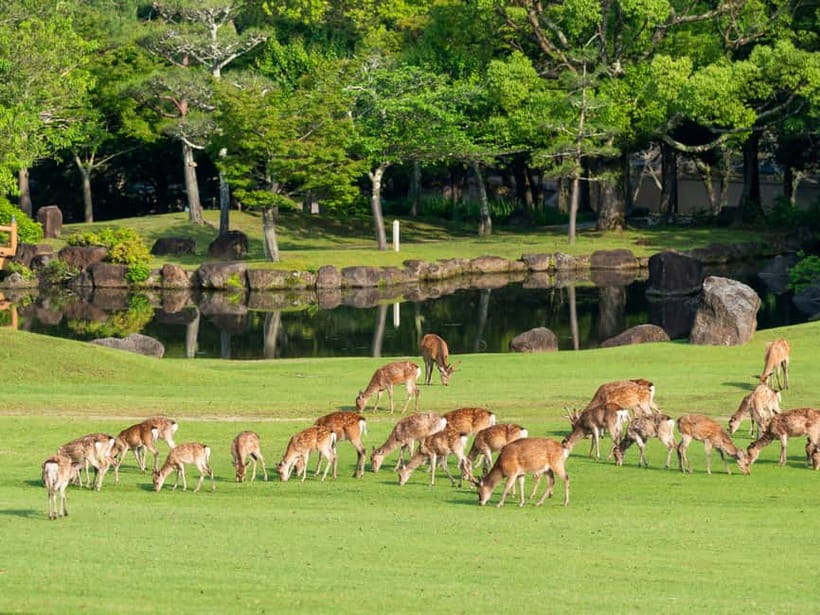
- Nara Park deer time: Feed and photograph the famous local deer, with the guide telling you exactly how to do it safely.
- Todaiji’s Great Buddha setting: See the huge bronze Vairocana Buddha inside a World Cultural Heritage temple.
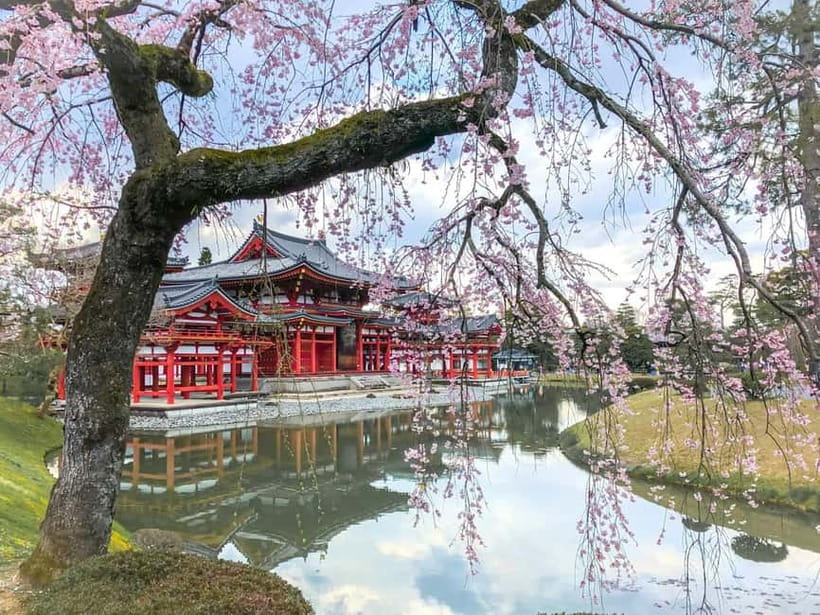
- Uji matcha stop: Stroll the Uji River area and enjoy matcha treats around the Byodo-in neighborhood.
- Byodoin Temple calm: Visit a famous temple complex known for its quiet, solemn atmosphere.
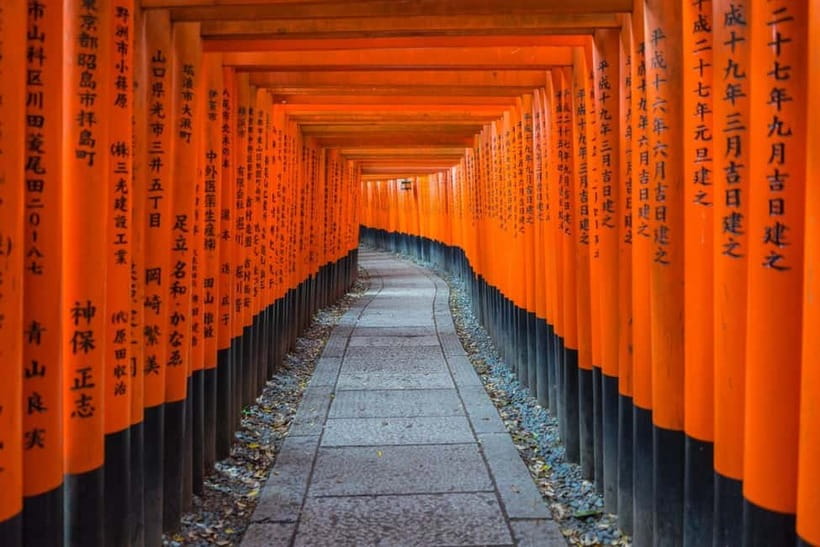
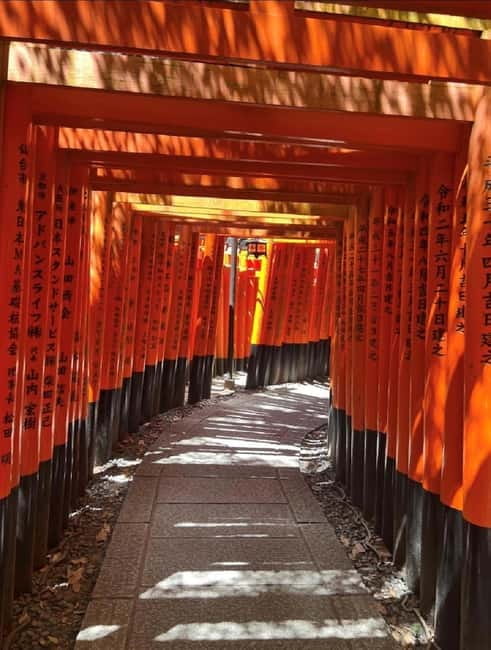
- Fushimi Inari photo-walk: Red torii gates in a long corridor, with about 70 minutes for photos and exploration.
- Guided, air-conditioned touring: Round-trip transportation plus toll, parking, and fuel covered, so you just show up and go.
The Big Idea: Four Iconic Places, One Guided Day
This is a classic Kansai sampler, built for people who want the headline sights but do not want to spend their day planning transfers. You start in the Osaka area, then your route moves into Nara, down to Uji, and ends with Kyoto’s most famous shrine walk, Fushimi Inari Taisha.
The value is not only the “four places in one day” part. It’s the way the guide helps you connect the dots. At stops like Todaiji and Fushimi Inari, there are layers of meaning, and a guide can point out what to notice so your time does not feel like you are just rushing through photo stops.
The trade-off is that it’s a long day, listed at 8 to 10 hours. Even with efficient transport, there is no way around road time. If you want slow wandering, this will feel a bit structured.
More Historical Tours in Osaka
- Osaka: Castle History Walking Tour / Castle Tower Admission
★ 4.9 · 230 reviews - Osaka: Osaka Castle & Historical Museum Guided Tour
★ 4.8 · 28 reviews - Osaka Castle & Samurai History Walking Tour
★ 5.0 · 22 reviews
Nara Park: Deer City, Snack Time, and Etiquette That Matters
Your first major stop is Nara Park, with about 45 minutes of free time for sightseeing. This is where the tour delivers instant atmosphere. You walk into a park where deer are used to people, and you can get close enough for photos that look almost too cute to be real.
The key is that these are wild animals, and the tour’s instructions are not optional. The guide will tell you how to feed them safely and responsibly. You should follow that closely. If you flinch, reach without care, or try to do your own method, you will make it harder for everyone.
Practical advice:
- Bring your snack method from the guide, not from memory. Deer behavior can vary.
- Keep an eye on your personal space. The deer approach confidently.
- If you have animal allergies, this tour is not suitable for you.
Also, plan your photos early. When you get comfortable, you will see how many deer are around, and you will want a few angles before the group moves on.
Tōdai-ji in Half an Hour: The Great Buddha You Cannot Ignore
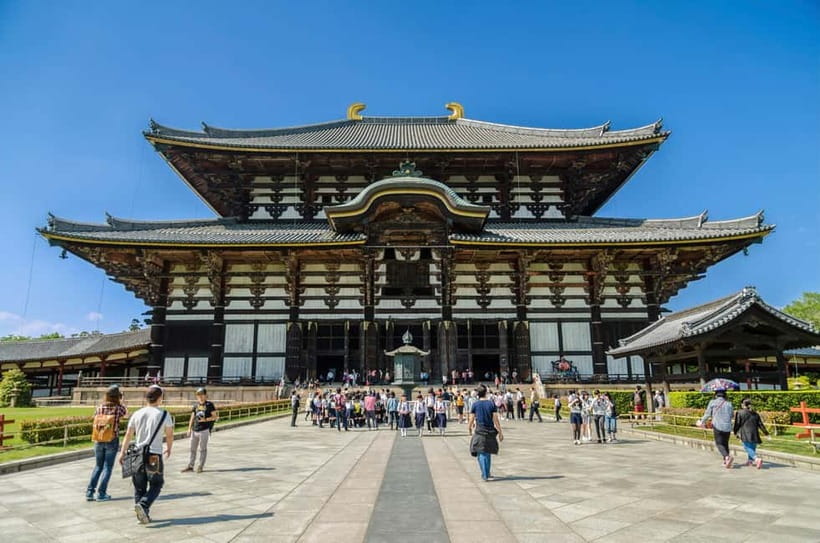
Next up is Tōdai-ji, one of Japan’s World Cultural Heritage sites, with about 30 minutes for sightseeing. In practical terms, this stop is short. In emotional terms, it can feel long, because Todaiji’s main attraction is the kind of monument that changes the way you look around.
The centerpiece is the iconic bronze Vairocana Buddha. Even if you have seen photos, seeing it in person does something different. The scale is hard to describe, and the temple setting adds weight to the moment.
What I like about this stop on a tour is that you are not left alone with a map. You get directed attention, so you can get the essentials without spending your time figuring out where to look first.
The consideration:
- 30 minutes is enough to see the main attraction and get your bearings, but not enough for a slow, contemplative visit.
- If you want to linger for details, you will need to accept that you will not have time for everything.
Uji: Matcha Culture, River Walks, and a More Relaxed Tempo
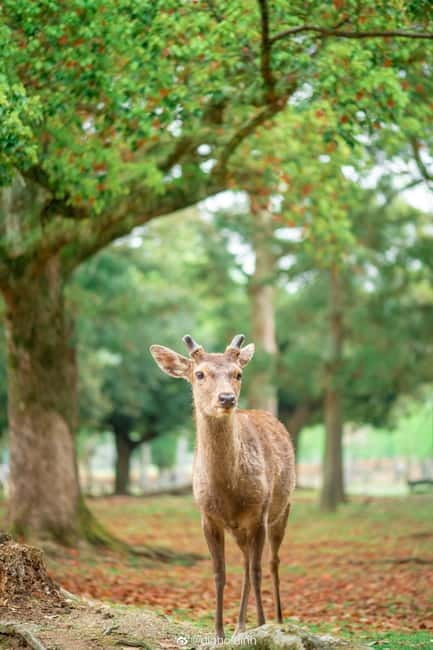
Then you shift from Nara’s deer energy into Uji, with around 2 hours of sightseeing. Uji is known as the source of matcha, and the tour leans into that theme in a practical way: river scenery, a famous temple visit, and time to eat and browse in the surrounding areas.
You will also have stops that support the matcha vibe:
- A stroll by the Uji River
- A sightseeing stop at the Statue of Murasaki Shikibu
- Time around Byodoin Temple and the nearby street areas
Why this matters on a one-day tour is simple. You are not just sprinting from one landmark to the next. Uji gives you a different rhythm. Even the breaks feel more like a cultural pause than a rushed stop.
A change of pace from Osaka:
- Osaka Go Karting Tour with Funny Costume
★ 5.0 · 2,658 reviews - Osaka Castle: Museum and Tower Entry Ticket
★ 4.5 · 2,380 reviews - Osaka: Shinsekai Food Tour with 13-15 Dishes at 5 Eateries
★ 4.8 · 2,204 reviews - Osaka Food Tour: 13 Dishes at 5 Local Eateries
★ 5.0 · 2,149 reviews
Taste matcha, but plan your timing
Uji is specifically described as having matcha food options around the Byodo-in area, including a matcha food street where you can taste matcha desserts. Meals and beverages are not included on the tour, so you will be buying what you want.
My advice: pick one “main” matcha treat and keep room for a second smaller bite. Uji food options can tempt you into overspending if you are hungry and just want to try everything.
Byodoin Temple: Tranquil, Solemn, and Worth the Photo Delay
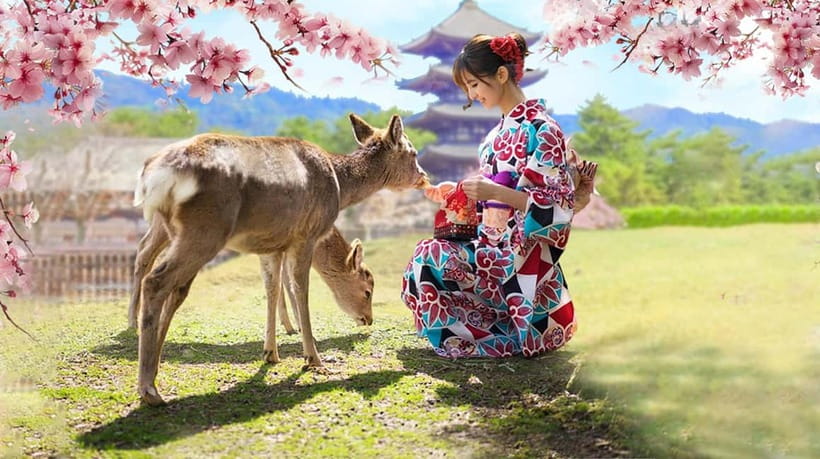
Inside the Uji block, you visit Byodoin Temple with sightseeing time included. The tone here is different from the busy photo magnets earlier in the day. The experience is described as tranquil and solemn, and that fits the feel of the place.
Byodoin is famous for its temple atmosphere and its classic beauty, and this is the one stop where you should let your pace slow down for a few minutes. Even in a tour schedule, this is usually the moment where people stop moving and actually look.
If you want practical value from this visit:
- Treat it like a small reset. Put your phone away for a minute, then take photos after you’ve looked.
- If the light is changing, you will see why people photograph this area so often.
One note that affects planning: admission to Byodoin Temple is not included, so expect to pay entry on your own.
Murasaki Shikibu and Uji Park: A Quick Cultural Breather
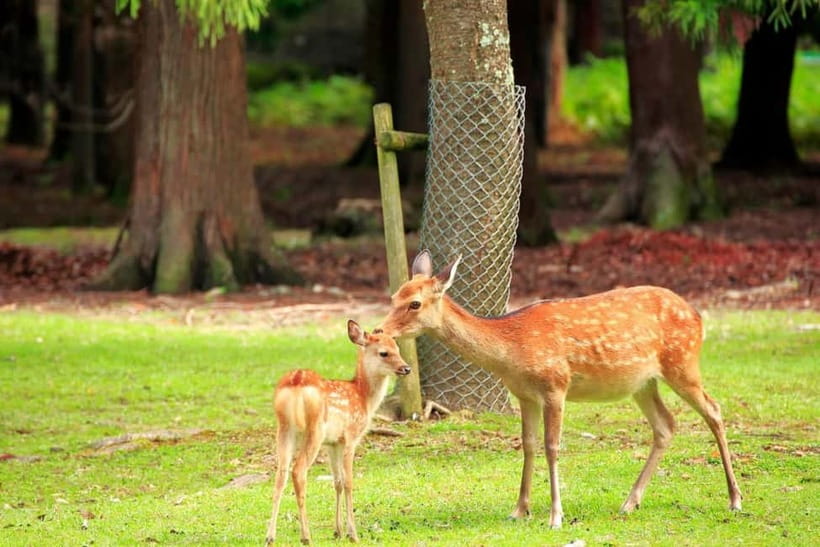
Your itinerary also includes a sightseeing stop at the Statue of Murasaki Shikibu and a stop at Kyoto Prefectural Uji Park.
These stops are shorter and more of a palate cleanser. They help break up the longer temple-and-shrine blocks into a more human-feeling day. You get a moment of open air, some scenery, and a chance to shake out your legs before the final big leg of the tour.
I like these kind of stops on a one-day itinerary because they prevent the day from becoming nonstop architecture and crowds.
Fushimi Inari Taisha: Red Torii Gates and a 70-Minute Walking Window
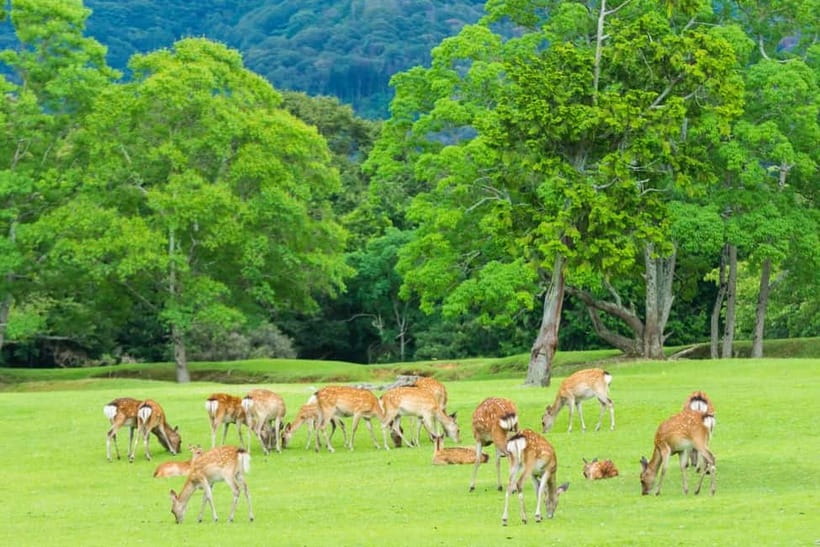
The final major highlight is Fushimi Inari Taisha, with a break time, photo stop, free time, and sightseeing, plus about 70 minutes for the walk. This is the part of the day people remember, because the place is so visually distinctive you feel like you walked into a storybook shrine setting.
The tour focuses on the red torii gates and the “thousand torii corridor” atmosphere. When sunlight hits through gaps between gates, it creates that signature look and feel people chase when they come to Kyoto.
How to make your 70 minutes feel worth it:
- Start by walking a bit first, then stop for your main photos.
- Keep your energy for the middle stretch, where the corridor effect feels strongest.
- Wear shoes that handle uneven ground, because you will be walking.
Also, plan your movement. This is not a place where you should sprint. If you try to power-walk for photos, you will miss the rhythm of the climb and corridor views.
Transportation and Timing: The One-Day Trade-Off Is Real
This tour is built around a single-day route that crosses multiple cities. Even with an air-conditioned vehicle and included tolls, parking fees, and fuel fees, you still feel the reality of travel time.
That is why one review mentioned feeling that there was too much road and not enough time at attractions. I think that’s the correct expectation to set. You are buying convenience and guidance more than you are buying deep, slow study.
What you can do:
- Decide in advance which stop you want to spend time “on,” and which ones you just want to experience.
- Keep your essentials ready. Water and comfortable shoes are a must.
- If you arrive hungry, grab a snack early so you are not rushing food later.
The good news is the schedule is structured. You are not trying to navigate public transit between places. You are also not losing time to confusion about where to go next.
Price and Value: What the $56 Covers and What It Does Not
At $56 per person, the price is fairly positioned for a guided, multi-city day. Here is what is included:
- English-speaking tour guide (live guide, also Chinese)
- Round-trip transportation by air-conditioned vehicle
- Toll fees, parking fees, and fuel fees
Here is what is not included:
- Admission to Todaiji-ji and Byodoin Temple
- Meals and beverages
- Other personal expenses
So the money you are paying is mostly for transport and interpretation. That can be a great deal if you value not getting lost, not researching routes, and getting help understanding what you’re seeing.
If you prefer DIY travel, you might find cheaper options. But you would be trading away the guided timing that helps you hit the key sights in one day.
Who Should Book This Tour, and Who Should Skip It
This tour suits you if:
- You want major Kansai highlights in one day without doing train transfers.
- You like guided storytelling, especially at Todaiji and Fushimi Inari.
- You are comfortable with moderate walking and a paced schedule.
Skip it if:
- You use a wheelchair. The tour notes it is not suitable for wheelchair users.
- You have animal allergies, since the deer encounter is a core part of the experience.
- You have very limited stamina for a long day with travel time between cities.
Also note that pregnant guests and guests aged 70 and above are asked to sign a travel waiver upon arrival. And no smoking is allowed.
A Few Booking Tips So You Enjoy the Day More
A couple of small things make a big difference on a tour like this.
- Show up early. You are asked to arrive at the meeting point 15 minutes before departure. If pickup is provided, wait in the hotel lobby about 10 minutes early so you board quickly.
- Bring water and comfortable walking shoes. The itinerary includes multiple stops and walking time at Fushimi Inari.
- Be ready for weather shifts. The itinerary may vary due to weather and traffic, so stay flexible.
If you are traveling with infants, strollers, or large luggage, you should indicate it when booking so transportation can be arranged properly.
Should You Book This Osaka Kyoto Nara Uji Day Tour?
If your goal is a focused one-day highlight reel, this tour is a strong choice. The combination of Nara deer, Todaiji’s Great Buddha, Uji matcha culture, and Fushimi Inari’s torii gates gives you the kind of “wow” coverage that is hard to coordinate on your own in a single day.
But book with eyes open. It is not a slow cultural retreat. It’s a long day with road time, moderate walking, and ticket costs you pay separately for Todaiji and Byodoin.
My rule of thumb: if you want convenience plus a guide to keep you oriented, you’ll probably feel happy with this. If you want deep time at each place, you’ll likely wish the schedule gave you more breathing room.
FAQ
How long is the Osaka to Kyoto, Nara, and Uji one-day tour?
The duration is listed as 8 to 10 hours.
What is included in the price?
The tour includes an English-speaking tour guide, round-trip transportation by air-conditioned vehicle, and toll fees, parking fees, and fuel fees.
Is admission included for Todaiji Temple and Byodoin Temple?
No. Admission to Todaiji Temple and Byodoin Temple is not included, so you will pay entry fees separately.
Are meals and drinks included?
No. Meals and beverages are not included.
How much walking should I expect?
There will be a moderate amount of walking, including a walk segment at Fushimi Inari Taisha (about 70 minutes).
Can I feed the deer in Nara Park?
The tour includes a deer encounter in Nara Park. Deer are wild animals, so you must follow the guide’s instructions when feeding them.
What languages are the live guides?
The live tour guide is available in Chinese and English.
Where does pickup and drop-off happen?
The starting point can vary depending on the option you book. Drop-off includes multiple locations such as Chuo Ward, Kita Ward, Fukushima Ward, Nishi Ward, Nishinari Ward, Naniwa Ward, and Kyoto Station Hachijo Entrance Square Sunken Garden.
What is the cancellation policy?
Free cancellation is available up to 24 hours in advance for a full refund.
Latest write-ups near Osaka
- Osaka Private Tour with Government-Licensed Guide★ 4.8 · 20 reviews
- Guided Photography Tour in Osaka: Capturing Memories★ 4.5 · 20 reviews
- Osaka: Food Tour at Night with Tastings★ 4.9 · 20 reviews
- Kansai/KIX Airport to or from Osaka/Kyoto Private Transfer★ 5.0 · 20 reviews
- Osaka: City Highlights Bike Tour★ 4.7 · 20 reviews
- From Osaka/Kyoto: Amanohashidate Day Tour【Including tickets】★ 3.7 · 20 reviews
- Osaka Okonomiyaki Cooking Class “Learn here and make it at home”★ 5.0 · 20 reviews
- Volleyball in Osaka & Kyoto with Locals!★ 5.0 · 21 reviews
Historical Tours, compared.
World Heritage Shirakawa-go and Experience Tours from Kanazawa
Read our review →
Imperial Palace and Shogun Historical Walking Tour
Read our review →
World Heritage Kyoto & Nara Uji Authentic Matcha Experience
Read our review →
Kyoto Gion: 2-Hour Geisha Culture & History Walking Tour
Read our review →
World Heritage Shirakawa-go Morning Guided Tour
Read our review →
Hiroshima Peace (Heiwa) Walking Tour at World Heritage Sites
Read our review →
Yanaka Walking Tour: Historic and Traditional District of Tokyo
Read our review →Browse the lists this tour appears in