
Reviewed · HISTORICAL TOURS
Kyoto: Historic Higashiyama Walking Tour
Higashiyama is where Kyoto slows down, and this half-day walk is a smart way to see the highlights without getting lost in the maze. I like that the route starts at Fushimi Inari Taisha and ends at Kiyomizudera, so you’re always moving toward the next iconic view. It’s also one of the better value formats because you get guidance plus paid entry where it matters.
What I really like is how the guide turns famous stops into specific moments. You’ll follow the vermilion torii path at Fushimi Inari with an eye for meaning, then learn what makes Gion such a distinctive part of Kyoto’s living culture. I also like that the tour builds in quiet time at Kōdaiji Temple (with admission included) and then hits the big payoff at Kiyomizudera with the Otowa Waterfall ritual.
One consideration: it’s a walking tour with some uphill, and it’s not suitable for people with mobility impairments. If you’re sensitive to hills, plan to take breaks when the guide offers them, and bring comfortable shoes because you’ll be on your feet for about four hours.
Key things you’ll notice on this Kyoto Higashiyama walk
- A small group (up to 10) makes it easier to hear stories and keep a comfortable pace.
- Fushimi Inari with the guide at your side helps you understand what you’re seeing on the torii path.
- Gion storytelling time gives context for an area people often visit only for photos.
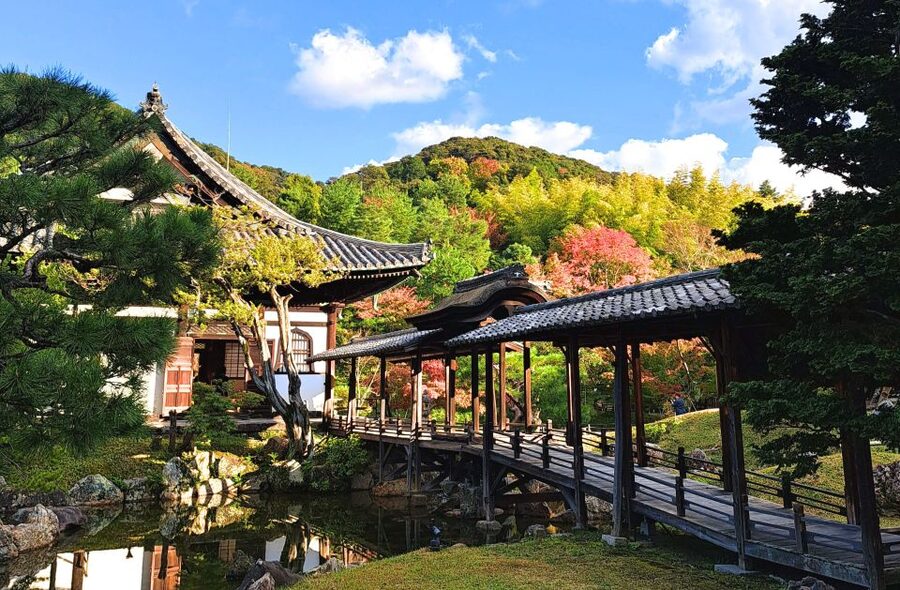
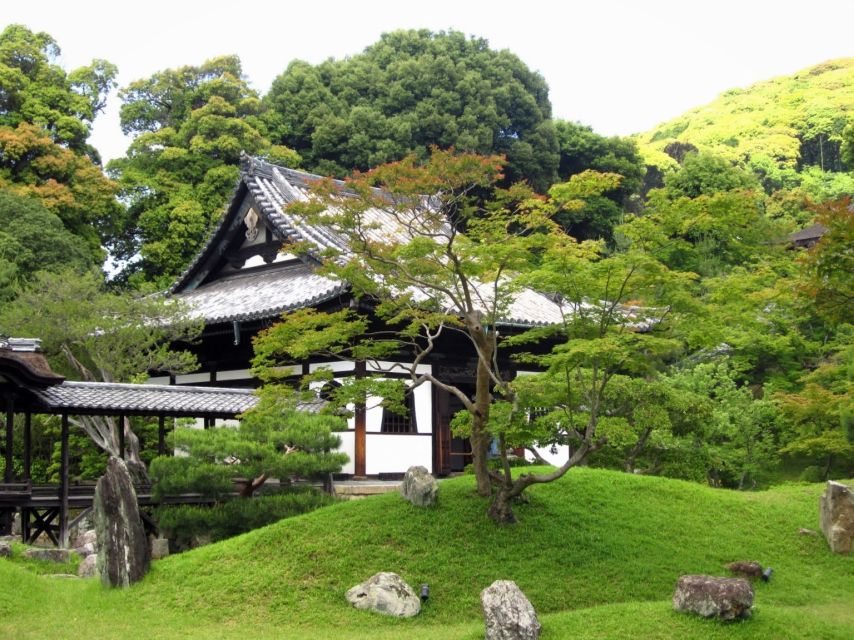
- Kōdaiji Temple includes admission and focuses on gardens and a bamboo grove feel.
- Kiyomizudera includes admission and finishes with the Otowa Waterfall and the viewpoint.
- Train included from Fushimi Inari to Gion so you spend more time walking where it counts.
Why This Higashiyama Route Works So Well For First Timers
This tour is built for people who want Kyoto’s most recognizable Higashiyama scenes in one efficient circuit, without having to plan every transfer and entrance. Higashiyama means East Mountain, and the walking route sits at the foothills of the eastern border of central Kyoto, so the views come with natural elevation changes.
I like the pacing because you get a mix of big-name landmarks and the smaller streets that give the district its charm. You’ll also have built-in guidance at the spots where it’s easiest to waste time trying to figure out what matters. The overall vibe is calm and story-led, not a rushed checklist.
The other practical win is what’s included. Admission tickets for Kōdaiji and Kiyomizudera are part of the price, and there’s a train ticket from Fushimi Inari to Gion. That means you’re not doing last-minute math or double-paying at the door while you’re already tired from walking.
More Historical Tours in Kyoto
- Kyoto Gion: 2-Hour Geisha Culture & History Walking Tour
★ 5.0 · 1,186 reviews - Kyoto Gion Historical Walking Tour
★ 5.0 · 188 reviews - Historical Kyoto E-Bike Tour
★ 5.0 · 181 reviews
Starting At Inari Station: The Easy Way To Get Your Bearings
The meeting point is just outside the fare gates of JR Inari Station, near the entrance area (the tour starts where you can spot Inari Station right away). If you’re coming from another part of Kyoto, you can also use the Keihan line and walk a few minutes to the JR station.
This matters because it sets you up for the first stop smoothly. Fushimi Inari Taisha is where the tour begins, and having a clear starting point reduces that common early-day headache. You also avoid the “where do we meet” chaos that can derail the first hour.
Bring comfortable shoes and plan for some uphill walking. There’s no need for trekking gear, but this is still Kyoto walking, which adds up quickly when you’re visiting temples and hillside streets.
Fushimi Inari Taisha And The Senbontorii Path With A Guide
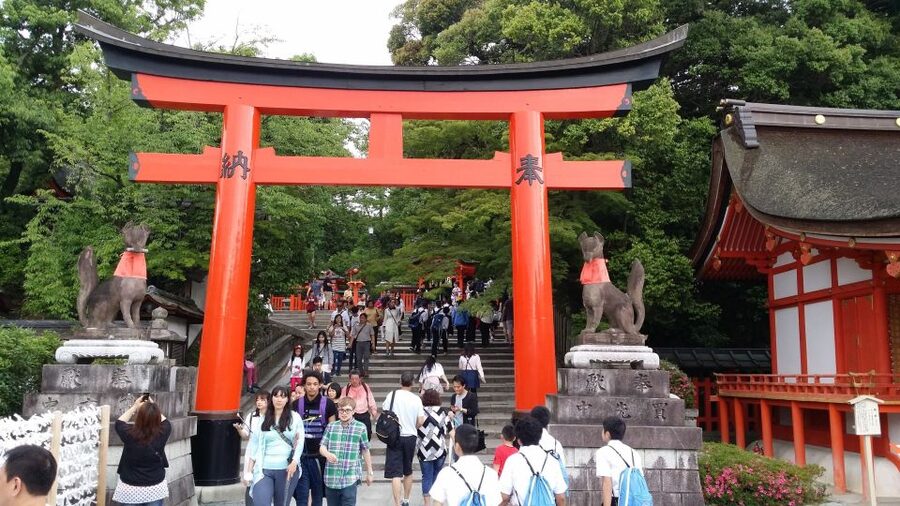
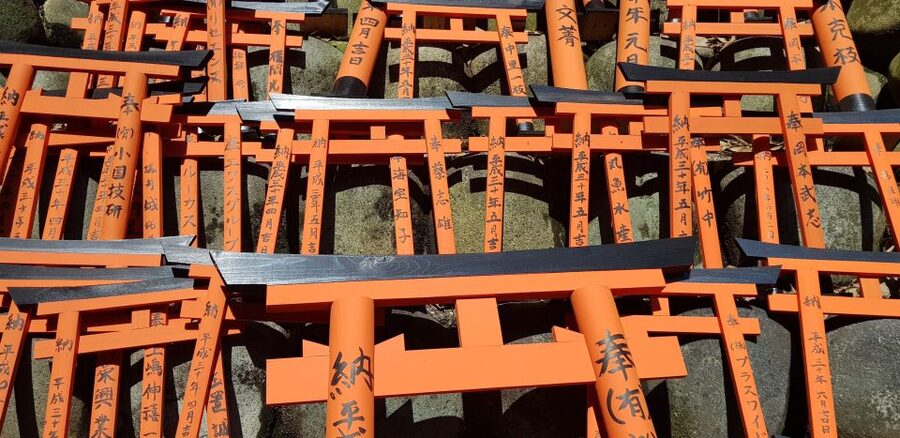
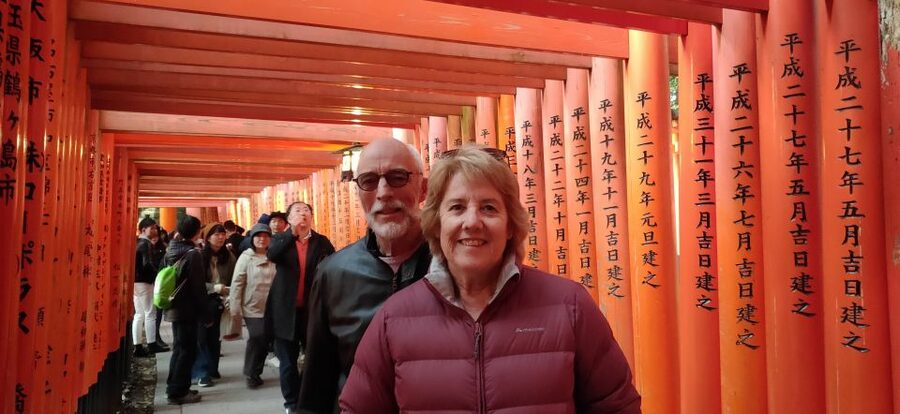
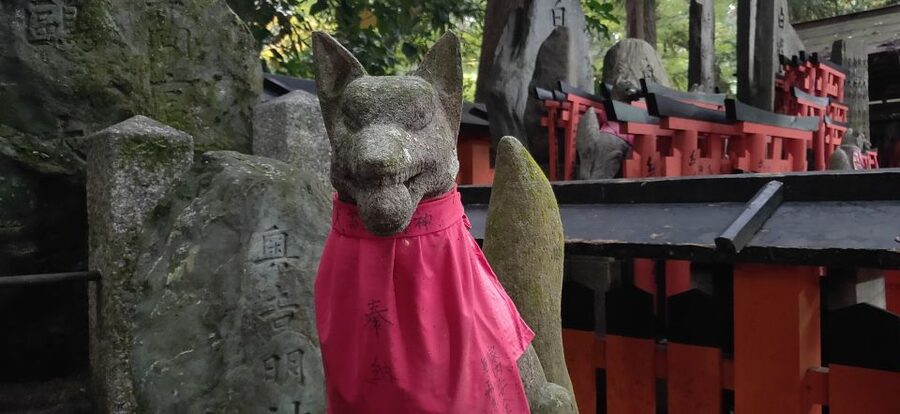
The day kicks off at Fushimi Inari Taisha, a Shinto shrine in the southern part of the Higashiyama mountain range. You’ll spend about an hour here with a guided visit, and you’ll head through the mystical vermilion torii gates that snake up the hillside.
What’s valuable about going with a guide is not just the name recognition. You get a clearer sense of what you’re looking at, including the shrine’s role in Shinto history and culture. It’s one thing to walk under torii gates. It’s another thing to understand why that pathway exists and what it represents.
You also have a chance to make the most of the scenery for photos. The torii-lined lanes can get crowded, so guidance helps you find better angles and keep your bearings as you move between major stretches of the shrine area. And because it’s a torii climb, your legs get warmed up for the rest of the route.
Practical tip: this is where you want to start slow. Torii paths are repetitive visually, so you’ll enjoy it more if you take short pauses to read details and let the guide explain what you’re passing.
Gion In 30 Minutes: Stories In A Living Kyoto District
After Fushimi Inari, the tour includes a short train ride to Gion. That transfer saves time and keeps the walk focused on what’s actually essential in Higashiyama.
Once you arrive, you get about 30 minutes in Gion with the guide. Gion is famous for geisha and traditional entertainment culture, and the cool thing here is that it remains part of Kyoto’s modern-day life, not just a museum district. The guide’s job is to turn the neighborhood layout into context, so you understand why people come, what they’re seeing, and how the area fits into the city.
Even in a short stop, the goal is to help you notice the textures of the place, not just snap photos and move on. A good guide will also point out smaller streets and details you might miss on your own. Some guides also share practical pointers for what to do next in Kyoto, including useful eating suggestions.
Time check: thirty minutes sounds quick, but for most visitors it’s enough to absorb Gion’s mood and then move on to the calmer temple portion of the tour.
More Walking Tours in Kyoto
- Kyoto Geisha Walking Tour: Gion District & Hidden Gems
★ 4.7 · 3,273 reviews - Kyoto: Gion Magical Night Walking Tour with Geisha Trivia
★ 4.9 · 2,393 reviews - Kyoto: Gion Geisha District Walking Tour – Stories of Geisha
★ 4.7 · 2,187 reviews - Night Walk in Gion: Kyoto’s Geisha District
★ 4.5 · 2,003 reviews
Kōdaiji Temple’s Gardens And Bamboo Grove Quiet
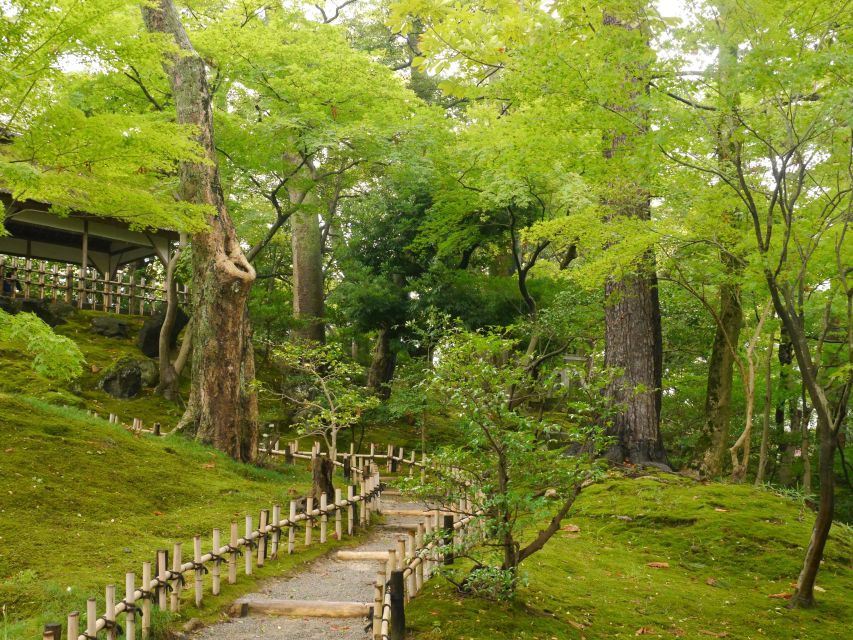
Next up is Kōdaiji Temple, with about 40 minutes on site and admission included. This is one of those stops where the pace changes. Instead of torii gates and city streets, you get the sense of a space designed for reflection.
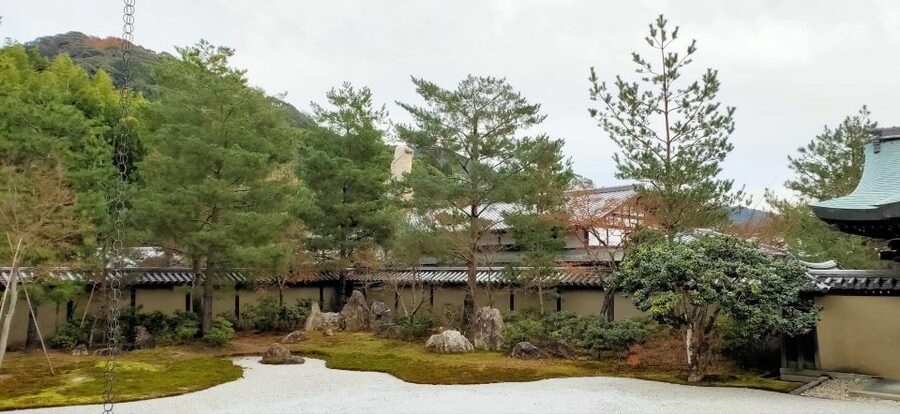
Kōdaiji has a complex that dates back to the early 17th century, and you’ll feel that historical layering when you walk through the grounds. The highlight here is the serenity of the gardens and the bamboo grove atmosphere, which is exactly the kind of contrast you want after Gion’s entertainment-quarter energy.
What I like about having a temple guide at this stage is the way it changes how you look at greenery and pathways. You stop treating it like a backdrop and start reading it as a designed experience. That also makes the stop feel more meaningful even if you’re not the type who reads every sign.
Practical tip: Kōdaiji is also a good moment to regroup, use the restroom if you need it, and check your energy before the final climb toward Kiyomizudera.
Sannenzaka Backstreets To Kiyomizudera’s Viewpoint
From Kōdaiji, the route shifts into the classic Higashiyama feel, with time to explore Sannenzaka and other backstreets. This is the part of the day where you’ll have a chance for snacks or souvenirs along the street rows, if that’s your style.
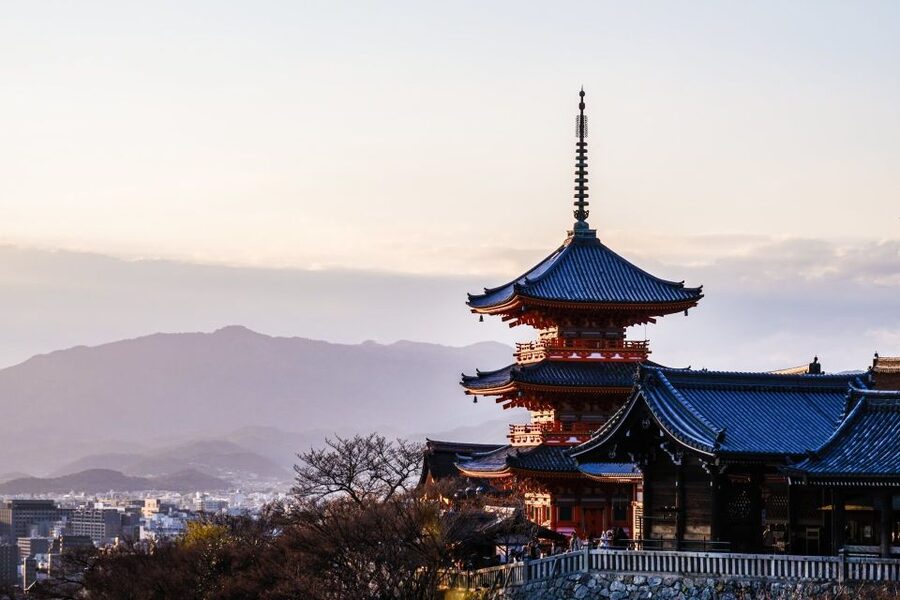
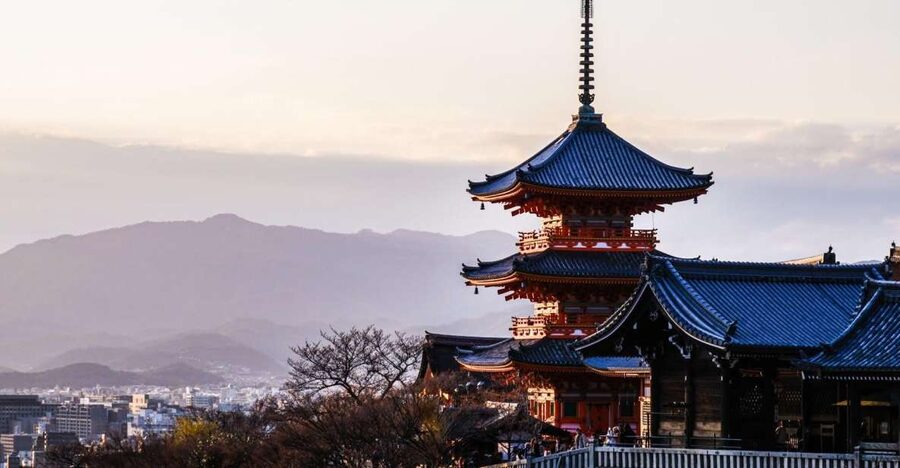
Then you walk your way up toward Kiyomizudera, spending about 30 minutes at the temple. Kiyomizudera is famous for its clear, pure water flowing from the mountains into the Otowa Waterfall. You’ll also get the ritual context around the waterfall: the three divided streams are said to bring health, wealth, or happiness.
The guide also covers the warning that comes with the ritual, specifically that if someone is greedy, none of the wishes are said to come true. It’s a small story detail, but it’s the kind that turns a tourist stop into a cultural moment you’ll remember.
And yes, there’s the payoff view. Once you’re at the temple, you get a spectacular look over Kyoto. Even if you’ve seen Kyoto from viewpoints before, this area’s elevation and temple framing make it feel special.
Important note on timing: the tour ends after you tour Kiyomizudera together, and you’re free to keep exploring on your own. That’s a good design because after temples, you usually want flexibility. Maybe you want a slow wander back down Sannenzaka, or maybe you want more time taking in the views.
Price And Value: What You’re Really Paying For
At $106 per person for a 4-hour small-group walk, you’re paying for three things that add up quickly on a Kyoto day: guided time, entry fees, and one transit cost. Admission for Kōdaiji and Kiyomizudera is included, and the train ticket from Fushimi Inari to Gion is included.
If you tried to DIY this route, your costs would likely split across multiple tickets plus guide services or time spent figuring out what to prioritize. You’d also spend extra energy deciding where to go next, especially when you’re moving between Fushimi Inari, Gion, and the hillside climb to Kiyomizudera.
The small group size (limited to 10 participants) is part of the value too. With fewer people, you tend to get better listening conditions, easier movement through tighter areas, and a more adaptable pace if weather or energy levels change.
Is it cheap? No. But it’s a fair price for a route that covers the top Higashiyama hits plus the kind of context that helps the landmarks make sense.
What The Guide Adds: Adaptation, Off-Path Details, And Kid-Friendly Energy
The most praised aspect across guide experiences is how the guide handles the human side of touring. I love tours where the guide doesn’t just recite facts, but adapts to the day.
In these guides’ reported styles, you can expect things like:
- meeting passengers who are delayed and adjusting smoothly
- sharing deeper Japanese history and customs, not only basic temple labels
- pointing out smaller shrines that are slightly off the main flow
- adapting the route when it’s hot or humid, especially if someone is tired from hills
- engaging younger visitors with stories, wishes, and traditional rituals
You also sometimes get practical extras, like links or suggestions for places to eat. That can be a real help after the formal tour ends, when you’re hungry and want the next step without another research session.
This is why I’d choose a guided format for Higashiyama. The area looks straightforward on a map, but it’s easier to waste time than people think. A good guide helps you spend your energy on experiences, not navigation.
Logistics That Matter: Shoes, Bags, Heat, And Uphill Reality
This is a walking tour, and the tour info is honest about one thing: there’s some uphill walking, but nothing exceptionally steep. Still, you should treat it as active. Comfortable shoes are non-negotiable, especially because you’ll be on temple steps, street slopes, and hillside paths.
There’s also a rule about luggage: no luggage or large bags. Plan to travel light. If you’re carrying a small daypack, that’s usually fine, but keep it compact so you can move comfortably and not clog narrow paths.
Finally, the tour includes a bit of train travel between areas. Having that included means you do not have to calculate transit on the fly in the middle of a busy day.
Who This Tour Is Best For (And Who Should Skip It)
This tour is best for you if you:
- want a curated Higashiyama highlight route in one half-day
- like learning the meaning behind shrines and temple rituals, not just taking photos
- prefer small group pacing over big bus tours
- enjoy a mix of major sights (Fushimi Inari, Gion, Kiyomizudera) and quieter moments (Kōdaiji gardens)
It’s less ideal if you have mobility limitations. The tour is not suitable for people with mobility impairments, and it includes uphill walking. It also may not suit you if you need lots of seated time, because temple areas and hillside streets tend to keep you on your feet.
Language-wise, the live guide is offered in French, Hebrew, Spanish, and English, so you can pick the option that feels best for you.
Should You Book This Kyoto Higashiyama Walking Tour?
Yes, I think you should book it if you want the classic Higashiyama set of sights covered in a sensible order, with entry tickets already handled and a guide to explain what you’re seeing. It’s also a good choice if you value small-group touring and want a route that helps you avoid the common “we walked everywhere and still felt lost” feeling.
Skip it if uphill walking is a problem for you, or if you prefer a fully self-paced day with zero structure. You’ll have better options if you want to linger for hours at one site, because this route is designed to move through four major areas within four hours.
If you’re planning just one Higashiyama experience, this one is a strong pick: it pairs Fushimi Inari’s torii experience with Kōdaiji’s quiet gardens and ends at Kiyomizudera where the Otowa Waterfall ritual and the Kyoto viewpoint are the big finish.
FAQ
What is the duration of the Kyoto Historic Higashiyama Walking Tour?
The tour lasts 4 hours.
Where do we meet for the tour?
You meet just outside the fare gates of JR Inari Station. If you are coming via Keihan, you can walk a few minutes to the JR station.
Which major sights are included in the tour?
The tour covers Fushimi Inari Taisha, Gion, Kōdaiji Temple, and Kiyomizudera, with guided time at each stop.
Are entrance fees included?
Yes. Entry fees for Kōdaiji Temple and Kiyomizudera are included.
Is food included in the price?
No. Food and drinks are not included.
What train travel is included?
The tour includes a train ticket from Fushimi Inari to Gion.
Is the tour suitable if I have mobility impairments?
No. The activity is not suitable for people with mobility impairments, and it includes some uphill walking.
Latest write-ups near Kyoto
- Kyoto Private Tour Full Day with Local Guide&Nara Option(PerGroup★ 5.0 · 20 reviews
- Sacred Pathways: Discover the Philosopher’s Path of Kyoto★ 4.9 · 20 reviews
- Kyoto UNESCO World Heritage Site Private Tour with a Premium Van★ 5.0 · 20 reviews
- Hammer Pattering Experience of Ring★ 5.0 · 20 reviews
- KYOTO: Private Tea Ceremony in Hidden Townhouse (Kid-Friendly)★ 5.0 · 20 reviews
- Sushi or Traditional Japanese Cuisine in a Kyoto Home with Emika★ 5.0 · 20 reviews
- The Kyoto VIP Experience!★ 5.0 · 20 reviews
- Kyoto Customized Private Tour: See Top Attractions in 1 Day★ 4.7 · 20 reviews
Historical Tours, compared.

World Heritage Shirakawa-go and Experience Tours from Kanazawa
Read our review →
Imperial Palace and Shogun Historical Walking Tour
Read our review →
World Heritage Kyoto & Nara Uji Authentic Matcha Experience
Read our review →
Kyoto Gion: 2-Hour Geisha Culture & History Walking Tour
Read our review →
World Heritage Shirakawa-go Morning Guided Tour
Read our review →
Hiroshima Peace (Heiwa) Walking Tour at World Heritage Sites
Read our review →
Yanaka Walking Tour: Historic and Traditional District of Tokyo
Read our review →Browse the lists this tour appears in