
Reviewed · SUSHI MAKING CLASSES
2 hours sushi class
Learning to make decorative sushi rolls in Sapporo is interesting because it turns a basic meal skill into something you can actually show off. This class is tied to Japan’s traditional food culture, washoku, which was recognized by UNESCO. I like that Yuki’s teaching is both clear and patient, and I like that you leave with rolls you made and recipes you can use again.
Here’s the trade-off: this is not a private class. You’re in a shared workshop with other people, and it only feels smooth if you show up at the correct meeting point or use the pickup option.
In the 2 hours, you’re not just learning a technique, you’re learning the logic behind it. You’ll work with English instruction, get aprons, and get to take your sushi home. It’s the kind of small-group experience that makes sushi feel doable, not mysterious.
Key highlights worth planning around
- Washoku focus: learn why Japanese cuisine is treated as craft, not just food
- Yuki’s style: patient, step-by-step guidance as you build your rolls
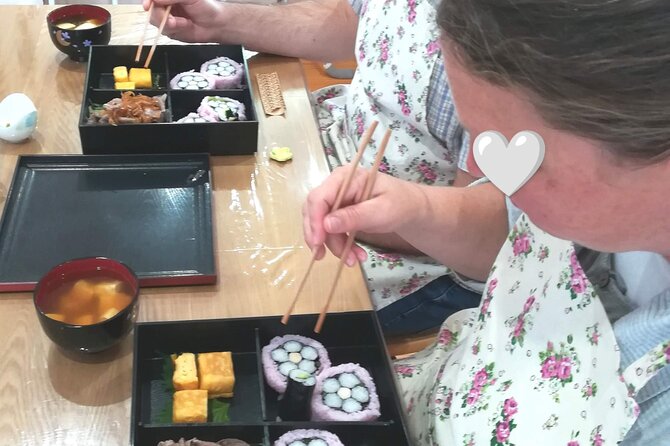
- Take-home result: you pack up your own decorative sushi rolls
- English support: instruction and recipes in English make the technique stick
- Small group size: maximum 12 travelers, so you get real attention
- Pickup option: free pickup at Makomanai subway station if you want it
A Sapporo sushi class that treats sushi like design, not a shortcut
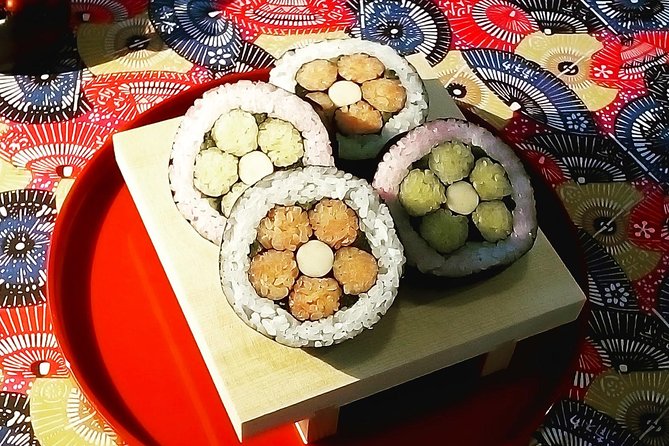
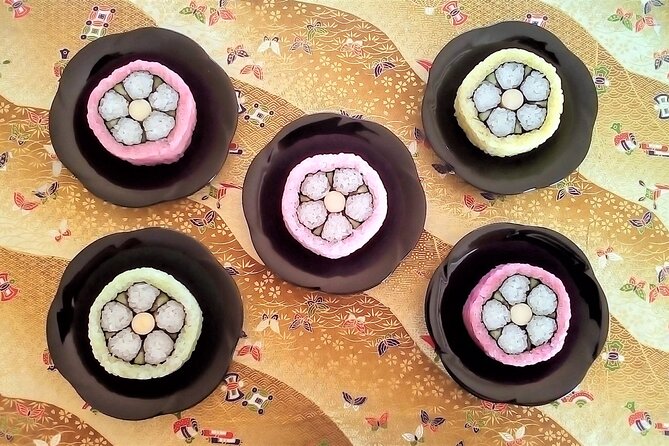
This experience centers on decorative sushi rolls, the kind where the shape and colors are the point. In Japan, that matters. The class is built around washoku, a style of eating recognized by UNESCO, and Yuki teaches with that sense of care. Even if you’ve eaten sushi your whole life, you’ll likely find you don’t know how much technique goes into making it look good and taste right.
One reason I like this format is that decorative rolls are a sweet spot. They are not as intimidating as going for full culinary perfection, yet they feel special enough to remember. Another plus is Yuki’s background. She’s appeared on TV and has taught at high-profile sister-city events, including a 2024 celebration linking Portland, Oregon, and Sapporo, where she demonstrated decorative sushi for visiting officials.
So what do you actually get here? You get a structured, hands-on way to make sushi rice, assemble ingredients, and shape the final roll into a decorative form. If you’re hoping for a quick tasting event, this is not that. If you want a practical cooking skill with a beautiful payoff, this fits well.
More Sushi Making Classes in Sapporo:
- Sushi Making Tokyo Roll and Authentic Japanese Sushi Class
★ 5.0 · 3,971 reviews - Tokyo: Roll and Authentic Sushi Making Class in Asakusa
★ 4.9 · 1,957 reviews - Make Sushi and Create Unforgettable Memories in Tokyo
★ 5.0 · 1,413 reviews
Meeting Yuki in Minami Ward, plus pickup when you want it
The workshop start is at an address in Minami Ward in Sapporo, so you’ll want to plan your arrival time like you would for a cooking appointment. The good news is it’s near public transportation, and the activity is designed for international guests. You can also use a free pickup option at Makomanai subway station if you require it.
A helpful detail: confirmation comes within 48 hours of booking, subject to availability, and you’ll have a mobile ticket. That matters because sushi skills are hands-on, and starting on time is part of the flow. Also, if you’re traveling with a group, you should know the class is capped, which keeps the teaching focused.
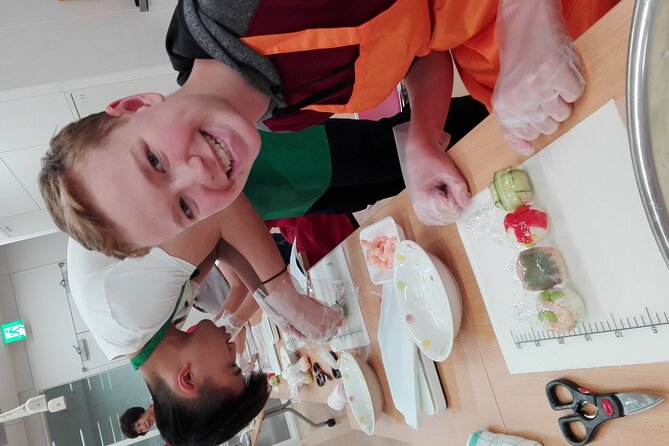
In the workshop setting, Yuki’s hospitality shows up early. People often remember tea before they start, plus easy conversation while you work. It’s one of those classes where you feel invited into someone’s cooking space, not herded through a production line. There’s also a cat in the home environment, which becomes part of the warm, casual atmosphere you’ll remember long after the rice is packed away.
What happens in your 2 hours of decorative sushi roll cooking
The schedule itself is simple, because the class is only about 2 hours. What makes it feel complete is the sequencing. You’ll get English guidance while you work, and you’ll be able to take your rolls home afterward. That take-home part is not an afterthought, it’s built into the experience.
Here’s the typical flow you should expect:
- You start at the workshop and get your English instruction
You’ll be working with ingredients provided by the class, and instructions are in English. That reduces the mental load, so you can focus on technique and the look you’re aiming for.
- You learn how to build the decorative rolls
Decorative sushi is all about consistency: even layers, controlled pressure, and the right alignment. Yuki’s teaching style is step-by-step, and she checks your progress as you go. Expect to hear both what to do and why it matters.
- You shape, decorate, and assemble carefully
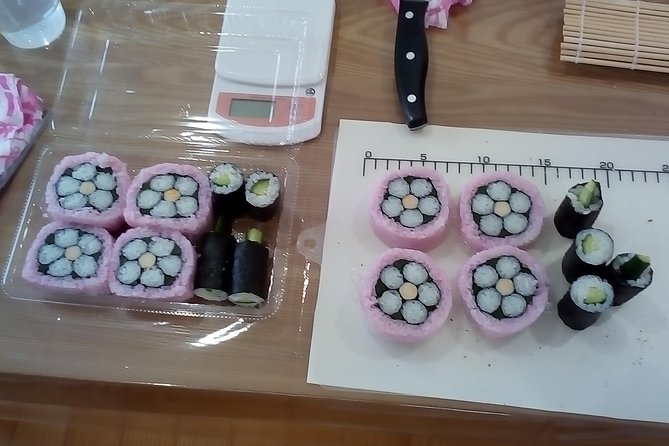
The fun part is where the roll becomes something you can photograph. In this class, you practice making decorative forms, including flower-style presentations that taste just as good as they look.
- You pack up what you made
You can take your sushi rolls home. This is where the practicality matters: you’re learning a technique, then immediately applying it to something you can serve to friends later.
One small but important thing: you’ll be renting an apron (included), which keeps the mess on you, not on your clothes. It’s a tiny detail, but it makes the class feel relaxed instead of stressful.
English recipes you can use after your trip
The best souvenir from a cooking class is the one you can cook again at home. Here, that’s the English recipe you get during the class. You also get ingredient instruction and guidance in English, which helps you repeat the process without guessing.
Why this matters: decorative rolls can look simple when you see them in a shop, but at home you need the steps to make the texture and shape consistent. Having a recipe in English is what turns this from a fun afternoon into a skill you can actually keep. It also makes it easier to adjust if your kitchen tools are different from the ones used in the workshop.
You’ll also appreciate that you’re not sent home with a vague explanation. The format is hands-on, so you see what the final stage should look like. That “visual anchor” helps a lot when you try it later.
If you have dietary concerns, tell the school in advance. They ask you to share food allergies and also note vegan and vegetarian needs. That’s the right time to do it, because sushi classes depend on ingredient planning.
A change of pace from Sapporo:
- Sapporo Bar Hopping Food Tour
★ 5.0 · 232 reviews - Hokkaido Seasonal: Lake Toya & Noboribetsu Jigokudani Valley
★ 4.7 · 173 reviews - Sapporo Private Tour with a Local – Highlights & Hidden Gems
★ 5.0 · 91 reviews - Sapporo: Sumo Show Experience with Japanese food & Photo
★ 4.9 · 81 reviews
Optional add-ons if you want to expand beyond decorative rolls
The core class focuses on decorative sushi rolls. But the experience is designed so you can add extra Japanese food skills if you want to go deeper. These options are offered by Yuki and Yui, and you can choose what fits your appetite.
Some of the add-on ideas include:
- Decorative bento (Syokado style), plus eating your own bento after the class
- Hokkaido branded beef options (like Biratori Wagyu or Shiraoi Gyu, if offered at the time)
- Rice ball practice, including how steam rice is done
- Miso soup training, starting with how to make dashi (soup stock), then making soup with homemade miso
- 1 to 3 extra dishes and miso soup, depending on the option you select
Two of these are especially useful if your goal is to cook Japanese food beyond sushi. First is miso soup, because learning dashi and miso basics gives you a foundation. Second is steam rice, because sushi starts and ends with properly prepared rice. If you want your sushi at home to taste right, these are the kind of supporting skills that pay off.
If you’re traveling with family or you’re short on time, you might prefer to stay focused on the main class. But if you want a bigger menu of takeaways, choosing a couple add-ons can make this feel like a full cooking workshop, not just a sushi lesson.
Value check: what $20.08 buys you in Sapporo
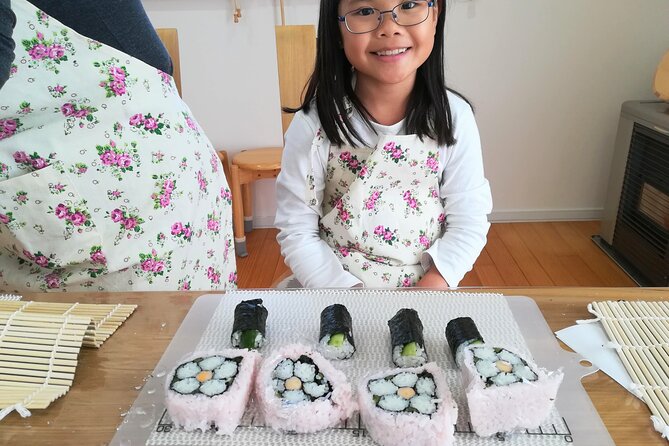
At $20.08 per person for about two hours, the value comes from what’s included and what you get to keep. You’re not just watching. You’re learning an actual technique, you get English instruction, you get recipes, you wear an apron, and you can take the sushi home.
That’s also why the small group matters. A maximum of 12 travelers keeps the class from turning into a demo where you barely touch the food. If you’ve ever taken a big group cooking class, you know the difference between “hands-on” and “standing nearby.” Here, you get more hands-on time.
Then there’s the pickup option at Makomanai subway station. For a city like Sapporo, public transit is common, but a free pickup removes stress. It’s especially helpful on cold or rainy days when you don’t want to spend your energy finding a side street.
The only value risk is if you’re expecting a private class. Since it’s not private, you share attention with other learners. If you want individualized pacing, you should ask about private options ahead of time, because the default experience is designed for group learning.
Who this sushi roll design class is perfect for
This class is a strong match if you want a fun, practical Sapporo activity that’s still cultural. It works well for couples, friends, and families with children, because the instruction style is patient and the goal is achievable. It also suits solo travelers who like small-group conversations, since Yuki’s teaching is interactive and friendly.
It’s especially good if:
- You want to learn a Japanese cooking skill with a clear method
- You care about presentation, and you want sushi that looks like a gift
- You need English support to feel confident in the kitchen
- You like getting something real to take home, not just a photo
If you’re the type who wants a broad sightseeing day, this might feel too focused. But if you want one memorable morning or afternoon with real hands-on output, it delivers.
Should you book this 2-hour sushi class in Sapporo?
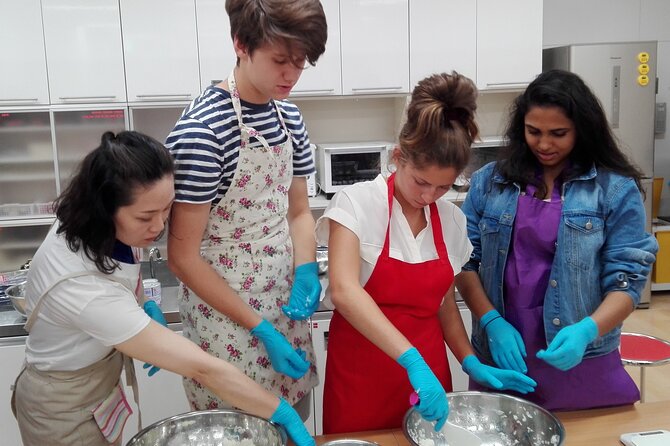
I’d book it if your goal is a skill you can repeat, with English help and a take-home result. The combination of Yuki’s patient teaching and the decorative nature of the rolls makes it both approachable and impressive. At this price point, you’re paying for ingredients, instruction, recipes, and the convenience of a pickup option.
Skip it if you hate group settings or you only want passive experiences. Also, do yourself a favor and confirm the meeting location details before you go, because showing up at the wrong place turns a cooking class into a frustrating weather wait.
If you want a Sapporo memory you can eat again later, this is a solid pick.
FAQ
How long is the sushi class?
The class runs for about 2 hours.
What will I learn to make?
You’ll learn how to cook decorative sushi rolls with hands-on instruction, and you can take your sushi rolls home after the class.
Is pickup available?
Yes. Free pickup is offered at Makomanai subway station if required.
Is the class taught in English?
Yes. You’ll receive English instruction, and you also get recipes in English during the class.
What if I have dietary restrictions or allergies?
You should inform the provider in advance about any special dietary concerns, including food allergies, vegan needs, or vegetarian needs.
Can I cancel and get a refund?
Yes. You can cancel for a full refund up to 24 hours before the experience start time, with free cancellation available under that window.
Latest write-ups near Sapporo
- Private Japanese Cooking Class in Sapporo with Local Host Kanae★ 5.0 · 20 reviews
- Authentic Sapporo: Nijo Market Seafood Lunch & History Tour★ 4.8 · 20 reviews
- Hokkaido, Sappro, Otaru & Cape Kamui One-day Tour★ 4.4 · 21 reviews
- [Otaru & Yoichi] Let’s go to Otaru Canal, Sakaimachi Street, Music Box Hall, and Yoichi Nikka Whiskey by private car (arriving and departing from Sapporo)★ 5.0 · 21 reviews
- Sapporo: Custom Highlights and Hidden Gems Tour with a Local★ 4.9 · 21 reviews
- Full Day Indigenous Ainu of Hokkaido and Jozankei★ 5.0 · 25 reviews
- Sapporo: The Indigenous Ainu People & Jozankei walking tour★ 4.9 · 25 reviews
- Sapporo Winter : Asahiyama Zoo (Penguin Fun & Snowmobile)★ 5.0 · 28 reviews
Sushi Making Classes, compared.
Sushi Making Tokyo Roll and Authentic Japanese Sushi Class
Read our review →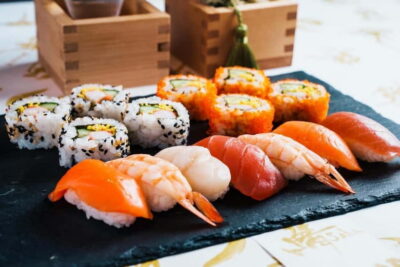
Roll and Authentic Sushi Making Class in Asakusa
Read our review →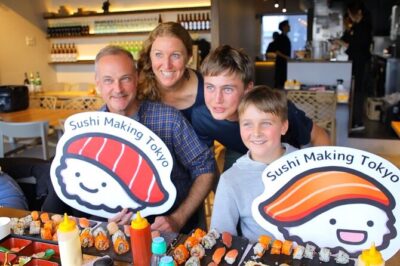
Make Sushi and Create Unforgettable Memories in Tokyo
Read our review →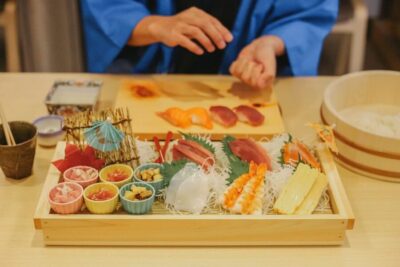
Sushi Making Class in a Happi Coat near a Famous Spot
Read our review →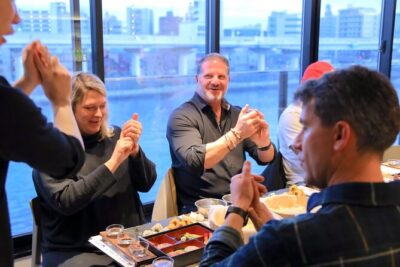
Sushi Making Osaka Roll and Authentic Japanese Sushi Class
Read our review →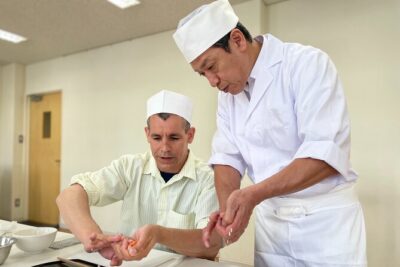
Tokyo Sushi Making Class in Tsukiji with Professional Chef
Read our review →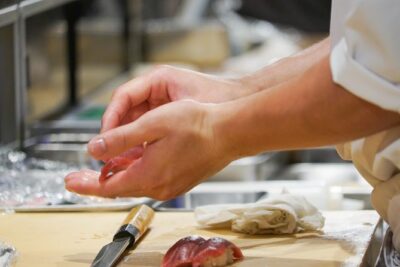
Tokyo Night Foodie Tour in Shinjuku – Seasonal Sushi, Wagyu Beef
Read our review →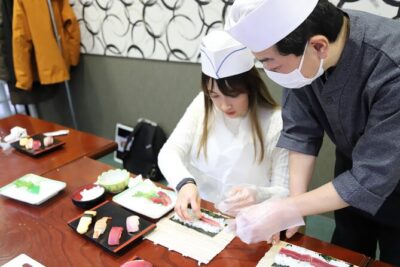
Tsukiji Fish Market Guided Tour and Sushi Making with Pro Chef
Read our review →Browse the lists this tour appears in