
Reviewed · HISTORICAL TOURS
Yanaka District: Historical Walking Tour in Tokyo’s Old Town
Yanaka District is one of the easiest ways to see Tokyo that does not feel like a theme park. This old neighborhood kept a lot of its small-town rhythm through earthquakes and World War II, so your afternoon feels like you’re walking in a Tokyo that existed long before Instagram trains started running.
I especially love the way the tour starts at Nezu Shrine, with that classic red torii photo setup and clear, practical explanations of Shinto ideas. I also like the middle break at the old-house cafe, where you paint a Maneki-neko lucky cat and then switch gears into snack mode with tastings along the way.
The main drawback is simple: it’s a walking tour, and some stops are not stroller or wheelchair friendly. Also, you will need cash, since many little shops along the route do not take credit cards.
Key things that make this Yanaka tour worth your time
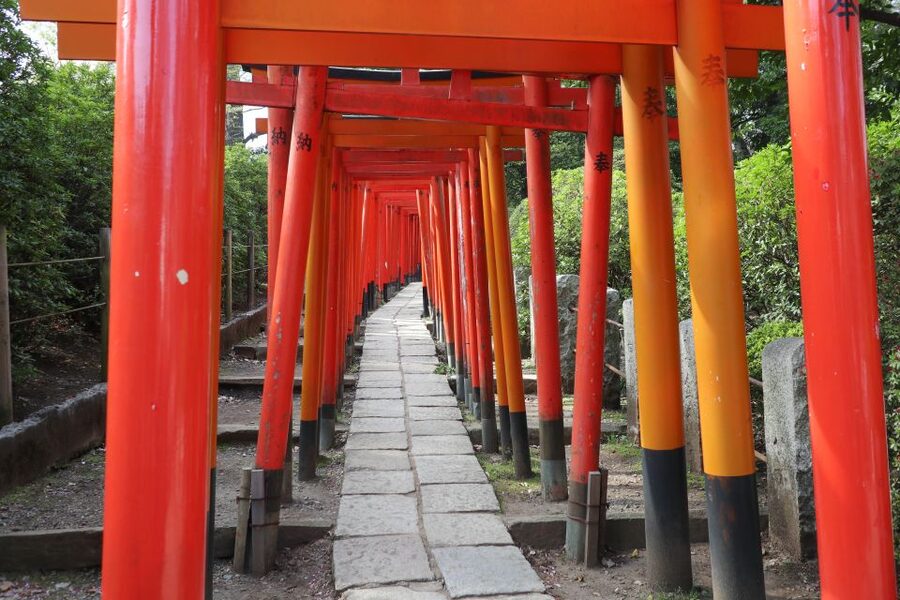
- Nezu Shrine at the start so you get the best light and photo angles for the torii gates
- Hebimichi market time that focuses on day-to-day local shopping, not tourist browsing
- Maneki-neko painting in an old-house cafe as a real break from constant walking
- Yanaka Ginza tastings that help you try old Tokyo snack flavors without overthinking it
- Small group size (under 7) that makes it easier to ask questions and get personal photo help
- English-speaking local guides who share history and street-level context, from guides like Ramesh, Mark, Masae, Kenji, Hina, and Yoko
Why Yanaka feels different from the usual Tokyo route
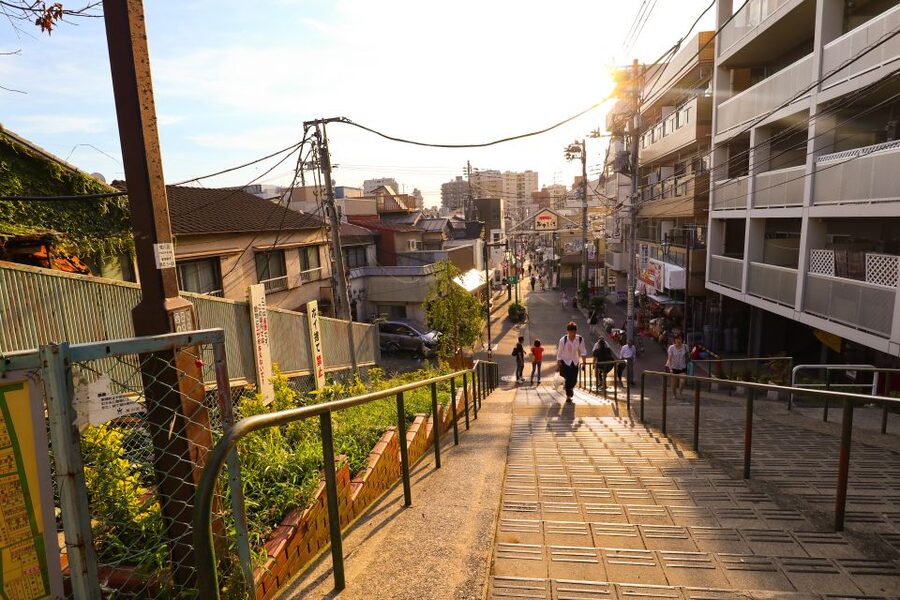
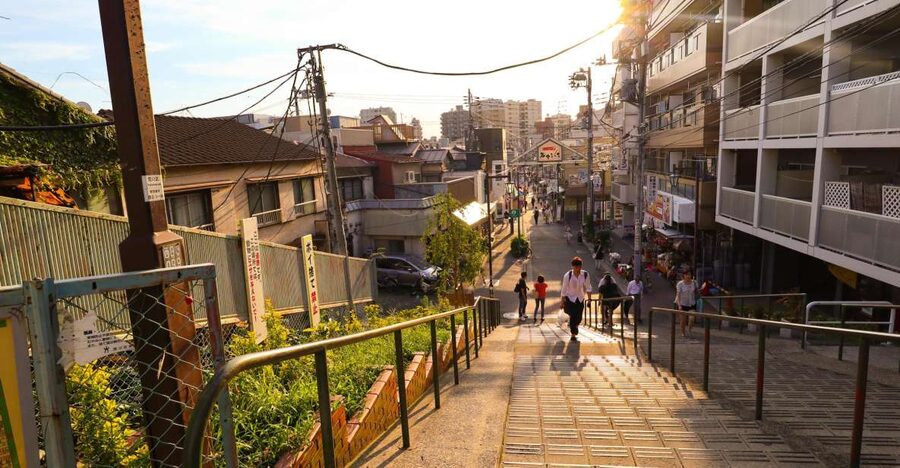
Tokyo has a lot of loud, fast, headline neighborhoods. This one is the opposite. Yanaka sits in central Tokyo but still has narrow lanes, modest storefronts, and a calmer pace that lets you actually notice details as you walk.
The tour is built around that. You do not just “see sights,” you walk through how people move through their own day. You’ll pass small shops, backstreet corners, and the kind of everyday market activity that you would normally miss if you only chase the biggest districts.
And the “old town” angle is not just decoration. Yanaka’s survival through major shocks and decades of change is a big part of why the area feels coherent. The result is that your afternoon is not a random collection of stops. It’s more like a guided walk through the parts of Tokyo that still act like neighborhoods.
One extra bonus I like: you start and end at Nezu Station, so you keep things simple. You’re not hopping across town on trains to stitch together a patchwork itinerary.
More Historical Tours in Tokyo
- Tokyo: Imperial Palace and Shogun Historical Walking Tour
★ 5.0 · 2,251 reviews - Tokyo: Imperial Palace Japanese History Walking Tour
★ 4.9 · 987 reviews - Tokyo: Shinjuku Historical Walking Tour & Secret Backstreets
★ 5.0 · 530 reviews
Nezu Station meeting point, and how to find your guide fast
You meet outside Tokyo Metro Nezu Station, Exit 1. Go up the stairs to ground level. Your guide will be standing right in front of the upstairs area, holding a red or orange sign for MagicalTrip.
This matters more than it sounds. Small-group tours run on timing. If you arrive late, you can miss the group and you may not be able to join or reschedule.
If you want a stress-free start, do this: look for the sign first, then check that the guide is holding it at eye level before you step into the flow of people exiting the station. After that, the walking rhythm kicks in quickly, so the early minutes are all about getting aligned.
Nezu Shrine and the torii gates, plus Shinto basics that make sense
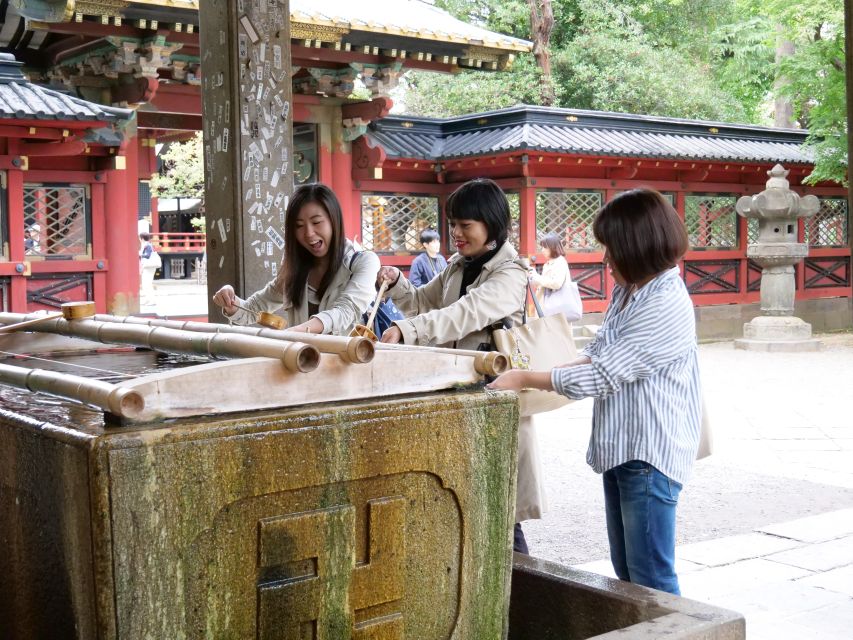
The tour begins at Nezu Shrine, one of the oldest shrines in Tokyo. The main payoff here is visual and educational at the same time.
You’ll have time to visit (about 20 minutes), and that window is long enough for a few good photos without making you rush. The red torii gates are the obvious star. What I found more useful is what the guide explains about how Shinto is understood in Japan. You’re not stuck with abstract lectures. The info connects to what you’re seeing on the ground, like how people approach shrines and why certain ideas matter.
This is also where a good guide really changes your experience. Several English-speaking guides have been noted for giving clear answers and staying friendly, including guides like Ramesh and Mark. If you like asking questions, this is the moment to do it, because everyone is still fresh and your guide’s full attention is on your group.
A practical note: shrine areas can be busy at certain times, but starting early enough in an afternoon can help you get the space you need for photos.
Hebimichi streets and the locals-only market snack culture
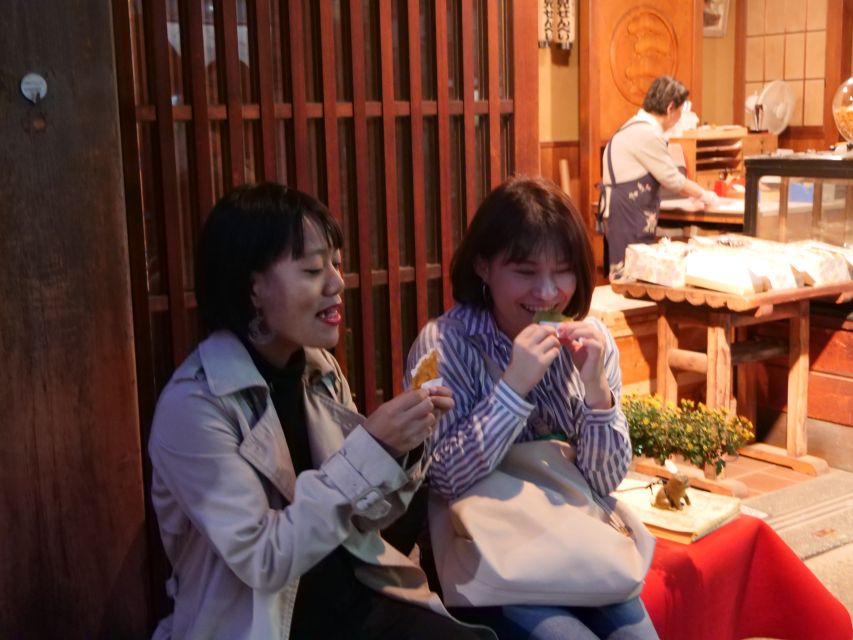
Next comes Hebimichi, which is where the tour shifts from landmark sightseeing into neighborhood life. You spend about 45 minutes here, which is a sweet spot. It’s long enough to feel the lanes, see real shop fronts, and get a sense of the area’s daily routine.
The highlights focus on a locals-only market atmosphere that dates back to the 1940s. That age matters because it explains why Yanaka feels like it kept its “texture.” You’re not just walking through a renovated district, you’re walking through streets that have kept serving the same kind of needs.
This is also one of the best parts if you love snack stops done the right way. The tour builds in food samples, so you can try multiple flavors without ordering full meals at random shops. You also learn what’s worth tasting and what to skip, which saves time when you’re staring at menus that are not built for tourists.
One thing to keep in mind, though: the route includes smaller shops and older spaces where payment systems can vary. Cash is the safe move.
And while this is a walking segment, it’s not all trudging. You get frequent “pause points” tied to the market and the story of what you’re seeing, so it stays active instead of exhausting.
More Walking Tours in Tokyo
- Tokyo Tsukiji Fish Market Food and Culture Walking Tour
★ 5.0 · 3,184 reviews - Tokyo: Shinjuku Local Bar and Izakaya Guided Walking Tour
★ 4.9 · 1,794 reviews - Tokyo: Tsukiji Fish Market Food and Walking tour
★ 5.0 · 1,724 reviews - Tokyo: Asakusa Walking Tour with Sensoji Temple Visit
★ 4.8 · 1,583 reviews
The old-house cafe break, and painting your lucky cat
After the market streets, you get a full reset at a local cafe inside an older-style setting. This stop lasts about 75 minutes, including time for one drink and a sweet treat.
Then comes the signature activity: painting a Maneki-neko lucky cat. This is one of those experiences that works even if you are not the craft type. It breaks up the walking, and it gives you something tangible to bring home that feels connected to the day you just had.
From the reviews, the cat painting is repeatedly described as relaxing and enjoyable, especially because it gives your hands and mind a task. It’s also a nice level-set for families and mixed-age groups, since you’re not learning a complicated process, you’re just painting and chatting.
If you care about photos, this is also a smart moment to slow down. Several guides have helped take photos for their group, and a cafe activity is where it feels easiest to grab natural shots without interrupting walking flow.
Practical detail: bring cash for anything not included. The tour includes the cafe drink and sweet treat, plus the craft activity, but any extra items you want beyond that are for you to buy.
Yanaka Ginza and food tastings on old Tokyo streets
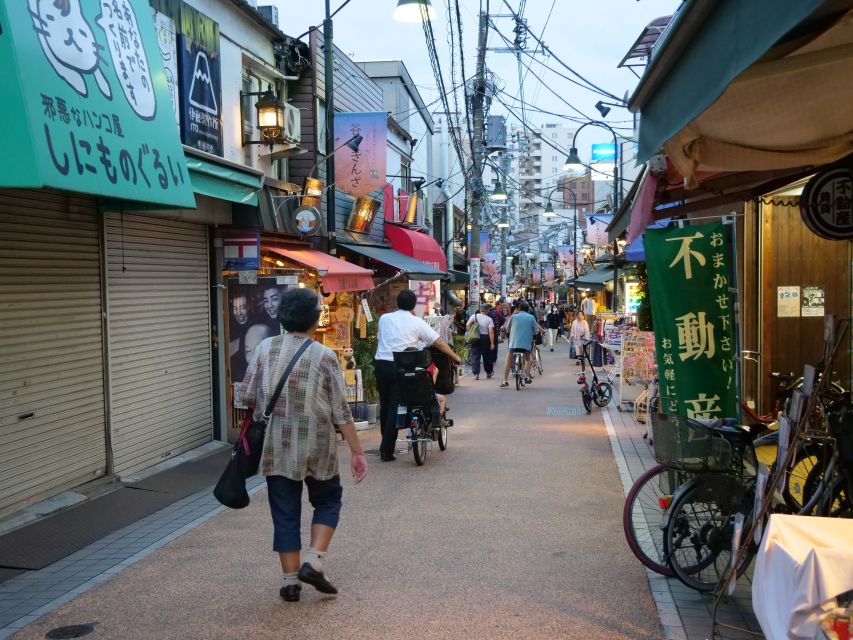
Finally, the tour moves deeper into the Yanaka District, with time built around Yanaka Ginza, the shopping street that represents the flavors and feel of old Tokyo.
This is where you’ll see more storefront variety and where tastings do the heavy lifting. You can try local deli-style items and sweets without needing a big planning spreadsheet. For many people, this part is the “I can’t believe we’re eating this much” moment, because the samples add up across multiple stops.
It also helps that your guide acts like a translator between cultures. Even if you have some Japanese reading ability, snack choices are not always straightforward. Having someone point out what something is, why it’s made that way, and how it fits the neighborhood makes the street feel less confusing.
From the experiences people shared, guides often steer the shopping portion in a way that feels thoughtful, not random. Some guests even mentioned help connecting with local art or finding a gallery to buy something crafted in the area. That’s not something I would bank on every time, but it shows the guides can be flexible when they see interest.
If you want the best souvenir strategy, here’s my advice: keep your souvenir shopping for after you’ve walked. You learn the vibe during the tour, and then your purchases start to make sense. You also avoid buying the first thing you see just because you feel tired.
How the guides shape the whole afternoon
This tour is small, limited to less than 7 people, and that changes the tone fast. You’re not competing for attention. You can ask questions without feeling like you’re interrupting a machine.
The guide quality shows up in the details. People highlighted guides like Hina, Yoko, Inok, Kenji, and others for answering questions clearly and sharing street-level stories, not just facts from a guidebook. There were also notes about humor, friendliness, and help with photos.
A small but memorable example from one hot afternoon: one guide even offered shade help with an umbrella. That’s not guaranteed, but it’s a good reminder that these guides are dealing with real-world conditions and try to keep people comfortable.
If you love history, this still works, but it’s not the stuffy version of history. You’ll get context tied to how the streets function and how locals might think about shrines and neighborhood life. It feels more like a guided walk with a smart friend than a lecture.
Price and logistics: what $79 buys you in practical terms
The price is $79 per person for about 210 minutes. That’s not cheap, but it also isn’t just “someone walks with you.” You’re paying for a bundled set of experiences: guided walking, English interpretation, tour photos, one cafe drink and sweet treat, Maneki-neko painting, and food and snack samples.
In Tokyo, paid craft activities and guided tours can add up quickly on their own. Here, the tour puts them into one planned afternoon and keeps you from wasting time negotiating what to do next.
For me, the best value piece is the combination. You get:
- a meaningful start at a historic shrine area,
- a market section designed for tasting and local rhythm,
- a hands-on craft break,
- and a final shopping street that feels like old Tokyo rather than a single photo stop.
Also, the small group size makes the time feel more efficient. When you pay for a crowded group tour, you often lose the chance to ask questions. With fewer people, you keep that conversation going.
What to bring, what to wear, and weather reality
Bring cash. The tour notes that many old shops may not accept credit cards. So if you want extra snacks, drinks, or small purchases, cash is your safety net.
Wear comfortable shoes and plan for real walking. The tour is not designed for people who need mobility assistance, and some stops are not accessible by wheelchair or stroller. So if you are pushing a stroller or have mobility limitations, read that carefully before you book.
Weather is also not a vague warning in Japan. The tour notes summer highs can reach 40°C (110°F) and winter lows can drop to -5°C (20°F). So if you’re going in the heat, bring water and something for sun protection. If you’re going in colder months, dress in layers, because walking keeps you moving and the air can feel sharp.
Finally, the tour includes food and sweets, but it also says allergy-free guarantees and dietary substitutions are not something they can ensure. If you have strict dietary needs, plan to ask directly beforehand or be ready to choose from what is available at stops.
Should you book this Yanaka tour?
Book it if you want Tokyo that feels human scale. This tour is best for people who like old neighborhoods, small streets, and guides who can explain what you’re seeing in plain language.
Skip it if you cannot handle walking or if you need wheelchair or stroller access. Also, if you dislike markets and street snacks, you might find the focus too food-forward.
If you do book, I’d suggest two smart moves. First, arrive a few minutes early at Nezu Station Exit 1 so you start calmly. Second, save your souvenir decisions for after the tasting portion, because you’ll understand what the neighborhood sells and what you actually care about.
Overall, this is an efficient, well-paced way to see Yanaka without wasting half your day getting lost or ordering the wrong thing. The combination of Nezu Shrine, market lanes, lucky cat painting, and Yanaka Ginza tastings is exactly the kind of afternoon that turns Tokyo from a list of places into a lived-in feeling.
FAQ
How long is the Yanaka walking tour?
The tour lasts about 210 minutes, with stops that include Nezu Shrine, Hebimichi, a local cafe activity, and time in the Yanaka District before returning to the meeting point.
Where do I meet the guide?
Meet outside Tokyo Metro Nezu Station, Exit 1. Go up the stairs to ground level. The guide will be standing just in front of the upstairs area holding a red or orange sign that says MagicalTrip.
Is the tour offered in English?
Yes. The live tour guide speaks English.
What is included in the $79 price?
Included are the walking tour and local guide, tour photos, one drink and sweet treat at the cafe, the lucky cat craft experience (painting), and local snacks and sweets food samples.
Do I need to bring cash?
Yes. The tour advises bringing cash because many older shops along the route do not accept credit cards.
Is the tour wheelchair or stroller friendly?
No. The tour notes that some locations are not accessible by a wheelchair or stroller and that it is not suitable for people with mobility impairments.
Can I cancel for a refund?
Yes. Free cancellation is available up to 24 hours in advance for a full refund.
Latest write-ups near Tokyo
- Tokyo Customized Private Tour: See Top Attractions in 1 Day★ 4.8 · 67 reviews
- From Tokyo: Top 5 Scenic Spots of Mount Fuji Full-Day Tour★ 4.5 · 67 reviews
- Tokyo: Shinjuku Izakaya and Golden Gai Bar Hopping Tour (2h)★ 4.9 · 67 reviews
- Traditional Japanese Music ZAKURO SHOW in Tokyo★ 5.0 · 67 reviews
- Tsukiji: Unlimited Sake Tasting Experience★ 4.9 · 67 reviews
- Tokyo: Not a show- a professional sumo practice with experts★ 4.9 · 67 reviews
- Samurai Ninja Museum Asakusa: Kid-Friendly Ninja Training★ 4.7 · 67 reviews
- Private Harajuku Omotesando Architecture Walking Tour★ 5.0 · 67 reviews
Historical Tours, compared.
World Heritage Shirakawa-go and Experience Tours from Kanazawa
Read our review →
Imperial Palace and Shogun Historical Walking Tour
Read our review →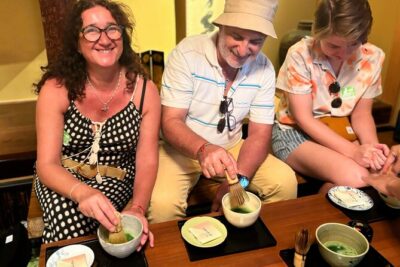
World Heritage Kyoto & Nara Uji Authentic Matcha Experience
Read our review →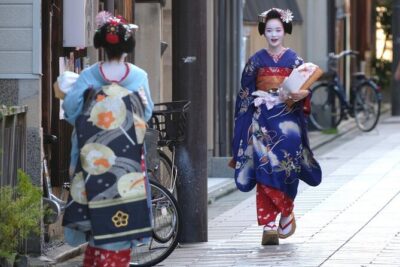
Kyoto Gion: 2-Hour Geisha Culture & History Walking Tour
Read our review →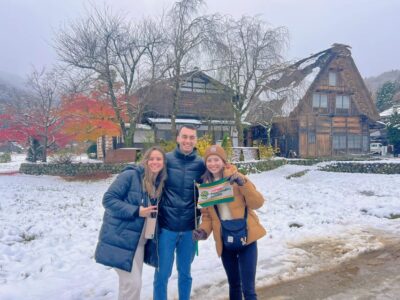
World Heritage Shirakawa-go Morning Guided Tour
Read our review →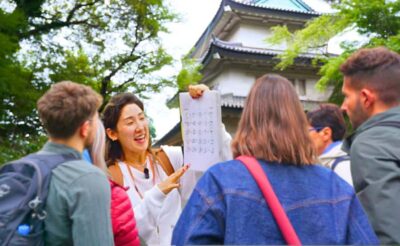
Hiroshima Peace (Heiwa) Walking Tour at World Heritage Sites
Read our review →
Shinjuku Historical Walking Tour & Secret Backstreets
Read our review →Browse the lists this tour appears in