Reviewed · GEISHA & GION TOURS
Kyoto: Gion Evening Walk with Hidden Gems, Geisha & Sake
Gion at night is the whole point of this tour. The lanes cool down, lanterns glow, and the district feels like Kyoto with the volume turned down. I like that the group stays small, so you can ask questions and actually chat, and I also like the photo assist at key stops.
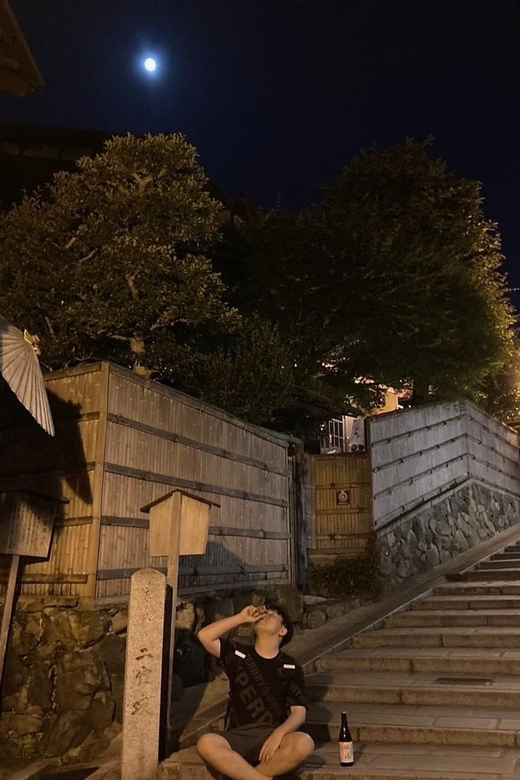
I also love the local sake included as you walk, because it turns a normal stroll into a Kyoto moment you’ll remember. The night views from Yasaka Pagoda at Hōkan-ji Temple are stunning, but one consideration is simple: this is still a walking tour, so bring comfortable shoes, and it is not suitable for people with back problems.
Key highlights you will feel on the walk
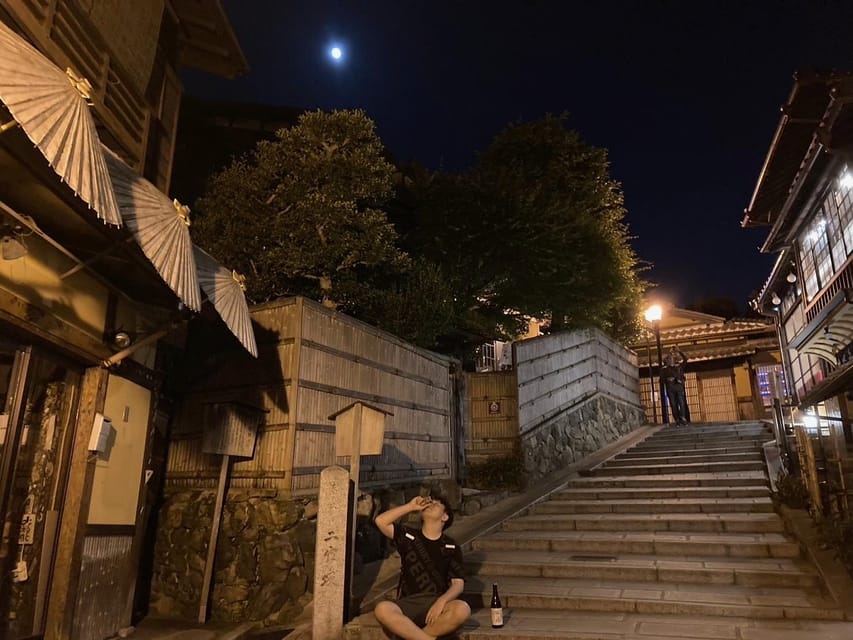
Lantern-lit Gion at night, when the streets look more like a movie set and less like a day crowd.
Small group format (max 10), which keeps the stories conversational instead of lecture-style.
Sake while you stroll, included, with guides who take care of the vibe and keep it respectful.
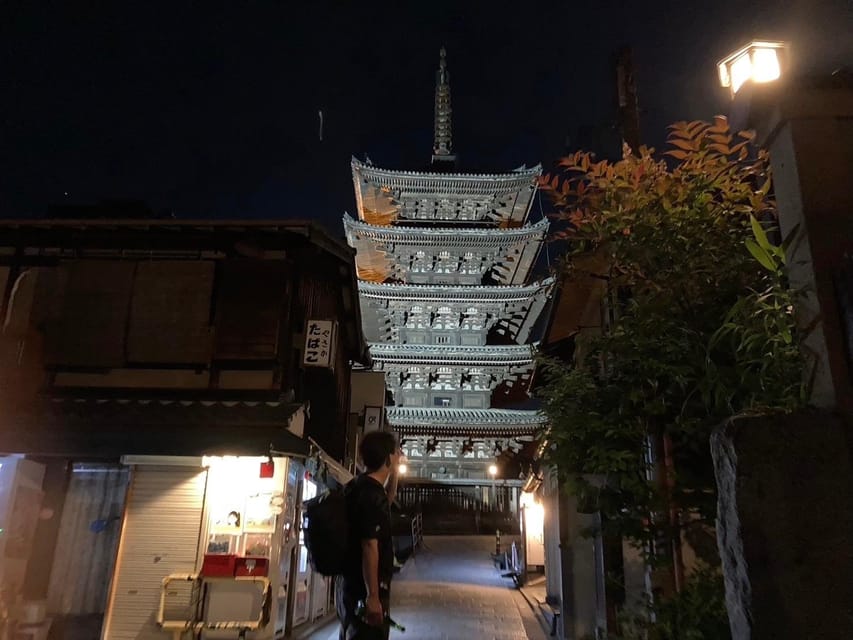
Yasaka Pagoda night photos, with a route designed to help you see it without the daytime crush.
Shinto and Buddhist stops that make sense, including Yasui Kompira-gū Shrine and its power stone story.
Gion after dark: why this 90 minutes works
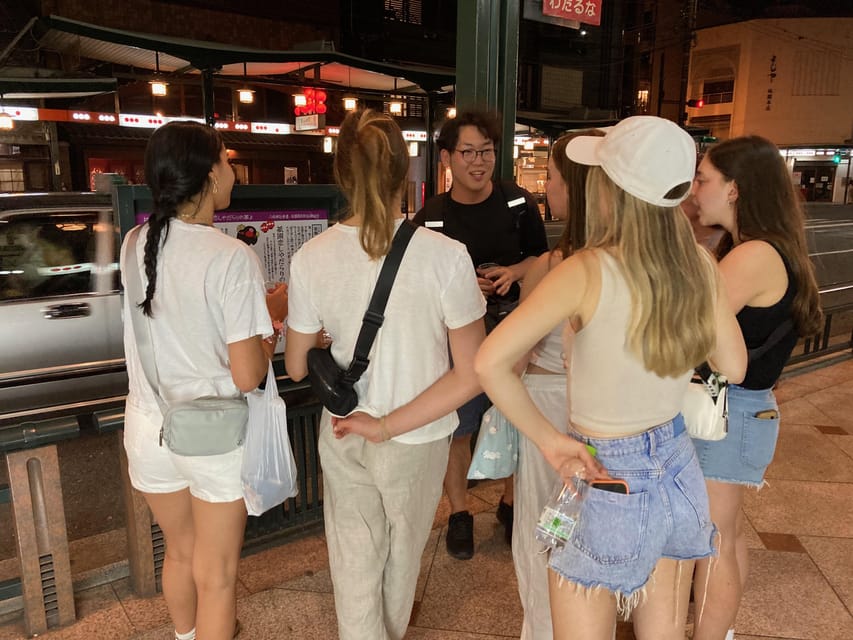
Kyoto’s best travel moments often happen when your timing is right. Daytime Gion can be crowded, noisy, and hard to take in. This walk is built for the hours after that, when the streets shift into something calmer and more intimate.
You start with the feeling that you’re walking through a living neighborhood, not a theme park. That matters, because Gion is not just scenery. It’s a district with traditions, routines, and rules about respect, especially near residential streets and sacred places. The low-key pace helps you notice small things, like the way light hits the stone steps, or how quickly the mood changes from one alley to the next.
The tour lasts about 90 minutes, which is long enough to hit the main landmarks and still feel relaxed. It is also short enough that you can pair it with dinner plans without your evening turning into a full-day marathon.
More Evening Experiences in Kyoto
- Kyoto: Gion Magical Night Walking Tour with Geisha Trivia
★ 4.9 · 2,393 reviews - Night Walk in Gion: Kyoto’s Geisha District
★ 4.5 · 2,003 reviews - Kyoto Night Foodie Tour in Gion (9+ dishes + 6 Sake tastings)
★ 5.0 · 1,762 reviews
The small-group vibe, and why it changes the experience
This is a small group tour, limited to 10 people, and that detail shows up in how the walk feels. You are not herded through checkpoints. You have time to ask questions, and your guide can tailor the conversation based on what you care about.
The experience provider is OTAtrip Guide, and the English-speaking guides you may encounter have been described as friendly, patient, funny, and generous with sake. In the reviews I saw, guide names like Shumpei and Nick came up more than once. That is a good sign because you are not just paying for places, you are paying for a guide who can connect the places to real culture.
Practically, small group also means photo stops stay smooth. You get help at the key moments, so you’re not juggling camera settings while trying to keep up with a group.
Route flow: from Shijo-Kiyamachi to Yasaka Shrine
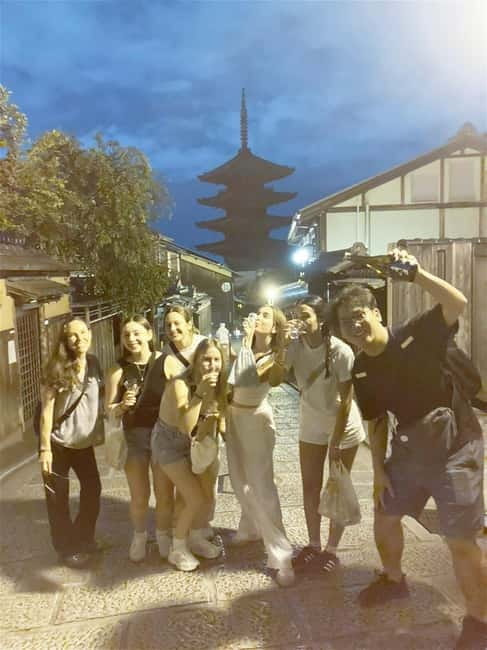
Your tour meeting point is Shijo Kiyamachi, with a guide holding a sign that says Otatrip Guide. The guide stands between McDonald’s and Kikunoi Roan, a little south along Kiyamachi Street. Start times are prompt, and if there are other participants, the group may depart on time, so plan to arrive a bit early to avoid stress.
The walk itself follows a compact route through Gion’s most photogenic corners and then finishes at Yasaka Shrine. That endpoint is a fitting close because Yasaka Shrine is one of the landmarks people talk about when they describe how long Gion has mattered.
A small but important note: keep your voice down in residential and sacred areas. It’s part of being a respectful visitor, and it also makes the streets feel better for you. Quiet streets mean better atmosphere and better photos, even if it’s just your own pace calming down.
Hanamikoji Street and Gion lanes: the lantern version of Kyoto

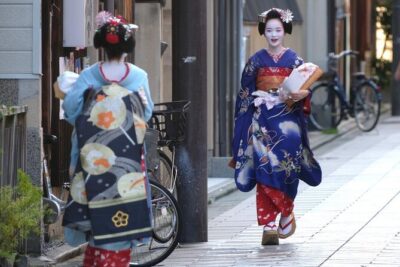
The first major stop is in the heart of Gion, and it usually means time around Hanamikoji Street. This is one of Kyoto’s most famous geisha streets, lined with traditional tea houses. At night, the lighting changes how everything reads, especially for photos. Instead of harsh daylight brightness, you get softer contrast and warm color.
You also get context while you’re there. The stories focus on the roles of Geiko and Maiko, and how the culture developed alongside Kyoto’s wider Shinto and Buddhist traditions. You do not need to know anything in advance. The guide explains in plain English and keeps it conversational.
One advantage of doing this early in the walk is mental momentum. Once you understand what you’re looking at, the later stops land harder. You’re not just chasing landmarks, you’re learning how they connect.
More Food & Drink in Kyoto
- 3-Hour Kyoto Insider Sake Brewery Tour with Tastings & Pairings
★ 5.0 · 917 reviews - Arashiyama Bamboo, Temple, Monkeys, or Secret Sake Brewery
★ 4.8 · 886 reviews - Kyoto: Insider Sake Brewery Tour with Sake and Food Pairing
★ 5.0 · 704 reviews - Kyoto Sake Brewery & Tasting Walking Tour
★ 5.0 · 623 reviews
Yasui Kompira-gū Shrine: the power stone stop
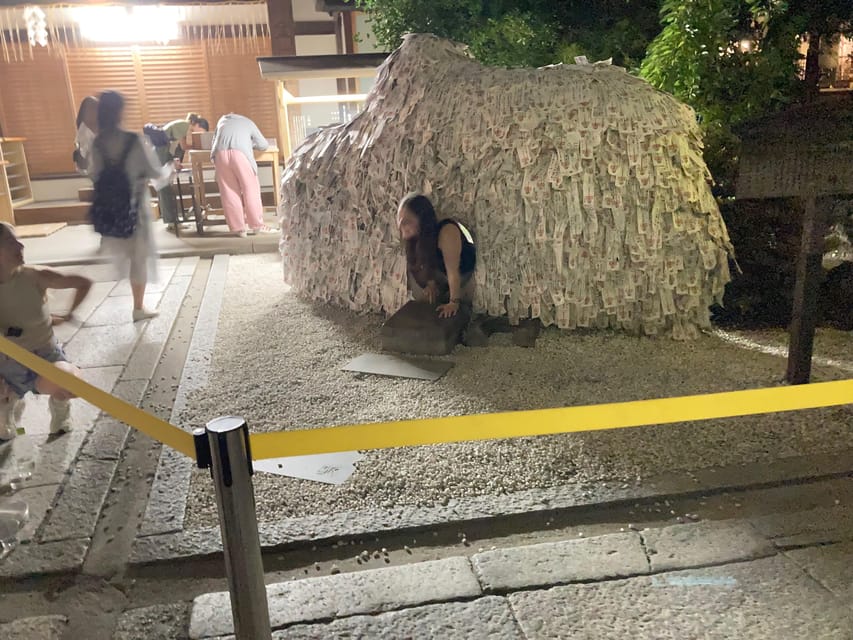
Next up is Yasui Kompira-gū Shrine. This is a change of pace from the tea-house lanes because it gives you a deeper look at Shinto life and local beliefs. The shrine is known for a distinctive power stone, and people come for the idea of cutting bad ties and building good ones.
This is the kind of stop that makes the tour feel more than postcard sightseeing. Kyoto has countless shrines, but not all have a clear story that visitors can grasp quickly. Here, the guide can explain the meaning in a way that helps you understand why locals treat it seriously even at night.
Photo-wise, it’s also useful. It breaks up the “all street scenery” rhythm and gives you a different kind of atmosphere, more intimate and quieter.
Hōkan-ji Temple and the Yasaka Pagoda: night photos without the crush
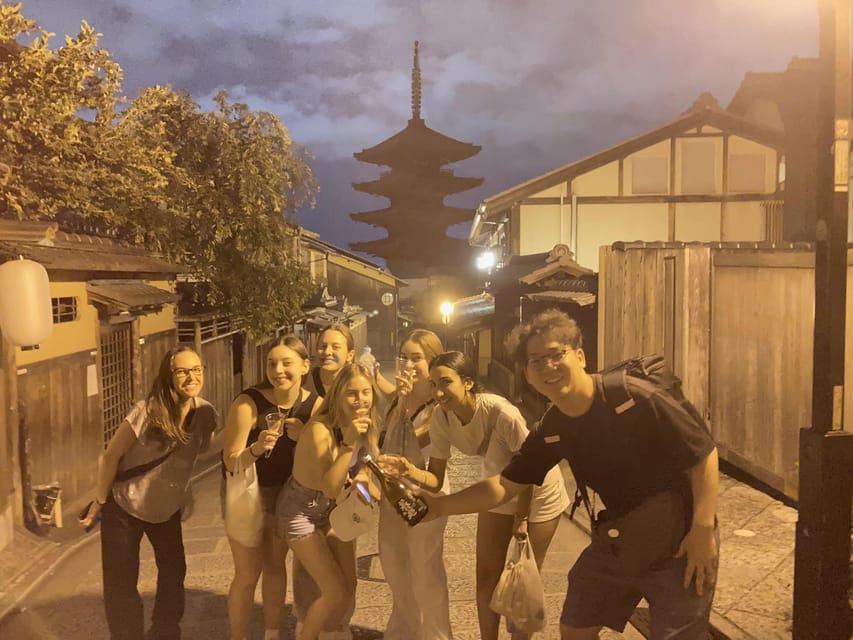
The tour then heads to Hōkan-ji Temple, where you can see the five-story pagoda people often call Yasaka Pagoda. During the day, this area can feel busy. At night, it is beautifully lit, and it tends to feel far less crowded.
What I like about doing this on a guided timing is that you’re not guessing. You are at the right spot while the lighting and mood are at their best, and you are not stuck making phone calls to find the exact angle.
The tour includes photo assistance at this stage, which is a big deal for pagoda photography. If you’ve ever tried to take clean landmark shots while people move in the frame, you know it can turn frustrating fast. Here, the guide helps you position and compose so you can focus on the moment instead of wrestling the camera.
One reviewer specifically mentioned a love for seeing Gion’s history in the silence of night. Even if your motivation is purely photos, you’ll still feel that shift when you stand near the illuminated pagoda.
Ninenzaka at night: cobblestones and townhouses
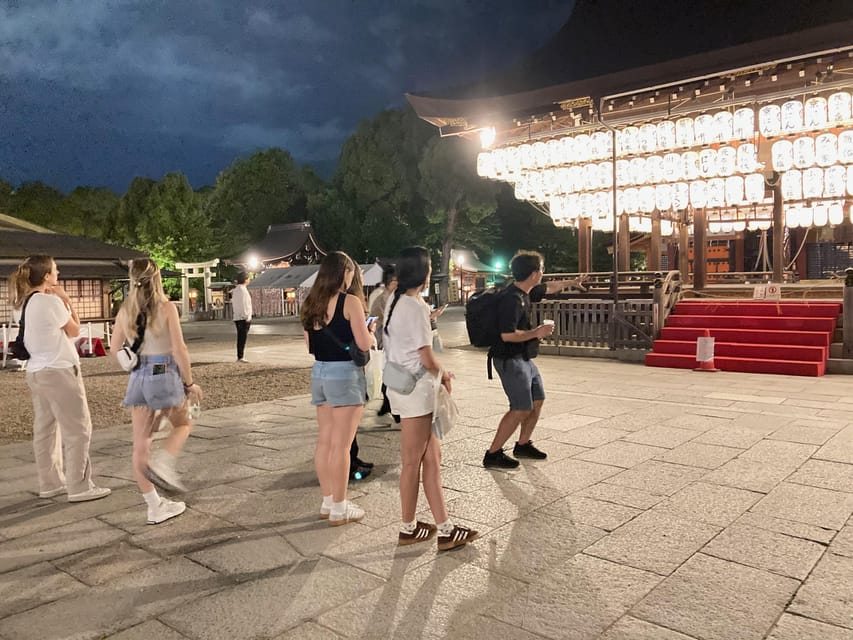
You will also walk through Ninenzaka, the charming cobblestone slope lined with traditional wooden townhouses. In daylight it’s already scenic, but at night the details feel different. Texture becomes the focus. The wood grain, the steps, the spacing between buildings. It’s easier to feel the old-town atmosphere when the pace slows.
This stop is also a nice reset. After temples and shrines, you get back into street-level walking, and that’s where your included sake moment keeps things warm. A review mentioned the tour even worked well in rain, which makes sense because wet streets can calm everything down and soften the visual clutter. If weather changes your plans, you still get the tour’s rhythm.
Keep an eye on your footing. Cobblestones can be slick if it rains, so comfortable shoes are not a suggestion.
Geisha culture stories: what the walk teaches (and what it doesn’t)
This tour is designed as a guided walk, not a lecture. You’ll get stories about Geiko and Maiko, plus local history connected to the shrines and the neighborhood streets. That matters because Gion is often misunderstood when people treat it like a theme park.
What you can expect is plain-English context you can actually use. The guide is there to answer your questions, whether you’re curious about how roles work in the district or you want to know what people mean by certain local phrases.
From the reviews, one thing stands out: guides often interact like real conversation partners. People asked questions beyond the basics, including pop culture. That doesn’t mean the tour turns random. It just means the guide makes room for you to steer the talk.
And if you want the practical version: you’re also learning the correct tone for respectful behavior. That’s part of the culture lesson too.
The included sake: a Kyoto detail that changes the tone
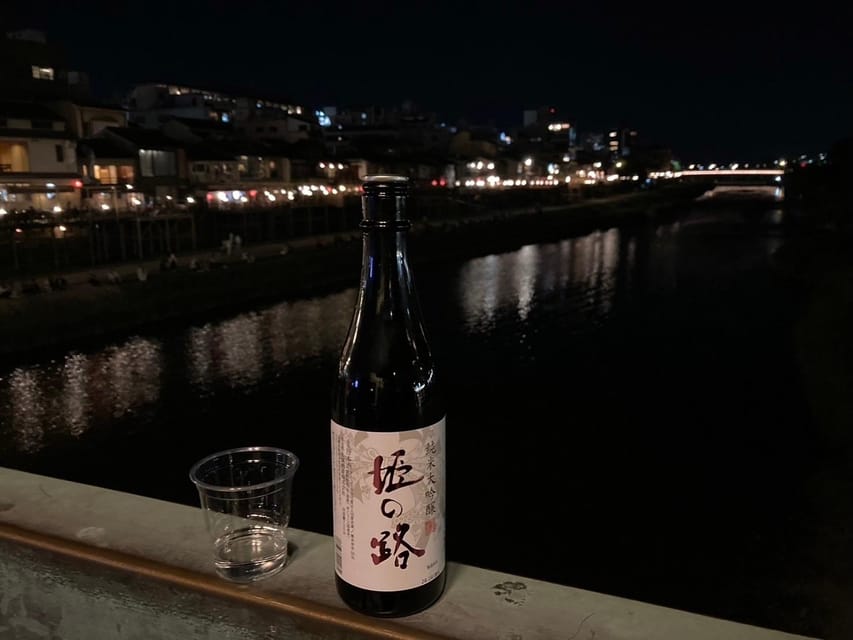
A cup of local sake is included as you stroll. It’s not just a perk, it’s part of the tour’s pacing. Drinking something warm and local while you walk through lantern-lit streets makes everything feel more intentional, especially in the colder months.
In multiple reviews, people called out that the sake was tasty and that guides were generous with it. One review even mentioned the chance to meet lovely people and have a drink afterward. Still, you should treat the sake as part of the experience, not permission to forget manners. Keep it respectful and responsible, especially around quiet streets and sacred spaces.
If you’re not a sake drinker, this is still a walking tour, so you can treat the cup as a small taste and focus on the sights and stories. You’ll still get the full value from the route and photo stops.
Value for $32: what you’re really paying for
At $32 per person for about 90 minutes, this tour sits in the sweet spot between “quick sightseeing” and “full cultural immersion.” You’re paying for three things that are hard to replicate on your own:
First, the timing. Gion after dark works better when you’re not trying to figure out the best order while daylight crowds are still dispersing.
Second, the guidance. A good guide helps you connect the landmarks to meaning. Here, you get a walk through the icons, plus explanations of Geiko and Maiko culture and Shinto and Buddhist history in plain English.
Third, the photo help. If you’re traveling solo or with a partner who is not into taking photos, the included photo assistance saves time and frustration. You end up with better shots, and you spend less time standing awkwardly while trying to pose.
Reviews are overwhelmingly positive, with many people highlighting the friendliness of the guide, the conversational style, and the sake as a nice touch. One reviewer even described the experience as intimate, and another noted a private tour feeling when the group size happened to be smaller due to timing. Either way, the small group format is a big part of the value.
What to wear and how to get the most out of it
You only need one clear prep item: comfortable shoes. The walk is not described as extreme, but it is still walking, and you’ll be on uneven stones and slopes at points.
Also, come ready to slow down. This tour is at a relaxed pace. If you try to power-walk, you’ll miss the stories and the photo moments.
If you’re traveling during cooler weather or rain, don’t panic. One review mentioned a rainy evening and still praised the quiet atmosphere, which suggests the tour can work well even when conditions change. Just use common sense with footing.
Finally, keep your expectations realistic: this walk focuses on the district and its landmarks. If you want guaranteed sightings of specific people, you’ll need to manage that expectation, since what you see in public spaces depends on timing and circumstances.
Who this tour suits best
This is a strong fit if you:
- Want Gion at night without the day crowd stress
- Like your history explained in a human, conversation style
- Care about photos and want practical help at the key landmarks
- Enjoy cultural details you can follow, not just facts you memorize
- Are comfortable walking for about 90 minutes
It is less suitable if you have back problems, because it is still a walking experience.
Should you book this Gion evening walk?
If you want a Kyoto night with atmosphere, context, and good photos, I think this is a very solid choice. The price is reasonable for what you get: a timed route through top landmarks, small-group interaction, photo assistance, and a cup of sake that fits the mood.
Book it especially if you’re the type who likes to ask questions and learn how the culture works, not just where the monuments are. If you are sensitive to walking or you’d rather spend your evening seated, then you might skip it. But for most people, this is one of the easier ways to experience Gion in a more thoughtful way, when Kyoto feels quieter and more real.
FAQ
How long is the Gion evening walk?
The tour lasts about 90 minutes, with a compact route and guided stops.
What size is the group?
It is a small group, limited to a maximum of 10 participants.
Is local sake included?
Yes. You get a cup of local sake to sip during the walk.
Is the tour guided in English?
Yes. The live tour guide speaks English.
Where do I meet the guide?
Meet at Shijo Kiyamachi. The guide will be holding a sign that says Otatrip Guide between McDonald’s and the Japanese restaurant Kikunoi Roan.
What should I bring?
Wear comfortable shoes, since it is a walking tour.
Is the tour refundable if my plans change?
Yes. You can cancel up to 24 hours in advance for a full refund.
More Walking Tours in Kyoto
- Kyoto Geisha Walking Tour: Gion District & Hidden Gems
★ 4.7 · 3,273 reviews - Kyoto: Gion Geisha District Walking Tour – Stories of Geisha
★ 4.7 · 2,187 reviews - Kyoto Gion Geisha District Walking Tour – The Stories of Geisha
★ 5.0 · 1,441 reviews - Nishiki Market Brunch Walking Tour (7 Tastings + Brunch)
★ 5.0 · 1,355 reviews
More Sake Tastings in Kyoto
- 1.5-Hour Kyoto Insider Sake Experience with 7 Tastings & Pairings
★ 5.0 · 297 reviews - Kyoto: Insider Sake Experience with 7 Tastings and Snacks
★ 5.0 · 266 reviews - Private Tea Ceremony and Sake Tasting in Kyoto Samurai House
★ 5.0 · 163 reviews - Advanced Kyoto Insider Sake Tasting Experience
★ 5.0 · 44 reviews
Latest write-ups near Kyoto
- Kyoto Private Tour Full Day with Local Guide&Nara Option(PerGroup★ 5.0 · 20 reviews
- Sacred Pathways: Discover the Philosopher’s Path of Kyoto★ 4.9 · 20 reviews
- Hammer Pattering Experience of Ring★ 5.0 · 20 reviews
- Kyoto UNESCO World Heritage Site Private Tour with a Premium Van★ 5.0 · 20 reviews
- KYOTO: Private Tea Ceremony in Hidden Townhouse (Kid-Friendly)★ 5.0 · 20 reviews
- Sushi or Traditional Japanese Cuisine in a Kyoto Home with Emika★ 5.0 · 20 reviews
- The Kyoto VIP Experience!★ 5.0 · 20 reviews
- Kyoto Customized Private Tour: See Top Attractions in 1 Day★ 4.7 · 20 reviews
Geisha & Gion Tours, compared.
Kyoto Geisha Walking Tour: Gion District & Hidden Gems
Read our review →
Gion Magical Night Walking Tour with Geisha Trivia
Read our review →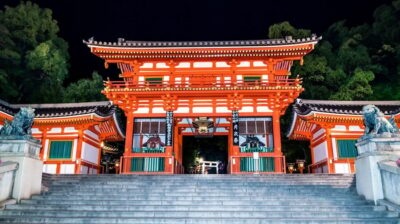
Gion Geisha District Walking Tour – Stories of Geisha
Read our review →
Best of Kyoto: Gion, Geisha, Pagodas & Cobblestones
Read our review →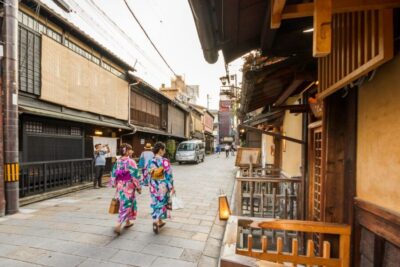
Kyoto Night Foodie Tour in Gion (9+ dishes + 6 Sake tastings)
Read our review →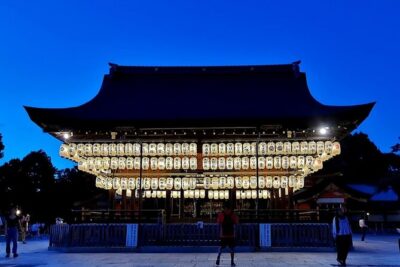
Kyoto Gion Geisha District Walking Tour – The Stories of Geisha
Read our review →