
Reviewed · TEMPLE & SHRINE TOURS
Kyoto: Kinkakuji, Golden Pavilion Guided Tour
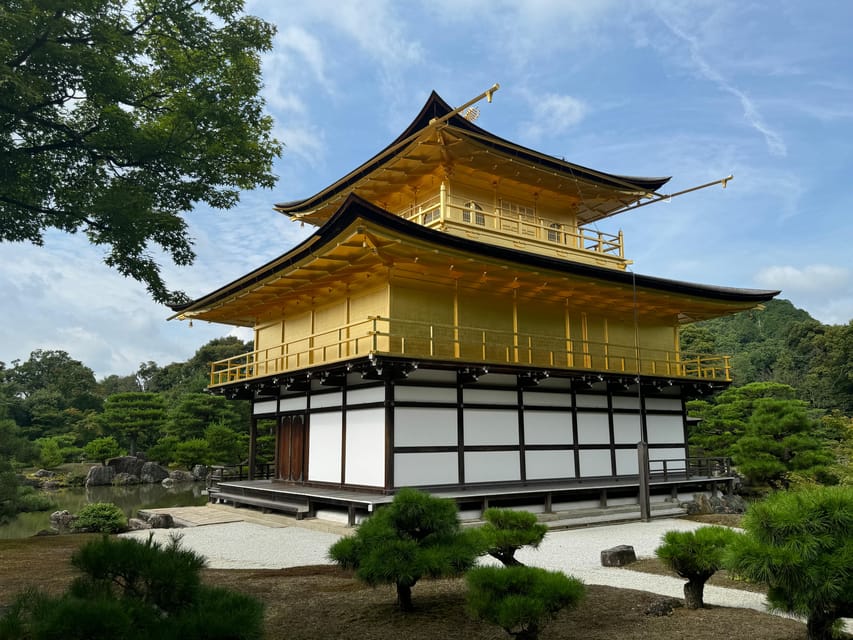
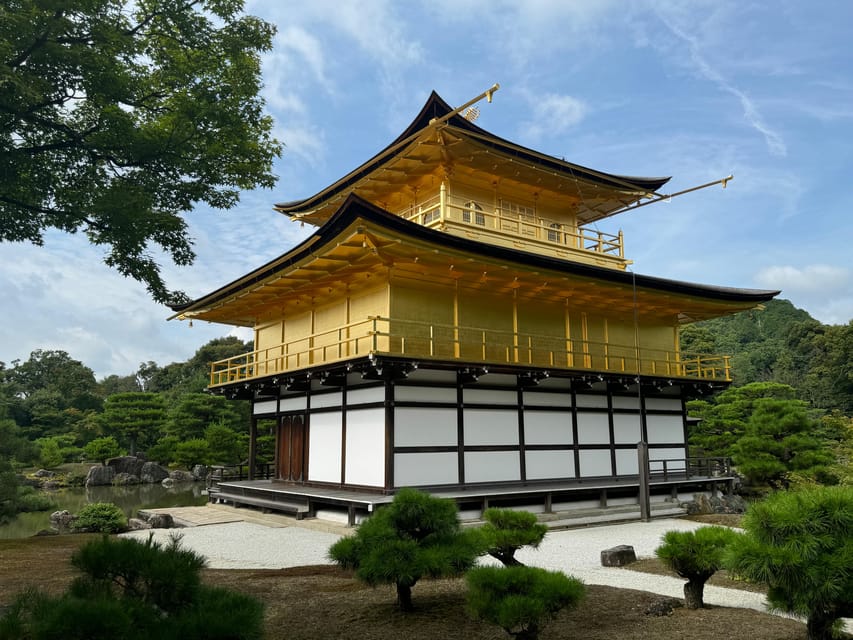
What makes this Kyoto experience interesting is how fast it gets you to the good stuff at Kinkaku-ji, the Golden Pavilion. The gold leaf on the upper floors is meant to catch the light, and the pond reflection turns it into something you keep looking at. Add a live guide who explains what you are seeing, and you get more than a quick photo.
I like two things a lot. First, you get a focused route through the best viewing spots in about 1.5 hours, so you are not wandering and guessing. Second, I appreciate the guide storytelling, from temple history and architecture to day-to-day ideas like maintenance and religious meaning.
One possible drawback is crowd levels. If you go at peak daytime hours, it can feel busy, and you will need a little patience for the best angles.
Key highlights to look for
- Golden Pavilion photo stop built around the pond reflection
- 1.5 hour focus at Kinkaku-ji, quick coverage of the top viewpoints
- Gardens plus a teahouse moment, so it does not feel like a rush job
- Second temple option with Ryōan-ji, extending the visit with another guided stop
- English or Japanese live guide, with explanations you can actually use
- Flexible start and end points (総門 or やまざき庵, then either 総門 or 龍安寺山門)
Kinkaku-ji, Golden Pavilion Basics and Why the Pond Matters
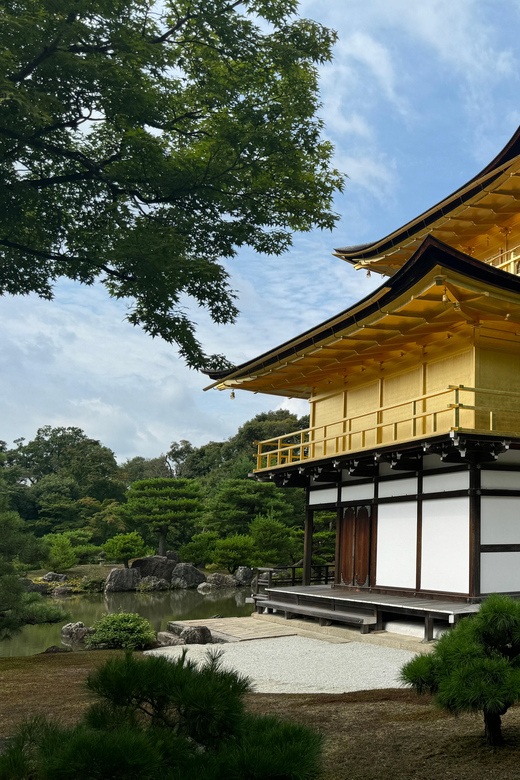
Kinkaku-ji is one of Kyoto’s most recognizable sights for a reason. The top two floors are covered in gold leaf, so the pavilion has that shimmering look that feels almost unreal when it hits the right light. Then there is the pond. Kinkaku-ji was basically designed for mirrors. Even if you are not trying to be artistic, you will notice how the reflection changes the scene as you move.
This tour makes the “pond effect” easy. Instead of spending your time walking back and forth, you get guided time at the most rewarding spots, including a dedicated photo stop. That matters because reflections are not just a single viewpoint. Small changes in where you stand can change the composition a lot.
You also get more than the main pavilion. The temple grounds include well-kept gardens and a teahouse area where you can slow down briefly. That helps if you tend to feel rushed around popular temples. Here, the pacing is built to give you a moment to breathe between the major “wow” views.
More Temple & Shrine Tours in Kyoto
- Kyoto: Fushimi Inari, Kinkakuji, Bamboo Grove 1 Day Bus Tour
★ 4.8 · 4,316 reviews - Kyoto: Tea Ceremony Ju-An at Jotokuji Temple
★ 4.9 · 3,207 reviews - Osaka/Kyoto:Kinkakuji,Arashiyama,FushimiInariShrine,NaraPark
★ 4.1 · 1,596 reviews
Price and Value, What $64 Covers (and What It Does Not)
At $64 per person, the value comes from two clear inclusions: the guide fee and admission to Kinkaku-ji. That means you are paying for interpretation plus your entry, not just a generic group walk.
What you are not getting is the kind of all-day transport convenience where you are shielded from every crowd or time crunch. This is a sightseeing-focused experience with a set time window. In return, you get a smart ratio of time to impact, especially if Kinkaku-ji is one of your only must-sees in Kyoto.
The duration also matters for value. You can see how long you want to be out, from 90 minutes up to 210 minutes, depending on the option and how the schedule lines up. If you are the type who likes to hit the highlight and still have time for lunch or another neighborhood, that range is handy.
Bottom line: if you want your money to go toward meaningful guidance and efficient viewing, this is priced in the right zone for that. If you want a slow, solo wandering day with no structure, you may decide DIY is better. But if you like a plan, the price makes sense.
How Long Is It, and What the 90 to 210 Minute Range Really Means
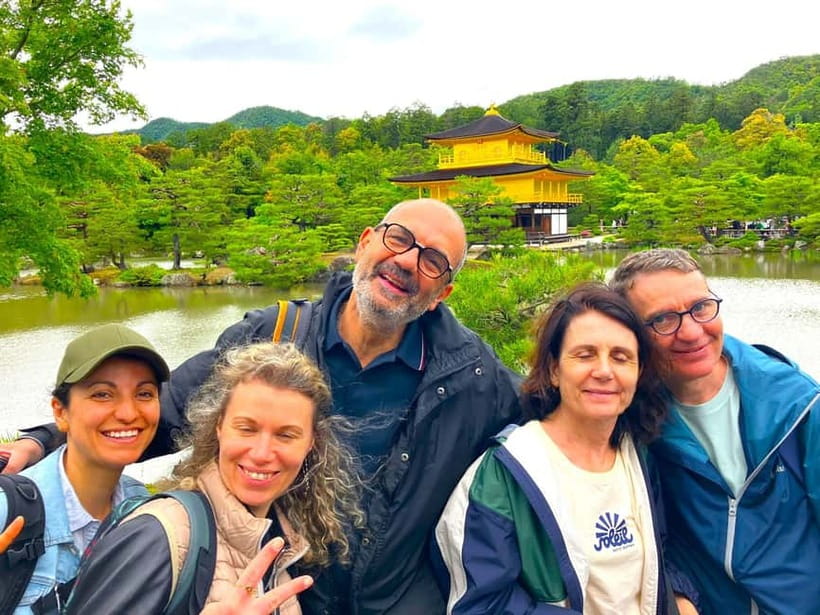
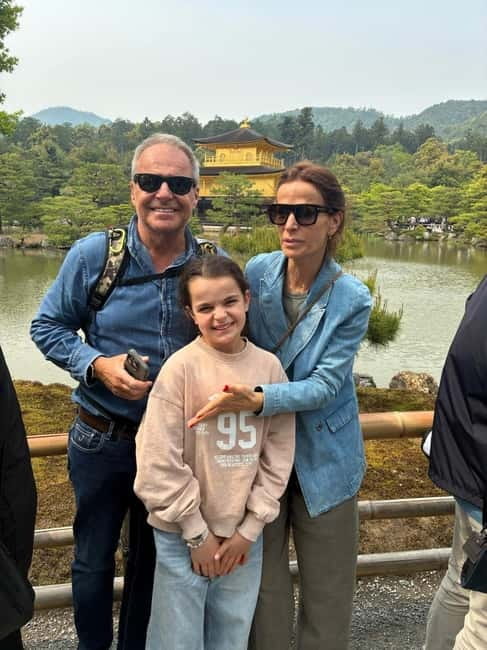
The tour’s timing is built around about 1.5 hours at Kinkaku-ji. That is enough to see the pavilion, walk the grounds, and stop for photos without feeling trapped in one spot.
Then there is the possibility of adding Ryōan-ji as a second guided stop, also around 1.5 hours. When your booking includes both temples, the full experience naturally approaches the longer end of the range. When it is just Kinkaku-ji focused, you are closer to the shorter end.
So if you are deciding based on your day, think in blocks:
- About 1.5 hours for Kinkaku-ji highlight viewing
- Another 1.5 hours if your option extends to Ryōan-ji
Also note the practical side: when someone gives you a timeboxed tour at a major attraction, it usually means you spend more energy looking and less energy navigating. That is a real vacation benefit in Kyoto, where “finding the right spot” can cost time.
Start Points and End Points, Choosing Based on Your Kyoto Route
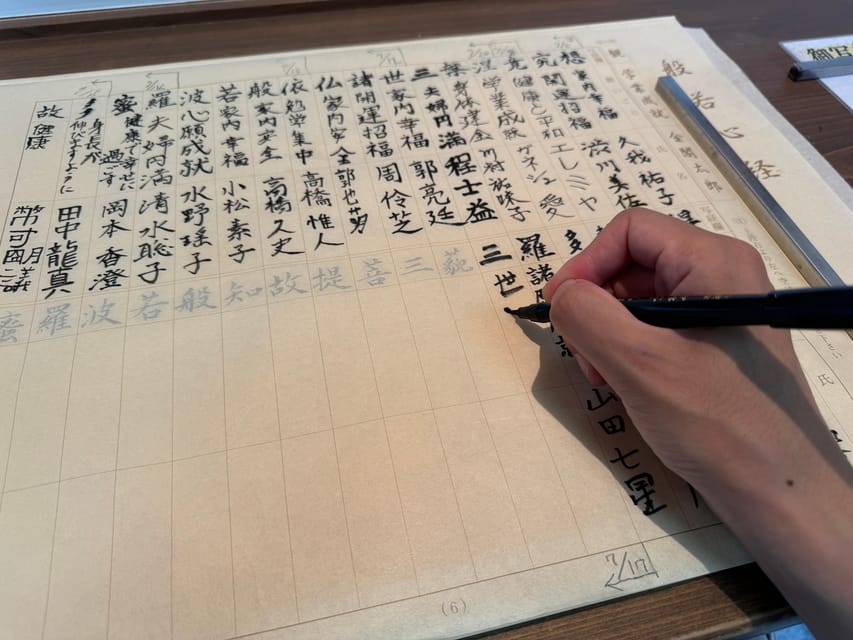
This tour uses different starting locations depending on what you booked, with options at 総門 or やまざき庵. The drop-off can also vary, with options at 総門 or 龍安寺山門.
Why does that matter? Because Kyoto is a patchwork of small areas. If your next stop is closer to your drop-off, the tour effectively saves you travel time and reduces stress. If you have a lunch reservation, a bus plan, or a train connection later, matching your start and end points to your route makes a noticeable difference.
If you are planning a tight day, you will want to check which start and end points fit best with the rest of your itinerary. The good news is the choices are there. You are not locked into a single meeting spot and forced into a long backtrack.
A change of pace from Kyoto:
- PERFECT KYOTO 1-Day Bus Tour
★ 5.0 · 13,518 reviews - Kyoto: Tea Ceremony in a Traditional Tea House in Kiyomizu
★ 4.9 · 3,519 reviews - Kyoto Geisha Walking Tour: Gion District & Hidden Gems
★ 4.7 · 3,273 reviews - Kyoto: Gion Magical Night Walking Tour with Geisha Trivia
★ 4.9 · 2,393 reviews
Entering Kinkaku-ji with a Guide, Fast Access to the Best Viewing Spots
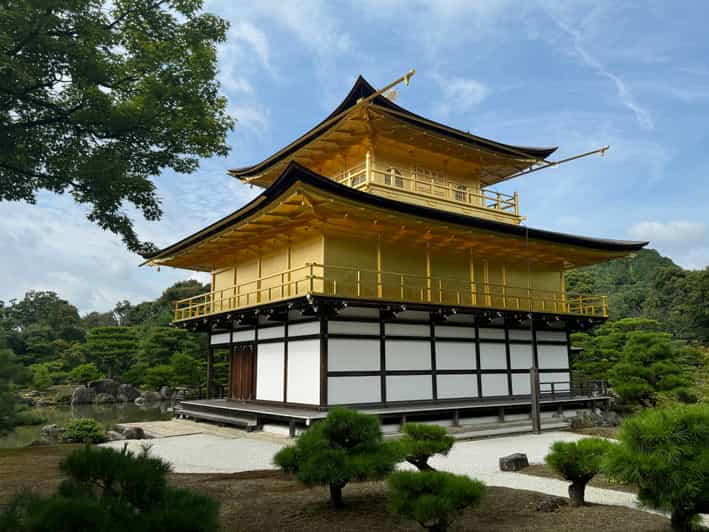
At Kinkaku-ji, you do not just show up and hope for the best. You get a photo stop, then a guided walkthrough that leads you through the viewing priorities.
Here is what that adds up to in plain terms:
- You see the pavilion itself, including the shimmering upper floors with gold leaf
- You spend time in the garden areas instead of only staring from one crowded angle
- You get time by the pond for the reflection shots that make this place famous
- You learn what you are looking at, not just that it is pretty
The gardens and the pond are the heart of the visual effect. If you try to do it alone without a plan, it is easy to end up stuck in one crowded spot that gives you only half the story. A guide helps you move with purpose.
You will also hear history and architecture explained in a way that makes the building feel less like a postcard and more like a living cultural site. Multiple guides on these tours have been praised for being well-prepared and able to answer questions clearly, including religious context and daily maintenance practices.
And yes, crowds can still happen. That is Kyoto. But a good guide helps you make smart choices about where to stand and when to shift, so the busy feeling does not fully ruin your experience.
Golden Pavilion Photo Tips That Actually Help

If you came for photos, good. This is one of those places where photos can be great, even if you are not a “serious photographer.”
A few practical things I recommend, based on how the experience is set up:
- Treat the pond reflection as a separate shot, not an afterthought. The reflection is part of the design, so plan a quick reposition rather than snapping from the first place you stop.
- Be ready to angle your body, not just your camera. Moving a step can change how the pavilion lines up with the water.
- If you see the scene from one perfect spot but feel blocked, do not panic. The tour’s structure is built for multiple viewing moments, so you can work toward less crowded angles.
One small mindset shift helps: do not chase the one perfect frame. Instead, aim to capture a couple of variations. One where the pavilion dominates. Another where the reflection is clean. That way, even if the crowd density changes moment to moment, you still go home with a strong set.
Also, if you are traveling with kids, the guide can help keep the pacing from turning into a stand-still photo marathon. One tour example included a guide who helped a family experience more of the cultural side than just the main photo spot.
Ryōan-ji as the Calm Counterpoint, Guided in Another 1.5 Hours
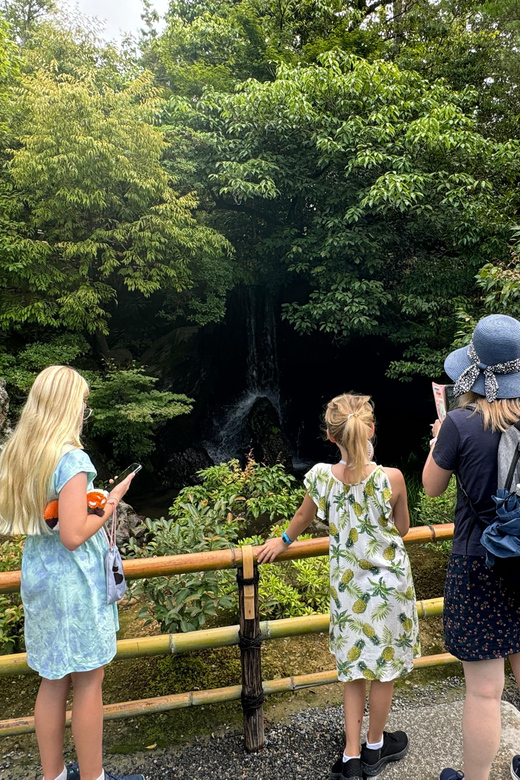
Ryōan-ji is the natural “second act” in this plan. After the gold-leaf sparkle and the pond reflections at Kinkaku-ji, you get another guided visit with about 1.5 hours set aside.
Even if you do not know much going in, a second temple stop tends to do two helpful things for your trip:
- It reinforces context, since your guide can compare how each site expresses faith and aesthetics.
- It helps you shift from “photo mode” to “walk and understand mode.”
From the way the guides handle questions, you can expect that this is not just a follow-the-leader segment. Guides have been described as patient, able to explain religious ideas, and good at making sure you leave with clearer understanding of what you saw.
If you are short on time, you might decide to keep it Kinkaku-ji only. If you can afford the added time, Ryōan-ji makes the day feel more complete. You go from one famous visual highlight to a quieter, more reflective visit that rounds out the Kyoto temple feel.
How the Guides Make the Difference, From History to Shinto and Buddhism
This tour leans on the guide experience, and the guide quality is where you feel the most difference.
You can get a live guide in English or Japanese. In multiple examples, guides stood out for doing real prep work and explaining clearly, including how the architecture and symbolism connect to Buddhist and Shinto influences. That matters because Kinkaku-ji can feel like a “look at the shiny building” moment if you skip the context.
Some guide examples you might encounter in similar tours include:
- Julien, praised for being very well-prepared with history and architectural explanations
- Tomoko, praised for being knowledgeable and making Kinkaku-ji feel easier to understand
- Hikari-san, noted for bright energy and helpful suggestions for making the rest of Kyoto easier
- Kina, highlighted for being phenomenal and answering questions well
- Teppei, praised for being kind and patient, including adapting the experience so a child enjoyed the visit
- Juraj and Kaito, both noted for strong explanations and communication
Even if the exact guide changes, the pattern is consistent: you are not left with vague statements. Guides tend to give you something to hold onto, whether that is the meaning behind details or how temple maintenance fits into the bigger picture.
Practical tip: bring a couple of questions. Even simple ones like what you should watch for in the architecture or why the pond reflection is such a big deal will help you get more out of the guided time.
Who This Tour Suits Best, and Who Might Prefer DIY
This works especially well if:
- You want the highest-impact Kinkaku-ji experience without spending your time figuring it out
- You like your sightseeing paired with live explanations rather than just walking
- You are traveling with family, since guides can adjust the vibe and keep kids engaged
- You care about photo angles, including the pavilion reflection in the water
- You want a small-group or private feel, since the tour offers private or small groups
It might be less ideal if you:
- Hate crowds and want complete control over pace
- Prefer hours of wandering without structure
- Are the type who can read maps fast and enjoys self-guided temple exploring
But even in those cases, it is still a strong option if Kinkaku-ji is your top priority. The guide helps you get the key sights and the context efficiently.
Should I Book This Kyoto Golden Pavilion Tour?
I would book it if your goal is a smart, guided Kinkaku-ji visit with time for the gardens and reflection photos, and you want the option to add Ryōan-ji without planning extra logistics. The combination of included admission, a live guide, and time that is long enough to do Kinkaku-ji right makes the $64 price feel fair.
I would think twice if you are only available during peak crowded hours and you know you get stressed in busy places. In that case, you can still book, but go in ready to be flexible, and lean on the guide to help you find workable viewing moments.
If you want a clean decision rule, use this: if you want guidance plus photos plus context in a set time block, book. If you want a slow solo temple day with no structure, DIY might fit better.
FAQ
What is the duration of the Kyoto Kinkaku-ji Golden Pavilion guided tour?
The tour duration is listed as 90 to 210 minutes, depending on the option and available starting times.
How much does the tour cost?
The price is $64 per person.
What languages are the live guides available in?
The live guide is available in English and Japanese.
What is included in the price?
The tour includes the guide fee and admission to Kinkaku-ji (Golden Pavilion).
Where do we meet, and where do we end?
The meeting point may vary depending on the option booked, with starting locations including 総門 and やまざき庵. Drop-off locations can include 総門 and 龍安寺山門.
Can I cancel, and is there a pay-later option?
Yes, you can cancel for a full refund up to 24 hours in advance. You can also reserve now and pay later.
Latest write-ups near Kyoto
- Kyoto: Nishiki Market Tour with a Local Foodie & Tastings★ 4.5 · 67 reviews
- Kyoto Kimono Rental mimosa |Kimono/Yukata Rental Couple Plan★ 4.8 · 67 reviews
- Kyoto: Traditional Kimono Fabric Handicrafts Workshop★ 5.0 · 67 reviews
- Kyoto Tea Ceremony and Samurai Photo Session★ 5.0 · 70 reviews
- Kyoto: Replica food making experience★ 4.8 · 70 reviews
- Private departure transfer from Kyoto city to Kansai International airport★ 5.0 · 72 reviews
- Uji: Green Tea Tour with Byodoin and Koshoji Temple Visits★ 4.8 · 72 reviews
- Kyoto: Geisha Dinner & Gion Cultural Walk★ 5.0 · 73 reviews
Temple & Shrine Tours, compared.
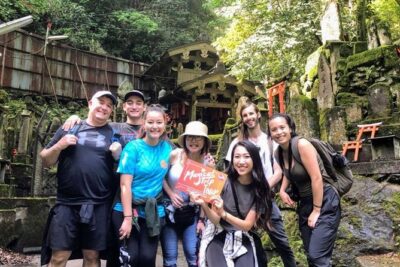
Fushimi Inari, Kinkakuji, Bamboo Grove 1 Day Bus Tour
Read our review →

Meiji Shrine, Asakusa, Skytree Bus Tour and Cruise
Read our review →
Osaka/Kyoto:Kinkakuji,Arashiyama,FushimiInariShrine,NaraPark
Read our review →
Asakusa Walking Tour with Sensoji Temple Visit
Read our review →
Nikko: Kegon Falls, Lake Chuzenji & Toshogu Temple
Read our review →
Kamakura & Enoshima Day Trip including Temple Tickets
Read our review →
Nikko Toshogu Shrine and Kegon Waterfall Tour
Read our review →Browse the lists this tour appears in