
Reviewed · MIYAJIMA TOURS
Hiroshima: Miyajima Half-day Historical Walking Tour
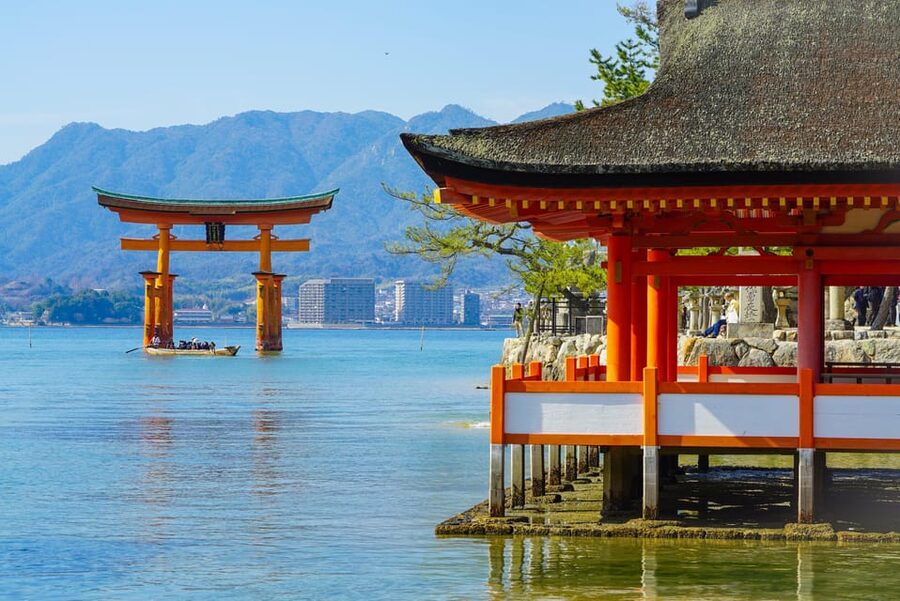
Miyajima is one of those rare places where the scenery looks sacred and everyday life still moves around the edges. You get the star moment, the O-Torii sitting off the shore, plus shrine and temple stops tied to tides, faith, and island living.
I especially like how the tour mixes big sights with stomach-level fun, with a local lunch that includes fresh oysters and fried momiji dumplings. I also like the small group format, capped at 7 people, which makes it easier to ask questions and move at a human pace with guides such as Kaz or Yuji.
One drawback to plan around: the ferry is not included, so you need cash, and restaurant slowdowns can stretch the day in busy periods when staffing is tight.
Key things I’d watch for on this Miyajima tour
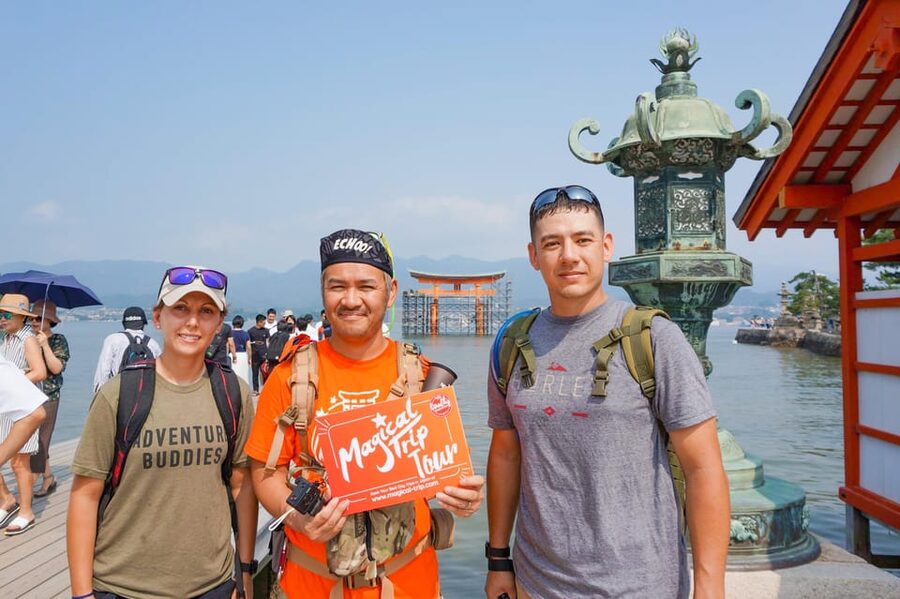
- That O-Torii viewpoint is the start of the story, since you see it again in the water and later back on land
- Lunch is part of the culture, with Hiroshima Prefecture ingredients, oysters, and fried momiji dumplings
- Itsukushima-jinja is built for tides, so your guide will help you notice how the Heian-period architecture holds up
- Daisho-in gives you context fast, with a temple complex tied to 1,200 years of history
- Small-group walking keeps it personal, capped at 7, with tour photos included
- You get more than shrines, since there is a museum stop plus a long, slower final stretch with tea or coffee
Miyajima’s magic is the details, not just the postcard
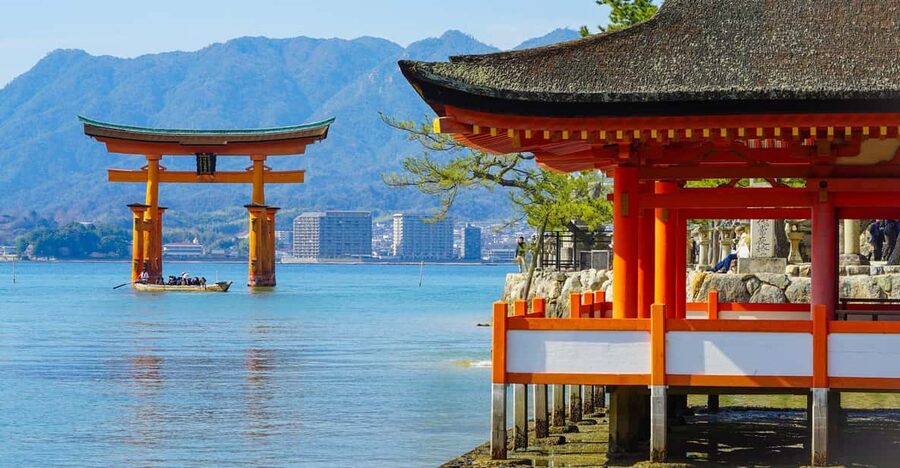
If your mental picture of Japan is temples with perfect angles, Miyajima delivers. But what makes this tour worth your time is the way it explains why the island looks the way it does, and why people treat it as something more than a sightseeing stop.
You start by moving from the mainland toward the island’s sacred zone. Then you do the practical stuff too: you learn how Miyajima’s shrines and temples work with the sea and how everyday island habits evolved from earlier centuries into modern times.
This tour also keeps the pacing on a walking level you can enjoy, not a sprint. Still, it is not a stroll on flat pavement all day, so plan for real steps.
More Miyajima crossings:
- Peaceful Hiroshima & Miyajima UNESCO 1 Day Bus Tour
★ 5.0 · 5,309 reviews - Hiroshima: Hiroshima and Miyajima UNESCO Sites 1-Day Tour
★ 4.9 · 2,330 reviews - Hiroshima / Miyajima Full-day Private Tour with Government Licensed Guide
★ 5.0 · 1,298 reviews
From Hiroshima to Miyajimaguchi, then straight onto the ferry
Getting to Miyajima is simple on paper. From Hiroshima, you ride to JR Miyajimaguchi Station on the JR Sanyo line, about 30 minutes.
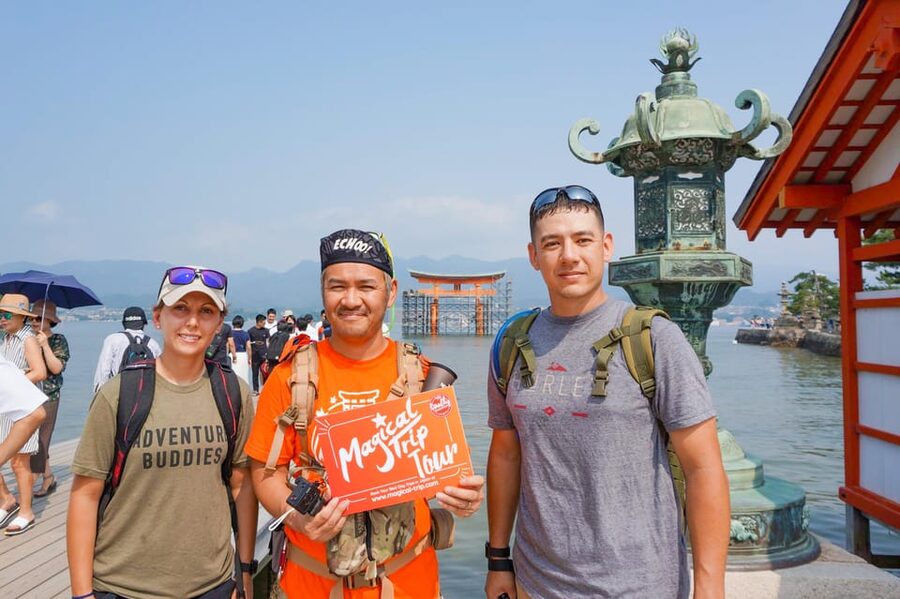
Your meeting point is specific, which helps. Meet in front of the coin-operated locker outside JR Miyajimaguchi Station, and your guide holds a board that says MagicalTrip.
From there, you take the ferry to Miyajima, and this part matters. The Seto Inland Sea views set the tone, and the O-Torii comes into view during the crossing. When you arrive, you will likely meet the island’s famous deer right near town, which is a fun way to feel like you arrived in a real place, not just a route.
Practical tip: if you get even mildly queasy on boats, Miyajima ferry rides can be a problem. The tour is not listed as suitable for people prone to seasickness, so be honest with yourself.
Seeing Itsukushima Shrine from the water, and understanding the tide design
Itsukushima Shrine is the main reason many people come to Miyajima. This tour makes it more than a photo stop by teaching you what you are actually looking at.
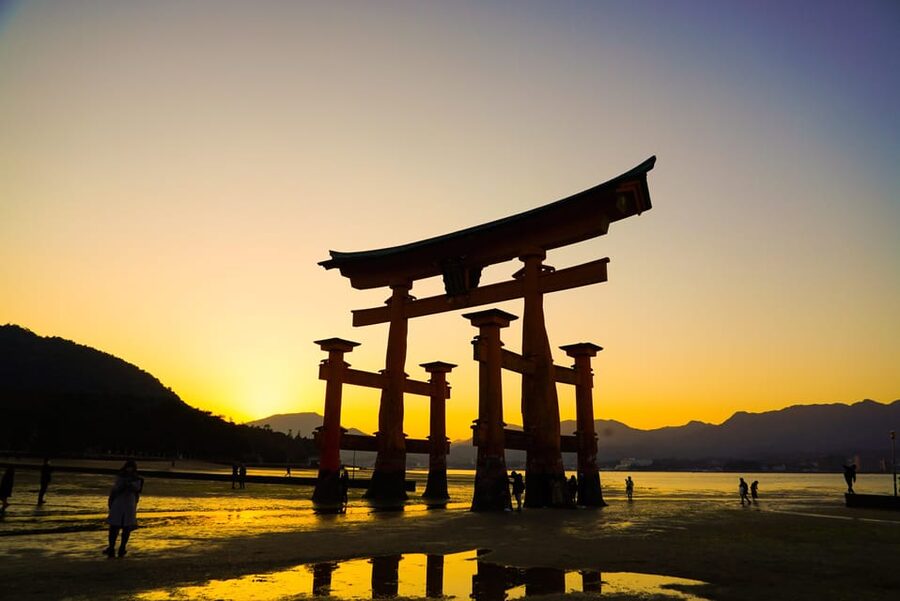
You walk toward the shrine after the coastal approach, with the O-Torii sitting off the shore as the symbol you keep returning to. Then, at Itsukushima Shrine, your guide connects the architecture to the sea. The shrine’s distinctive buildings were constructed during the Heian period (794 to 1192), and the design is resilient to the changing water levels as tides ebb and flow.
That sounds technical, but it is visual. Once you understand the relationship between structure and tides, your whole experience changes from scenery to system. You start noticing proportions, placements, and why some spaces look like they belong to the water as much as to land.
If you are a first-timer, this is one of the best places to come armed with curiosity. Ask questions about what is Shinto here, and how the tide timing affects what you see.
The Miyajima museum stop that turns landmarks into people
A lot of shrine tours skip the context and speed to the next highlight. Here, you get a museum stop focused on life and culture on Miyajima.
This is the part I appreciate when you want to go beyond the sweep of major sights. You learn how people lived on this island, how the culture formed, and how the island’s identity carries forward into modern day routines.
It also helps the rest of the walk click. When you see gardens, craft details, and temple spaces later, you have a mental map for what those elements meant, not just how they look.
More Historical Tours in Hiroshima:
- Hiroshima Historical Walking Tour – Why A-Bomb was Dropped
★ 4.8 · 893 reviews - Hiroshima Peace (Heiwa) Walking Tour at World Heritage Sites
★ 5.0 · 872 reviews - Miyajima Half-day Trip Historical Walking Tour
★ 5.0 · 284 reviews - Hiroshima: History of Hiroshima Group Walking Tour
★ 4.8 · 266 reviews
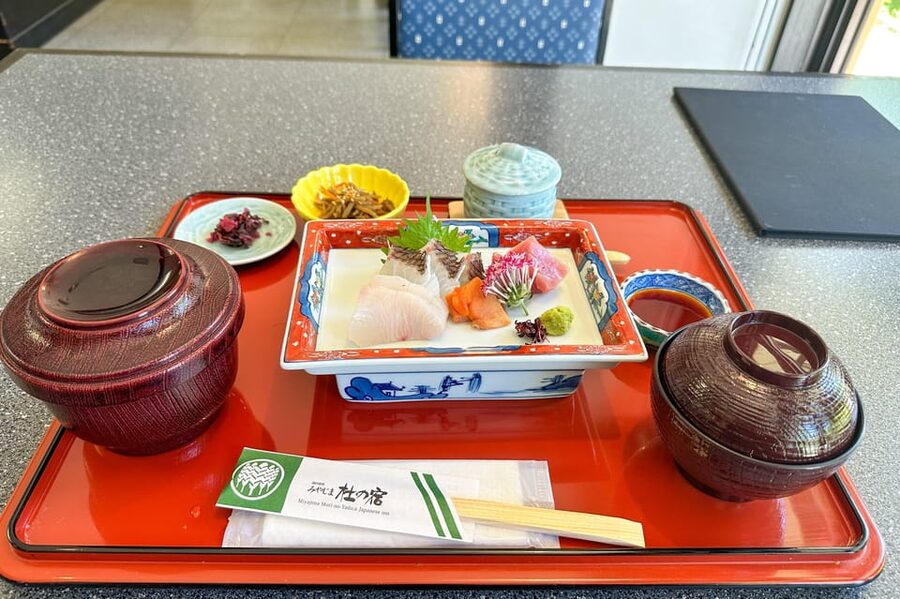
Lunch with Hiroshima flavors: oysters and fried momiji dumplings
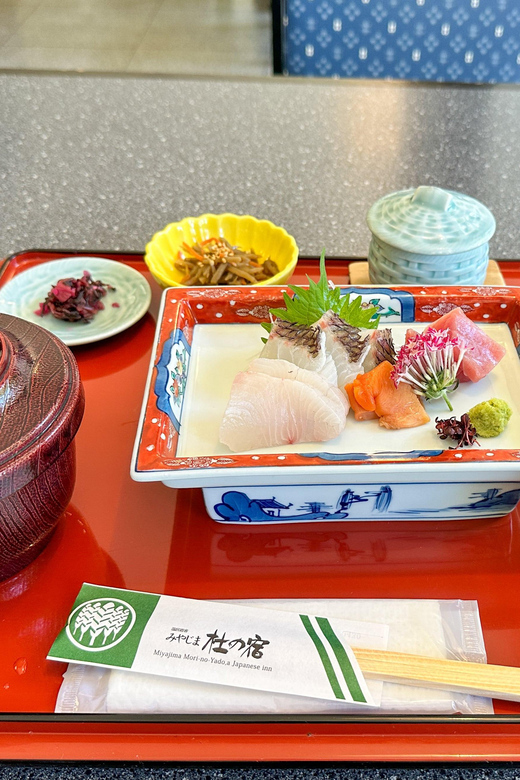
The best tours handle food with care, and this one builds lunch in as part of the day, not as an afterthought. The lunch uses ingredients from Hiroshima Prefecture, so you are not just eating for calories.
The standouts are fresh oysters and fried momiji dumplings. This is local comfort food with a crisp outside and a sweet-savory feel that matches Miyajima’s casual street-town vibe.
A quick reality check: vegetarian and vegan lunch options exist, but they are limited. Also, the tour cannot guarantee allergy-free meals because the food is prepared in kitchens not belonging to MagicalTrip. If you have serious dietary restrictions or allergies, bring your own plan and communicate clearly when options are limited.
Food timing can also shift. In general, the restaurant industry has had staff shortages after the pandemic, so food service may be delayed at some places, which can extend the tour beyond the planned duration. In hot months, plan to hydrate early, not when you already feel thirsty.
Daisho-in Temple complex for the big “how did this faith last” feeling
After lunch, you head toward Daisho-in, often described as one of Miyajima’s main temple zones. This is the island’s oldest with about 1,200 years of history, so you are not just seeing a pretty site, you are stepping into a long-running tradition.
On the way, you take a mountain path that gives you scenery on the move. That matters because it breaks the day into chapters: sea views early, spiritual structures in the middle, then a quieter forest-feeling end.
At Daisho-in, your guide explains the temple’s past and how faith has evolved on Miyajima. You get a better sense of why these structures were built, how beliefs developed over time, and what the statues and halls represent in a living religious landscape.
Drawback to note: the walking path and temple grounds can be tough if you have mobility limits or back problems. The tour is not listed as suitable for people with back problems or low levels of fitness.
Momijidani and Senjokaku Pavilion, plus a breather with tea or coffee
This tour keeps moving but does not treat every stop as an emergency. After Daisho-in, you continue through Momijidani and then on to Senjokaku Pavilion.
Senjokaku is one of those dramatic temple-related spaces that gives you a different angle on the island’s religious culture. It also feels like a turning point, since the day shifts from older temple core areas to broader island landmarks.
Toward the end, you get a calmer break with a cup of tea or coffee. That pause is more than a treat. It gives your body a reset after the walking so you can actually enjoy the forest and quieter scenery near the end of the route.
The long hidden-gem hour that turns the walk into a story
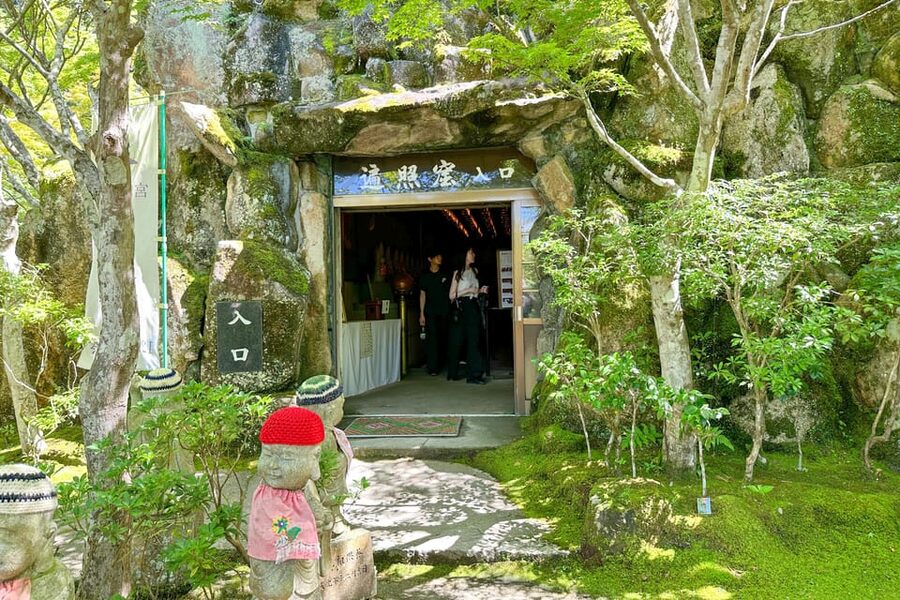
One of the most praised parts of this kind of tour is the time that does not feel like the usual checklist. In this case, there is a “hidden gem” stop with about an hour built in.
That extra time is what makes the day feel rounded. Instead of racing between the biggest icons, you get a slower section that helps you understand Miyajima as a place, with traditional Japanese architecture, gardens, and crafts beyond the most crowded stops.
This is also where you get a feel for how the guide thinks. If you get a guide like Kiki or Hika, you may notice they tell stories that connect shrine rules, temple spaces, and island customs. It makes the walk feel like you are spending time with someone who wants you to actually get it, not just tick boxes.
Tour photos are included, which helps too. You can spend less time fussing with your camera and more time looking around at the details your guide points out.
Pace, footwear, photos, and group size reality
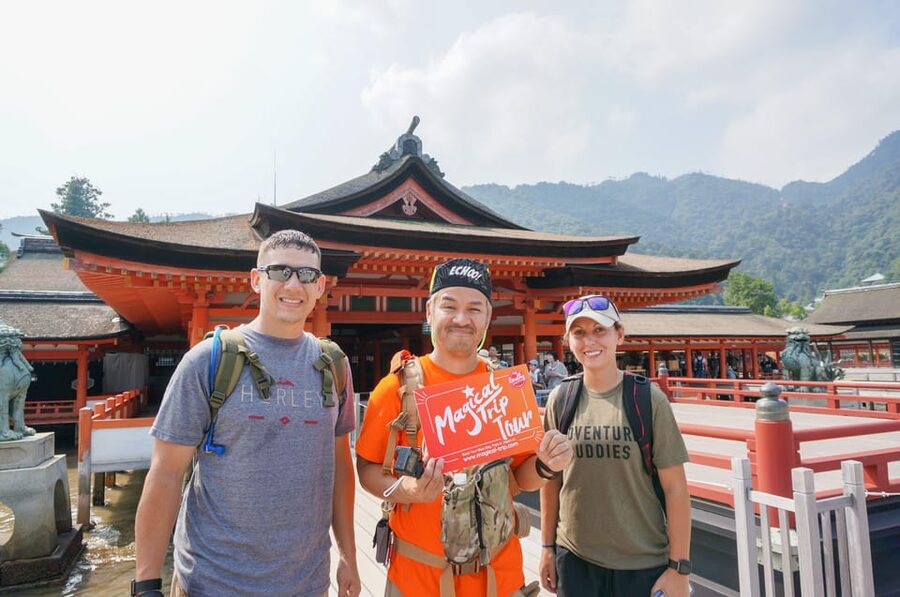
This tour runs about 330 minutes, so close to a half day that still packs real ground. The group is limited to 7 participants, which is ideal if you want questions answered without having to fight for attention.
You should expect a fair amount of walking, including paths that can be uneven. Shoes matter. If rain hits, some areas can get muddy, so plan for grip and comfort.
Also note the tour is not wheelchair or stroller accessible, and some stops are not reachable that way. The route includes uneven terrain and steps, so if you are relying on mobility aids, check your comfort level carefully.
On the health side, it is listed as not suitable for heart problems and high blood pressure, and it is not ideal for people prone to seasickness. Use that as your filter, especially if you have a medical reason to avoid stairs or boat rides.
What you pay for $106, and why it can be good value
At $106 per person, the price looks steep until you break down what is bundled. You get a local English guide, entrance fees to shrines, temples, and museums, a local lunch, and tour photos.
What is not included is the ferry ticket, paid in cash. The ferry fee is shown with different figures in the pre-trip notes, including JP¥500 and a JP¥360 mention. So I suggest bringing enough cash to cover the ferry comfortably, then add a little extra for snacks and drinks.
Value question to ask yourself: do you want to navigate all the admissions and directions while also figuring out where to eat? If you want a guided route with the religious context explained, the money makes more sense.
Also, the tour ends back at the same area in Miyajimaguchi, so you do not have to reorganize your evening plans around multiple transit points. That saves stress.
Who should book this Miyajima half-day walk
This tour is a strong match if you want:
- Shrine and temple context, especially how Itsukushima Shrine works with tides
- A food stop that is actually local, not a generic restaurant shuffle
- A paced walking day with a small group, limited to 7 people
- English guidance and plenty of chances to ask questions
You might prefer a different style if you are:
- Budget-only and want to DIY everything with your own timing
- Sensitive to boats, with seasickness risk
- Needing wheelchair or stroller access
- Managing medical limits like back problems, heart problems, or high blood pressure
Should you book this Hiroshima: Miyajima Half-day Historical Walking Tour?
I would book it if you are going to Miyajima anyway and you care about understanding why the island looks sacred, rather than just seeing what it looks like. The mix of Itsukushima Shrine, Daisho-in, a museum context stop, and a lunch with oysters and fried momiji dumplings is a smart way to use limited time.
Skip it or choose an easier plan if you cannot handle steady walking, uneven paths, or if boat movement is an issue for you. And if you have allergies or strict dietary needs, double check your comfort level because allergy-free guarantees are not part of the deal.
If you like guides who connect architecture, tides, and everyday island culture into one story, this is one of the better half-day options in Hiroshima territory.
FAQ
Where do I meet for the tour?
Meet in front of the coin-operated locker outside JR Miyajimaguchi Station. Your guide will be holding a board saying MagicalTrip.
How long is the tour?
The duration is 330 minutes.
What language is the tour guide?
The tour is offered with a live English-speaking guide.
How big is the group?
The tour is a small group, limited to 7 participants.
Is the ferry included in the price?
No, the ferry ticket is not included. Cash is required for the ferry fee.
What is included in the $106 price?
Included items are a local guide, entrance fees to shrines, temples, and museums, local lunch, and tour photos.
Are vegetarian or vegan lunches available?
Vegetarian and vegan lunch options are available, but they are limited.
What if food service is slow due to staffing issues?
The pre-trip notes say delays may happen at some restaurants because of industry staffing challenges, so the tour duration could run longer than the original schedule.
Is the tour wheelchair or stroller accessible?
No. The itinerary includes locations not accessible by a wheelchair or stroller.
Who should not take this tour?
It is not suitable for people with back problems, heart problems, or those prone to seasickness. It also lists gluten intolerance and low fitness as reasons not to book, and it is not suitable for babies under 1 year.
Latest write-ups near Hiroshima
- An Amazing set of Cultural experience: Kimono, Tea Ceremony and Calligraphy★ 5.0 · 69 reviews
- Hiroshima: Private Walking Tour with a Local★ 4.6 · 70 reviews
- Hiroshima: Miyajima Island Half-Day Tour with Guide★ 4.9 · 71 reviews
- Kimono and Tea Ceremony in Miyajima★ 5.0 · 73 reviews
- Hiroshima and Miyajima Private Guided Tour★ 4.5 · 75 reviews
- HIROSHIMA ORIZURU TOWER Admission Ticket★ 4.6 · 75 reviews
- Hiroshima & Miyajima: UNESCO A-Bomb Dome & Itsukushima★ 5.0 · 76 reviews
- Hiroshima to Miyajima: Private Custom Tour with Ferry Ride★ 4.9 · 77 reviews
Miyajima Tours, compared.
Peaceful Hiroshima & Miyajima UNESCO 1 Day Bus Tour
Read our review →
Hiroshima and Miyajima UNESCO Sites 1-Day Tour
Read our review →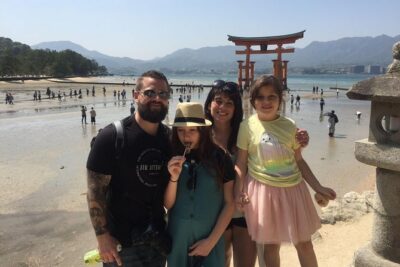
Hiroshima / Miyajima Full-day Private Tour with Government Licensed Guide
Read our review →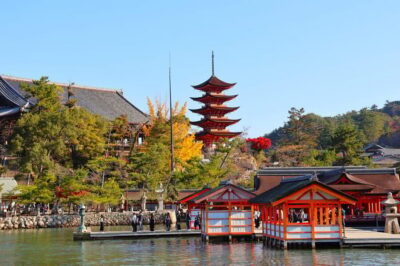
Osaka/Kyoto: Hiroshima Miyajima Bus Tour & Shinkansen Ticket
Read our review →
Hiroshima and Miyajima Day Trip with Itsukushima Shrine & Ferry
Read our review →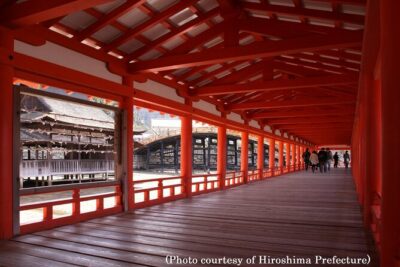
Full Day Hiroshima and Miyajima Bus Tour from Hiroshima
Read our review →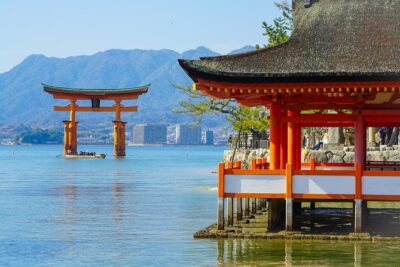
Miyajima Half-day Trip Historical Walking Tour
Read our review →Browse the lists this tour appears in