
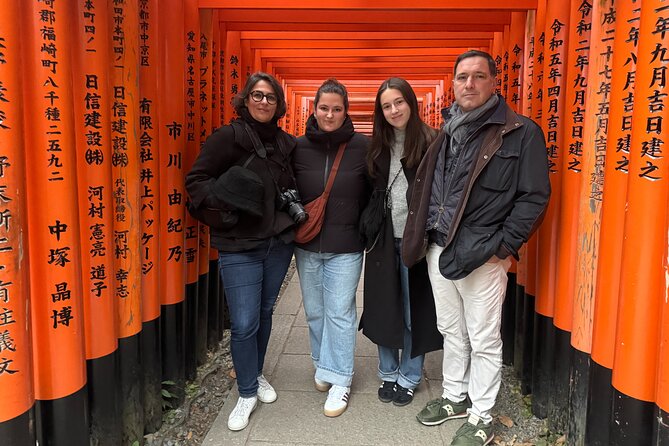
Reviewed · FUSHIMI INARI TOURS
Kyoto Early Bird English Tour: Fushimi Inari & Gion(Private opt)
Kyoto is at its most magical early in the day, and this morning highlights walk aims to get you to big-name sights before the worst crowds. You start with Fushimi Inari’s famous red torii gates, then roll into Kiyomizu-dera for city views, and finish in Gion near Yasaka Shrine.
Two things I really like here. First, you get a local English guide who helps you understand what you’re seeing, not just where to stand for photos. Second, you receive professional photos during the tour, which is a smart upgrade if you want memory shots without juggling a phone the whole time.
One possible drawback: the pacing can feel faster than the listed duration. Even though it’s advertised as about 4 to 5 hours, some people find it closer to around 2.5 hours depending on the day and group flow.
Key highlights you’ll feel from start to finish
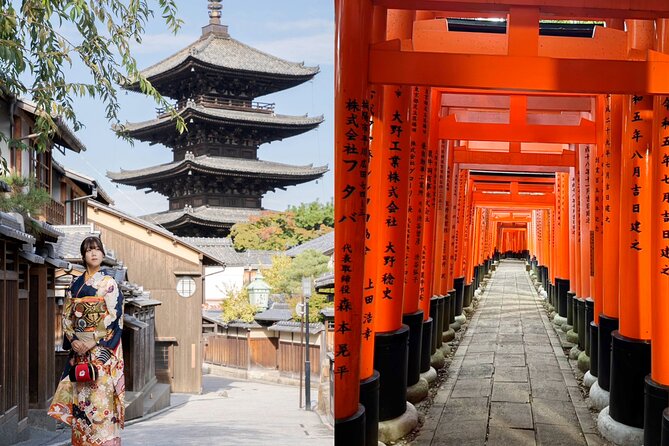
- Fushimi Inari early access to walk the torii paths with fewer people
- Kiyomizu-dera viewpoints plus a guide to explain what you’re looking at
- Photo support built in, with professional pictures taken during the tour
- Old-street stops at Sannenzaka and Ninenzaka for snack and souvenir time
- Short temple and shrine moments (Yasaka Pagoda, Yasaka Koshindo) that still pack big visuals
- Finish in Gion at Yasaka Shrine so you can keep exploring right after
Why an early Kyoto walk beats the midday crush

The big win of this tour is the timing. Getting to Fushimi Inari-taisha Shrine before most tour groups means you can actually enjoy the shrine grounds instead of spending your time inching forward. You also get better odds for cleaner photos, especially at the famous torii gate paths where crowds can wipe out good angles.
This early start also changes how you experience Kyoto. Shrines and temples feel less like a checklist and more like places people genuinely visit. With fewer people around, your guide can point out details you would normally miss while scanning for the next landmark.
If you’re the type who likes your mornings active and unhurried, this setup fits. You’ll want to plan for some walking from stop to stop, but the payoff is that you see a lot without feeling constantly rushed.
More Fushimi Inari visits:
- Kyoto: Fushimi Inari, Kinkakuji, Bamboo Grove 1 Day Bus Tour
★ 4.8 · 4,316 reviews - Fushimi Inari Hidden Hiking Tour (Private Option Available)
★ 5.0 · 1,750 reviews - Kyoto/Osaka: Nara, Fushimi Inari Taisha, Arashiyama Bus Tour
★ 4.7 · 1,275 reviews
Price and what you actually get for $99.10
At $99.10 per person, this tour can be great value if you’re doing Kyoto highlights in a short window. You’re paying for three practical benefits: an English-speaking local guide, time-efficient route planning using public transport, and photo help.
Here’s the part you should budget separately. Public transportation is listed at ¥390 per person, and Kiyomizu-dera Temple admission is ¥500 per person (not included). Fushimi Inari is free, and the other listed stops are free as well.
So what are you paying for beyond entry tickets? In my view, the real value is the guide’s explanations and the photo coverage. One of the most common compliments in past experiences is that the guide made the meaning of shrines and temples easy to follow, then took lots of photos so you didn’t have to be constantly behind your camera.
Start at Kyoto Station, end near Gion and Yasaka Shrine
You meet at Kyoto Station, near Higashishiokoji Kamadonocho in Shimogyo Ward. The meeting point is described as near public transportation, which matters because early tours can throw off your timing if you get stuck at the wrong exit.
The tour ends at Yasaka Shrine in the Gion area. That’s a helpful finish because you’re dropping into one of Kyoto’s most convenient sightseeing zones right away. From there, you can keep walking, grab a bite, or take a bus to other parts of Higashiyama.
Because you end at a shrine, not a subway stop, I suggest you plan your next move before the tour ends. If you need to return to a hotel, do it from the Gion/Yasaka area when you still have the energy.
The walking pace: shoes, hills, and why timing can feel shorter
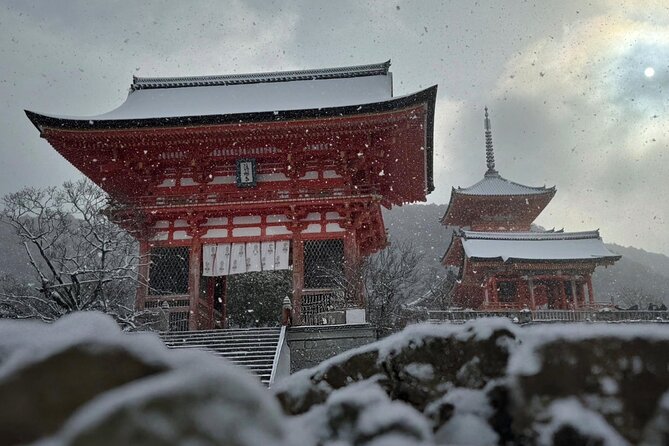
This is designed as a walking experience that uses public transport between sights. You should have a moderate fitness level, which makes sense once you remember Fushimi Inari and Kiyomizu-dera are both on hills and involve stairs.
Even with breaks, you’ll feel the day in your legs. I strongly recommend comfortable shoes with decent grip, because temple and shrine steps can be slick when stone is wet.
About timing: the itinerary is listed for 4 to 5 hours, but some experiences can run closer to roughly 2.5 hours. The best way to handle that is to build in a buffer afterward if you’re trying to catch dinner reservations or another booking. If you have a flexible evening, even better.
Also note the tour is private, meaning only your group participates. That can help the pace stay comfortable, since the guide can adjust to your speed rather than herding everyone through photo spots.
More Geisha Experiences in Kyoto:
- Kyoto Geisha Walking Tour: Gion District & Hidden Gems
★ 4.7 · 3,273 reviews - Kyoto: Gion Magical Night Walking Tour with Geisha Trivia
★ 4.9 · 2,393 reviews - Kyoto: Gion Geisha District Walking Tour – Stories of Geisha
★ 4.7 · 2,187 reviews - Best of Kyoto: Gion, Geisha, Pagodas & Cobblestones
★ 4.9 · 2,058 reviews
Entering Fushimi Inari-taisha Shrine before the crowd wave
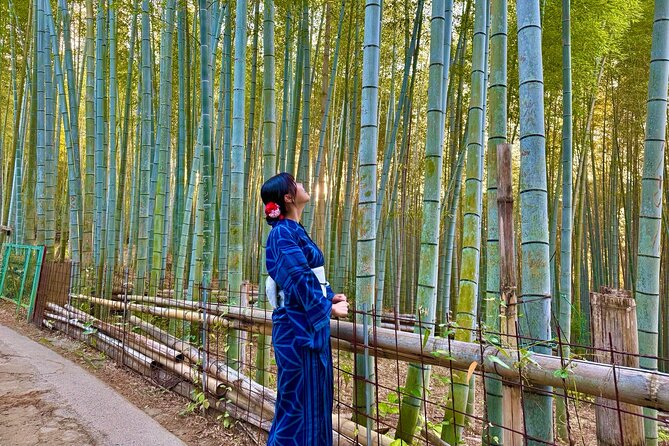
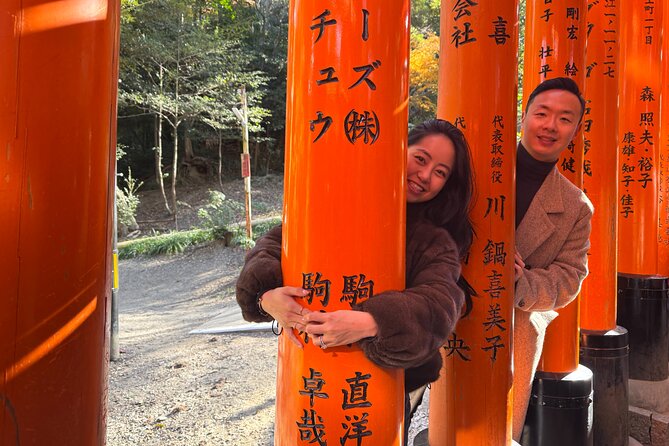
Fushimi Inari-taisha is the headliner, and for good reason. The shrine is known for thousands of red torii gates winding up through forested Mount Inari, all dedicated to Inari, the god associated with rice and prosperity.
The tour gives you about 1 hour here, and it’s free. That’s enough time to see the classic gate tunnels and still make it back without feeling like you sprinted. Still, this is the stop where you’ll get your steps in, because the paths climb.
A simple strategy: walk at a relaxed rhythm early, then pause more than you think you need. The torii gates create lots of natural photo frames, but they also hide side paths where the views and gate density feel different.
If you care about photos, this is the moment to communicate what you want your guide to capture. Professional photo timing works best when the guide can position you with clear angles, and Fushimi Inari is where you get the most dramatic backdrops.
Kiyomizu-dera Temple viewpoints, and what to budget at the gate
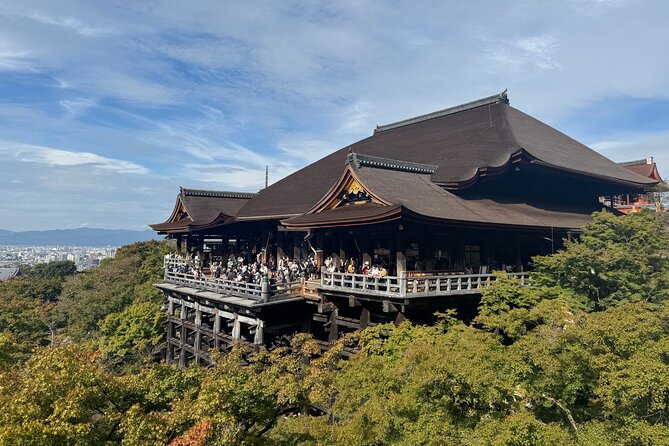
Next is Kiyomizu-dera, one of Kyoto’s most famous temples, with panoramic views over the city. You get about 1 hour at this stop.
Admission is not included, and the listed fee is ¥500 per person. Since you’re paying extra here anyway, I suggest you treat Kiyomizu-dera as your “go slow” stop. Give yourself time to look out across Kyoto from the temple area, then take a few minutes to read the guide’s context about what you’re seeing.
A key practical point: Kiyomizu-dera can mean waiting and stair walking depending on conditions. This tour starts earlier, which should help, but you’ll still want patience.
If you’re sensitive about crowds, this is also the stop where you benefit most from having an English guide. It’s easier to understand which sections matter most when someone explains how the temple works and why certain areas are so iconic.
Sannenzaka and Ninenzaka stone streets for browsing and small bites
After the temples, you get a change of scene at Sannenzaka and Ninenzaka, the stone-paved old streets lined with shops and restaurants in historic wooden buildings. You only have about 15 minutes, but that’s enough time to get the vibe and do a quick browse.
This is a good moment for souvenirs that feel tied to the neighborhood rather than generic. Since the stop is short, I suggest you decide in advance what you want: snacks, small crafts, or a single meaningful purchase.
If you’re traveling with family, this short street time often works well because it’s flexible. You can walk, look, and stop for a snack without the commitment of another ticketed attraction.
Yasaka Pagoda (Hokanji) and Yasaka Koshindo: short stops, striking details
Two quick temple stops follow, and they’re perfect for people who like visual variety without losing the flow of the day.
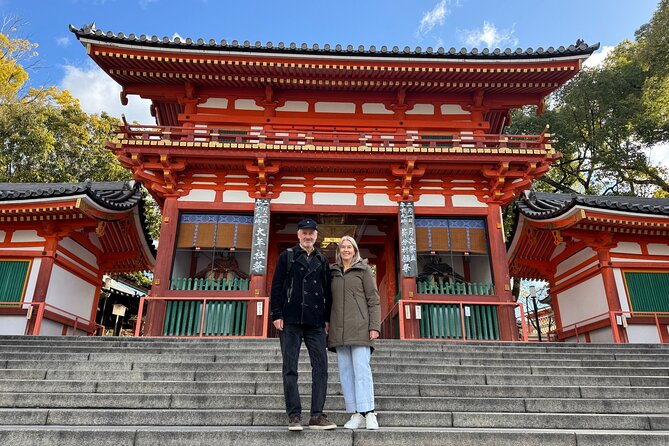
First is Yasaka Pagoda (Hokanji temple) for about 15 minutes. It’s known as one of the oldest wooden structures in Japan, and there’s a standout detail: it is said to have been built without using nails. The scale makes it feel almost unreal when you’re standing close.
Then you move to Yasaka Koshindo, also about 15 minutes. This one is described as mysterious in terms of its origin date, and it’s famous for colorful decorations, especially because many temples tend to be more muted in style.
These two stops are free and brief, so the main challenge is not rushing. I recommend you spend your time looking up and around, not just forward. Wooden structures, bright painted surfaces, and close-up carvings often look better from angles your eyes won’t automatically choose.
If you want photos here, say so quickly when you arrive at each spot. The guide can help you time it so you get an angle before people pass in front.
Gion stroll and Yasaka Shrine: the calm way to end a busy morning
Next comes Gion, Kyoto’s famous geisha district. You get about 15 minutes, which means this is more of a taste than a long wander. Still, it’s a meaningful introduction because you’re walking near traditional wooden machiya houses and teahouses and seeing preserved historic streets.
Then you finish at Yasaka Shrine, with about 30 minutes. The shrine is described as the headquarters of 2,300 related shrines across Japan, and it’s tied to prosperity and protection.
Ending here works because it shifts your focus. Earlier stops can feel like big attractions, but Yasaka Shrine gives you a quieter, more ritual-feeling finale. If you want a moment to breathe, reflect, and absorb what you learned that morning, this is the place to do it.
Also, since the tour ends at the shrine, you can continue exploring Gion at your own pace once you’re done. If you want to keep it simple, grab a meal nearby and just keep walking without a schedule.
Photo service and local advice that make the day easier
One of the standout perks is that professional photos are taken during the tour. This is more than a nice extra. It solves a real travel problem: you shouldn’t have to sacrifice sightseeing to become a part-time photographer.
From past experiences, the guides are also known for taking many thoughtful photos and being patient about capturing the right angles. That means you’re more likely to end with images you actually want to keep, not just blurry phone screenshots.
You’ll also benefit from the guide’s recommendations. Several past experiences mention strong food suggestions afterward, and at least one experience highlights a picture booklet with extra context. If your guide brings materials like that, take them seriously. They can help you connect the dots on prayers, language, and temple meaning while you’re still there.
Even if you already know a little about Kyoto, this kind of interpretation makes the sights feel less random. The day becomes a story, not a set of disconnected photo stops.
Should you book the Kyoto Early Bird English Tour?
I think this is a solid pick if you want a high-impact Kyoto morning with an English guide, plus built-in photo help. It’s especially good if it’s your first time in Kyoto and you want to hit Fushimi Inari and Kiyomizu-dera without planning logistics all by yourself.
Book it if:
- You want early entry vibes and fewer crowds at Fushimi Inari
- You appreciate explanation, not just sightseeing
- You care about photos and don’t want to manage camera duty constantly
- You prefer a private group pace rather than a large join-in tour
Skip it or rethink it if:
- You have extremely tight timing afterward, since the experience can run faster than the listed 4 to 5 hours
- You hate walking and stairs, even at a moderate level
- You dislike paying separate costs for Kiyomizu-dera admission and transport
If you go in with good shoes, a flexible schedule, and an appetite for learning what shrines mean, this tour is a strong value way to start your Kyoto trip.
FAQ
How long is the Kyoto Early Bird English Tour?
It’s listed as about 4 to 5 hours, but it can feel shorter depending on the day and group pace.
Is Fushimi Inari admission included?
Yes. Admission to Fushimi Inari-taisha Shrine is free in the tour details.
How much is Kiyomizu-dera admission, and is it included?
Kiyomizu-dera Temple admission is ¥500 per person and is not included. The tour lists this as an additional cost.
What are the transportation costs?
Public transportation is listed at ¥390 per person, and it is not included in the tour price.
Does the tour include photos?
Yes. Professional photos will be taken during the tour.
Are food and drinks included?
No. Food and drinks are not included.
Where do I meet, and where does the tour end?
You start at Kyoto Station, Higashishiokoji Kamadonocho (Shimogyo Ward). The tour ends at Yasaka Shrine in the Gion area.
Is this a private tour?
Yes. It’s listed as a private tour/activity, meaning only your group participates.
What should I do if I’m late for the meeting time?
If you are late for the meeting time, you will not be able to join the tour or receive a refund.
Can I cancel for a full refund?
Yes. The policy says you can cancel up to 24 hours in advance for a full refund. Cancellations less than 24 hours before start time are not refunded.
Latest write-ups near Kyoto
- Kyoto: Nishiki Market Tour with a Local Foodie & Tastings★ 4.5 · 67 reviews
- Kyoto Kimono Rental mimosa |Kimono/Yukata Rental Couple Plan★ 4.8 · 67 reviews
- Kyoto: Traditional Kimono Fabric Handicrafts Workshop★ 5.0 · 67 reviews
- Kyoto Tea Ceremony and Samurai Photo Session★ 5.0 · 70 reviews
- Kyoto: Replica food making experience★ 4.8 · 70 reviews
- Kyoto: Kinkakuji, Golden Pavilion Guided Tour★ 4.7 · 71 reviews
- Private departure transfer from Kyoto city to Kansai International airport★ 5.0 · 72 reviews
- Uji: Green Tea Tour with Byodoin and Koshoji Temple Visits★ 4.8 · 72 reviews
Fushimi Inari Tours, compared.
Fushimi Inari, Kinkakuji, Bamboo Grove 1 Day Bus Tour
Read our review →Fushimi Inari Hidden Hiking Tour (Private Option Available)
Read our review →
Kyoto/Osaka: Nara, Fushimi Inari Taisha, Arashiyama Bus Tour
Read our review →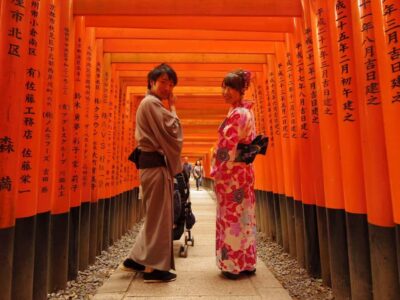
Osaka/Kyoto: Arashiyama, Nara & Fushimi Inari Shrine w/Lunch
Read our review →
Nijo Castle, Kiyomizu & Fushimi Inari Guided Tour
Read our review →
Nijo, Kinkaku-ji, Arashiyama, Kiyomizu & Fushimi Inari
Read our review →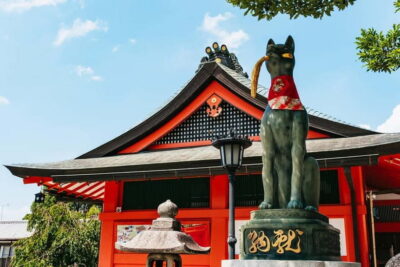
Sagano Romantic Train & Arashiyama, Kiyomizudera, Fushimi Inari Taisha Day Tour
Read our review →Browse the lists this tour appears in