
Reviewed · ONSEN & HOT SPRINGS
Kyoto: Hike and Hot Springs in Kurama
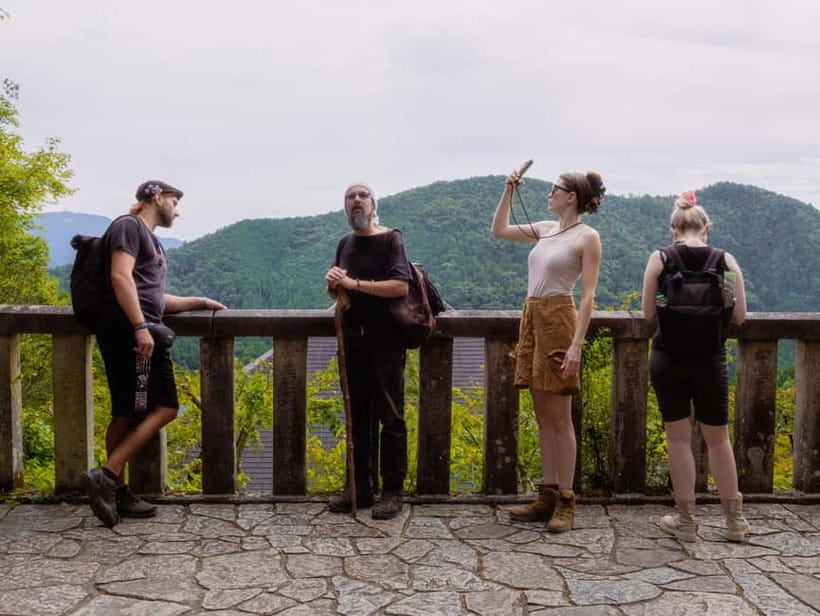
Kurama and Kibune are what Kyoto looks like when you step off the main tourist track and follow the river into cedar-covered hills. I like that this trip mixes temple rituals with an actual hike, not a walk-and-photos kind of day. I also like the finish in the Kurama hot spring, where the cold air and warm bath contrast hits just right. One consideration: the climb involves a solid run of steps, and you do need a decent level of fitness.
The best part for me is how the guide shapes the route, with stories and small breaks that keep the pace human. Guides like Chris, Philippe, Kevin, and Salome show up again and again in the feedback, and you can feel the difference when someone actually hikes these paths. The tradeoff is that this is not for everyone, especially if you need step-free access or you are expecting a casual stroll.
Key things to love on this Kyoto hike and hot springs day
- Train ride into the mountains: get out of the city the easy way, then start hiking already refreshed
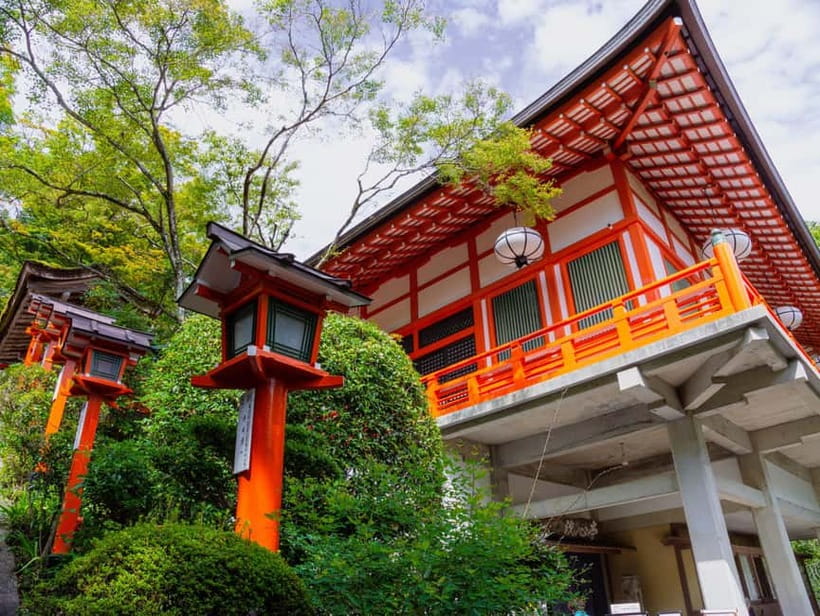
- Kibune shrine prayer: a real moment for good relationships, not just sightseeing
- Ancient cedars and a legendary river: crisp air and shady trail for most of the climb
- Kurama Temple on the peak: a mountaintop stop locals call a power spot
- A 30 to 40 minute step climb to the top: moderate effort with breaks built in
- Onsens with mountain views: time the warm soak after the hike, so you actually recover
Kyoto’s Mystic North, where the trail does the talking
This is a half-day escape from Kyoto city center that feels older, quieter, and more grounded. You’ll move through Kibune and Kurama, two mountain-side spots known for their shrine traditions, river setting, and thick cedar forests. The vibe is part nature hike, part spiritual day out, and the best moments come when you slow down enough to hear wind in the trees and birds in the canopy.
I especially like that the focus isn’t only on the famous endpoint. The hike itself is the experience, with your guide sharing legends along the way and stopping often enough that you do not feel rushed. It is the kind of day where your legs do work, then your mind gets space.
A final note on timing: it’s about 4 hours, and it is structured to keep you moving, not linger all day. If you like long, slow sightseeing blocks, you might want to schedule something lighter for afterward.
More Onsen & Hot Springs in Kyoto:
- Kyoto: Arashiyama Day Tour with Train, Boat, and Onsen
★ 4.9 · 48 reviews - Guide tour of Japanese bathing culture at Funaoka Onsen
★ 5.0 · 15 reviews - From Osaka: Himeji Castle, Arima Onsen & Mt. Rokko Day Tour
★ 4.6 · 339 reviews
Getting to Kurama the easy way: the Eizan train to the mountains
You meet at Demachiyanangi Station, exit 7, right in front of the Eizan railway. From there, the tour uses transportation that puts you on the mountain path without the stress of figure-it-out logistics.
In practice, this matters because it sets the rhythm. You ride out through changing views, then hop off and start your hike with your energy still intact. One of the nicest surprises from the experience history is that conditions can vary, from a sunny winter day with light snow to crisp spring and summer air. If the weather cooperates, you get that clean mountain atmosphere on the way up.
Kibune shrine moment: a prayer for good relationships
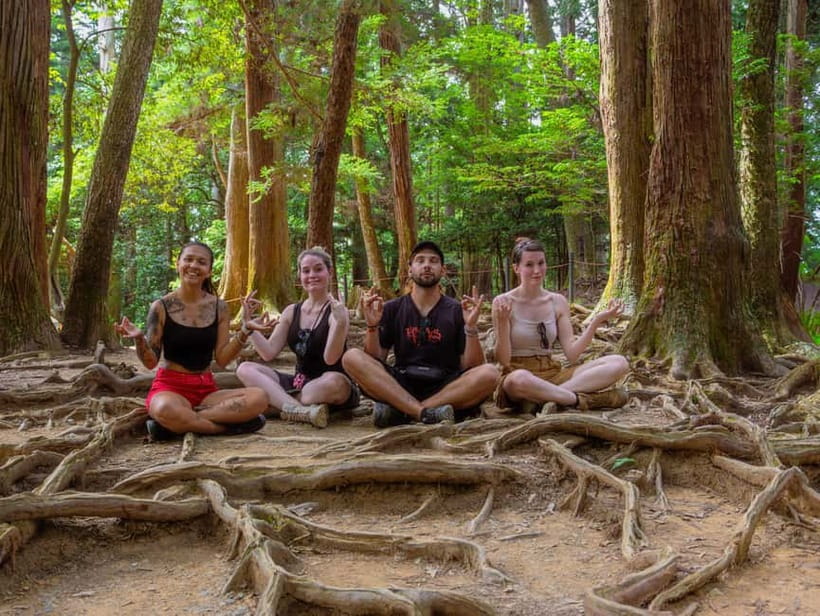
Most of the meaning in this tour starts before the steep part. After you get into the mountain area, you visit Kibune shrine, where you can make a prayer for good relationships. This is not just a quick glance while you walk past. You get a real stop, with guidance from your English or French-speaking guide.
I like shrine visits like this because they give you something to do besides taking pictures. Even if you are not deep into Japanese religious practice, the act of pausing and praying helps you reset. It also makes the hike feel connected to the place, not separate from it.
If you tend to rush through temples, this stop helps slow you down in a respectful way.
The ancient forest hike: cedars, river vibes, and built-in breaks
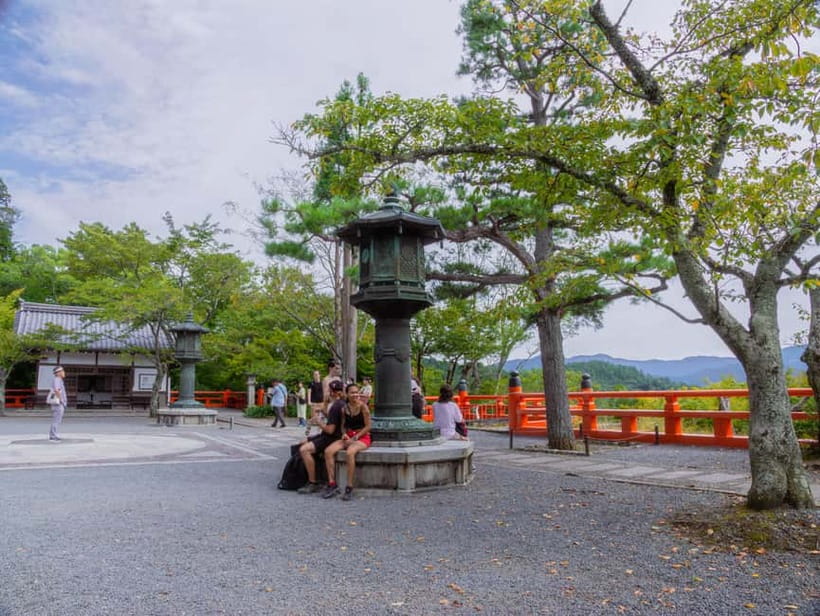
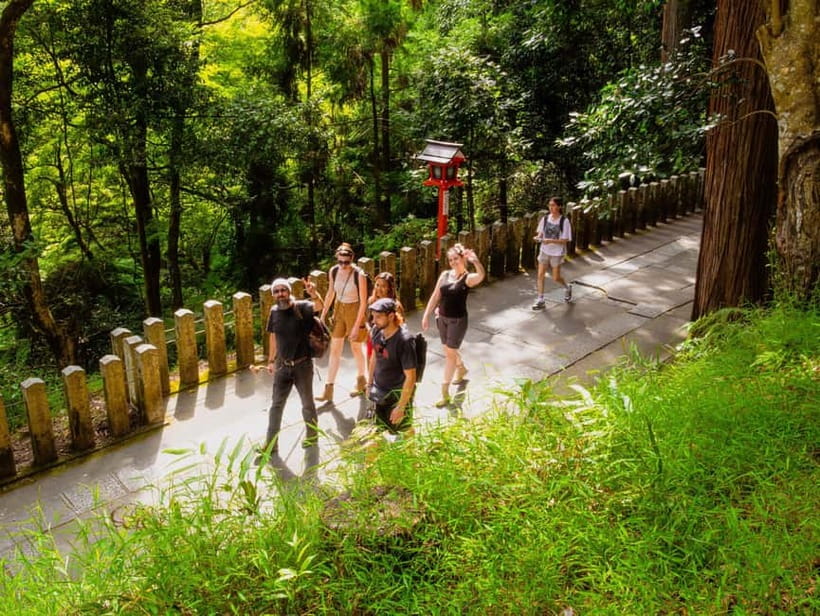
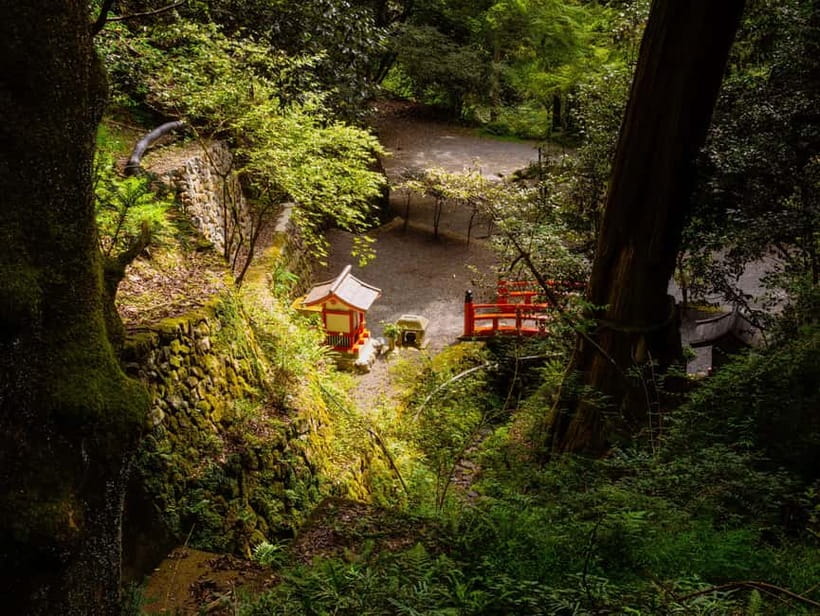
After the shrine, you start following a scenic trail that climbs toward Kurama Mountain. The route runs through an area described as serene, set along a legendary river, with tall cedars that shade parts of the path. That cedar cover matters. It helps on warmer days and keeps the hike feeling cooler and more comfortable than open-sun trails.
Your guide plans stops along the way, and that is a big deal on a climb. A moderate hike can feel hard if you treat it like a straight line, but with frequent pauses you can keep your breathing steady and enjoy what you came for.
You should plan on climbing steps as part of the route. The peak portion takes about 30 to 40 minutes to reach, depending on pace and conditions. It is not an all-day trek, but it is also not flat.
What I recommend for comfort: wear comfortable shoes with good grip and bring water. If you want to avoid bug bites, long pants help a lot.
More Hiking & Trekking in Kyoto:
- Fushimi Inari Hidden Hiking Tour (Private Option Available)
★ 5.0 · 1,750 reviews - Kyoto: 3-Hour Fushimi Inari Shrine Hidden Hiking Tour
★ 4.9 · 270 reviews - Kyoto Hiking Tour: The Nature and Legends of Kurama and Kibune
★ 5.0 · 75 reviews - Kyoto: Fushimi Inari Hidden Hike (Private)
★ 5.0 · 31 reviews
Kurama Temple on the mountain: power spot energy and views
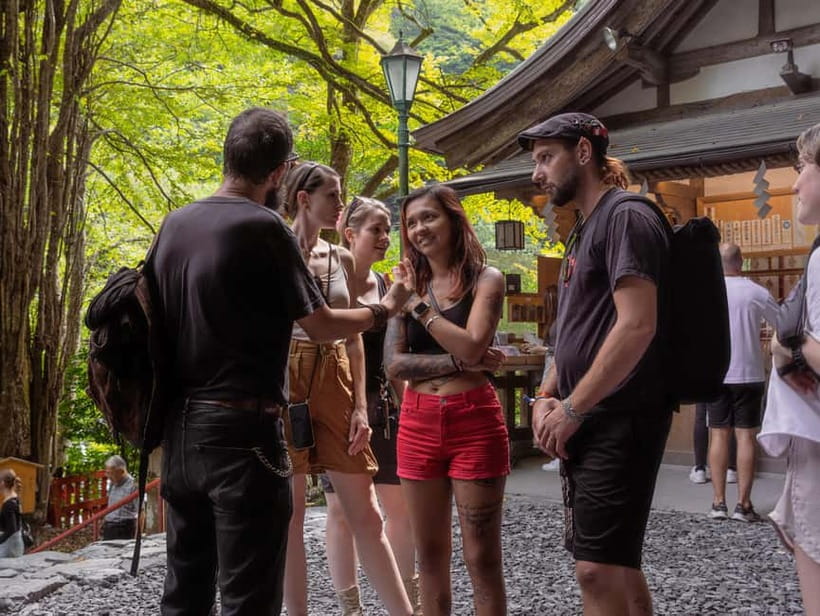
Once you reach the top, you visit Kurama Temple, often described locally as a power spot. This stop is the emotional center of the hike. You have worked up the climb, you are breathing cleaner air, and then you get a place that feels made for reflection.
From the mountaintop, the views open across the valley. In winter and transitional seasons, those views can look extra sharp and quiet. In clear weather, you also feel the contrast, because Kyoto city can be loud and crowded, while Kurama is all weather and texture.
There is also cultural depth here. In some guided experiences, the group has had a chance to see additional temple areas like spaces under the temple complex, including things described as a crypt and a maze underneath. Access can vary depending on what is open on the day, but it is a sign of what your guide might be able to show you with local familiarity.
One caution: at times, the temple can have maintenance work. You might see scaffolding that affects what you can fully view from the outside. The good news is that you still get temple time and interior access when it is operating.
Descending to Kurama village: where the day turns practical
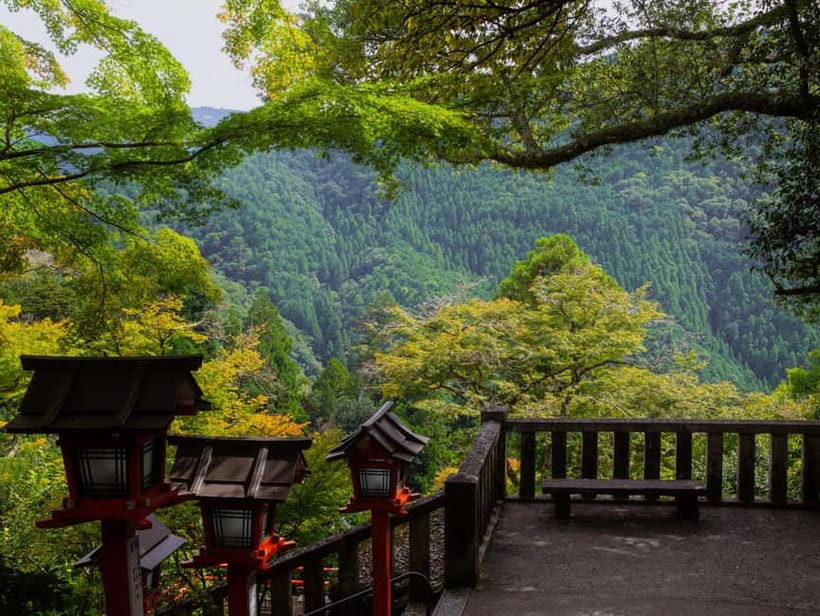
After the temple visit, you descend back down the steps toward Kurama village. This is where the hike becomes a town break. You can think of it as the transition from effort to recovery.
At the end, you get guided options for what to do next in the village: you can grab lunch, take a stroll, or choose to soak in the onsen. Then you return toward Kyoto by train with help from your guide, based on the route and timing of the day.
I like this structure because it gives you control. If you still have energy, you can keep moving. If your legs feel cooked, you can shift straight into recovery.
The Kurama hot spring finish: outdoor soaking with a mountain mood
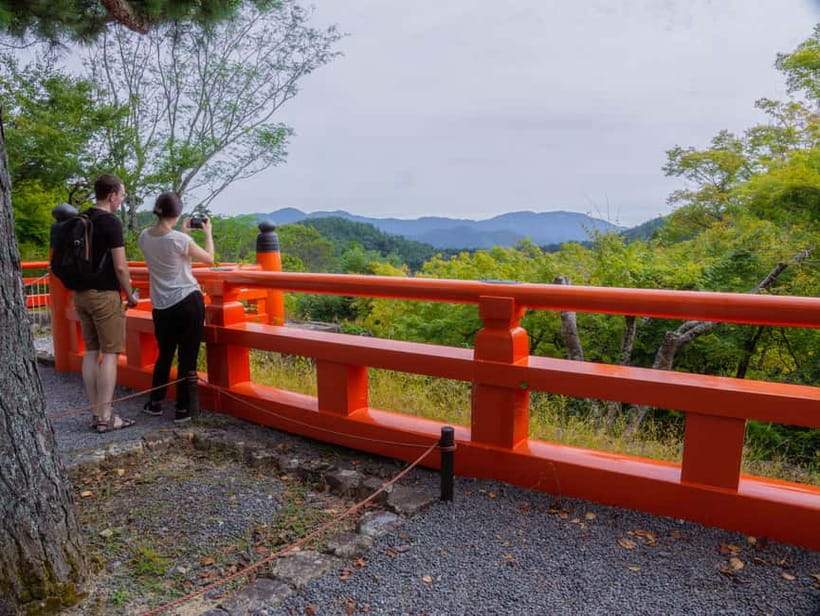
The onsen is a key part of why this tour feels complete. The bath is not included, but you typically get an option for a discounted ticket for the onsen. Either way, you should budget extra for the hot spring fee.
What you are buying is not luxury for luxury’s sake. You are buying recovery. After stairs and a forest climb, warm water helps your calves and ankles feel less angry. And because it is described as having stunning outdoor bath views, you also get that sense of being outdoors while your body melts into warmth.
This is the kind of stop I recommend even if you are not an onsen regular. You do not need to be a pro. You just need a towel and a willingness to let your body slow down.
Price and value: what $80 buys in 4 hours
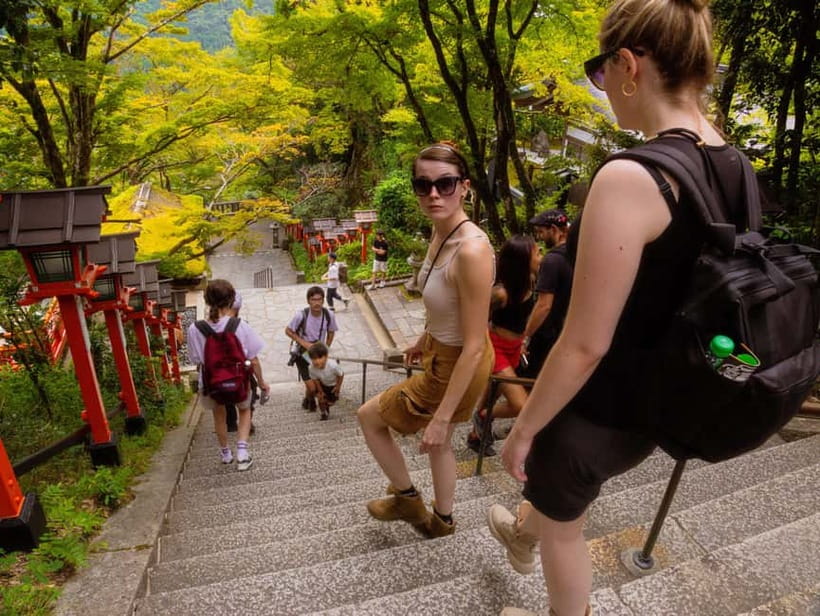
At $80 per person for a 4 hour experience, you are paying for three things that are hard to recreate on your own quickly.
First, you get local guidance. This is not only about directions. The best part is the way guides connect the shrines, mountain setting, and legends so the day feels like one story.
Second, the price includes transportation and temple admission. That combination matters because Kyoto can be confusing if you are bouncing between mountain areas on your own, and temple fees add up.
Third, you get time on the trail that is paced for real people. Guides plan stops, and they usually tailor how much time you spend around the temple and in Kurama village, within the half-day format.
The big add-on costs are lunch and the hot spring fee. So treat the $80 as the guided core, then budget a bit more depending on your choices. Even with that, the value feels strong for a day that includes both history stops and a physical workout with a payoff.
Tour pace, fitness level, and who should skip it
This is a moderate hike with a climb that can feel challenging if you are not used to steps. You should have a decent fitness level. The peak climb is commonly 30 to 40 minutes, and you will likely spend meaningful time moving up and down stairs.
It is not suitable for:
- children under 11
- wheelchair users
- people with mobility impairments
- people without experience
Also, the hike can feel harder in heat. You should plan your day around weather and bring water seriously, not casually.
If you enjoy hikes with a clear goal, you will probably love this. If you prefer flat walks with minimal effort, you might find the temple climb too demanding.
What to pack and how to prepare for Kibune and Kurama
I keep this list simple, but I do not cut corners.
Bring:
- Comfortable shoes with grip for steps
- Water
For comfort and bugs:
- Long pants help prevent bug bites
If you get cold easily, bring a light layer. Mountain air can change quickly, and even in winter you might find a bright day that still feels crisp on the trail.
Finally, plan to be flexible. The day ends in Kurama village, and your guide will help you choose between lunch, hot spring time, and the train ride back.
Should you book this Kyoto hike and hot springs tour?
If you want a half-day in Kyoto that mixes shrines, cedar forests, and a real onsen finish, I think this is a strong choice. The structure makes sense: train out, shrine prayer, climb to Kurama Temple, then recover in the village with an optional soak.
I would book it if:
- you want nature and temple time in one outing
- you can handle stairs and a moderate climb
- you like guided context and legends while you hike
- you want an onsen moment that feels earned
I would skip it if:
- you need step-free access
- you are traveling with young kids under 11
- you want a purely relaxed walk with no fitness demands
- you are not comfortable hiking or you have limited experience on trails
FAQ
Where is the meeting point for the Kyoto hike and hot springs tour?
You meet at Demachiyanangi Station exit 7, in front of the Eizan railway, Kyoto.
How long does the tour last?
The tour duration is 4 hours.
What does the price include?
The included items are the guide fee, temple admission, and transportation.
Is lunch included?
No. Lunch is not included, and you can choose lunch options in Kurama village at the end.
Is the hot spring included?
No. The hot springs fee is not included, though you may be offered a discounted ticket.
What language will the guide speak?
The live tour guide is available in English and French.
Is this tour suitable for children?
No, it is not suitable for children under 11.
Is it suitable for wheelchair users or mobility impairments?
No. It is not suitable for people with mobility impairments or wheelchair users.
How fit do I need to be?
You should have a decent level of fitness. The hike includes a climb of steps to the top that takes about 30 to 40 minutes, so you need to be comfortable with moderate effort.
What should I bring?
Bring comfortable shoes and water. Long pants are recommended to help avoid bug bites.
Latest write-ups near Kyoto
- Kyoto Private Tour Full Day with Local Guide&Nara Option(PerGroup★ 5.0 · 20 reviews
- Sacred Pathways: Discover the Philosopher’s Path of Kyoto★ 4.9 · 20 reviews
- Kyoto UNESCO World Heritage Site Private Tour with a Premium Van★ 5.0 · 20 reviews
- Hammer Pattering Experience of Ring★ 5.0 · 20 reviews
- KYOTO: Private Tea Ceremony in Hidden Townhouse (Kid-Friendly)★ 5.0 · 20 reviews
- Sushi or Traditional Japanese Cuisine in a Kyoto Home with Emika★ 5.0 · 20 reviews
- The Kyoto VIP Experience!★ 5.0 · 20 reviews
- Kyoto Customized Private Tour: See Top Attractions in 1 Day★ 4.7 · 20 reviews
Onsen & Hot Springs, compared.
Himeji Castle, Arima Onsen & Mt. Rokko Day Tour
Read our review →
Nara and Uji Day Trip with Deer Park and Hot Spring
Read our review →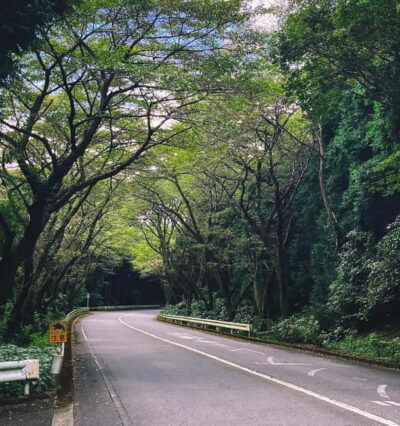
Private Tour to Fuji/Hakone – Onsen, Art, Nature
Read our review →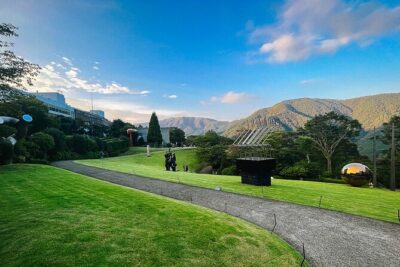
Mt. Fuji, Hakone Private Tour from Tokyo – Onsen, Arts and Nature
Read our review →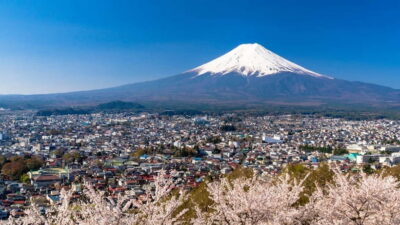
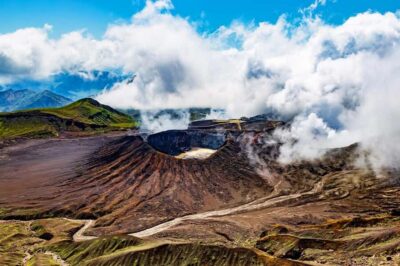
Private Nagano 1-Day Tour:Snow Monkeys,Zenko-ji,Obuse,Sake,Onsen
Read our review →
Mt Takao Tour with Ramen and Tattoo-Okay Hot Spring
Read our review →Browse the lists this tour appears in