
Reviewed · CITY TOURS
Small Town in the Big City: Tasting Tokyo’s Kichijoji
Kichijoji is Tokyo’s smaller pocket, and this tour makes it feel readable fast. You walk shotengai streets and visit department-store basements without trying to master the entire city on day one.
I love the mix of classic bite-size Japan and the shinier, curated food-culture you find in Tokyo’s depachika. I also like the hands-on feel of meeting a three-generation senbei family and tasting what they make, not just hearing about it.
One possible drawback is that the route is dependent on good weather, and you are on a plan, not a free roam buffet. With price at $195 per person, it is worth treating this as your main food moment of the day.
Key highlights you should care about
- One neighborhood, not a frantic hop around Tokyo, so you build real context
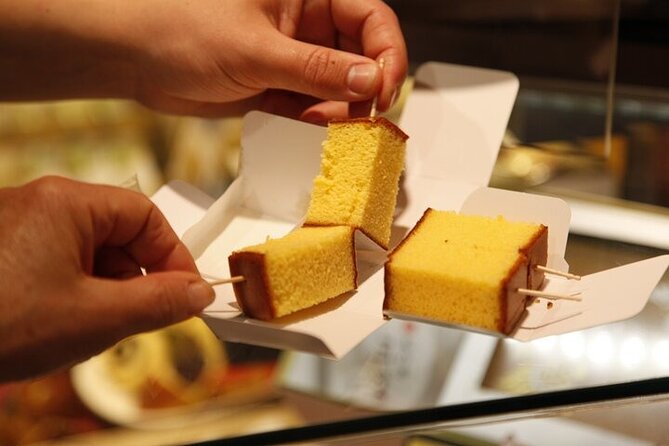
- Depachika food halls plus street snacks, including sushi, pickles, fruit, and Japanese junk-food aisle finds
- Small group size (max 6), which makes it easier to ask what to order and why
- Lunch, coffee or tea, snacks, and bottled water included, so you can pace yourself
- A senbei stop with a family maker across three generations, with tasting built in
- Ends back at Kichijōji Station, which keeps your evening plans simple
Kichijoji: Tokyo’s calmer pocket you can actually taste
Tokyo can feel like a blur. Kichijoji is different. It has the easy rhythm of a place where people shop daily, then swing by familiar food counters to keep the day going.
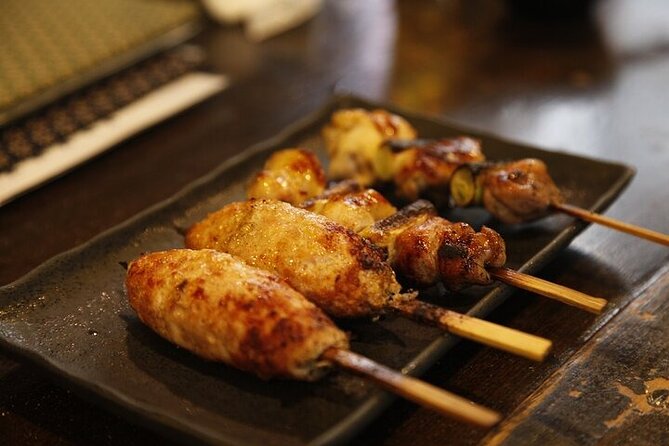
This tour works because it stays inside one small radius and builds a theme: what Tokyo eats when it is not trying to impress anyone. You get old-school yakitori-style comfort alongside the more polished department-store version of the same idea.
You also get to see a very Japanese contrast. Food is not separated into tourist mode and local mode. It is all part of everyday life, just presented in different styles.
More Food & Drink in Tokyo
- Tokyo: Shinjuku Food Tour (13 Dishes at 4 Local Eateries)
★ 5.0 · 6,603 reviews - Tokyo Tsukiji Fish Market Food and Culture Walking Tour
★ 5.0 · 3,184 reviews - Tokyo: Shinjuku Food Tour (15 Dishes and 4 Eateries)
★ 4.9 · 2,033 reviews
Meeting at Kichijōji Station and planning your timing
You start at Kichijōji Station, 2 Chome-1 Kichijoji Minamicho, Musashino, Tokyo 180-0003. The tour ends back at the meeting point, so you are not stuck guessing how to get home with a growling stomach.
This is designed to be easy to plug into your day because it is near public transportation and uses a mobile ticket. If your travel style is guided, snacks, then train, this fits well.
Also note that the tour is about six hours. That is long enough to feel like a full experience, but short enough that you will still have energy for a second walk afterward, maybe a museum stop or a relaxed dinner.
Stop One in Kichijoji: yakitori joints, department-store glitz, and everyday street food
The first part of the walk is about the feel of Kichijoji as a neighborhood. You are not just getting food, you are getting how people move through it: where they pause, what they buy quickly, and which spots have repeat customers.
Expect a mix of classic and modern. The route blends old-school yakitori-style joints with the shinier presence of department-store culture, plus tavern-like stops and street food stands. This matters because Tokyo food is not one thing. It is a stack of styles sharing the same streets.
What I like about this opening section is that it sets your taste expectations. You start to recognize the flavors and textures you will keep seeing later, like savory grilled skewers and snackable bites that work even if you only have time for a few minutes.
One practical tip: pace yourself early. When you walk a neighborhood, it is easy to say yes to every skewer. I like to think of the first stop as your warm-up, then save your biggest appetite for the department-store food hall section later.
Inokashira Onshi Park area: depachika food hall magic and local sushi
The tour then shifts to a very Tokyo experience: a depachika. These are the food halls in department stores, and they are basically a mini world of edible souvenirs, from traditional pickles to fruit that looks like it belongs in a crown.
You begin this part by exploring the depachika. You will pass highly prized pickles, fruit fit for a king, and even an aisle of Japanese junk-food style favorites. It is a fun contrast because it shows two sides of Japan at once: careful tradition and playful snack culture.
Then comes a key food moment. You move to a sushi bar that is a choice among locals. That detail is important. Sushi in Tokyo can be intimidating, but a good local-facing stop makes it feel simpler and more confident, like you are learning the menu logic instead of guessing.
This section is also where you start learning the ordering mindset. A guide helps you connect the dots between what you see in the case and what you should actually try. You are not just collecting tastes. You are learning how Japanese food choices get made day to day.
A change of pace from Tokyo:
- Mt Fuji and Hakone 1-Day Bus Tour Return by Bullet Train
★ 5.0 · 26,383 reviews - 1-Day Tokyo Bus Tour
★ 5.0 · 14,250 reviews - Tokyo: TOKYO SKYTREE® Admission ticket
★ 4.5 · 11,192 reviews - Tokyo: teamLab Planets TOKYO Digital Art Museum Entry Ticket
★ 4.6 · 9,779 reviews
The shotengai lesson: yakitori skewers and octopus balls on the street
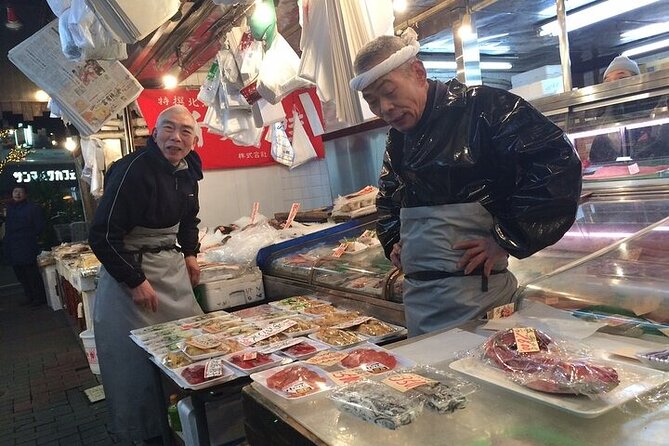
After the depachika, you head along Kichijoji’s shotengai shopping street. This is where locals rub elbows while doing normal errands, which is a great reminder that food is part of routine, not only a destination.
Here, you taste street-side snacks such as skewers of yakitori and octopus balls. These are perfect examples of why Tokyo food tours feel better than restaurant hopping. You get to try small, specific bites that are made for momentum.
Even if you love food, walking a shotengai teaches you something else. You learn to read the space around the food. Where do people stop? What do they grab for immediate satisfaction? Which bites are meant to be shared?
I would treat this part as a stamina-building stretch. If you start thinking in small portions and quick tastes, the day stays fun instead of overwhelming.
Meeting a three-generation senbei maker: craft you can taste
One of the most memorable parts is meeting a family that makes senbei, with three generations involved. Senbei is rice cracker culture, but it is not all the same. This stop is valuable because it turns a snack into a story you can understand with your hands and your taste buds.
You are not only looking at products. You get to meet the maker family and connect the process to the texture and flavor you are about to eat. That makes the later bites feel more intentional.
The most praised takeaway from this kind of stop is usually the same thing: the cracker tastes distinctive, not generic. When that happens, you feel like you discovered a real food person, not just a shop selling something for tourists.
If you have ever bought souvenirs that turned out to be disappointing later, this is the opposite. When you taste the craft first, you can buy with confidence during the rest of your trip.
Lunch, coffee or tea, snacks, and bottled water: how it affects your value
Your meal plan is not just taste samples. Lunch is included, and so are coffee and/or tea, snacks, and bottled water. That is a big deal for value in Tokyo, where one sit-down meal plus drinks can quickly erase the “cheap snack” feeling.
I like that the day is structured around energy. If you go in hungry, you will still be comfortable during the longer walking segments. If you are the type who gets snacky and then forgets to eat, this tour protects you from that.
The included drinks also make the pacing easier. You can slow down without needing to find a café that matches your mood. For a food tour, that helps a lot.
One caution: with lunch included, you do not need a massive second meal immediately afterward. I recommend planning your evening with a light dinner or a casual last bite rather than a full formal plan.
Price and group size at $195: is it good value?
At $195 per person for about six hours, this is a mid-range to premium food tour. Is it worth it? For me, the value comes down to three things the tour is built around.
First, the group size is capped at six travelers. Smaller groups are easier for guides to manage, and you get more back-and-forth about what you are tasting and what it means. That helps you feel like you learned something, not just consumed food.
Second, you are not only paying for food. You are paying for interpretation. Tokyo has many food options, and the tour helps you pick the best moments, like the depachika food hall section and the sushi bar that local eaters actually choose.
Third, the included items are substantial for the price. Lunch plus coffee or tea, snacks, and bottled water means you are not constantly topping up your own budget mid-walk.
The tradeoff is that you cannot treat this as a random afternoon snack. This is a planned, guided, food-focused half-day. If you want a free-form stroll, you might prefer exploring Kichijoji on your own.
Who this tour fits best (and who should skip it)
This tour is great if you want a structured way to understand Kichijoji without doing heavy homework. It suits you if you like street snacks but also want at least one “Tokyo big player” food experience, like the depachika food hall.
It also fits well if you enjoy learning from a guide rather than just following a tasting menu. One guide name you may hear in this experience is Phoebe, and the big theme is patience and enthusiasm for the food she loves. That kind of guide energy makes the walking feel relaxed instead of rushed.
You might skip it if you already know exactly what you want to eat and you prefer to wander without timing. The tour is designed as a tight food route. If you need total flexibility, you may feel constrained.
It is also best for people who can commit to walking for about six hours. That does not mean it is brutal, but it is still an active neighborhood day.
What to bring: small choices that make the day easier
Bring comfortable shoes. You will be on foot in Kichijoji long enough that blisters would ruin the joy.
If you have dietary needs, you should plan ahead. The tour data does not list specific accommodation details, so I recommend confirming your requirements when you book. Food tours can usually adapt, but you want clarity.
Also keep your day schedule simple. When you are tasting at depachika, street snacks, and a lunch stop, you want fewer competing plans around the same time slot.
Finally, keep water in mind. Bottled water is included, but Tokyo days can still be warm. If you tend to get dehydrated, plan to drink steadily.
Should you book Small Town in the Big City: Tasting Tokyo’s Kichijoji?
I think you should book if you want Tokyo food that feels grounded in one real neighborhood. The Kichijoji focus, the depachika stop, the sushi bar, and the shotengai street bites create a day that teaches as it feeds you.
I would also book if you care about value that is more than just price. You get lunch plus coffee or tea, snacks, bottled water, and a small group limit that makes the experience feel personal. When your guide is patient and genuinely enthusiastic, it makes it easier to enjoy every stop.
I would hesitate if you are trying to shop on a strict budget or if weather dependence would be a problem for your travel schedule. Since the tour needs good weather, plan some flexibility around it.
If you want, tell me your travel dates and what you like to eat most, yakitori, sushi, or snacky sweets, and I will help you judge whether this is the right food tour to anchor your Tokyo day.
FAQ
How long is the Kichijoji food tour?
It runs for approximately 6 hours.
What is included in the $195 price?
The tour includes coffee and/or tea, snacks, bottled water, and lunch.
Is private transportation included?
No. Private transportation is not included.
How many people are in the group?
The tour has a maximum of 6 travelers.
What happens if weather is bad?
This experience requires good weather. If it is canceled due to poor weather, you will be offered a different date or a full refund.
Where do I meet and where does the tour end?
You start at Kichijōji Station (2 Chome-1 Kichijoji Minamicho, Musashino, Tokyo 180-0003, Japan) and the tour ends back at the meeting point.
Latest write-ups near Tokyo
- Tokyo Customized Private Tour: See Top Attractions in 1 Day★ 4.8 · 67 reviews
- From Tokyo: Top 5 Scenic Spots of Mount Fuji Full-Day Tour★ 4.5 · 67 reviews
- Tokyo: Shinjuku Izakaya and Golden Gai Bar Hopping Tour (2h)★ 4.9 · 67 reviews
- Traditional Japanese Music ZAKURO SHOW in Tokyo★ 5.0 · 67 reviews
- Tsukiji: Unlimited Sake Tasting Experience★ 4.9 · 67 reviews
- Tokyo: Not a show- a professional sumo practice with experts★ 4.9 · 67 reviews
- Samurai Ninja Museum Asakusa: Kid-Friendly Ninja Training★ 4.7 · 67 reviews
- Private Harajuku Omotesando Architecture Walking Tour★ 5.0 · 67 reviews
City Tours, compared.
Private City Highlights Tour with Local Guide
Read our review →
Asakusa, Skytree & Akhihabara Go-Kart City Experience
Read our review →
Hiroshima City 4hr Private Walking Tour with Licensed Guide
Read our review →


Private Haneda Airport (HND) to Central Tokyo City Transfer
Read our review →
3-hour Guided E-Bike Tour of the City’s Hidden Gems
Read our review →
Shibuya City: Daikoku PA GT-R R35, R34, R33 or R32 Tour
Read our review →Browse the lists this tour appears in