
Reviewed · WAGASHI & MOCHI MAKING
Wagashi traditional japanese sweets class
If you want something real in Sapporo, this wagashi class is a smart move. It happens in Yuki’s home, and she is the only person who teaches this in Sapporo. I especially love the focus on nerikiri technique, and I love how the class feels calm, cozy, and very hands-on. One thing to consider: her place is not in the city center, so plan on using the pickup and building in a little travel time.
The group stays small, with a maximum of 12 people, so you get real attention at the table. You’ll also get practical help like clear English guidance and written instructions. The main drawback is that you will be making delicate sweets, so if you rush, you’ll feel it in your hands.
Key things that make this wagashi class worth your time
- Yuki teaches in her own home in Sapporo, so it feels like Japanese life, not a show.
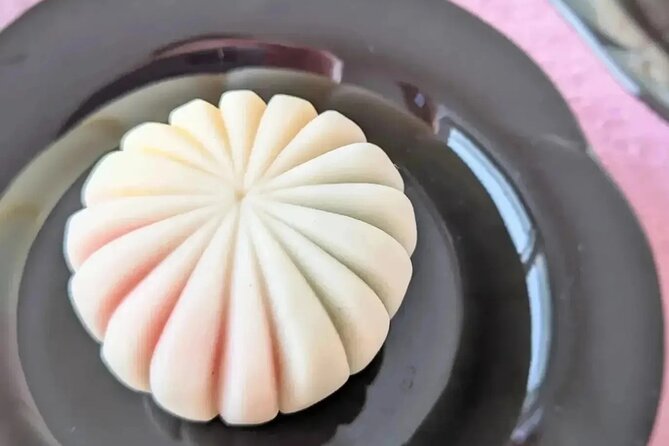
- Nerikiri making is the highlight, and it’s the most delicate, beautiful style of wagashi.
- Small group size (max 12) helps you get individual technique tips.
- Hot matcha or green tea served in Japanese teacups sets a gentle pace from minute one.
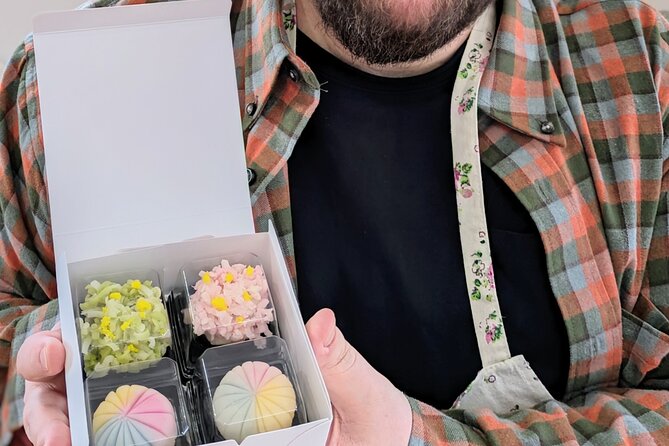
- You leave with packed sweets, so your work is not just for show.
- Station pickup near Makomanai Station lowers the stress of getting there.
Wagashi in Sapporo, taught by the one-and-only Yuki
This class is interesting because it is not a cookie-cutter workshop. Yuki is a well-known local teacher, with appearances in TV, radio, and newspapers. That matters, because you can feel the confidence in how she explains technique, pacing, and what to watch for.
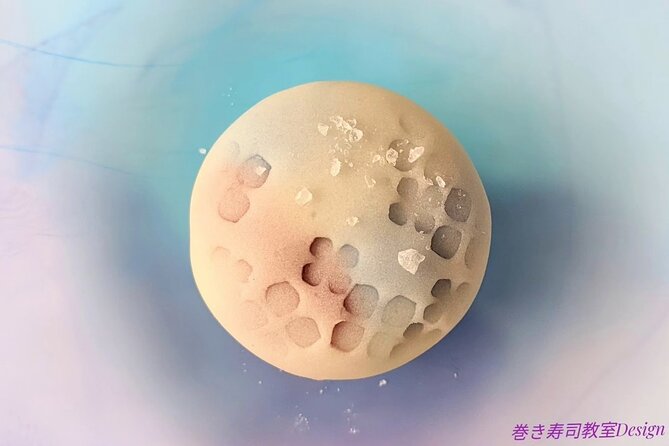
Wagashi itself is more than dessert. It is seasonal art in edible form, and it has been around in Japan for over 1000 years. The sweets are designed to look elegant and reflect the time of year. In practice, you learn how tradition translates into real steps, not just decoration.
I like that the tone stays relaxed. The goal is not speed or perfection. It is focus. You spend time shaping and refining what you make, and the process naturally slows you down. That is a big deal in Sapporo, where sightseeing can quickly turn into a sprint.
The main practical thing to know: this is not a downtown event. If you want to roll out of bed and stay near busy streets, you might prefer something else. But if you want a quieter window into everyday Japanese life, the distance from the center is part of the charm.
More Wagashi & Mochi Making in Sapporo:
- Tokyo Sumo Experience: Chanko & Mochi with a Former Pro
★ 4.8 · 567 reviews - Tokyo: Matcha Making Experience with Mochi Sweets in Asakusa
★ 4.9 · 388 reviews - Osaka: Traditional Mochi Pounding Experience with Tasting
★ 4.9 · 306 reviews
Where you meet and how pickup keeps it easy
You start at Makomanai Station (Makomanai, Minami Ward, Sapporo). The activity ends back at the meeting point, so you do not have to figure out a late-night bus plan.
Pickup is offered, and many people use it to make the experience smoother. That is important here, because the ride to Yuki’s home goes through scenic mountainous areas, and the location is far enough that arriving under your own steam can add stress.
Also, it is near public transportation. So even if you choose not to use pickup, you likely can still get there without a car. Still, I would plan around pickup if you want this to feel like vacation, not a commute.
Time wise, the class runs about 2 hours. That is long enough to learn technique and enjoy the tea moment, but short enough that you can fit it into most Sapporo schedules.
Walking into Yuki’s home: tea, calm, and a real neighborhood setting
The experience starts with meeting at Makomanai Station, then heading to Yuki’s cozy home. Several people note that the drive passes breathtaking mountainous scenery, and the home setting is near a river. It is the kind of place where you immediately lower your shoulders.
Once you arrive, you are not rushed. You get time to settle in, and tea is part of the rhythm. In past classes, people have been served hot matcha or green tea in Japanese teacups. It is a small detail, but it sets the mood. You feel like you are switching gears from sightseeing to craftsmanship.
There is also a personal touch. One review mentioned Yuki’s cat, which makes the space feel lived-in rather than staged. You should expect conversation too. Yuki shares recommendations for Sapporo after the class, which is useful because her suggestions tend to reflect local taste, not generic tourist checklists.
If you come with kids, the atmosphere can work well. One family mentioned that children enjoyed the delicate shaping process and that Yuki handled it smoothly. The hands-on nature helps kids participate, even if you think they might lose patience. The trick is to let the pace be slow.
What you actually learn: nerikiri wagashi technique
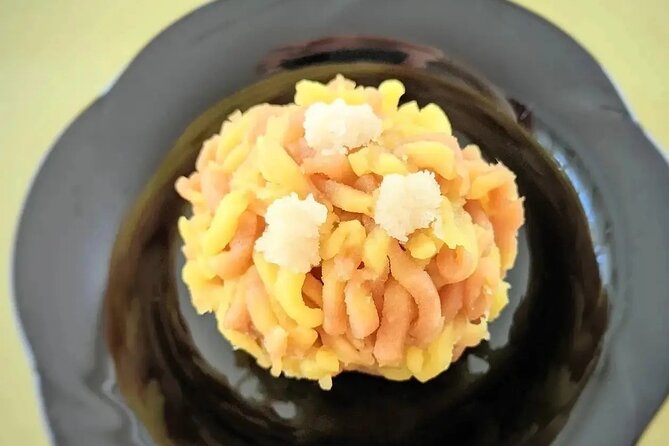
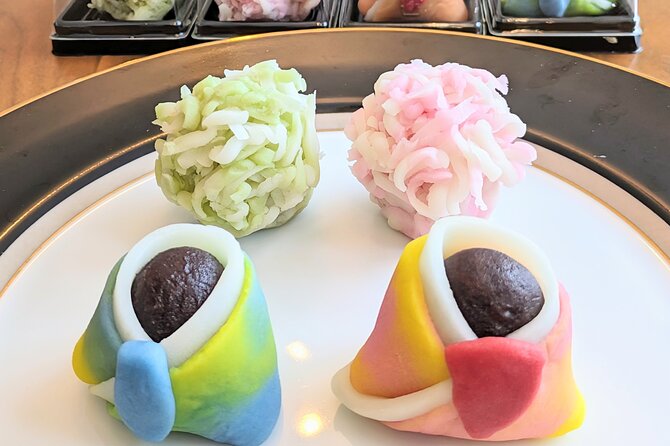
The star skill is learning how to make nerikiri, a wagashi known for its delicate texture and beautiful, detailed shapes. This is the kind of item that looks simple in photos, but up close it takes careful handling.
Nerikiri is about control. You learn the kind of technique that helps the sweet keep its shape, then you learn how to work with the paste so it looks crisp rather than messy. The class focuses on practical methods, and the goal is that you can recreate the key steps later, even if your final look won’t match a master artisan’s first try.
You also get context along the way. Yuki explains the sweets you are making, including their history and what makes wagashi special. That background makes the hands-on part more satisfying, because you understand why each step matters.
You might make more than one type of wagashi. One person shared that the class created two kinds of sweets, with multiple pieces each. If you are hoping for variety, it is worth asking when you book, but even if it is focused on nerikiri, you still get real technique time.
One more practical win: instruction is clear, and written English instructions are provided so you can keep a reference after you leave. That helps a lot, because wagashi technique is hard to remember once you’re back in a hotel.
A change of pace from Sapporo:
- Sapporo Bar Hopping Food Tour
★ 5.0 · 232 reviews - Hokkaido Seasonal: Lake Toya & Noboribetsu Jigokudani Valley
★ 4.7 · 173 reviews - Sapporo Private Tour with a Local – Highlights & Hidden Gems
★ 5.0 · 91 reviews - Sapporo: Sumo Show Experience with Japanese food & Photo
★ 4.9 · 81 reviews
How the 2-hour class flows from start to finish
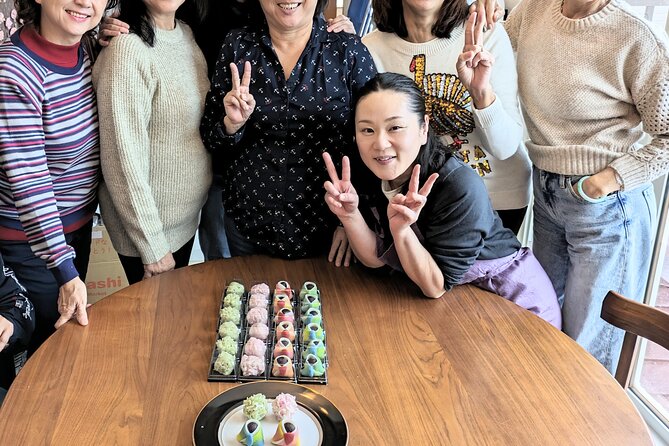
Even though the session is only about two hours, it is not random. Here is the kind of flow you can expect, based on how Yuki teaches and what participants describe:
1) Arrive and settle in
You meet at Makomanai Station. If pickup is included for your group, you go from there to Yuki’s home. You get oriented, then you move into the tea-and-introduction part.
2) Tea and wagashi context
You typically get hot matcha or green tea served in Japanese teacups. Yuki then explains what wagashi is, why it matters in Japanese culture, and what you’ll be making. This part matters because it gives you a mental model for the technique.
3) Hands-on making
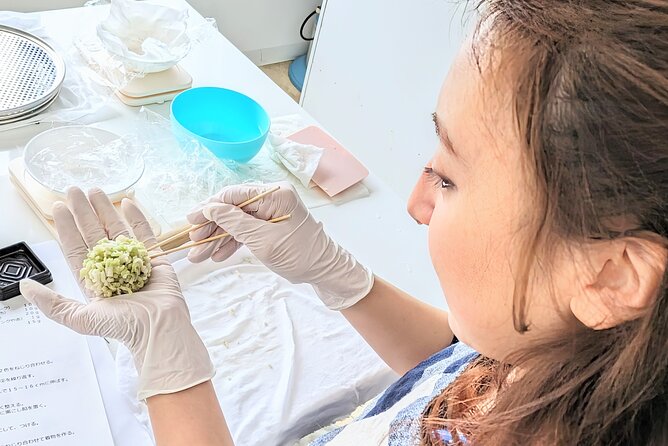
Next comes shaping and refining your wagashi. You work at the table with Yuki guiding technique step-by-step. Hygiene is handled carefully, and the workspace stays organized, which helps when you are working with delicate paste.
4) Taste, photos, and take-home packaging
After shaping, you get to enjoy your sweets. Then comes the practical part: your wagashi is packed into nice containers so it travels well and does not turn your bag into a sticky mess.
5) Back to Makomanai Station
Finally, Yuki returns you to the meeting point. That keeps the experience clean and stress-free at the end.
If you tend to get impatient with craft workshops, don’t worry. People describe the class as peaceful and focused. You do not need artistic talent. You need patience and attention.
Matcha, conversation, and what you get beyond dessert
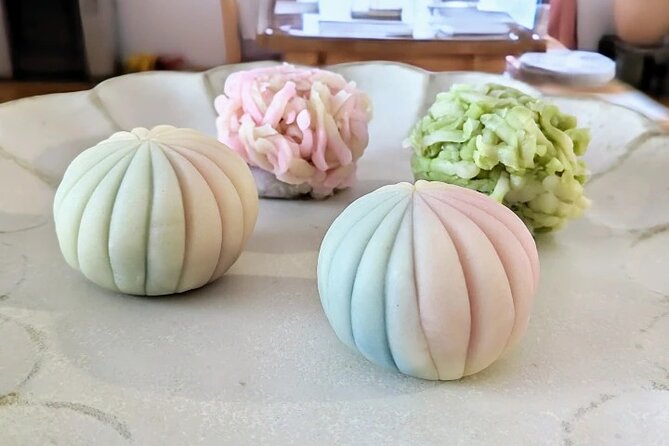
The wagashi itself is the obvious highlight, but the best part for me is the human layer. Yuki gives recommendations for Sapporo, and that can seriously improve the rest of your trip. When someone who lives in a neighborhood shares where to eat or what to try next, you get better odds of finding something that feels local.
You also get a cultural snapshot that is hard to replicate by just reading guidebooks. Wagashi is seasonal art, so it reflects Japan’s attention to detail in everyday life. Even if you do not follow up by making wagashi at home, you come away seeing how Japanese craft traditions work.
One subtle benefit: the class happens away from the usual tourist flow. That alone can make your Sapporo days feel more balanced. Instead of only taking in views and landmarks, you spend time on a craft that requires real focus.
And yes, the sweets taste great. People describe them as delicious, and it’s hard not to agree after working on them. You also get that rare souvenir that is edible and meaningful, not just a decorative trinket.
Price and value: is $59.31 worth it?
At $59.31 per person for about two hours, this is not an impulse bargain. But the value makes sense if you look at what is included:
- A single-teacher, home-based class in Sapporo, taught by Yuki
- Small group size (max 12), which improves instruction quality
- Pickup offered, which lowers friction
- Tea service (hot matcha or green tea in Japanese teacups)
- Hands-on nerikiri technique plus guidance
- Take-home packaging for what you make
- English support, including written instructions
If your travel style is mainly self-guided and you love solo wandering, you might question the price. But if you want a true cultural experience that teaches a specific skill, the cost is easier to justify.
Also, the class is positioned as the only one in Sapporo taught by Yuki. That exclusivity has value. You are paying for that expertise, plus the calm, personal setting.
If you are traveling as a group, ask about group discounts. The provider offers them, and in a small classroom that can make the price feel much more fair.
Who should book this wagashi class in Sapporo
This class is a great fit if you want any of these:
- You love Japanese food culture and want to go beyond eating
- You enjoy hands-on workshops and want real technique, not just a demo
- You want a calm break from crowded sightseeing
- You prefer small groups and personal attention
- You like thoughtful souvenirs you can eat later
It may not be the best match if you need a tightly scheduled city-center agenda, because the location is farther out and pickup matters. Also, if you hate slow, detail-focused activities, nerikiri can feel like work. But if you are curious and patient, you will likely find it relaxing.
One extra tip: the provider also offers a flower sushi roll class, and some participants suggest it is easier than this sweets class. If you are deciding between the two, consider your comfort with delicate steps. You can ask at booking, because the sushi instructors may differ, and you can choose one.
FAQ
FAQ
Where is the meeting point for the wagashi class?
You start at Makomanai Station in Sapporo, and the activity ends back at the same meeting point.
How long is the class?
The duration is approximately 2 hours.
How much does it cost?
The price is $59.31 per person.
Is pickup offered?
Yes, pickup is offered.
What is the maximum group size?
The class has a maximum of 12 travelers.
What wagashi will I learn to make?
You will learn how to make nerikiri.
Is confirmation sent after booking?
You should receive confirmation within 48 hours of booking, subject to availability.
Is this activity near public transportation?
Yes, it is near public transportation.
Do you provide a mobile ticket?
Yes, the class includes a mobile ticket.
Can I get a full refund if I cancel?
Yes. There is free cancellation, and you can cancel up to 24 hours in advance of the experience for a full refund.
Should you book this wagashi class?
I think you should book it if you want a genuine Sapporo experience that feels local, calm, and skill-focused. The big reasons are Yuki’s teaching and the nerikiri practice, plus the comfort of pickup from Makomanai Station and the small group size. If you are okay with the class happening outside the city center, this is one of those experiences that gives you something you cannot buy off a shelf.
Latest write-ups near Sapporo
- Private Japanese Cooking Class in Sapporo with Local Host Kanae★ 5.0 · 20 reviews
- Authentic Sapporo: Nijo Market Seafood Lunch & History Tour★ 4.8 · 20 reviews
- Hokkaido, Sappro, Otaru & Cape Kamui One-day Tour★ 4.4 · 21 reviews
- [Otaru & Yoichi] Let’s go to Otaru Canal, Sakaimachi Street, Music Box Hall, and Yoichi Nikka Whiskey by private car (arriving and departing from Sapporo)★ 5.0 · 21 reviews
- Sapporo: Custom Highlights and Hidden Gems Tour with a Local★ 4.9 · 21 reviews
- Full Day Indigenous Ainu of Hokkaido and Jozankei★ 5.0 · 25 reviews
- Sapporo: The Indigenous Ainu People & Jozankei walking tour★ 4.9 · 25 reviews
- Sapporo Winter : Asahiyama Zoo (Penguin Fun & Snowmobile)★ 5.0 · 28 reviews
Wagashi & Mochi Making, compared.
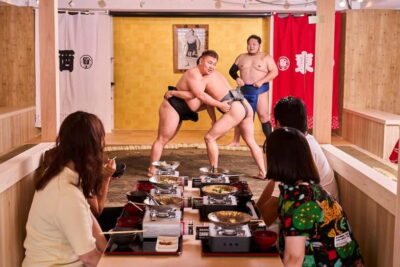
Tokyo Sumo Experience: Chanko & Mochi with a Former Pro
Read our review →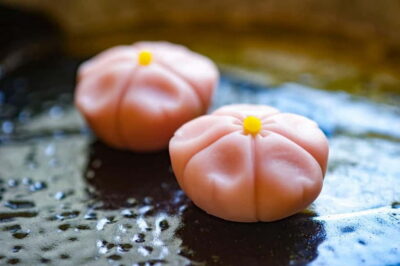
Matcha Making Experience with Mochi Sweets in Asakusa
Read our review →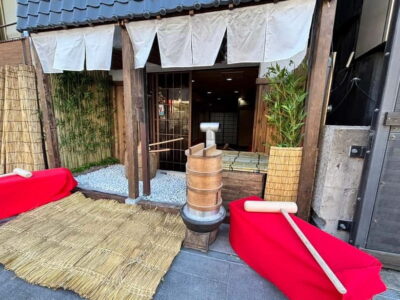
Traditional Mochi Pounding Experience with Tasting
Read our review →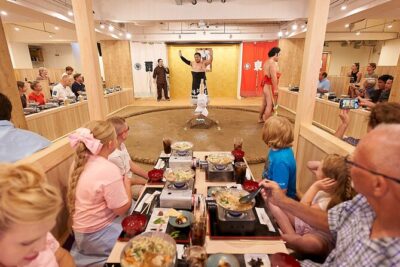
TokyoSumoShow, ChickenHotPot, and Mochi-Pounding by Pro Wrestlers
Read our review →
Private Mochi Sweets Making class near Shibuya area
Read our review →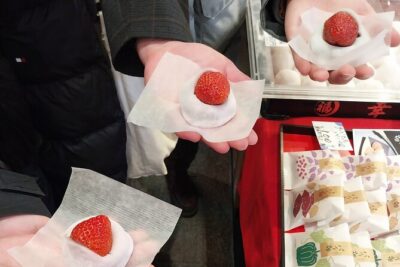
Kyoto Food Tour of 10 Tastings with Wagyu, Mochi & More Surprises
Read our review →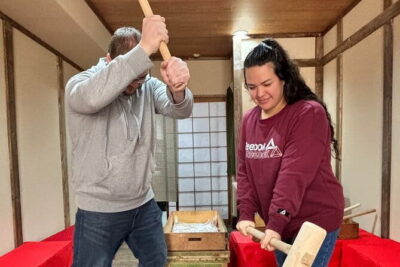
【For adult】Traditional Mochi Pounding Experience with Tasting
Read our review →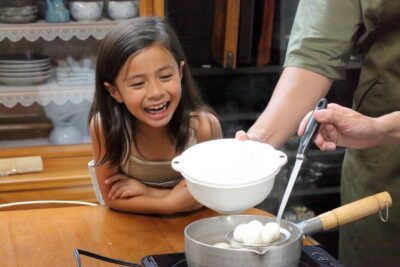
Kyoto Wagashi(Japanese sweets) Cooking Class near Fushimiinari
Read our review →Browse the lists this tour appears in